 EN
EN


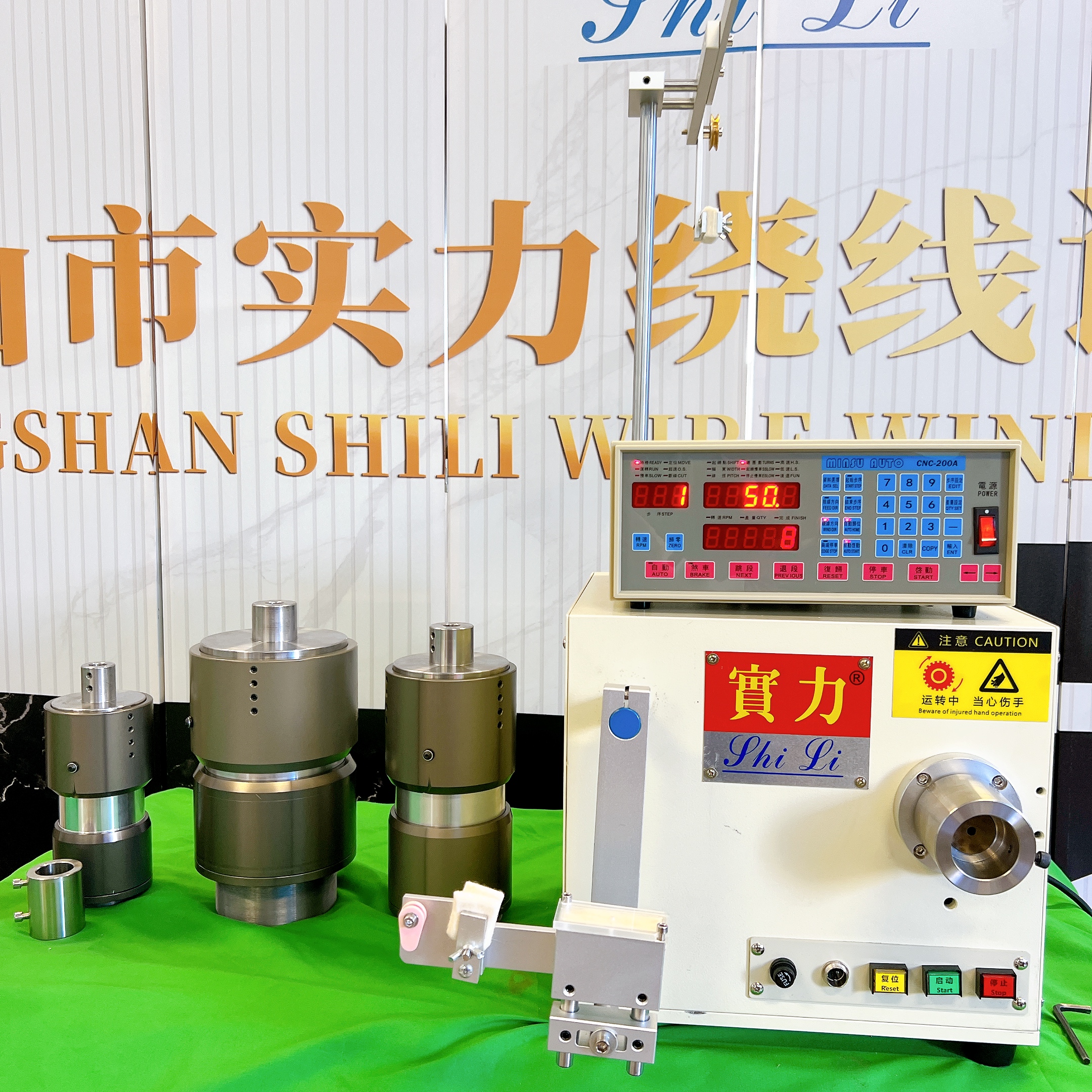
Operating a high speed winding machine demands precision in balancing two critical parameters: rotational speed and material tension. These factors directly impact product quality, production efficiency, and equipment longevity. Without proper coordination, excessive speed creates loose windings or material breakage, while insufficient tension leads to poor layer definition and electrical performance degradation. Industrial manufacturers understand that mastering this balance is essential for consistent coil quality and reduced downtime in modern manufacturing environments.
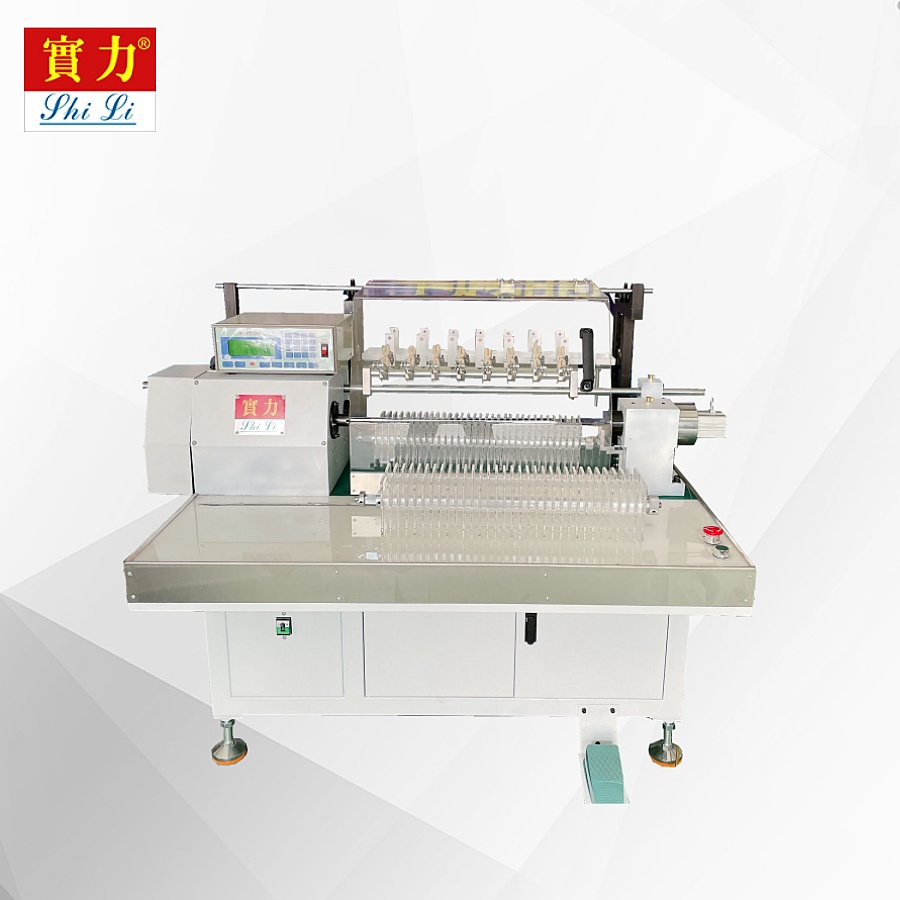
A high speed winding machine operates within a performance envelope defined by material properties, spindle capabilities, and thermal constraints. Operators must understand how speed and tension interact dynamically during production cycles. When tension settings remain static while speed increases, winding uniformity deteriorates. Conversely, tension that proves adequate at low speeds may cause material stress or breakage at higher rotational velocities. Achieving this equilibrium requires systematic measurement, adjustment protocols, and real-time monitoring throughout the production run.
Understanding Core Operating Parameters
Speed Dynamics in High Speed Winding Machines
Rotational speed in a high speed winding machine directly influences material layering precision and production throughput. Higher speeds accelerate production cycles but demand proportional increases in control accuracy. Most high speed winding machine systems operate in ranges from 500 to 5000 revolutions per minute, depending on wire gauge and material type. Exceeding optimal speed thresholds introduces centrifugal forces that destabilize material placement and compromise coil geometry. Operators must calibrate speed settings based on wire diameter, material composition, and required winding density to prevent quality degradation.
Tension Control Mechanisms
Effective tension management in a high speed winding machine ensures uniform wire placement and prevents slippage or breakage. Tension control systems typically employ braking mechanisms, dancer arms, or magnetic clutches to maintain consistent pulling force throughout production. The correct tension value depends on material tensile strength, desired coil tightness, and spindle acceleration rates. A high speed winding machine operating without precise tension regulation experiences inconsistent layer spacing, which reduces electrical performance and mechanical reliability. Tension sensors provide real-time feedback, allowing operators to adjust parameters before quality issues emerge during production cycles.
Optimization Strategies for Balanced Operation
Synchronized Speed-Tension Adjustment Protocols
Balancing speed and tension in a high speed winding machine requires a systematic approach to parameter interdependence. When increasing spindle speed, tension must rise proportionally to maintain material control and prevent slippage. Industry best practice dictates establishing baseline tension values at low speeds, then incrementally increasing both parameters simultaneously during acceleration phases. A high speed winding machine equipped with programmable logic controllers enables operators to define speed-tension curves that automatically adjust settings throughout the production cycle. This synchronized approach reduces manual intervention and minimizes transition zones where quality degradation typically occurs.
Real-Time Monitoring and Feedback Systems
Modern high speed winding machine installations incorporate tension sensors, tachometers, and load cells that provide continuous performance data. Real-time monitoring allows operators to detect deviation patterns before they produce scrap material. When tension sensors indicate fluctuation beyond acceptable ranges, the high speed winding machine can automatically compensate by adjusting braking force or clutch engagement. Tachometer feedback confirms spindle speed stability and prevents acceleration overshoots that destabilize material placement. Integrating these sensors into centralized control systems enables data logging for quality audits and predictive maintenance planning. The combination of sensor feedback and closed-loop control ensures consistent winding quality across production batches.
Material-Specific Considerations and Practical Implementation
Wire Gauge and Material Property Adaptation
Different wire materials and gauges require distinct speed-tension combinations in a high speed winding machine environment. Copper wire tolerates higher tensions than aluminum due to superior tensile strength, allowing faster production speeds without breakage risk. Fine-gauge wires require lower absolute tensions but higher relative force values to prevent slippage and ensure precise layer spacing. When transitioning between material types on a high speed winding machine, operators must recalibrate both speed and tension parameters based on established material profiles. Incorrect settings during changeovers represent a primary source of production loss and quality issues in high-speed environments.
Thermal Management and Extended Runtime Considerations
Sustained operation of a high speed winding machine generates heat through friction and mechanical stress, affecting material properties and control system performance. Wire material softens as temperature rises, reducing tensile strength and requiring downward adjustment of tension values. Spindle bearings experience thermal expansion during extended production runs, potentially affecting rotational stability and speed consistency. A high speed winding machine must incorporate cooling systems or scheduled pause intervals to maintain thermal stability throughout long production shifts. Operators should monitor bearing temperature trends and implement preventive cooling measures to sustain performance quality and equipment lifespan.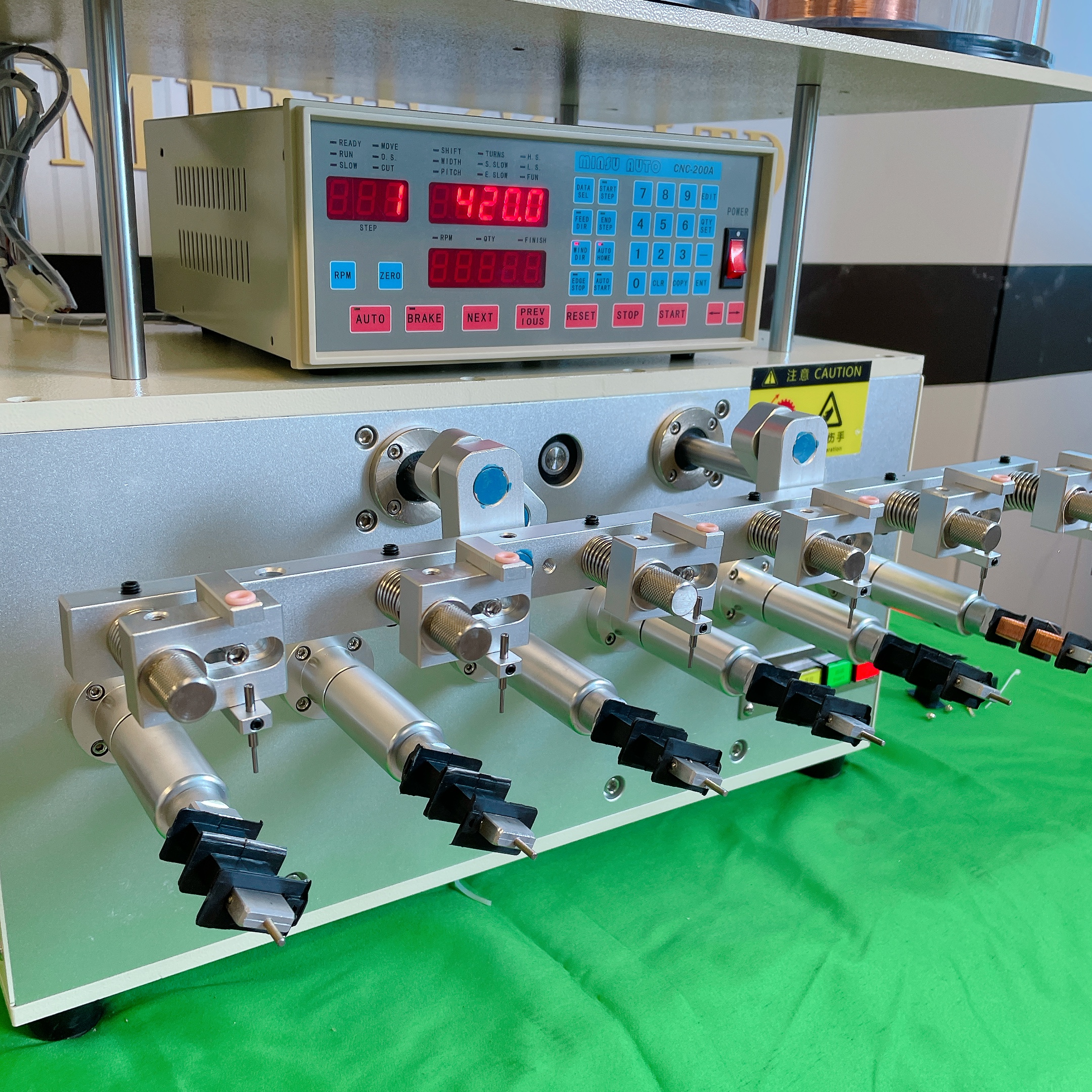
FAQ
What happens if tension exceeds optimal levels in a high speed winding machine?
Excessive tension in a high speed winding machine causes wire breakage, reduces spindle bearing lifespan through increased load stress, and creates excessive pressure on material surfaces that may produce surface damage or deformation. The coil structure becomes overly compressed, potentially compromising electrical performance characteristics and increasing the risk of short circuits in motor or transformer applications. Operators should establish upper tension limits based on material tensile strength specifications and monitor alarm thresholds closely.
How does wire diameter influence speed settings on a high speed winding machine?
Finer wire diameters require lower rotational speeds to maintain precise layer definition and prevent slippage within the winding head. A high speed winding machine configured for fine-gauge wire typically operates at 30 to 50 percent of maximum speed to ensure accuracy. Heavier gauge wire tolerates faster speeds because material stiffness and inertia provide greater resistance to centrifugal displacement. Speed selection directly impacts production throughput, so material thickness represents a primary constraint on achievable cycle times.
Can automatic tension control systems adapt to speed changes on a high speed winding machine?
Yes, modern high speed winding machine installations with programmable controllers can execute automated tension adjustments synchronized with speed profile changes. These systems store material-specific speed-tension curves that trigger proportional adjustments as spindle acceleration proceeds through production phases. Closed-loop sensor feedback enables real-time compensation for deviation, maintaining consistent winding quality throughout the entire production cycle without manual operator intervention.