 EN


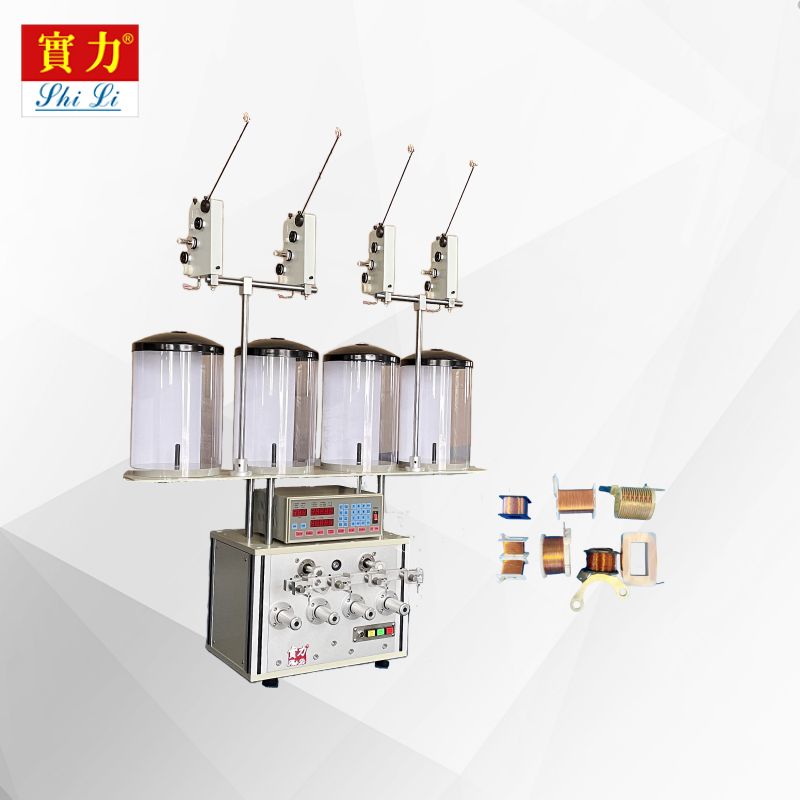
Selecting the right tooling for an automatic coil winding machine is one of the most critical decisions manufacturers face when investing in production automation. The performance, precision, and longevity of your automatic coil winding machine depend directly on the quality and compatibility of the tooling components integrated into the system. Whether you're winding small transformers, motor coils, or specialized electromagnetic components, understanding which tooling factors matter most will help you optimize output quality and minimize downtime across your facility.
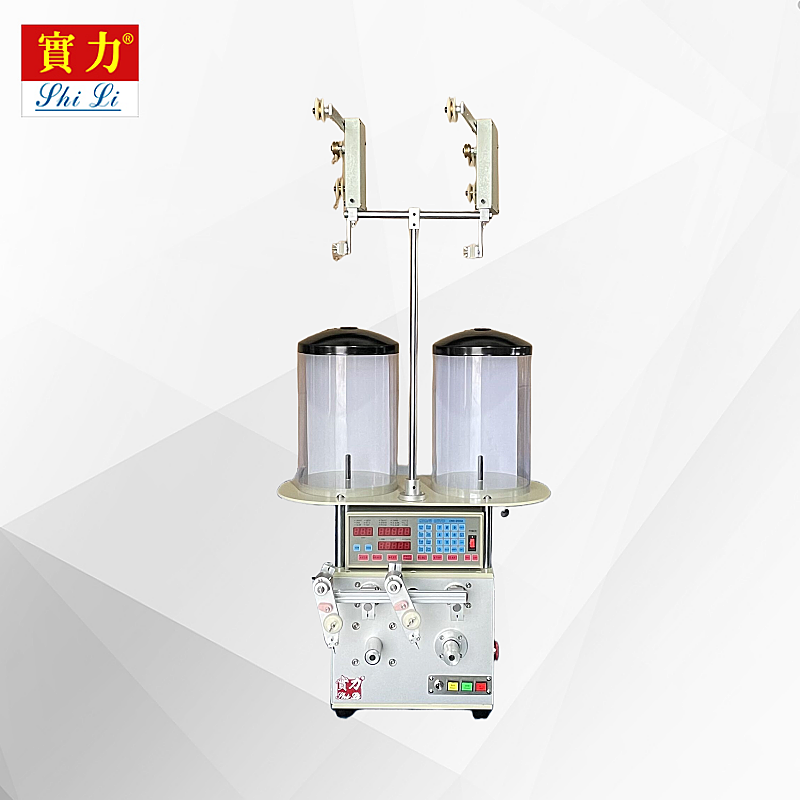
The tooling architecture of an automatic coil winding machine encompasses spindle systems, wire guides, mandrels, tension controls, and cutting mechanisms. Each component works together to determine winding accuracy, wire feed consistency, and finished coil quality. Without proper tooling alignment and specification, even the most advanced automatic coil winding machine will struggle to meet tight tolerances, produce uniform coil density, or maintain reliable production speeds. This guide explores the essential tooling considerations that separate efficient, high-precision operations from costly production challenges.
Spindle Design and Rotational Accuracy
Spindle Precision Requirements
The spindle system is the heart of any automatic coil winding machine, directly controlling the rotation speed, stability, and positional accuracy during winding cycles. A high-precision spindle in an automatic coil winding machine must maintain consistent rotational velocity while supporting radial and axial loads from the wire tension and mandrel weight. Spindle runout—the deviation from true rotation—must be kept within tight specifications, typically under 0.05 millimeters, to ensure uniform coil geometry and prevent wire misalignment that degrades final product quality.
Modern automatic coil winding machine spindles use precision ball bearings or magnetic bearing systems to achieve this accuracy. The automatic coil winding machine spindle design must accommodate the specific wire gauge and coil diameter your operation requires, as heavier wires and larger mandrels demand more robust bearing systems and higher torque capacity. Spindle speed flexibility is equally important; your automatic coil winding machine should allow operator adjustment of rotation speeds to match different wire materials and coil specifications without sacrificing stability or accuracy.
Heat Management in Spindle Systems
Extended operation of an automatic coil winding machine generates significant heat in spindle bearings, which can degrade precision and reduce component lifespan if not properly managed. Effective cooling systems, whether air-cooled or liquid-cooled, are essential tooling considerations for any automatic coil winding machine intended for continuous production. The automatic coil winding machine cooling system prevents thermal expansion of spindle components, which would otherwise introduce runout drift and dimensional errors in wound coils as the machine warms up during the work shift.
Wire Guiding and Tension Control Systems
Guide Precision and Wire Path Optimization
Wire guides are critical tooling elements in an automatic coil winding machine that directly control wire placement, layer uniformity, and coil compactness. Precision wire guides in an automatic coil winding machine must accommodate different wire diameters while maintaining consistent guide spacing and smooth wire feed without creating sharp bends that weaken the conductor. The automatic coil winding machine guide system typically includes ceramic or tungsten carbide surfaces to minimize friction, prevent wire oxidation, and extend service life across high-volume production runs.
Multi-layer coil winding requires sophisticated guide mechanisms in an automatic coil winding machine to transition wire position between layers without gaps or overlaps. Advanced automatic coil winding machine designs incorporate servo-driven guide carriages that track mandrel rotation and precisely position wire placement according to programmed winding patterns. This dynamic guide control is essential tooling technology for producing complex coil geometries, flat-pack coils, or sections where layer count and wire density directly affect electromagnetic performance.
Tension Control as a Tooling Function
Wire tension during winding is managed through dedicated tooling systems within an automatic coil winding machine that regulate brake force, spool rotation, and feedback-based adjustments. Proper tension in an automatic coil winding machine prevents loose coil winding, which reduces coil density and electromagnetic efficiency, while excessive tension risks wire breakage and damage to conductor insulation. Tension controllers integrated into modern automatic coil winding machine designs use real-time feedback sensors to maintain consistent tension throughout the winding cycle, automatically compensating for spool diameter changes as wire is dispensed.
Mandrel Selection and Changeover Tooling
Mandrel Specifications for Coil Geometry
The mandrel is the core around which wire wraps in an automatic coil winding machine, and mandrel design directly determines final coil bore diameter, coil height, and structural integrity. High-quality tooling for an automatic coil winding machine includes mandrels manufactured from hardened steel or aluminum alloys with precision grinding to maintain straightness within 0.02 millimeters over their full length. The automatic coil winding machine mandrel surface finish must be smooth to prevent wire snagging or insulation damage, particularly when winding enameled copper wire or composite conductors with delicate coatings.
Mandrel tooling for an automatic coil winding machine should incorporate standardized quick-change interfaces that allow operators to swap mandrels efficiently without requiring spindle realignment or extensive recalibration. Modular mandrel systems in an automatic coil winding machine reduce setup time between production batches and minimize the risk of introducing runout errors during mandrel installation. The automatic coil winding machine mandrel library should cover the full range of bore diameters and coil heights your facility produces, enabling responsive batch scheduling and reduced changeover downtime.
Ejection and Removal Mechanisms
After winding completion, finished coils must be removed from the mandrel in an automatic coil winding machine without damage, requiring specialized ejection tooling. Ejector mechanisms in an automatic coil winding machine use hydraulic, pneumatic, or mechanical force to push completed coils off the mandrel while preventing mandrel rotation or coil deformation during removal. The automatic coil winding machine ejection system must accommodate coil stiffness variations across different wire gauges and winding patterns, providing controlled, repeatable coil removal that protects product integrity and maintains production cycle consistency.
Cutting and Termination Tooling
Wire Cutting Precision
An automatic coil winding machine requires precision cutting tooling to trim wire ends cleanly at the correct positions, ensuring proper coil lead geometry and electrical connection points. Cutting blades integrated into an automatic coil winding machine system must maintain sharp edges and proper alignment to avoid crushing, fraying, or deforming conductor strands at cut surfaces. The automatic coil winding machine cutting mechanism timing must synchronize precisely with spindle position so that cuts occur at the exact winding layer and coil location specified by the production program.
Advanced automatic coil winding machine models incorporate servo-controlled cutting systems that allow variable cutting heights and multiple cut positions within a single coil winding cycle. This flexibility in an automatic coil winding machine tooling system enables production of specialized coil geometries and supports complex electrical configurations without requiring custom mandrel or guide tooling changes. Automatic automatic coil winding machine cutting systems with automated blade replacement or sharpening sensors reduce maintenance downtime and ensure consistent cut quality throughout extended production runs.
Lead Formation and Termination
Post-winding lead formation and termination require specialized tooling fixtures in an automatic coil winding machine that bend, twist, or solder leads to achieve final coil specifications. Some automatic coil winding machine designs integrate lead bending tooling directly into the winding head, allowing coil leads to be formed during the unwinding sequence immediately after winding completion. The automatic coil winding machine lead tooling must accommodate different lead materials, angles, and lengths while maintaining dimensional precision and preventing stress on the coil structure that could cause wire cracking or insulation breakdown.
FAQ
What tooling upgrades provide the best return on investment for an automatic coil winding machine?
Spindle precision upgrades and advanced tension control systems typically deliver the strongest ROI for an automatic coil winding machine, as they directly reduce scrap rates and improve coil uniformity. Wire guide tooling improvements also pay dividends quickly by extending changeover intervals and enabling faster setup between different coil specifications. The automatic coil winding machine tooling that addresses your facility's primary quality or throughput bottleneck will consistently provide the fastest payback period.
How often should mandrels and wire guides be replaced on an automatic coil winding machine?
Mandrel replacement intervals for an automatic coil winding machine depend on wire gauge, production volume, and material type, but typically range from 6 to 18 months under normal operating conditions. Wire guides in an automatic coil winding machine wear faster than mandrels and may require replacement every 2 to 6 months depending on wire abrasiveness and winding speed. Preventive replacement of these automatic coil winding machine tooling components before visible wear develops protects coil quality and prevents unexpected production interruptions.
Can an automatic coil winding machine tooling system be retrofitted to handle new wire specifications?
Many automatic coil winding machine designs support modular tooling that allows wire guide, mandrel, and tension system upgrades to accommodate new specifications without complete machine replacement. However, spindle and motor capacity limits may constrain the range of wire gauges an existing automatic coil winding machine can handle after retrofitting. Consulting your equipment manufacturer about available tooling compatibility and upgrade paths ensures that an automatic coil winding machine investment remains adaptable as your production needs evolve.