 EN


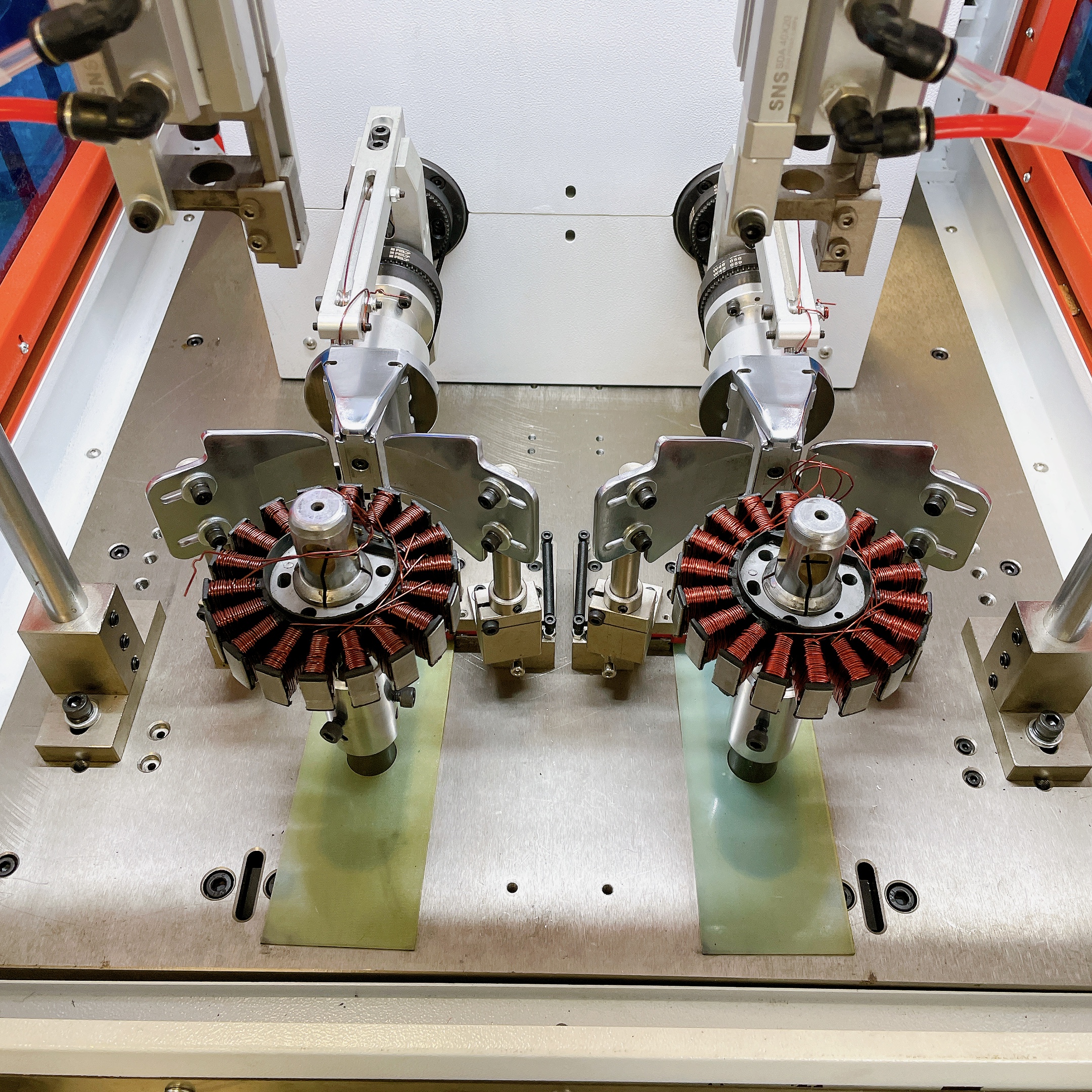
The performance of any electric motor depends heavily on how its windings are arranged and executed. A bldc motor winding machine that uses an optimized winding pattern can deliver superior torque consistency, reduced cogging, lower electromagnetic noise, and improved thermal distribution compared to poorly designed alternatives. Understanding which winding patterns work best for your specific application is critical for achieving the performance targets your industrial operation demands.
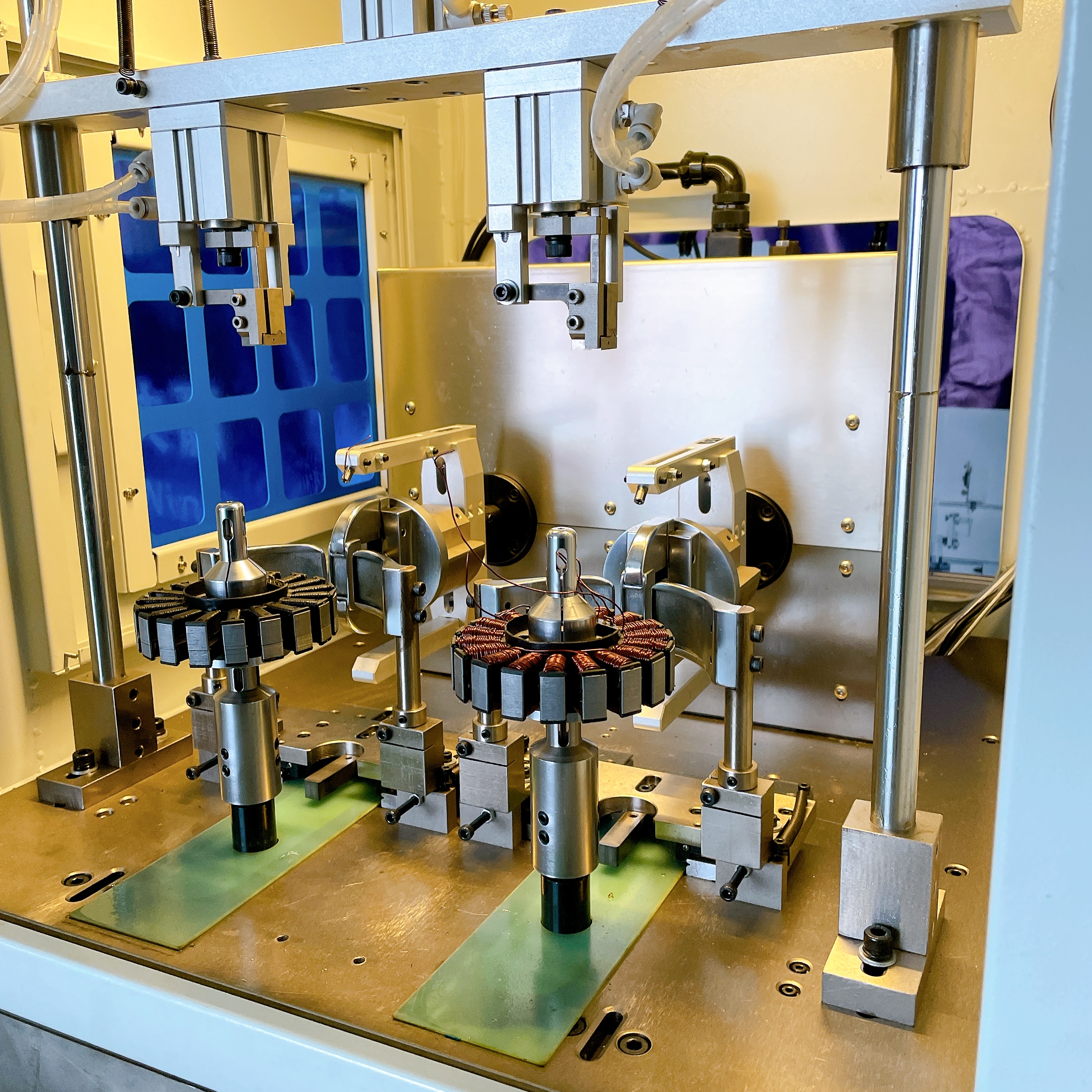
Modern manufacturing relies on precision, repeatability, and efficiency. A bldc motor winding machine equipped with the right winding pattern technology produces motors that meet stringent performance specifications while minimizing scrap rates and rework. The choice of winding pattern—whether concentrated, distributed, or hybrid—directly influences motor efficiency, acoustic behavior, reliability, and manufacturing speed. This guide explores the winding patterns that deliver measurable performance improvements in bldc motor winding machine operations.
Understanding Core Winding Pattern Types
Concentrated Winding Patterns in BLDC Motors
Concentrated winding patterns place all coils for a single phase into adjacent slots around the stator. When a bldc motor winding machine executes concentrated winding, the result is a compact, efficient coil arrangement that maximizes slot fill and reduces copper waste. This pattern works exceptionally well in applications requiring high torque density and fast acceleration, such as electric vehicle motors and precision industrial servos. The bldc motor winding machine operators appreciate concentrated winding because it simplifies tooling, reduces winding time, and maintains excellent repeatability across production runs.
However, concentrated winding patterns in a bldc motor winding machine also introduce higher harmonic content and increased cogging torque. These drawbacks appear most noticeably in applications demanding smooth, quiet operation. Engineers must weigh the manufacturing advantages against performance trade-offs when selecting concentrated patterns for a bldc motor winding machine configuration.
Distributed Winding Patterns for Smooth Performance
Distributed winding patterns spread coils across multiple slots, effectively filtering out high-frequency harmonics and delivering smoother torque curves. When your bldc motor winding machine implements distributed winding, electromagnetic noise drops significantly, cogging torque diminishes, and thermal stress distributes more evenly across the stator structure. Applications requiring silent operation—such as HVAC systems, consumer appliances, and precision automation equipment—benefit greatly from distributed winding executed on a properly configured bldc motor winding machine.
The trade-off involves longer winding times and more complex tooling within the bldc motor winding machine setup. Distributed patterns require the machine to place individual coil sides across different slots, demanding precise control and sequencing. Despite increased cycle time, many manufacturers choose distributed patterns on their bldc motor winding machine because customer demands for quiet, efficient operation justify the investment in optimized equipment and programming.
Performance Optimization Through Pattern Selection
Torque Ripple and Cogging Reduction
Torque ripple—the variation in instantaneous torque delivery—directly impacts motor smoothness and mechanical stress on driven components. A bldc motor winding machine configured for hybrid or optimized distributed patterns can reduce torque ripple by 30 to 50 percent compared to basic concentrated winding. Lower ripple translates to reduced vibration, extended bearing life, quieter operation, and better performance in precision applications like robotics, medical devices, and optical instruments. The bldc motor winding machine settings that produce these improvements involve careful slot-pole combinations, phase angle adjustments, and precise coil positioning.
Cogging torque—the reluctance torque present even without current—becomes increasingly important in applications requiring smooth low-speed operation. Advanced bldc motor winding machine programming can distribute coils to nearly cancel cogging effects, enabling smooth motion at fractional speeds where basic patterns would produce noticeable jerking. This capability makes modern bldc motor winding machine technology essential for servo systems, positioning equipment, and any application demanding smooth, controlled motion across the entire speed range.
Thermal Management and Efficiency Gains
Heat generation in motors stems from copper losses, iron losses, and mechanical friction. A bldc motor winding machine that optimizes winding patterns improves slot fill efficiency, reduces wire length per coil, and enables better cooling air circulation through optimized slot geometry. These improvements directly lower operating temperature and extend motor lifespan. Distributed patterns in a bldc motor winding machine typically achieve 2 to 5 percent efficiency gains compared to concentrated alternatives by reducing copper resistance and improving thermal dissipation.
The bldc motor winding machine operator must also consider cooling strategy when selecting winding patterns. Concentrated winding allows thicker wire and denser packing but may trap heat in the stator core. Distributed winding spreads coils more openly, facilitating convection cooling and forced-air ventilation. Hybrid approaches implemented on advanced bldc motor winding machine systems combine concentrated patterns' torque density with distributed patterns' thermal advantages, delivering optimal performance for applications requiring both high power and reliable continuous duty.
Practical Implementation on Modern Winding Equipment
Machine Capabilities and Pattern Flexibility
Not all bldc motor winding machine equipment can execute every winding pattern equally well. Legacy machines designed for simple concentrated winding often lack the axis control, timing precision, and intelligent programming needed for sophisticated distributed or hybrid patterns. Modern bldc motor winding machine technology incorporates servo-driven spindles, multi-axis positioning, real-time tension monitoring, and adaptive speed control that enable rapid pattern switching and reliable execution. When selecting or upgrading your bldc motor winding machine, prioritize equipment offering flexible pattern capability, programmable slot targeting, and proven performance on your target motor specifications.
The bldc motor winding machine operator benefits from equipment featuring intuitive pattern programming interfaces, pattern libraries for common motor types, and simulation tools that predict winding performance before production begins. These capabilities reduce setup time, minimize scrap from pattern errors, and accelerate time-to-production for new motor designs. Leading bldc motor winding machine manufacturers now provide cloud-connected systems that store proven patterns, track performance metrics, and suggest optimizations based on historical data.
Quality Control and Pattern Verification
Once a winding pattern executes on your bldc motor winding machine, verification ensures consistent performance across every motor produced. Automated inspection systems measure winding angles, coil positioning, wire tension consistency, and slot fill accuracy directly after winding. These measurements confirm that the bldc motor winding machine maintained pattern fidelity throughout production. Resistance measurements, continuity tests, and insulation checks further validate winding quality before motors proceed to testing or assembly stages.
Advanced bldc motor winding machine systems integrate these inspections into the production workflow, flagging pattern deviations immediately and triggering corrective actions before defects propagate. This closed-loop quality approach protects your production efficiency and ensures every motor delivered meets the performance specifications promised to your customers. The combination of sophisticated bldc motor winding machine technology and rigorous quality protocols creates the foundation for reliable, high-performance motor production.
FAQ
What winding pattern produces the highest torque density in a BLDC motor winding machine?
Concentrated winding patterns generally produce the highest torque density because all coils for each phase occupy adjacent slots, maximizing magnetic coupling and slot utilization. A bldc motor winding machine executing concentrated winding delivers compact, powerful motors ideal for high-performance applications. However, this comes with increased cogging torque and harmonic content, requiring careful design consideration for smooth operation applications.
How does a BLDC motor winding machine reduce torque ripple through pattern optimization?
A bldc motor winding machine reduces torque ripple through distributed winding patterns, fractional-slot configurations, and optimized slot-pole combinations that distribute magnetic forces more uniformly. Hybrid patterns that blend concentrated and distributed approaches also work effectively. Advanced bldc motor winding machine programming calculates ideal coil placement to cancel harmonic interactions, resulting in smoother torque delivery and reduced acoustic noise compared to basic patterns.
Can a bldc motor winding machine switch between different winding patterns easily?
Modern bldc motor winding machine equipment with flexible servo control and programmable slot targeting can switch between pattern types relatively quickly, typically requiring only software updates and minor mechanical repositioning. However, significant pattern changes may require tooling modifications or spindle speed adjustments. Legacy bldc motor winding machine designs optimized for single patterns face greater challenges. When pattern flexibility matters for your operation, select bldc motor winding machine equipment explicitly designed for multi-pattern capability.