Professional Transformer Winding Machine - Advanced Automation for Precise Coil Manufacturing

Get a Free Quote

Our representative will contact you soon.
Email
Name
Company Name
Message
0/1000

transformer winding machine

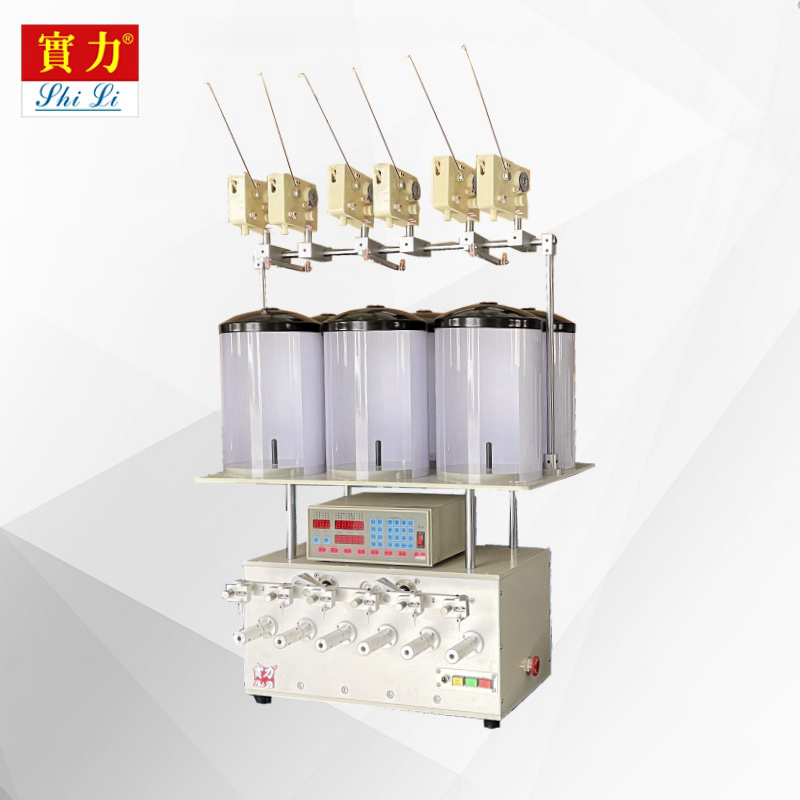
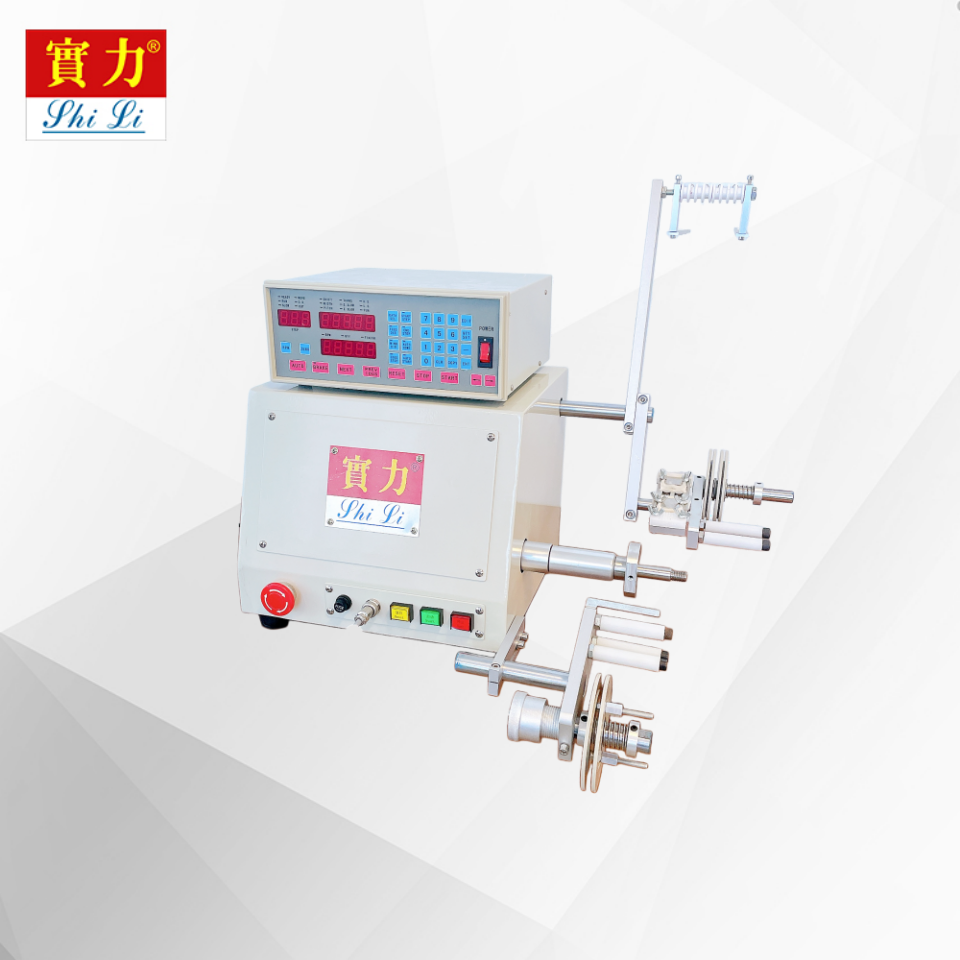
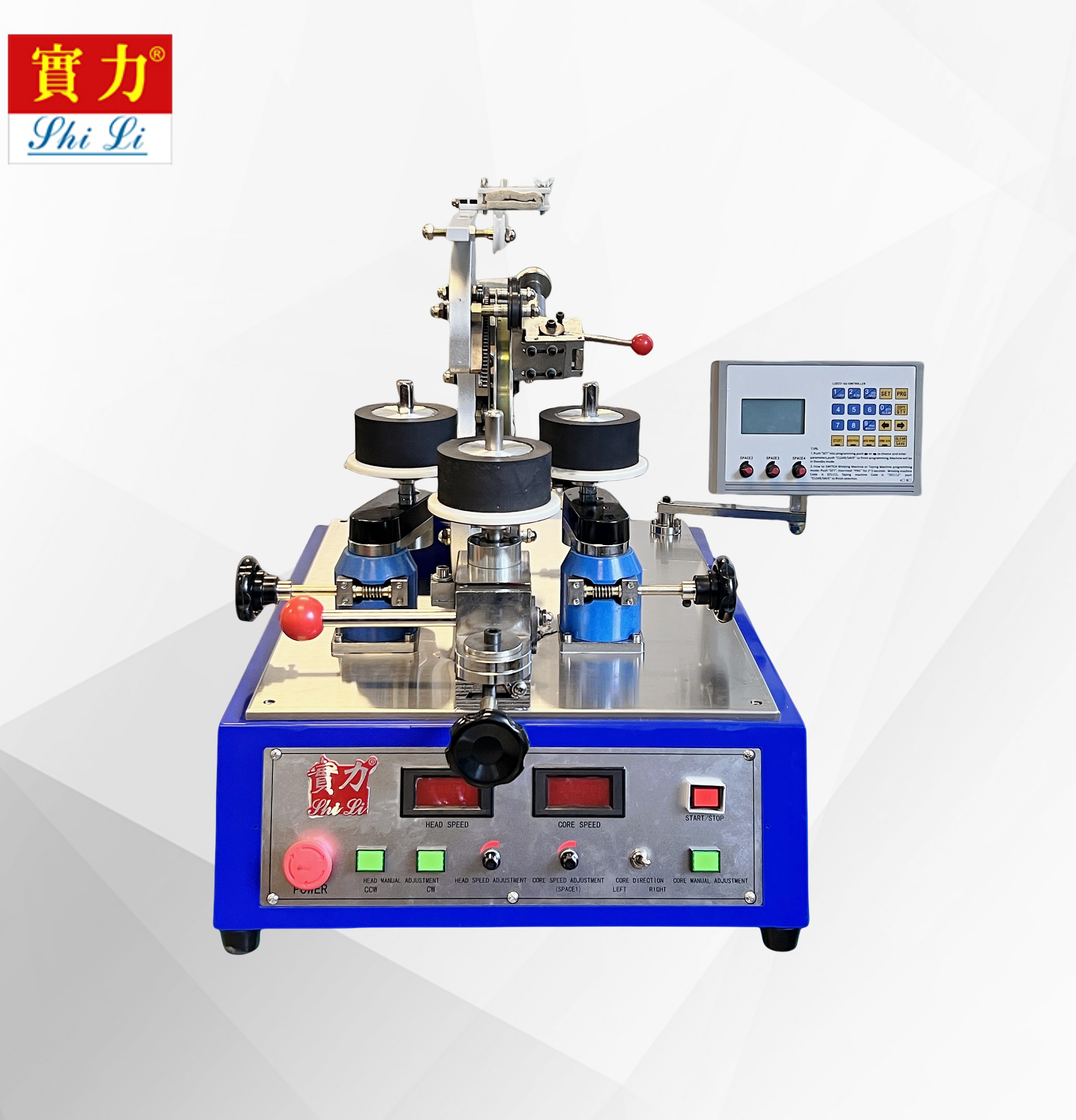
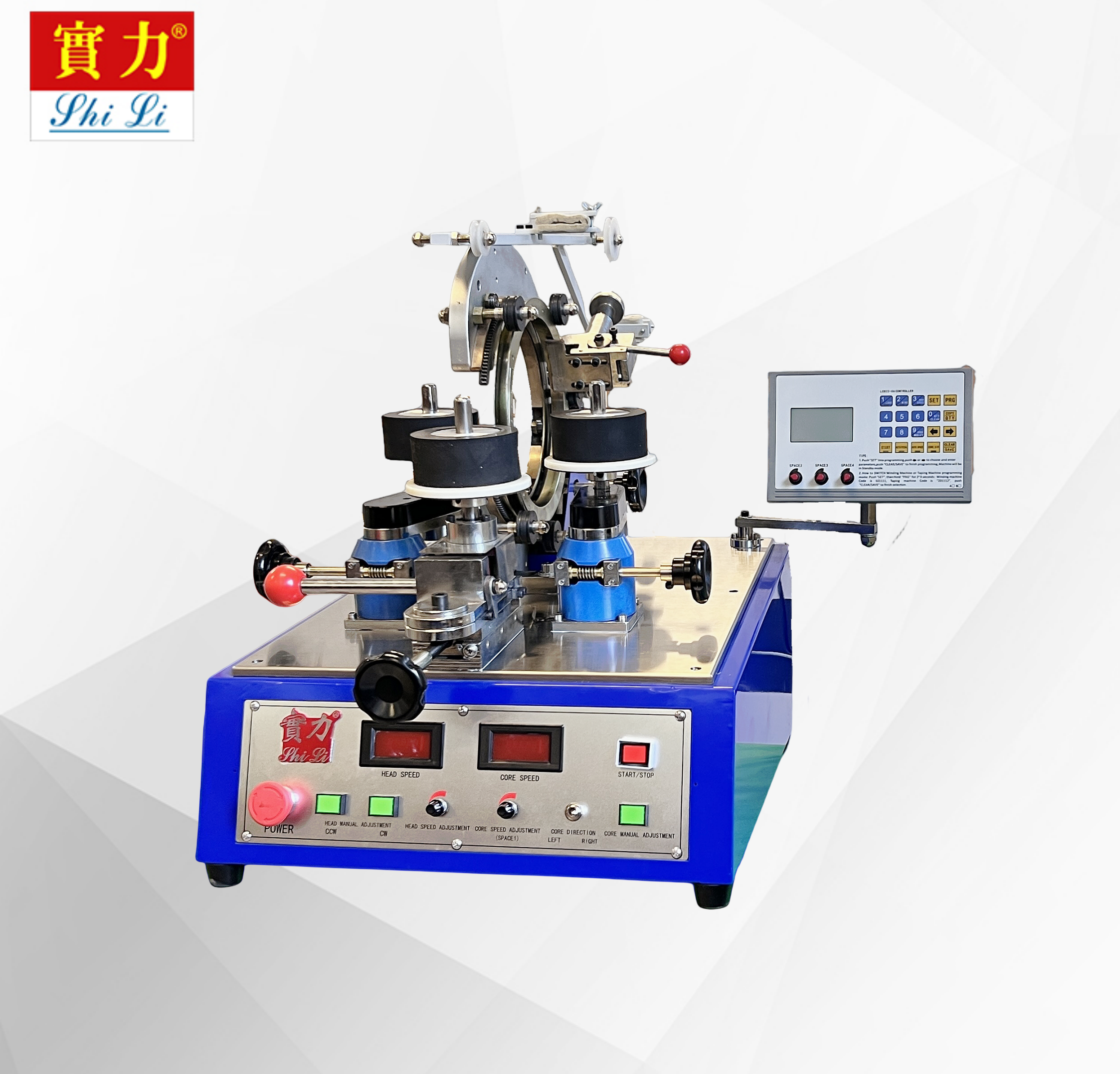
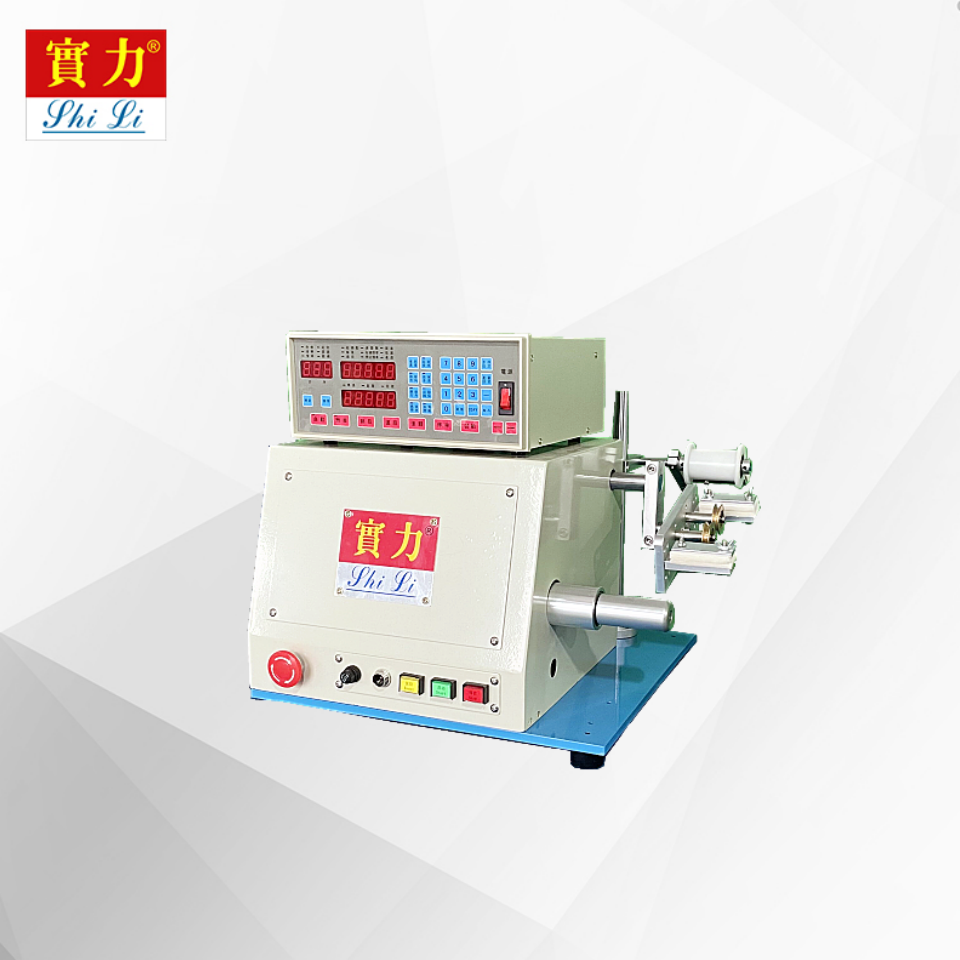
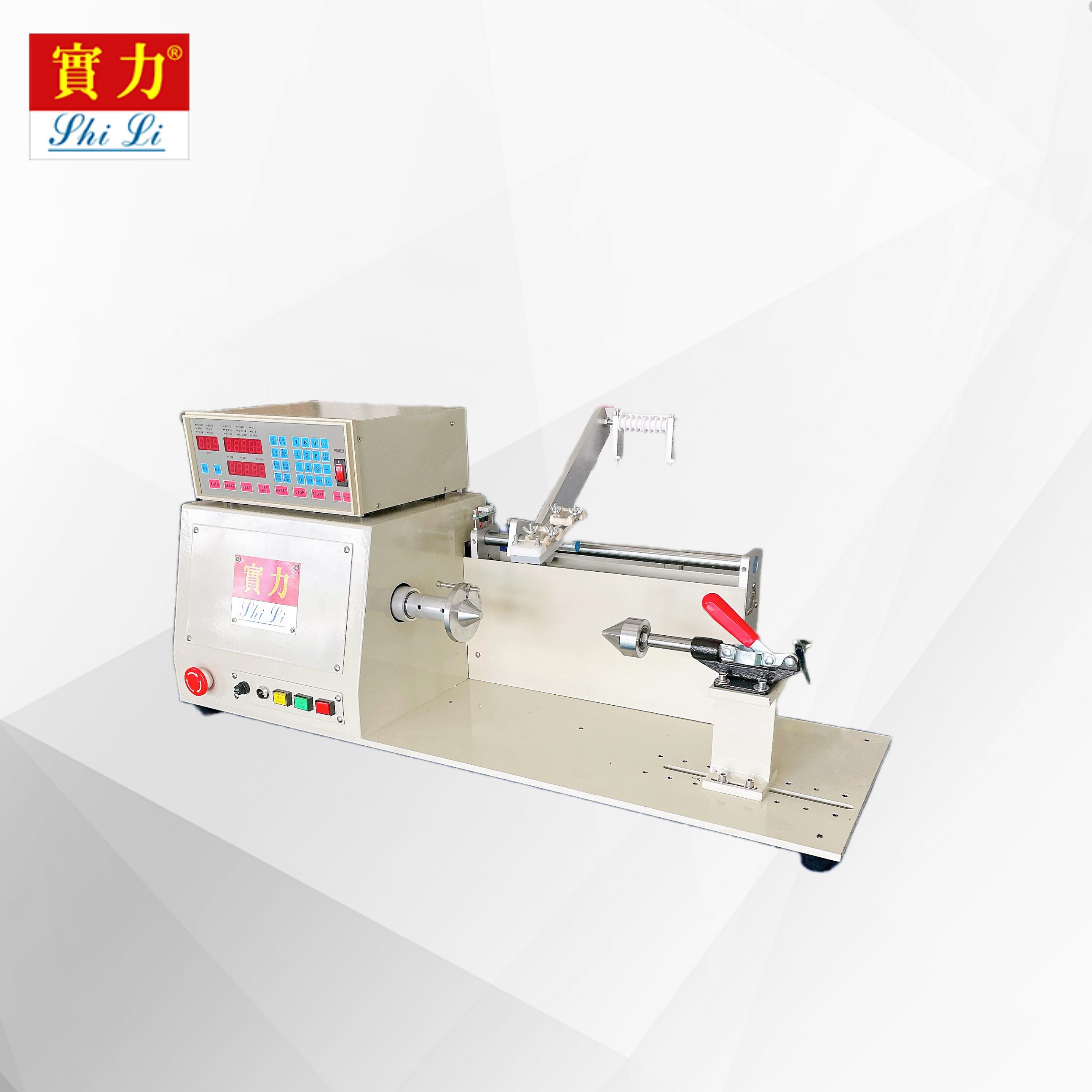
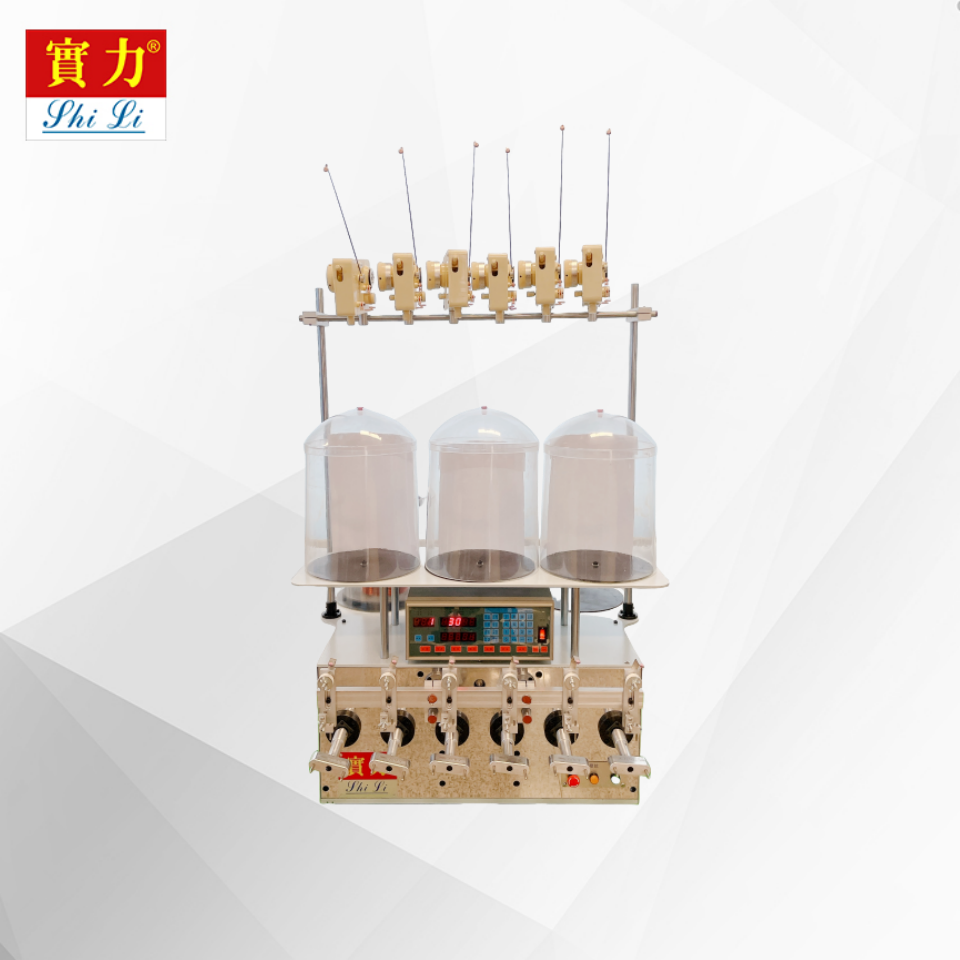
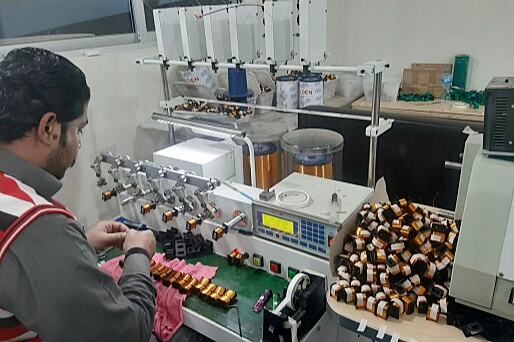
A transformer winding machine represents a sophisticated piece of industrial equipment designed specifically for manufacturing transformer coils with exceptional precision and consistency. This automated machinery streamlines the complex process of winding copper or aluminum wire around transformer cores, ensuring optimal electrical performance and reliability. The transformer winding machine operates through advanced computer-controlled systems that regulate wire tension, winding speed, and layer distribution to create perfectly formed coils. These machines accommodate various transformer types, from small distribution transformers to large power transmission units. The primary function involves systematically wrapping conductive wire around magnetic cores while maintaining precise spacing and alignment. Modern transformer winding machines incorporate digital control panels that allow operators to program specific winding patterns, adjust parameters, and monitor the entire process in real-time. The technological features include servo motor drives for accurate positioning, programmable logic controllers for automated operation, and tension control systems that prevent wire breakage. Wire guiding mechanisms ensure consistent placement while automatic wire cutting and termination systems reduce manual intervention. Many machines feature multiple spindle configurations, enabling simultaneous winding of several coils to increase production capacity. The applications span across electrical manufacturing industries, including power generation companies, electrical equipment manufacturers, and transformer repair facilities. These machines handle various wire gauges and insulation materials, adapting to different transformer specifications and voltage requirements. Quality control systems integrated within the transformer winding machine monitor winding uniformity and detect potential defects during production. Advanced models include layer insulation dispensers that automatically apply insulating materials between wire layers, ensuring proper electrical isolation. The versatility extends to custom transformer designs, allowing manufacturers to create specialized units for specific applications such as audio transformers, isolation transformers, or high-frequency switching transformers.
Popular Products

The transformer winding machine delivers substantial cost savings by automating labor-intensive winding processes that traditionally required skilled technicians. Companies reduce production time by up to 75 percent compared to manual winding methods, allowing faster order fulfillment and increased customer satisfaction. This automation eliminates human error, resulting in consistent coil quality that meets strict electrical standards every time. The machine maintains precise wire tension throughout the winding process, preventing loose turns that could cause electrical failures or reduced efficiency. Manufacturers benefit from reduced material waste as the transformer winding machine calculates exact wire requirements and minimizes excess usage. The digital control system stores multiple winding programs, enabling quick changeovers between different transformer models without extensive setup time. Workers experience less physical strain since the machine handles heavy lifting and repetitive motions, leading to improved workplace safety and reduced injury claims. Production capacity increases significantly as operators can run multiple machines simultaneously while the automated systems handle the intricate winding tasks. The consistent winding tension and precise layer placement result in transformers with better electrical characteristics, including lower losses and improved regulation. Quality control becomes more reliable through integrated monitoring systems that detect irregularities immediately, preventing defective products from reaching customers. Energy efficiency improves in the manufacturing process as modern transformer winding machines consume less power than traditional methods while producing higher output volumes. The machine's ability to work continuously with minimal supervision allows companies to operate extended shifts and meet demanding production schedules. Maintenance costs remain low due to robust construction and self-diagnostic capabilities that alert operators to potential issues before major breakdowns occur. Training requirements decrease as the intuitive control interfaces enable new operators to become productive quickly without extensive technical knowledge. The transformer winding machine adapts easily to different product specifications, providing manufacturing flexibility that responds to changing market demands. Investment returns typically occur within two years through combined savings from reduced labor costs, decreased material waste, and increased production efficiency.

Practical Tips

Solve Solenoid Valve Coil Production Pain Points for India | Easy Operation Guide

05

Feb

Solve Solenoid Valve Coil Production Pain Points for India | Easy Operation Guide

View More
Bangladesh Client Raves: Efficiency + Stable Quality

05

Feb

Bangladesh Client Raves: Efficiency + Stable Quality

View More
Turkey Full Container Shipment: Rave Reviews & Repeat Orders

05

Feb

Turkey Full Container Shipment: Rave Reviews & Repeat Orders

View More

Get a Free Quote

Our representative will contact you soon.
Email
Name
Company Name
Message
0/1000

transformer winding machine

Advanced Precision Control Technology

Advanced Precision Control Technology

The transformer winding machine incorporates cutting-edge precision control technology that revolutionizes coil manufacturing through sophisticated servo-driven systems and programmable automation. This advanced control architecture enables manufacturers to achieve wire placement accuracy within thousandths of an inch, ensuring consistent electrical performance across every transformer produced. The servo motor drives respond instantly to programmed commands, maintaining exact wire tension while adjusting speed dynamically based on winding diameter and layer requirements. Programmable logic controllers store unlimited winding patterns, allowing operators to switch between different transformer specifications with simple button selections. The digital interface displays real-time parameters including wire speed, tension levels, turn count, and layer progression, providing complete visibility into the winding process. Operators can fine-tune settings for different wire materials, whether copper or aluminum, and accommodate various insulation types without compromising quality. The precision control system automatically compensates for wire expansion and contraction during winding, maintaining consistent coil geometry throughout production runs. Advanced feedback mechanisms continuously monitor winding parameters and make micro-adjustments to prevent irregularities before they affect product quality. This technology eliminates the variability inherent in manual winding methods, where operator skill and fatigue could impact transformer performance. The control system integrates seamlessly with quality management databases, recording detailed production data for traceability and continuous improvement initiatives. Temperature sensors within the machine prevent overheating during intensive production periods, protecting both equipment and wire insulation. The sophisticated control algorithms optimize winding patterns for specific electrical requirements, whether maximizing current capacity or minimizing electromagnetic interference. Multi-axis coordination ensures perfect alignment between wire guides and core positioning, creating uniform coils with optimal fill factors. The precision control technology extends machine lifespan by preventing mechanical stress and reducing wear on critical components through smooth, controlled movements.
Exceptional Production Flexibility and Scalability

Exceptional Production Flexibility and Scalability

The transformer winding machine demonstrates remarkable production flexibility that adapts seamlessly to diverse manufacturing requirements, from prototype development to high-volume production runs. This versatility stems from modular design principles that allow manufacturers to configure machines according to specific operational needs and future expansion plans. Quick-change tooling systems enable rapid transitions between different transformer sizes and specifications, minimizing downtime and maximizing productive capacity. The machine accommodates wire gauges ranging from fine magnet wire to heavy-duty conductors, adjusting tension and handling systems automatically for each application. Scalable production capabilities mean manufacturers can start with basic configurations and add advanced features as business requirements evolve. Multiple spindle options increase throughput for high-demand products while maintaining the flexibility to handle custom orders requiring specialized attention. The transformer winding machine processes various core materials including laminated steel, ferrite, and powder cores, adapting winding techniques to optimize magnetic performance. Programmable insulation systems dispense different barrier materials between layers, supporting diverse voltage ratings and environmental requirements. The machine handles both circular and rectangular cores with equal precision, expanding the range of transformer types manufacturers can produce. Advanced wire management systems prevent tangling and maintain consistent feed rates regardless of wire type or supplier variations. Customizable winding patterns support specialized applications such as center-tapped transformers, multi-secondary units, or high-frequency switching designs. The flexibility extends to production scheduling as the machine operates reliably during unmanned shifts, maximizing equipment utilization and reducing per-unit costs. Integration capabilities allow the transformer winding machine to connect with existing manufacturing execution systems, providing seamless workflow coordination. Future-proofing features ensure compatibility with emerging materials and technologies, protecting long-term investment value while maintaining competitive manufacturing capabilities.
Superior Quality Assurance and Reliability

Superior Quality Assurance and Reliability

The transformer winding machine establishes new standards for quality assurance through integrated monitoring systems and robust construction that delivers consistent, reliable performance over extended operational periods. Comprehensive quality control mechanisms continuously evaluate every aspect of the winding process, from initial wire placement to final termination, ensuring each transformer meets precise electrical and mechanical specifications. Real-time inspection systems detect irregularities such as wire breaks, improper tension, or layer misalignment before they compromise product integrity. Automated testing protocols verify turn count accuracy, insulation integrity, and dimensional compliance without interrupting production flow. The machine construction utilizes precision-machined components and industrial-grade materials that withstand continuous operation while maintaining accuracy over millions of winding cycles. Vibration dampening systems eliminate external disturbances that could affect winding precision, while temperature control prevents thermal expansion from impacting coil geometry. Built-in diagnostic capabilities monitor critical machine parameters and predict maintenance requirements, preventing unexpected downtime and ensuring consistent output quality. Statistical process control features track production trends and identify opportunities for continuous improvement, supporting lean manufacturing initiatives. The transformer winding machine includes automatic wire tension monitoring that prevents over-tensioning damage while ensuring adequate mechanical strength in finished coils. Layer-by-layer inspection systems verify proper wire placement and detect potential shorts or opens before insulation application. Quality documentation systems generate detailed reports for each transformer produced, supporting customer requirements and regulatory compliance. Redundant safety systems protect both operators and equipment while maintaining production continuity through automatic fault recovery procedures. The machine reliability extends to environmental tolerance, operating consistently across varying temperature and humidity conditions typical in manufacturing facilities. Preventive maintenance schedules built into the control system maximize uptime while minimizing service costs through predictive component replacement. This comprehensive approach to quality assurance reduces warranty claims, enhances customer satisfaction, and builds long-term reputation advantages in competitive transformer markets.

Get a Free Quote

Our representative will contact you soon.
Email
Name
Company Name
Message
0/1000
Newsletter
Please Leave A Message With Us