Professional Transformer Winding Equipment: Advanced Manufacturing Solutions for Electrical Components

Get a Free Quote

Our representative will contact you soon.
Email
Name
Company Name
Message
0/1000

transformer winding equipment

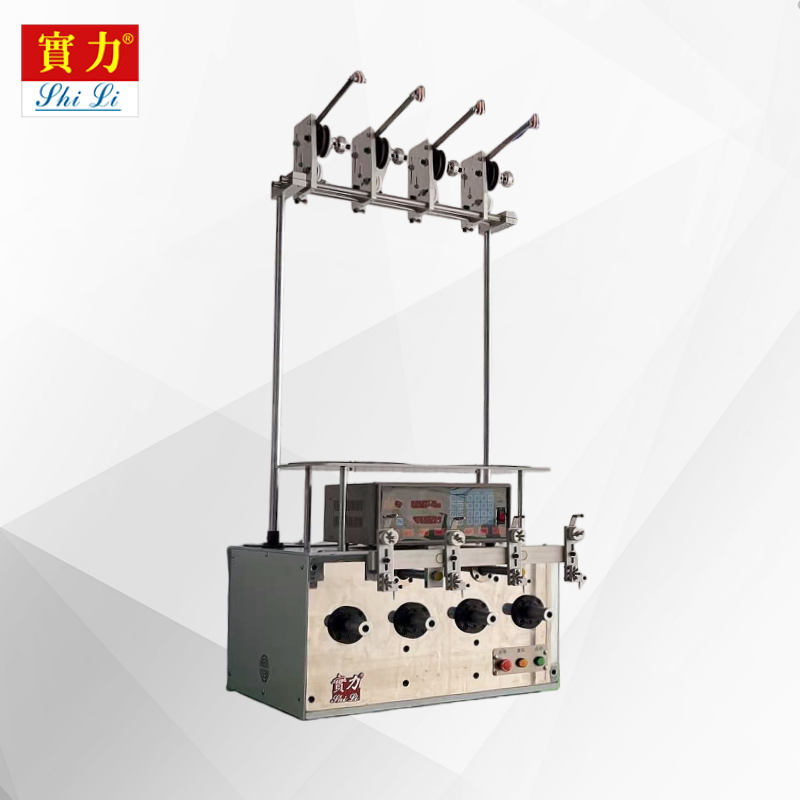
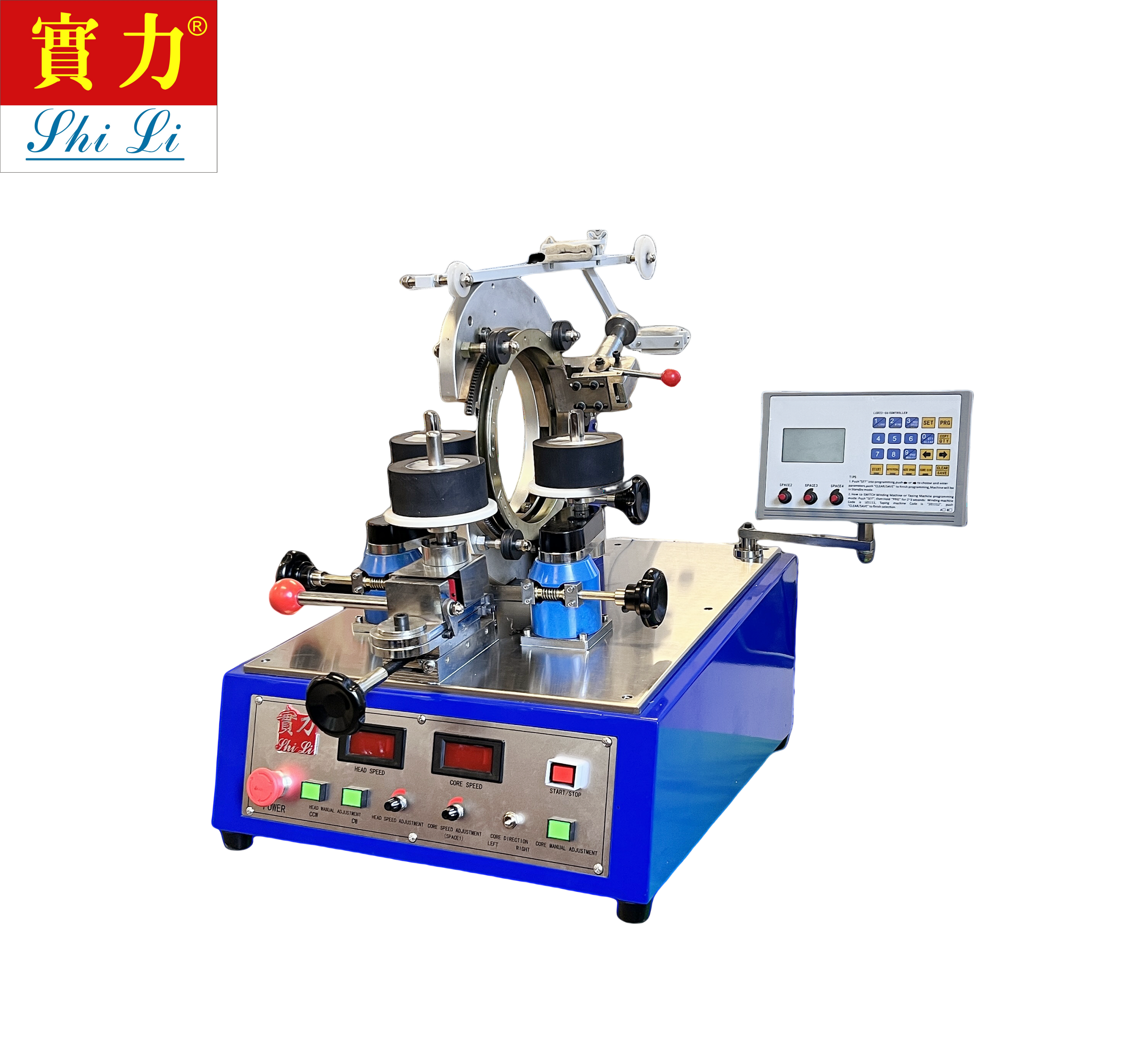
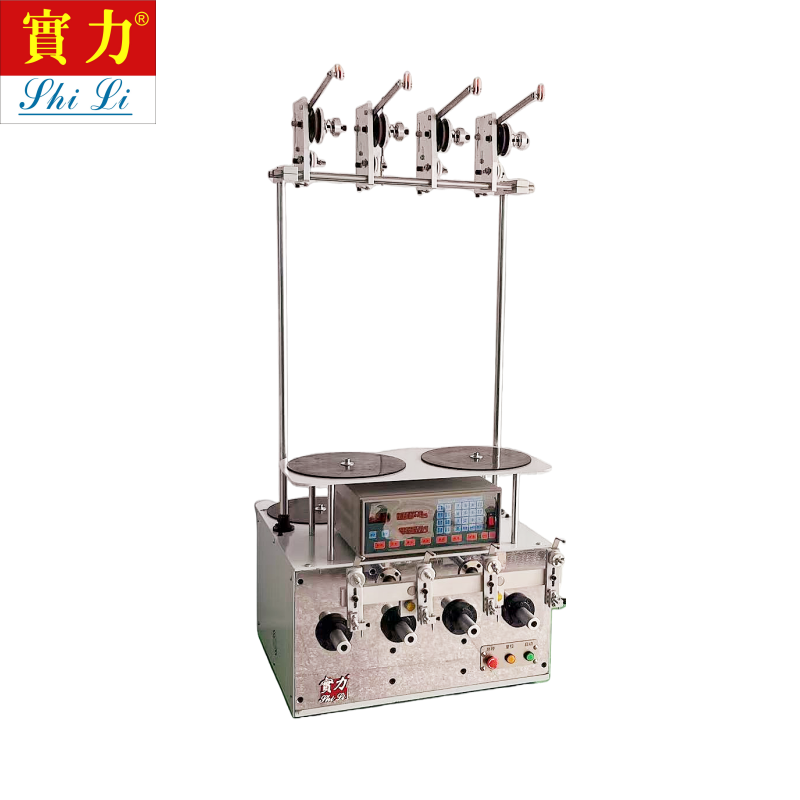
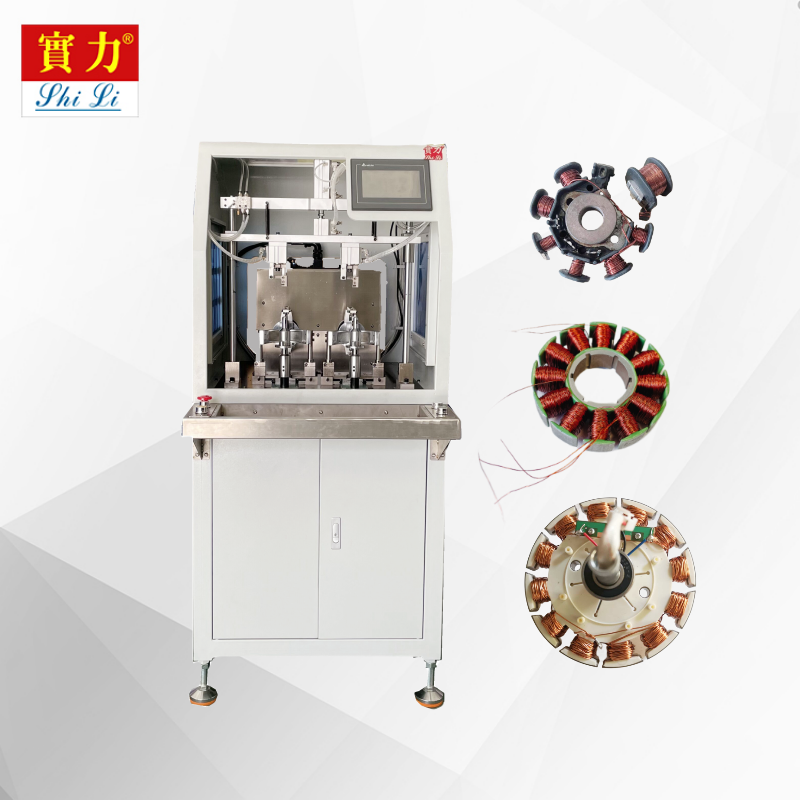
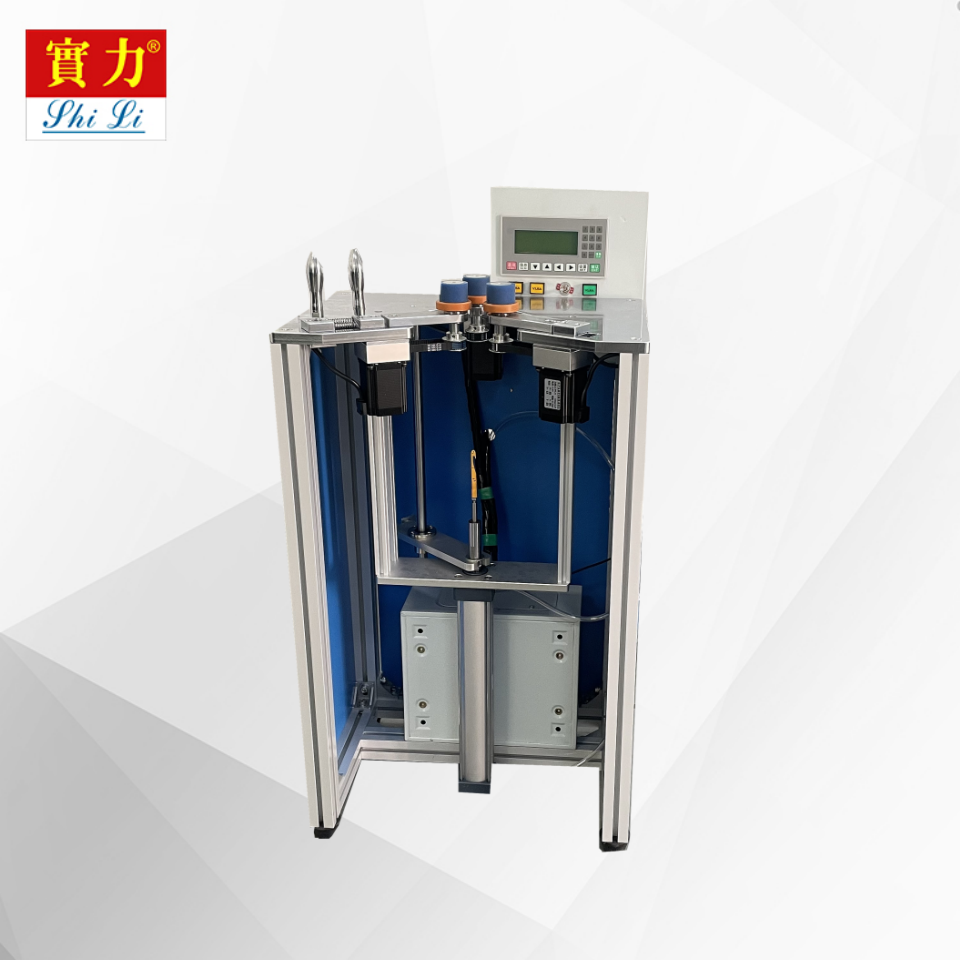
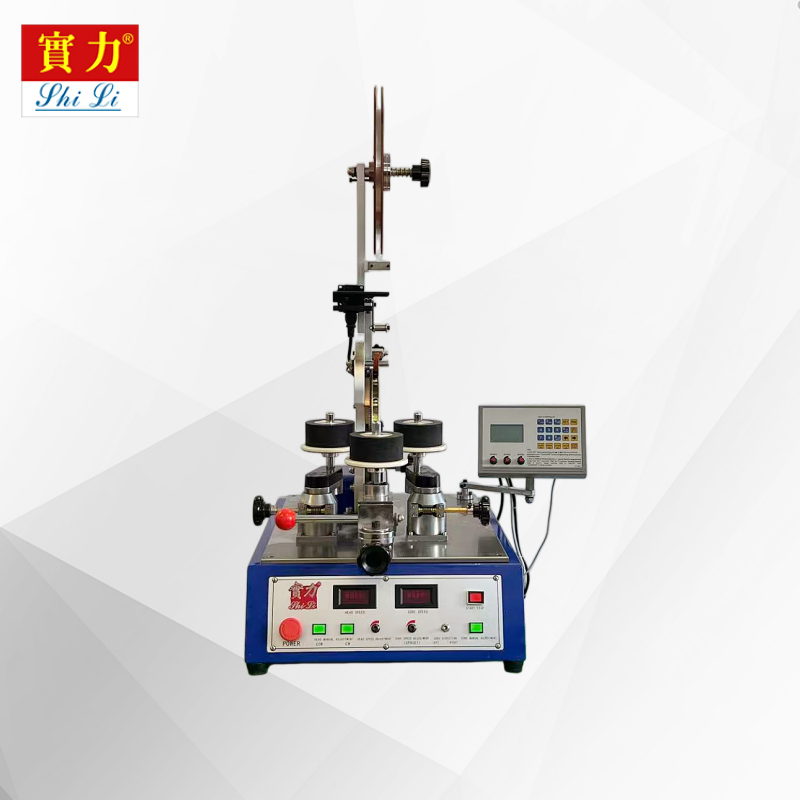
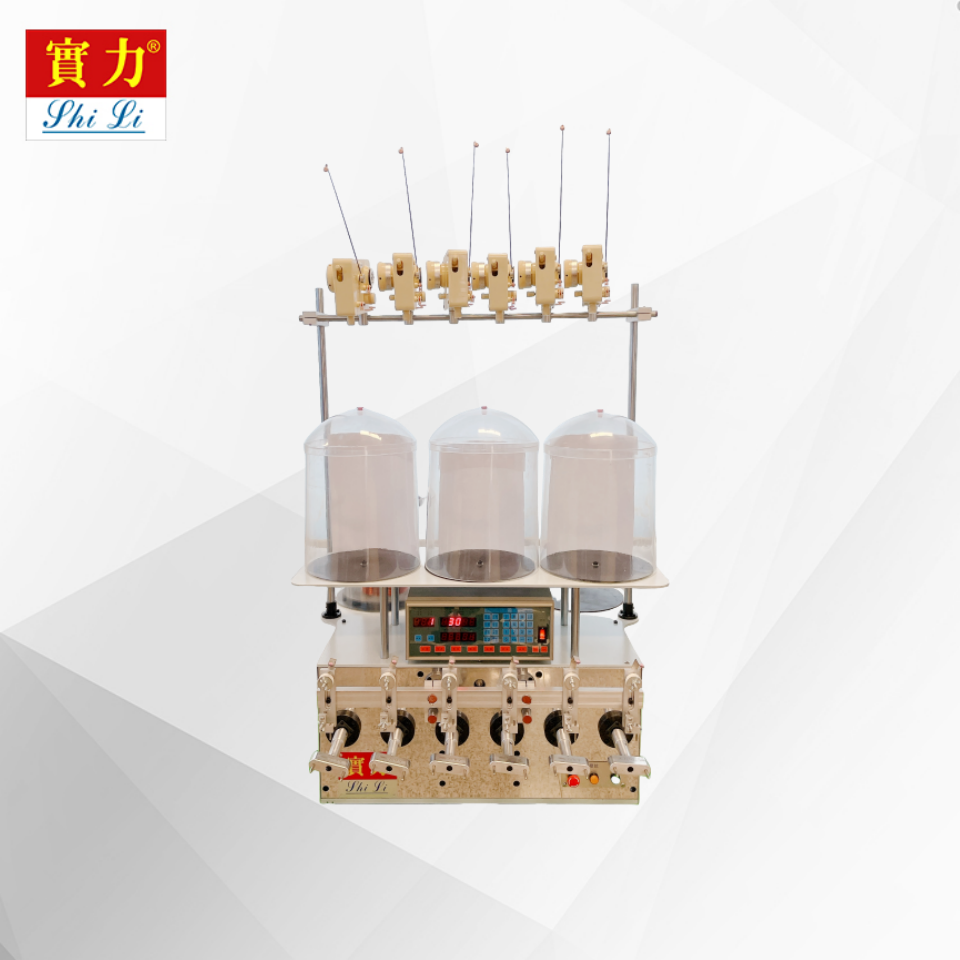
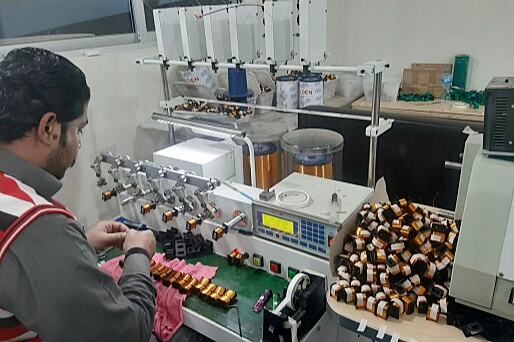
Transformer winding equipment represents a cornerstone technology in electrical manufacturing, serving as the specialized machinery responsible for creating the coil windings that form the heart of electrical transformers. This sophisticated equipment encompasses a comprehensive range of automated and semi-automated systems designed to precisely wind copper or aluminum conductors around transformer cores with exceptional accuracy and consistency. The primary function of transformer winding equipment involves the methodical placement of conductor materials in predetermined patterns, ensuring optimal electrical performance and mechanical stability of the finished transformer. Modern transformer winding equipment integrates advanced control systems that monitor tension, speed, and positioning parameters throughout the winding process. These machines accommodate various transformer types, from small distribution units to large power transformers used in electrical substations. The technological features of contemporary transformer winding equipment include programmable logic controllers that enable operators to customize winding patterns, tension control systems that maintain consistent conductor placement, and automatic wire feeding mechanisms that minimize manual intervention. Many systems incorporate precision measurement tools that verify turn counts and layer positioning in real-time, reducing the likelihood of manufacturing defects. The equipment typically features adjustable speed controls, allowing operators to optimize winding speeds based on conductor specifications and transformer requirements. Applications for transformer winding equipment span across multiple industries, including power generation facilities, electrical equipment manufacturers, and transformer repair workshops. Utility companies rely on this equipment for manufacturing distribution transformers that deliver electricity to residential and commercial customers. Industrial facilities use transformer winding equipment to produce custom transformers for specialized applications, such as furnace transformers in steel production or rectifier transformers in chemical processing plants. The versatility of modern transformer winding equipment enables manufacturers to produce transformers ranging from small electronic devices to massive power grid components, supporting the global electrical infrastructure that powers modern society.
Popular Products

Transformer winding equipment delivers substantial operational benefits that directly impact manufacturing efficiency and product quality for electrical equipment producers. The automated nature of modern transformer winding equipment significantly reduces labor costs by minimizing the need for manual winding operations, which traditionally required skilled technicians to perform repetitive and time-intensive tasks. This automation allows manufacturers to reallocate human resources to higher-value activities while maintaining consistent production output. The precision capabilities of transformer winding equipment ensure superior product consistency compared to manual methods, eliminating variations in winding tension and conductor placement that can compromise transformer performance. This consistency translates to reduced warranty claims and enhanced customer satisfaction, as transformers produced with quality winding equipment demonstrate improved reliability and longer operational lifespans. Speed advantages provided by transformer winding equipment enable manufacturers to meet demanding production schedules and respond quickly to customer orders. Modern systems can complete complex winding operations in a fraction of the time required for manual processes, increasing overall production capacity without proportional increases in facility space or staffing requirements. The enhanced safety features integrated into transformer winding equipment protect operators from potential hazards associated with handling heavy conductors and operating in proximity to electrical components. Automated systems reduce direct human contact with moving machinery and electrical elements, creating safer working environments that comply with occupational safety regulations. Quality control benefits emerge through the real-time monitoring capabilities built into advanced transformer winding equipment, which detect irregularities during the winding process and alert operators to potential issues before they result in defective products. This proactive approach to quality management reduces material waste and minimizes the costs associated with reworking or scrapping defective transformers. Cost-effectiveness extends beyond initial production savings, as transformer winding equipment helps manufacturers optimize material usage by precisely controlling conductor placement and minimizing excess material consumption. The equipment's ability to work with various conductor types and sizes provides manufacturing flexibility, enabling producers to serve diverse market segments without investing in multiple specialized machines. Additionally, the data collection capabilities of modern transformer winding equipment support continuous improvement initiatives by providing detailed production metrics that help manufacturers identify optimization opportunities and refine their manufacturing processes over time.

Practical Tips

Solve Solenoid Valve Coil Production Pain Points for India | Easy Operation Guide

05

Feb

Solve Solenoid Valve Coil Production Pain Points for India | Easy Operation Guide

View More
Bangladesh Client Raves: Efficiency + Stable Quality

05

Feb

Bangladesh Client Raves: Efficiency + Stable Quality

View More
Turkey Full Container Shipment: Rave Reviews & Repeat Orders

05

Feb

Turkey Full Container Shipment: Rave Reviews & Repeat Orders

View More

Get a Free Quote

Our representative will contact you soon.
Email
Name
Company Name
Message
0/1000

transformer winding equipment

Advanced Automation and Precision Control Systems

Advanced Automation and Precision Control Systems

The sophisticated automation capabilities of modern transformer winding equipment represent a revolutionary advancement in electrical manufacturing technology, delivering unprecedented levels of precision and consistency that manual processes simply cannot achieve. These systems incorporate state-of-the-art programmable logic controllers and servo-driven mechanisms that execute complex winding patterns with micron-level accuracy, ensuring each transformer meets exact specifications without deviation. The precision control systems continuously monitor multiple parameters simultaneously, including conductor tension, winding speed, layer positioning, and turn counting, making real-time adjustments to maintain optimal conditions throughout the entire winding process. This level of automation eliminates human error factors that historically contributed to quality variations and production delays in transformer manufacturing. The equipment's ability to store and recall multiple winding programs allows manufacturers to quickly switch between different transformer configurations, reducing setup times and increasing production flexibility. Advanced sensor technologies integrated into the control systems provide immediate feedback on winding conditions, enabling the equipment to automatically compensate for variations in conductor properties or environmental factors that might otherwise affect product quality. The user-friendly interfaces of these control systems allow operators with minimal specialized training to manage complex winding operations effectively, reducing the dependency on highly skilled technicians while maintaining production quality standards. Furthermore, the automation systems generate comprehensive production reports and quality documentation automatically, supporting traceability requirements and quality assurance protocols that are essential in electrical equipment manufacturing. The precision achieved by these automated systems directly translates to improved transformer performance characteristics, including enhanced electrical efficiency, reduced losses, and extended operational life cycles, providing significant value to end users and strengthening the manufacturer's competitive position in the marketplace.
Versatility and Adaptability for Multiple Transformer Types

Versatility and Adaptability for Multiple Transformer Types

The exceptional versatility of transformer winding equipment stands as one of its most compelling advantages, enabling manufacturers to produce a comprehensive range of transformer types using a single, adaptable platform rather than investing in multiple specialized machines for different applications. This adaptability extends across transformer sizes from compact distribution units weighing just a few kilograms to massive power transformers exceeding several tons, demonstrating the equipment's scalable design philosophy that accommodates diverse manufacturing requirements. The modular construction of modern transformer winding equipment allows for rapid reconfiguration to handle different core geometries, conductor specifications, and winding patterns without extensive downtime or complex retooling procedures. This flexibility proves particularly valuable for manufacturers serving multiple market segments, as they can efficiently transition between producing residential distribution transformers, commercial power units, and specialized industrial transformers based on order demands and market conditions. The equipment's ability to work with various conductor materials, including copper and aluminum in different gauges and configurations, provides manufacturers with material sourcing flexibility that can help optimize costs and respond to supply chain variations. Additionally, the adjustable parameters built into transformer winding equipment enable customization of winding techniques to match specific electrical requirements, whether for high-frequency applications requiring precise layer arrangements or high-power applications demanding robust mechanical construction. The versatility extends to supporting both dry-type and oil-filled transformer construction, allowing manufacturers to serve the complete spectrum of transformer applications from indoor installations to outdoor utility substations. This comprehensive capability reduces the total equipment investment required for full-service transformer manufacturing operations while maintaining the specialized performance characteristics needed for each transformer type. The adaptability also facilitates prototype development and small-batch production runs for custom applications, enabling manufacturers to explore new market opportunities without significant additional capital investments, thereby supporting business growth and innovation initiatives in the competitive electrical equipment industry.
Enhanced Safety Features and Operational Reliability

Enhanced Safety Features and Operational Reliability

The comprehensive safety features and operational reliability built into modern transformer winding equipment provide manufacturers with peace of mind while ensuring compliance with stringent workplace safety regulations and production reliability requirements. These safety systems incorporate multiple layers of protection, including emergency stop mechanisms accessible from multiple locations around the equipment, safety interlocks that prevent operation when protective barriers are opened, and automatic shutdown procedures that activate when abnormal operating conditions are detected. The equipment design eliminates many of the physical hazards associated with traditional manual winding operations, such as repetitive strain injuries from handling heavy conductors and exposure risks from working in close proximity to moving machinery components. Advanced safety sensors continuously monitor the operating environment, detecting potentially dangerous situations such as conductor breaks, excessive vibration, or overheating conditions, and immediately halt operations to prevent equipment damage or operator injury. The reliability aspects of transformer winding equipment contribute significantly to manufacturing efficiency by minimizing unplanned downtime and production interruptions that can disrupt delivery schedules and impact customer relationships. Robust construction using high-quality components and materials ensures consistent performance over extended operating periods, reducing maintenance requirements and associated costs while maximizing productive uptime. The equipment's diagnostic capabilities provide early warning indicators of potential maintenance needs, enabling proactive maintenance scheduling that prevents unexpected failures and extends equipment lifespan. Regular maintenance procedures are simplified through accessible design features and comprehensive documentation, allowing plant maintenance personnel to perform routine servicing efficiently without requiring specialized external support services. The reliability benefits extend to the consistency of transformer winding equipment output, as stable operating conditions produce transformers with uniform characteristics that meet quality standards batch after batch, reducing the need for extensive testing and quality control inspections. This operational reliability translates directly to improved customer confidence and enhanced reputation in the marketplace, as manufacturers can consistently deliver high-quality transformers within promised timeframes while maintaining competitive pricing structures that reflect the efficiency gains achieved through reliable equipment performance.

Get a Free Quote

Our representative will contact you soon.
Email
Name
Company Name
Message
0/1000
Newsletter
Please Leave A Message With Us