transformer windingmachine
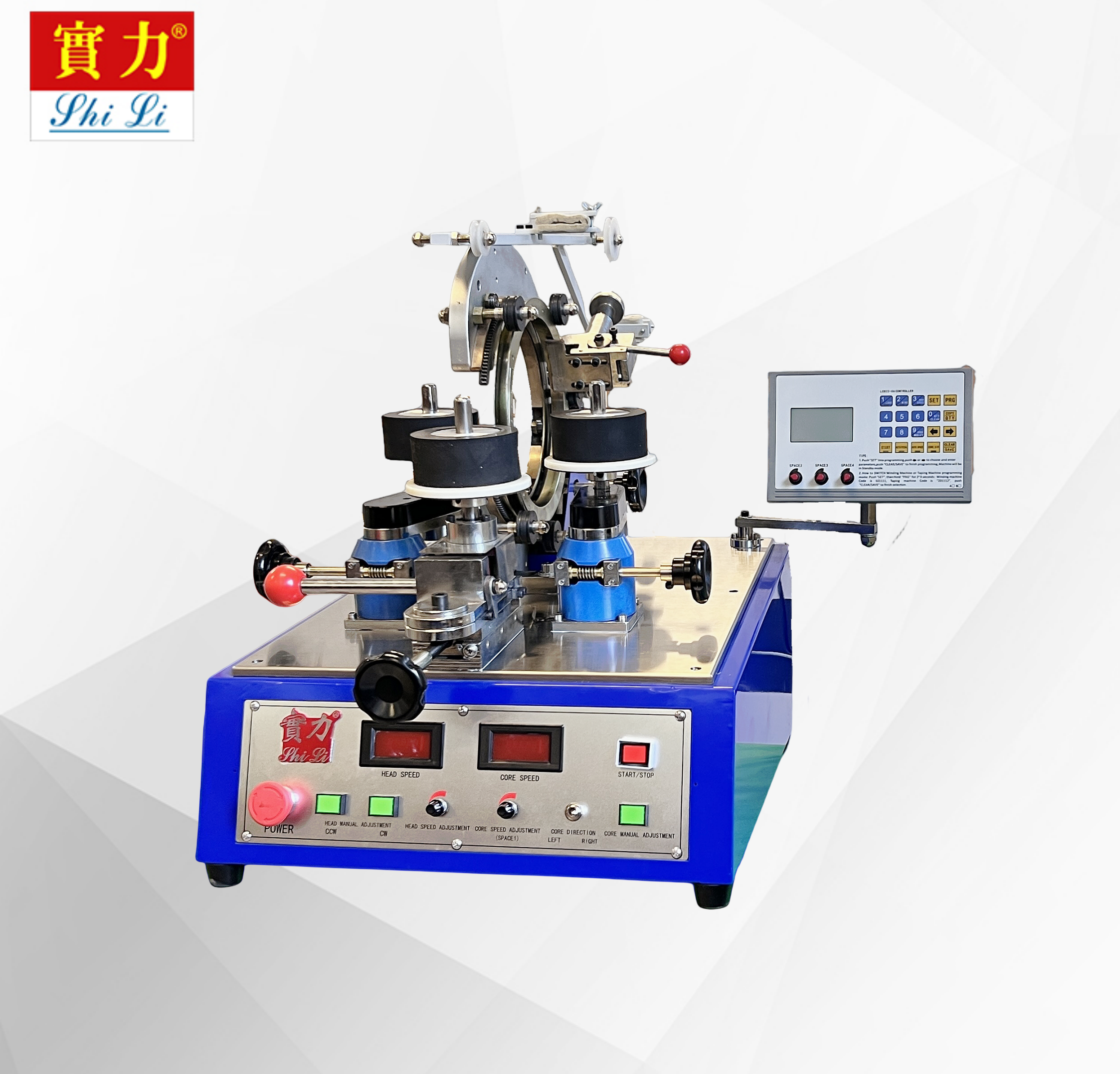
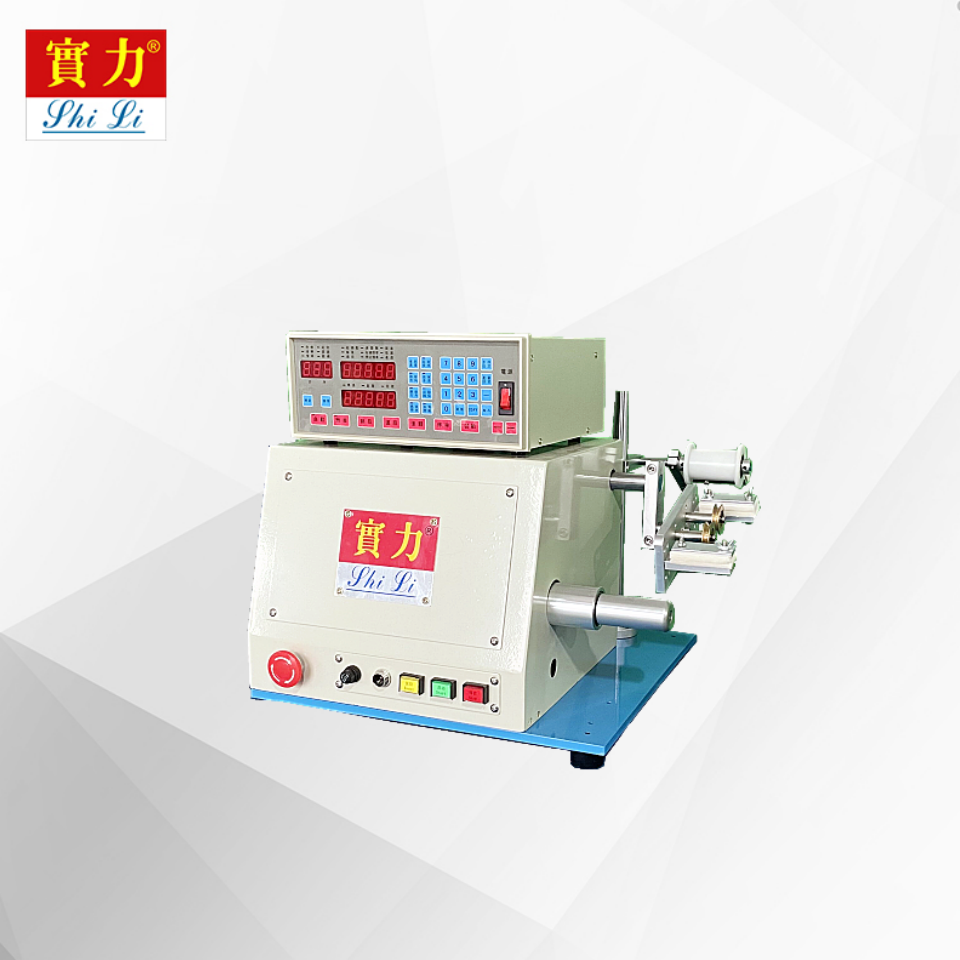
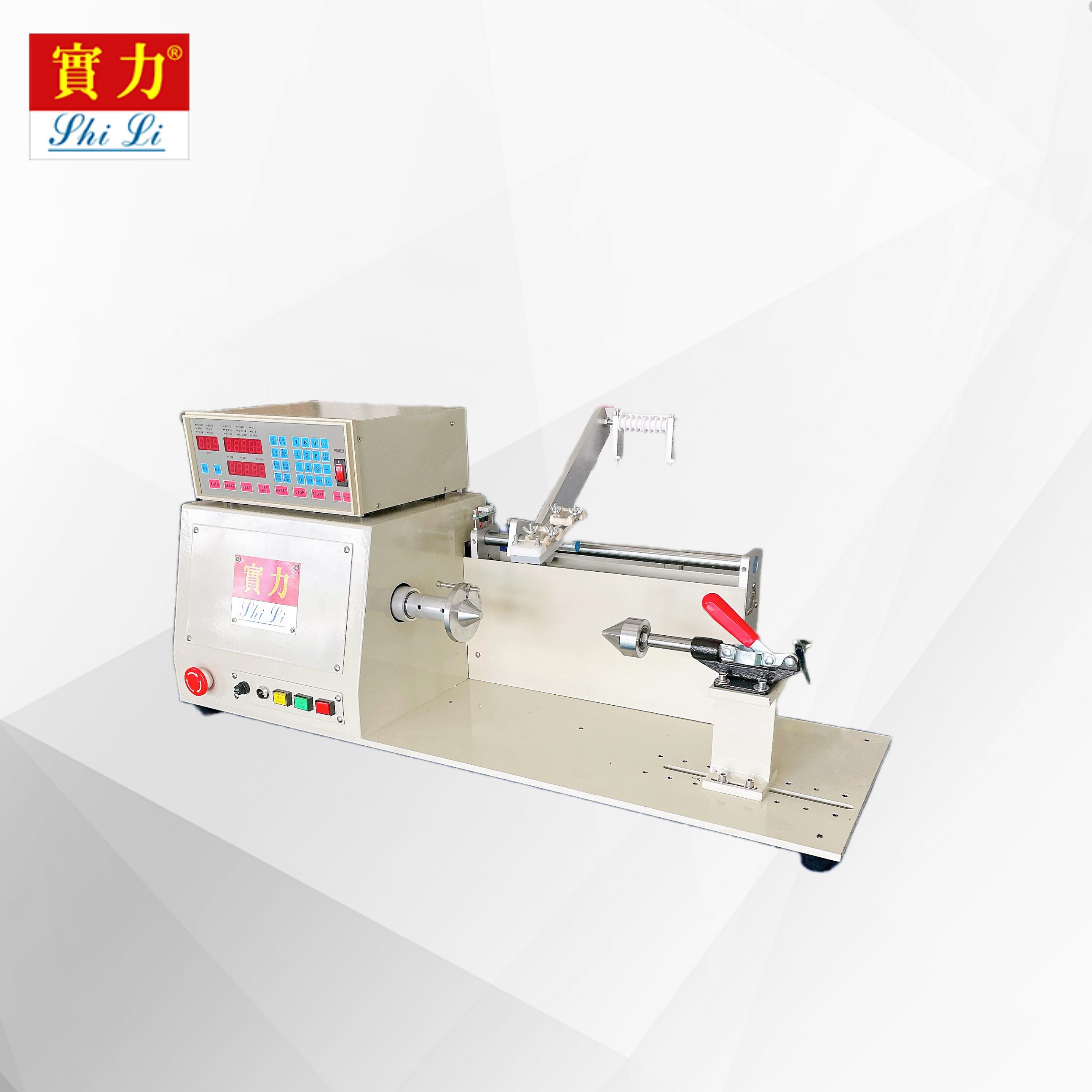
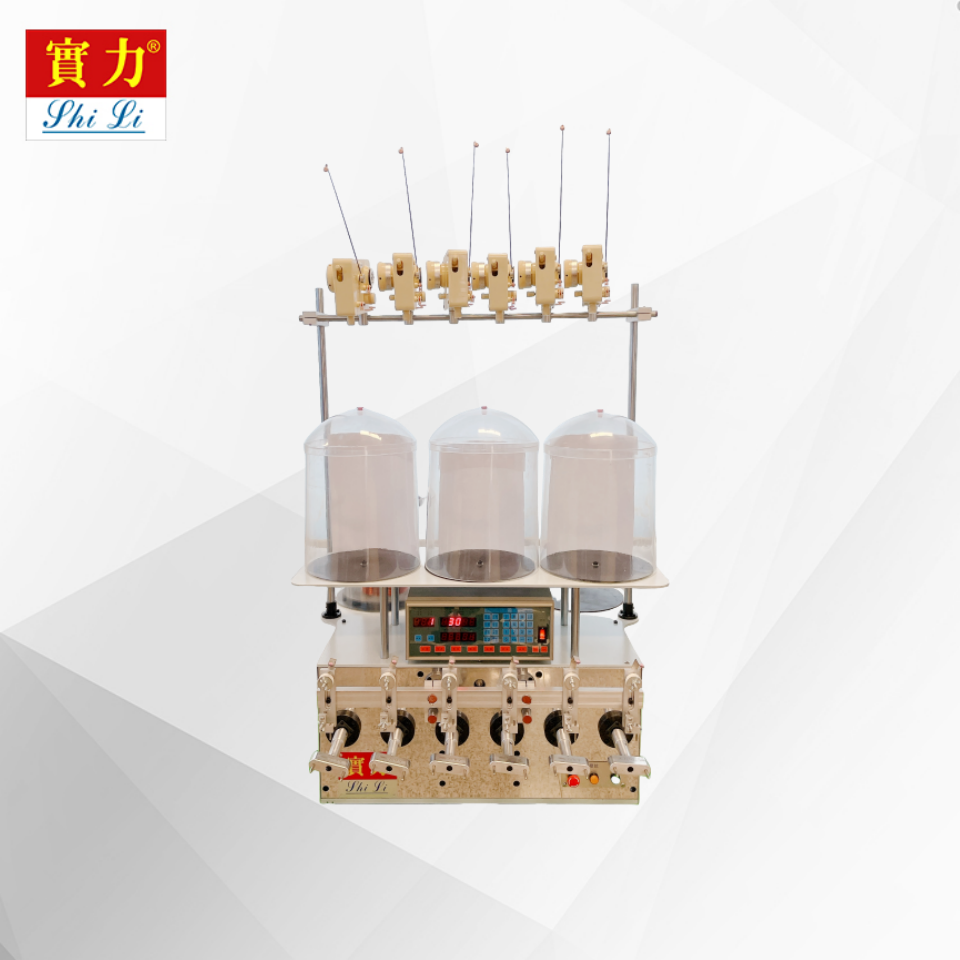
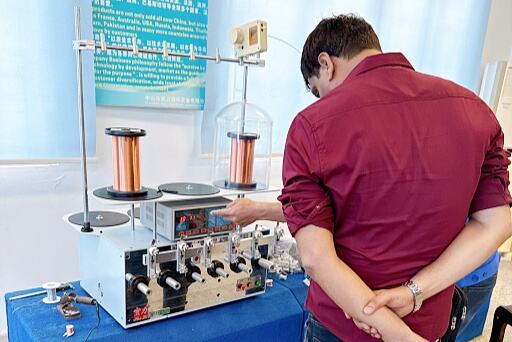
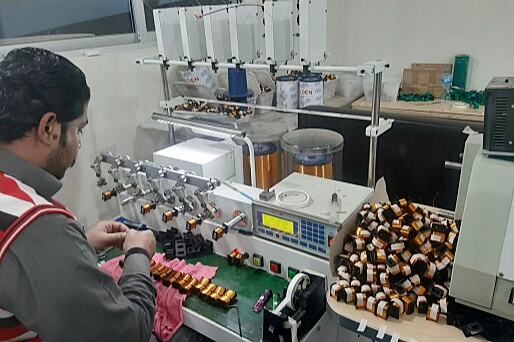
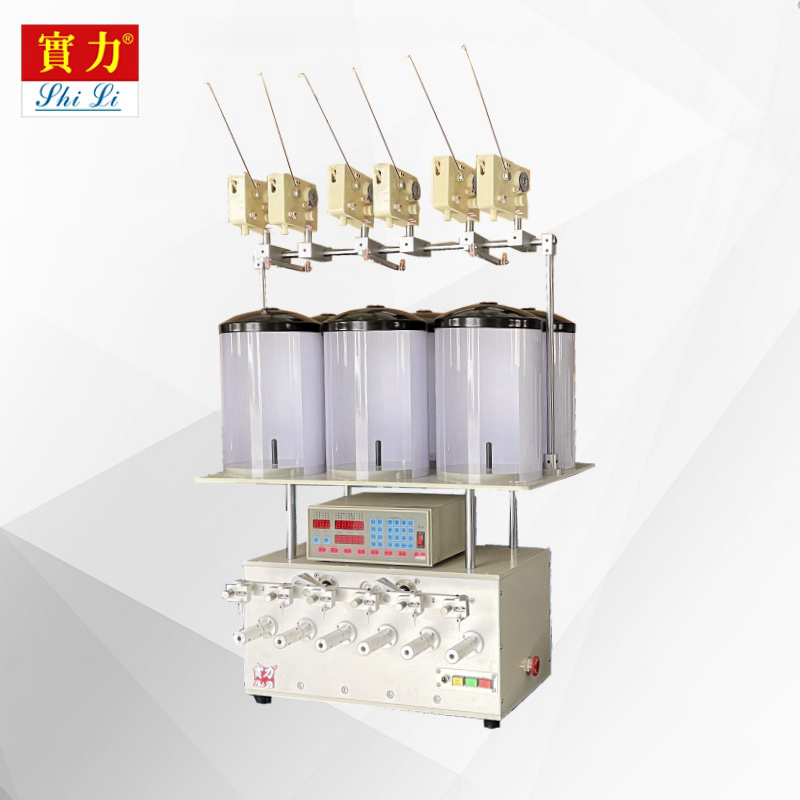
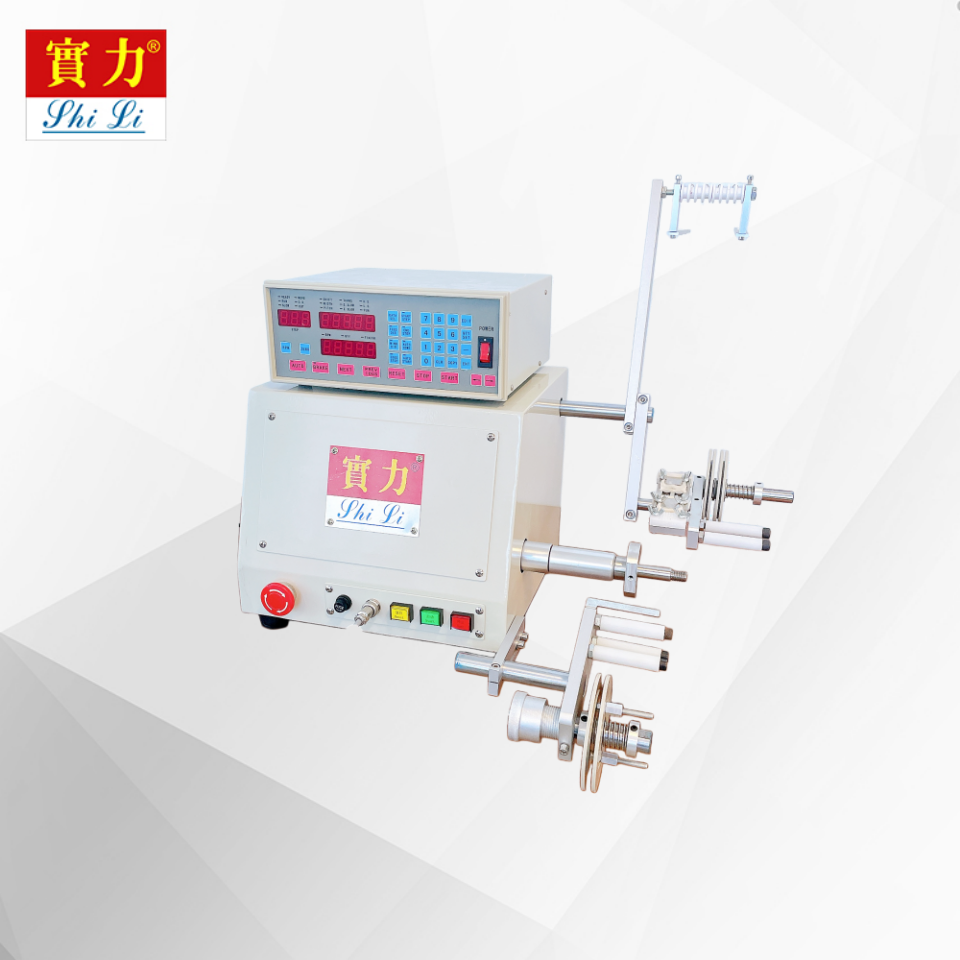
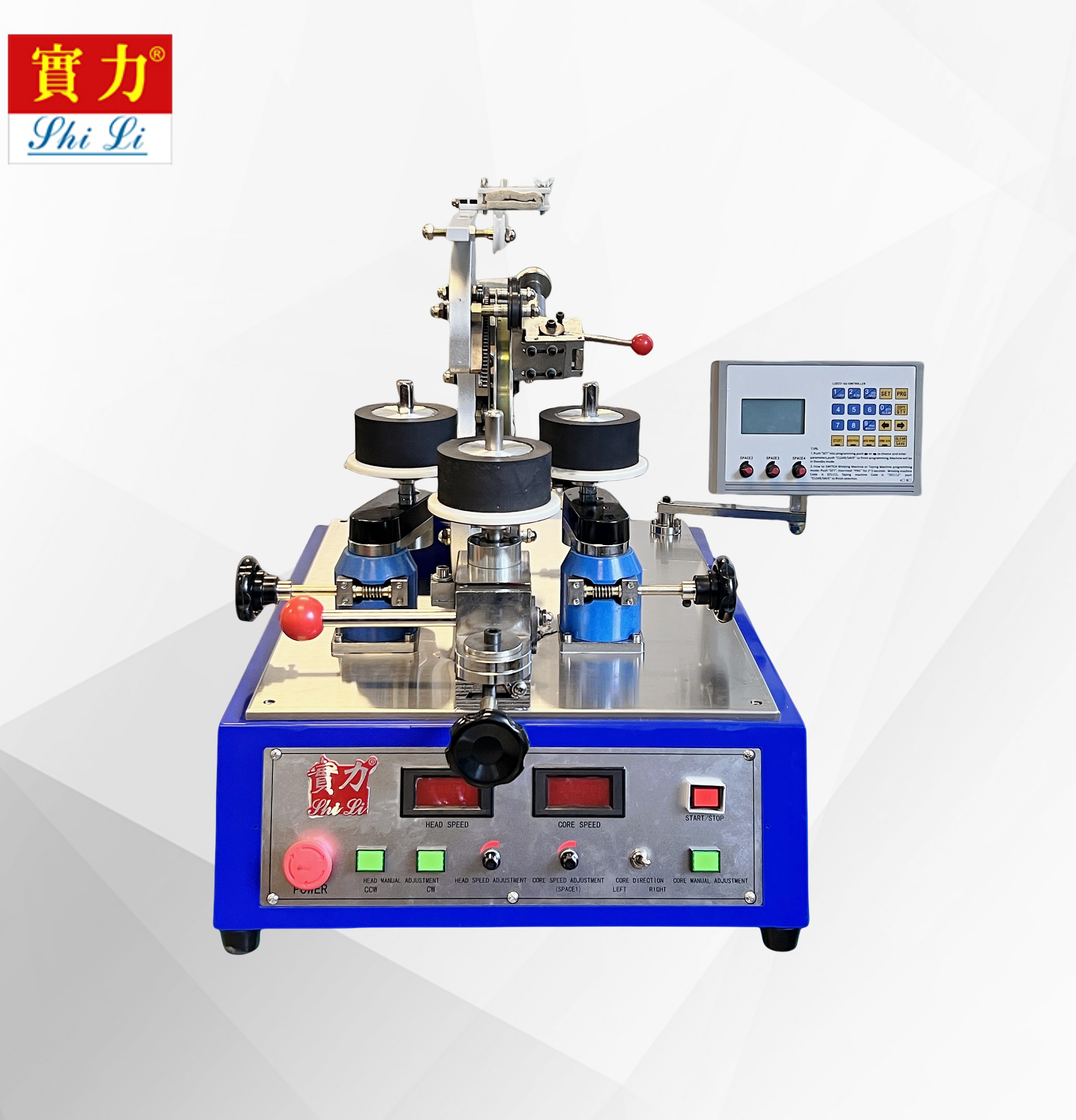
Een transformatorwikkelmachine is een geavanceerd stuk industrieel apparaat dat specifiek is ontworpen voor de productie van transformatorspoelen met uitzonderlijke precisie en consistentie. Deze geautomatiseerde machines stroomlijnen het complexe proces van het wikkelen van koper- of aluminiumdraad rond transformatorkernen, waardoor optimale elektrische prestaties en betrouwbaarheid worden gegarandeerd. De transformatorwikkelmachine werkt via geavanceerde, computerbestuurde systemen die de draadspanning, wikkelssnelheid en laagverdeling reguleren om perfect gevormde spoelen te creëren. Deze machines zijn geschikt voor diverse transformatorsoorten, van kleine distributietransformatoren tot grote eenheden voor krachttransmissie. De primaire functie bestaat uit het systematisch omwikkelen van geleidende draad rond magnetische kernen, waarbij nauwkeurige onderlinge afstand en uitlijning worden gehandhaafd. Moderne transformatorwikkelmachines zijn uitgerust met digitale bedieningspanelen waarmee operators specifieke wikkelpatronen kunnen programmeren, parameters kunnen aanpassen en het gehele proces in real-time kunnen bewaken. Technologische kenmerken omvatten servomotoraandrijvingen voor nauwkeurige positionering, programmeerbare logische besturingen (PLC’s) voor geautomatiseerde werking en spanningsregelsystemen die draadbreuk voorkomen. Draadgeleidingssystemen zorgen voor consistente plaatsing, terwijl automatische draadknip- en aansluitingsystemen de handmatige ingreep verminderen. Veel machines beschikken over meervoudige asconfiguraties, waardoor meerdere spoelen gelijktijdig kunnen worden gewikkeld om de productiecapaciteit te verhogen. Toepassingen strekken zich uit over de elektrische productiesector, inclusief elektriciteitsopwekkingsbedrijven, fabrikanten van elektrisch materiaal en werkplaatsen voor transformatorherstel. Deze machines verwerken diverse draaddikten en isolatiematerialen en passen zich aan aan verschillende transformatorspecificaties en spanningsvereisten. Geïntegreerde kwaliteitscontrolesystemen monitoren de uniformiteit van de wikkeling en detecteren mogelijke gebreken tijdens de productie. Geavanceerde modellen zijn bovendien uitgerust met laagisolatieverdelerapparatuur die automatisch isolatiematerialen tussen de draadlagen aanbrengt, wat een juiste elektrische isolatie waarborgt. De veelzijdigheid reikt tot op maat gemaakte transformatorontwerpen, waardoor fabrikanten gespecialiseerde eenheden kunnen produceren voor specifieke toepassingen zoals audiotransformatoren, scheidingstransformatoren of hoogfrequent schakeltransformatoren.
 EN
EN