Transformer Winding Machine Price Guide: Features, Benefits & Cost Analysis

Get a Free Quote

Our representative will contact you soon.
Email
Name
Company Name
Message
0/1000

transformer winding machine price

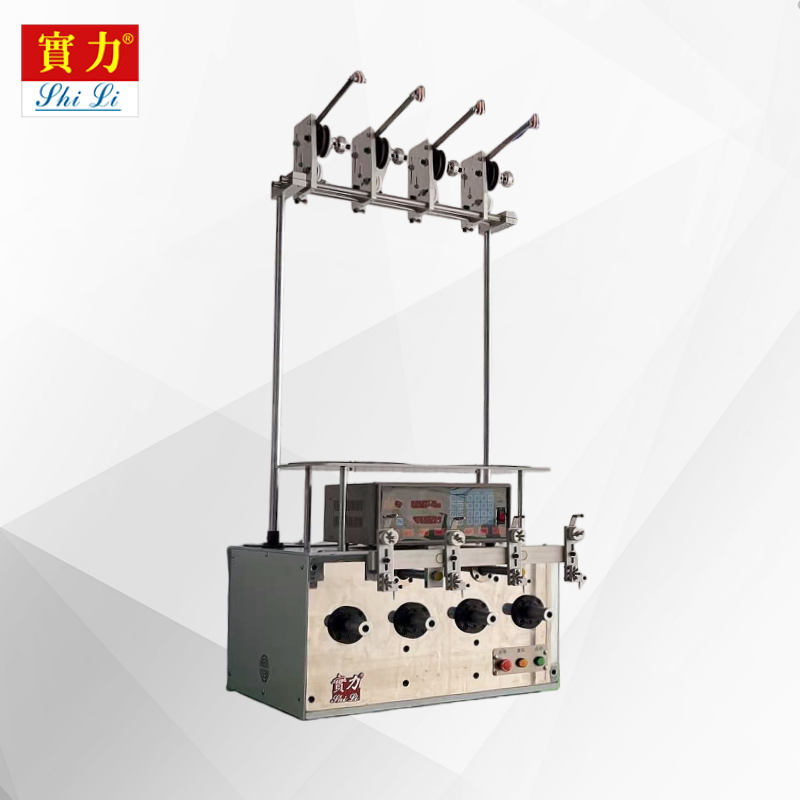
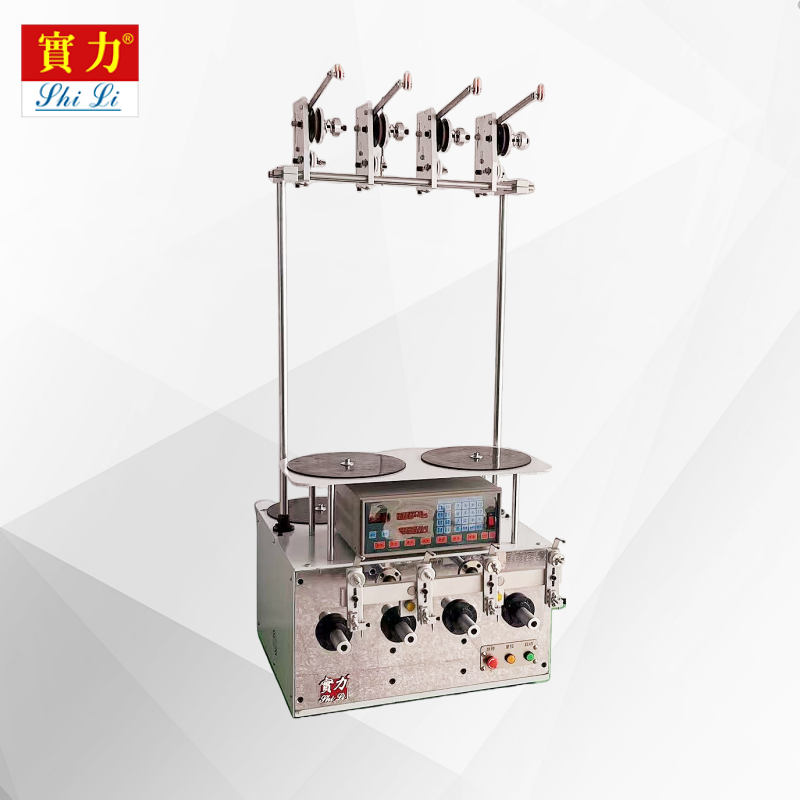
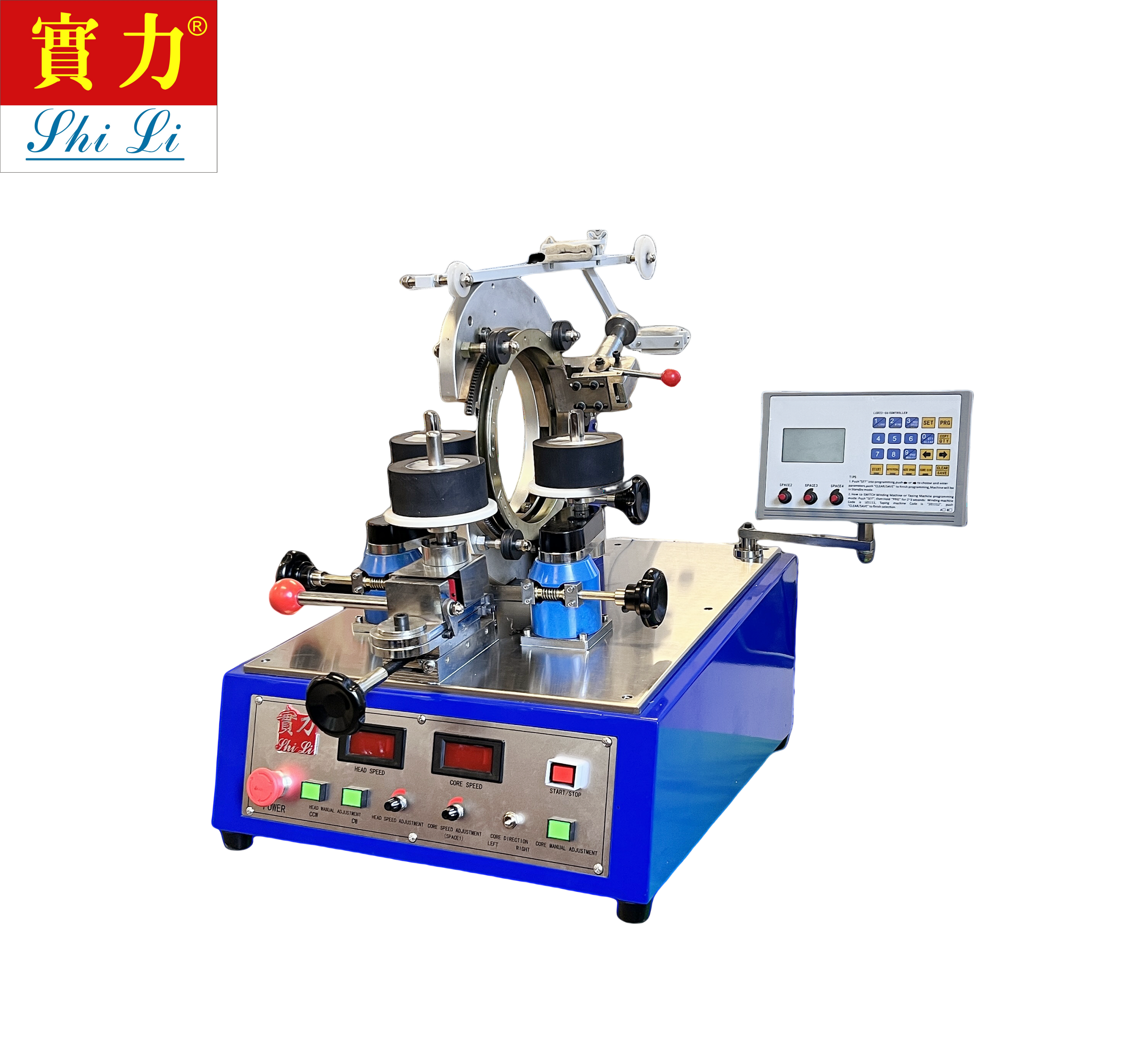
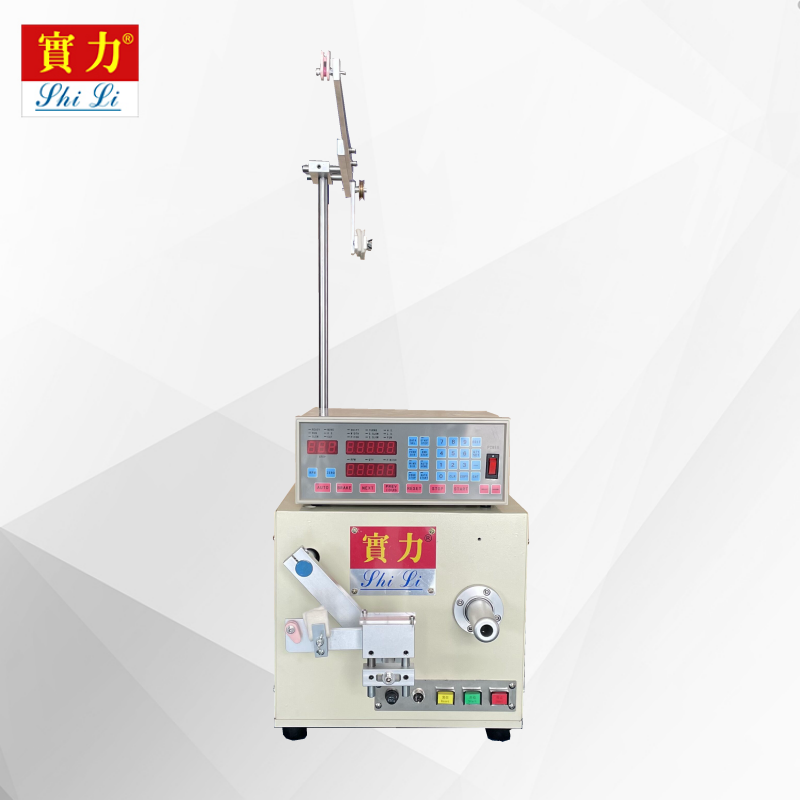
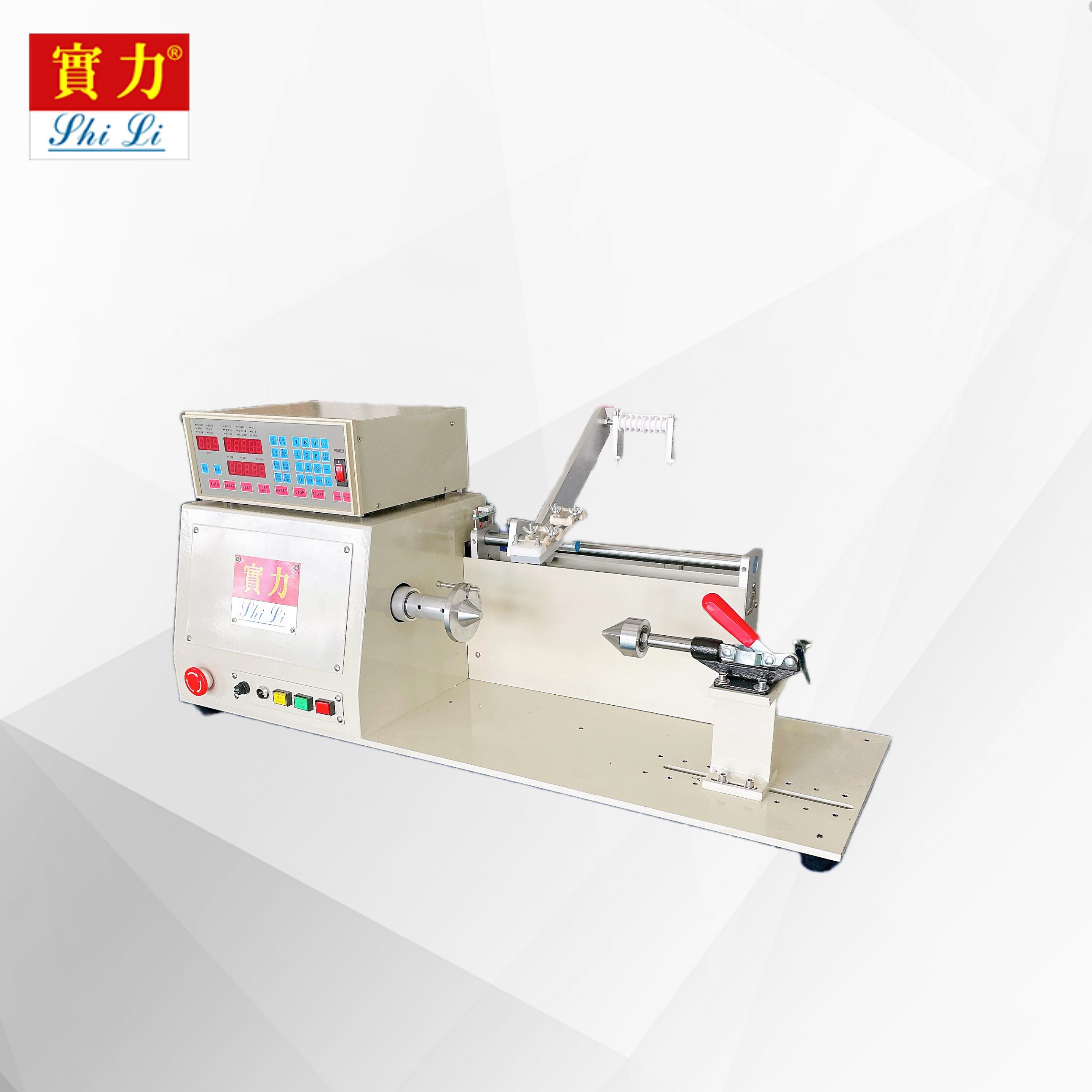
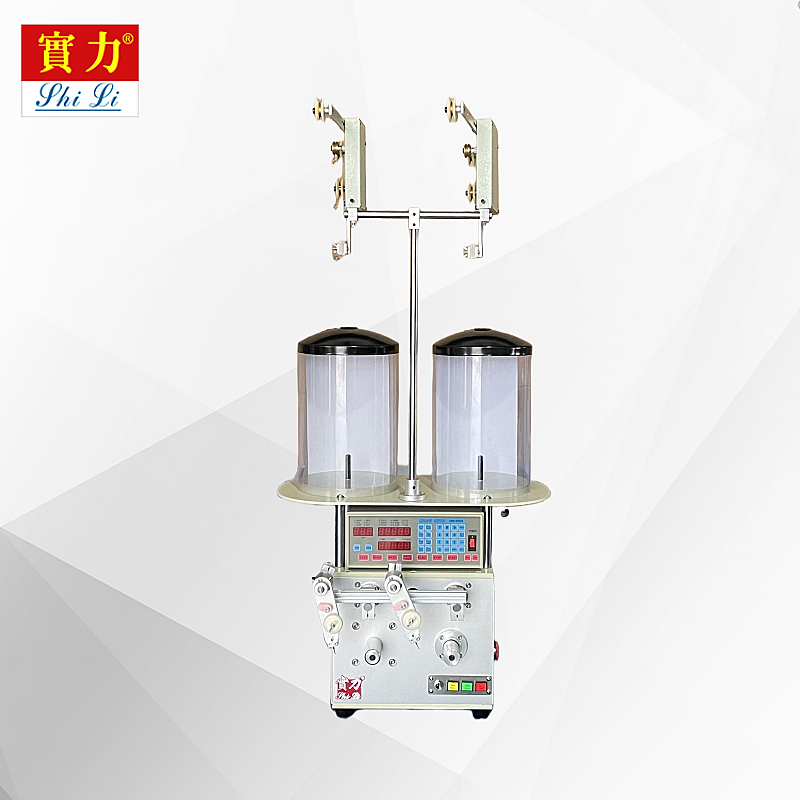
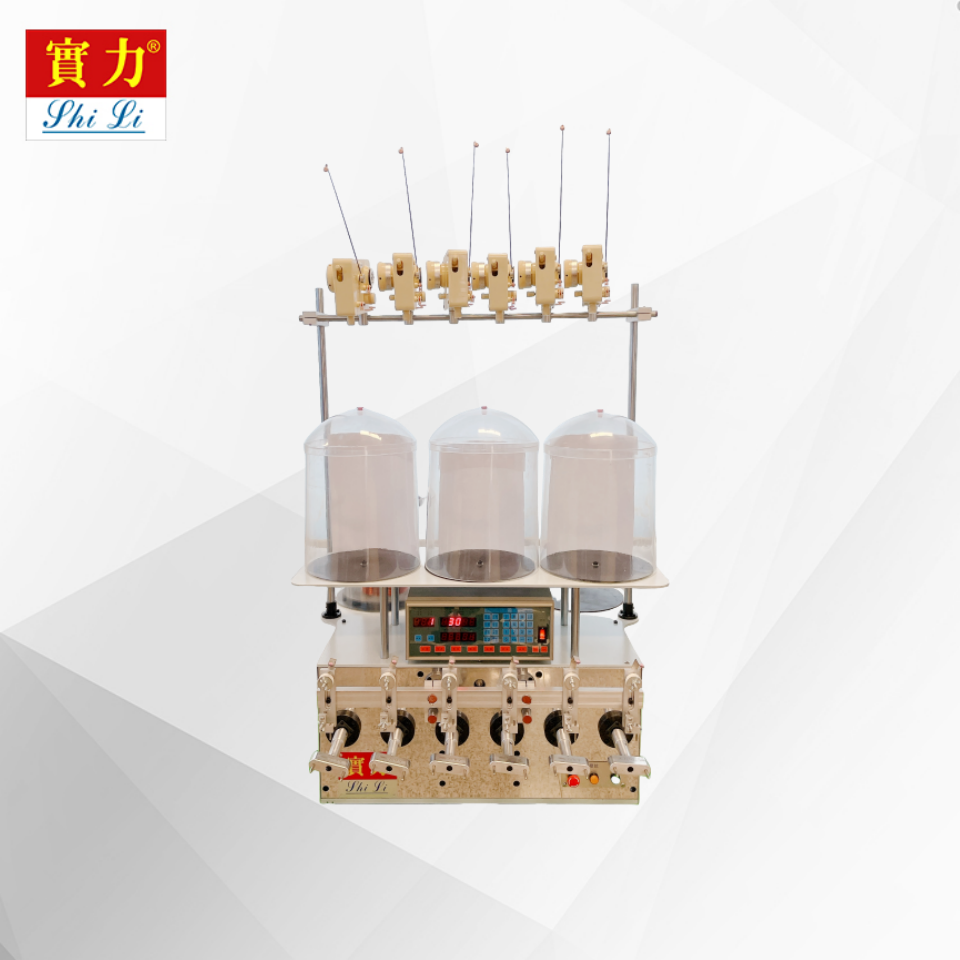
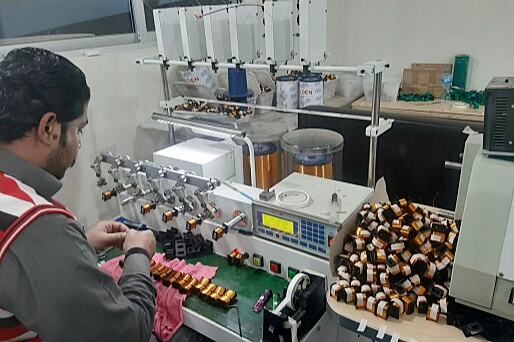
Understanding transformer winding machine price requires careful consideration of various technical specifications and market factors that influence the overall investment. These specialized manufacturing devices serve as essential equipment for producing electrical transformers across multiple industries. The transformer winding machine price typically ranges from basic manual models to sophisticated automated systems, each designed to meet specific production requirements and quality standards. Main functions include precise wire coiling, tension control, and layer formation for transformer cores. The machines handle different wire gauges and materials, ensuring consistent winding patterns that meet electrical specifications. Advanced models incorporate programmable logic controllers for automated operation, reducing labor costs while improving repeatability. Technological features encompass digital displays for monitoring winding parameters, servo motor drives for precise speed control, and automatic wire feeding systems. Many units include safety mechanisms such as emergency stops and protective guards. The transformer winding machine price varies based on production capacity, automation level, and additional features like programmable memory for storing winding patterns. Applications span power distribution transformers, instrument transformers, and specialty electrical devices used in renewable energy systems. Industrial manufacturers utilize these machines for mass production, while smaller operations benefit from bench-top models. The equipment proves essential for electrical utilities, electronics manufacturers, and repair facilities. Modern transformer winding machine price considerations include energy efficiency ratings, maintenance requirements, and compatibility with existing production workflows. Investment decisions should factor in long-term operational costs, expected production volumes, and quality requirements specific to end-use applications.

Popular Products

Investing in quality transformer winding machine price options delivers substantial benefits that enhance manufacturing efficiency and product quality. These machines reduce manual labor requirements significantly, allowing operators to focus on quality control and setup rather than repetitive winding tasks. The precision offered by automated systems ensures consistent wire placement and tension, resulting in transformers that meet strict electrical specifications. This consistency reduces rejection rates and warranty claims, providing direct cost savings. The transformer winding machine price investment pays for itself through increased production speed compared to manual methods. Modern machines can complete winding operations in a fraction of the time required for hand-winding, enabling higher throughput without compromising quality. Energy efficiency represents another key advantage, as newer models consume less power while delivering superior performance. This efficiency translates to lower operational costs over the machine's lifespan. Safety improvements constitute a major benefit, as automated systems reduce operator exposure to potential hazards associated with manual winding processes. Built-in safety features protect workers from injury while maintaining consistent production schedules. The transformer winding machine price consideration includes versatility benefits, as many models accommodate various wire sizes and transformer designs. This flexibility eliminates the need for multiple specialized machines, optimizing floor space utilization. Quality control advantages include programmable parameters that ensure each transformer meets exact specifications. Digital monitoring systems provide real-time feedback on winding progress and detect potential issues before they affect product quality. The transformer winding machine price investment supports scalability, allowing manufacturers to increase production capacity without proportional increases in labor costs. Training requirements remain minimal for most modern machines, reducing onboarding time for new operators. Maintenance benefits include predictable service schedules and readily available replacement parts. The transformer winding machine price reflects advanced diagnostics that help identify maintenance needs before equipment failures occur, minimizing unexpected downtime and production losses.

Practical Tips

Solve Solenoid Valve Coil Production Pain Points for India | Easy Operation Guide

05

Feb

Solve Solenoid Valve Coil Production Pain Points for India | Easy Operation Guide

View More
Bangladesh Client Raves: Efficiency + Stable Quality

05

Feb

Bangladesh Client Raves: Efficiency + Stable Quality

View More
Turkey Full Container Shipment: Rave Reviews & Repeat Orders

05

Feb

Turkey Full Container Shipment: Rave Reviews & Repeat Orders

View More

Get a Free Quote

Our representative will contact you soon.
Email
Name
Company Name
Message
0/1000

transformer winding machine price

Advanced Automation Technology Maximizes Production Efficiency

Advanced Automation Technology Maximizes Production Efficiency

Modern transformer winding machine price structures reflect sophisticated automation capabilities that revolutionize manufacturing processes. These systems incorporate state-of-the-art programmable logic controllers that manage complex winding sequences with precision previously impossible through manual operations. The automation technology enables manufacturers to achieve consistent wire placement, uniform tension control, and repeatable layer formation across multiple production runs. Digital servo motors provide precise speed regulation and positioning accuracy, ensuring optimal wire distribution throughout the winding process. The transformer winding machine price includes advanced sensor systems that monitor wire tension, detect breaks, and automatically adjust parameters to maintain quality standards. Touch-screen interfaces allow operators to program custom winding patterns, store multiple configurations, and recall specific settings for different transformer designs. This automation reduces dependency on skilled manual labor while increasing overall production capacity. The technology enables continuous operation with minimal supervision, allowing facilities to maximize equipment utilization across extended shifts. Quality benefits include elimination of human error variables that can compromise transformer performance. The transformer winding machine price investment in automation technology delivers measurable returns through reduced waste, improved consistency, and faster production cycles. Integrated data logging systems track production metrics, enabling manufacturers to optimize processes based on historical performance data. The automation features support lean manufacturing principles by minimizing setup times and reducing work-in-process inventory. Advanced fault detection capabilities protect equipment from damage while alerting operators to potential issues before they impact production schedules. Remote monitoring capabilities allow supervisors to track multiple machines simultaneously, optimizing resource allocation and identifying improvement opportunities. The transformer winding machine price reflects these technological advances, providing manufacturers with competitive advantages in efficiency, quality, and operational flexibility.
Versatile Design Accommodates Diverse Manufacturing Requirements

Versatile Design Accommodates Diverse Manufacturing Requirements

The transformer winding machine price encompasses remarkable versatility that enables manufacturers to address varied production needs with a single equipment investment. These machines accommodate multiple wire gauges, from fine instrument transformer applications to heavy-duty power distribution requirements. Adjustable winding parameters allow operators to modify tension settings, speed controls, and layer configurations to match specific transformer designs. The versatility extends to core compatibility, with machines capable of handling different core shapes, sizes, and materials commonly used in transformer manufacturing. Quick-change tooling systems minimize setup time when transitioning between different product lines, maximizing equipment utilization. The transformer winding machine price includes modular components that can be configured for specific applications while maintaining flexibility for future requirements. Universal mounting systems accommodate various core holding fixtures, enabling manufacturers to process diverse transformer types without significant machine modifications. Wire feeding systems adapt to different spool sizes and wire types, including copper, aluminum, and specialty alloys. The versatility benefits extend to production volume flexibility, with machines capable of efficient operation for both high-volume runs and custom prototype development. Programmable memory functions store multiple winding patterns, allowing rapid changeover between different transformer specifications. The transformer winding machine price reflects engineering that supports both standard and custom applications through adaptable control systems. Interchangeable components enable manufacturers to upgrade capabilities as requirements evolve, protecting the initial investment while expanding operational capacity. The versatile design supports various winding techniques, including layer winding, helical winding, and disc winding methods. This adaptability eliminates the need for multiple specialized machines, optimizing capital equipment utilization. Quality consistency remains high across different applications due to precise control systems that adjust automatically to changing parameters. The transformer winding machine price consideration includes training benefits, as operators learn one system that handles multiple applications rather than mastering several different machines.
Cost-Effective Investment With Rapid Return on Investment

Cost-Effective Investment With Rapid Return on Investment

Analyzing transformer winding machine price from an investment perspective reveals compelling financial benefits that justify the initial capital expenditure through multiple cost reduction mechanisms. The equipment eliminates significant labor costs associated with manual winding operations while simultaneously increasing production output per operator hour. Labor savings accumulate rapidly, as automated systems require minimal supervision compared to traditional hand-winding methods. The transformer winding machine price investment reduces material waste through precise wire control and tension management, eliminating costly overruns and minimizing scrap generation. Quality improvements reduce warranty claims and customer returns, protecting profit margins while enhancing reputation. Energy efficiency features lower operational costs, with modern machines consuming substantially less power than older equipment or manual processes. The transformer winding machine price includes maintenance-friendly designs that minimize service costs and reduce downtime expenses. Predictable maintenance schedules allow manufacturers to budget accurately for ongoing operational expenses. Production speed advantages enable manufacturers to accept larger orders and reduce delivery times, creating competitive advantages that drive revenue growth. The investment supports scalable operations, allowing businesses to increase capacity without proportional increases in facility space or workforce. Quality consistency reduces inspection time and eliminates rework costs associated with substandard products. The transformer winding machine price reflects robust construction that ensures reliable operation over extended periods, maximizing equipment lifespan and investment value. Financing options often available for capital equipment purchases spread costs over time while benefits begin immediately upon installation. Tax advantages including depreciation allowances further improve the financial equation for transformer winding machine price investments. Training costs remain minimal due to intuitive control systems and comprehensive documentation provided with modern equipment. The investment positions manufacturers for future growth by establishing efficient production capabilities that can adapt to changing market demands. Resale value remains strong for well-maintained equipment, providing exit strategies if business requirements change. The transformer winding machine price represents strategic investment in manufacturing capability that delivers sustained competitive advantages through improved efficiency, quality, and operational flexibility.

Get a Free Quote

Our representative will contact you soon.
Email
Name
Company Name
Message
0/1000
Newsletter
Please Leave A Message With Us