Professional Small Transformer Winding Machine - Precision Coil Winding Solutions

Get a Free Quote

Our representative will contact you soon.
Email
Name
Company Name
Message
0/1000

small transformer winding machine

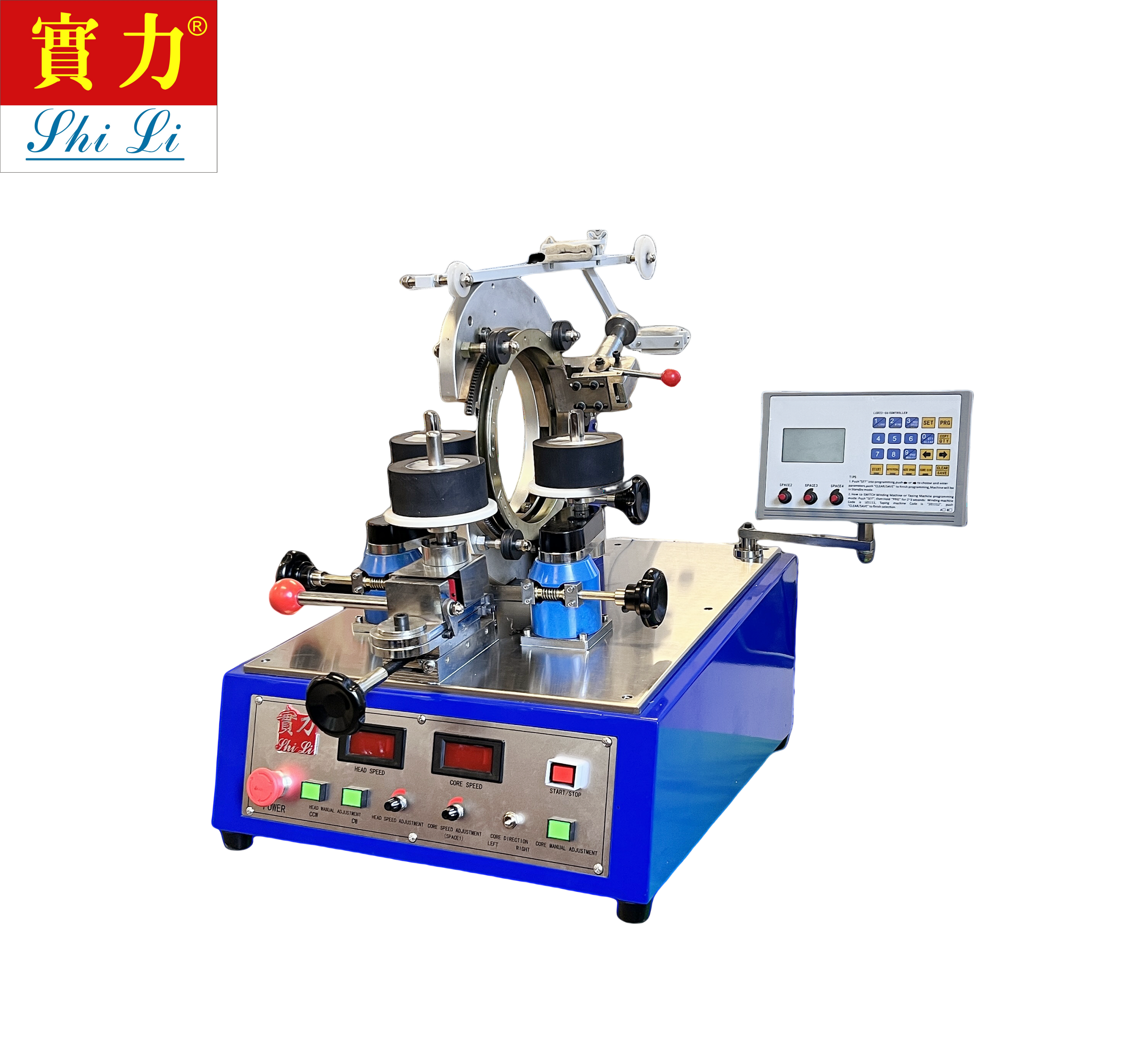
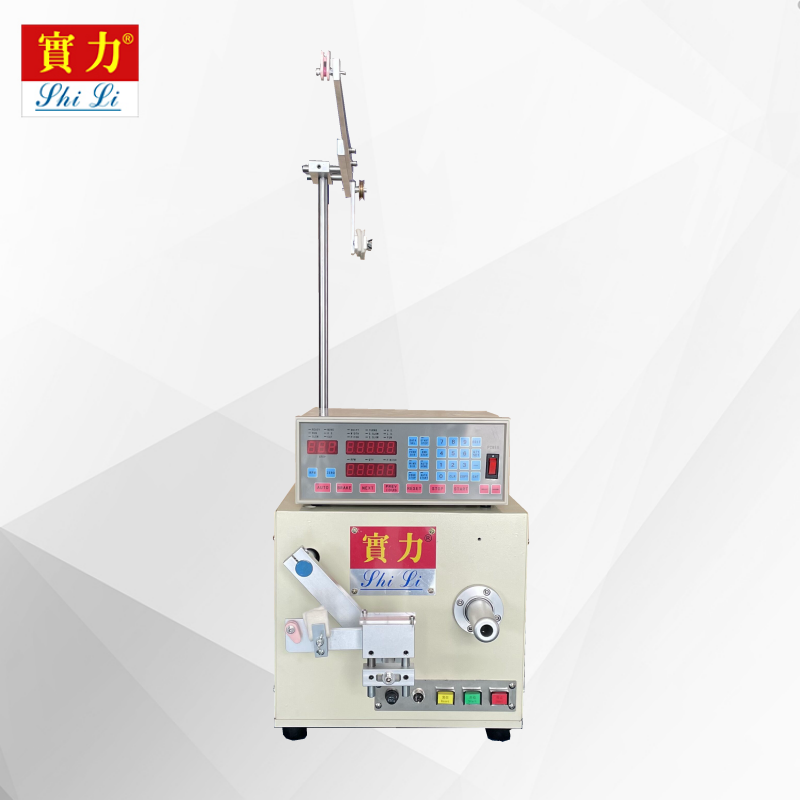
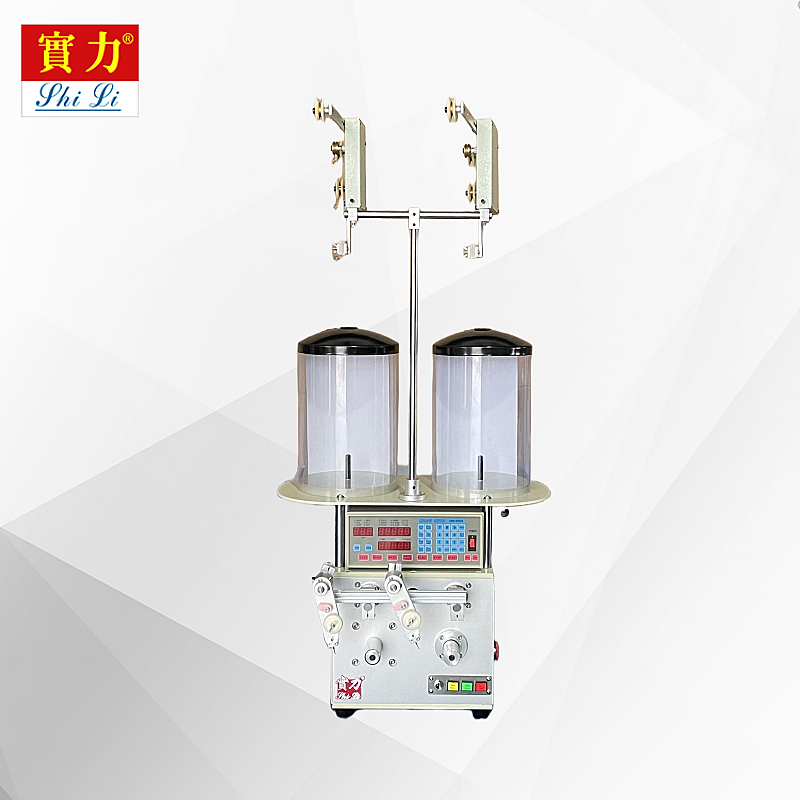
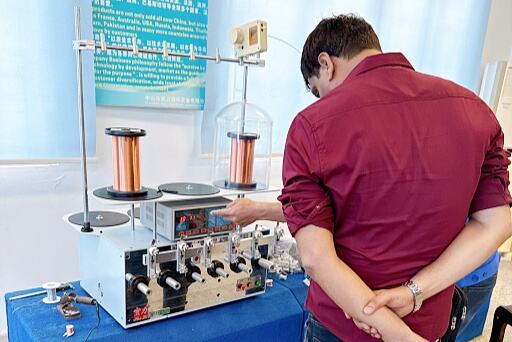
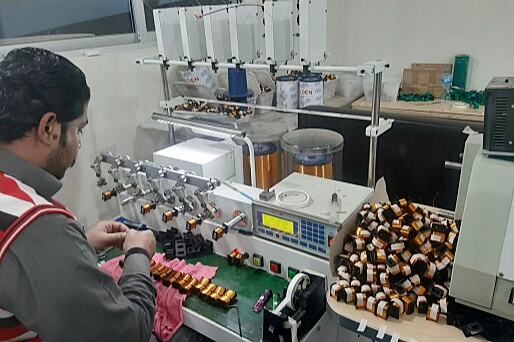
The small transformer winding machine represents a crucial piece of equipment in electrical manufacturing, designed specifically for creating precise coil windings in compact transformers. This specialized device automates the process of wrapping copper wire around transformer cores with exceptional accuracy and consistency. Modern small transformer winding machines incorporate advanced motor control systems that ensure uniform tension throughout the winding process, eliminating common issues such as loose coils or uneven wire distribution. These machines typically feature programmable controls that allow operators to set specific parameters including wire gauge, number of turns, winding speed, and tension levels. The core functionality revolves around a rotating spindle system that holds the transformer bobbin while a wire guide mechanism positions the conductor material with mathematical precision. Many contemporary models include digital displays that provide real-time monitoring of winding progress, turn counting, and operational status. The small transformer winding machine excels at handling various wire types, from fine magnet wire used in signal transformers to heavier gauge conductors required in power applications. Safety features are integrated throughout the design, including emergency stop mechanisms, wire break detection systems, and protective enclosures that prevent operator injury during operation. These machines accommodate different transformer sizes and configurations, making them versatile tools for both prototype development and small-scale production runs. The precision engineering ensures that each winding layer maintains proper spacing and alignment, critical factors in transformer performance and reliability. Temperature monitoring capabilities prevent overheating during extended operation cycles, while automatic wire feeding systems reduce manual intervention requirements. The compact footprint of these machines makes them ideal for workshop environments where space optimization is essential, yet they maintain the robust construction necessary for consistent industrial performance.

New Product Recommendations

Small transformer winding machines deliver significant cost savings by reducing labor requirements and minimizing material waste through precise wire control. These machines complete winding operations in a fraction of the time required for manual processes, allowing manufacturers to increase production capacity without expanding their workforce. The automated nature eliminates human error factors that often result in defective windings, reducing rejection rates and improving overall product quality. Operators can easily program different winding patterns and specifications, enabling quick transitions between various transformer types without extensive setup procedures. The consistent tension control ensures uniform coil density, which directly translates to improved electrical performance and reduced losses in the finished transformers. Energy efficiency benefits emerge from optimized winding patterns that the machine creates with mathematical precision, resulting in transformers that operate with lower heat generation and higher efficiency ratings. Maintenance requirements remain minimal due to the robust construction and quality components used in these machines, leading to lower operational costs over the equipment's lifespan. The user-friendly interface allows technicians with basic training to operate the equipment effectively, reducing the need for specialized expertise and associated higher labor costs. Quality assurance improves dramatically as the machine maintains detailed records of winding parameters, enabling traceability and consistency across production batches. Space utilization becomes more efficient since one small transformer winding machine can replace multiple manual winding stations, freeing up valuable floor space for other operations. The repeatability factor ensures that every transformer produced meets identical specifications, eliminating variations that could affect performance or reliability. Safety benefits include reduced operator fatigue and lower risk of repetitive strain injuries associated with manual winding processes. The machine's ability to handle various wire gauges and transformer sizes provides flexibility for manufacturers serving diverse market segments. Return on investment typically occurs within months due to increased productivity and reduced labor costs, making it an attractive option for businesses seeking to improve their competitive position in the transformer manufacturing market.

Tips And Tricks

Solve Solenoid Valve Coil Production Pain Points for India | Easy Operation Guide

05

Feb

Solve Solenoid Valve Coil Production Pain Points for India | Easy Operation Guide

View More
Bangladesh Client Raves: Efficiency + Stable Quality

05

Feb

Bangladesh Client Raves: Efficiency + Stable Quality

View More
Turkey Full Container Shipment: Rave Reviews & Repeat Orders

05

Feb

Turkey Full Container Shipment: Rave Reviews & Repeat Orders

View More

Get a Free Quote

Our representative will contact you soon.
Email
Name
Company Name
Message
0/1000

small transformer winding machine

Advanced Precision Control System

Advanced Precision Control System

The sophisticated precision control system represents the cornerstone technology that sets modern small transformer winding machines apart from conventional alternatives. This system integrates multiple sensors and feedback mechanisms to maintain exact wire positioning throughout the entire winding process, ensuring that each turn is placed with micrometer-level accuracy. The control system continuously monitors wire tension using load cells and automatic adjustment mechanisms that respond instantly to variations, preventing both loose windings that could cause electrical faults and excessive tension that might damage the wire insulation. Digital servo motors provide precise rotational control, allowing for complex winding patterns including multiple layers, tapped windings, and specialized configurations required for specific transformer applications. The programmable logic controller stores multiple winding recipes, enabling operators to switch between different transformer specifications with simple menu selections rather than manual adjustments. Real-time monitoring displays provide immediate feedback on critical parameters including turn count, wire speed, tension levels, and winding progress, allowing operators to identify and correct issues before they affect product quality. The system's memory capabilities retain historical data for quality control purposes, creating comprehensive records that support certification requirements and troubleshooting efforts. Advanced algorithms calculate optimal winding speeds based on wire gauge and transformer specifications, maximizing productivity while maintaining quality standards. The precision control system also incorporates safety interlocks that automatically stop operation if parameters exceed predetermined limits, protecting both equipment and operators from potential hazards. Temperature compensation features adjust operational parameters based on ambient conditions, ensuring consistent results regardless of environmental variations. The intuitive user interface simplifies complex programming tasks, allowing technicians to create custom winding patterns without extensive technical knowledge. This level of control precision directly translates to improved transformer performance, reduced manufacturing defects, and enhanced reliability in the finished products.
Versatile Multi-Application Capability

Versatile Multi-Application Capability

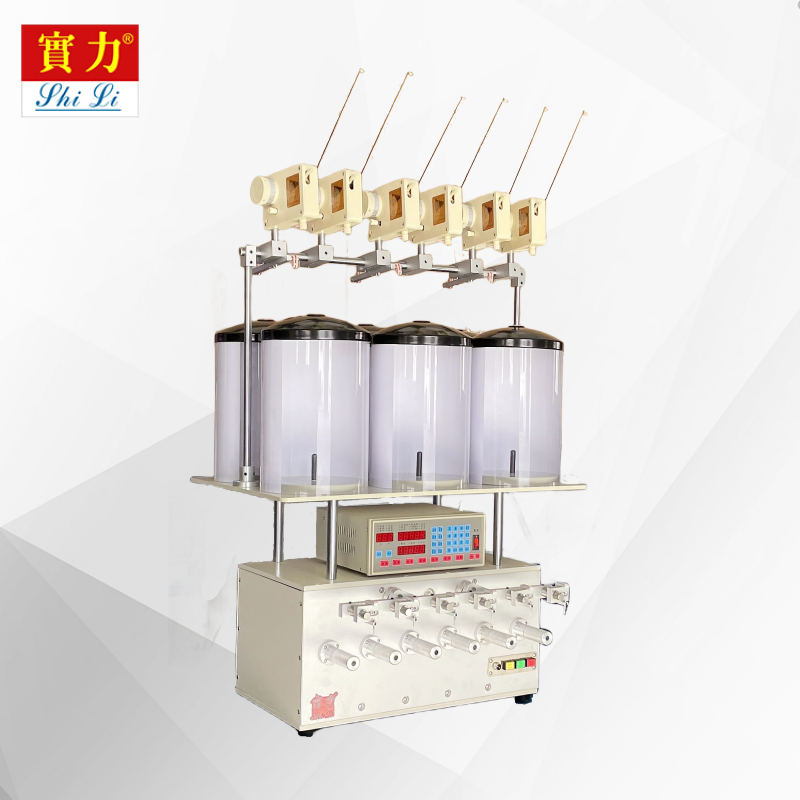
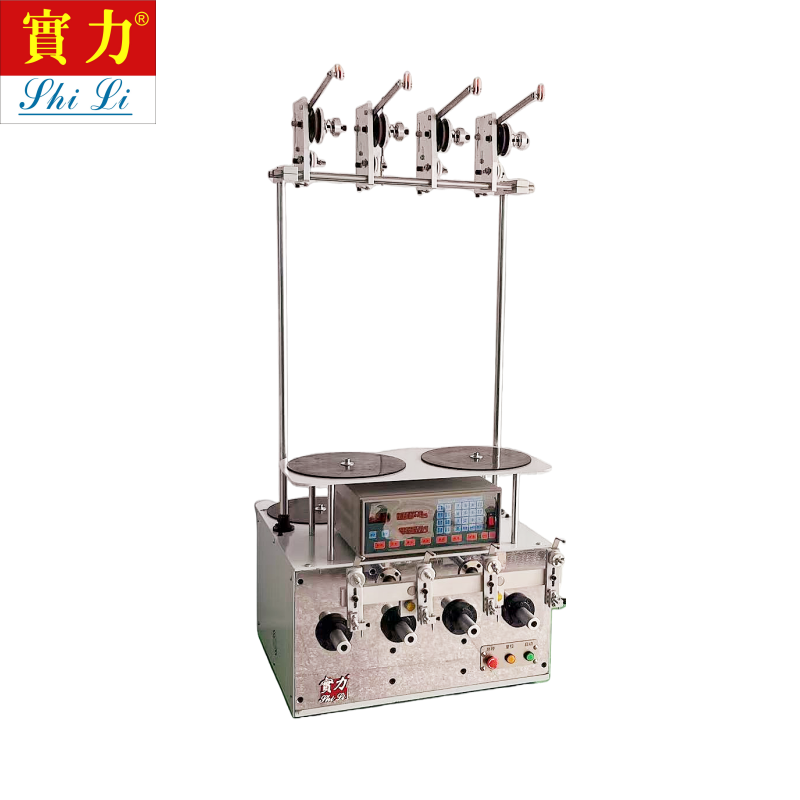
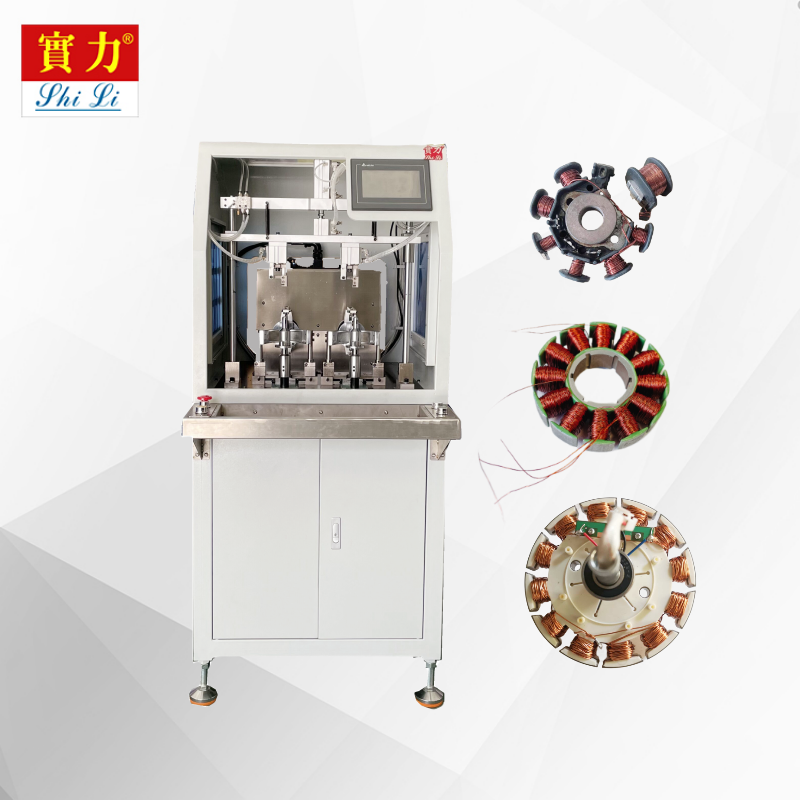
The remarkable versatility of small transformer winding machines enables manufacturers to address diverse market demands with a single piece of equipment, significantly improving operational efficiency and reducing capital investment requirements. These machines accommodate an impressive range of transformer types, from miniature signal transformers used in electronic circuits to medium-sized power transformers for industrial applications. The adjustable chuck systems and variable bobbin holders allow for different core shapes and sizes, including toroidal, EI-core, pot core, and custom configurations without requiring specialized tooling or extensive setup procedures. Wire handling capabilities span from ultra-fine magnet wire measuring just fractions of a millimeter to heavier gauge conductors used in power applications, with automatic wire feeding systems that adjust tension and speed parameters based on the selected wire specifications. The machine's programming flexibility supports various winding techniques including layer winding, random winding, sectional winding, and progressive winding patterns, each optimized for specific transformer characteristics and performance requirements. Multiple wire feeding capabilities enable the production of transformers with different primary and secondary wire gauges in a single operation, reducing production time and improving manufacturing efficiency. The modular design philosophy allows for easy reconfiguration when switching between different transformer families, with quick-change components that minimize downtime during product transitions. Advanced software programming enables the creation of complex winding schedules that incorporate multiple starts, stops, direction changes, and layer transitions, supporting sophisticated transformer designs that would be extremely difficult to achieve through manual processes. The machine's ability to handle both prototype quantities and small production runs makes it invaluable for manufacturers serving niche markets or developing custom transformer solutions. Quality consistency across different applications is maintained through the machine's ability to store and recall specific parameters for each transformer type, ensuring that production runs separated by weeks or months maintain identical specifications. This versatility extends to packaging and finishing operations, as the machine can be programmed to leave specific lead lengths and orientations required for different assembly processes.

Compact Design with Industrial Performance

Compact Design with Industrial Performance

The ingenious compact design of small transformer winding machines achieves industrial-grade performance capabilities while occupying minimal floor space, making them ideal for manufacturing environments where space optimization is critical. Despite their reduced footprint, these machines incorporate robust construction techniques and high-quality components that deliver reliability and durability comparable to much larger industrial equipment. The space-efficient layout consolidates all essential functions including wire feeding, tension control, winding mechanisms, and control systems into a cohesive unit that typically requires less than half the floor space of traditional winding equipment. This compact architecture does not compromise performance capabilities, as advanced engineering techniques maximize the utilization of available space while maintaining easy access for operation and maintenance procedures. The integrated design philosophy eliminates the need for separate wire handling equipment, reducing both space requirements and the complexity of material flow within the production facility. Vibration dampening systems and precision-balanced components ensure smooth operation even in space-constrained environments where multiple machines may operate in close proximity. The ergonomic design considers operator comfort and safety within the compact framework, positioning controls and displays at optimal heights and angles to reduce fatigue during extended operation periods. Heat dissipation systems are engineered to operate effectively within the compact enclosure, preventing temperature buildup that could affect performance or component longevity. The modular construction approach allows for easy transportation and installation in facilities with limited access or existing equipment constraints. Cable management systems keep all connections organized and protected within the compact design, reducing maintenance requirements and improving safety. The efficient power consumption characteristics of these machines make them suitable for facilities with limited electrical capacity, while still delivering the torque and speed requirements necessary for professional winding operations. Noise reduction technologies incorporated into the compact design ensure that multiple units can operate simultaneously without creating an uncomfortable work environment. The small footprint enables manufacturers to implement flexible production layouts that can be easily reconfigured as business needs change, providing long-term adaptability that justifies the equipment investment. This combination of compact design with industrial performance capabilities represents a significant advancement in transformer manufacturing technology, enabling smaller manufacturers to access professional-grade capabilities without the space and infrastructure requirements traditionally associated with industrial winding equipment.

Get a Free Quote

Our representative will contact you soon.
Email
Name
Company Name
Message
0/1000
Newsletter
Please Leave A Message With Us