Auto Transformer Winding Machine - Advanced Manufacturing Solutions for Precision Transformer Production

Get a Free Quote

Our representative will contact you soon.
Email
Name
Company Name
Message
0/1000

auto transformer winding machine

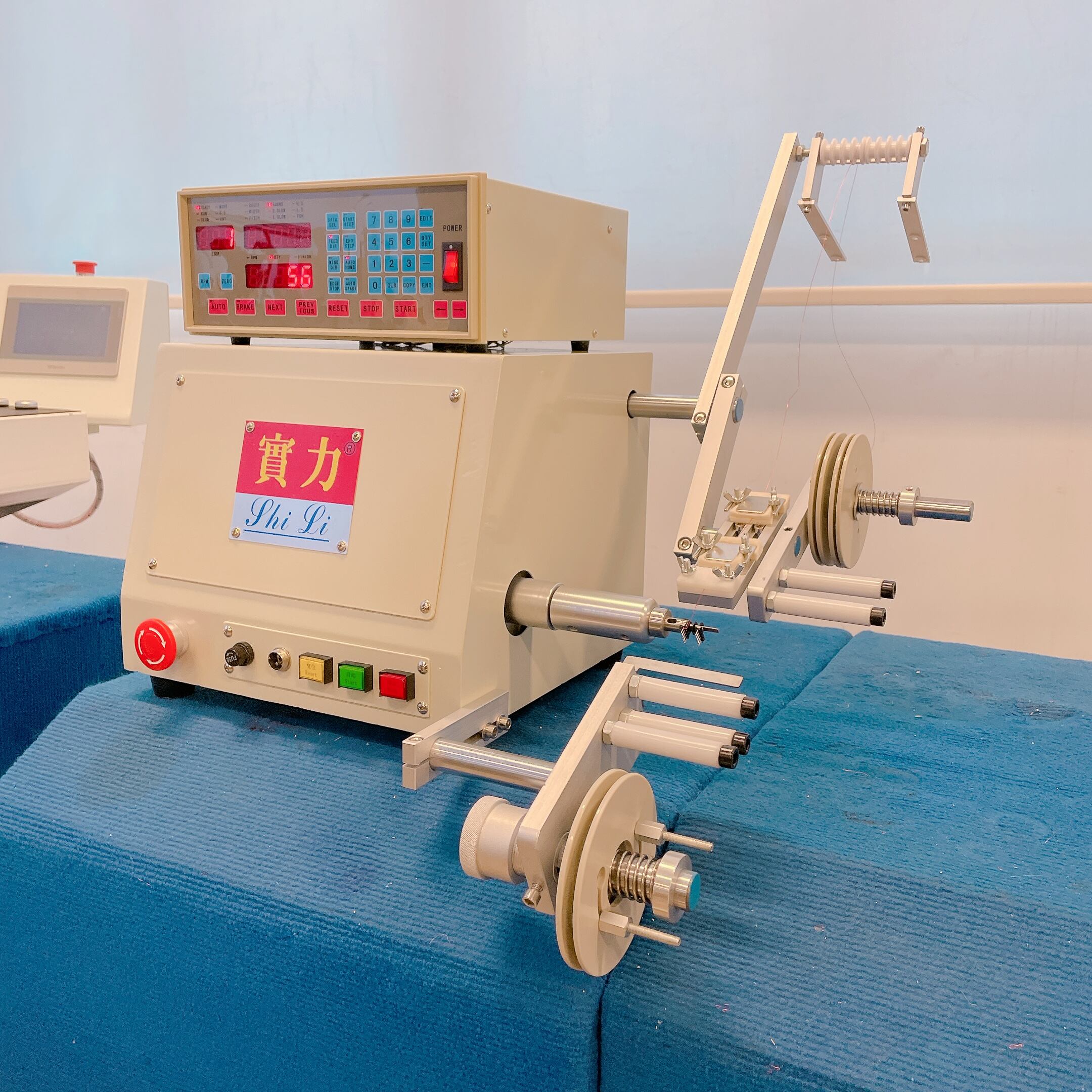
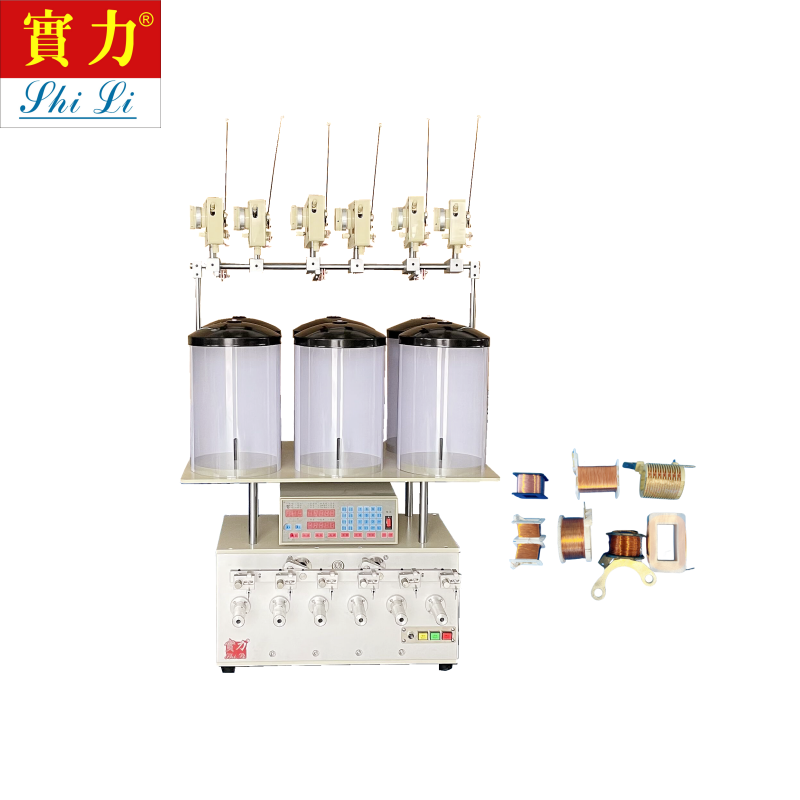
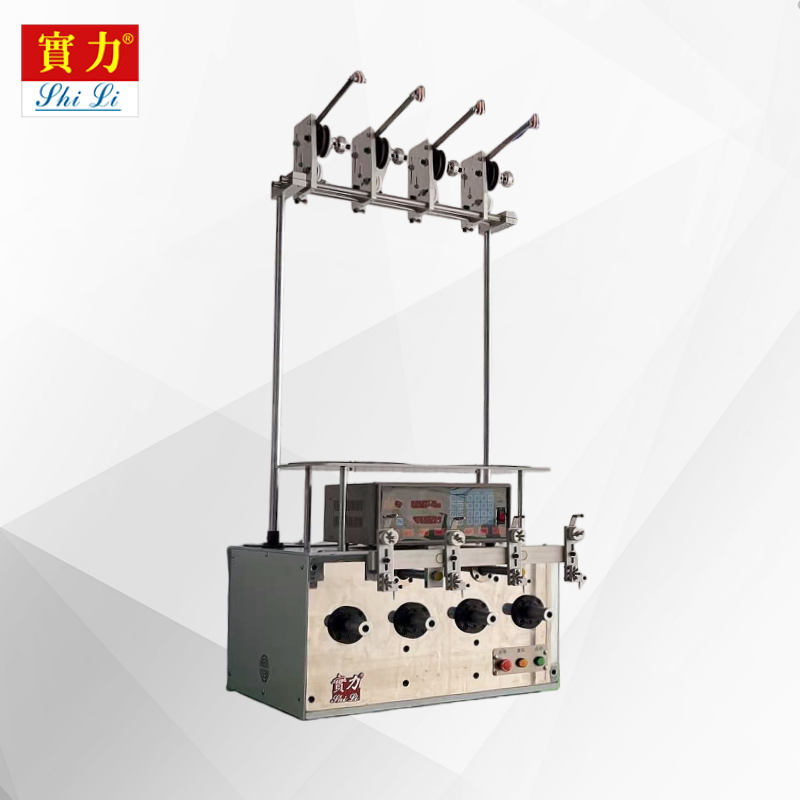
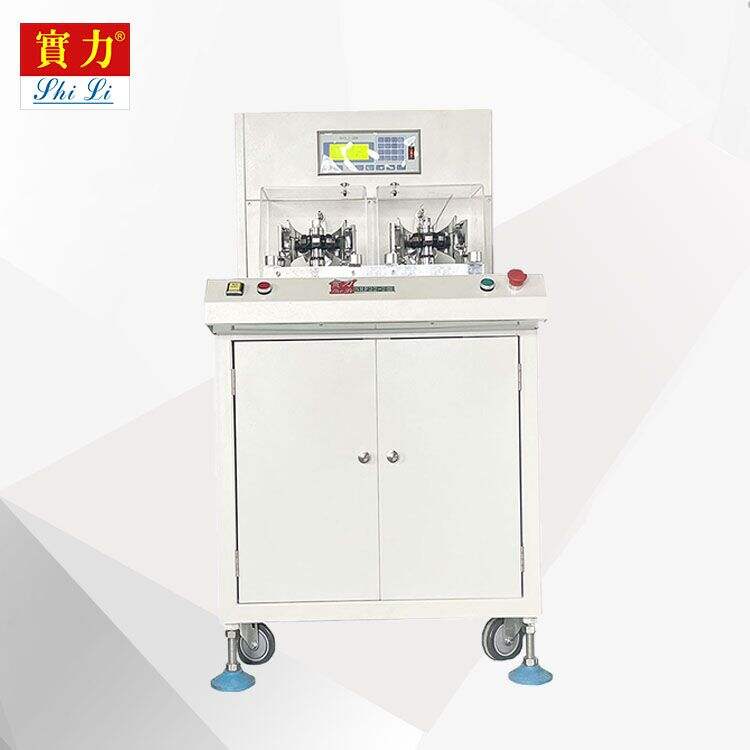
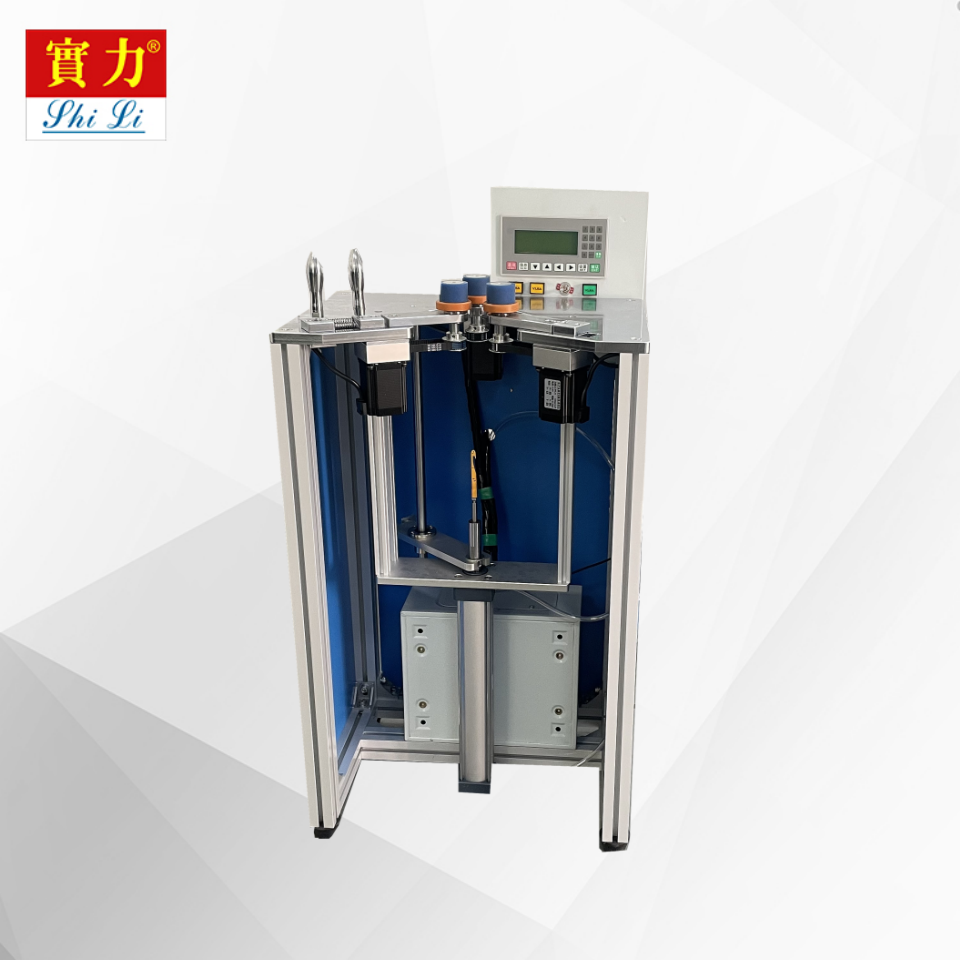
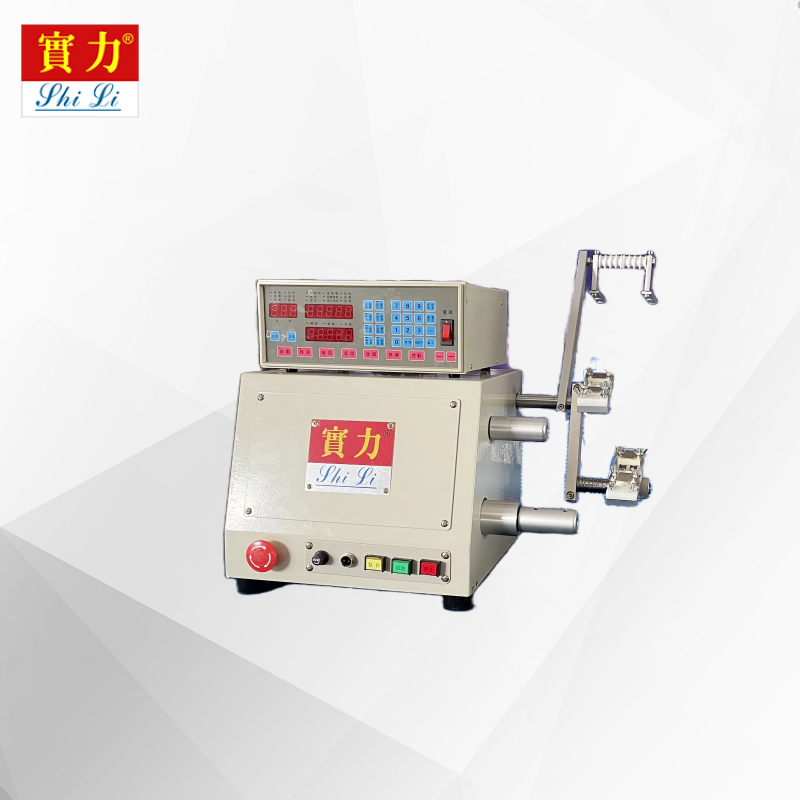
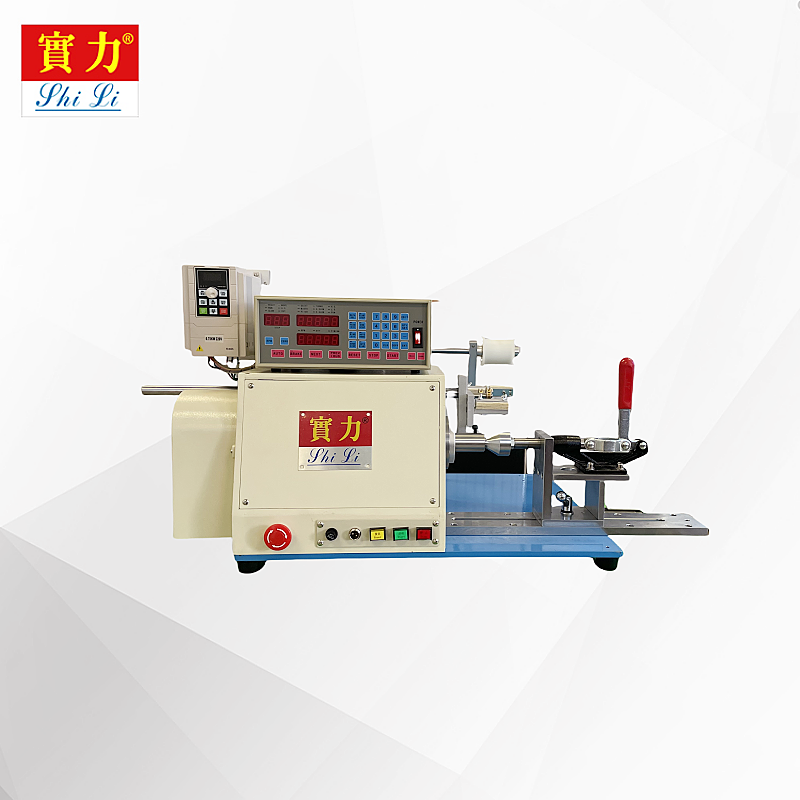
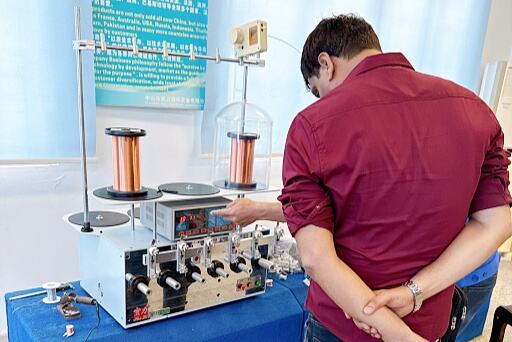
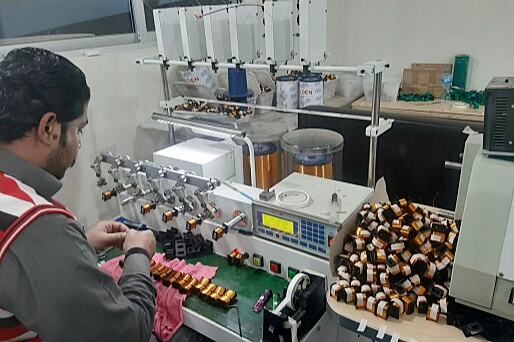
The auto transformer winding machine represents a sophisticated manufacturing solution designed specifically for producing high-quality transformers with exceptional precision and efficiency. This advanced equipment automates the complex process of winding copper or aluminum wire around transformer cores, ensuring consistent tension control and accurate layer formation throughout the entire production cycle. Modern auto transformer winding machines incorporate cutting-edge technology including programmable logic controllers, servo motors, and digital monitoring systems that work together to deliver superior performance in transformer manufacturing facilities worldwide. The primary functions of an auto transformer winding machine encompass automatic wire feeding, precise tension regulation, controlled winding speed adjustment, and real-time quality monitoring during the production process. These machines excel at handling various wire gauges and core sizes, making them versatile solutions for manufacturers producing different transformer specifications. The technological features of contemporary auto transformer winding machines include advanced digital displays for operator interface, programmable winding patterns that accommodate multiple transformer designs, and integrated safety systems that protect both equipment and personnel during operation. Many models feature automatic wire cutting and termination capabilities, significantly reducing manual labor requirements while maintaining consistent quality standards. The applications for auto transformer winding machines span across numerous industries including electrical power distribution, renewable energy systems, industrial automation, and consumer electronics manufacturing. These machines prove particularly valuable in facilities producing step-down transformers, isolation transformers, and custom-designed transformers for specialized applications. The precision engineering of auto transformer winding machines ensures optimal wire placement, uniform insulation distribution, and proper core utilization, resulting in transformers that meet stringent electrical performance standards and regulatory compliance requirements for various market segments.

New Product Recommendations

Auto transformer winding machines deliver significant operational benefits that directly impact manufacturing productivity and product quality in transformer production facilities. These machines eliminate human error factors commonly associated with manual winding processes, ensuring every transformer meets exact specifications without variations that could compromise electrical performance or safety standards. The automated nature of auto transformer winding machines reduces labor costs substantially while increasing production throughput, allowing manufacturers to process more units per shift with fewer skilled operators required for supervision and quality control activities. Speed optimization represents another crucial advantage, as auto transformer winding machines complete winding cycles much faster than manual methods, enabling manufacturers to meet tight delivery schedules and respond quickly to market demand fluctuations. The precision control systems integrated into auto transformer winding machines maintain consistent wire tension throughout the winding process, preventing loose coils or excessive stress that could lead to premature transformer failure in field applications. Quality consistency stands as perhaps the most significant benefit, with auto transformer winding machines producing identical results across multiple production runs, ensuring reliable performance characteristics in finished transformers regardless of batch size or production timing. Material waste reduction occurs naturally through the precise control mechanisms of auto transformer winding machines, which calculate exact wire lengths needed and minimize scrap generation compared to manual winding techniques that often result in excess material consumption. The safety improvements provided by auto transformer winding machines protect workers from repetitive motion injuries and reduce exposure to sharp wire edges, creating a safer work environment while maintaining high productivity levels. Maintenance requirements for modern auto transformer winding machines remain minimal due to robust construction and quality components, resulting in lower long-term operating costs and extended equipment lifespan. Data collection capabilities built into advanced auto transformer winding machines provide valuable production metrics that help manufacturers optimize processes, identify improvement opportunities, and maintain comprehensive quality records for regulatory compliance and customer documentation requirements.

Tips And Tricks

Solve Solenoid Valve Coil Production Pain Points for India | Easy Operation Guide

05

Feb

Solve Solenoid Valve Coil Production Pain Points for India | Easy Operation Guide

View More
Bangladesh Client Raves: Efficiency + Stable Quality

05

Feb

Bangladesh Client Raves: Efficiency + Stable Quality

View More
Turkey Full Container Shipment: Rave Reviews & Repeat Orders

05

Feb

Turkey Full Container Shipment: Rave Reviews & Repeat Orders

View More

Get a Free Quote

Our representative will contact you soon.
Email
Name
Company Name
Message
0/1000

auto transformer winding machine

Advanced Precision Control System

Advanced Precision Control System

The advanced precision control system integrated into modern auto transformer winding machines represents the technological backbone that ensures exceptional manufacturing quality and consistency in transformer production operations. This sophisticated control architecture combines multiple sensors, servo motors, and programmable logic controllers to maintain exact wire positioning throughout the entire winding process, delivering results that exceed traditional manufacturing standards. The precision control system continuously monitors wire tension using specialized load cells and feedback mechanisms, automatically adjusting motor speeds and brake pressures to maintain optimal conditions regardless of wire material properties or environmental factors that might affect the winding operation. Digital encoders provide real-time position feedback with sub-millimeter accuracy, enabling the auto transformer winding machine to place each wire turn precisely where specified in the programmed winding pattern, eliminating gaps or overlaps that could compromise transformer performance or electrical insulation integrity. The control system features adaptive algorithms that learn from previous winding cycles and automatically compensate for material variations, core tolerances, and other factors that might influence the final product quality, ensuring consistent results across different production batches. Operators can easily configure winding parameters through intuitive touchscreen interfaces that display real-time process data, allowing immediate adjustments when necessary while maintaining complete visibility into critical performance metrics throughout the manufacturing cycle. The precision control system also includes comprehensive error detection capabilities that immediately halt production if abnormal conditions occur, preventing defective products from advancing through the manufacturing process and protecting expensive materials from waste. Quality validation features built into the control system perform automatic measurements during and after winding completion, comparing actual results against programmed specifications and generating detailed reports for quality assurance documentation and traceability requirements that modern manufacturing facilities demand for regulatory compliance and customer satisfaction.
Versatile Multi-Core Compatibility

Versatile Multi-Core Compatibility

The versatile multi-core compatibility feature of auto transformer winding machines provides manufacturers with unprecedented flexibility to handle diverse transformer specifications within a single production line, maximizing equipment utilization and reducing capital investment requirements for facilities producing various transformer types. This adaptability stems from innovative clamping systems and adjustable tooling arrangements that accommodate different core shapes, sizes, and materials without requiring extensive changeover procedures or specialized equipment modifications. Auto transformer winding machines equipped with multi-core compatibility can seamlessly transition between toroidal cores, E-I laminated cores, C-cores, and custom-shaped cores, enabling manufacturers to respond quickly to changing market demands and customer requirements without production delays or additional machinery investments. The quick-change tooling systems integrated into these machines allow operators to complete core changeovers in minutes rather than hours, maintaining production efficiency while accommodating diverse product portfolios that might include power transformers, distribution transformers, and specialty units for unique applications. Programmable core parameters stored in the machine memory enable automatic adjustment of winding patterns, wire guidance systems, and tensioning mechanisms based on the specific core type selected, ensuring optimal results regardless of the transformer design being produced. This multi-core capability proves particularly valuable for contract manufacturers serving multiple customers with varying specifications, as well as original equipment manufacturers developing new transformer designs that require flexible production capabilities during prototyping and initial production phases. The mechanical design of auto transformer winding machines with multi-core compatibility incorporates modular components that can be reconfigured or upgraded as production requirements evolve, providing long-term value and protecting manufacturing investments against obsolescence. Advanced core recognition systems can automatically identify inserted cores and load appropriate winding programs, further reducing setup time and eliminating operator errors that might occur during manual program selection processes, while maintaining the precision and quality standards that characterize modern transformer manufacturing operations.
Integrated Quality Assurance Technology

Integrated Quality Assurance Technology

The integrated quality assurance technology embedded within contemporary auto transformer winding machines revolutionizes manufacturing oversight by providing real-time monitoring, automatic defect detection, and comprehensive documentation capabilities that ensure every transformer meets stringent quality standards before leaving the production facility. This comprehensive quality management system combines multiple inspection technologies including vision systems, electrical testing capabilities, and dimensional measurement tools that work continuously throughout the winding process to identify and prevent quality issues before they impact finished products. Advanced camera systems integrated into auto transformer winding machines capture high-resolution images of wire placement during winding operations, using sophisticated image processing algorithms to detect irregular wire positioning, insulation gaps, or other visual defects that human operators might miss during manual inspection processes. Electrical testing modules built into the quality assurance system perform continuous resistance measurements, insulation testing, and turn-to-turn continuity checks during winding progression, immediately alerting operators to electrical anomalies that could indicate wire breaks, short circuits, or insulation failures requiring immediate attention. The integrated quality assurance technology maintains detailed production records for every transformer manufactured, including complete process parameters, test results, operator identification, material traceability information, and environmental conditions during production, creating comprehensive documentation packages that support quality certifications and customer requirements for product validation. Statistical process control algorithms analyze quality data trends across multiple production cycles, identifying subtle variations that might indicate developing equipment issues or process drift before they result in defective products, enabling proactive maintenance and process optimization activities. Automated reject systems integrated with the quality assurance technology can immediately remove non-conforming products from the production line, preventing defective units from advancing to subsequent manufacturing steps and reducing waste while maintaining production flow efficiency. The quality assurance system also generates real-time performance dashboards that provide manufacturing management with immediate visibility into production quality metrics, enabling rapid response to quality issues and continuous improvement initiatives that enhance overall manufacturing effectiveness and customer satisfaction levels.

Get a Free Quote

Our representative will contact you soon.
Email
Name
Company Name
Message
0/1000
Newsletter
Please Leave A Message With Us