 EN
EN


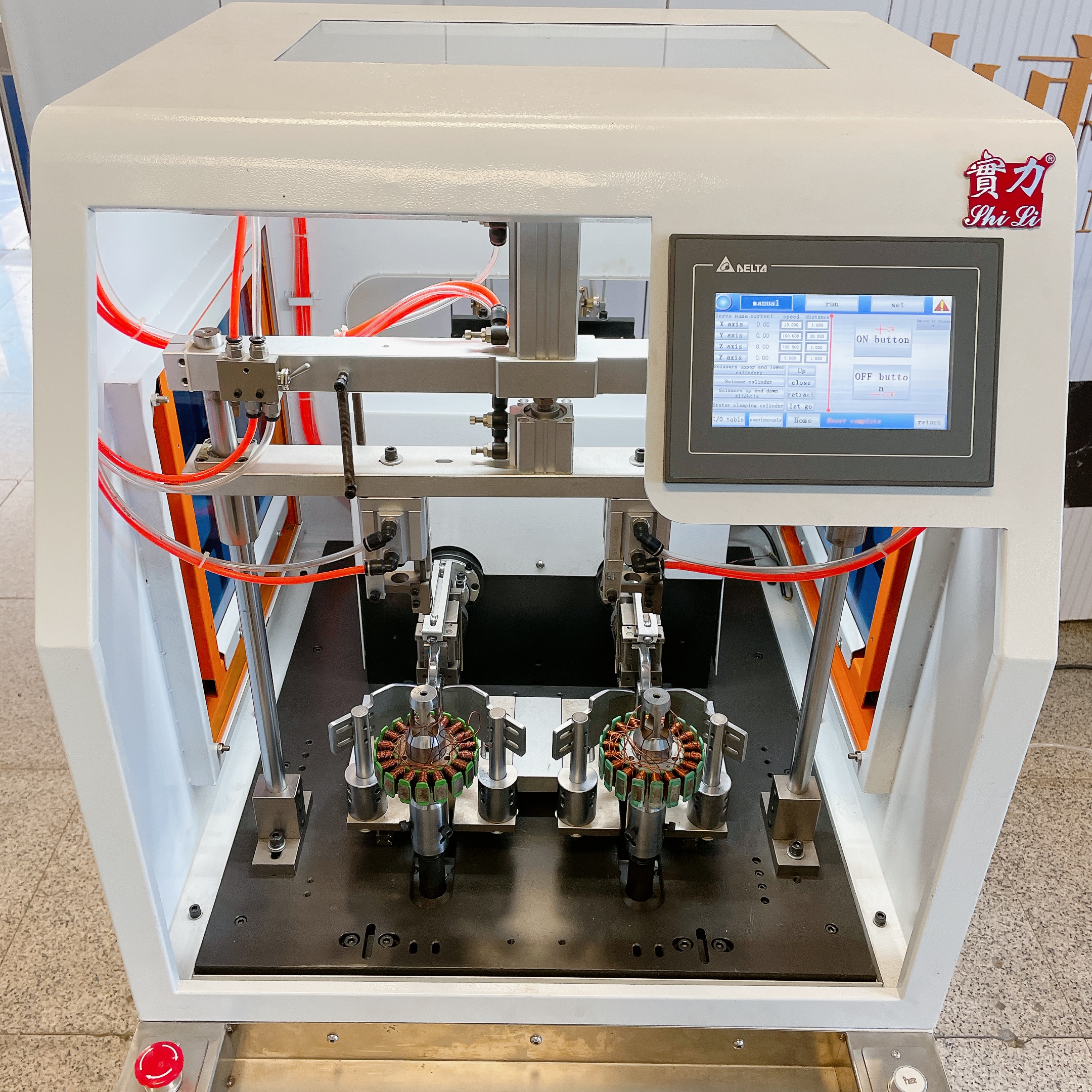
The modern manufacturing landscape demands precision, speed, and reliability from every piece of equipment on the production floor. A bldc motor winding machine represents a critical investment for companies producing brushless direct current motors, yet many operators encounter significant operational challenges that slow production and compromise output quality. Understanding these common bottlenecks is essential for manufacturers who want to optimize their bldc motor winding machine performance and maintain competitive advantage in an increasingly demanding market. Production delays, quality inconsistencies, and equipment reliability issues plague facilities worldwide, often stemming from preventable causes that become apparent only after substantial time and resources have been invested.
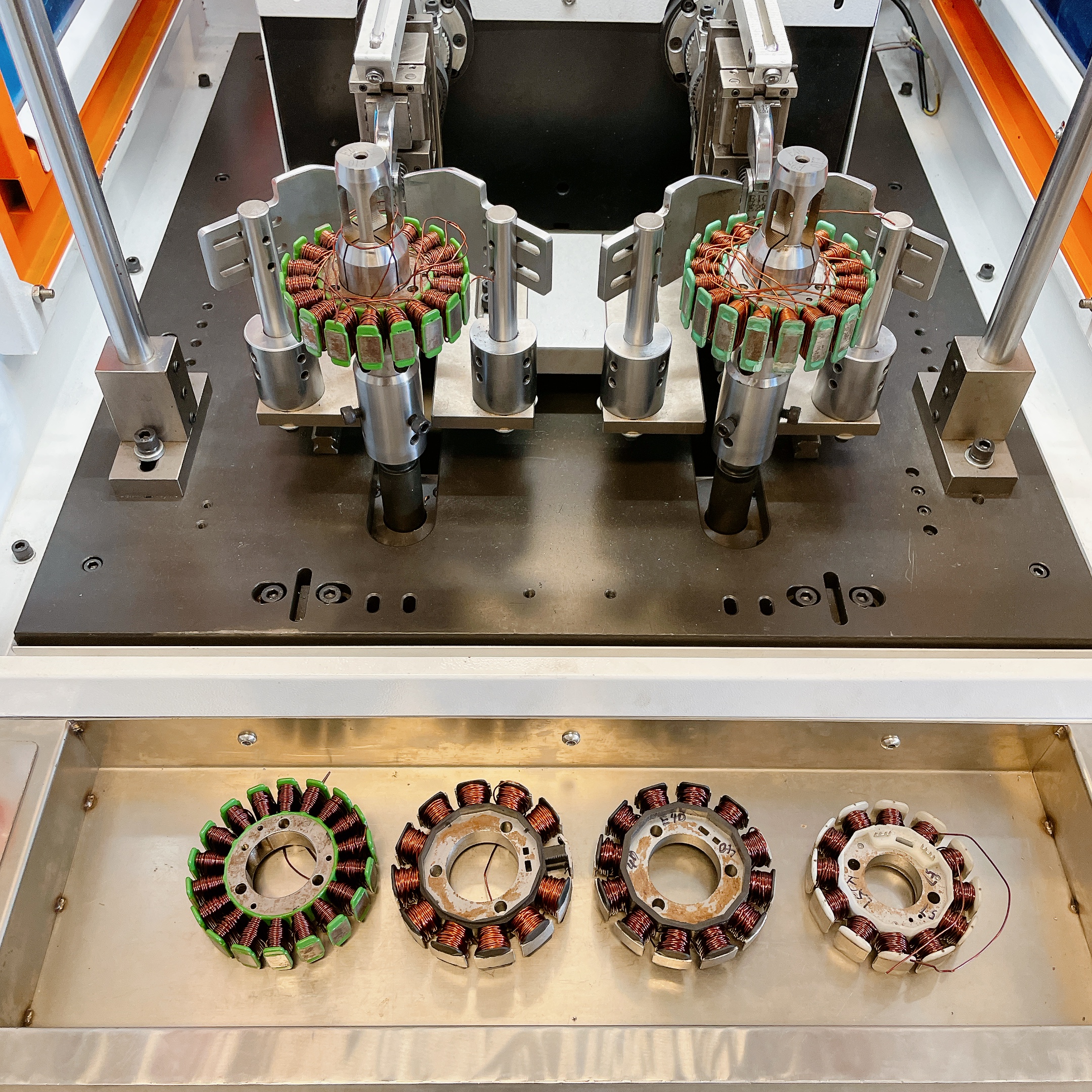
Identifying and addressing bottlenecks in your bldc motor winding machine operation requires a systematic approach that combines technical knowledge with operational insight. When a bldc motor winding machine runs inefficiently, the entire production chain suffers consequences that extend far beyond the winding station itself. Downstream assembly operations slow down, delivery schedules slip, and customer satisfaction deteriorates rapidly. This article explores the most prevalent bottlenecks affecting bldc motor winding machine lines, explains why these issues occur, and provides practical guidance for manufacturers seeking to enhance their operational efficiency and product quality.
Mechanical and Design Limitations in BLDC Motor Winding Machine Operations
Understanding Tension and Wire Handling Constraints
The bldc motor winding machine must maintain precise wire tension throughout the winding process, yet this requirement creates one of the most common operational bottlenecks in modern facilities. Wire materials vary significantly in their tensile strength, elasticity, and handling characteristics, and a bldc motor winding machine calibrated for one wire specification may struggle dramatically when processing different gauges or materials. Tension inconsistencies lead to loose coils that fail electrical testing, broken wires that halt production, or over-tensioned windings that damage the wire insulation during the winding process itself. Operators often discover that their bldc motor winding machine cannot easily transition between different motor specifications without time-consuming recalibration and test runs.
Precision and Synchronization Challenges
A bldc motor winding machine must coordinate multiple mechanical systems simultaneously: wire feed mechanisms, spindle rotation, traverse systems, and cutting apparatus. When these components operate out of synchronization, even by milliseconds, the resulting coil geometry becomes irregular and fails electrical performance standards. Many manufacturers operate bldc motor winding machine equipment that lacks intelligent feedback systems to detect and correct synchronization drift in real time. This forces operators to perform frequent manual adjustments and conduct extensive test windings, creating significant production delays. The challenge intensifies when a bldc motor winding machine must produce high-layer-count coils that demand exceptional geometric precision and consistent winding density throughout the entire coil structure.
Material Processing and Wire Quality Issues Affecting BLDC Motor Winding Machine Performance
Wire Contamination and Surface Degradation
Wire quality directly determines whether a bldc motor winding machine can operate efficiently, yet many facilities receive wire stock with surface contamination, oxidation, or manufacturing residue that interferes with the winding process. When contaminated wire feeds through a bldc motor winding machine, it accumulates debris on contact surfaces, guide rollers, and tension mechanisms, progressively degrading performance until the equipment requires cleaning and maintenance. This contamination reduces the coefficient of friction between wire and guide surfaces, causing tension anomalies and slippage that compromise winding accuracy. Operators must identify contaminated wire stock before it enters production, inspect the bldc motor winding machine for accumulated debris regularly, and implement rigorous wire preparation protocols to prevent quality failures and unplanned downtime.
Insulation Layer Inconsistencies and Compatibility
The enameled wire coating applied by wire suppliers must remain intact and consistent throughout its length for a bldc motor winding machine to function optimally. When insulation thickness varies, contains micro-cracks, or exhibits poor adhesion to the copper conductor, the bldc motor winding machine encounters increased friction and wire breakage during high-speed operations. Some wire suppliers apply insulation systems that prove incompatible with automatic winding equipment, particularly when the bldc motor winding machine operates at rapid speeds or employs aggressive tension settings. Thermal properties of different insulation materials also affect how wire behaves during the winding process and subsequent curing operations, requiring material-specific adjustments to bldc motor winding machine parameters that many operators overlook until quality issues emerge.
Workflow Integration and Production Planning Bottlenecks in BLDC Motor Winding Machine Lines
Setup Times and Changeover Complexity
Transitioning a bldc motor winding machine from one motor specification to another consumes far more time than many manufacturers initially anticipate. Each new motor design requires adjustment of multiple parameters: wire gauge, coil geometry, layer count, winding speed, tension settings, and cutter positioning, all of which must be validated through test windings before full production resumes. A bldc motor winding machine with manual adjustment systems can require thirty minutes to two hours for a complete changeover, while even semi-automatic equipment demands substantial setup time. Production planners who fail to account for these changeover requirements create scheduling bottlenecks where the bldc motor winding machine remains idle between jobs, waiting for precise parameter configuration and validation. The cumulative impact of frequent changeovers can reduce actual productive winding time by thirty percent or more, severely limiting overall equipment effectiveness.
Quality Control Integration and Testing Constraints
Modern bldc motor winding machine lines must incorporate quality verification at multiple points, yet many facilities implement testing procedures that actually create production bottlenecks rather than preventing quality failures. When a bldc motor winding machine completes a coil, that coil typically requires electrical testing, dimensional verification, and visual inspection before it can proceed to subsequent operations. If these tests occur sequentially rather than in parallel, they create queues that prevent the bldc motor winding machine from operating continuously. Additionally, when testing reveals defects, traceability becomes critical: operators must identify exactly which bldc motor winding machine cycles produced the defective coils, investigate the root cause, and implement corrective actions without disrupting the production schedule. Poorly designed quality systems can force a bldc motor winding machine to operate at reduced speed simply to allow adequate time for parallel testing activities.
FAQ
What causes wire breakage during BLDC motor winding machine operation?
Wire breakage typically stems from inadequate tension control, contaminated guide surfaces, or incompatibility between wire material specifications and bldc motor winding machine configuration. When tension exceeds wire tensile strength limits or when debris accumulates on guide rollers, the wire experiences stress concentration that leads to sudden failure. Additionally, operating a bldc motor winding machine at speeds exceeding the design capability for a particular wire gauge creates conditions where the wire cannot maintain consistent path geometry, resulting in breakage during high-speed winding cycles. Implementing proper preventive maintenance, verifying wire quality before production, and calibrating bldc motor winding machine tension settings for each specific wire specification significantly reduces breakage incidents.
How can manufacturers reduce changeover time on their BLDC motor winding machine?
Reducing changeover time requires a combination of equipment upgrades and operational discipline. Modern bldc motor winding machine models offer quick-change components and memory storage for specific motor specifications, allowing rapid recall of all parameter settings without manual recalibration. Manufacturers should document precise setup procedures for each motor type, train operators thoroughly on systematic changeover methodology, and invest in standardized tooling that minimizes adjustment requirements. Grouping similar motor specifications together in production schedules also reduces the frequency and complexity of parameter changes, allowing the bldc motor winding machine to operate longer between major reconfigurations. Some manufacturers employ dedicated setup technicians who prepare the bldc motor winding machine while production operators run the existing job, eliminating idle time during transitions.
What role does preventive maintenance play in BLDC motor winding machine performance?
Preventive maintenance directly impacts how effectively a bldc motor winding machine avoids the operational bottlenecks described throughout this article. Regular cleaning removes wire residue and contamination from guide surfaces, maintaining consistent friction and tension accuracy. Systematic inspection identifies wear patterns before components fail, allowing planned replacement during scheduled downtime rather than emergency repairs that halt production. Proper lubrication of mechanical systems ensures smooth operation and reduces friction-related tension anomalies that compromise winding quality. A well-maintained bldc motor winding machine operates more reliably, requires fewer unplanned stops for corrections, produces more consistent output, and extends service life significantly. Manufacturers should establish comprehensive preventive maintenance schedules specific to their bldc motor winding machine model and wire specifications, incorporating equipment-supplier recommendations with insights from their own operational experience.