 EN
EN


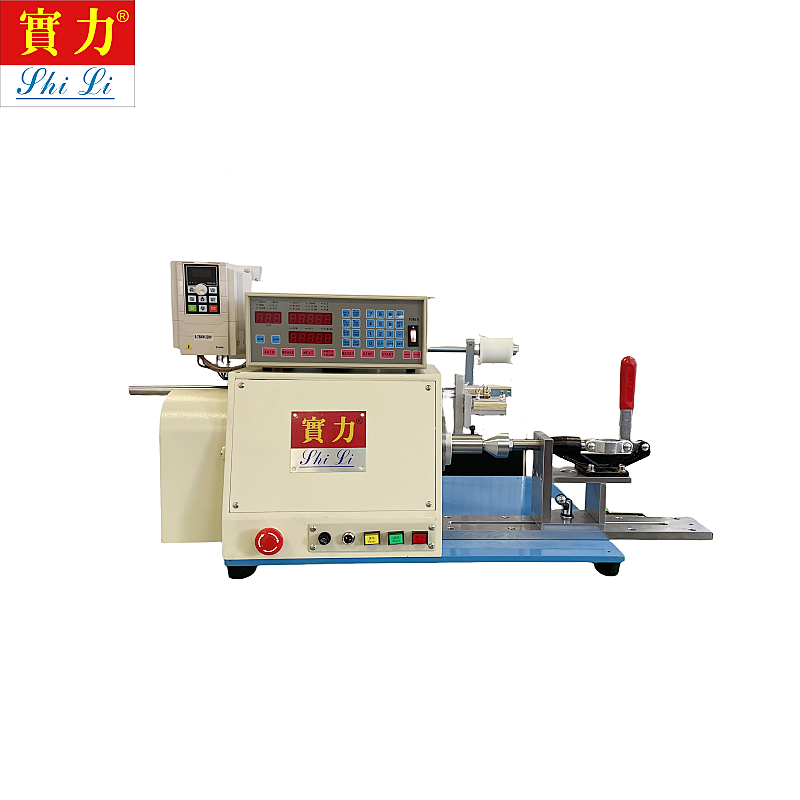
A high-end spool winding machine represents a significant investment in industrial manufacturing precision. The defining characteristic that separates premium spool winding machine models from standard equipment lies in their tension control capabilities. Tension management directly impacts wire quality, production speed, and finished product consistency. Understanding the tension control features of a spool winding machine helps manufacturers make informed equipment decisions and optimize their winding operations.
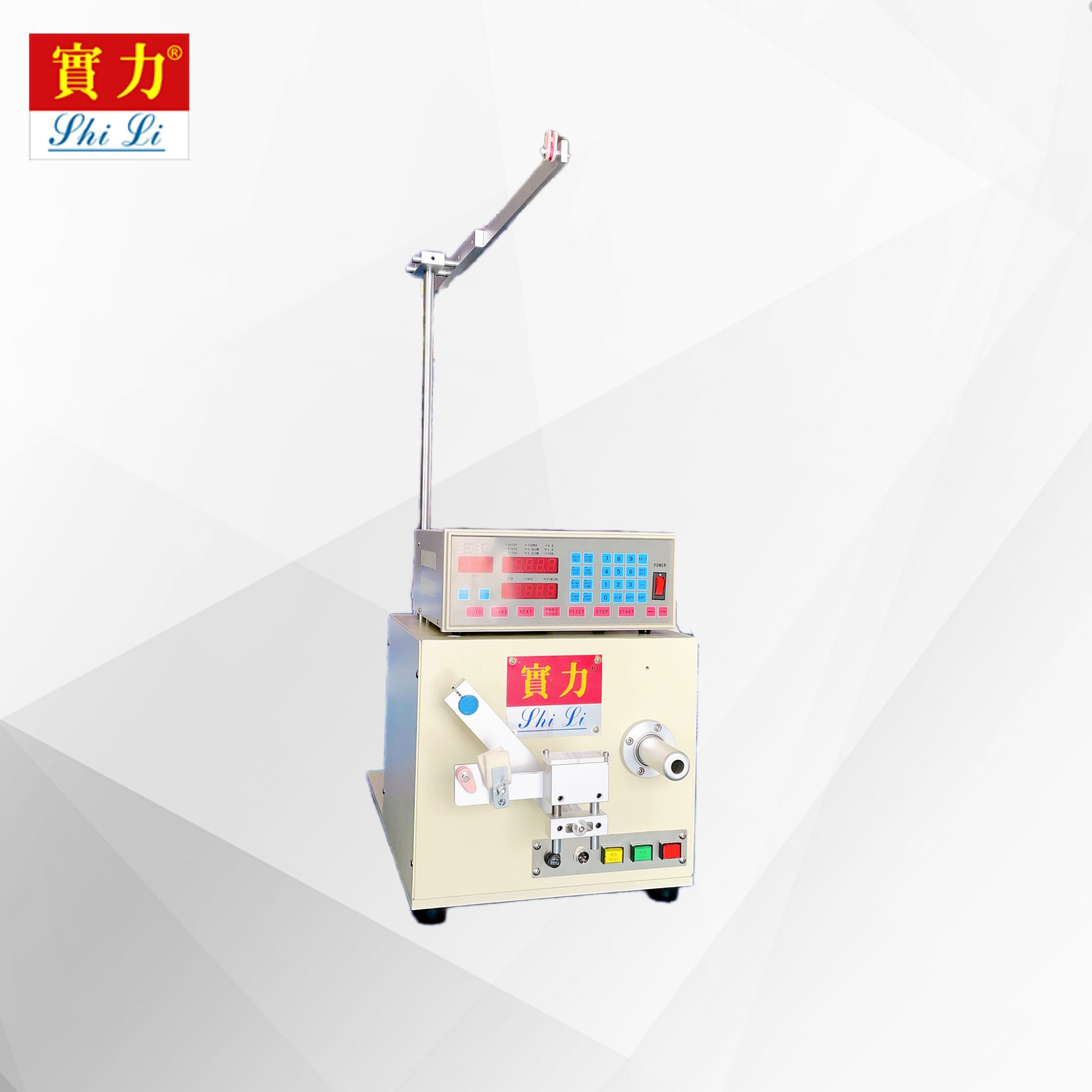
Tension control in a spool winding machine operates as the foundation for achieving uniform wire distribution and preventing defects such as slippage, breakage, or inconsistent coil density. Advanced tension systems integrate electronic feedback loops, magnetic braking mechanisms, and load-cell sensing technology to maintain stable wire tension throughout the winding cycle. A properly configured spool winding machine with superior tension control can reduce material waste, decrease production downtime, and improve the overall quality of wound components across multiple industrial applications.
Dynamic Tension Feedback Systems
Real-Time Monitoring and Adjustment
High-performance spool winding machine units integrate real-time tension monitoring systems that continuously measure and adjust wire tension during the winding process. Load-cell sensors placed along the wire path capture instantaneous tension data and transmit this information to the machine's control module. The spool winding machine processor uses this feedback to adjust braking force, motor speed, or dancer-arm position within milliseconds. This closed-loop system ensures that the wire experiences consistent tension regardless of spool diameter changes or wire material variations. Manufacturers benefit from reduced defect rates and improved product uniformity when using a spool winding machine equipped with this technology.
Precision Calibration Capabilities
Advanced spool winding machine models allow operators to set precise tension targets measured in grams or ounces per predetermined spool diameter. Digital interfaces on modern spool winding machine equipment display tension curves, historical data logs, and predictive alerts. Calibration features enable the spool winding machine to maintain different tension profiles for different wire types, gauges, and material compositions. This flexibility is critical in industries such as telecommunications, aerospace, and medical device manufacturing where material specifications demand exact tension parameters. A spool winding machine with strong calibration tools reduces setup time and minimizes human error.
Mechanical Tension Control Components
Magnetic Brake and Spring-Tension Systems
The mechanical foundation of a premium spool winding machine includes magnetic braking systems that dissipate rotational energy without generating heat damage to the wire. Electromagnetic brakes in a spool winding machine provide proportional braking force that scales with wire speed, creating smooth tension transitions as the spool fills. Spring-based tension arms complement magnetic systems by applying consistent baseline force that keeps wire sections taut and prevents slack formation. A well-designed spool winding machine balances these mechanical elements to achieve stable tension curves across the entire winding range. Many manufacturers prefer spool winding machine systems that combine magnetic and spring technologies because they offer redundancy and consistent performance across varying material types.
Guide Systems and Wire Path Design
The guide system within a spool winding machine architecture significantly influences tension stability and consistency. Precision guide bushings and roller systems in a spool winding machine minimize wire deflection and ensure that tension sensors capture accurate readings. Optimized wire pathways prevent sharp bends that could cause material fatigue or unpredictable tension fluctuations. A professionally engineered spool winding machine incorporates hardened ceramic or tungsten-carbide guides that resist wear and maintain dimensional accuracy over extended production runs. The configuration of these guides directly affects the usable tension range of the spool winding machine and its ability to handle delicate or brittle materials.
Adaptive Control and Operator Interface
Programmable Tension Profiles
Modern spool winding machine systems feature programmable tension profiles that adapt tension parameters based on spool fill level, wire material type, or production phase. A sophisticated spool winding machine control system can execute pre-programmed sequences that gradually increase tension as the spool fills or decrease tension during changeover periods. Operators configure tension curves on the spool winding machine interface, storing multiple profiles for different wire gauges or customer specifications. This automation capability allows a spool winding machine to optimize tension independently, reducing operator intervention and improving consistency across production batches. High-end spool winding machine manufacturers invest in intuitive software interfaces that make profile creation and modification straightforward for production staff.
Troubleshooting and Performance Analytics
Premium spool winding machine equipment includes comprehensive diagnostic tools that log tension deviations, alert operators to developing problems, and provide historical data for quality assurance. The spool winding machine control system can identify common issues such as sensor drift, brake wear, or wire jams before they impact production quality. Advanced analytics on modern spool winding machine platforms track performance metrics over weeks or months, revealing trends that inform maintenance scheduling or equipment upgrades. A data-driven spool winding machine operation enables manufacturers to optimize run times, reduce scrap rates, and extend equipment lifespan. Integration between the spool winding machine monitoring system and enterprise manufacturing databases enables real-time quality reporting and traceability documentation.
Application-Specific Tension Considerations
Fine Wire and Specialty Material Handling
Delicate wire materials and ultra-fine gauges require a spool winding machine with extremely precise tension control to prevent breakage or plastic deformation. High-sensitivity load cells and low-friction guide systems distinguish a premium spool winding machine capable of handling materials below 0.05 millimeters in diameter. A specialized spool winding machine for fine-wire applications employs dancer-arm systems that maintain tension within plus-or-minus one-gram tolerances. Materials such as nichrome, platinum, or fiber-optic strands demand a spool winding machine with exceptional control stability throughout the entire winding cycle. Manufacturers working with these advanced materials depend on spool winding machine systems that have been specifically validated for their material specifications.
High-Speed Production Optimization
Industrial manufacturers scaling production volume require a spool winding machine that maintains tension control at high speeds without sacrificing consistency or introducing vibration-induced defects. Advanced spool winding machine systems employ predictive tension algorithms that anticipate tension changes and make preemptive adjustments before deviations occur. The responsiveness of the spool winding machine braking system becomes critical at speeds exceeding 500 meters per minute. Effective synchronization between the spool winding machine motorized spool drive and tension regulation ensures smooth acceleration and deceleration without wire slippage. Investment in a spool winding machine rated for high-speed operation pays dividends through improved throughput and reduced quality issues. spool winding machine manufacturers continue advancing speed capabilities while maintaining tension precision.
FAQ
What tension control features should I prioritize when selecting a spool winding machine?
The most critical features include real-time load-cell feedback, magnetic braking systems, programmable tension profiles, and comprehensive diagnostic monitoring. A spool winding machine with closed-loop tension control, digital calibration capabilities, and historical data logging will provide the flexibility and consistency needed for quality assurance. Prioritize units that offer straightforward operator interfaces and support for your specific wire gauges and materials.
How does a spool winding machine reduce tension-related defects in production?
A high-end spool winding machine prevents common defects such as wire breakage, inconsistent coil density, and material slippage through continuous tension monitoring and automatic adjustment. The spool winding machine's feedback system catches tension deviations within milliseconds and corrects them before they impact product quality. Consistent tension maintained by an advanced spool winding machine also reduces material fatigue and extends component lifespan in end-use applications.
Can a spool winding machine adapt its tension control for different wire materials and gauges?
Yes, modern spool winding machine systems support programmable tension profiles that accommodate different wire types, gauges, and material compositions. A sophisticated spool winding machine allows operators to store multiple configurations and switch between them during setup or changeover. This adaptability makes a spool winding machine suitable for manufacturers producing diverse product lines without requiring equipment replacement or extensive recalibration.