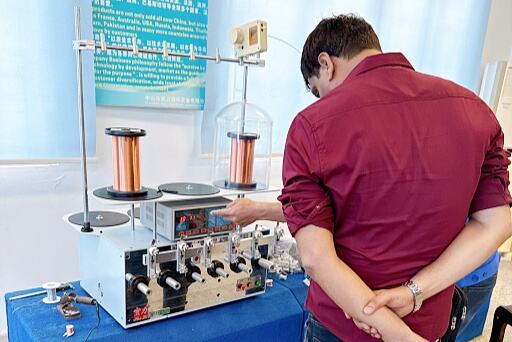
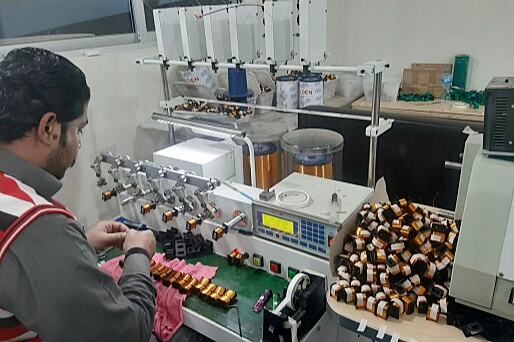
wire winding machine
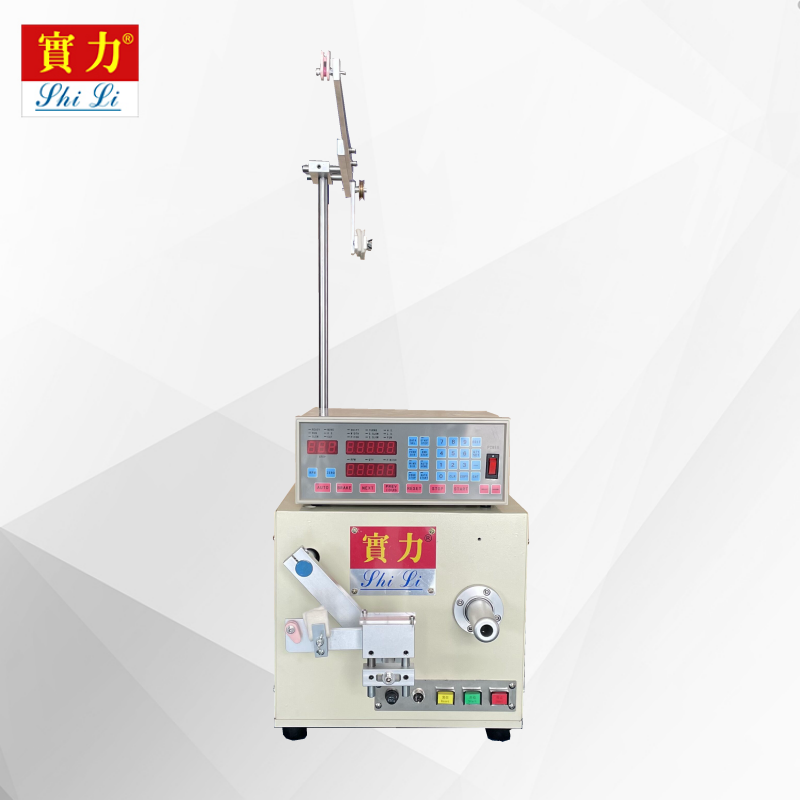
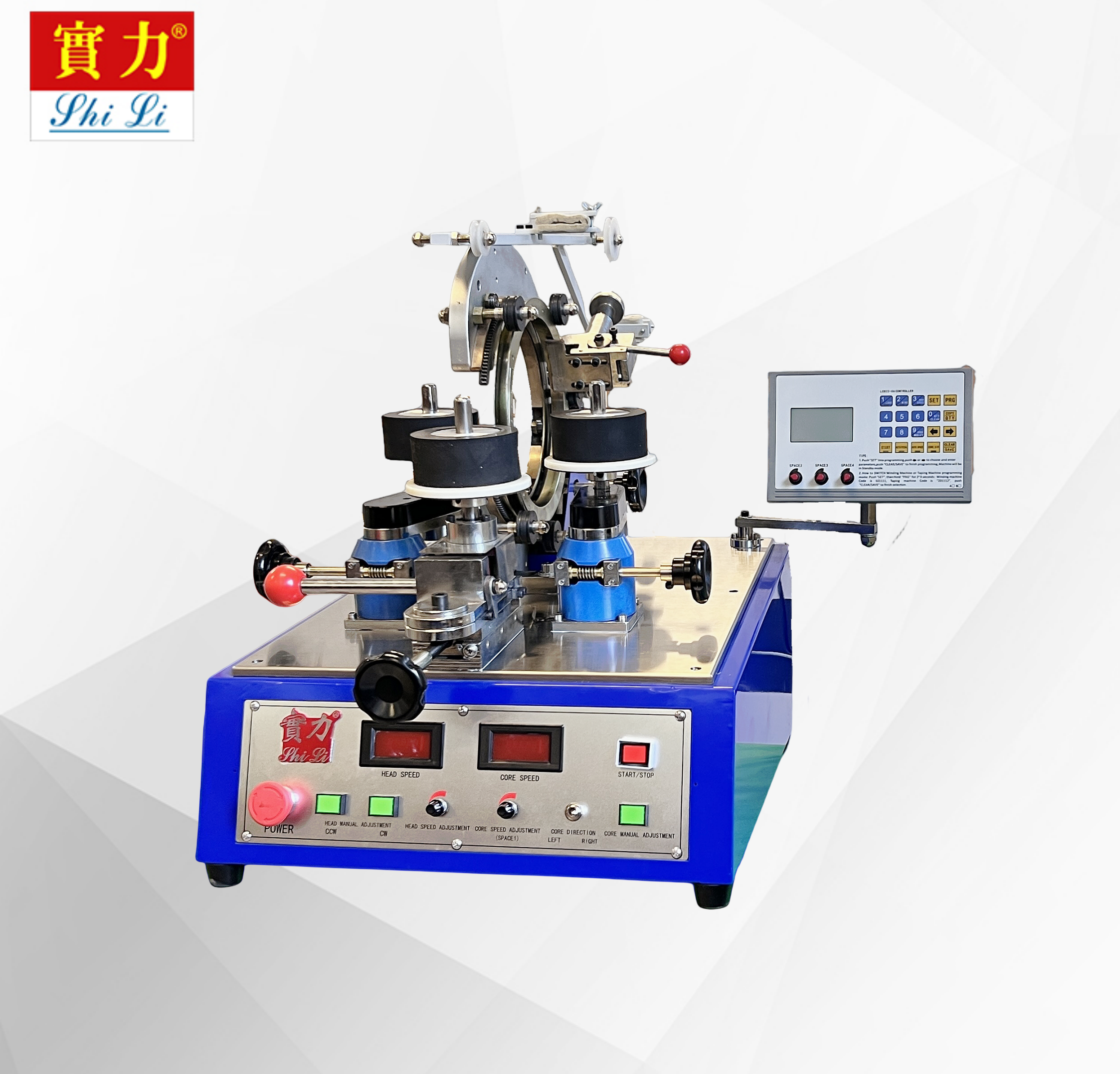
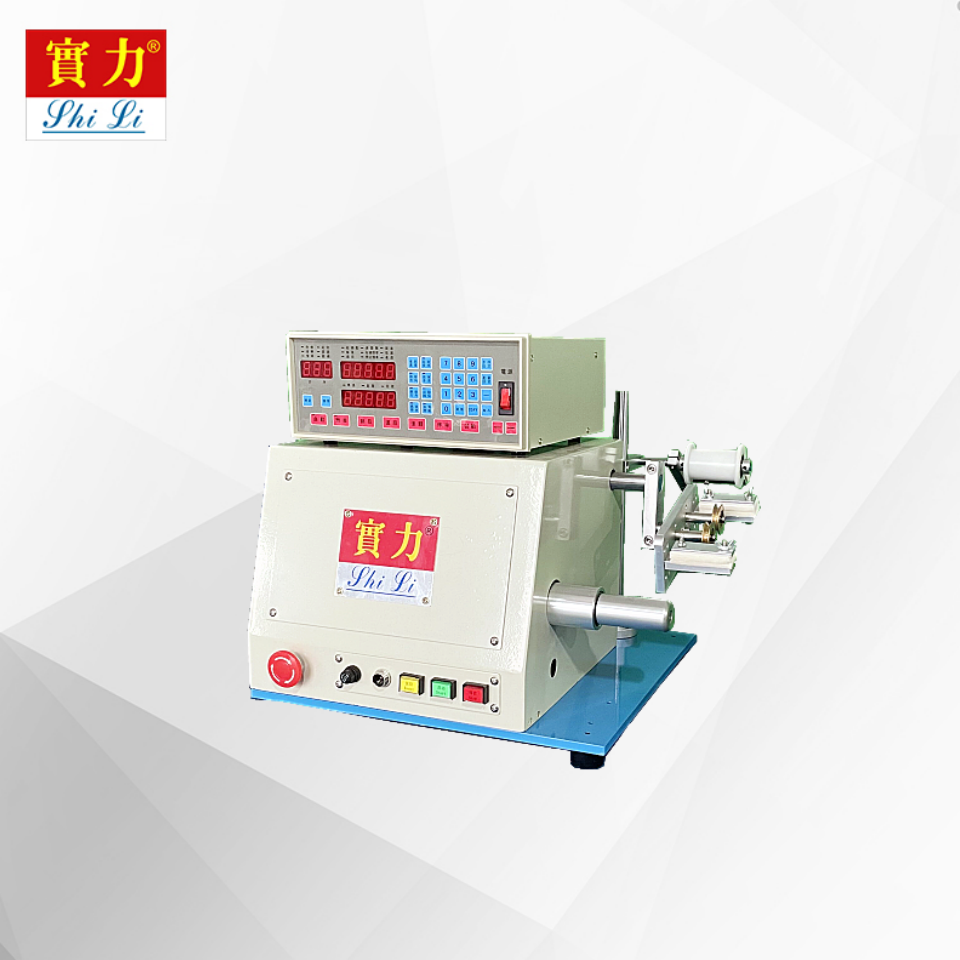
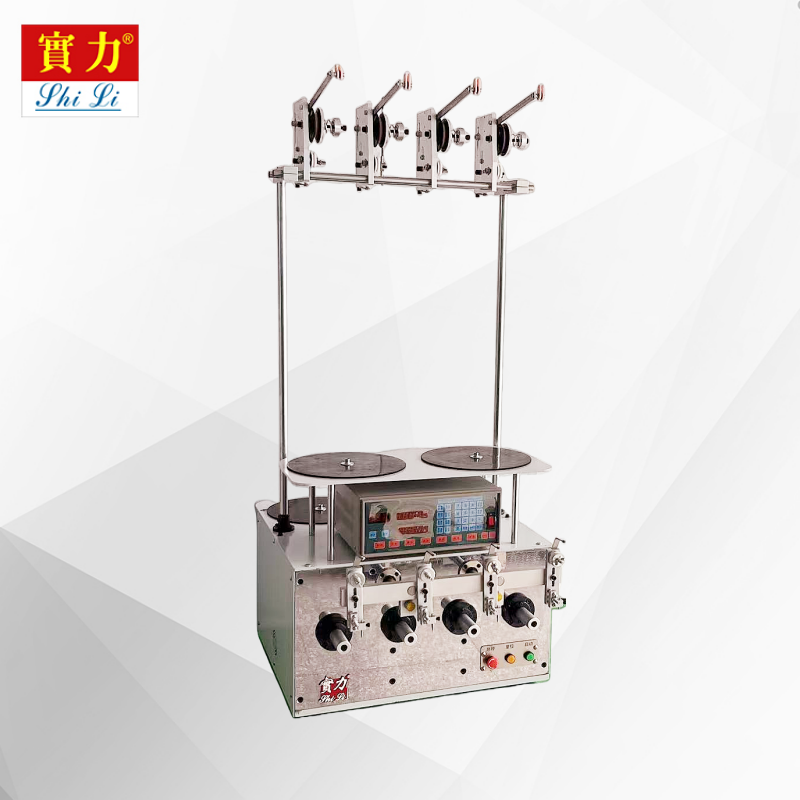
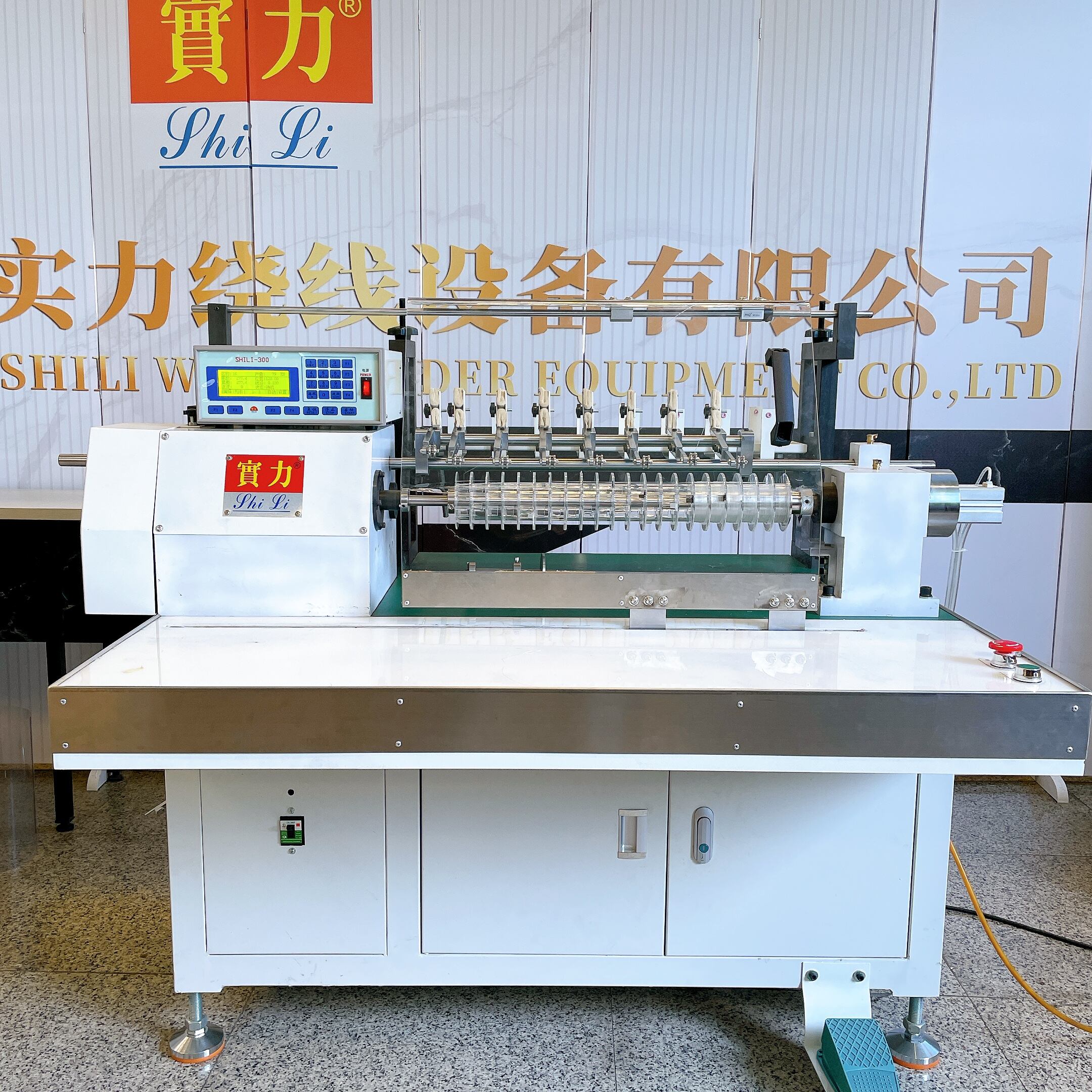
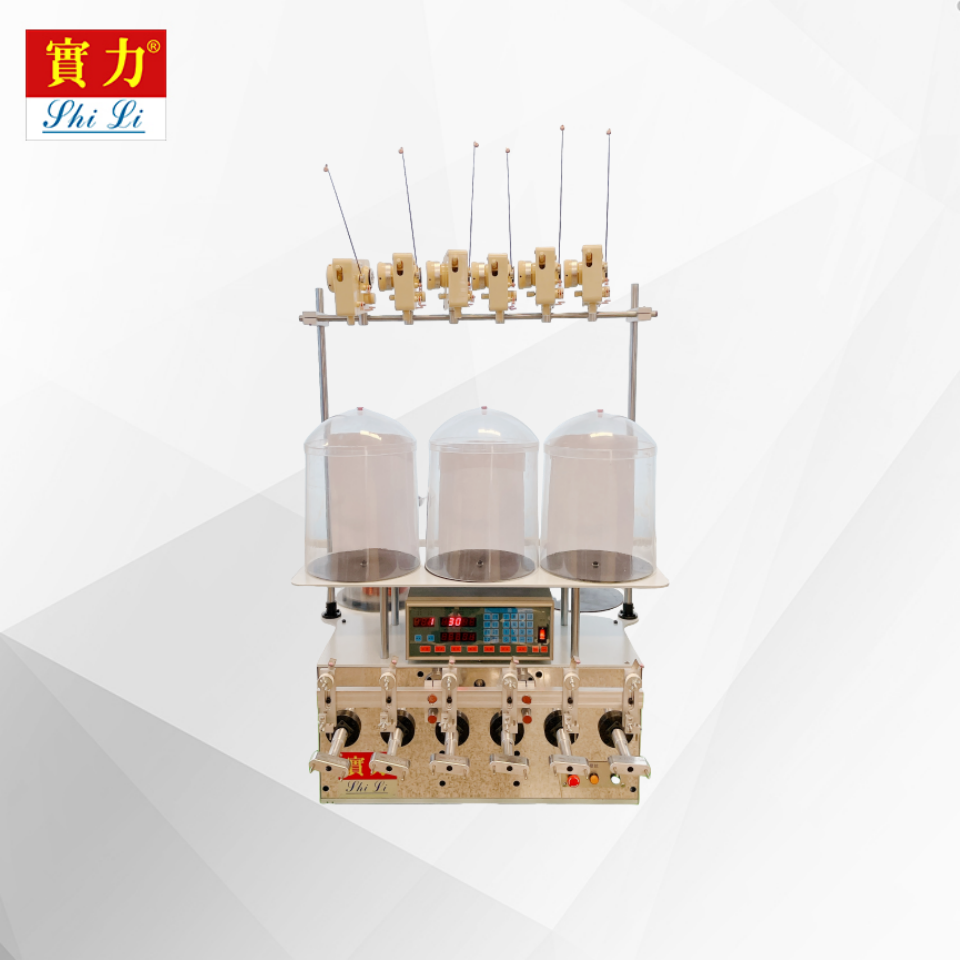
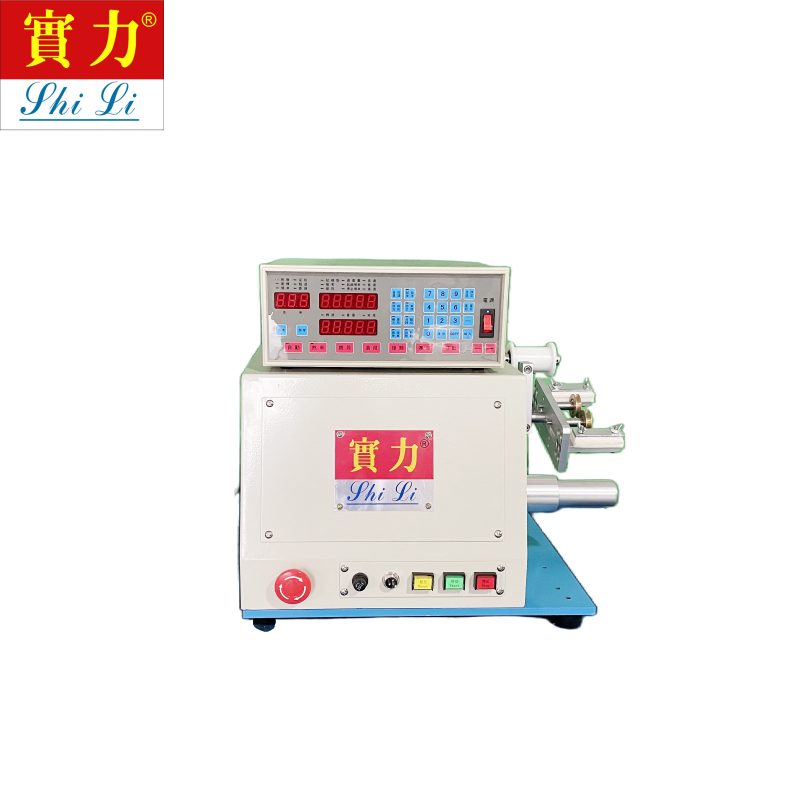
A wire winding machine represents sophisticated manufacturing equipment designed to automate the precise winding of wire around various components, cores, or bobbins. This essential industrial machinery streamlines the production process for electrical components, transformers, motors, coils, and numerous electronic devices that require accurately wound wire configurations. The wire winding machine operates through computerized control systems that manage wire tension, winding speed, layer distribution, and positioning with exceptional accuracy. Modern wire winding machines incorporate advanced servo motors, programmable logic controllers, and intuitive human-machine interfaces that enable operators to configure complex winding patterns effortlessly. These machines accommodate diverse wire types including copper, aluminum, and specialty alloys in various gauges and insulation materials. The technological framework of a wire winding machine includes precision tensioning systems that maintain consistent wire tension throughout the winding process, preventing loose or overly tight coils that could compromise product quality. Automatic wire feeding mechanisms ensure continuous operation while minimizing material waste and production interruptions. The machine's core functionality extends beyond simple winding operations to include wire cutting, termination, and quality verification systems. Contemporary wire winding machines feature programmable parameters for different winding patterns, from simple single-layer configurations to complex multi-layer arrangements with precise turn counts and layer transitions. The equipment supports both linear and toroidal winding applications, making it versatile for manufacturing inductors, transformers, solenoids, and motor windings. Quality control systems integrated within the wire winding machine monitor critical parameters such as wire breaks, incorrect tension levels, and positioning errors, automatically halting operations when deviations occur. This comprehensive monitoring ensures consistent product quality while reducing defective units and material waste. The machine's construction typically features robust steel frames designed to minimize vibration and maintain precision during high-speed operations. Advanced models incorporate touch-screen interfaces that simplify programming and operation while providing real-time monitoring capabilities for production metrics and machine status.
 ×
×
 EN
EN