Professional Transformer Winder Solutions - Advanced Coil Winding Equipment for Precision Manufacturing

Get a Free Quote

Our representative will contact you soon.
Email
Name
Company Name
Message
0/1000

transformer winder

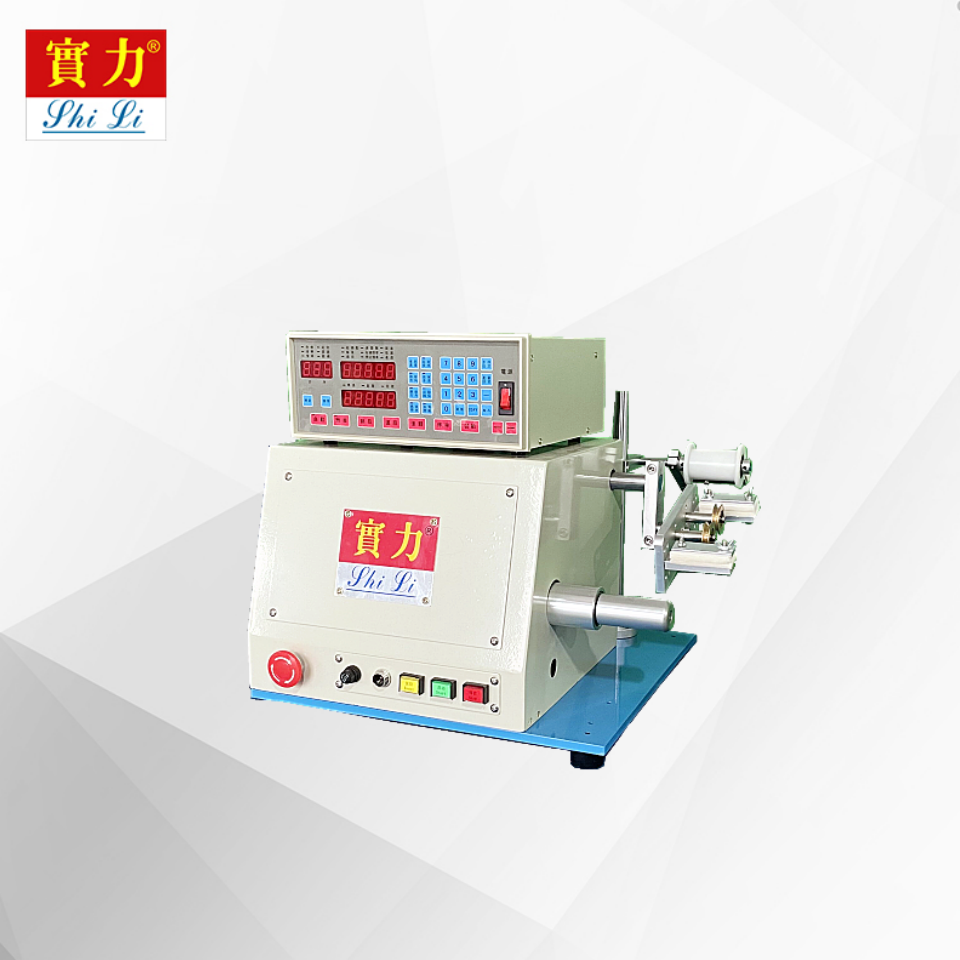
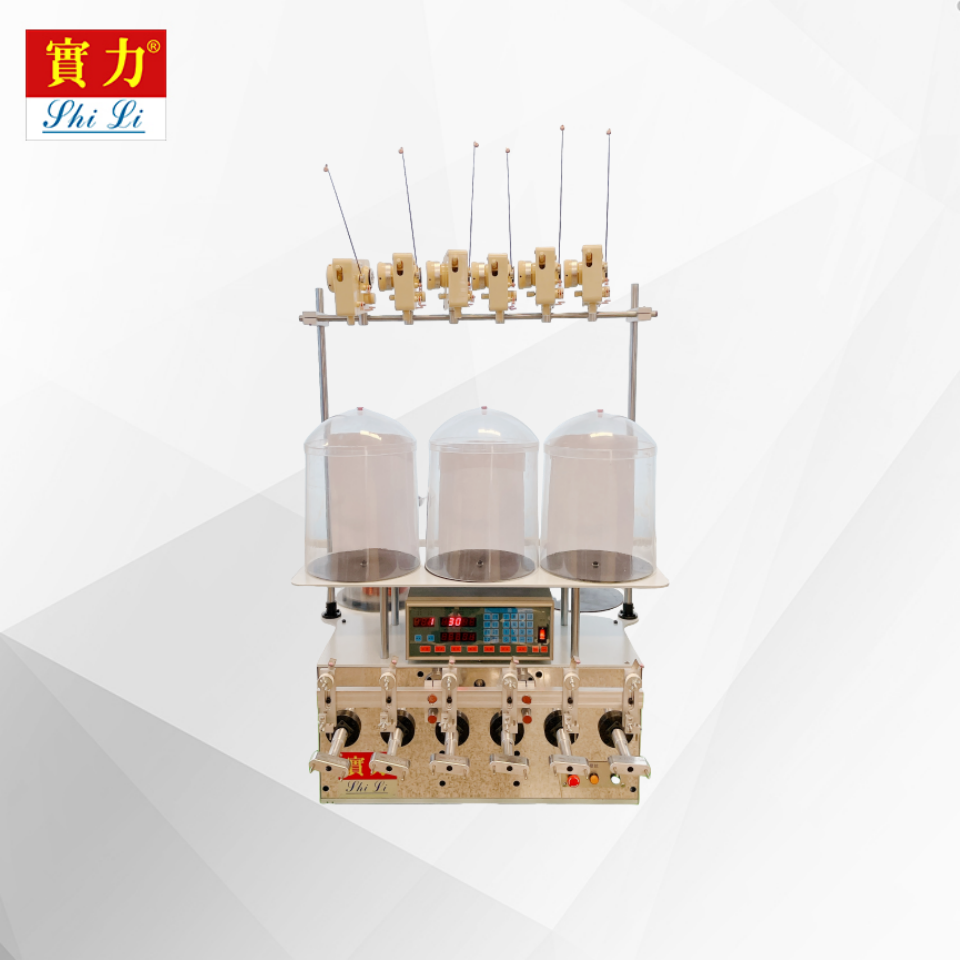
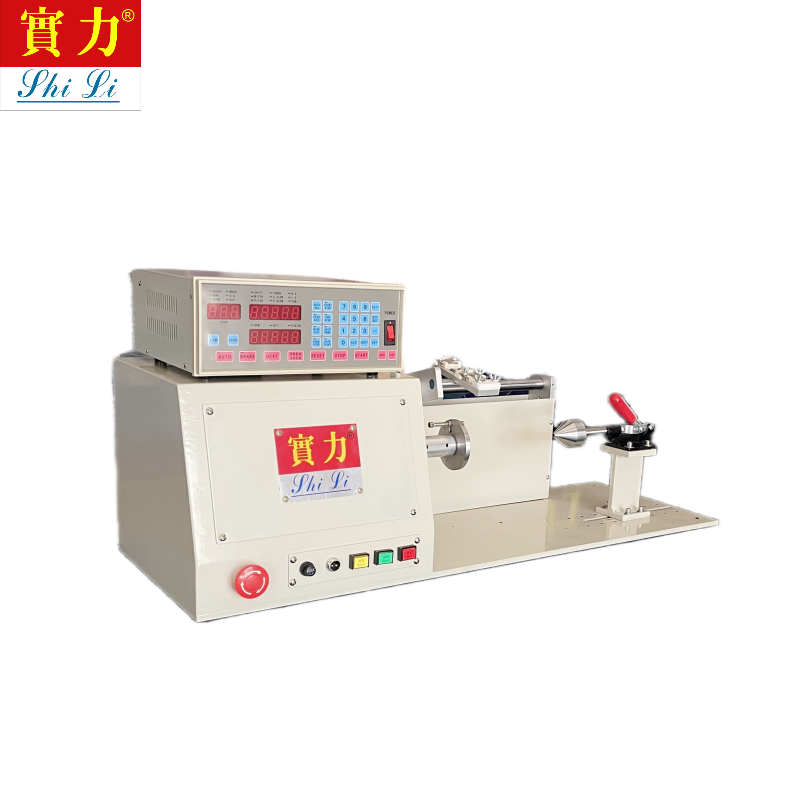
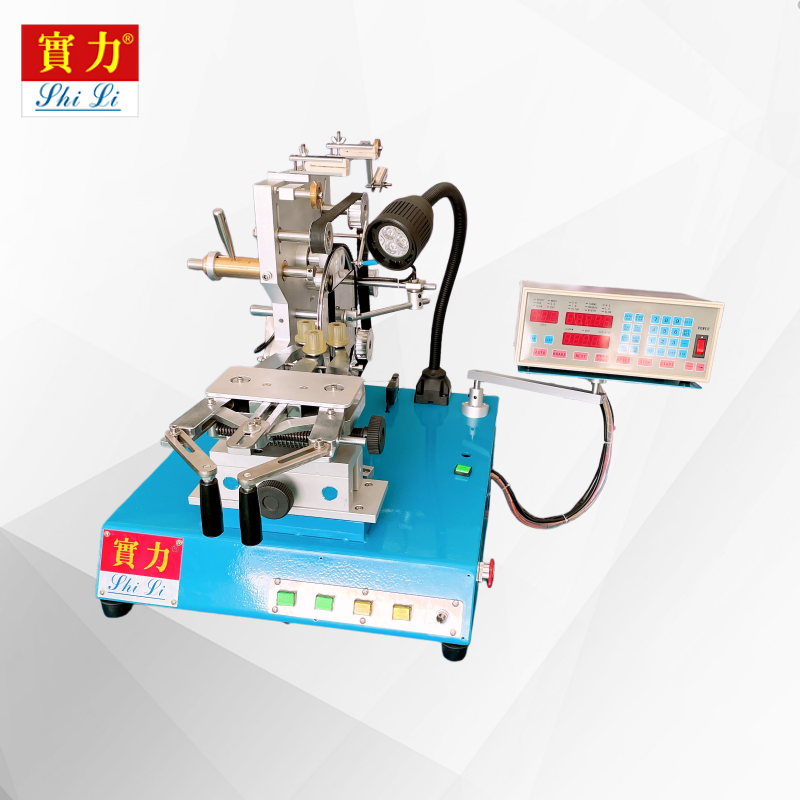
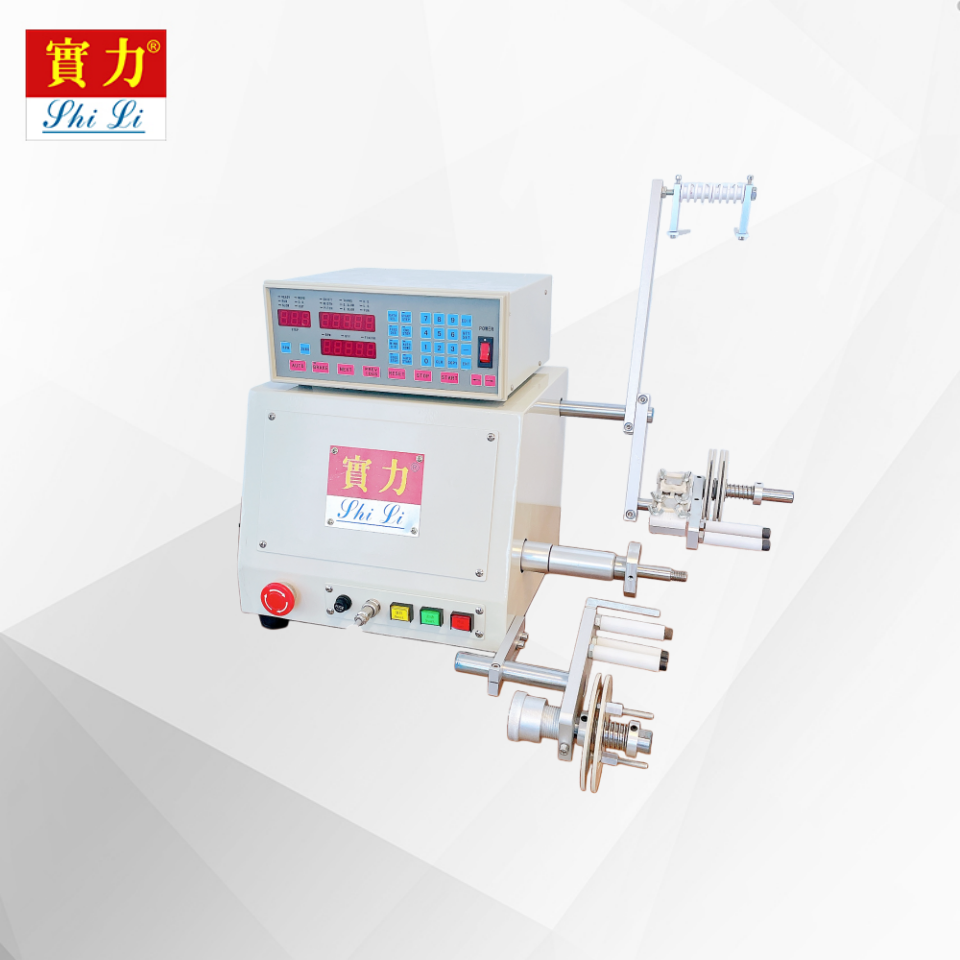
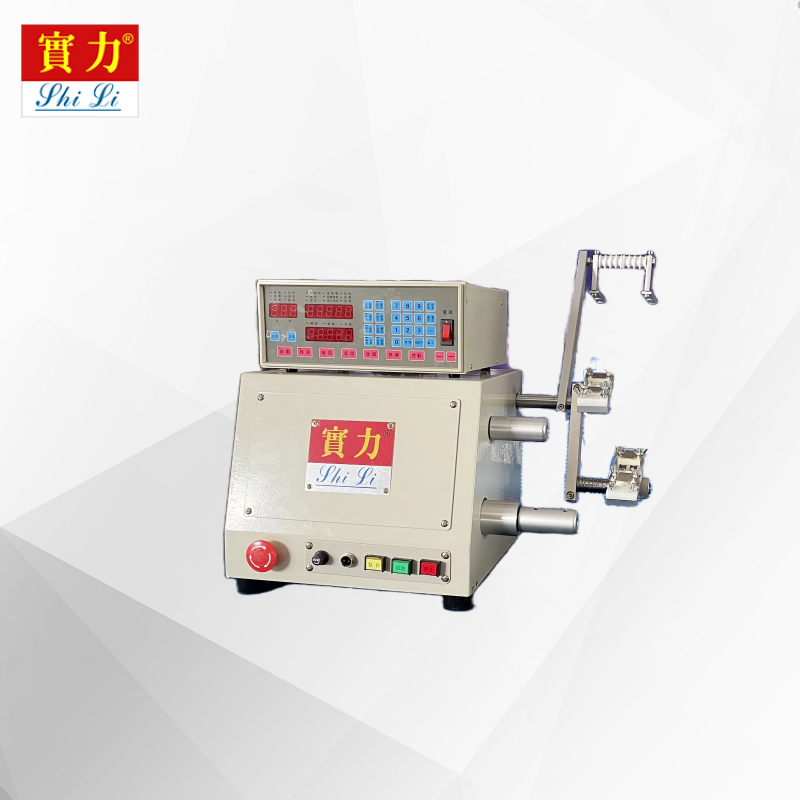
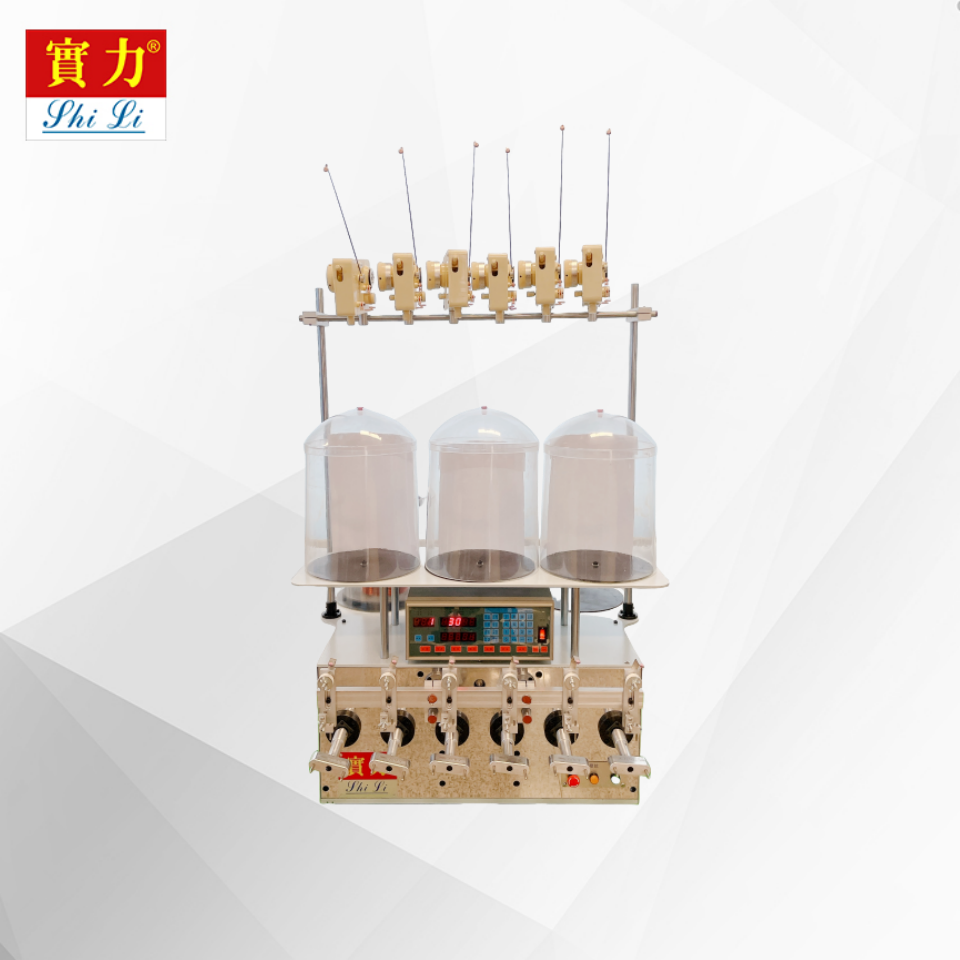
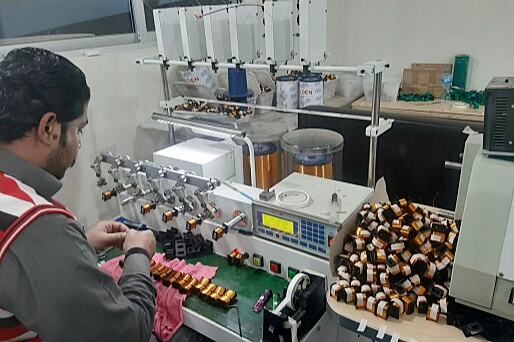
A transformer winder represents a sophisticated piece of industrial equipment designed specifically for the precise winding of electrical coils used in transformer manufacturing. This essential machinery automates the complex process of wrapping copper or aluminum wire around transformer cores with exceptional accuracy and consistency. The transformer winder operates through advanced mechanical systems that control wire tension, positioning, and layering to ensure optimal electrical performance in finished transformers. Modern transformer winder systems incorporate computerized controls that allow operators to program specific winding patterns, turn counts, and layer arrangements according to exact specifications. The primary function of a transformer winder involves creating primary and secondary coils with predetermined electrical characteristics, including inductance values, resistance measurements, and voltage ratings. These machines handle various wire gauges and materials while maintaining consistent spacing between turns and layers. The technological features of contemporary transformer winder equipment include programmable logic controllers that store multiple winding programs, automatic wire feeding systems that prevent tangles and breaks, and precision tensioning mechanisms that ensure uniform wire placement. Many transformer winder models feature variable speed controls, allowing operators to adjust winding rates based on wire specifications and quality requirements. Advanced transformer winder systems often include real-time monitoring capabilities that track wire consumption, detect potential issues, and provide quality assurance data throughout the winding process. The applications for transformer winder equipment span across multiple industries, including power generation facilities, electrical component manufacturing, automotive electronics production, and telecommunications infrastructure development. These versatile machines accommodate various transformer types, from small electronic components to large power distribution transformers. The transformer winder proves invaluable in producing transformers for renewable energy systems, industrial machinery, consumer electronics, and specialized applications requiring custom electrical specifications.

Popular Products

The transformer winder delivers significant operational benefits that directly impact manufacturing efficiency and product quality. This automated equipment reduces labor costs by eliminating the need for manual winding processes that traditionally required skilled technicians to perform repetitive, time-consuming tasks. Companies utilizing transformer winder technology experience faster production cycles since machines can operate continuously with minimal supervision, significantly increasing daily output compared to hand-winding methods. The precision capabilities of modern transformer winder systems ensure consistent coil specifications across all production runs, reducing quality variations that often occur with manual processes. This consistency translates into more reliable transformer performance and fewer field failures, ultimately protecting manufacturers from warranty claims and reputation damage. The transformer winder also minimizes material waste through precise wire control mechanisms that eliminate excess consumption and reduce scrap rates. These machines handle delicate wiring operations without causing damage that typically occurs during manual handling, resulting in higher yield rates and improved profitability. Safety improvements represent another crucial advantage of transformer winder implementation, as automated systems reduce worker exposure to repetitive strain injuries and eliminate risks associated with handling heavy coils and sharp wire ends. The versatility of transformer winder equipment allows manufacturers to accommodate diverse customer requirements without investing in multiple specialized machines, making them cost-effective solutions for companies serving varied market segments. Quality control becomes more manageable with transformer winder systems that provide detailed production data and maintain consistent operating parameters throughout the manufacturing process. These machines adapt quickly to design changes and new product specifications through programmable controls that store multiple winding configurations. Maintenance requirements for transformer winder equipment remain relatively low due to robust construction and quality components, ensuring reliable long-term operation with minimal downtime. The energy efficiency of modern transformer winder systems helps reduce operational costs while meeting environmental sustainability goals that many manufacturers now prioritize in their production strategies.

Latest News

Solve Solenoid Valve Coil Production Pain Points for India | Easy Operation Guide

05

Feb

Solve Solenoid Valve Coil Production Pain Points for India | Easy Operation Guide

View More
Bangladesh Client Raves: Efficiency + Stable Quality

05

Feb

Bangladesh Client Raves: Efficiency + Stable Quality

View More
Turkey Full Container Shipment: Rave Reviews & Repeat Orders

05

Feb

Turkey Full Container Shipment: Rave Reviews & Repeat Orders

View More

Get a Free Quote

Our representative will contact you soon.
Email
Name
Company Name
Message
0/1000

transformer winder

Precision Control Technology for Superior Quality Assurance

Precision Control Technology for Superior Quality Assurance

The transformer winder incorporates state-of-the-art precision control technology that revolutionizes coil manufacturing through unprecedented accuracy and repeatability. This advanced system utilizes sophisticated servo motors and encoder feedback mechanisms to ensure exact wire placement within tolerances measured in fractions of millimeters. The transformer winder maintains consistent tension throughout the entire winding process, preventing loose turns that could compromise electrical performance or tight sections that might damage the wire insulation. The computerized control system stores detailed winding parameters for each transformer design, allowing operators to reproduce identical coils with absolute precision regardless of production volume or timing. This technology eliminates human error factors that traditionally affected coil quality, such as inconsistent winding speed, irregular layer formation, or improper wire spacing. The transformer winder monitors critical variables in real-time, including wire tension, rotational speed, and traverse positioning, automatically adjusting parameters to maintain optimal conditions throughout the winding cycle. Advanced sensors detect wire breaks or irregularities immediately, stopping the process to prevent defective products from progressing through production. The precision control system also manages complex winding patterns required for specialized transformers, including tapped windings, multiple secondary coils, and custom layer configurations that would be extremely difficult to achieve manually. Quality documentation becomes seamless with the transformer winder recording every aspect of the winding process, providing complete traceability for quality audits and customer requirements. This level of control translates directly into improved transformer performance, longer service life, and reduced failure rates in field applications. Manufacturers using transformer winder precision control technology report significant reductions in rework rates and warranty claims, while simultaneously increasing customer satisfaction through consistent product quality. The system adapts to different wire types and sizes automatically, maintaining optimal parameters whether working with fine gauge magnet wire or heavy-duty conductors used in power transformers.
Automated Efficiency That Transforms Production Capacity

Automated Efficiency That Transforms Production Capacity

The transformer winder delivers exceptional automated efficiency that fundamentally transforms manufacturing capacity and operational productivity. This sophisticated automation eliminates bottlenecks commonly associated with manual winding processes, enabling continuous production runs that maximize equipment utilization and facility throughput. The transformer winder operates independently once programmed, requiring minimal operator intervention while maintaining consistent quality standards throughout extended production periods. This automation capability allows manufacturers to reassign skilled technicians to higher-value tasks while the transformer winder handles routine coil production with superior speed and accuracy. The system automatically calculates optimal winding parameters based on wire specifications and transformer requirements, eliminating time-consuming setup procedures and reducing the expertise required for operation. Changeover times between different transformer models become minimal with the transformer winder storing multiple program configurations that operators can select with simple interface commands. The automated wire feeding system prevents production delays caused by wire tangles, breaks, or supply interruptions that frequently disrupt manual operations. Advanced scheduling algorithms within the transformer winder optimize production sequences to minimize setup changes and maximize machine utilization across diverse product mixes. The automation extends to quality control functions, with integrated testing capabilities that verify coil specifications without requiring separate inspection procedures. Production data collection happens automatically, providing management with real-time insights into manufacturing efficiency, capacity utilization, and quality metrics. This comprehensive automation enables lights-out production scenarios where the transformer winder continues operating during unmanned shifts, significantly increasing daily output without proportional increases in labor costs. The system alerts operators to potential issues before they impact production, enabling proactive maintenance and preventing costly downtime. Energy management features optimize power consumption during automated operation, reducing utility costs while maintaining peak performance. The transformer winder automation proves particularly valuable for high-volume production environments where consistency and speed determine competitive advantage and profitability margins.
Versatile Adaptability for Diverse Manufacturing Requirements

Versatile Adaptability for Diverse Manufacturing Requirements

The transformer winder demonstrates remarkable versatility that enables manufacturers to address diverse production requirements with a single, adaptable platform. This flexibility proves invaluable for companies serving multiple market segments or those experiencing changing customer demands throughout business cycles. The transformer winder accommodates an extensive range of wire sizes, from ultra-fine conductors used in precision electronics to heavy-gauge cables required for industrial power applications. The modular design philosophy behind modern transformer winder systems allows customization through interchangeable components, tooling, and software configurations that adapt to specific manufacturing needs without requiring entirely new equipment investments. This adaptability extends to various coil geometries, enabling production of round, square, rectangular, and custom-shaped transformers using the same base machine platform. The transformer winder handles different core materials and sizes through adjustable mounting systems and programmable positioning controls that accommodate diverse transformer designs. Software flexibility allows the transformer winder to store unlimited winding programs, each containing specific parameters for different transformer models, enabling rapid production changeovers without manual reconfiguration. The system adapts to various production volumes, efficiently handling both small prototype runs and high-volume manufacturing requirements through scalable automation features. International compatibility ensures the transformer winder operates effectively across different electrical standards and regulatory requirements, supporting global manufacturing strategies and export markets. The machine accommodates different wire materials, including copper, aluminum, and specialty alloys, automatically adjusting handling parameters to prevent damage while maintaining optimal winding characteristics. Quality standards adaptation allows the transformer winder to meet various certification requirements, from basic commercial applications to stringent aerospace or medical device specifications. Future expansion capabilities ensure the transformer winder remains relevant as manufacturing requirements evolve, with upgrade paths for enhanced automation, improved precision, or additional functionality. This versatility reduces the total cost of ownership by eliminating the need for multiple specialized machines while providing the flexibility to pursue new market opportunities as they emerge. Training requirements remain minimal despite the transformer winder versatility, as intuitive operator interfaces and comprehensive help systems enable quick adaptation to new applications and configurations.

Get a Free Quote

Our representative will contact you soon.
Email
Name
Company Name
Message
0/1000
Newsletter
Please Leave A Message With Us