cone to cone winding machine
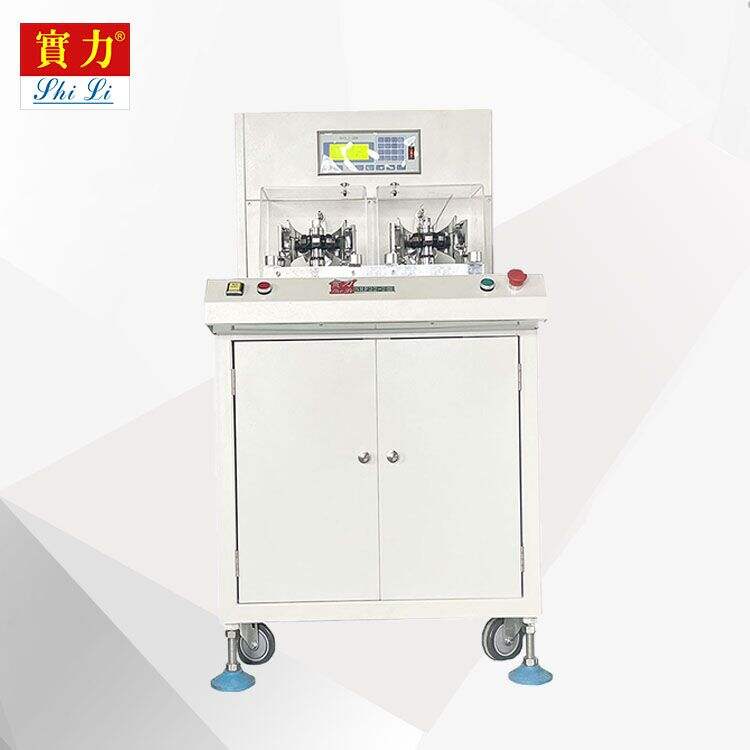
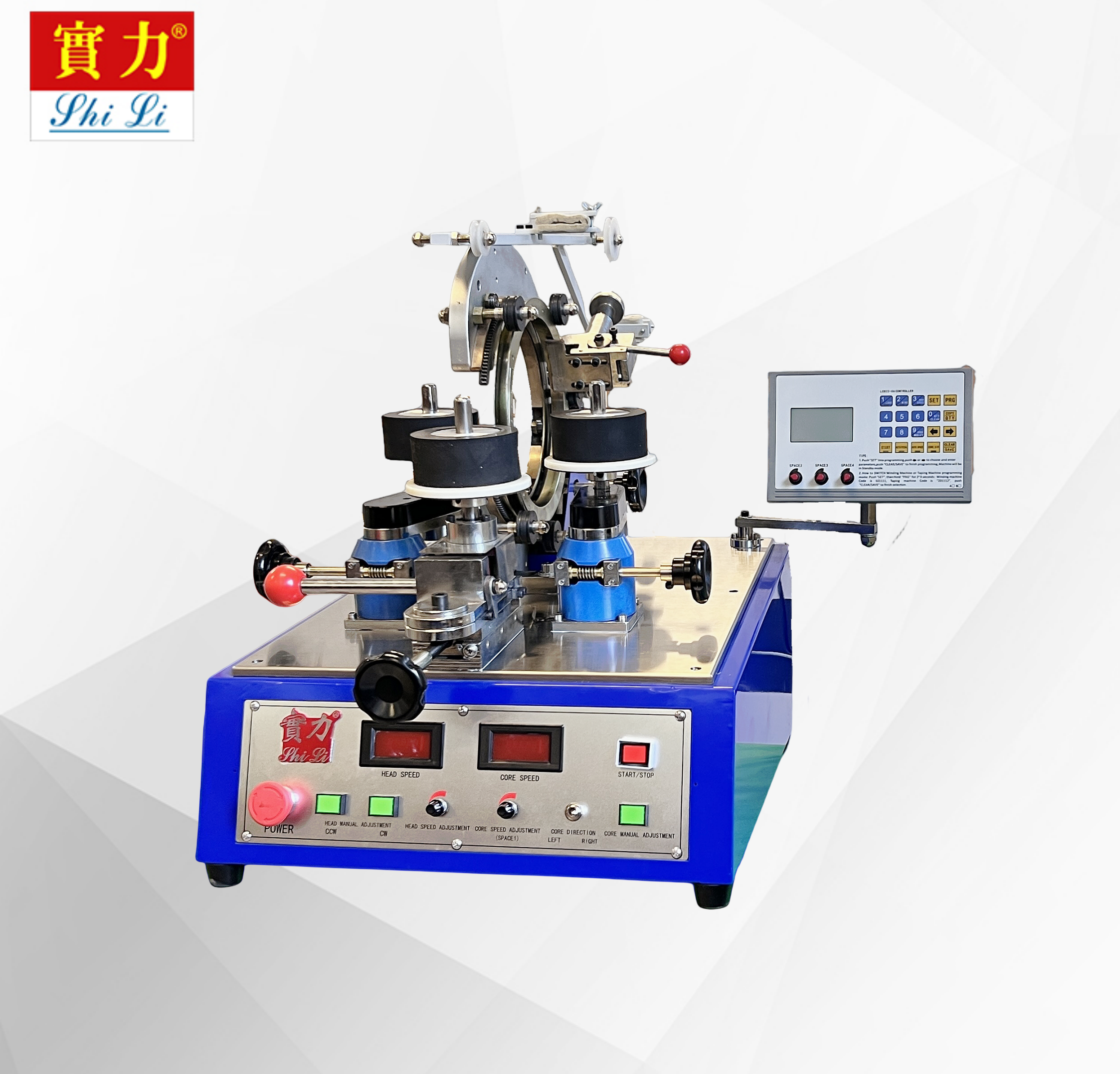
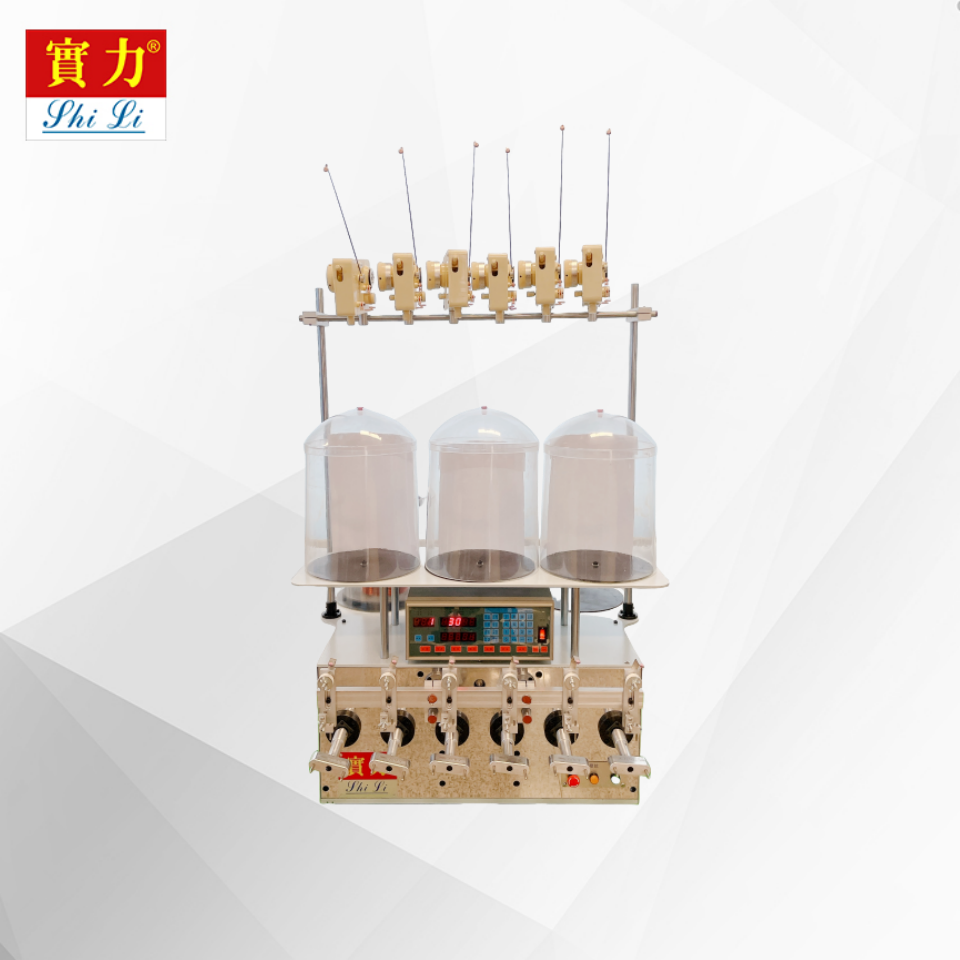
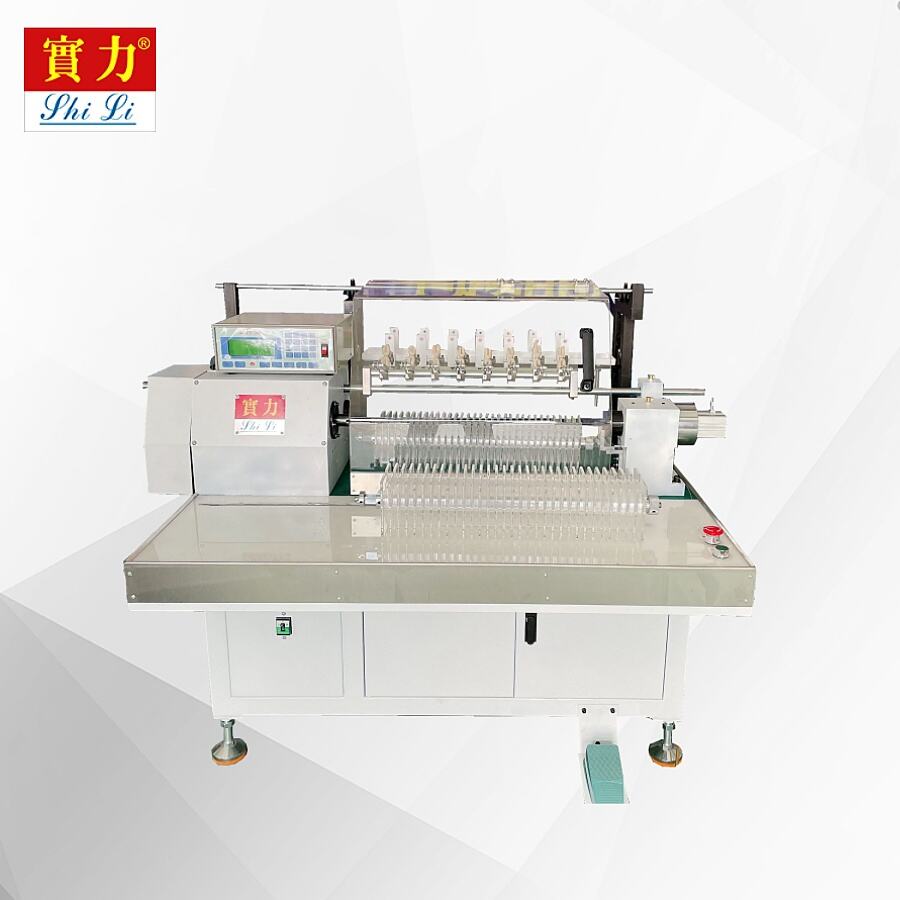
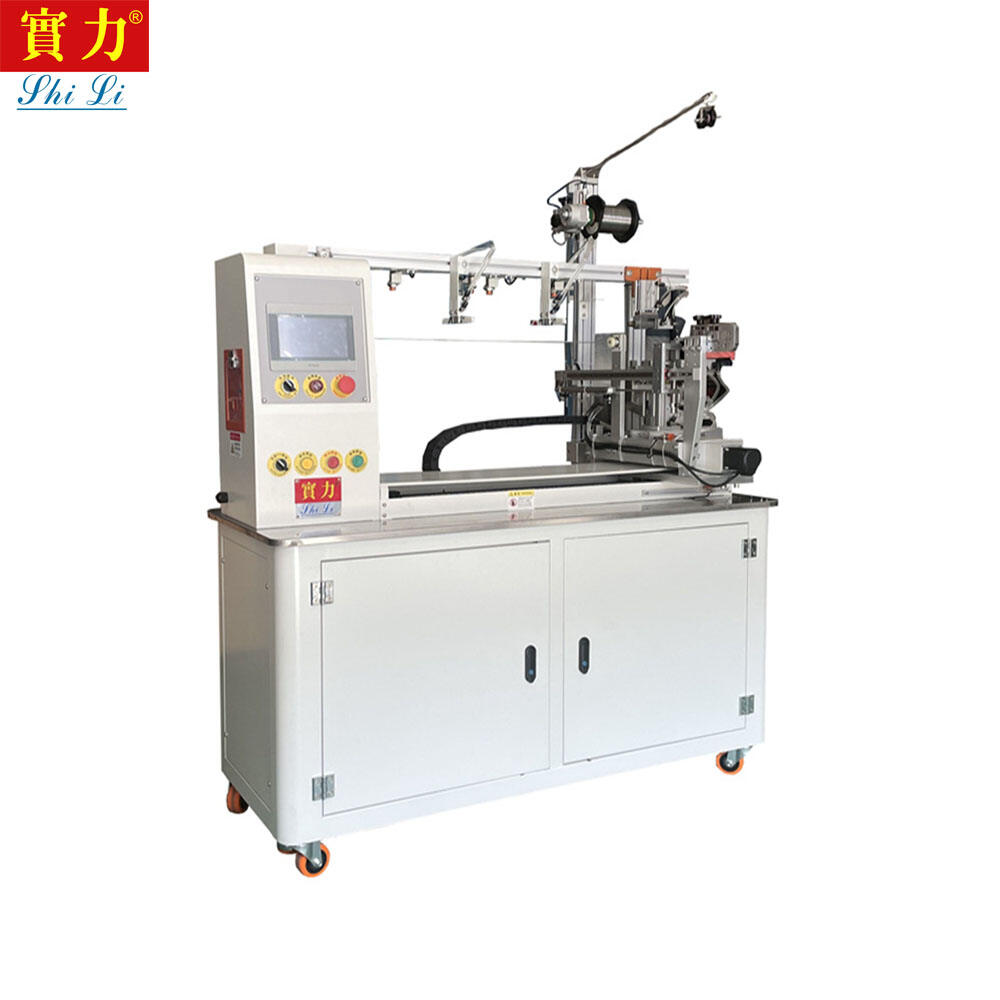
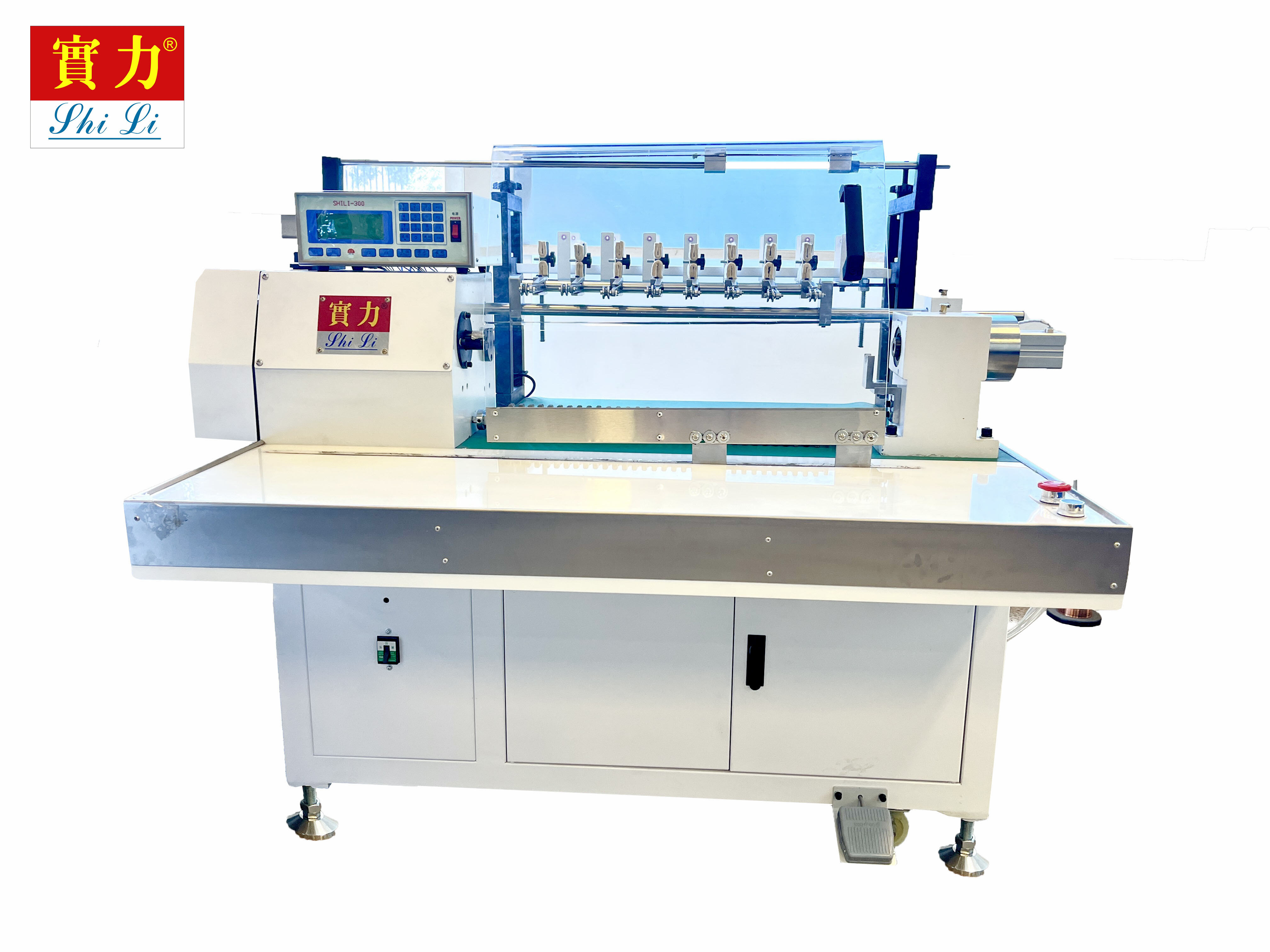
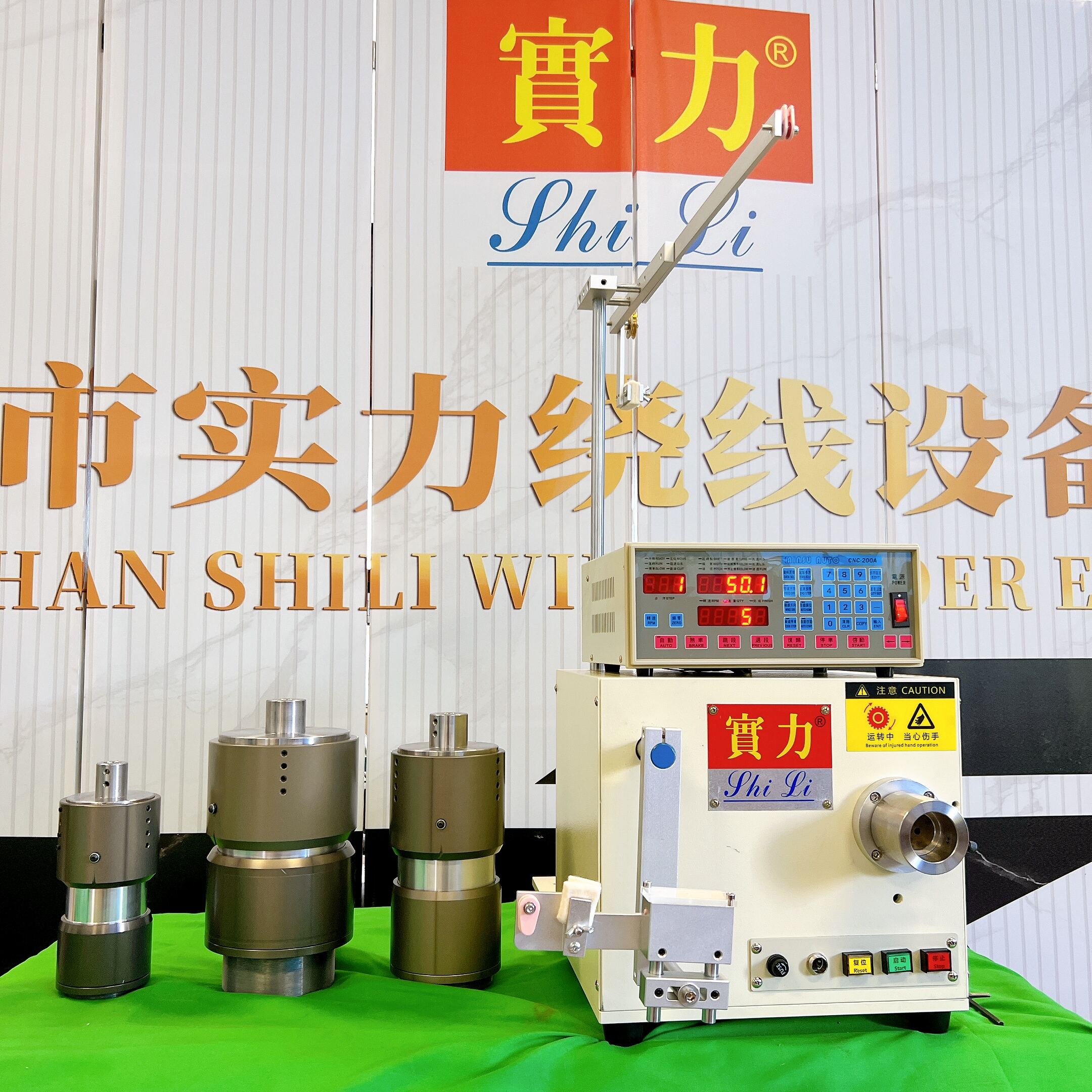
The cone to cone winding machine represents a pivotal advancement in textile manufacturing technology, designed specifically for transferring yarn from supply cones to receiving cones with exceptional precision and efficiency. This sophisticated equipment serves as an essential component in modern textile production lines, facilitating seamless yarn processing operations across various industrial applications. The cone to cone winding machine operates through a systematic process that ensures consistent yarn tension, optimal winding patterns, and superior package quality throughout the transfer operation. At its core, this machine features advanced tension control systems that maintain uniform yarn characteristics while preventing breakage and ensuring smooth unwinding from source cones. The technological architecture incorporates precision-engineered spindles, electronic monitoring systems, and automated control mechanisms that work in harmony to deliver outstanding performance results. Modern cone to cone winding machine designs integrate state-of-the-art sensors that continuously monitor yarn quality, detecting irregularities such as thick places, thin sections, and foreign matter contamination. These quality control features enable immediate corrective actions, minimizing waste and maximizing production efficiency. The machine's versatility extends across multiple yarn types, including cotton, polyester, wool, silk, and synthetic blends, making it suitable for diverse textile manufacturing requirements. Key technological features include programmable winding parameters, automatic doffing systems, and user-friendly interfaces that simplify operation and maintenance procedures. The cone to cone winding machine typically operates at high speeds while maintaining exceptional accuracy, significantly reducing processing time and labor costs. Applications span across spinning mills, weaving preparation departments, dyeing facilities, and specialized textile processing units where yarn quality and consistency remain paramount. The equipment's robust construction ensures long-term reliability and minimal downtime, contributing to enhanced productivity and profitability for textile manufacturers worldwide.
 ×
×
 EN
EN