Professional Motor Winder Machine Solutions - Advanced Electric Motor Winding Equipment

Get a Free Quote

Our representative will contact you soon.
Email
Name
Company Name
Message
0/1000

motor winder machine

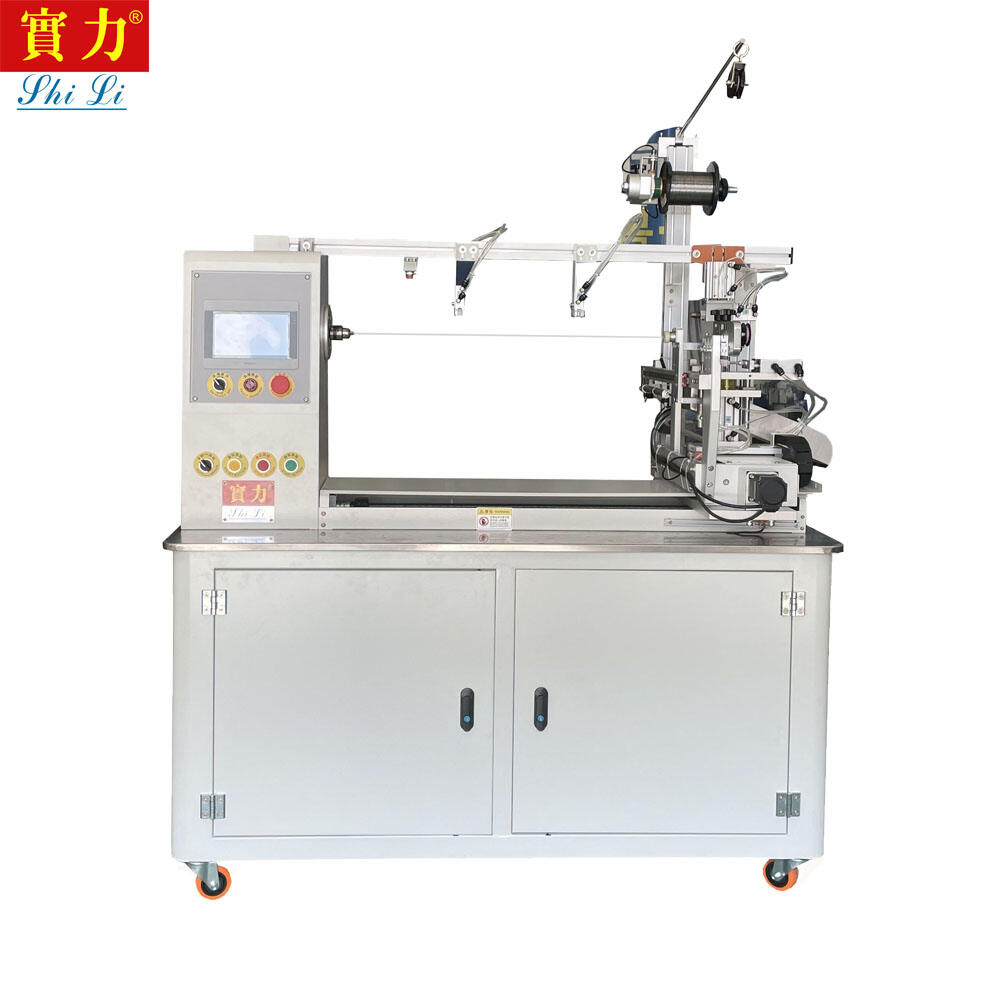
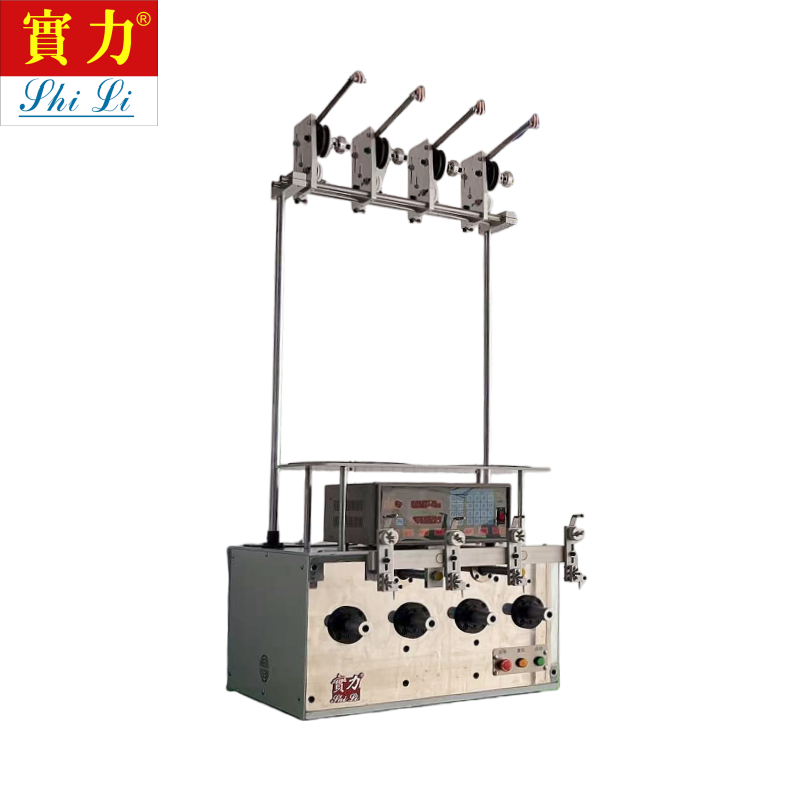
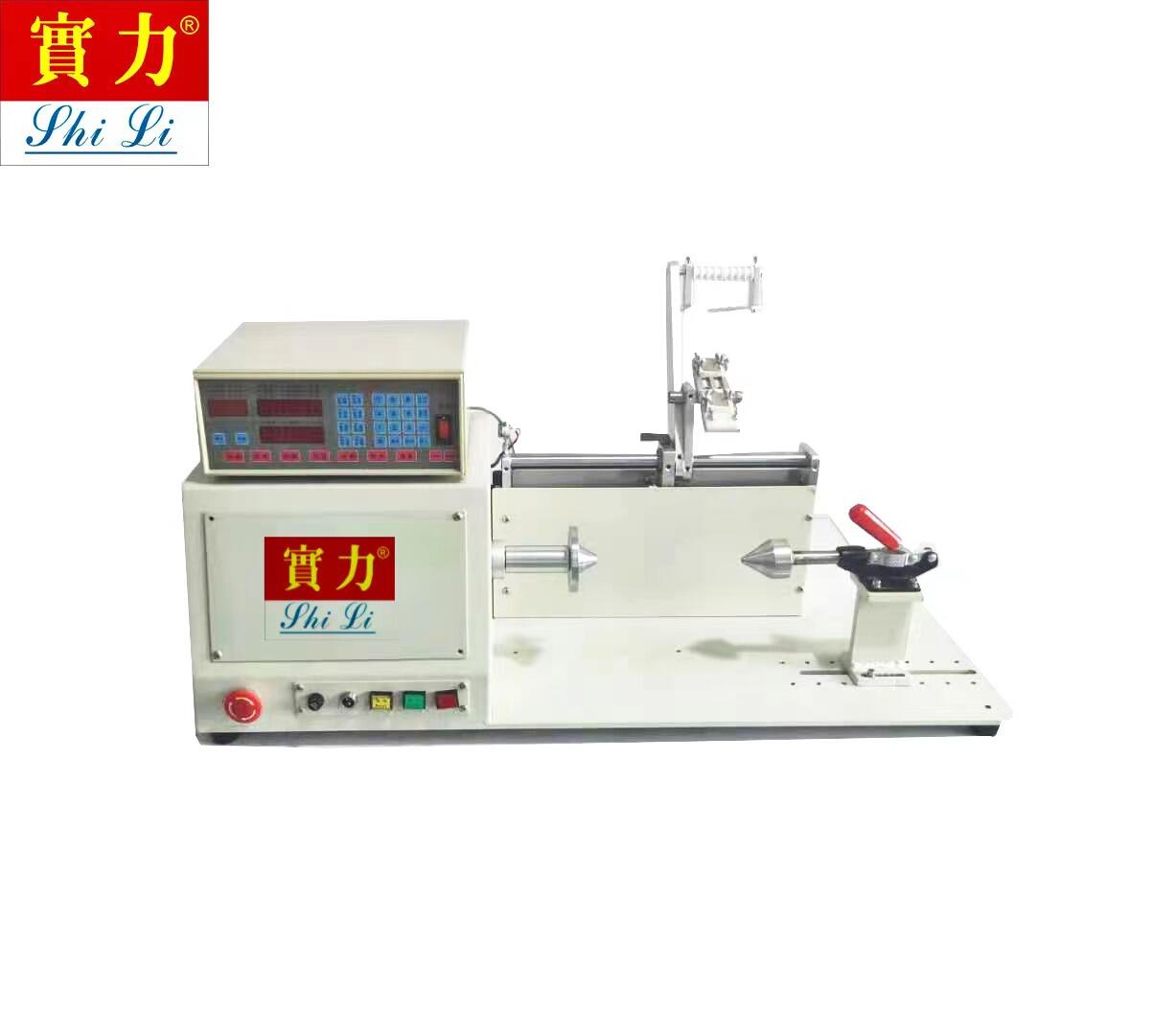
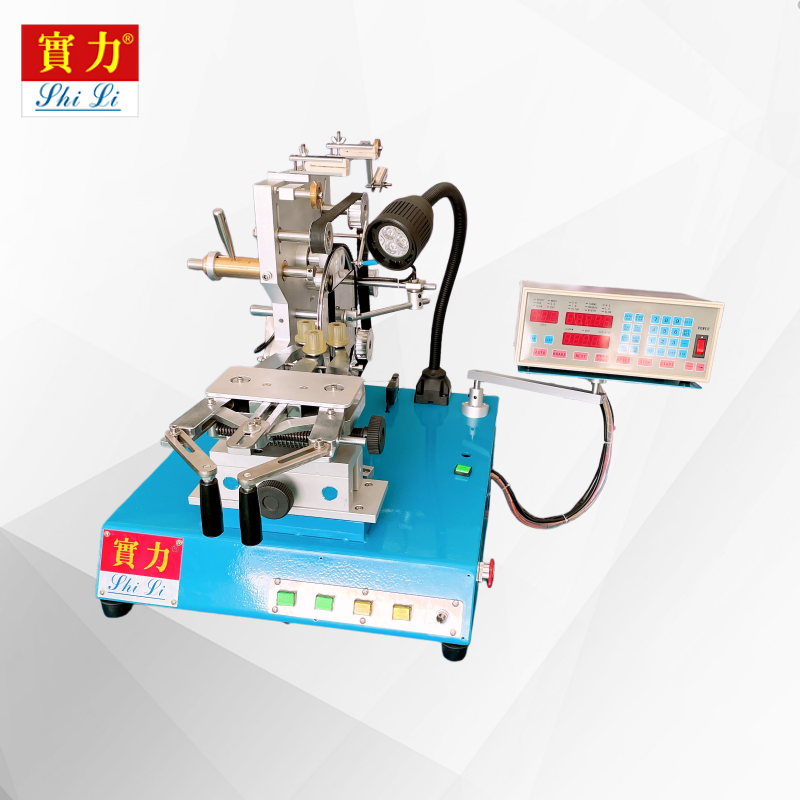
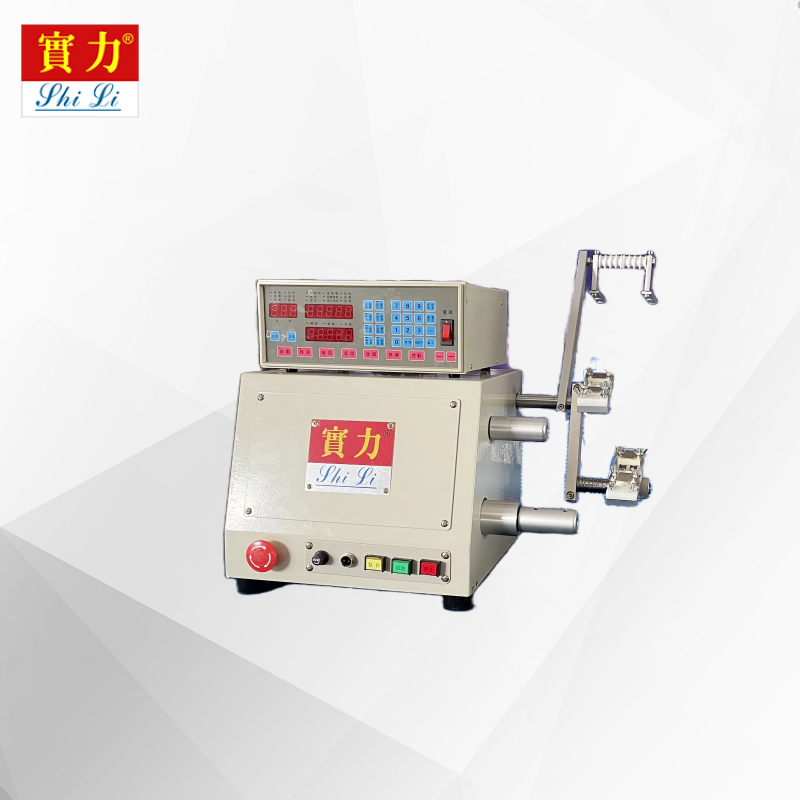
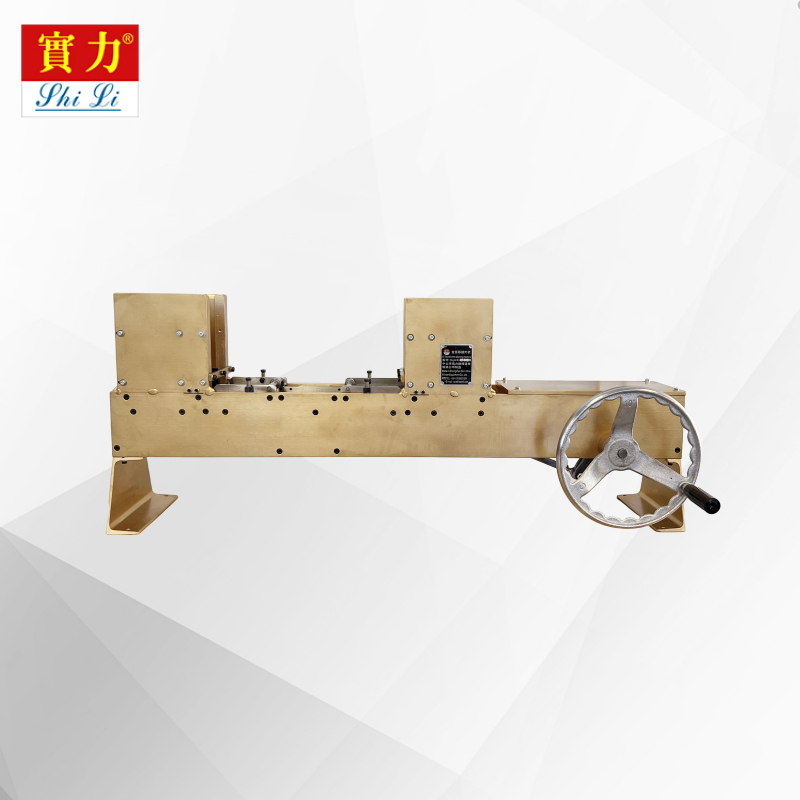
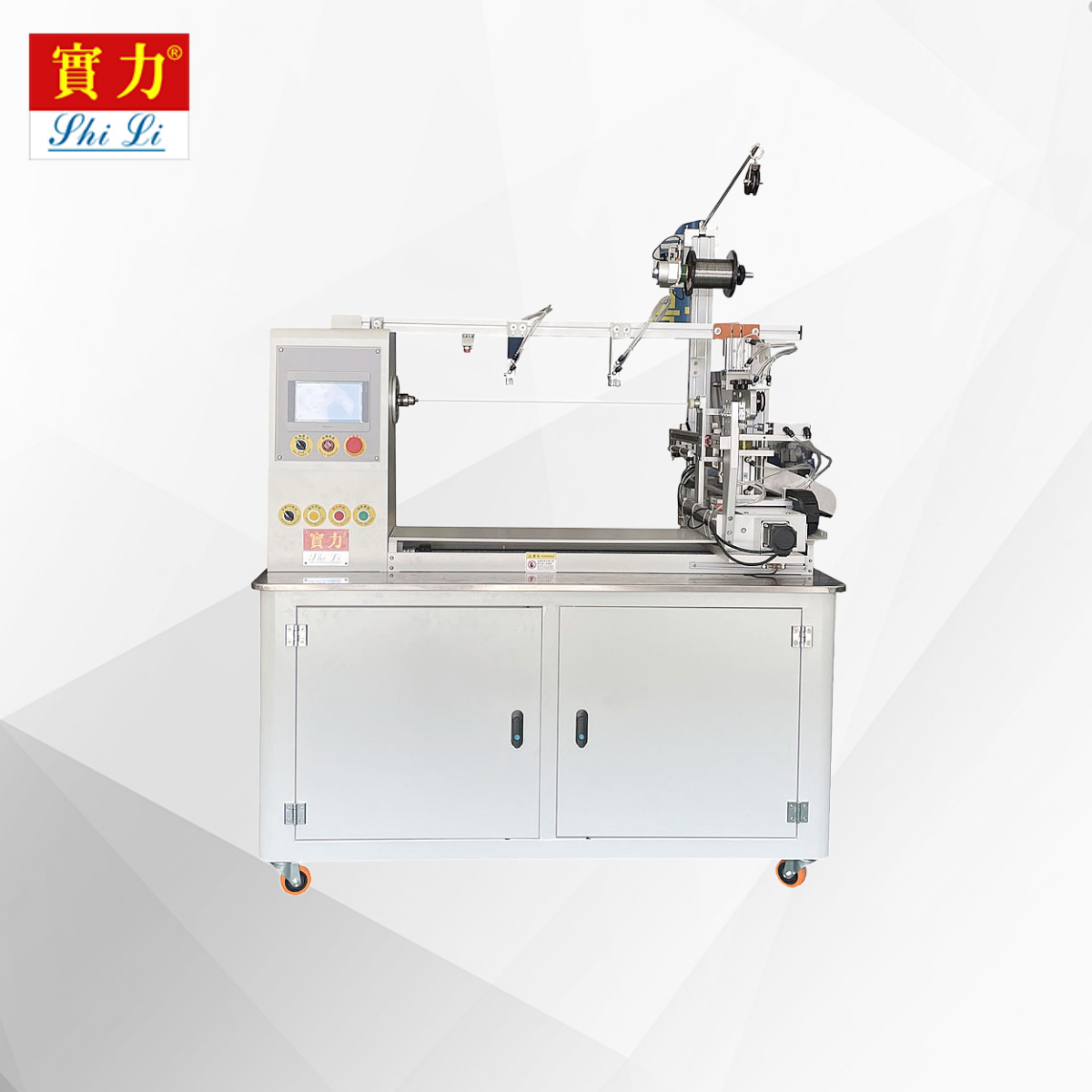
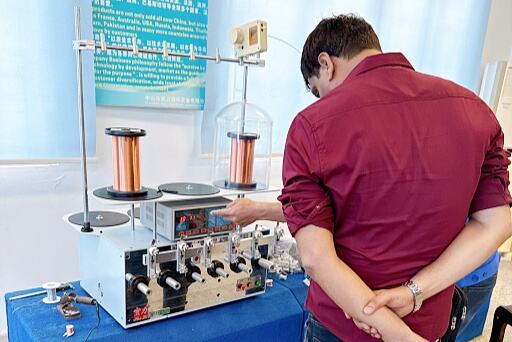
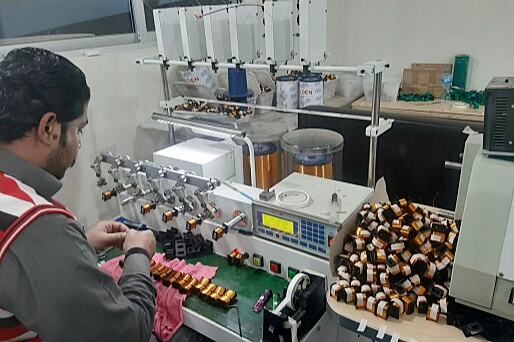
A motor winder machine represents a sophisticated piece of industrial equipment designed specifically for manufacturing electric motor windings with exceptional precision and efficiency. This automated system transforms raw copper or aluminum wire into precisely wound coils that form the heart of electric motors, generators, and transformers. The motor winder machine operates through a complex mechanism that controls wire tension, winding speed, and coil formation to ensure consistent quality across production runs. Modern motor winder machines incorporate advanced servo motors, programmable logic controllers, and computerized control systems that enable operators to create various winding patterns including lap windings, wave windings, and concentrated windings. The machine's primary function involves feeding wire from supply spools through tension control units, guiding the wire through precise pathways, and depositing it onto stator slots or rotor cores according to predetermined specifications. These machines accommodate different motor sizes ranging from small fractional horsepower units to large industrial motors. The motor winder machine typically features adjustable wire guides, automatic wire cutting mechanisms, and programmable winding parameters that can be stored and recalled for different production requirements. Quality control sensors monitor wire breaks, tension variations, and winding uniformity throughout the process. The technological sophistication of these machines enables manufacturers to achieve tight tolerances, reduce material waste, and maintain consistent electrical characteristics across motor windings. Integration capabilities allow the motor winder machine to connect with manufacturing execution systems for real-time production monitoring and data collection. This equipment serves as a cornerstone technology for motor manufacturers seeking to optimize production efficiency while maintaining superior product quality standards in today's competitive marketplace.
New Products

The motor winder machine delivers substantial operational benefits that directly impact manufacturing productivity and profitability for businesses across various industries. These machines dramatically increase production speed compared to manual winding methods, enabling manufacturers to complete motor winding tasks up to ten times faster than traditional approaches. This acceleration translates into higher throughput capabilities, allowing companies to meet increased demand without proportionally expanding their workforce. The motor winder machine ensures exceptional consistency in winding quality, eliminating human error variables that can lead to defective products or performance variations. Each coil produced maintains identical specifications regarding wire placement, tension, and turns count, resulting in motors with predictable electrical characteristics and performance parameters. Cost reduction represents another significant advantage, as the motor winder machine minimizes material waste through precise wire management and controlled feeding mechanisms. The automated tensioning system prevents wire breakage while optimizing material usage, directly reducing raw material costs per unit produced. Labor efficiency improves considerably since skilled operators can oversee multiple machines simultaneously, maximizing human resource utilization while reducing per-unit labor costs. The motor winder machine also enhances workplace safety by automating hazardous manual processes and reducing operator exposure to repetitive strain injuries. Quality assurance capabilities built into these machines detect defects immediately, preventing costly downstream problems and reducing rejection rates. Flexibility stands as a key operational advantage, allowing manufacturers to switch between different motor specifications quickly through programmable settings and tool changes. This adaptability enables companies to serve diverse customer requirements without maintaining separate production lines for each product variant. The motor winder machine supports lean manufacturing principles by reducing work-in-process inventory and enabling just-in-time production strategies. Integration with enterprise resource planning systems provides real-time visibility into production status, enabling better planning and resource allocation decisions that optimize overall manufacturing efficiency.

Latest News

Solve Solenoid Valve Coil Production Pain Points for India | Easy Operation Guide

05

Feb

Solve Solenoid Valve Coil Production Pain Points for India | Easy Operation Guide

View More
Bangladesh Client Raves: Efficiency + Stable Quality

05

Feb

Bangladesh Client Raves: Efficiency + Stable Quality

View More
Turkey Full Container Shipment: Rave Reviews & Repeat Orders

05

Feb

Turkey Full Container Shipment: Rave Reviews & Repeat Orders

View More

Get a Free Quote

Our representative will contact you soon.
Email
Name
Company Name
Message
0/1000

motor winder machine

Advanced Precision Control Technology

Advanced Precision Control Technology

The motor winder machine incorporates cutting-edge precision control technology that revolutionizes the accuracy and repeatability of motor winding operations. This sophisticated system utilizes high-resolution servo motors coupled with advanced feedback mechanisms to control wire positioning with micron-level accuracy. The precision control technology ensures that each wire turn is placed exactly where specified, maintaining consistent spacing and alignment throughout the entire winding process. This level of accuracy becomes particularly crucial when manufacturing high-performance motors where even minor variations in winding geometry can significantly impact electrical characteristics and overall motor performance. The motor winder machine employs closed-loop control systems that continuously monitor and adjust wire tension, feed rate, and positioning parameters in real-time. These adjustments compensate for variations in wire diameter, material properties, and environmental conditions that might otherwise compromise winding quality. The technology includes adaptive algorithms that learn from previous winding operations and automatically optimize parameters for improved results. Operators benefit from intuitive touchscreen interfaces that display real-time process data and allow easy adjustment of winding parameters without requiring extensive technical expertise. The precision control system also features predictive maintenance capabilities that monitor component wear and performance degradation, alerting operators before issues affect production quality. This proactive approach minimizes unexpected downtime and maintains consistent production output. The motor winder machine's precision control technology extends to automatic wire routing and tensioning systems that eliminate manual adjustments and reduce setup time between different product runs. Quality validation occurs continuously throughout the winding process, with integrated sensors detecting deviations from specified parameters and automatically correcting them or alerting operators when intervention is required. This comprehensive approach to precision control ensures that every motor winding meets or exceeds quality specifications while maximizing production efficiency and minimizing waste.
Versatile Multi-Motor Compatibility

Versatile Multi-Motor Compatibility

The motor winder machine demonstrates remarkable versatility through its multi-motor compatibility features, enabling manufacturers to produce a wide range of motor types and sizes using a single piece of equipment. This flexibility represents a significant competitive advantage for companies serving diverse markets or customers with varying motor requirements. The machine accommodates different stator configurations including two-pole, four-pole, six-pole, and eight-pole designs, as well as various slot geometries and winding patterns. Adjustable tooling systems allow rapid changeover between different motor specifications without requiring extensive machine modifications or lengthy setup procedures. The motor winder machine supports both distributed and concentrated winding configurations, enabling production of motors optimized for different performance characteristics such as high efficiency, high torque density, or low noise operation. Programmable winding patterns stored in the machine's memory system allow operators to quickly recall settings for previously produced motor types, significantly reducing setup time and eliminating the potential for configuration errors. The versatility extends to wire gauge compatibility, with the motor winder machine capable of handling wire sizes ranging from fine magnet wire used in small motors to heavy-duty conductors required for large industrial applications. Automatic wire feeding systems adjust tension and handling parameters based on wire specifications, ensuring optimal performance regardless of conductor type or size. The machine's modular design philosophy enables configuration customization for specific production requirements, with optional attachments and accessories that expand capability without compromising core functionality. Integration capabilities allow the motor winder machine to interface with various testing and quality control equipment, creating comprehensive production cells that validate electrical characteristics immediately after winding completion. This versatility reduces the need for multiple specialized machines, lowering capital equipment costs while providing the flexibility to adapt to changing market demands and customer specifications without significant additional investment.
Intelligent Automation and Monitoring Systems

Intelligent Automation and Monitoring Systems

The motor winder machine features sophisticated intelligent automation and monitoring systems that elevate production efficiency while ensuring consistent quality output. These systems incorporate artificial intelligence algorithms that continuously analyze production data to optimize winding parameters and predict potential quality issues before they occur. The intelligent automation capabilities include adaptive learning functions that improve performance over time by analyzing successful winding operations and incorporating those insights into future production runs. Real-time monitoring systems track dozens of critical parameters including wire tension, winding speed, temperature variations, and electrical continuity throughout the winding process. The motor winder machine utilizes advanced sensor networks that provide comprehensive feedback about machine condition and process stability, enabling proactive maintenance scheduling and preventing unexpected production interruptions. Automated quality control features perform continuous testing during the winding process, immediately identifying defects such as wire breaks, improper tension, or incorrect turn counts. The intelligent systems generate detailed production reports that include statistical analysis of quality metrics, productivity measurements, and equipment utilization data. These insights enable continuous improvement initiatives and help manufacturers optimize their overall production strategies. The motor winder machine's monitoring capabilities extend to predictive analytics that forecast maintenance requirements based on usage patterns and component wear characteristics. This approach minimizes unplanned downtime while optimizing maintenance costs through condition-based servicing rather than time-based schedules. Integration with manufacturing execution systems enables the motor winder machine to communicate production status, quality metrics, and performance data to enterprise-level management systems. Operators benefit from intelligent alert systems that provide clear guidance when intervention is required, reducing the skill level needed to operate the equipment effectively. The automation systems also include remote monitoring capabilities that allow technical support personnel to diagnose issues and provide assistance without physical presence at the production facility. This connectivity ensures rapid problem resolution and minimizes production disruptions while maximizing the value of technical expertise investments.

Get a Free Quote

Our representative will contact you soon.
Email
Name
Company Name
Message
0/1000
Newsletter
Please Leave A Message With Us