Professional Electric Motor Winding Equipment - Advanced Automated Manufacturing Solutions

Get a Free Quote

Our representative will contact you soon.
Email
Name
Company Name
Message
0/1000

electric motor winding equipment

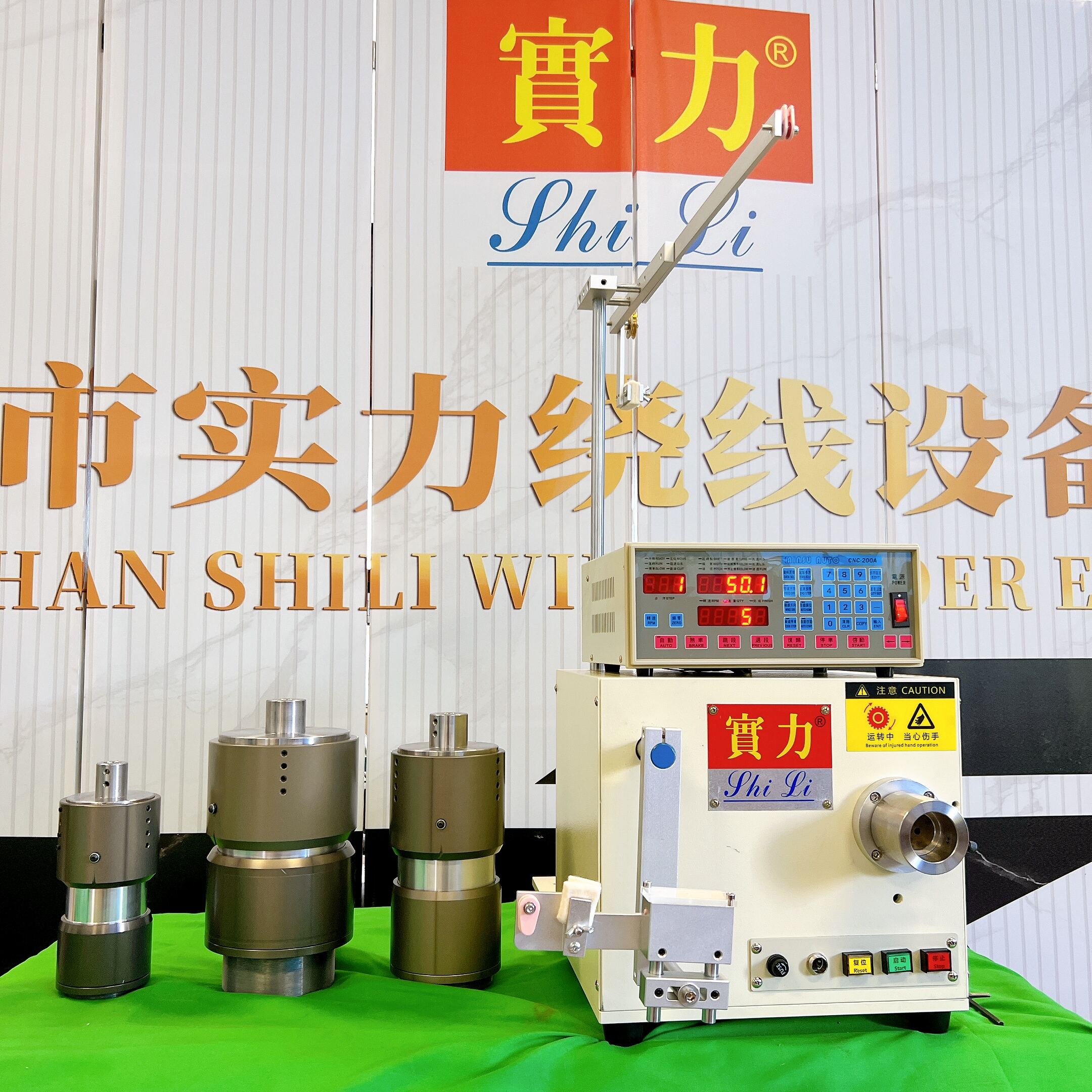
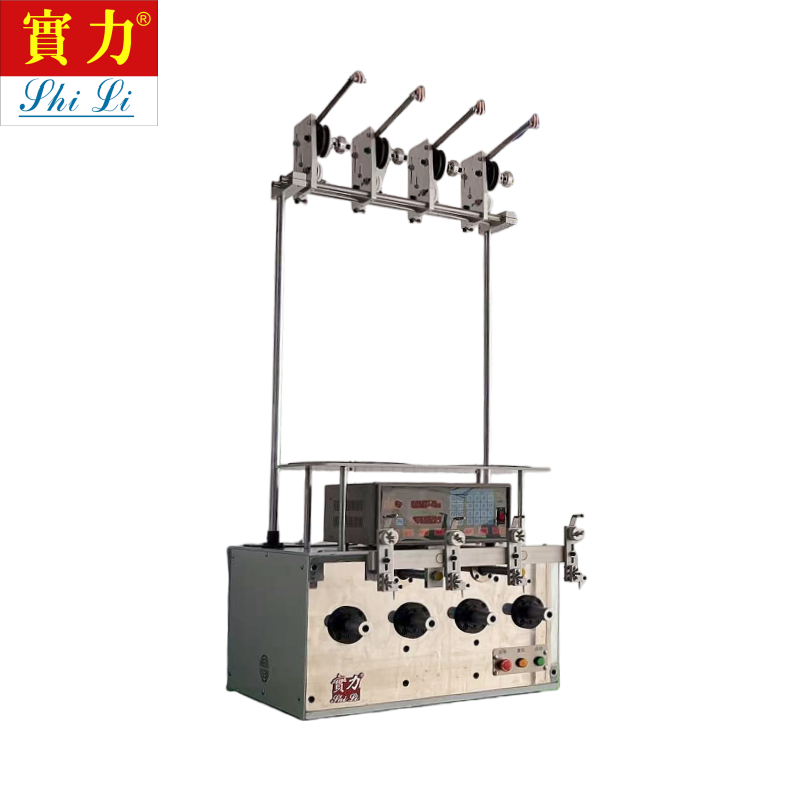
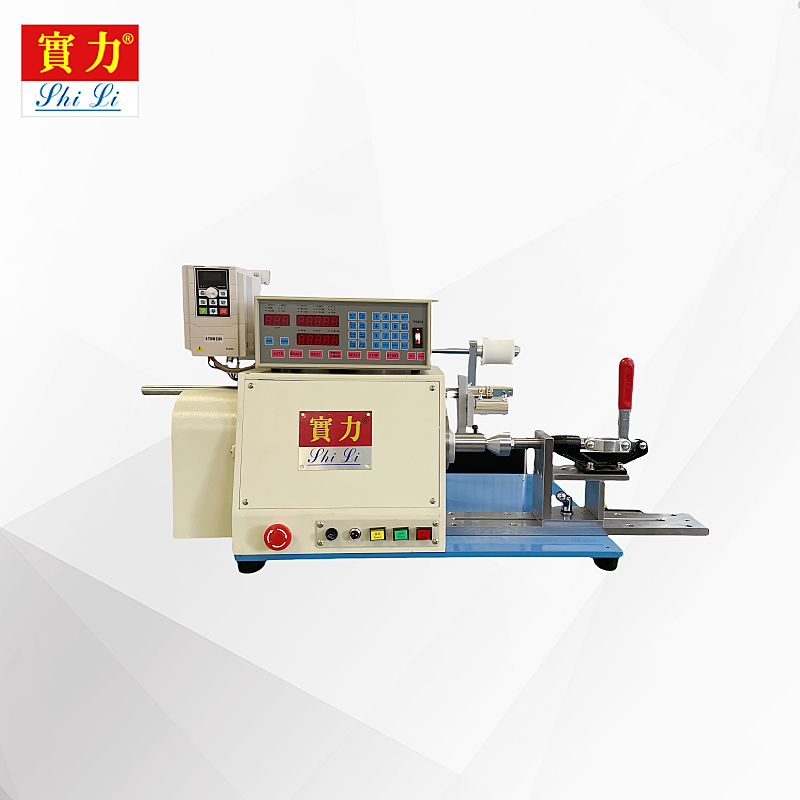
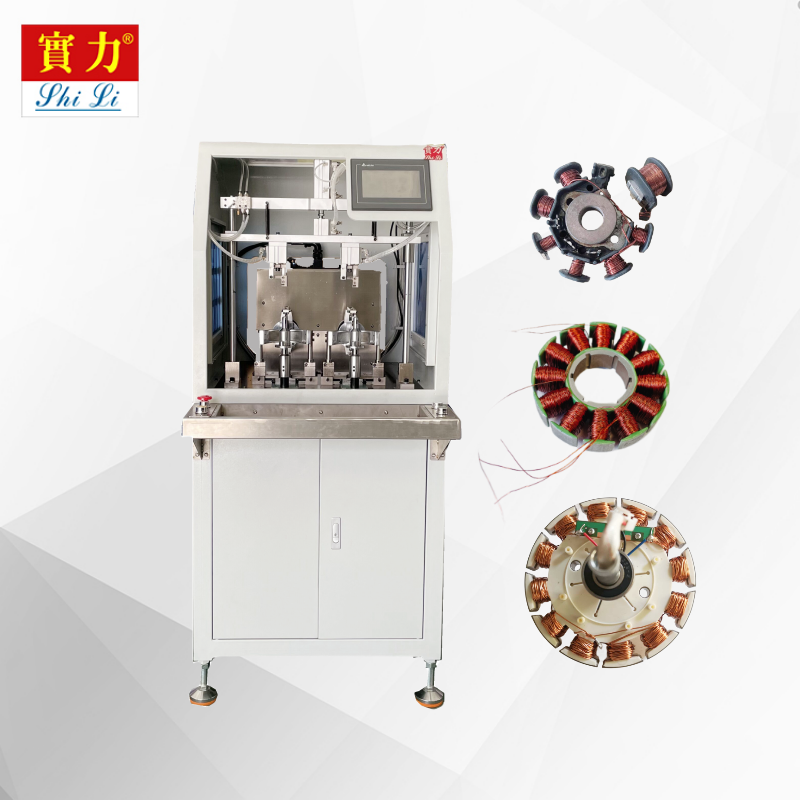
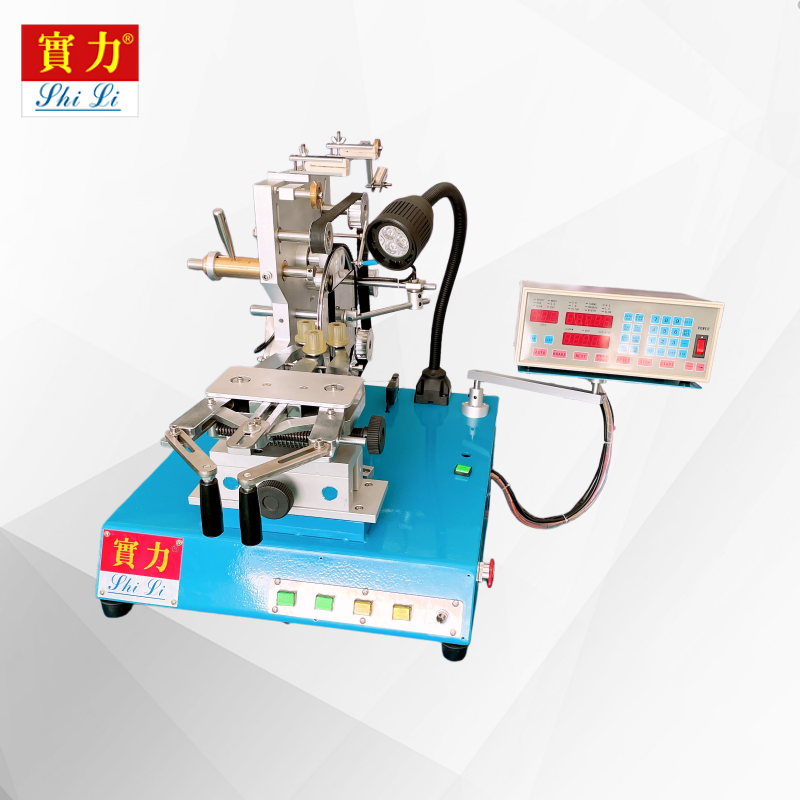
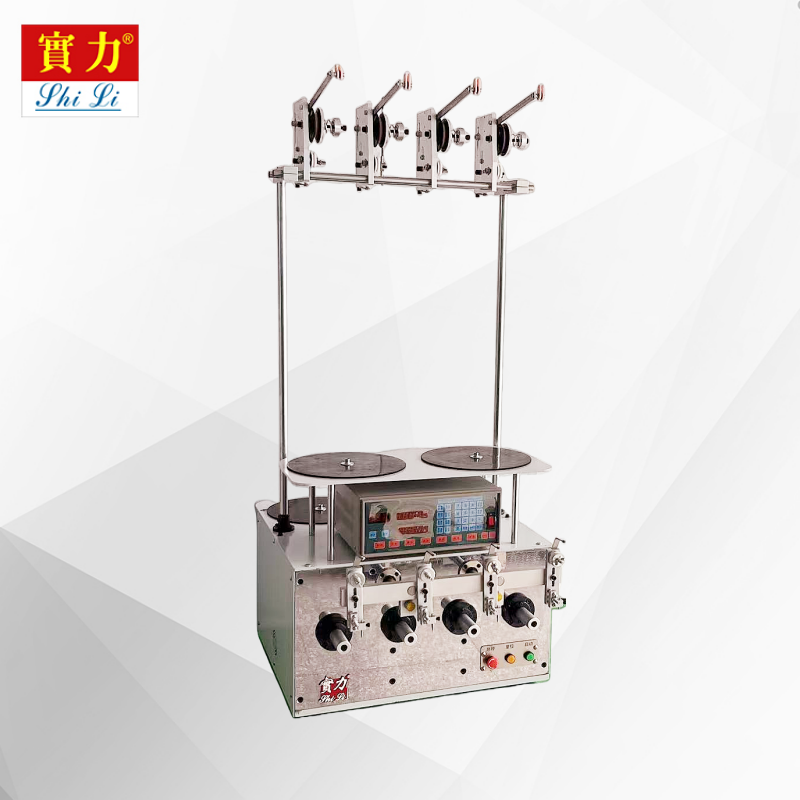
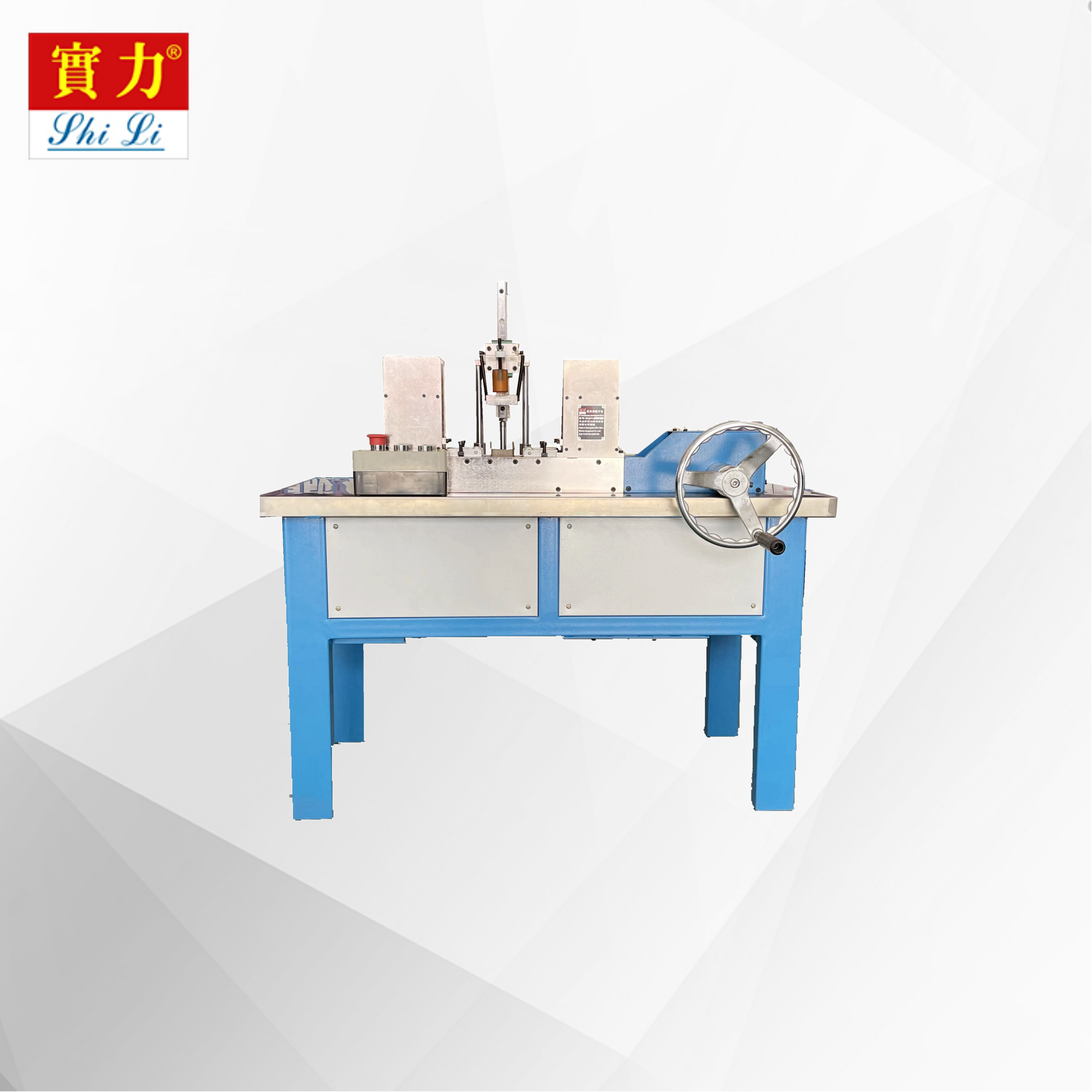
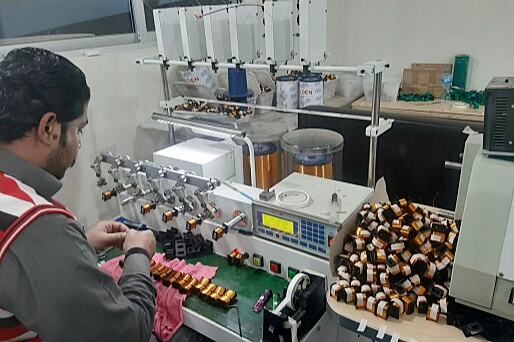
Electric motor winding equipment represents a cornerstone technology in modern manufacturing, designed to automate the precise and efficient winding of copper or aluminum wire coils within electric motor stators and rotors. This sophisticated machinery encompasses a comprehensive range of automated systems that streamline the traditionally labor-intensive process of motor coil winding. The primary functions of electric motor winding equipment include precise wire placement, tension control, layer formation, and insulation application throughout the winding process. These machines operate through computer-controlled systems that ensure consistent winding patterns, optimal wire density, and uniform coil formation across multiple motor types and specifications. The technological features of modern electric motor winding equipment incorporate advanced servo motor controls, programmable logic controllers, and sophisticated software interfaces that enable operators to configure winding parameters with remarkable precision. Temperature monitoring systems prevent overheating during high-speed operations, while integrated quality control mechanisms detect irregularities in real-time. The equipment typically includes automatic wire feeding systems, tension regulators, and cutting mechanisms that work seamlessly together. Applications span across diverse industries including automotive manufacturing, HVAC systems, industrial machinery, household appliances, and renewable energy sectors. Electric motor winding equipment serves manufacturers producing everything from small fractional horsepower motors to large industrial drives. The versatility of this equipment allows for processing various motor configurations including single-phase and three-phase designs, brushless DC motors, and specialized servo motors. Modern installations often feature modular designs that accommodate different production volumes and motor specifications, making them suitable for both high-volume production lines and specialized custom motor manufacturing facilities.
New Product Releases

Electric motor winding equipment delivers substantial operational improvements that directly impact manufacturing efficiency and product quality. The automation capabilities significantly reduce production time compared to manual winding processes, enabling manufacturers to complete motor assembly cycles up to five times faster than traditional methods. This speed enhancement translates into higher throughput and improved delivery schedules for customer orders. Quality consistency represents another major advantage, as electric motor winding equipment eliminates human variability in wire placement and tension application. Each motor receives identical winding specifications, resulting in uniform electrical characteristics and performance parameters across entire production batches. The precision control systems ensure optimal copper utilization, reducing material waste and lowering production costs per unit. Operators benefit from reduced physical strain since the equipment handles repetitive motions and heavy lifting automatically. This ergonomic improvement leads to better workplace safety and reduced worker fatigue during extended production shifts. The sophisticated monitoring capabilities of modern electric motor winding equipment provide real-time feedback on production parameters, enabling immediate adjustments when deviations occur. This proactive quality management prevents defective products from advancing through the production line, saving both time and materials. Cost savings extend beyond labor reduction, as the equipment optimizes wire usage patterns and minimizes scrap generation. The consistent tension control prevents wire breakage during winding operations, reducing material losses and setup delays. Maintenance requirements remain minimal due to robust construction and self-diagnostic features that alert operators to potential issues before they cause production interruptions. Training requirements for operators are streamlined through intuitive user interfaces and standardized operating procedures. The equipment integrates seamlessly with existing production management systems, enabling comprehensive tracking of production metrics and quality data. Energy efficiency improvements result from optimized motor designs that the equipment enables, contributing to overall sustainability goals. The flexibility to accommodate various motor designs without extensive reconfiguration reduces changeover times and increases production versatility.

Latest News

Solve Solenoid Valve Coil Production Pain Points for India | Easy Operation Guide

05

Feb

Solve Solenoid Valve Coil Production Pain Points for India | Easy Operation Guide

View More
Bangladesh Client Raves: Efficiency + Stable Quality

05

Feb

Bangladesh Client Raves: Efficiency + Stable Quality

View More
Turkey Full Container Shipment: Rave Reviews & Repeat Orders

05

Feb

Turkey Full Container Shipment: Rave Reviews & Repeat Orders

View More

Get a Free Quote

Our representative will contact you soon.
Email
Name
Company Name
Message
0/1000

electric motor winding equipment

Advanced Precision Control Systems

Advanced Precision Control Systems

The sophisticated precision control systems integrated within electric motor winding equipment represent a revolutionary advancement in manufacturing technology that sets new standards for accuracy and repeatability in motor production. These systems utilize high-resolution servo motors coupled with advanced feedback mechanisms to achieve wire placement accuracy within micrometers, ensuring optimal electrical performance in finished motors. The control architecture incorporates multiple layers of monitoring, including real-time tension sensors that continuously adjust wire feed rates to maintain consistent coil density throughout the winding process. Temperature compensation algorithms automatically adjust operational parameters based on ambient conditions and wire characteristics, preventing thermal-induced variations that could compromise motor quality. The programmable logic controllers feature intuitive touchscreen interfaces that allow operators to configure complex winding patterns with minimal training, while stored recipe databases enable quick changeovers between different motor specifications. Position encoding systems track wire location with extraordinary precision, enabling the creation of complex multi-layer windings with exact start and stop positions for each coil segment. The integrated vision systems provide real-time verification of wire placement, automatically detecting and correcting minor deviations before they impact motor performance. These precision control systems enable manufacturers to achieve tighter quality tolerances while reducing inspection requirements and minimizing rework costs. The adaptive control algorithms learn from production data to optimize winding parameters automatically, continuously improving efficiency and quality over time. Emergency stop capabilities and fail-safe mechanisms ensure operator safety while protecting expensive motor components from damage during unexpected situations. The modular design of these control systems allows for future upgrades and customization to meet evolving production requirements without replacing entire equipment installations.
Comprehensive Quality Assurance Integration

Comprehensive Quality Assurance Integration

Electric motor winding equipment incorporates comprehensive quality assurance systems that monitor every aspect of the winding process to guarantee consistent output quality and eliminate defective products before they reach customers. These integrated quality systems perform continuous measurements of critical parameters including wire tension, layer thickness, insulation integrity, and dimensional accuracy throughout each winding cycle. Advanced sensor networks detect microscopic variations in wire placement and automatically trigger corrective actions to maintain optimal specifications. The equipment features built-in electrical testing capabilities that verify continuity, resistance values, and insulation properties of completed windings without requiring separate testing stations. Statistical process control algorithms analyze production data in real-time, identifying trends that might indicate impending quality issues before they manifest as defective products. Barcode scanning and RFID tracking systems maintain complete traceability of materials and production parameters for each motor unit, enabling rapid identification of root causes when quality issues arise. The quality assurance systems generate comprehensive reports documenting all measured parameters, test results, and operator interventions for regulatory compliance and customer certification requirements. Automatic reject mechanisms remove non-conforming products from the production line while simultaneously alerting supervisors to investigate potential process improvements. The integrated quality systems interface directly with enterprise resource planning software to provide real-time production status updates and quality metrics to management teams. Calibration monitoring ensures all measurement systems maintain accuracy over extended operating periods, with automatic alerts when calibration verification becomes due. The quality data storage capabilities enable long-term trend analysis and continuous improvement initiatives that drive overall manufacturing excellence. These comprehensive quality assurance features reduce warranty claims, improve customer satisfaction, and support premium pricing strategies for high-quality motor products.
Flexible Multi-Motor Configuration Capability

Flexible Multi-Motor Configuration Capability

The exceptional flexibility of modern electric motor winding equipment enables manufacturers to produce diverse motor types and specifications using a single integrated system, maximizing capital equipment utilization while minimizing floor space requirements. This multi-configuration capability stems from modular tooling systems that accommodate various stator sizes, slot configurations, and winding patterns through quick-change mechanisms that reduce changeover times to minutes rather than hours. The equipment handles motor specifications ranging from miniature precision motors used in medical devices to large industrial motors exceeding several horsepower, all within the same production setup. Programmable winding heads automatically adjust to different wire gauges and insulation requirements, while adaptive tension control systems compensate for varying wire characteristics across different motor applications. The flexibility extends to accommodating both concentrated and distributed winding patterns, enabling production of motors optimized for specific performance characteristics such as high torque density or low electromagnetic interference. Customizable coil forming capabilities allow manufacturers to produce motors with unique specifications for specialized applications without requiring dedicated equipment investments. The multi-motor configuration system includes interchangeable fixtures and tooling that support different mounting orientations and access requirements for various stator designs. Software-based recipe management stores unlimited motor configurations, enabling operators to switch between products using simple menu selections rather than manual adjustments. The equipment accommodates both prototype development and high-volume production requirements, making it ideal for manufacturers serving diverse market segments with varying volume demands. Integration capabilities with upstream and downstream equipment ensure seamless material flow regardless of motor type being produced. The flexible configuration system supports rapid prototyping of new motor designs, accelerating product development cycles and enabling faster market introduction of innovative motor technologies. This adaptability provides manufacturers with competitive advantages in responding quickly to customer requirements and market opportunities while maintaining efficient production operations.

Get a Free Quote

Our representative will contact you soon.
Email
Name
Company Name
Message
0/1000
Newsletter
Please Leave A Message With Us