Professional Toroidal Transformer Winding Machine - Advanced Precision Manufacturing Solution

Get a Free Quote

Our representative will contact you soon.
Email
Name
Company Name
Message
0/1000

toroidal transformer winding machine

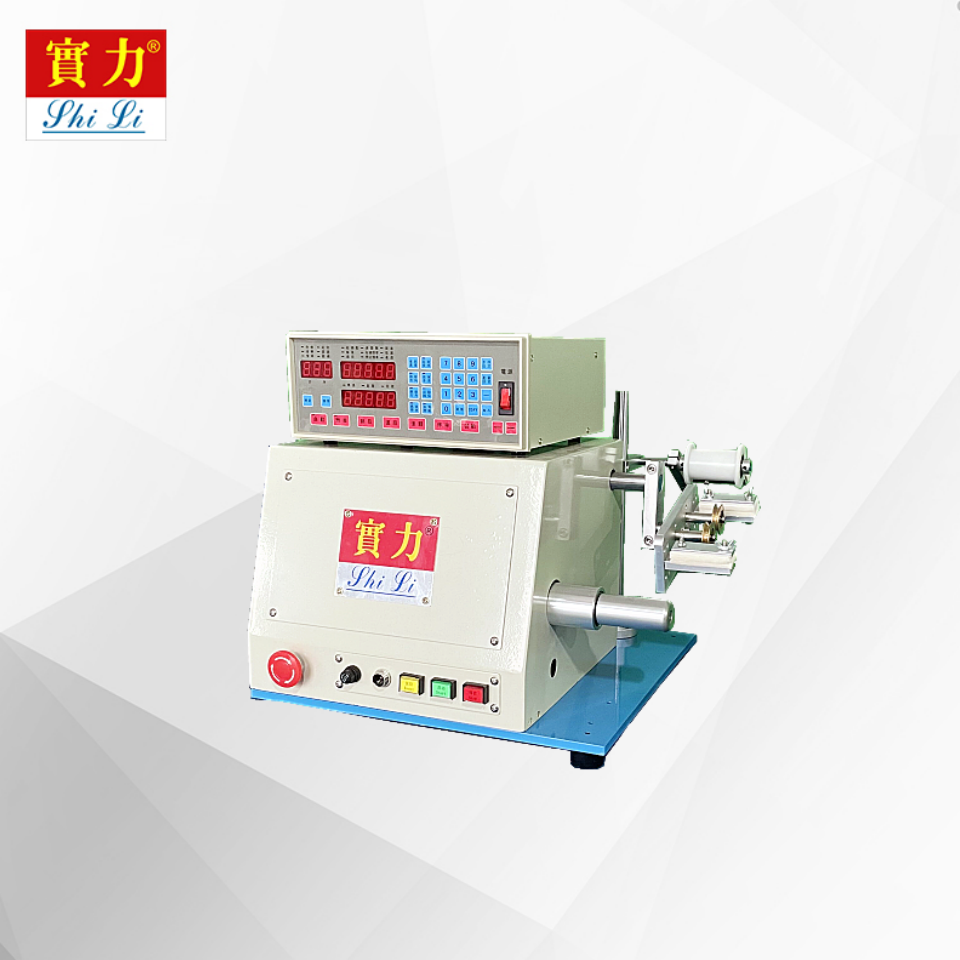
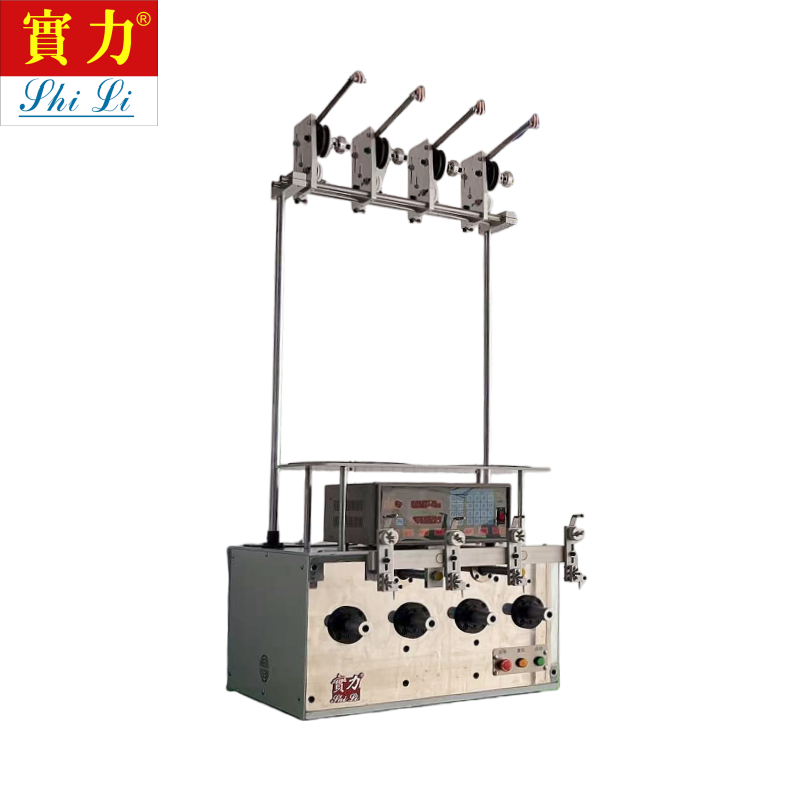
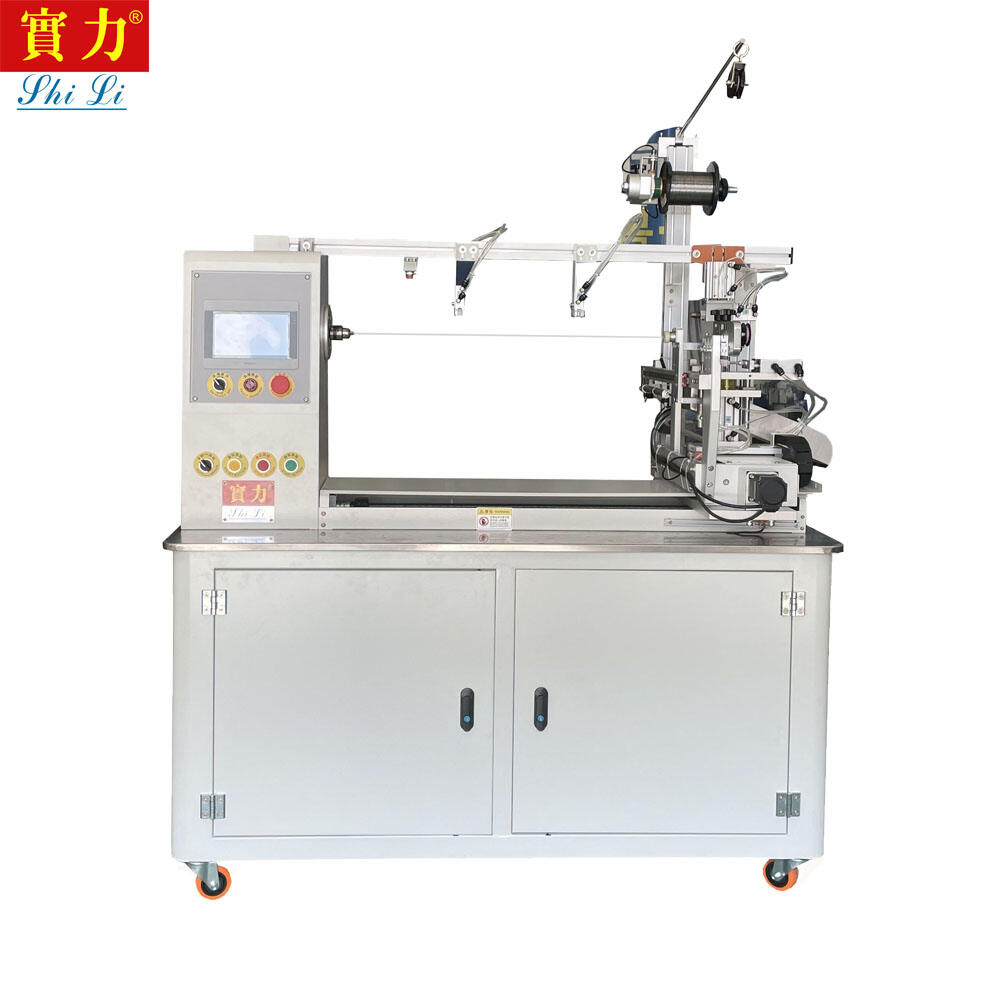
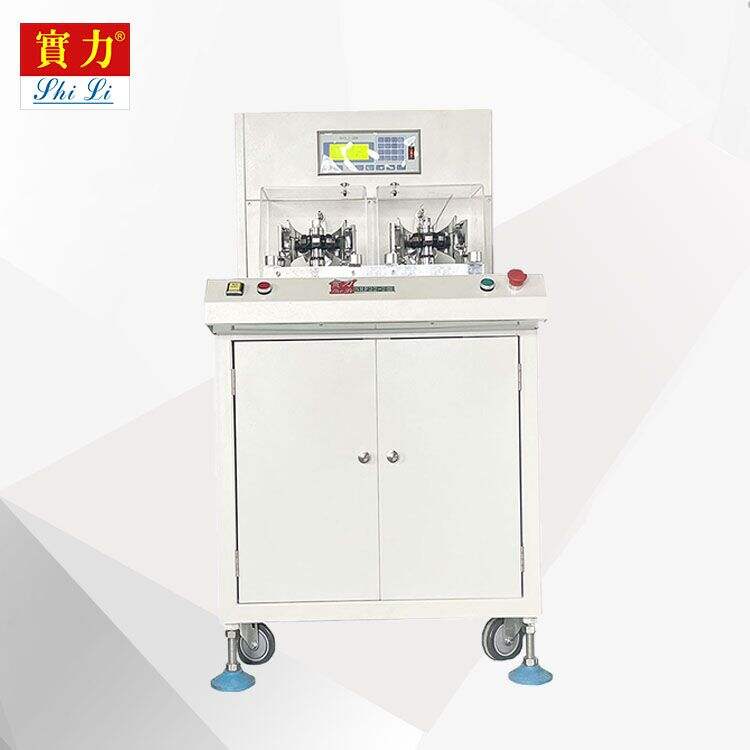
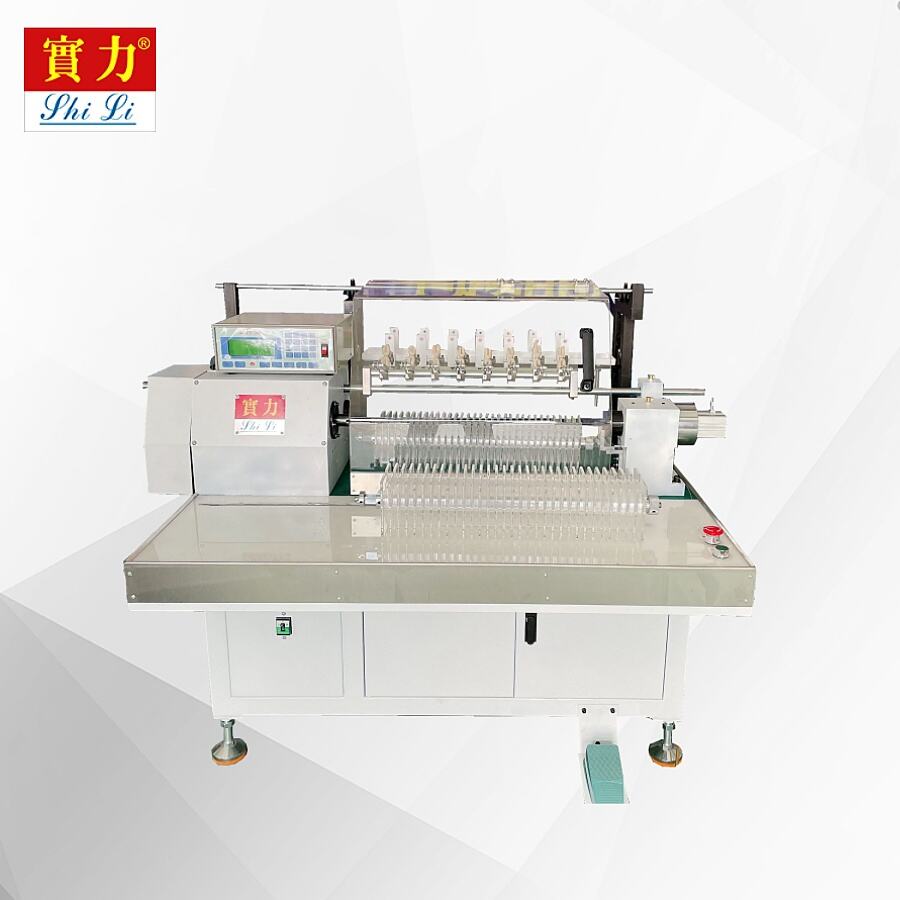
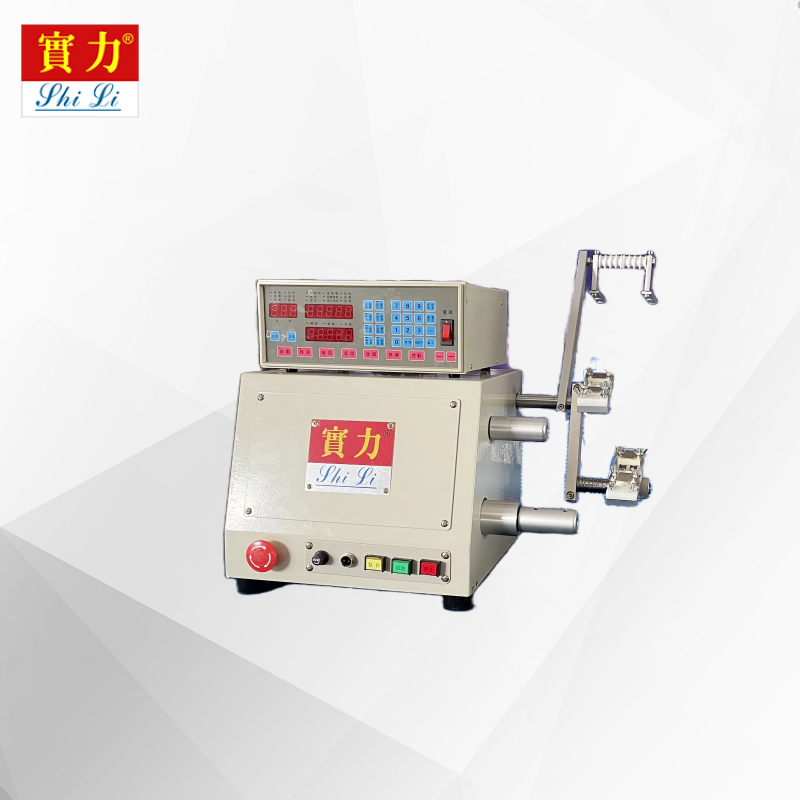
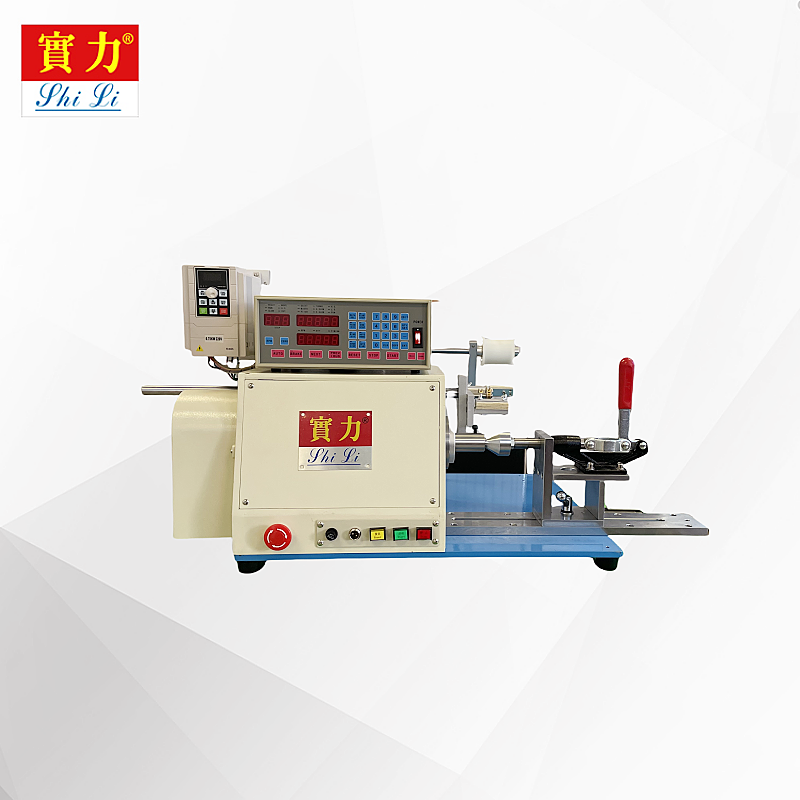
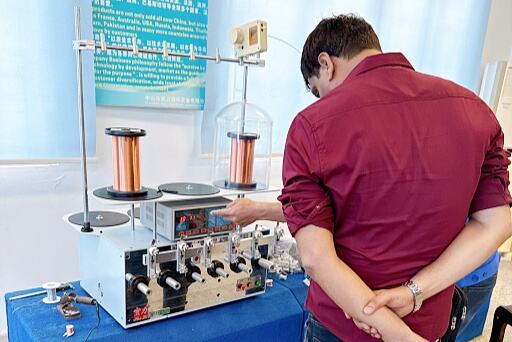
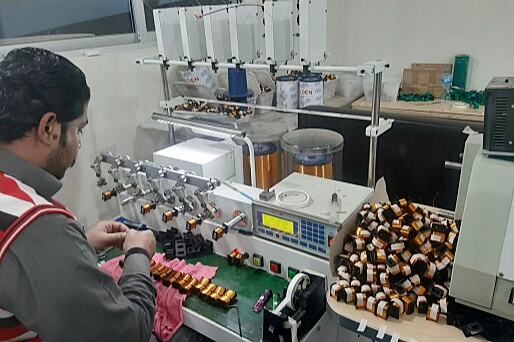
A toroidal transformer winding machine represents a specialized manufacturing solution designed specifically for producing transformers with donut-shaped cores. This sophisticated equipment automates the complex process of winding copper wire around toroidal cores, ensuring precision and consistency that manual methods cannot achieve. The machine operates by rotating the toroidal core while simultaneously feeding and positioning wire through the center opening, creating uniform coil windings that maximize electrical efficiency. Modern toroidal transformer winding machines incorporate advanced control systems that manage wire tension, speed, and positioning with remarkable accuracy. These machines feature programmable controllers that allow operators to set specific parameters for different transformer specifications, including wire gauge, number of turns, and winding patterns. The technological framework includes servo motors for precise movement control, automatic wire feeding mechanisms, and integrated tension monitoring systems that prevent wire breakage during operation. Safety features such as emergency stops, protective barriers, and automatic shutdown protocols ensure operator protection throughout the manufacturing process. The machine's design accommodates various core sizes and wire specifications, making it versatile for different transformer applications. Quality control sensors monitor winding consistency and detect potential issues in real-time, reducing defective products and material waste. Many models include digital displays that show production progress, turn counts, and operational status, providing operators with essential information for process monitoring. The applications for toroidal transformer winding machines span across multiple industries including power electronics, audio equipment manufacturing, medical devices, and renewable energy systems. These transformers are particularly valuable in applications requiring high efficiency, low electromagnetic interference, and compact design. The machine's ability to produce consistent, high-quality windings makes it essential for manufacturers seeking to meet stringent electrical specifications while maintaining cost-effective production volumes.
Popular Products

The toroidal transformer winding machine delivers substantial benefits that directly impact manufacturing efficiency and product quality. First, this equipment dramatically increases production speed compared to manual winding methods. Where hand-winding a single transformer might take hours, the machine completes the same task in minutes while maintaining superior consistency. This speed advantage translates to higher throughput and faster order fulfillment for manufacturers. The precision control offered by modern toroidal transformer winding machines eliminates human error variables that commonly affect manual operations. Automated systems maintain exact wire tension throughout the winding process, preventing loose or overly tight coils that could compromise transformer performance. This consistency ensures every transformer meets the same high-quality standards, reducing reject rates and customer complaints. Cost reduction represents another significant advantage of implementing toroidal transformer winding machine technology. While the initial investment requires capital, the long-term savings through reduced labor costs, decreased material waste, and improved production efficiency quickly justify the expense. Operators can manage multiple machines simultaneously, maximizing workforce productivity without compromising quality outcomes. The machine's programmable nature allows manufacturers to store winding specifications for different transformer types, enabling quick changeovers between product runs without lengthy setup procedures. This flexibility proves invaluable for companies producing diverse transformer specifications or managing custom orders. Material optimization becomes achievable through precise wire placement and tension control, minimizing copper waste and reducing raw material costs. The automated systems also reduce workplace injuries associated with repetitive manual winding motions, creating safer working environments while maintaining productivity levels. Quality assurance improves significantly as machines provide consistent results that meet electrical specifications reliably. This reliability builds customer confidence and reduces warranty claims, protecting brand reputation while supporting business growth. Modern toroidal transformer winding machines integrate seamlessly with existing production systems, allowing manufacturers to scale operations efficiently without major infrastructure changes. The combination of speed, precision, cost savings, and quality improvements makes these machines essential investments for competitive transformer manufacturing.

Latest News

Solve Solenoid Valve Coil Production Pain Points for India | Easy Operation Guide

05

Feb

Solve Solenoid Valve Coil Production Pain Points for India | Easy Operation Guide

View More
Bangladesh Client Raves: Efficiency + Stable Quality

05

Feb

Bangladesh Client Raves: Efficiency + Stable Quality

View More
Turkey Full Container Shipment: Rave Reviews & Repeat Orders

05

Feb

Turkey Full Container Shipment: Rave Reviews & Repeat Orders

View More

Get a Free Quote

Our representative will contact you soon.
Email
Name
Company Name
Message
0/1000

toroidal transformer winding machine

Advanced Precision Control System

Advanced Precision Control System

The advanced precision control system stands as the cornerstone feature of modern toroidal transformer winding machines, delivering unmatched accuracy in wire placement and tension management. This sophisticated system utilizes high-resolution servo motors coupled with intelligent feedback mechanisms to maintain consistent wire positioning throughout the entire winding process. The control system monitors multiple parameters simultaneously, including wire speed, tension levels, core rotation speed, and wire feed rate, making real-time adjustments to ensure optimal winding conditions. Digital encoders provide precise position feedback, allowing the machine to place each wire turn exactly where specified in the programmed sequence. This level of control eliminates the variations inherent in manual winding operations, where human factors such as fatigue, skill level, and attention span can significantly impact final product quality. The system's programmable logic controller stores multiple winding patterns and specifications, enabling operators to switch between different transformer types without manual recalibration. Advanced tension monitoring prevents wire breakage while ensuring proper compaction of the windings, critical factors that directly affect transformer electrical performance and mechanical durability. The precision control system also incorporates adaptive algorithms that learn from previous winding cycles, continuously optimizing performance parameters to improve efficiency and quality outcomes. This self-improving capability means the machine becomes more effective over time, adapting to specific wire types, core materials, and environmental conditions. Quality control sensors integrated within the precision system detect anomalies such as wire breaks, improper tension, or positioning errors, automatically stopping the machine to prevent defective products from continuing through production. The user interface provides real-time visualization of all control parameters, allowing operators to monitor system performance and make informed decisions about process optimization. This comprehensive precision control system not only ensures consistent high-quality output but also reduces the skill level required for machine operation, making it accessible to a broader range of manufacturing personnel while maintaining professional results.
Versatile Multi-Core Compatibility

Versatile Multi-Core Compatibility

The versatile multi-core compatibility feature of toroidal transformer winding machines provides manufacturers with exceptional flexibility to handle diverse production requirements without investing in multiple specialized machines. This adaptability stems from adjustable fixtures and programmable settings that accommodate various toroidal core sizes, materials, and configurations within a single machine platform. The system includes interchangeable mandrels and holding mechanisms that securely position cores ranging from small electronic transformer cores to large power transformer applications. Quick-change tooling systems minimize setup time when switching between different core specifications, maintaining production efficiency while maximizing equipment utilization. The machine's control software contains extensive libraries of pre-programmed settings for standard core sizes and materials, eliminating the need for manual calculations and reducing setup complexity. Operators can easily modify existing programs or create new ones for custom core specifications, providing the flexibility needed for specialized applications or prototype development. The multi-core compatibility extends beyond size variations to include different core materials such as silicon steel, ferrite, and powder cores, each requiring specific handling characteristics and winding parameters. The machine automatically adjusts wire feed rates, tension settings, and positioning algorithms based on the selected core type, ensuring optimal results regardless of material properties. This versatility proves particularly valuable for manufacturers serving multiple market segments or those experiencing changing customer demands. Instead of dedicating separate machines to specific core types, companies can maximize their equipment investment by handling diverse production requirements with a single versatile platform. The compatibility feature also supports future business growth by accommodating new core specifications as technology evolves or market demands change. Advanced sensing systems detect core dimensions and properties automatically, reducing operator input requirements while ensuring proper machine configuration for each application. This automated recognition capability minimizes setup errors and accelerates changeover procedures, maintaining productivity levels even with frequent product switches. The multi-core compatibility transforms the toroidal transformer winding machine from a specialized tool into a comprehensive production solution capable of supporting diverse manufacturing strategies and market opportunities.
Integrated Quality Monitoring Technology

Integrated Quality Monitoring Technology

The integrated quality monitoring technology represents a revolutionary advancement in toroidal transformer winding machine capabilities, providing comprehensive real-time assessment of winding quality throughout the production process. This sophisticated monitoring system employs multiple sensor technologies including optical, mechanical, and electrical sensors to continuously evaluate critical parameters that determine final transformer performance. The technology monitors wire placement accuracy, ensuring each turn falls within specified tolerances and maintains proper spacing between adjacent windings. Tension monitoring sensors detect variations that could lead to loose or overly compressed windings, both conditions that negatively impact electrical characteristics and mechanical stability. The system tracks turn count with absolute precision, preventing under-winding or over-winding scenarios that would render transformers unusable. Advanced imaging systems capture detailed photographs of winding progress, allowing operators to visually verify proper wire placement and identify potential issues before they affect the final product. Statistical process control algorithms analyze collected data to identify trends and predict potential quality issues before they occur, enabling proactive maintenance and process adjustments. The monitoring technology generates comprehensive reports for each wound transformer, creating detailed quality documentation that supports traceability requirements and customer quality assurance programs. Automated rejection systems remove defective units from the production line immediately upon detection of quality deviations, preventing substandard products from reaching customers while minimizing material waste. The integration capabilities allow quality data to flow seamlessly into enterprise resource planning systems and quality management databases, supporting broader manufacturing intelligence initiatives. Machine learning algorithms continuously refine quality thresholds based on historical performance data and customer feedback, improving detection accuracy over time. The monitoring system provides immediate alerts when quality parameters drift outside acceptable ranges, enabling rapid corrective action that minimizes the impact on production schedules. This proactive approach to quality management reduces customer complaints, warranty claims, and field failures while building confidence in product reliability. The comprehensive data collection also supports continuous improvement initiatives by identifying process optimization opportunities and validating the effectiveness of quality enhancement measures. The integrated quality monitoring technology transforms the toroidal transformer winding machine from a simple production tool into an intelligent manufacturing system that actively ensures product excellence while supporting data-driven decision making.

Get a Free Quote

Our representative will contact you soon.
Email
Name
Company Name
Message
0/1000
Newsletter
Please Leave A Message With Us