Premium Machine Motor Winding Solutions - High Efficiency Electromagnetic Technology for Industrial Applications

Get a Free Quote

Our representative will contact you soon.
Email
Name
Company Name
Message
0/1000

machine motor winding

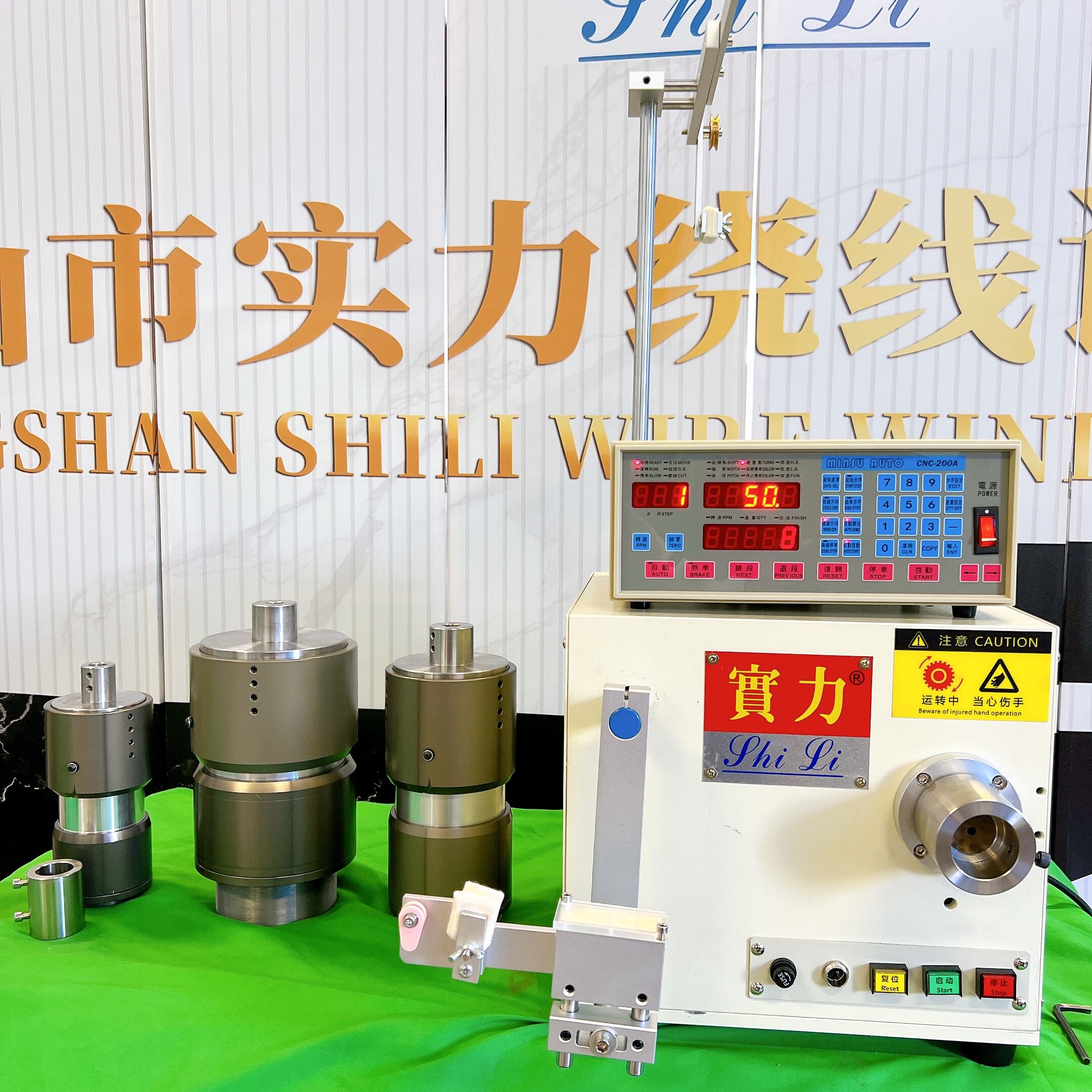
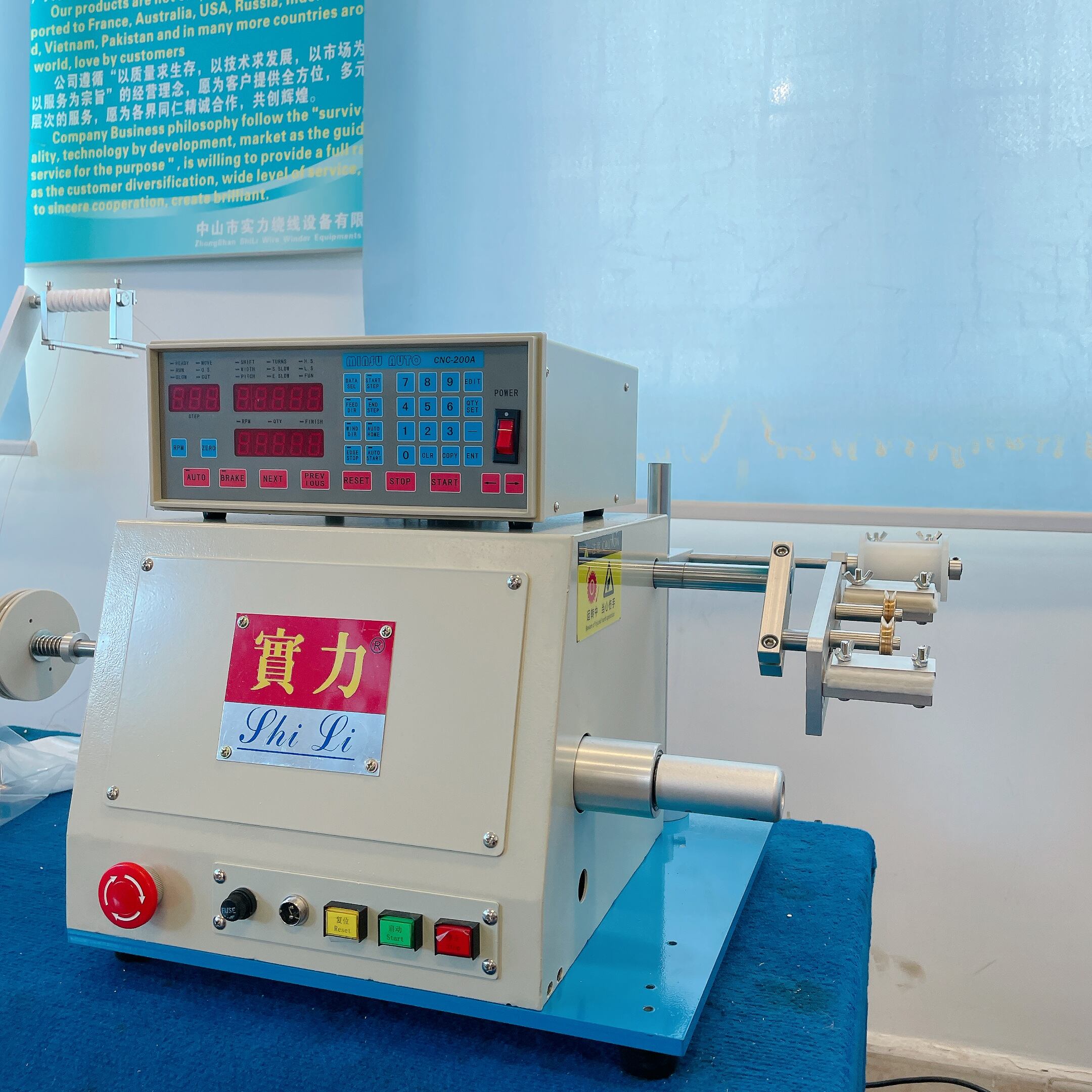
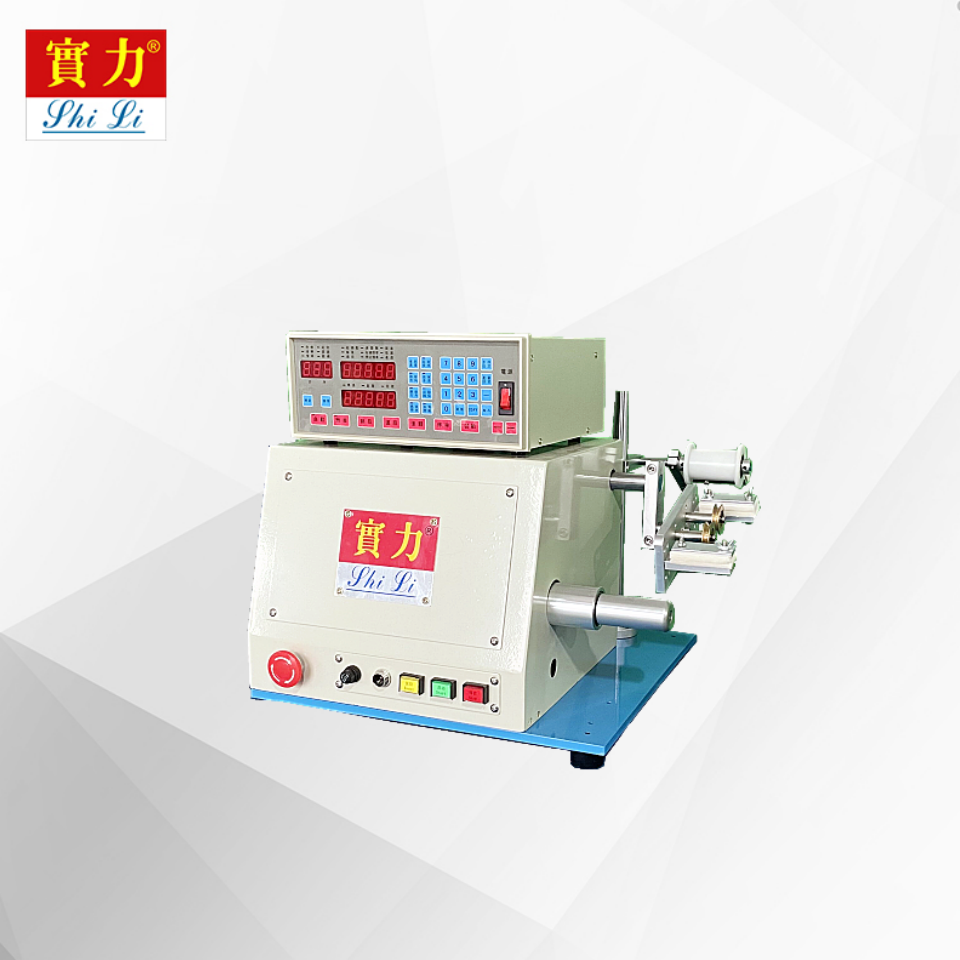
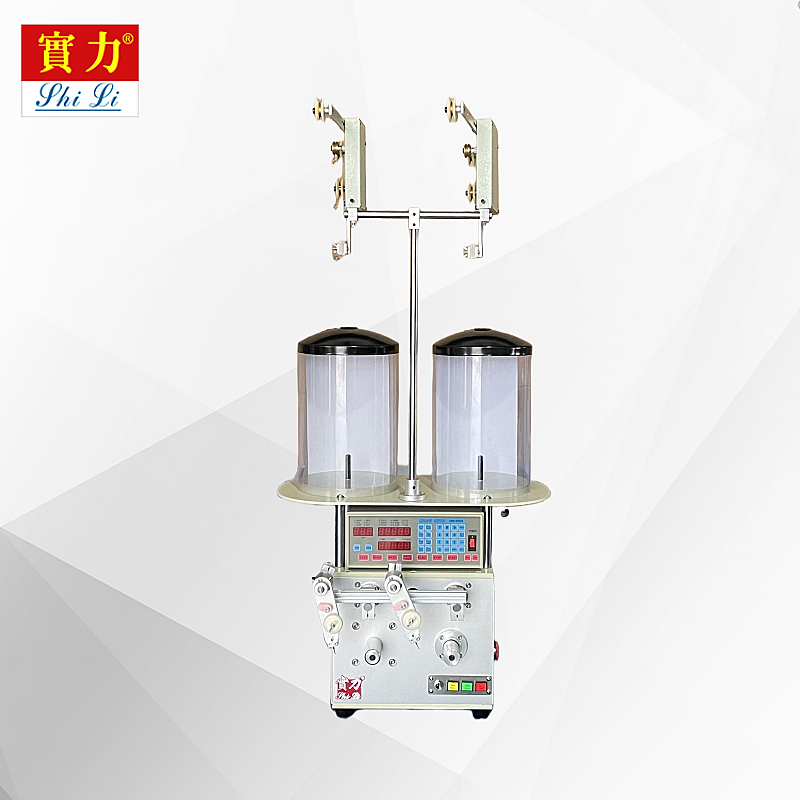
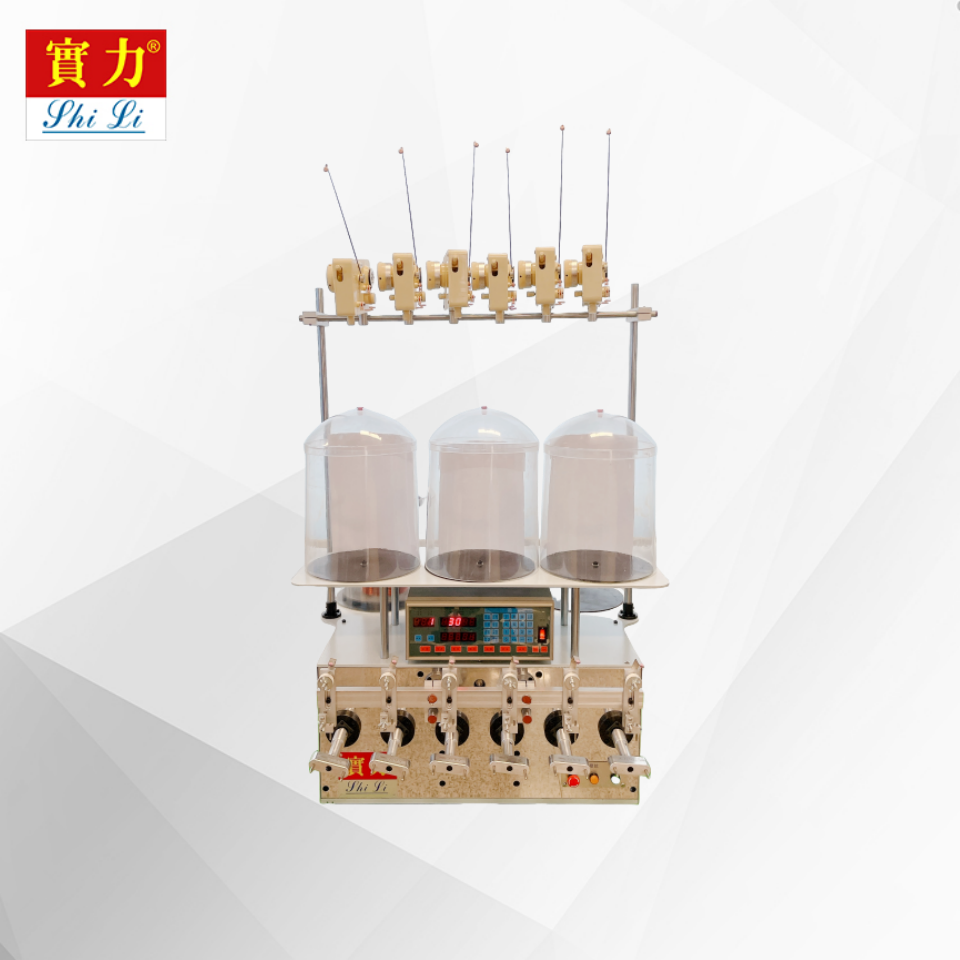
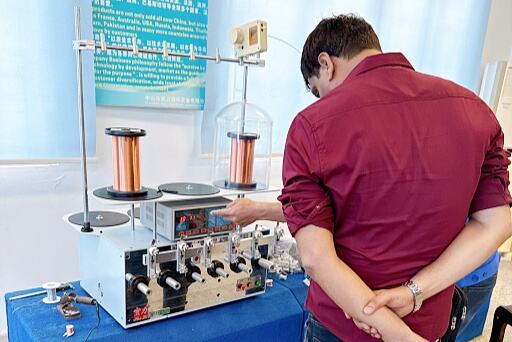
Machine motor winding represents the fundamental electromagnetic component that transforms electrical energy into mechanical motion within electric motors. This critical technology consists of carefully arranged copper or aluminum conductors wrapped around magnetic cores to create the electromagnetic fields necessary for motor operation. The machine motor winding serves as the primary interface between electrical input and mechanical output, making it essential for virtually all motorized applications across industries. The core function of machine motor winding involves generating controlled magnetic fields through precise conductor placement and current flow management. When electrical current passes through the machine motor winding, it creates electromagnetic forces that interact with permanent magnets or other windings to produce rotational motion. This process relies on sophisticated engineering principles that optimize conductor configuration, insulation materials, and thermal management systems. Modern machine motor winding technology incorporates advanced materials and manufacturing techniques to maximize efficiency while minimizing energy losses. The technological features of machine motor winding include multi-layer conductor arrangements, specialized insulation systems, and precision manufacturing processes that ensure consistent performance. These windings must withstand extreme temperatures, mechanical stress, and electrical loads while maintaining optimal conductivity and magnetic properties. Contemporary machine motor winding designs utilize computer-aided optimization to achieve superior power-to-weight ratios and enhanced reliability. Applications for machine motor winding span across automotive systems, industrial machinery, household appliances, aerospace equipment, and renewable energy generation. From electric vehicle propulsion systems to manufacturing automation, machine motor winding technology enables precise control of mechanical motion with exceptional efficiency. The versatility of machine motor winding makes it suitable for both high-power industrial applications and delicate precision instruments, demonstrating its universal importance in modern technology.

New Product Releases

Machine motor winding offers numerous practical benefits that directly impact operational efficiency and cost-effectiveness for businesses and consumers alike. The primary advantage lies in exceptional energy conversion efficiency, where modern machine motor winding designs achieve conversion rates exceeding 95 percent, significantly reducing electricity consumption and operational costs. This efficiency translates into substantial savings on energy bills while contributing to environmental sustainability goals. The precision engineering of machine motor winding enables superior speed control and torque delivery, allowing operators to fine-tune performance characteristics according to specific application requirements. This controllability enhances productivity in manufacturing environments and improves user experience in consumer applications. Machine motor winding technology provides remarkable durability and longevity, with properly maintained systems operating reliably for decades. The robust construction and quality materials used in machine motor winding resist wear, corrosion, and thermal stress, minimizing maintenance requirements and replacement costs. This reliability reduces unexpected downtime and associated financial losses in critical applications. Another significant advantage of machine motor winding is its compact design flexibility, enabling integration into space-constrained environments without compromising performance. Engineers can customize machine motor winding configurations to fit specific dimensional requirements while maintaining optimal power output. This adaptability makes machine motor winding suitable for diverse applications from miniature robotics to large industrial equipment. The quiet operation characteristics of well-designed machine motor winding systems reduce noise pollution and create more comfortable working environments. Advanced machine motor winding techniques minimize vibration and electromagnetic interference, ensuring smooth operation in sensitive electronic environments. Cost-effectiveness represents another major advantage, as machine motor winding technology offers excellent price-to-performance ratios compared to alternative motion control solutions. The standardized manufacturing processes and widespread availability of machine motor winding components keep costs reasonable while ensuring consistent quality. Additionally, machine motor winding systems require minimal auxiliary equipment, reducing overall system complexity and installation costs. The scalability of machine motor winding technology allows users to select appropriate power ratings and configurations for specific needs, preventing over-specification and unnecessary expenses.

Practical Tips

Solve Solenoid Valve Coil Production Pain Points for India | Easy Operation Guide

05

Feb

Solve Solenoid Valve Coil Production Pain Points for India | Easy Operation Guide

View More
Bangladesh Client Raves: Efficiency + Stable Quality

05

Feb

Bangladesh Client Raves: Efficiency + Stable Quality

View More
Turkey Full Container Shipment: Rave Reviews & Repeat Orders

05

Feb

Turkey Full Container Shipment: Rave Reviews & Repeat Orders

View More

Get a Free Quote

Our representative will contact you soon.
Email
Name
Company Name
Message
0/1000

machine motor winding

Advanced Electromagnetic Efficiency Technology

Advanced Electromagnetic Efficiency Technology

The electromagnetic efficiency technology embedded within machine motor winding represents a revolutionary advancement in energy conversion systems that delivers unprecedented performance benefits for modern applications. This sophisticated technology optimizes the interaction between electrical current and magnetic fields through precisely engineered conductor arrangements and advanced core materials. The machine motor winding utilizes high-grade copper conductors with optimized cross-sectional areas that minimize resistance losses while maximizing current-carrying capacity. Special attention to conductor spacing and insulation thickness ensures minimal electromagnetic interference between adjacent windings, resulting in cleaner power conversion with reduced harmonic distortion. The core materials integrated with machine motor winding feature advanced silicon steel laminations or rare-earth magnetic compounds that provide superior magnetic permeability and reduced hysteresis losses. These materials enable the machine motor winding to operate at higher flux densities while maintaining thermal stability, directly translating to improved power output and efficiency ratings. The thermal management aspects of this electromagnetic efficiency technology incorporate innovative cooling channels and heat dissipation structures that prevent overheating during extended operation periods. This thermal optimization allows the machine motor winding to maintain consistent performance characteristics across varying load conditions and ambient temperatures. The precision manufacturing processes ensure exact dimensional tolerances and uniform material properties throughout the machine motor winding, eliminating performance variations that could compromise efficiency. Quality control measures include comprehensive testing protocols that verify electromagnetic properties, insulation integrity, and mechanical strength before assembly. This electromagnetic efficiency technology delivers measurable benefits including reduced energy consumption, lower operating temperatures, extended service life, and improved power factor performance. For industrial users, these advantages translate into significant cost savings through reduced electricity bills and maintenance requirements, while residential applications benefit from quieter operation and enhanced reliability.
Precision Manufacturing and Quality Control

Precision Manufacturing and Quality Control

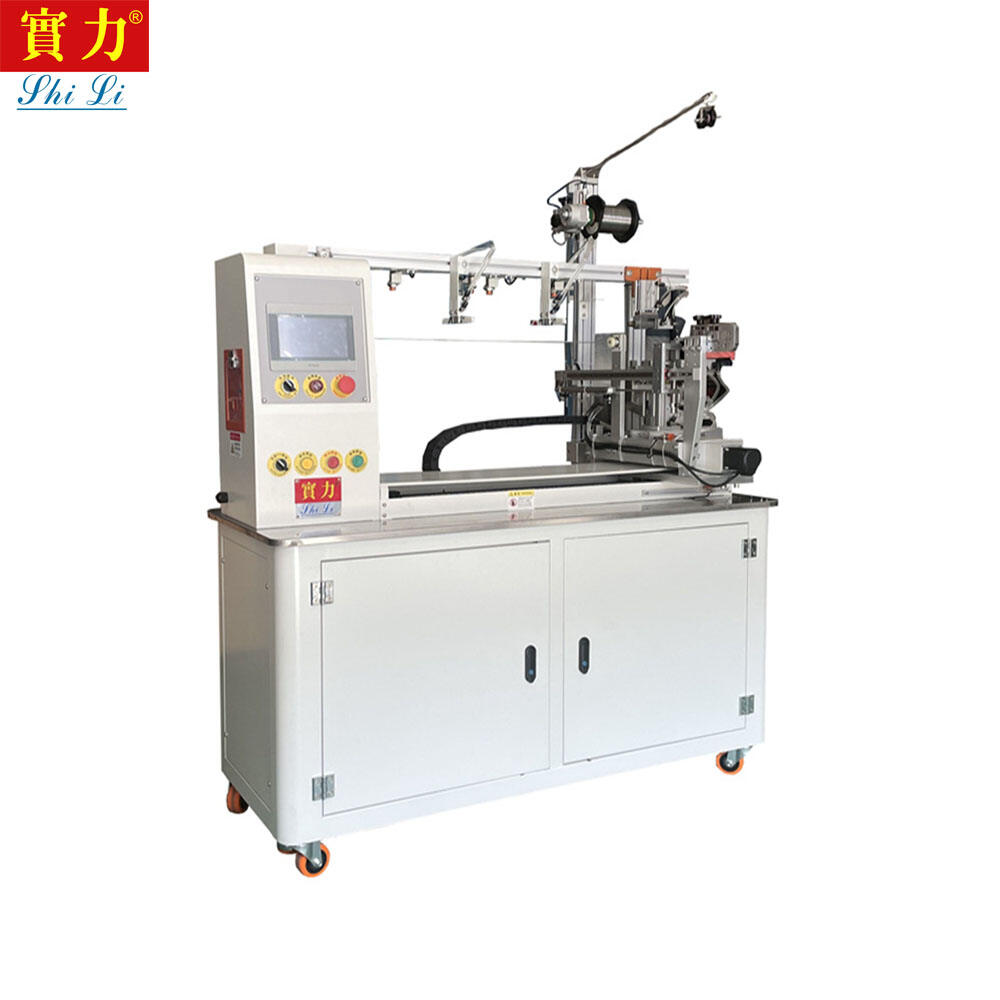
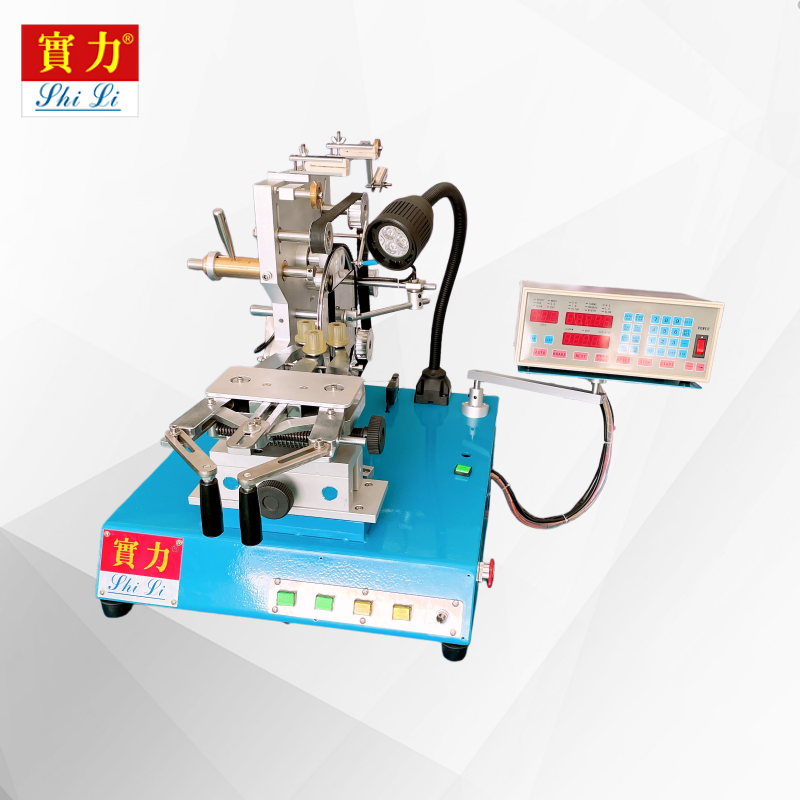
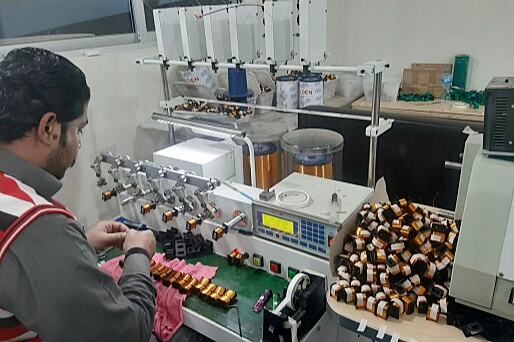
The precision manufacturing and quality control processes employed in machine motor winding production establish industry-leading standards for consistency, reliability, and performance optimization. Every aspect of machine motor winding fabrication utilizes advanced manufacturing technologies including computer-controlled winding machines, automated testing systems, and rigorous inspection protocols that ensure each unit meets exact specifications. The winding process itself employs programmable tension control systems that maintain optimal conductor stress levels throughout the machine motor winding assembly, preventing damage while ensuring uniform conductor placement. Specialized tooling and fixtures guarantee precise spacing between conductors and accurate layer-to-layer alignment, critical factors that directly influence electromagnetic performance and thermal characteristics. Quality control measures integrated throughout machine motor winding production include real-time monitoring of electrical properties, dimensional accuracy verification, and comprehensive insulation testing. Each machine motor winding undergoes rigorous electrical testing including insulation resistance measurements, surge testing, and impedance analysis to verify proper electrical characteristics and identify potential defects before final assembly. The manufacturing environment maintains strict contamination controls and temperature regulation to ensure consistent material properties and prevent foreign particle intrusion that could compromise machine motor winding performance. Advanced statistical process control methods track production variables and automatically adjust manufacturing parameters to maintain optimal quality levels throughout production runs. Material traceability systems document the source and properties of every component used in machine motor winding construction, enabling rapid identification and resolution of any quality issues. The precision manufacturing approach extends to final assembly procedures where trained technicians follow detailed work instructions and utilize calibrated tools to ensure proper machine motor winding installation and connection integrity. This comprehensive quality focus results in machine motor winding products that demonstrate exceptional consistency in electrical characteristics, mechanical properties, and long-term reliability. Customers benefit from predictable performance, reduced warranty claims, and confidence in their equipment investments through this commitment to manufacturing excellence.
Versatile Application Integration Solutions

Versatile Application Integration Solutions

The versatile application integration solutions offered by machine motor winding technology enable seamless incorporation into diverse industrial and commercial systems with customizable configurations that meet specific operational requirements. This adaptability stems from the modular design philosophy underlying machine motor winding development, where standardized components can be combined in numerous configurations to achieve desired performance characteristics. Engineers can specify machine motor winding parameters including voltage ratings, current capacity, speed ranges, and torque output to match exact application needs without compromising efficiency or reliability. The mechanical interface flexibility of machine motor winding systems accommodates various mounting configurations, shaft arrangements, and connection methods that facilitate integration into existing equipment or new system designs. Specialized mounting options include flange-mounted, foot-mounted, and custom bracket configurations that ensure secure installation in challenging environments. The electrical connection versatility allows machine motor winding systems to interface with different control systems, power supplies, and feedback devices through standardized or custom connection schemes. This flexibility extends to communication protocols where machine motor winding systems can integrate with industrial networks, building automation systems, and smart grid infrastructure through appropriate interface modules. Environmental adaptation capabilities enable machine motor winding deployment in harsh conditions including extreme temperatures, high humidity, corrosive atmospheres, and explosive environments through appropriate enclosure ratings and protective coatings. The scalability features of machine motor winding technology support applications ranging from fractional horsepower precision instruments to multi-megawatt industrial drives, with consistent design principles ensuring predictable performance scaling. Installation and commissioning procedures for machine motor winding systems utilize standardized documentation and support tools that simplify integration processes and reduce implementation time. Technical support resources include application guides, selection software, and expert consultation services that assist customers in optimizing machine motor winding configurations for specific requirements. This comprehensive integration approach enables customers to leverage machine motor winding technology advantages while minimizing system complexity and reducing total cost of ownership through efficient implementation and operation.

Get a Free Quote

Our representative will contact you soon.
Email
Name
Company Name
Message
0/1000
Newsletter
Please Leave A Message With Us