ceiling fan winding machine
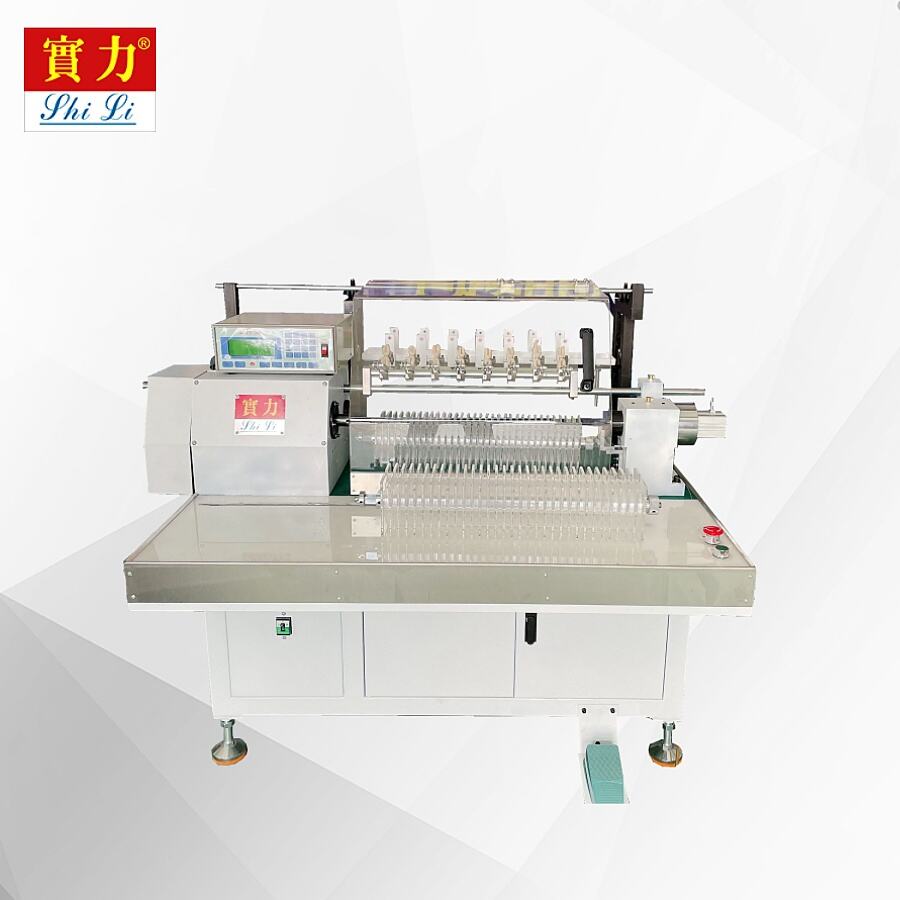
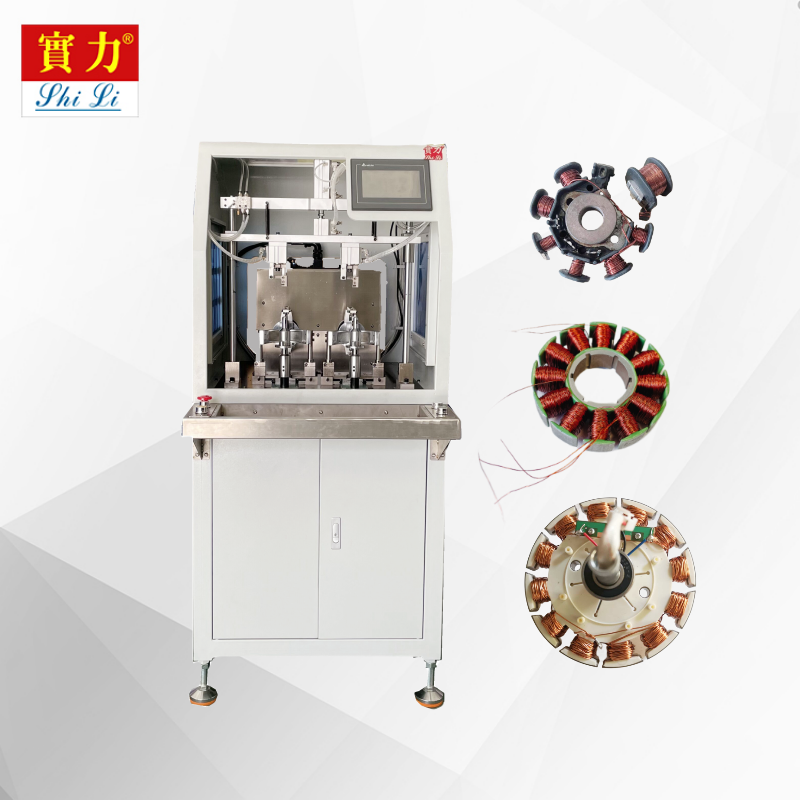
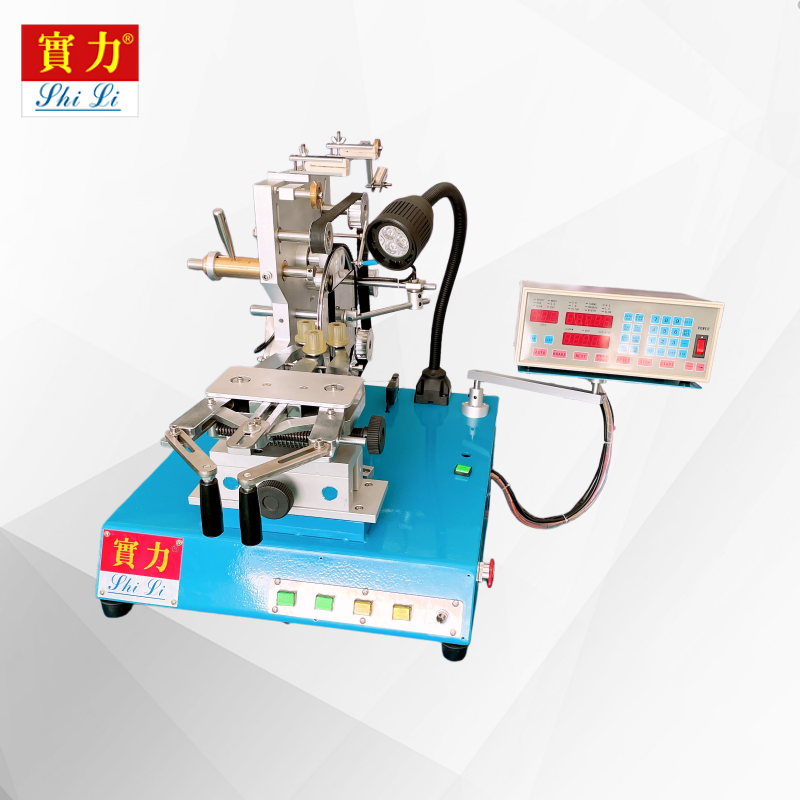
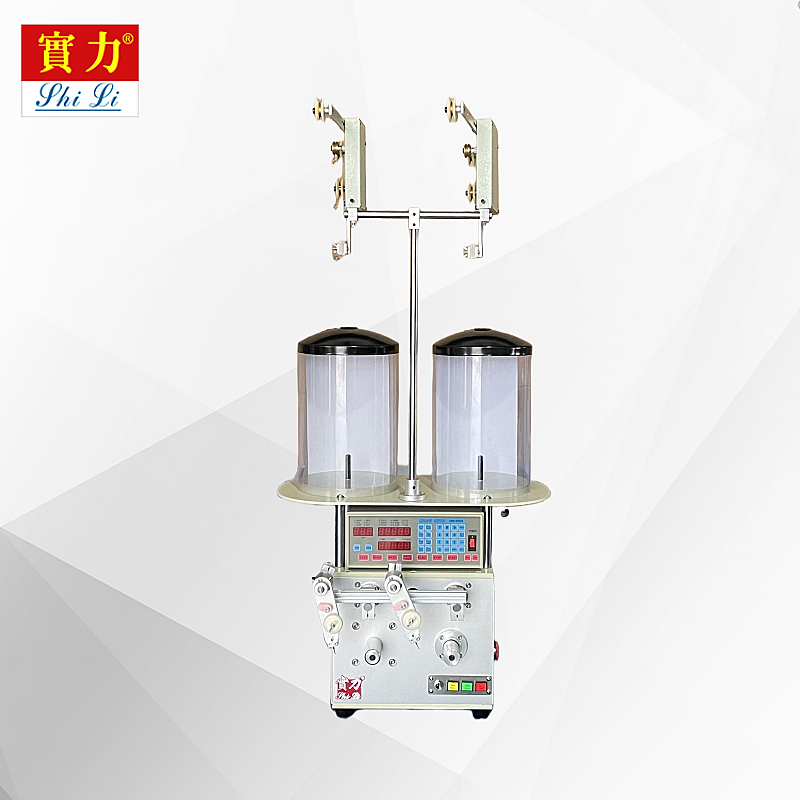
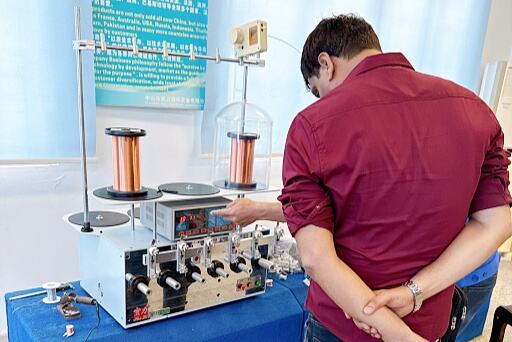
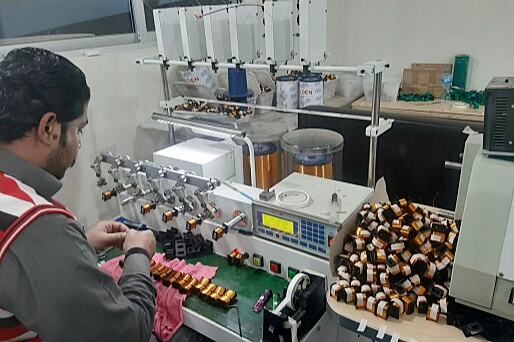
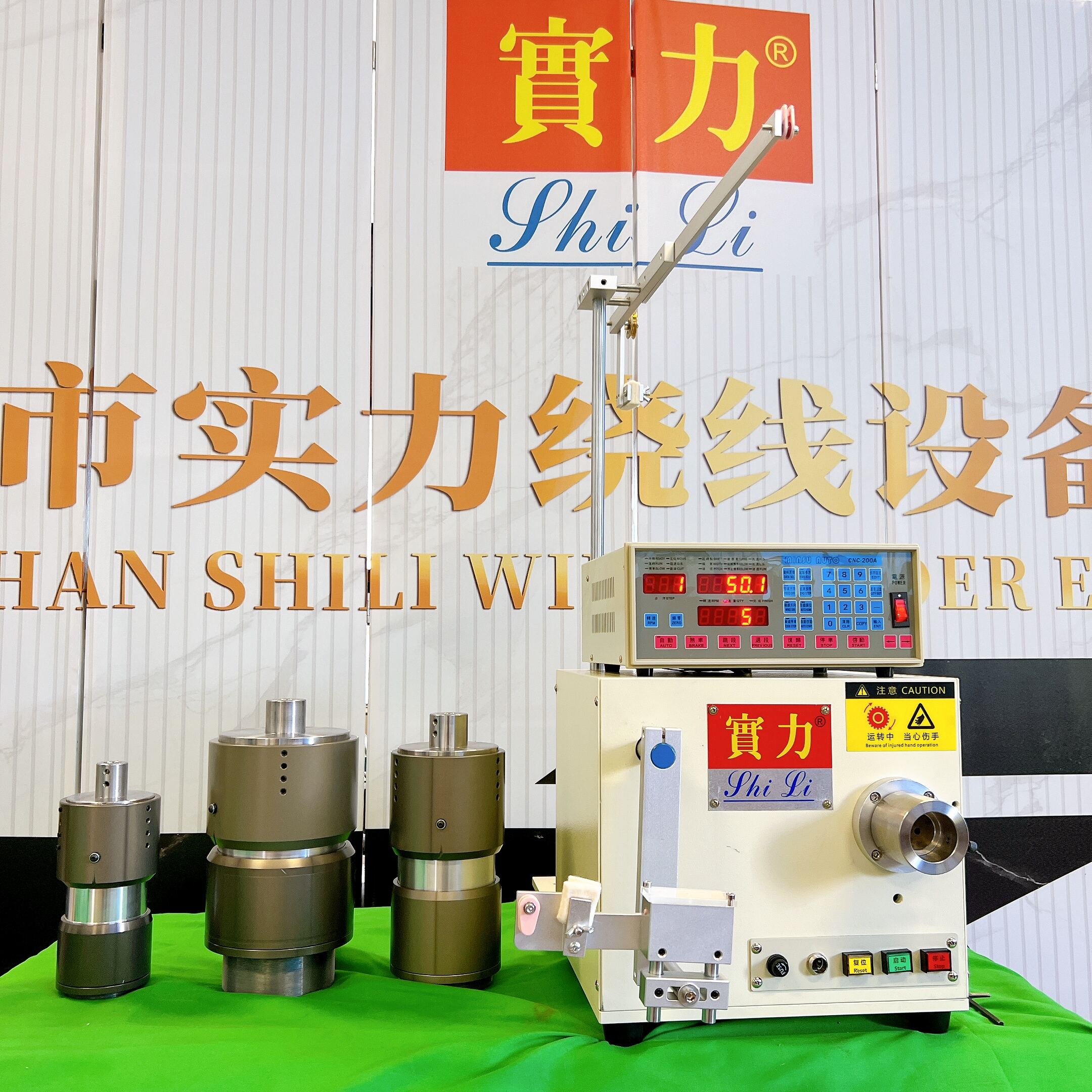
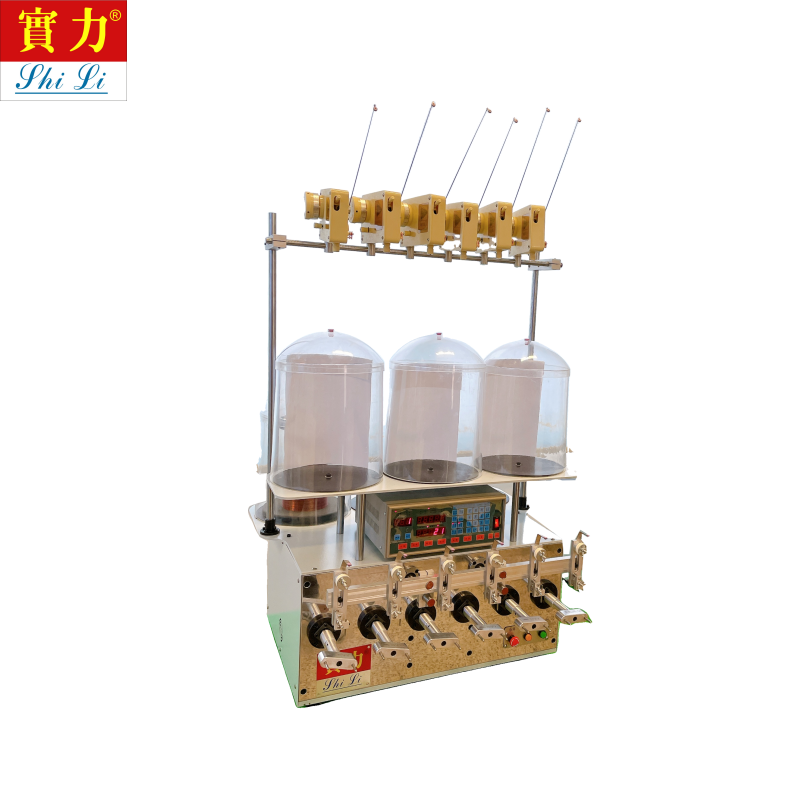
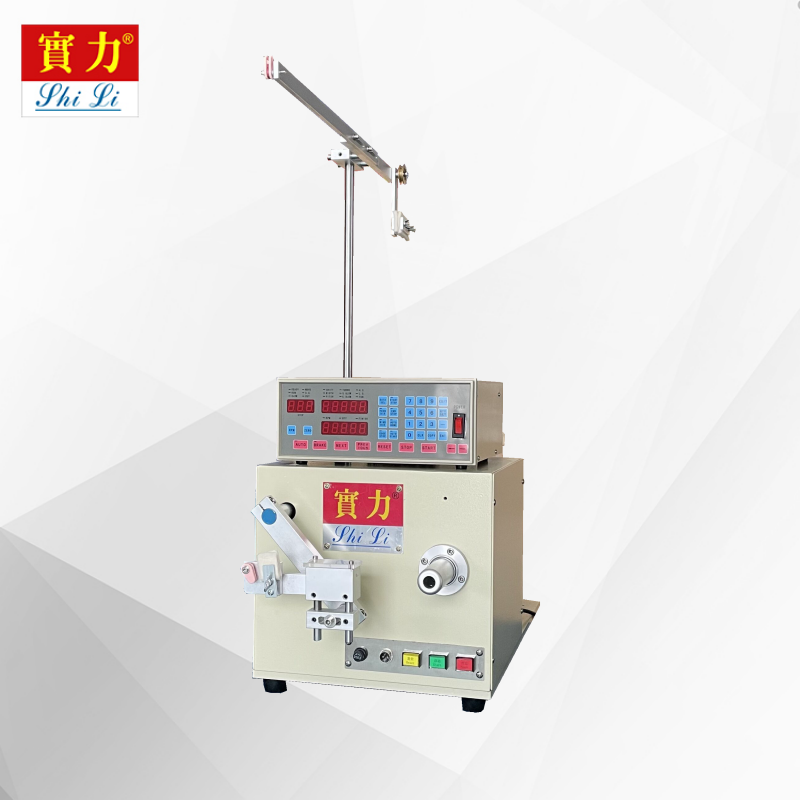
A ceiling fan winding machine represents a sophisticated piece of industrial equipment designed specifically for manufacturing the motor components of ceiling fans. This specialized machinery automates the critical process of winding copper wire around motor stators, ensuring precise coil formation that directly impacts fan performance and efficiency. The ceiling fan winding machine incorporates advanced servo motor technology and computerized control systems to deliver consistent winding patterns with exceptional accuracy. Modern ceiling fan winding machines feature programmable logic controllers that allow operators to adjust winding specifications for different fan motor designs, accommodating various wire gauges, turn counts, and coil configurations. These machines typically include automatic wire feeding mechanisms, tension control systems, and integrated cutting tools that streamline the entire winding process. The technological architecture of a ceiling fan winding machine encompasses multiple stations for simultaneous processing, significantly increasing production throughput compared to manual winding methods. Advanced models incorporate touch-screen interfaces that simplify operation while providing real-time monitoring of critical parameters such as wire tension, winding speed, and coil resistance. Quality control features built into the ceiling fan winding machine include automatic wire break detection, turn counting verification, and electrical continuity testing. The equipment serves diverse applications across the ceiling fan manufacturing industry, from small-scale production facilities to large industrial operations. Various motor configurations can be accommodated, including single-phase and three-phase designs, with adjustable parameters to meet specific electrical requirements. The ceiling fan winding machine significantly reduces labor costs while improving product consistency and reliability. Modern systems often feature modular designs that enable easy maintenance and component replacement, ensuring minimal downtime during production cycles.
 ×
×
 EN
EN