Professional Toroidal Winding Machine - Advanced Automated Coil Winding Solutions

Get a Free Quote

Our representative will contact you soon.
Email
Name
Company Name
Message
0/1000

toroidal winding machine

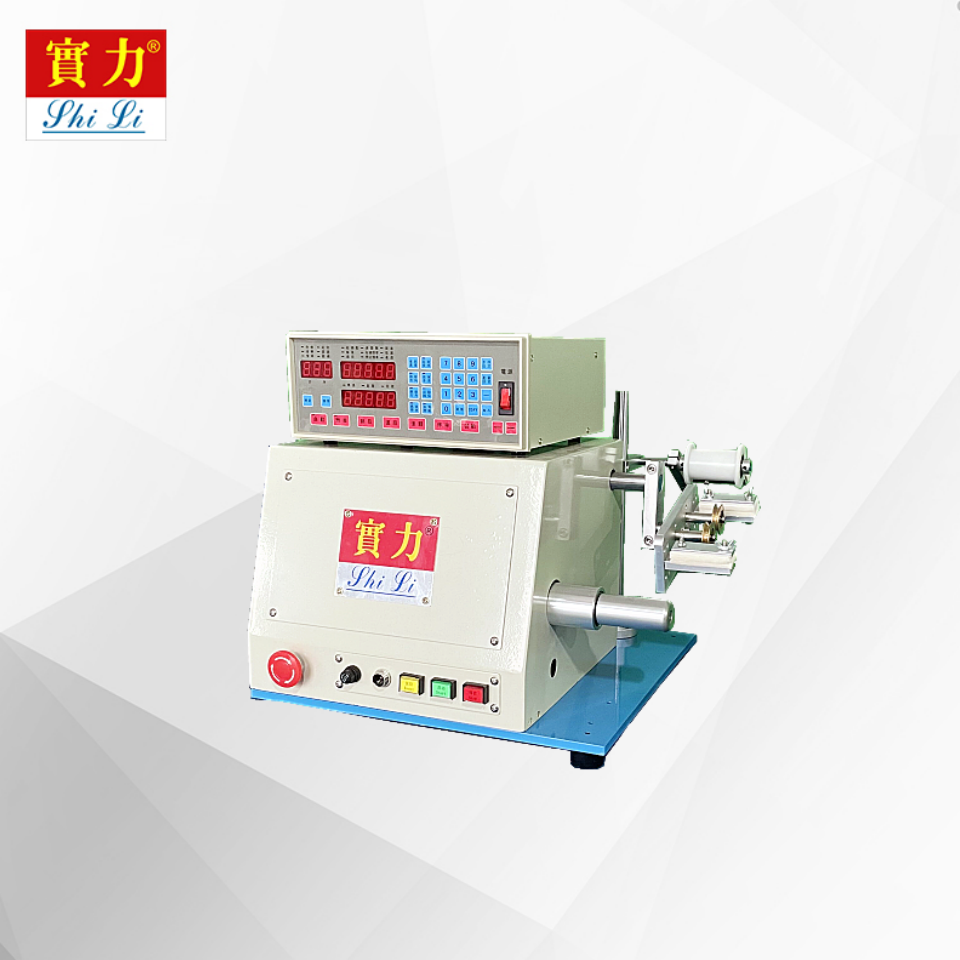
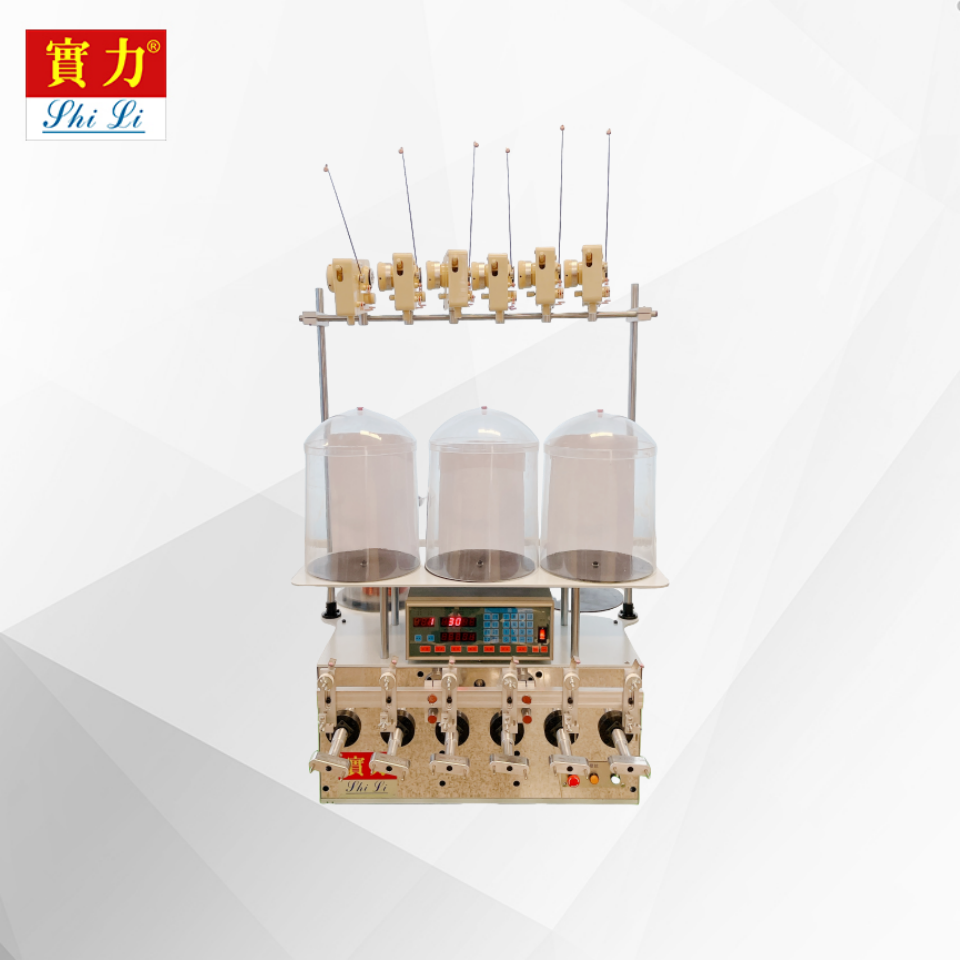
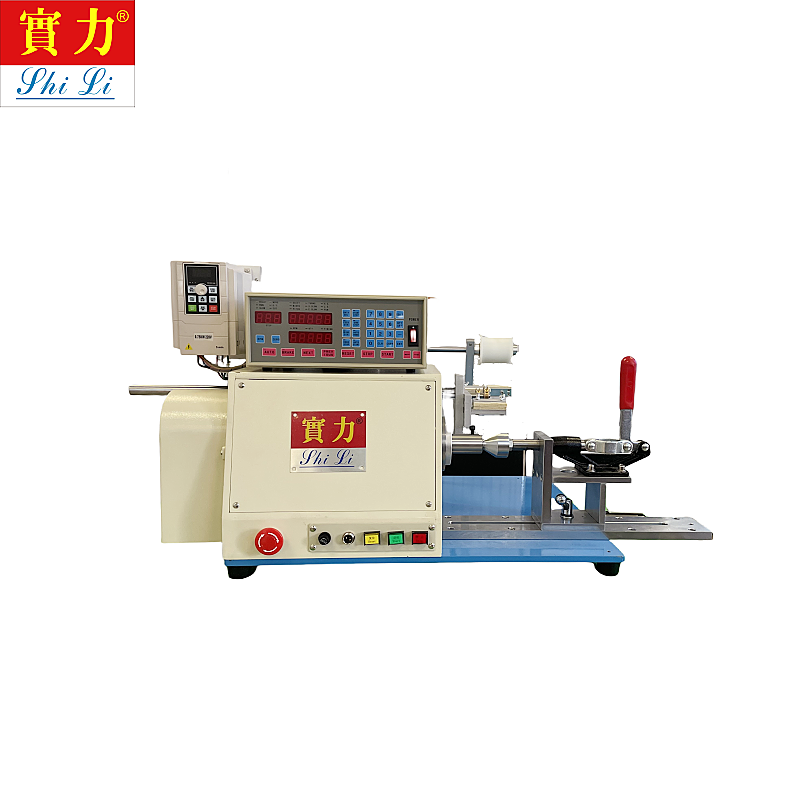
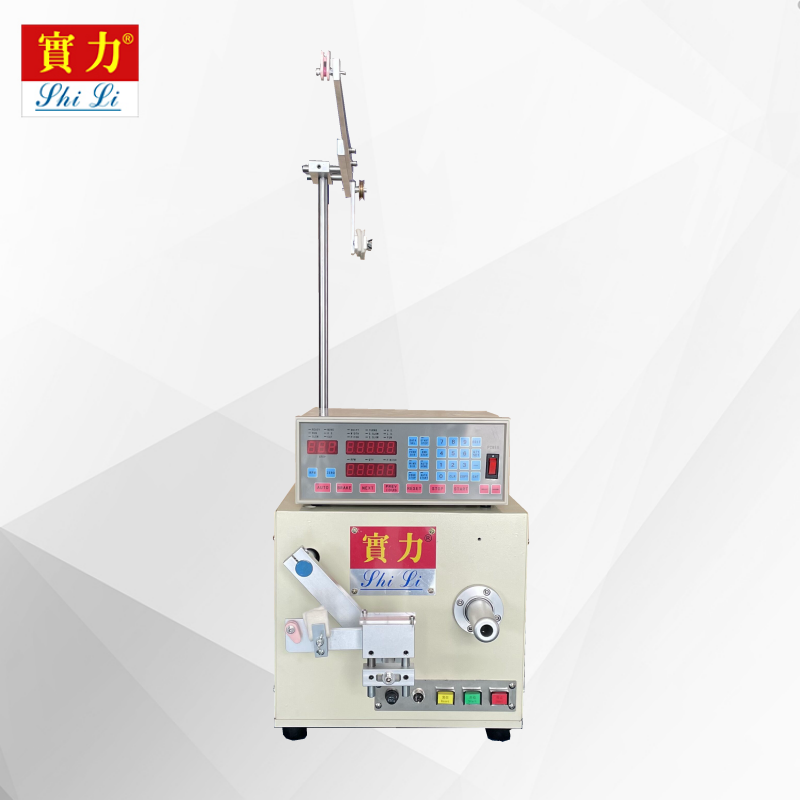
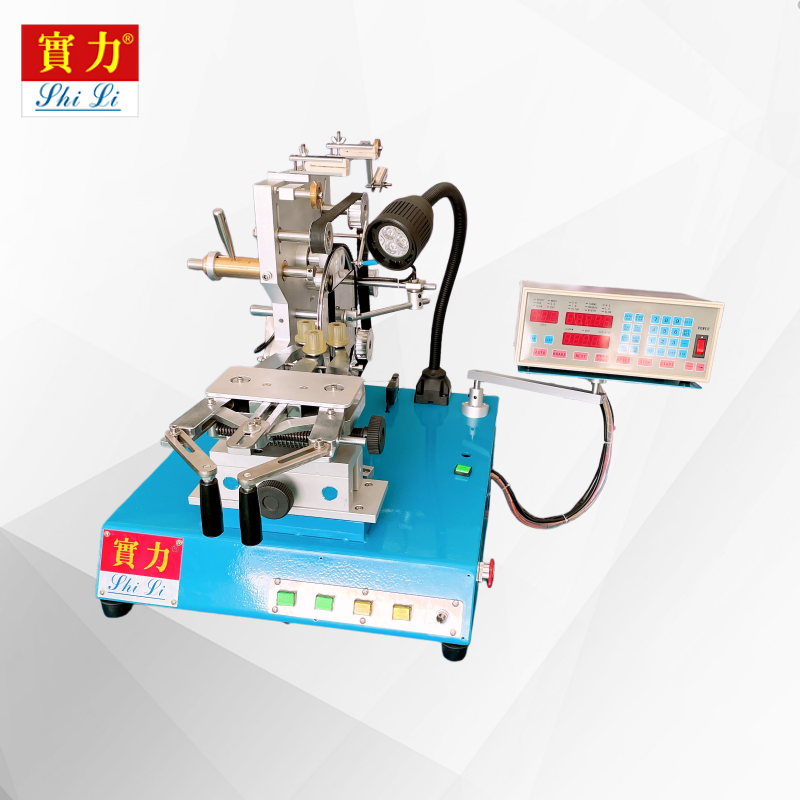
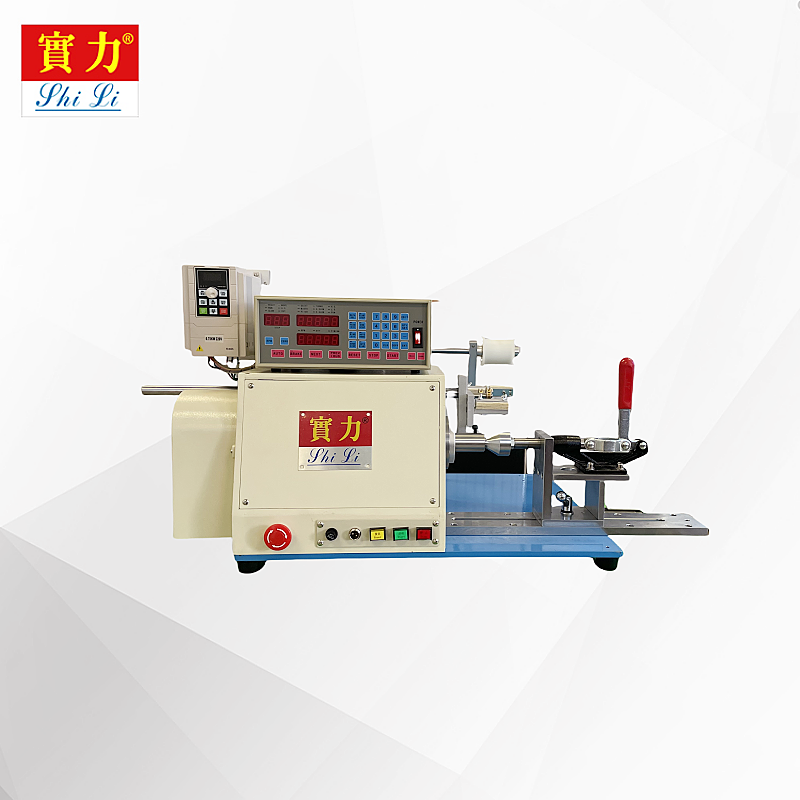
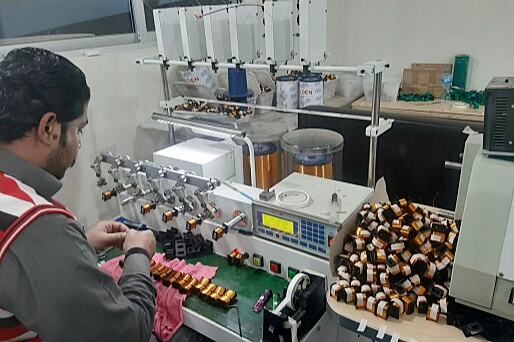
A toroidal winding machine represents a specialized piece of manufacturing equipment designed specifically for creating toroidal transformers, inductors, and chokes. This precision machinery automates the complex process of winding copper wire or other conductive materials around doughnut-shaped cores, delivering consistent and reliable results that would be virtually impossible to achieve through manual winding methods. The toroidal winding machine operates through a sophisticated mechanism that feeds wire through the center hole of the toroidal core while simultaneously rotating the core to ensure even distribution and proper tension control. The primary function of this equipment centers on producing high-quality electromagnetic components used in power supplies, audio equipment, medical devices, and industrial applications. Modern toroidal winding machines incorporate advanced technological features including programmable logic controllers that allow operators to set precise parameters for wire tension, winding speed, and layer distribution. These machines typically feature servo-driven motors that provide exceptional accuracy in positioning and speed control, ensuring each turn is placed exactly where needed. The automated tensioning systems maintain consistent wire stress throughout the winding process, preventing loose coils or excessive tension that could damage the wire or core material. Many units include digital counters and monitoring systems that track the number of turns, wire length consumed, and production statistics. The versatility of toroidal winding machines extends across multiple industries, from telecommunications infrastructure requiring high-frequency transformers to renewable energy systems needing efficient power conversion components. These machines accommodate various core sizes, wire gauges, and winding patterns, making them suitable for both prototype development and high-volume production environments. Quality control features often include automatic wire break detection, core positioning sensors, and integration capabilities with factory automation systems.
New Products

The toroidal winding machine delivers significant operational benefits that directly impact manufacturing efficiency and product quality. First, these machines dramatically reduce production time compared to manual winding methods, completing complex toroidal components in minutes rather than hours. This speed advantage translates into higher throughput and faster order fulfillment, allowing manufacturers to meet tight delivery schedules and respond quickly to market demands. The precision capabilities of toroidal winding machines eliminate human error from the winding process, ensuring each component meets exact specifications consistently. This reliability reduces waste materials, minimizes rework requirements, and improves overall product quality, leading to higher customer satisfaction and reduced warranty claims. Labor cost savings represent another substantial advantage, as these machines require minimal operator intervention once programmed and set up. A single operator can often manage multiple toroidal winding machines simultaneously, significantly reducing per-unit labor costs while freeing skilled workers for other value-added tasks. The consistent tension control provided by automated systems prevents common winding defects such as loose coils, crossed wires, or uneven distribution that frequently occur with manual methods. This consistency ensures optimal electrical performance and extends the service life of finished components. Flexibility stands out as a key operational benefit, with most toroidal winding machines capable of handling different core sizes and wire specifications through simple programming changes. This adaptability allows manufacturers to produce various product lines using the same equipment, reducing capital investment requirements and maximizing equipment utilization. The data collection and monitoring capabilities built into modern toroidal winding machines provide valuable production insights, enabling continuous process improvement and predictive maintenance scheduling. These machines often include safety features that protect operators from moving parts and electrical hazards while maintaining compliance with industrial safety standards. Energy efficiency improvements result from optimized motor controls and intelligent power management systems that reduce overall electricity consumption compared to older mechanical alternatives. The compact footprint of most toroidal winding machines makes them suitable for facilities with limited floor space, while their robust construction ensures reliable operation in demanding industrial environments.

Practical Tips

Solve Solenoid Valve Coil Production Pain Points for India | Easy Operation Guide

05

Feb

Solve Solenoid Valve Coil Production Pain Points for India | Easy Operation Guide

View More
Bangladesh Client Raves: Efficiency + Stable Quality

05

Feb

Bangladesh Client Raves: Efficiency + Stable Quality

View More
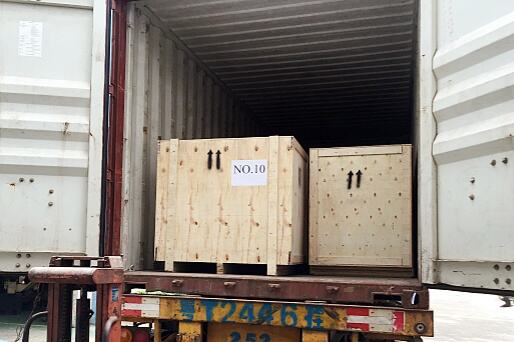
Turkey Full Container Shipment: Rave Reviews & Repeat Orders

05

Feb

Turkey Full Container Shipment: Rave Reviews & Repeat Orders

View More

Get a Free Quote

Our representative will contact you soon.
Email
Name
Company Name
Message
0/1000

toroidal winding machine

Advanced Precision Control System

Advanced Precision Control System

The sophisticated precision control system integrated into modern toroidal winding machines represents a revolutionary advancement in electromagnetic component manufacturing technology. This comprehensive control architecture combines multiple sensor technologies, real-time feedback mechanisms, and intelligent programming capabilities to achieve unprecedented accuracy in wire placement and tension management. The system utilizes high-resolution encoders and position sensors that monitor core rotation and wire feed rates with microscopic precision, ensuring each wire turn is positioned exactly according to programmed specifications. Advanced servo motors provide smooth, precise movement control that eliminates the jerky motion and inconsistent spacing common in older mechanical systems. The programmable logic controller at the heart of this system allows operators to create and store complex winding patterns, accommodating everything from simple single-layer configurations to intricate multi-layer designs with specific crossing patterns and tap locations. Real-time monitoring capabilities continuously track critical parameters including wire tension, core temperature, and winding progress, automatically adjusting operations to maintain optimal conditions throughout the production cycle. This intelligent system can detect and compensate for minor variations in core dimensions or wire characteristics, maintaining consistent quality even when working with materials that fall within normal manufacturing tolerances. The user-friendly interface displays real-time production data and allows operators to make adjustments without stopping the machine, maximizing uptime and productivity. Quality assurance features include automatic detection of wire breaks, core positioning errors, and tension anomalies, immediately alerting operators to potential issues before they result in defective products. The system stores detailed production logs for each component, providing traceability and supporting quality certification requirements in regulated industries such as medical devices and aerospace applications. Integration capabilities allow the toroidal winding machine to communicate with factory management systems, automatically updating production schedules and inventory requirements based on actual manufacturing progress.
Versatile Multi-Core Compatibility

Versatile Multi-Core Compatibility

The exceptional versatility and multi-core compatibility of advanced toroidal winding machines enable manufacturers to maximize their equipment investment while serving diverse market segments and product requirements. This adaptability stems from innovative mechanical design features and sophisticated software programming that accommodate an extensive range of core sizes, materials, and configurations without requiring extensive retooling or setup changes. The adjustable fixture system can securely hold toroidal cores ranging from miniature units measuring just a few millimeters in diameter to large industrial cores exceeding several hundred millimeters, all while maintaining proper alignment and stability throughout the winding process. Quick-change tooling systems allow operators to switch between different core sizes in minutes rather than hours, minimizing downtime and enabling efficient production of mixed batches or custom orders. The wire handling system demonstrates remarkable flexibility by accommodating various wire gauges, insulation types, and conductor materials including copper, aluminum, and specialized alloys used in high-frequency applications. Programmable wire guides automatically adjust their positioning based on core geometry and winding specifications, ensuring optimal wire placement regardless of the specific configuration being produced. The software control system stores unlimited winding programs, each containing detailed parameters for specific core and wire combinations, allowing operators to quickly recall proven settings for repeat orders while maintaining the flexibility to develop new programs for prototype or custom applications. This multi-core capability extends to different core materials including ferrite, iron powder, amorphous metals, and nanocrystalline alloys, each requiring specific handling techniques and winding parameters that the machine can automatically implement. The economic benefits of this versatility become apparent when considering the alternative of purchasing multiple specialized machines for different product lines, making the toroidal winding machine an ideal solution for manufacturers serving multiple markets or those planning to expand their product offerings. Quality consistency across different core types and sizes ensures that manufacturers can maintain their reputation for reliability regardless of which specific products they choose to produce using their toroidal winding machine investment.
Enhanced Production Efficiency and ROI

Enhanced Production Efficiency and ROI

The remarkable production efficiency and return on investment delivered by modern toroidal winding machines transform manufacturing operations by dramatically reducing cycle times while simultaneously improving product quality and consistency. These efficiency gains result from the seamless integration of advanced automation technologies, intelligent process optimization, and robust mechanical engineering that eliminates bottlenecks common in traditional manufacturing approaches. Production speed improvements are immediately apparent, with typical cycle time reductions of 70-90% compared to manual winding methods, allowing manufacturers to complete orders faster and respond more effectively to urgent customer requirements. The automated nature of the toroidal winding machine enables continuous operation during normal working hours, with some models capable of unattended operation during off-shifts when properly configured with appropriate safety systems and material handling equipment. Reduced labor requirements represent a significant component of the overall efficiency improvement, as skilled operators can manage multiple machines simultaneously while less experienced workers can be trained to handle routine operations and material loading tasks. This labor optimization allows manufacturers to redeploy their most skilled personnel to higher-value activities such as quality control, process improvement, and new product development. Material utilization efficiency reaches new levels through precise wire length calculation and automated cutting systems that minimize waste while ensuring adequate material for each component, directly impacting material costs and inventory requirements. The consistency and reliability of automated production significantly reduce rejection rates and rework requirements, factors that often consume substantial resources in manual operations and can damage customer relationships when delivery schedules are impacted. Predictive maintenance capabilities built into modern toroidal winding machines help optimize equipment uptime by monitoring component wear and performance trends, enabling scheduled maintenance during planned downtime rather than unexpected failures during critical production periods. Energy efficiency improvements through optimized motor controls and intelligent power management systems reduce operational costs while supporting corporate sustainability initiatives. The comprehensive data collection and analysis capabilities provide manufacturing engineers with detailed insights into process performance, enabling continuous improvement initiatives that further enhance efficiency over time and supporting lean manufacturing objectives that many companies pursue to remain competitive in global markets.

Get a Free Quote

Our representative will contact you soon.
Email
Name
Company Name
Message
0/1000
Newsletter
Please Leave A Message With Us