toroidalna mašina za vijanje transformatora
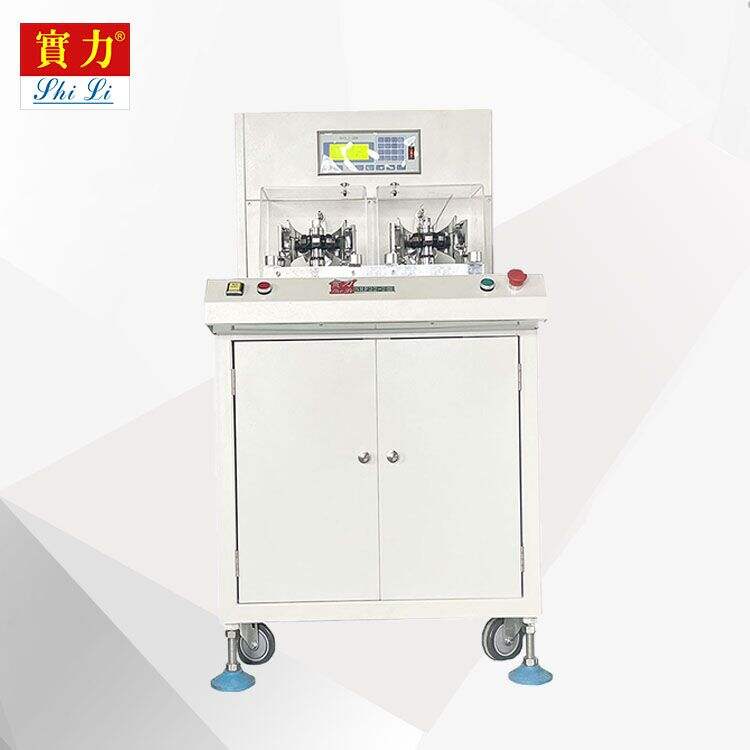
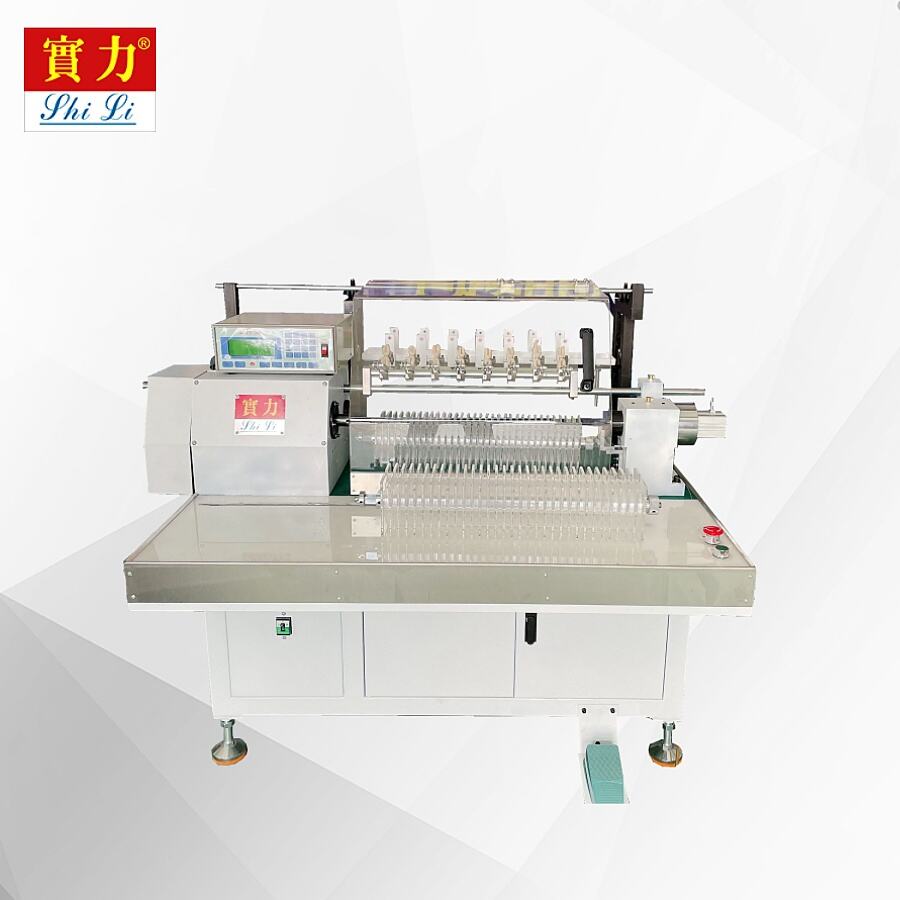
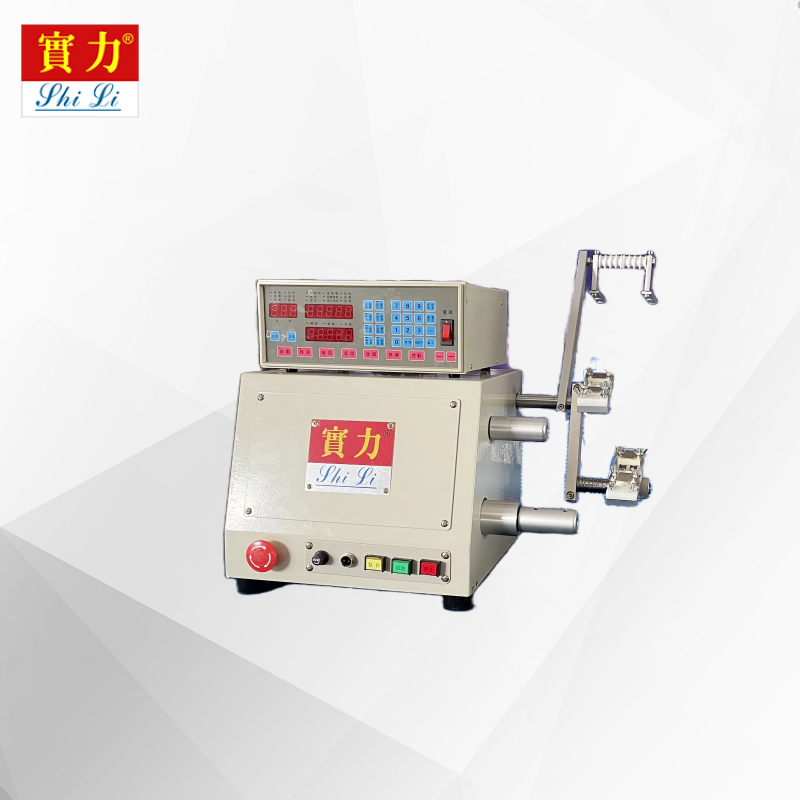
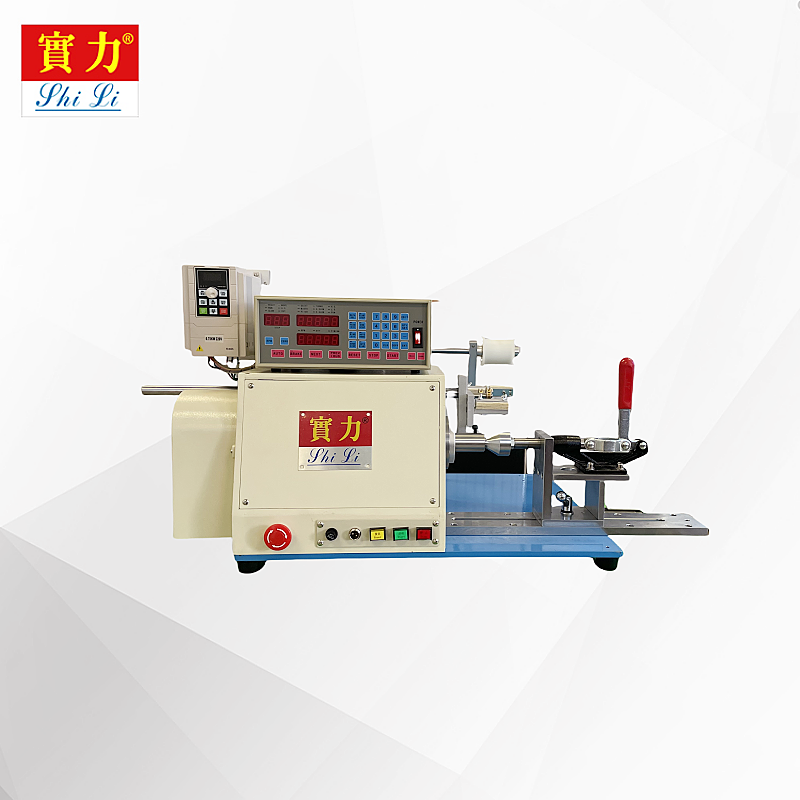
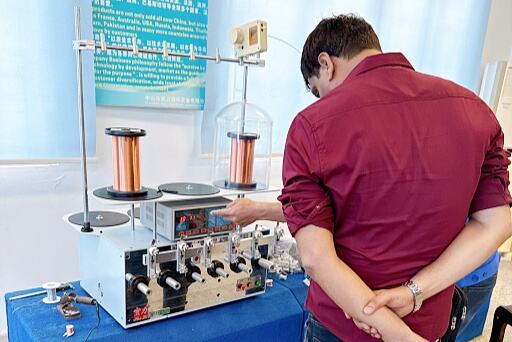
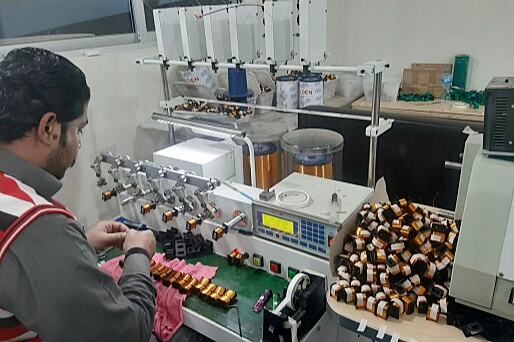
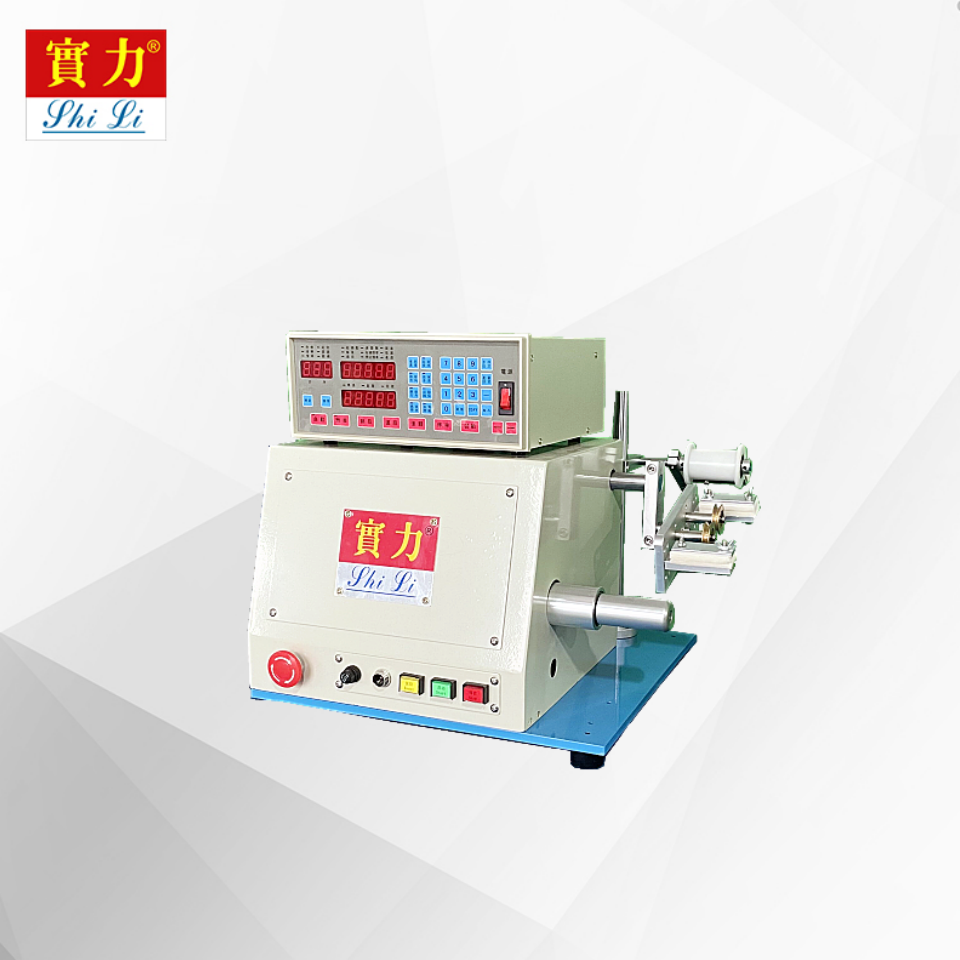
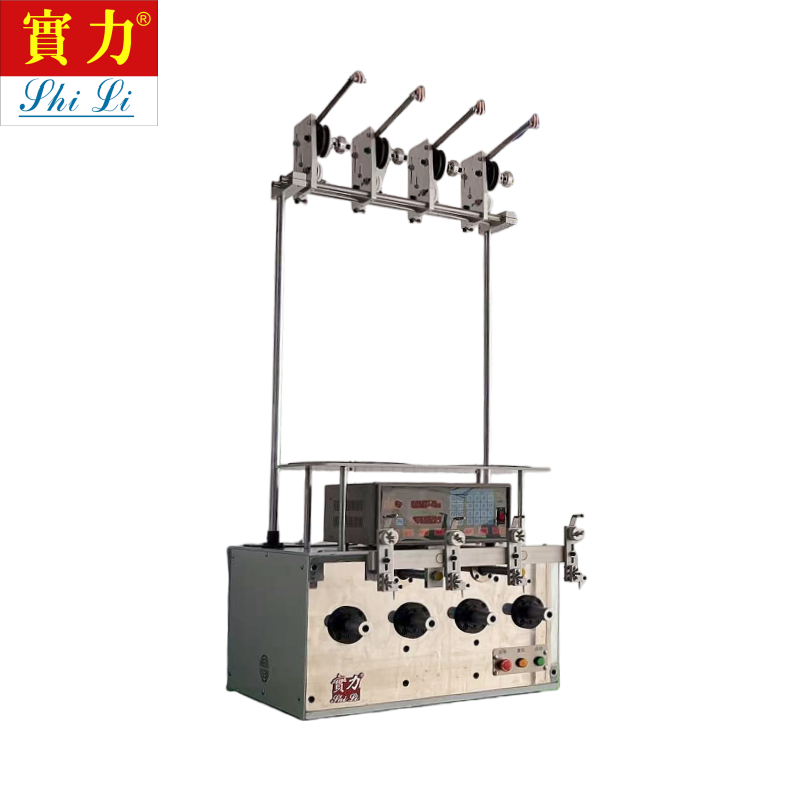
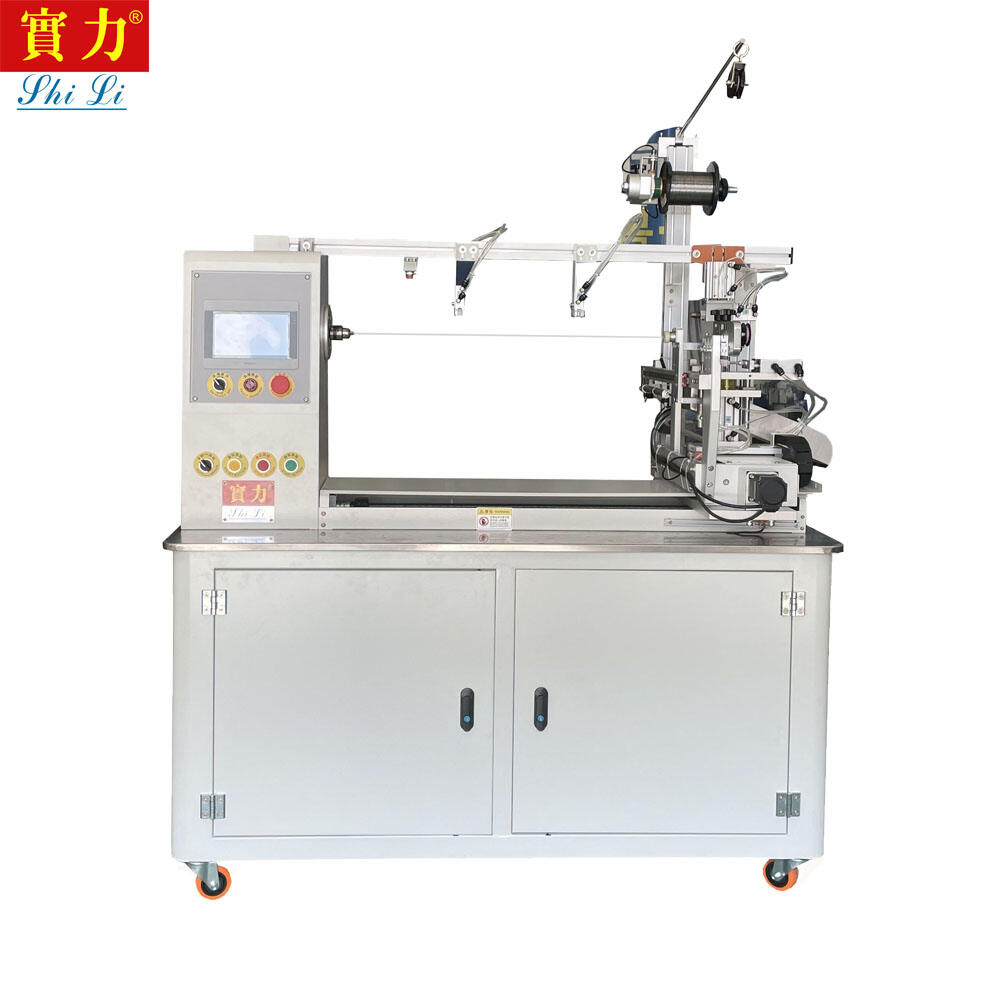
Torodni transformatorni mašineri predstavljaju specijalizovano proizvodno rešenje posebno dizajnirano za proizvodnju transformatora sa sržima u obliku krofna. Ova sofisticirana oprema automatski realizuje složen proces zavijanja bakarne žice oko toridnih jezgara, osiguravajući preciznost i konzistentnost koje ručne metode ne mogu postići. Mašina radi tako što okreće toridnu jezgru dok istovremeno hrani i pozicionira žicu kroz središnje otvore, stvarajući jednake navitke zavijanja koji maksimalno povećavaju električnu efikasnost. Savremene mašine za navijanje toridnih transformatora imaju napredne sisteme kontrole koji sa izuzetnom preciznošću upravljaju naponom žice, brzinom i pozicioniranjem. Ove mašine imaju programske kontrolere koji omogućavaju operaterima da postave specifične parametre za različite specifikacije transformatora, uključujući merilo žice, broj okretaja i obrasce uzvaranja. Tehnološki okvir uključuje servomotore za preciznu kontrolu kretanja, automatske mehanizme za hranjenje žice i integrisane sisteme za praćenje napetosti koji sprečavaju lom žice tokom rada. Sigurnosne funkcije kao što su hitna zaustavljanja, zaštitne barijere i automatski protokoli za isključivanje osiguravaju zaštitu operatera tokom cijelog proizvodnog procesa. Dizajn mašine prilagođava se različitim veličinama jezgra i specifikacijama žice, što ga čini svestranim za različite aplikacije transformatora. Senzori za kontrolu kvaliteta nadgledaju konzistenciju navijača i otkrivaju potencijalne probleme u realnom vremenu, smanjujući kvarne proizvode i otpad materijala. Mnogi modeli uključuju digitalne prikaze koji prikazuju napredak proizvodnje, broj obrata i operativni status, pružajući operaterima bitne informacije za praćenje procesa. Aplikacije za mašine za navijanje torodnih transformatora obuhvataju više industrija, uključujući elektroenergetiku, proizvodnju audio opreme, medicinske uređaje i sisteme obnovljive energije. Ovi transformatori su posebno vrijedni u aplikacijama koje zahtevaju visoku efikasnost, nisku elektromagnetnu interferenciju i kompaktan dizajn. Sposobnost mašine da proizvodi dosledne, visokokvalitetne navučke čini je neophodnom za proizvođače koji žele da ispune stroge električne specifikacije, uz održavanje troškovno efikasnih proizvodnih količina.

 EN
EN