Toroidal Core Winding Machine - Advanced Automated Coil Winding Solutions

Get a Free Quote

Our representative will contact you soon.
Email
Name
Company Name
Message
0/1000

toroidal core winding machine

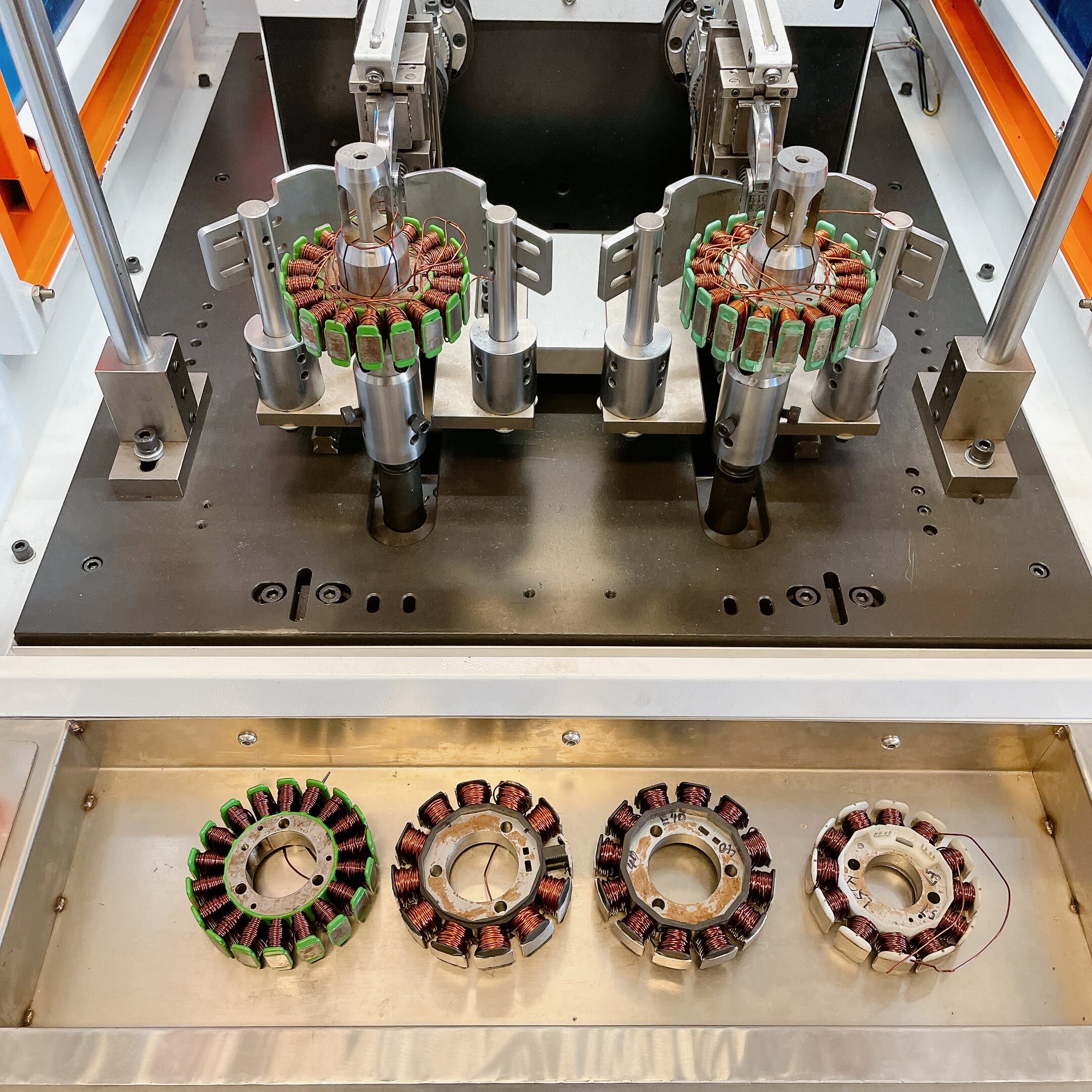
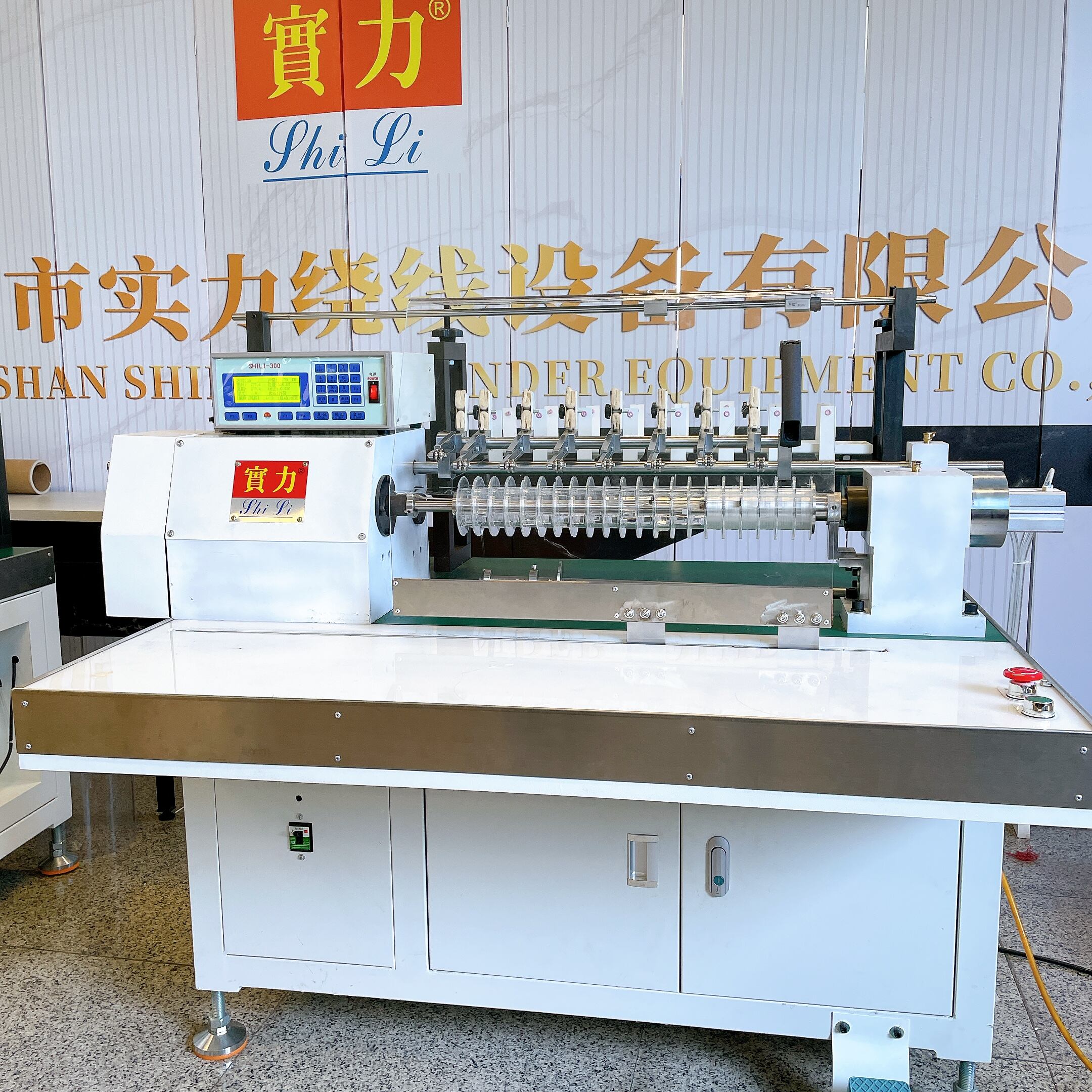
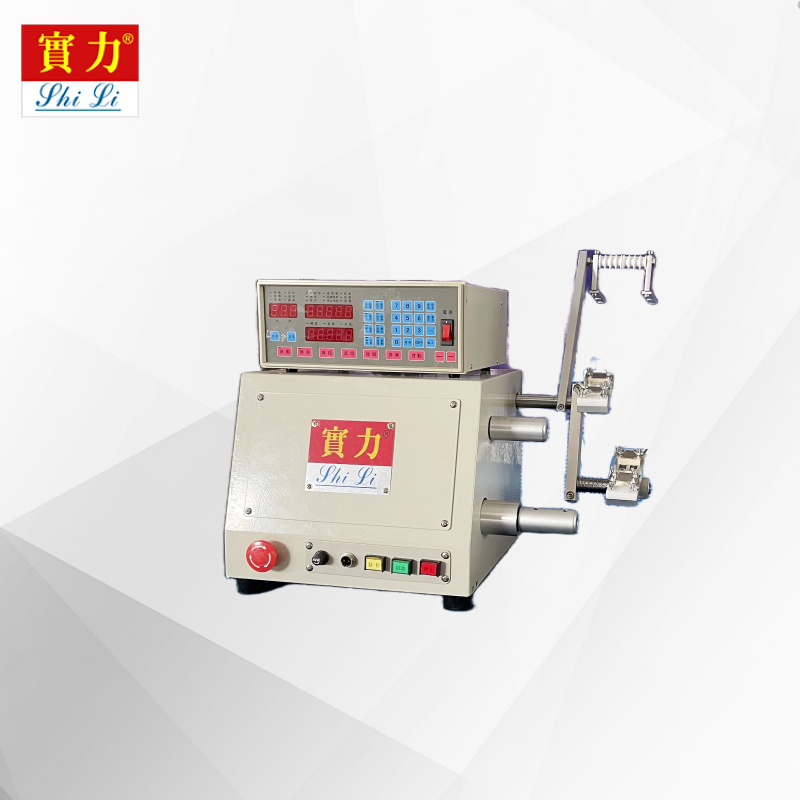
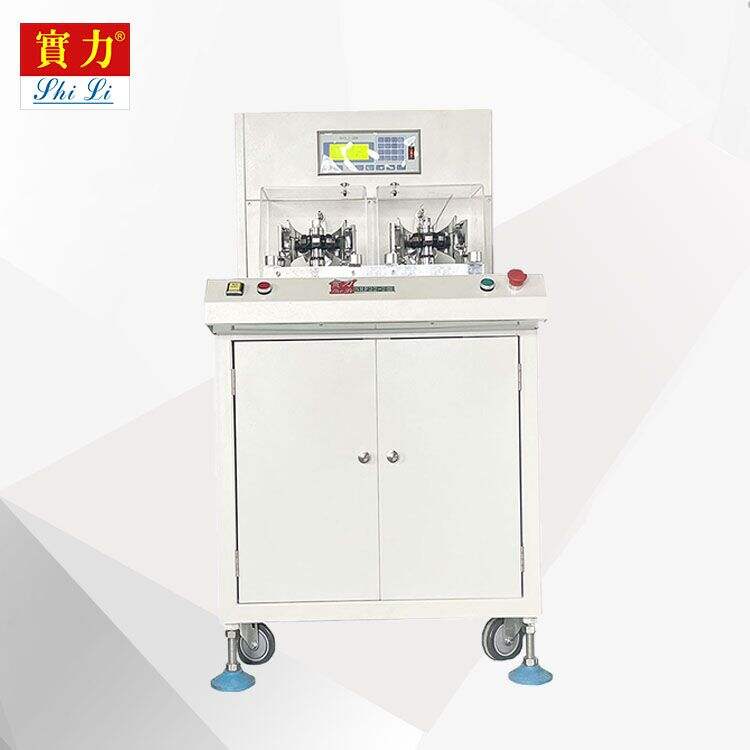
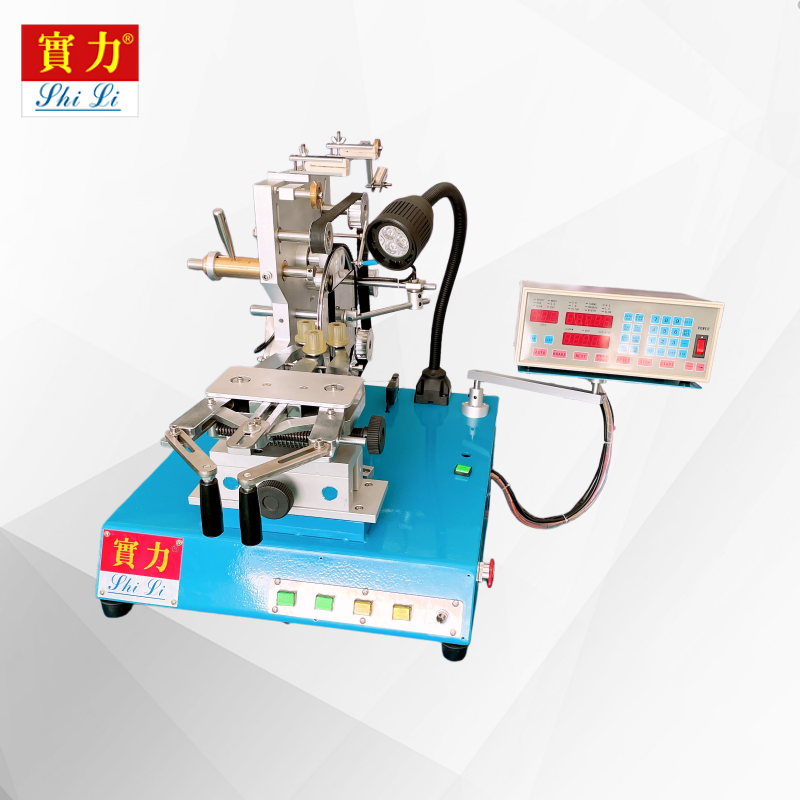
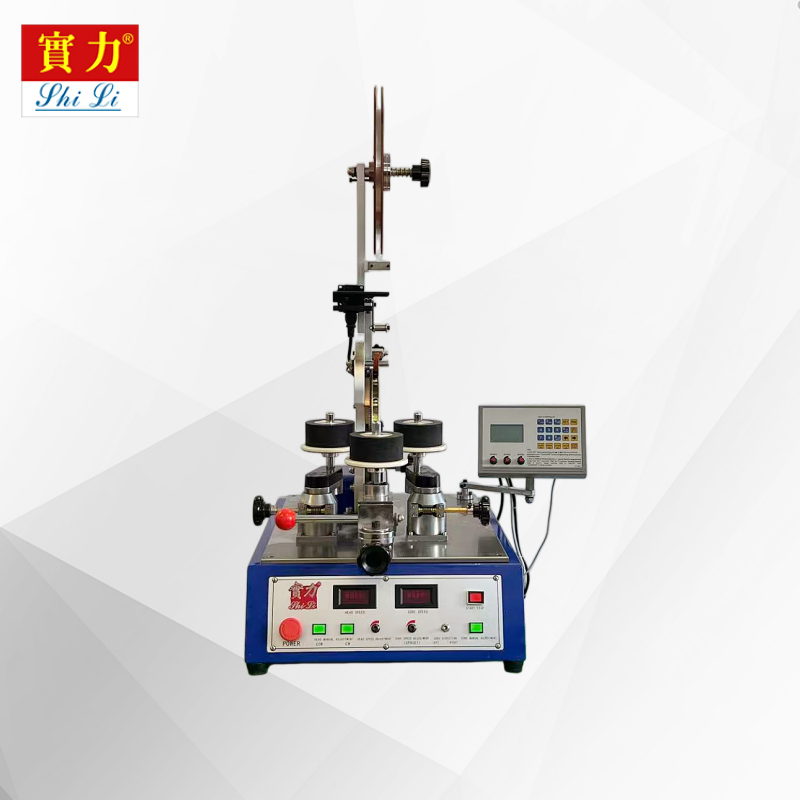
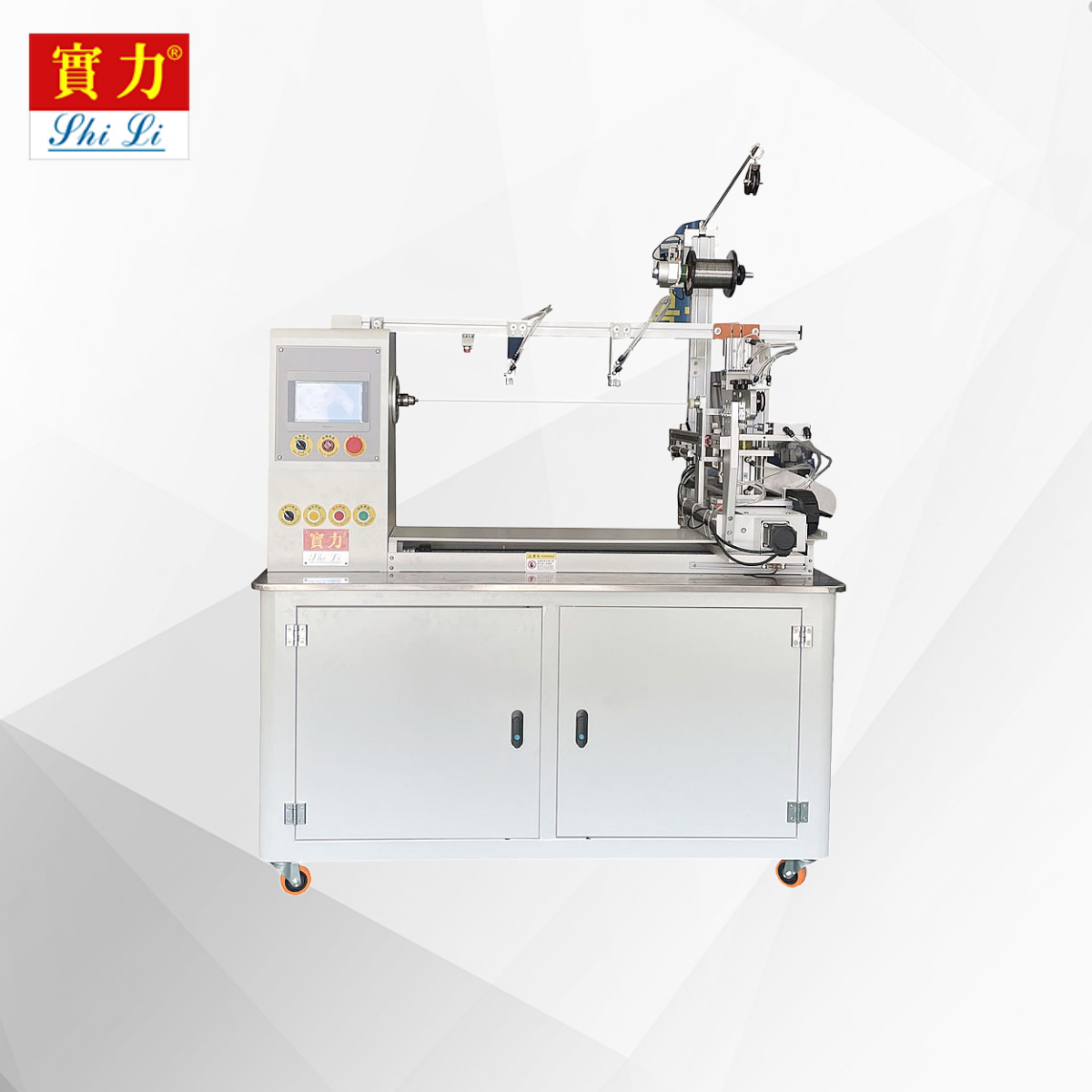
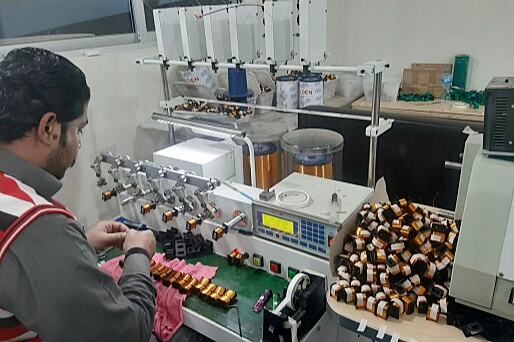
A toroidal core winding machine represents a specialized piece of manufacturing equipment designed to wind wire coils around toroidal cores with precision and efficiency. This sophisticated machinery automates the complex process of creating electromagnetic components used in transformers, inductors, and various electronic devices. The toroidal core winding machine operates by threading wire through the center of a donut-shaped magnetic core, systematically wrapping it around the circumference to create uniform coil windings. The primary function of this equipment centers on producing consistent, high-quality wound components that meet strict electrical specifications. Modern toroidal core winding machines incorporate advanced control systems that manage wire tension, winding speed, and layer distribution automatically. These machines feature programmable settings that allow operators to customize winding patterns, turn counts, and wire positioning according to specific product requirements. The technological architecture includes servo motors for precise movement control, tension monitoring systems to prevent wire breakage, and digital interfaces for easy operation. Wire feeding mechanisms ensure smooth material flow while maintaining optimal tension throughout the winding process. The equipment typically includes wire cutting and termination capabilities, enabling complete component production in a single operation. Quality control sensors monitor winding uniformity and detect potential defects during production. Applications for toroidal core winding machines span multiple industries including power electronics, audio equipment manufacturing, medical device production, and renewable energy systems. Transformer manufacturers rely on these machines to produce power distribution components, while audio equipment companies use them for creating high-fidelity inductors. The aerospace and automotive industries utilize wound toroidal cores in various electronic control systems. Medical equipment manufacturers depend on precisely wound cores for diagnostic imaging equipment and therapeutic devices. The versatility of toroidal core winding machines makes them essential tools for any organization requiring consistent production of electromagnetic components with superior performance characteristics and reliable operation standards.

New Product Releases

Toroidal core winding machines deliver substantial productivity improvements compared to manual winding methods, increasing output rates by up to 300 percent while maintaining superior quality standards. These automated systems eliminate human error factors that commonly occur during manual operations, ensuring every wound component meets exact specifications consistently. The precision control systems built into modern machines guarantee uniform wire distribution and optimal electrical properties across all manufactured units. Production costs decrease significantly when manufacturers implement toroidal core winding machines, as reduced labor requirements and faster processing times translate directly into improved profit margins. The automated nature of these machines allows continuous operation with minimal supervision, maximizing equipment utilization and production capacity. Quality consistency represents another major advantage, as computerized controls maintain precise wire tension and positioning throughout each winding cycle. This consistency reduces rejection rates and minimizes costly rework procedures that drain resources and delay deliveries. Operator safety improves dramatically when using automated winding equipment, as workers avoid repetitive motions and exposure to moving machinery components. The ergonomic design of modern toroidal core winding machines reduces workplace injuries and associated costs while improving employee satisfaction. Flexibility stands out as a key benefit, enabling rapid changeovers between different product specifications without extensive setup procedures. Programming capabilities allow manufacturers to store multiple winding patterns and switch between production runs efficiently. Energy efficiency built into contemporary machines reduces operational costs while supporting environmental sustainability goals. Advanced motor controls optimize power consumption during operation, contributing to lower utility expenses and reduced carbon footprints. Maintenance requirements remain minimal due to robust construction and quality components used in machine assembly. Predictive maintenance features alert operators to potential issues before they cause production disruptions, ensuring maximum uptime and reliability. The scalability of toroidal core winding machines accommodates growing production demands without requiring complete system replacements. Manufacturers can expand capacity by adding additional machines or upgrading existing equipment with enhanced capabilities. Data collection and monitoring capabilities provide valuable production insights that help optimize processes and identify improvement opportunities. Integration with existing manufacturing systems enables seamless workflow coordination and enhanced overall efficiency throughout production facilities.

Tips And Tricks

Solve Solenoid Valve Coil Production Pain Points for India | Easy Operation Guide

05

Feb

Solve Solenoid Valve Coil Production Pain Points for India | Easy Operation Guide

View More
Bangladesh Client Raves: Efficiency + Stable Quality

05

Feb

Bangladesh Client Raves: Efficiency + Stable Quality

View More
Turkey Full Container Shipment: Rave Reviews & Repeat Orders

05

Feb

Turkey Full Container Shipment: Rave Reviews & Repeat Orders

View More

Get a Free Quote

Our representative will contact you soon.
Email
Name
Company Name
Message
0/1000

toroidal core winding machine

Precision Control Technology for Superior Component Quality

Precision Control Technology for Superior Component Quality

The precision control technology integrated into modern toroidal core winding machines represents a breakthrough in manufacturing accuracy that delivers unmatched component quality and reliability. This advanced system utilizes sophisticated servo motors combined with high-resolution encoders to achieve positioning accuracy within micrometers, ensuring every wire placement follows predetermined patterns exactly. The control algorithms continuously monitor and adjust winding parameters in real-time, compensating for variables such as wire diameter variations, core material properties, and environmental conditions that could affect final product quality. Temperature sensors throughout the machine provide feedback to maintain optimal operating conditions, while tension monitoring systems prevent wire stretching or breaking that could compromise electrical performance. The programmable logic controllers store unlimited winding patterns, allowing manufacturers to switch between different product specifications instantly without manual adjustments or lengthy setup procedures. Operators can fine-tune parameters such as wire speed, tension levels, and layer distribution through intuitive touchscreen interfaces that display real-time production data and quality metrics. The precision control system includes automatic wire cutting and termination features that ensure consistent lead lengths and secure connections every time. Quality validation sensors verify proper wire placement and detect potential defects during the winding process, triggering automatic corrections or stopping production to prevent defective components from advancing. The closed-loop feedback systems continuously compare actual performance against programmed specifications, making micro-adjustments to maintain perfect alignment throughout extended production runs. This level of precision eliminates the variability inherent in manual winding processes, where human factors such as fatigue, inconsistent hand movements, and subjective quality assessments can introduce defects. The result is a dramatic improvement in first-pass yield rates, with many manufacturers reporting quality improvements exceeding 99 percent compared to traditional winding methods. The precision control technology also enables the production of complex winding patterns that would be impossible to achieve manually, opening new possibilities for component design and performance optimization that can provide competitive advantages in demanding applications.
High-Speed Automation for Maximum Production Efficiency

High-Speed Automation for Maximum Production Efficiency

The high-speed automation capabilities of toroidal core winding machines revolutionize manufacturing efficiency by delivering unprecedented production rates while maintaining exceptional quality standards throughout continuous operation cycles. These advanced machines operate at winding speeds exceeding 2000 RPM, completing complex coil assemblies in minutes rather than hours required by manual methods. The automated systems eliminate bottlenecks associated with human limitations, enabling 24-hour production schedules that maximize equipment utilization and accelerate order fulfillment. Rapid changeover mechanisms allow switching between different product configurations in under five minutes, minimizing downtime and supporting flexible manufacturing strategies that respond quickly to changing market demands. The automation extends beyond basic winding functions to include wire feeding, cutting, termination, and quality inspection processes that create a complete production solution. Robotic loading and unloading systems handle core placement and finished component removal, further reducing cycle times and labor requirements while ensuring consistent handling procedures. The integrated material handling systems automatically select appropriate wire gauges and core sizes according to programmed specifications, eliminating manual selection errors and speeding production setup. Advanced scheduling software coordinates multiple machine operations simultaneously, optimizing resource allocation and maintaining steady workflow throughout manufacturing facilities. The high-speed capabilities do not compromise accuracy, as sophisticated control systems maintain precise wire placement even at maximum operating speeds through dynamic adjustment algorithms. Predictive maintenance systems monitor component wear patterns and operating conditions to schedule service activities during planned downtime, preventing unexpected breakdowns that could disrupt production schedules. The automation reduces direct labor costs by up to 70 percent compared to manual operations while improving worker productivity through reallocation to higher-value activities such as quality control and process optimization. Energy-efficient designs minimize power consumption despite high-speed operation, contributing to sustainable manufacturing practices and reduced operational costs. The combination of speed and automation enables manufacturers to accept larger orders and shorter delivery schedules, expanding market opportunities and improving competitive positioning in demanding industrial sectors.
Versatile Programming Features for Diverse Manufacturing Applications

Versatile Programming Features for Diverse Manufacturing Applications

The versatile programming features incorporated into modern toroidal core winding machines provide manufacturers with unprecedented flexibility to accommodate diverse product requirements and adapt quickly to evolving market demands across multiple industry sectors. The comprehensive software platforms support unlimited winding pattern storage, enabling production facilities to maintain extensive libraries of product specifications that can be recalled instantly for repeat orders or custom applications. Advanced programming interfaces allow engineers to create complex winding sequences involving multiple wire gauges, varying tension levels, and intricate layer patterns that optimize electrical performance for specific applications. The graphical programming environment provides visual feedback during pattern development, allowing operators to preview winding sequences and identify potential issues before production begins. Recipe management systems organize production parameters by product families, simplifying setup procedures and ensuring consistent results across different production shifts and operators. The programming capabilities extend to automatic wire routing optimization, calculating the most efficient paths to minimize material waste and reduce winding time while maintaining specified electrical characteristics. Multi-language support and standardized programming protocols facilitate integration with existing manufacturing execution systems and enable seamless data exchange between different equipment platforms. Simulation features allow testing of new winding patterns in virtual environments before committing to actual production, reducing development time and eliminating costly trial-and-error procedures. The programming systems include built-in quality control parameters that automatically verify compliance with industry standards and customer specifications during production. Statistical process control integration tracks key performance indicators and generates detailed reports that support continuous improvement initiatives and regulatory compliance requirements. Remote programming capabilities enable expert technicians to modify production parameters from central locations, supporting distributed manufacturing operations and reducing travel costs for technical support. The flexible programming architecture accommodates future software updates and feature enhancements without requiring hardware replacements, protecting equipment investments and ensuring long-term viability. Custom macro development tools allow manufacturers to create specialized functions tailored to unique production requirements, providing competitive advantages through proprietary process capabilities. The programming versatility enables rapid prototyping of new products and supports research and development activities that drive innovation in electromagnetic component design and manufacturing efficiency.

Get a Free Quote

Our representative will contact you soon.
Email
Name
Company Name
Message
0/1000
Newsletter
Please Leave A Message With Us