Industrial Toroidal Winding Machine: Advanced Automated Solutions for Precision Electromagnetic Component Manufacturing

Get a Free Quote

Our representative will contact you soon.
Email
Name
Company Name
Message
0/1000

industrial toroidal winding machine

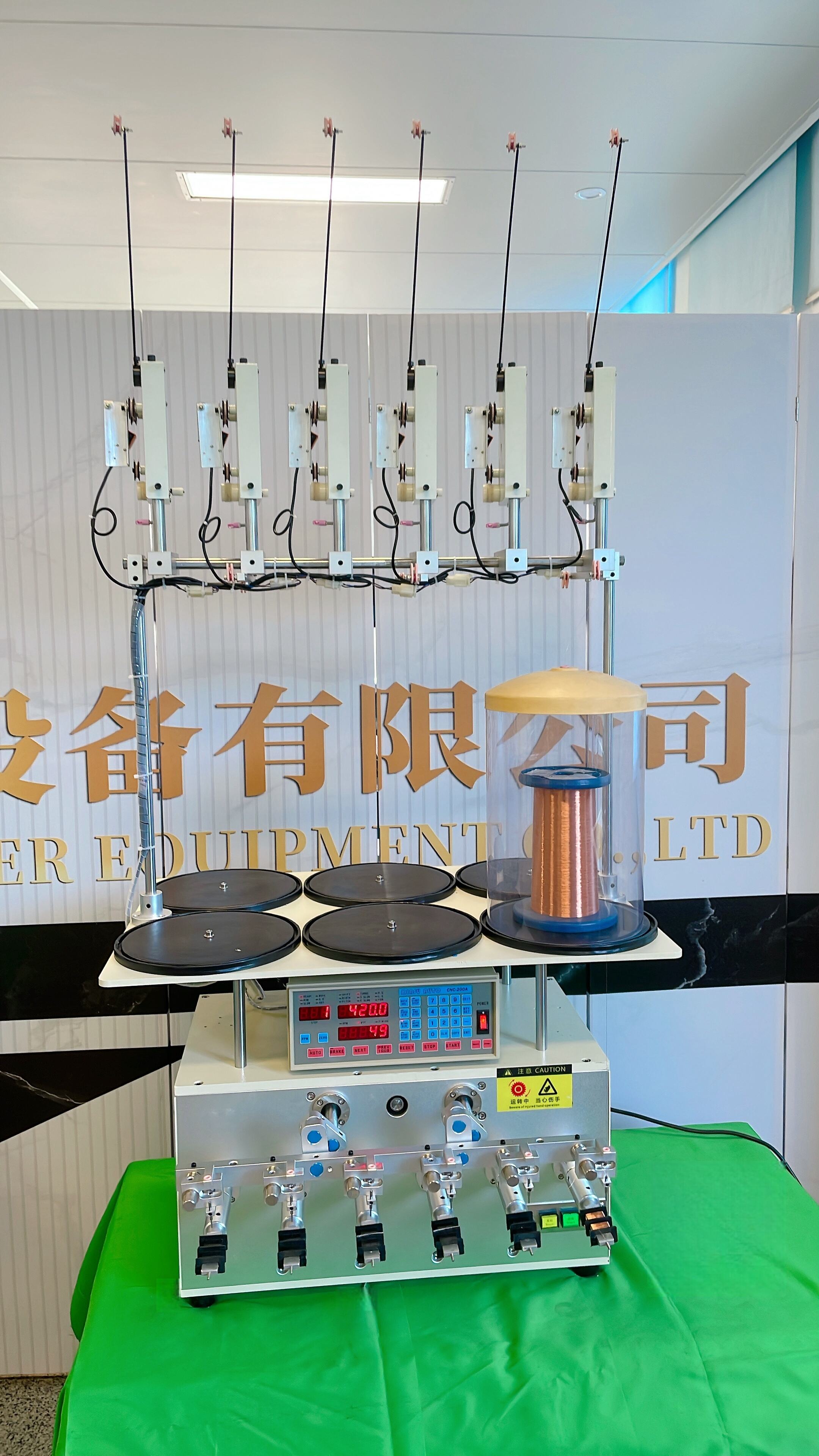
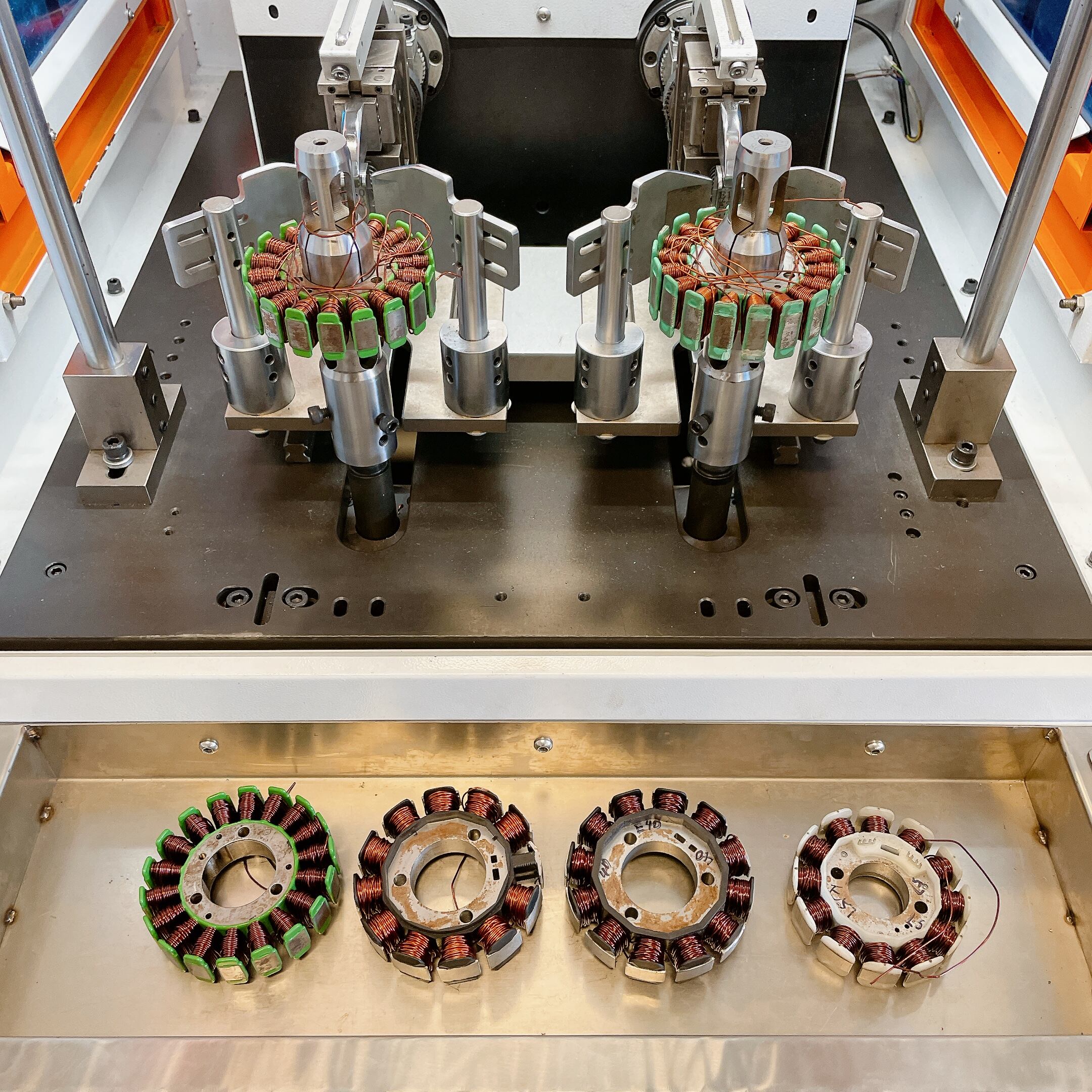
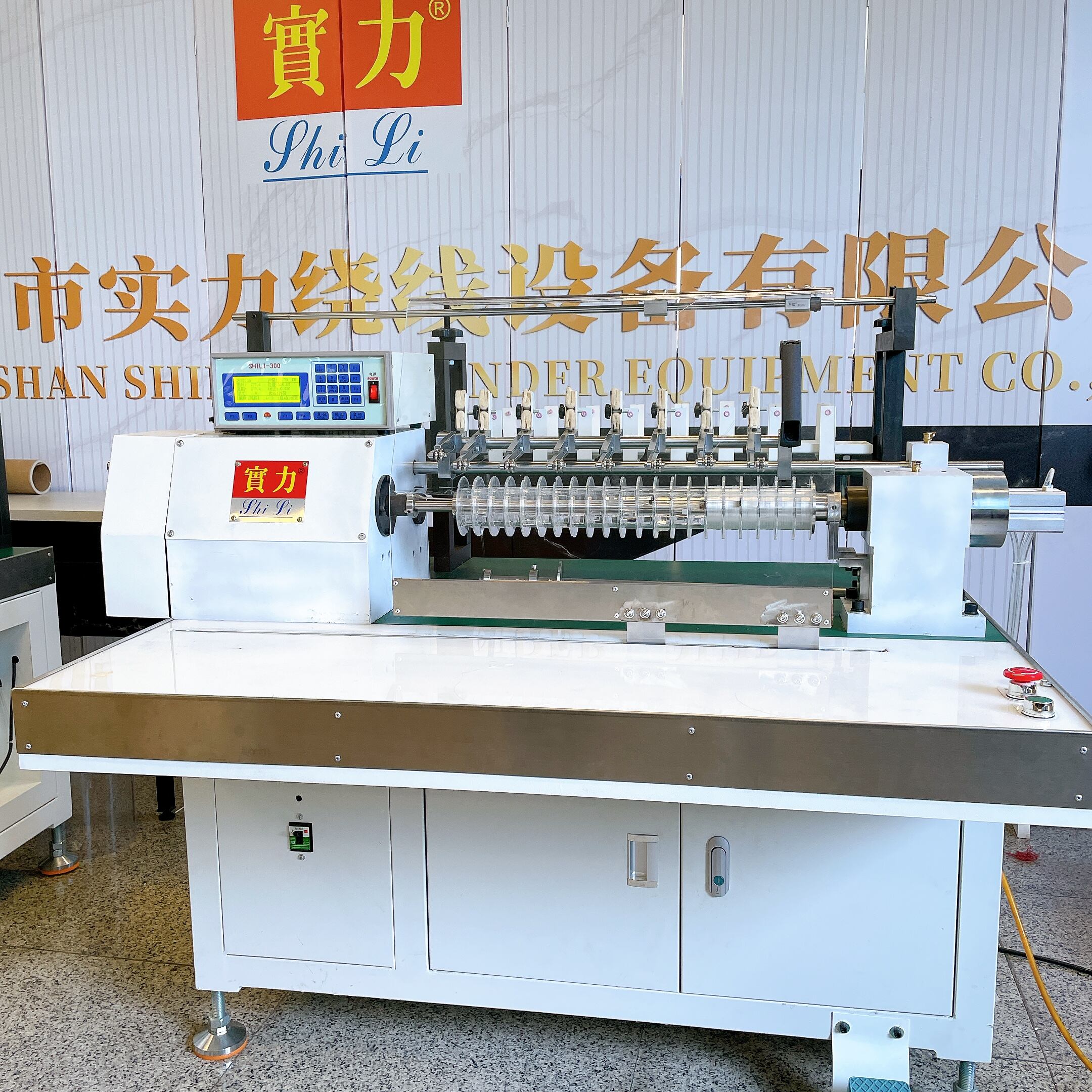
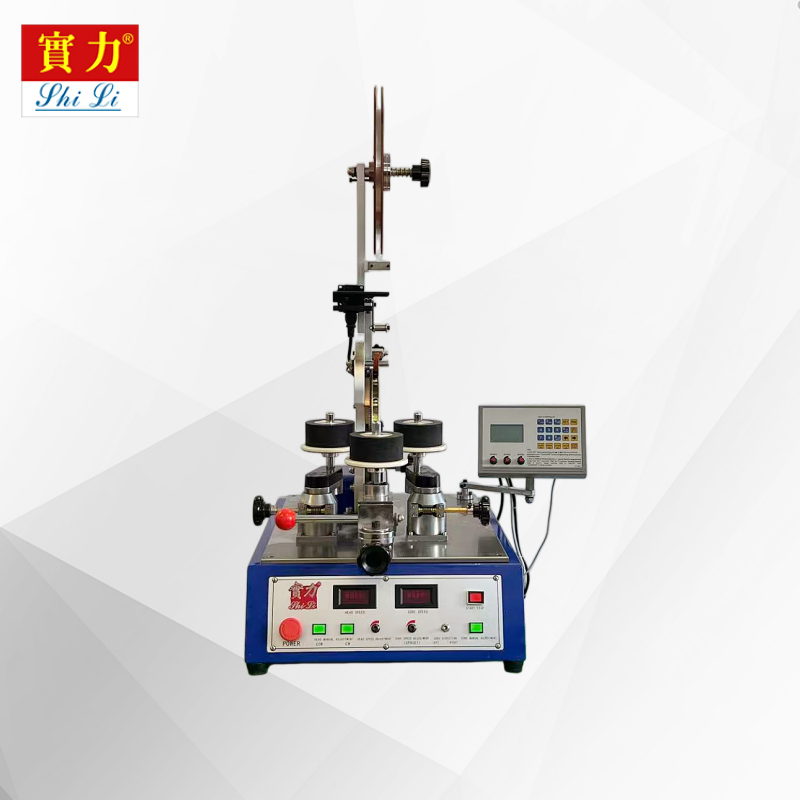
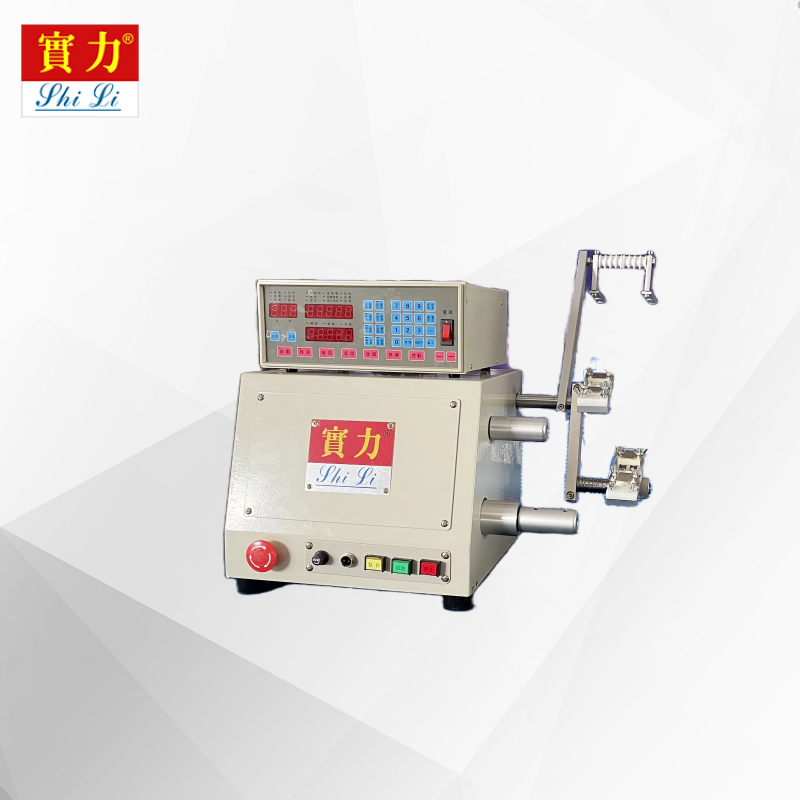
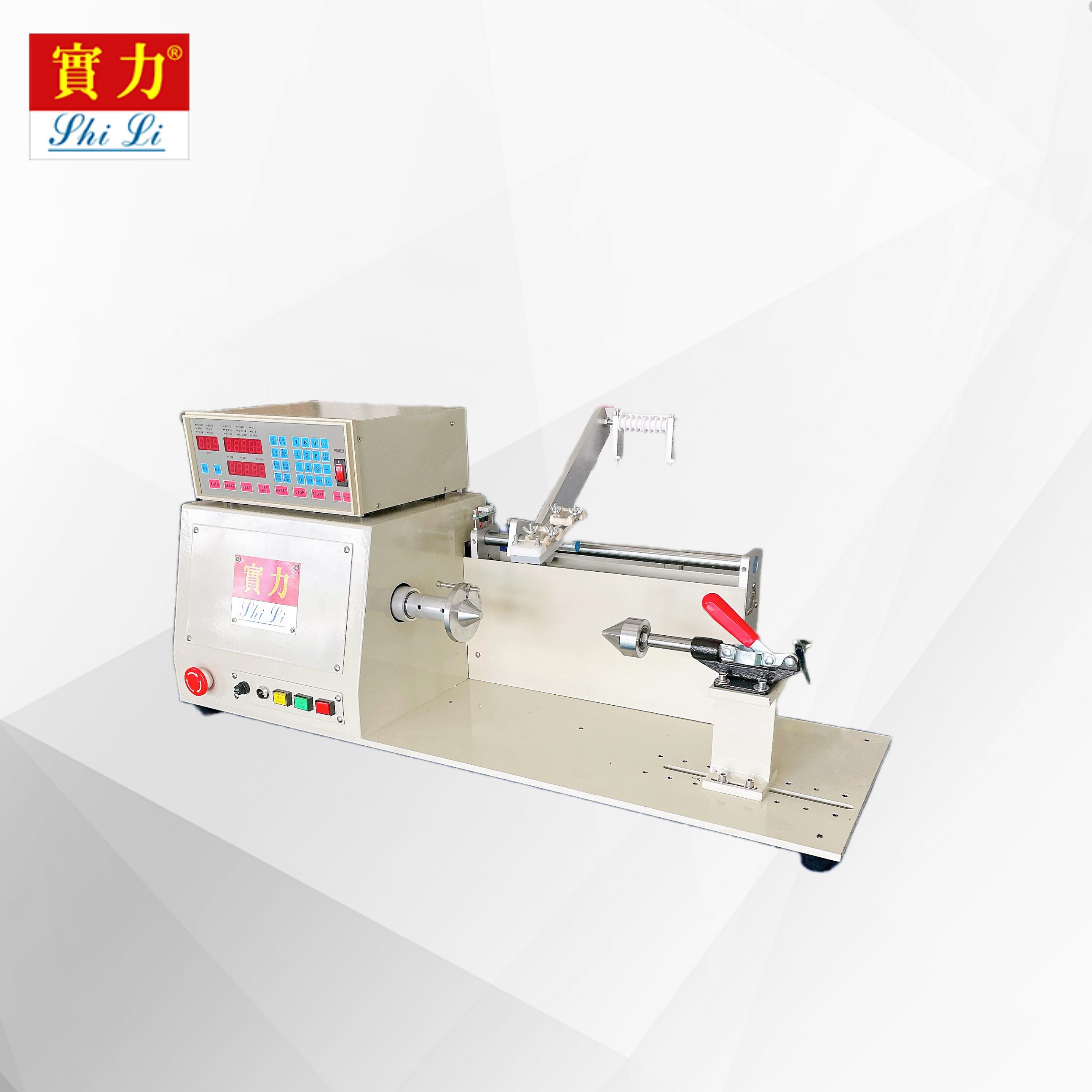
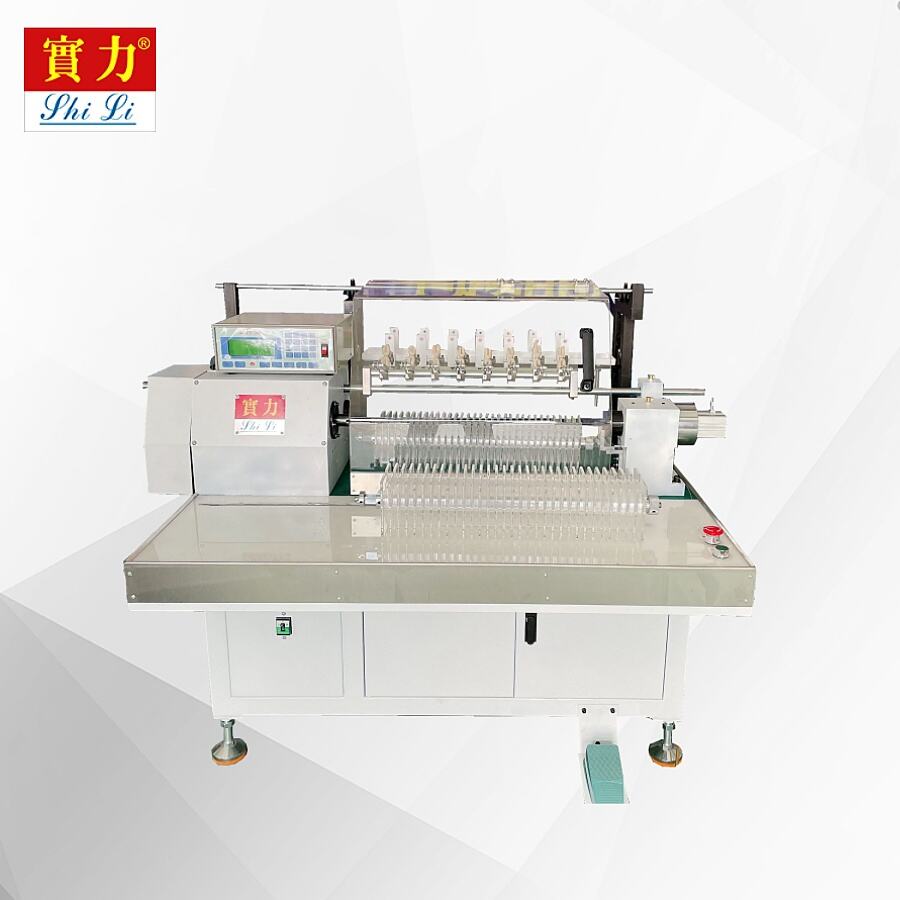
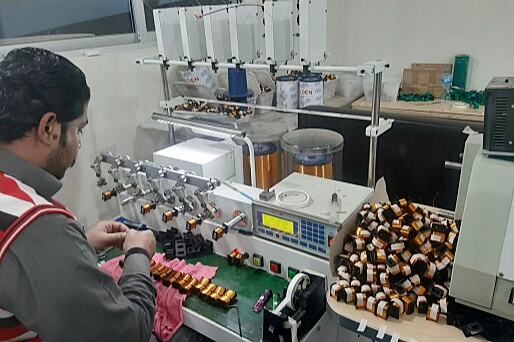
The industrial toroidal winding machine represents a sophisticated automation solution designed specifically for manufacturing toroidal transformers, inductors, and other electromagnetic components. This specialized equipment excels at wrapping wire around ring-shaped magnetic cores with exceptional precision and consistency. The machine operates through a synchronized system where the wire shuttle travels through the center of the toroidal core while the core itself rotates, creating uniform windings that meet strict electrical and mechanical specifications. Modern industrial toroidal winding machines incorporate advanced control systems that manage winding tension, speed, and layer distribution automatically. These machines handle various wire gauges from fine magnet wire to heavier conductors, accommodating core diameters ranging from small ferrite rings to large power transformer cores. The programmable control interface allows operators to set specific winding parameters including turn count, tension levels, and winding patterns for different production requirements. Key technological features include servo motor drives for precise positioning, automatic wire tensioning systems, and integrated quality monitoring capabilities. The machines utilize sophisticated algorithms to calculate optimal winding paths and maintain consistent wire spacing throughout the winding process. Many models feature automatic core loading and unloading mechanisms, significantly reducing manual labor requirements and improving production throughput. The industrial toroidal winding machine finds extensive applications across multiple industries including power electronics, automotive systems, renewable energy equipment, and telecommunications infrastructure. These machines produce components for switch-mode power supplies, audio equipment transformers, current transformers for metering applications, and high-frequency inductors for electronic circuits. The versatility of the industrial toroidal winding machine makes it indispensable for manufacturers requiring high-volume production of toroidal components with consistent quality and reliability standards.

New Product Releases

The industrial toroidal winding machine delivers substantial productivity improvements that directly impact manufacturing efficiency and profitability. These machines significantly reduce production time compared to manual winding methods, with automated systems capable of completing complex winding jobs in minutes rather than hours. The consistent winding speed and precision eliminate variations in production timing, enabling manufacturers to establish predictable delivery schedules and meet customer demands reliably. Quality control represents another major advantage, as the industrial toroidal winding machine maintains uniform tension and spacing throughout the entire winding process. This consistency eliminates common defects such as loose windings, uneven layer distribution, and wire damage that frequently occur with manual operations. The automated tension control system prevents wire breakage while ensuring optimal magnetic coupling between windings, resulting in superior electrical performance of finished components. Cost reduction benefits extend beyond labor savings, encompassing material waste reduction and improved yield rates. The precise wire placement capabilities of the industrial toroidal winding machine minimize wire consumption by optimizing winding patterns and eliminating excess material typically required for manual adjustments. The reduced scrap rate translates into significant material cost savings, particularly important when working with expensive specialty wires or precious metal conductors. Operator safety improvements constitute an often-overlooked advantage of automated winding systems. The industrial toroidal winding machine eliminates repetitive manual tasks that can lead to workplace injuries and reduces worker exposure to fine wire particles and sharp edges. The enclosed winding area provides additional protection while maintaining visibility for process monitoring. Flexibility represents a crucial competitive advantage, as modern machines accommodate rapid changeovers between different product specifications. The programmable control systems store multiple winding programs, allowing manufacturers to switch between various core sizes, wire types, and winding configurations without extensive setup procedures. This adaptability enables efficient small-batch production alongside high-volume manufacturing runs. The industrial toroidal winding machine also provides superior documentation and traceability capabilities through integrated data logging systems that record winding parameters for each component, supporting quality assurance requirements and regulatory compliance in demanding applications.

Latest News

Solve Solenoid Valve Coil Production Pain Points for India | Easy Operation Guide

05

Feb

Solve Solenoid Valve Coil Production Pain Points for India | Easy Operation Guide

View More
Bangladesh Client Raves: Efficiency + Stable Quality

05

Feb

Bangladesh Client Raves: Efficiency + Stable Quality

View More
Turkey Full Container Shipment: Rave Reviews & Repeat Orders

05

Feb

Turkey Full Container Shipment: Rave Reviews & Repeat Orders

View More

Get a Free Quote

Our representative will contact you soon.
Email
Name
Company Name
Message
0/1000

industrial toroidal winding machine

Advanced Precision Control Technology

Advanced Precision Control Technology

The industrial toroidal winding machine incorporates cutting-edge precision control technology that sets new standards for winding accuracy and repeatability in electromagnetic component manufacturing. This sophisticated control system utilizes high-resolution servo motors and advanced feedback mechanisms to achieve positioning accuracy within microns, ensuring each wire turn lands exactly where programmed. The integrated motion control algorithms coordinate multiple axes simultaneously, managing the complex relationship between shuttle movement, core rotation, and wire tensioning with mathematical precision. This level of control accuracy directly translates into superior component performance, as precise wire placement optimizes magnetic flux distribution and minimizes unwanted electrical characteristics such as leakage inductance and parasitic capacitance. The programmable tension control system represents a breakthrough in winding technology, automatically adjusting wire tension based on real-time feedback from multiple sensors throughout the winding process. This dynamic tension management prevents wire stretching or breakage while maintaining optimal winding density, crucial factors that determine the electrical and mechanical properties of finished components. The system compensates for variations in wire diameter, material properties, and environmental conditions, ensuring consistent results regardless of production variables. The industrial toroidal winding machine features intuitive programming interfaces that allow operators to define complex winding patterns with ease, including progressive winding techniques, sectioned windings, and multi-layer configurations. The control system calculates optimal shuttle trajectories and automatically generates motion profiles that minimize winding time while maintaining quality standards. Advanced diagnostic capabilities continuously monitor system performance, providing early warning of potential issues and enabling predictive maintenance scheduling that maximizes equipment availability. The precision control technology also supports advanced quality monitoring features, including real-time measurement of winding parameters and automatic rejection of components that fall outside specified tolerances, ensuring only components meeting strict quality requirements proceed to subsequent manufacturing stages.
Versatile Multi-Core Compatibility

Versatile Multi-Core Compatibility

The exceptional versatility of the industrial toroidal winding machine in handling diverse core configurations and specifications makes it an invaluable asset for manufacturers serving multiple market segments and application requirements. This adaptability stems from the machine's modular design philosophy, which incorporates adjustable fixtures, variable shuttle mechanisms, and configurable wire handling systems that accommodate an extensive range of toroidal core geometries. The machine effectively processes cores ranging from miniature ferrite rings with internal diameters as small as few millimeters to large power transformer cores exceeding several hundred millimeters in diameter. This wide size range capability eliminates the need for multiple specialized machines, reducing capital equipment investments and simplifying production planning. The core handling system features automatic recognition capabilities that identify core dimensions and material properties, automatically adjusting machine parameters for optimal winding performance. This intelligent adaptation includes modifications to winding speed, shuttle clearances, and wire routing paths based on core characteristics, ensuring consistent quality across different product lines. The industrial toroidal winding machine accommodates various core materials including ferrite, iron powder, silicon steel, and specialized alloy compositions, each requiring specific handling techniques and winding approaches. The machine's programmable parameters account for material-specific requirements such as magnetic permeability, thermal characteristics, and mechanical fragility, optimizing winding processes for each material type. The versatile fixture system enables rapid changeovers between different core sizes and shapes, with mechanical adjustments accomplished through motorized positioning systems that eliminate manual setup procedures. This automation reduces changeover times from hours to minutes, dramatically improving production flexibility and enabling efficient small-lot manufacturing. The wire handling capabilities extend beyond simple round conductors to include flat wires, braided conductors, and specialized high-frequency wires with unique handling requirements. The industrial toroidal winding machine adapts wire tensioning, routing, and placement techniques automatically based on conductor specifications, ensuring optimal results regardless of wire type or application requirements.
Integrated Quality Assurance Systems

Integrated Quality Assurance Systems

The comprehensive quality assurance systems integrated into the industrial toroidal winding machine provide unprecedented levels of process control and component verification, establishing new benchmarks for manufacturing reliability and consistency in electromagnetic component production. These sophisticated monitoring systems continuously evaluate multiple quality parameters throughout the winding process, enabling real-time detection and correction of potential issues before they impact component performance. The machine incorporates advanced vision systems that monitor wire placement accuracy, detecting deviations from programmed winding patterns and automatically adjusting machine parameters to maintain optimal results. These optical monitoring capabilities identify issues such as wire crossovers, uneven spacing, and layer irregularities that could compromise electrical performance or mechanical integrity. The integrated tension monitoring system provides continuous feedback on wire tension variations, automatically compensating for changes in wire properties or environmental conditions that could affect winding quality. This dynamic tension control prevents both under-tensioned windings that may shift during handling and over-tensioned conditions that could damage wire insulation or cause breakage. The industrial toroidal winding machine features comprehensive turn counting verification through multiple independent measurement systems, ensuring accurate winding specifications for each component. These redundant counting methods include optical detection, magnetic sensing, and mechanical measurement techniques that cross-verify turn counts and immediately alert operators to any discrepancies. The quality assurance systems extend beyond basic parameter monitoring to include predictive analysis capabilities that identify trends and patterns indicating potential quality issues before they manifest as defective components. Statistical process control algorithms analyze historical winding data to establish quality baselines and detect subtle variations that may indicate equipment wear, material changes, or environmental factors affecting production quality. The traceability features of the industrial toroidal winding machine create comprehensive documentation for each component, recording all critical winding parameters, environmental conditions, and quality measurements in permanent databases. This documentation supports regulatory compliance requirements and enables rapid root cause analysis when quality issues arise, facilitating continuous improvement initiatives that enhance overall manufacturing performance and customer satisfaction levels.

Get a Free Quote

Our representative will contact you soon.
Email
Name
Company Name
Message
0/1000
Newsletter
Please Leave A Message With Us