Professional Stator Coil Winding Machine - Advanced Automated Solutions for Precision Motor Manufacturing

Get a Free Quote

Our representative will contact you soon.
Email
Name
Company Name
Message
0/1000

stator coil winding machine

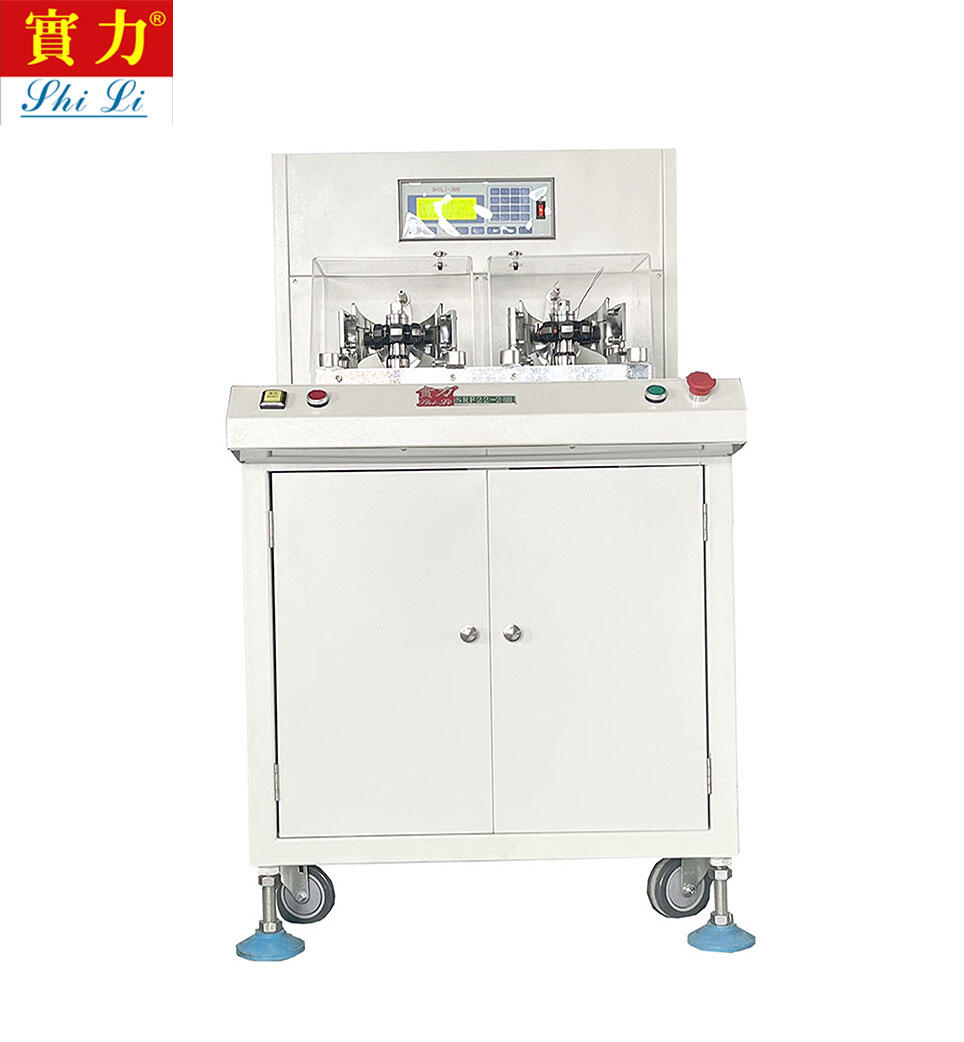
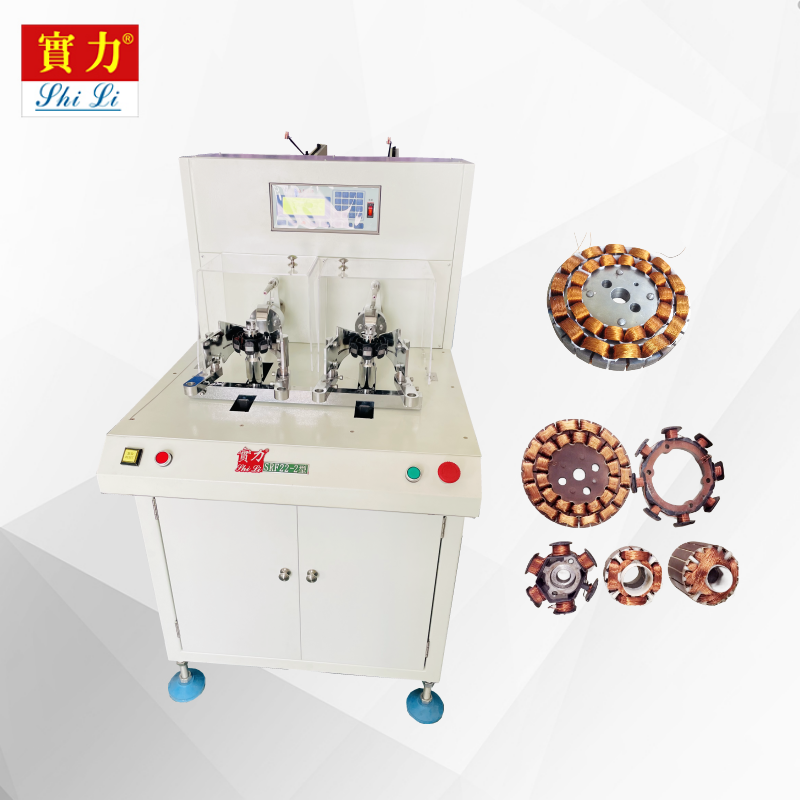
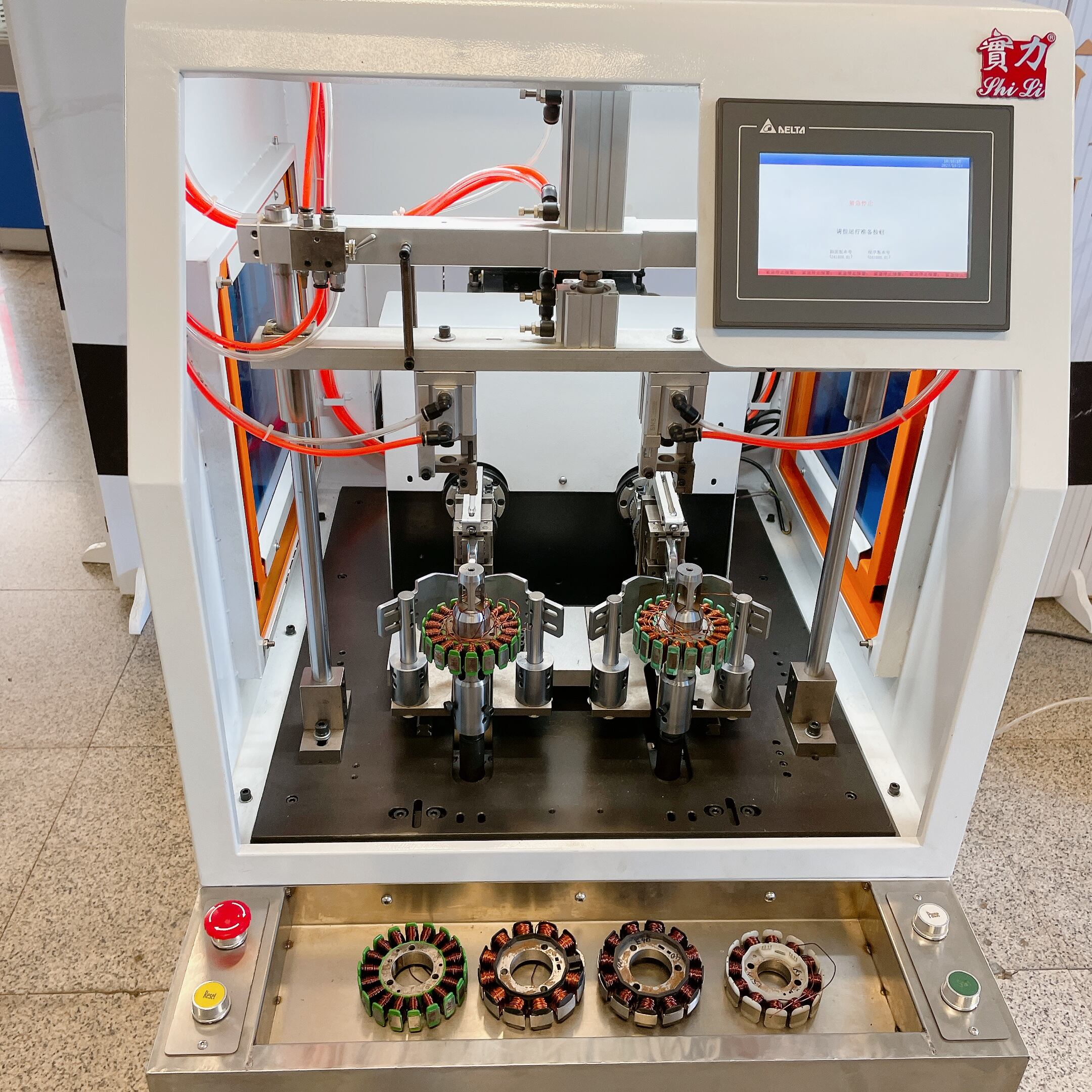
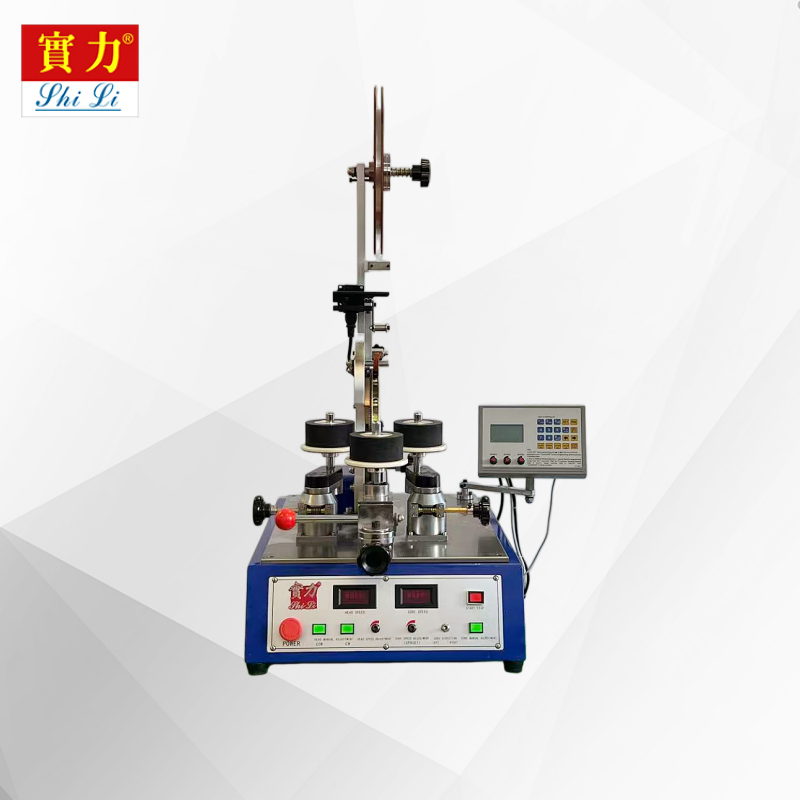
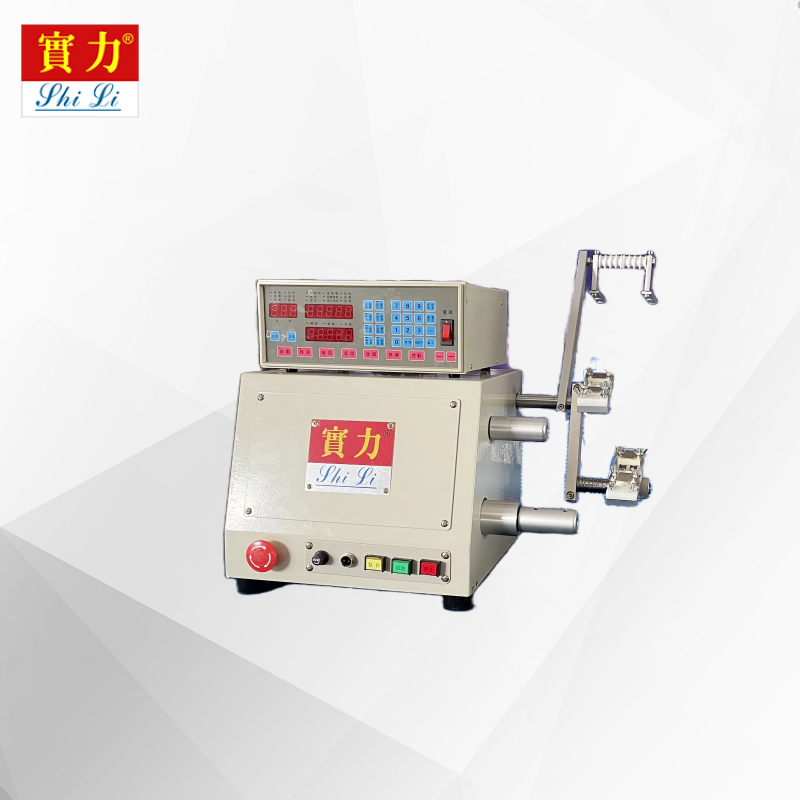
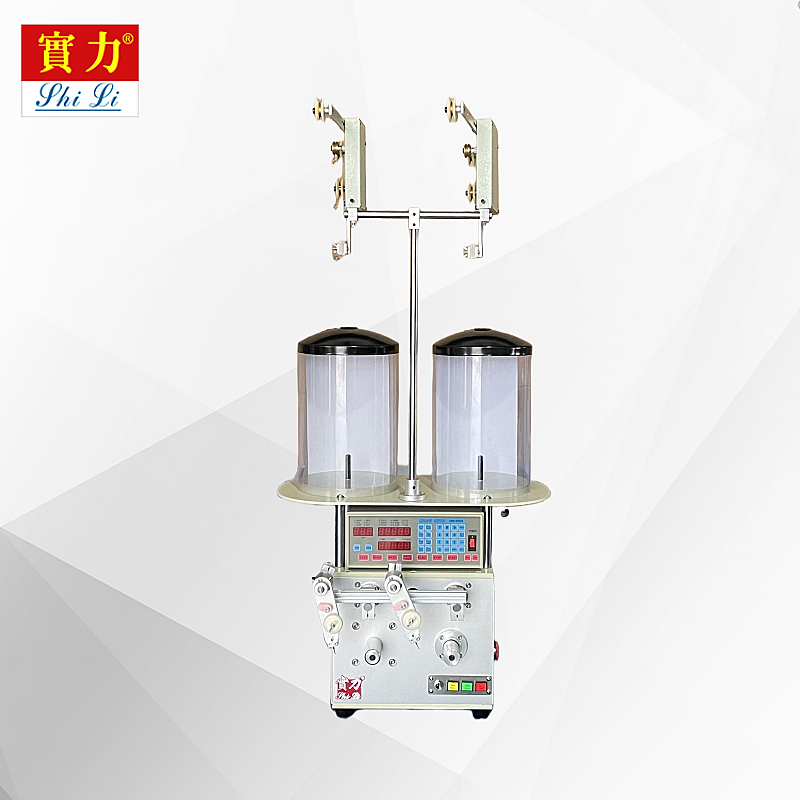
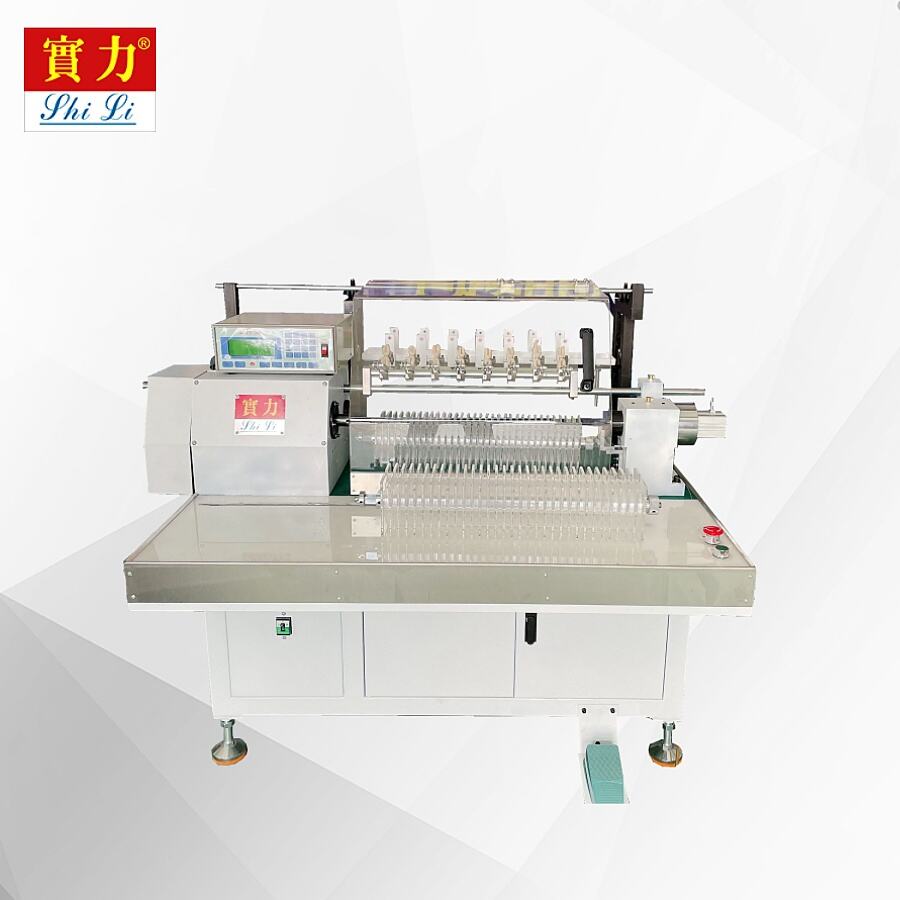
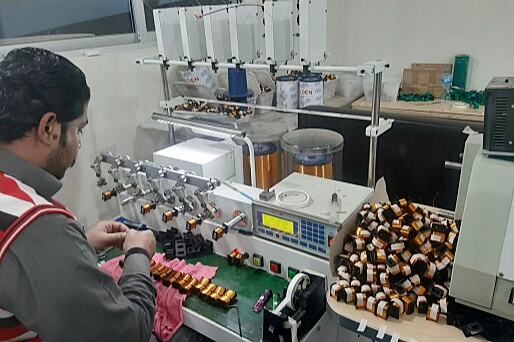
The stator coil winding machine represents a crucial piece of equipment in modern electrical manufacturing, designed specifically to wind copper or aluminum wire coils for electric motors, generators, and transformers. This sophisticated machinery automates the traditionally labor-intensive process of creating precise wire windings around stator cores, ensuring consistent quality and enhanced production efficiency. The primary function of a stator coil winding machine involves the systematic placement of conductive wire into predetermined slots within the stator assembly, following specific patterns that optimize electromagnetic performance. These machines incorporate advanced servo motor systems, programmable logic controllers, and precision tensioning mechanisms to achieve accurate wire placement and consistent coil density. The technological features include computerized control systems that allow operators to program various winding patterns, adjust wire tension parameters, and monitor production metrics in real-time. Modern stator coil winding machines feature automatic wire feeding systems, eliminating manual intervention and reducing the risk of human error during production runs. The equipment typically includes multiple spindles for simultaneous coil winding, significantly increasing throughput compared to manual methods. Applications span across numerous industries including automotive manufacturing for electric vehicle motors, industrial equipment production, household appliance manufacturing, and renewable energy systems. The machine's versatility allows it to handle various wire gauges and stator sizes, making it adaptable to different production requirements. Temperature monitoring systems prevent overheating during extended operation periods, while safety interlocks protect operators from potential hazards. The integration of quality control sensors ensures each coil meets specified resistance and inductance values before completion. These machines support both radial and axial winding configurations, accommodating diverse motor design requirements and enabling manufacturers to produce specialized electromagnetic components with exceptional precision and reliability.
New Products

The stator coil winding machine delivers exceptional production efficiency by automating repetitive winding processes that would otherwise require extensive manual labor and time investment. This automation reduces manufacturing costs significantly while maintaining consistent quality standards that exceed hand-winding capabilities. Operators benefit from reduced physical strain and fatigue since the machine handles the demanding aspects of wire manipulation and positioning throughout extended production cycles. The precision control systems eliminate human error variables, ensuring each coil achieves identical specifications regardless of production volume or operator experience levels. Quality consistency represents another major advantage as the machine maintains uniform wire tension, spacing, and layer distribution across all coils produced during any given manufacturing run. This consistency translates directly into improved motor performance and reduced field failures for end customers. The programmable nature of modern stator coil winding machines allows manufacturers to quickly switch between different product specifications without extensive retooling or setup procedures. Production speed increases dramatically compared to manual methods, with typical throughput improvements ranging from three to ten times faster depending on coil complexity and machine configuration. The automated systems reduce material waste by optimizing wire usage and preventing common errors such as incorrect turn counts or improper wire routing that frequently occur during manual winding processes. Labor cost reduction becomes substantial since fewer skilled operators are required to achieve the same production output levels previously demanding larger workforce allocations. The machine's ability to work continuously without breaks or shifts enables around-the-clock production capabilities, maximizing facility utilization and meeting demanding delivery schedules. Data collection features provide valuable insights into production metrics, allowing manufacturers to identify optimization opportunities and track performance trends over time. Maintenance requirements remain minimal due to robust construction and quality components, ensuring reliable operation and minimal downtime. The investment in stator coil winding machine technology typically pays for itself within months through improved efficiency, reduced labor costs, and enhanced product quality that commands premium pricing in competitive markets.

Latest News

Solve Solenoid Valve Coil Production Pain Points for India | Easy Operation Guide

05

Feb

Solve Solenoid Valve Coil Production Pain Points for India | Easy Operation Guide

View More
Bangladesh Client Raves: Efficiency + Stable Quality

05

Feb

Bangladesh Client Raves: Efficiency + Stable Quality

View More
Turkey Full Container Shipment: Rave Reviews & Repeat Orders

05

Feb

Turkey Full Container Shipment: Rave Reviews & Repeat Orders

View More

Get a Free Quote

Our representative will contact you soon.
Email
Name
Company Name
Message
0/1000

stator coil winding machine

Advanced Servo Control Technology for Precision Winding

Advanced Servo Control Technology for Precision Winding

The stator coil winding machine incorporates state-of-the-art servo control technology that revolutionizes the precision and accuracy of coil winding operations. This sophisticated control system utilizes high-resolution encoders and advanced algorithms to monitor and adjust wire positioning with micrometer-level precision throughout the entire winding process. The servo motors respond instantaneously to programmed commands, ensuring consistent wire tension and placement regardless of varying operational conditions or external factors that might affect production quality. This technology enables the machine to maintain exact wire spacing between turns, preventing overlapping or gaps that could compromise electromagnetic performance in the finished motor or generator. The control system continuously monitors multiple parameters including wire speed, tension levels, and positional accuracy, making real-time adjustments to maintain optimal winding conditions. Operators can program complex winding patterns with multiple layers and varying tension requirements, allowing for sophisticated coil designs that maximize electromagnetic efficiency while minimizing material usage. The precision control extends to wire cutting and termination procedures, ensuring clean connections and proper lead positioning for subsequent assembly operations. This level of control consistency eliminates the variability inherent in manual winding processes, where factors such as operator fatigue, skill level, and environmental conditions can significantly impact final product quality. The servo technology also enables the machine to adapt automatically to different wire types and gauges, adjusting parameters seamlessly when switching between production runs. Quality documentation becomes more reliable since the control system logs all operational parameters, providing traceable records for quality assurance and process improvement initiatives. The advanced servo control technology ultimately delivers superior product consistency, reduced rework rates, and enhanced customer satisfaction through improved motor performance and reliability.
Multi-Spindle Configuration for Enhanced Productivity

Multi-Spindle Configuration for Enhanced Productivity

The multi-spindle design of modern stator coil winding machines represents a significant advancement in manufacturing productivity, enabling simultaneous winding of multiple coils to dramatically increase production throughput. This configuration allows manufacturers to produce several coils concurrently rather than processing them individually, resulting in substantial time savings and improved resource utilization efficiency. Each spindle operates independently with its own control system and tensioning mechanism, ensuring that quality remains consistent across all simultaneously produced coils regardless of any variations in material properties or environmental conditions. The multi-spindle arrangement optimizes floor space utilization by consolidating multiple winding operations into a single machine footprint, reducing facility requirements and associated overhead costs. This design particularly benefits high-volume production environments where meeting demanding delivery schedules requires maximum output capability without compromising quality standards. The synchronized operation of multiple spindles creates production line efficiency that surpasses traditional single-spindle alternatives, enabling manufacturers to respond quickly to market demands and maintain competitive advantages. Advanced programming capabilities allow operators to run different winding patterns simultaneously on various spindles, providing flexibility to produce mixed product batches within the same production cycle. This versatility proves invaluable for manufacturers serving diverse market segments with varying coil specifications and delivery requirements. The multi-spindle configuration also provides operational redundancy, ensuring that production can continue even if one spindle requires maintenance or experiences temporary issues, thereby minimizing production disruptions and maintaining delivery commitments. Quality control benefits from the multi-spindle design through integrated monitoring systems that track performance metrics across all spindles simultaneously, identifying any deviations quickly and enabling prompt corrective actions. The increased production capacity directly translates into improved return on investment as manufacturers can produce more units with the same labor and facility resources, reducing per-unit costs and enhancing profitability margins significantly.
Intelligent Quality Monitoring and Control Systems

Intelligent Quality Monitoring and Control Systems

The intelligent quality monitoring and control systems integrated into modern stator coil winding machines provide unprecedented oversight and assurance throughout the entire production process, ensuring every coil meets stringent quality specifications before completion. These sophisticated systems employ multiple sensor technologies including resistance measurement devices, inductance analyzers, and visual inspection cameras to continuously evaluate coil characteristics during and after the winding process. Real-time monitoring enables immediate detection of potential quality issues such as wire breaks, improper tension levels, or incorrect turn counts, allowing for instant corrective actions that prevent defective products from progressing through the production line. The intelligent systems maintain comprehensive databases of quality parameters for each coil produced, creating detailed production histories that support traceability requirements and facilitate continuous improvement initiatives. Statistical process control algorithms analyze quality trends and identify patterns that might indicate developing issues with materials, equipment settings, or environmental conditions affecting production outcomes. Automated rejection systems remove non-conforming coils from the production flow immediately upon detection of quality deviations, preventing costly downstream processing of defective components and maintaining overall production efficiency. The monitoring systems integrate seamlessly with enterprise resource planning software, providing real-time production status updates and quality metrics to management personnel and customers requiring delivery transparency. Predictive maintenance capabilities analyze equipment performance data to anticipate potential failures before they impact production quality or cause unexpected downtime, optimizing maintenance schedules and minimizing operational disruptions. Customizable alert systems notify operators and supervisors immediately when quality parameters exceed predetermined tolerance ranges, enabling rapid response and minimizing the number of affected units. The quality control systems also support regulatory compliance requirements by maintaining detailed records of all quality measurements and corrective actions taken during production runs. This comprehensive quality monitoring approach significantly reduces customer complaints, warranty claims, and field failures while enhancing the manufacturer's reputation for producing reliable, high-performance electromagnetic components that exceed industry standards and customer expectations.

Get a Free Quote

Our representative will contact you soon.
Email
Name
Company Name
Message
0/1000
Newsletter
Please Leave A Message With Us