Versatile Multi-Pattern Winding Capabilities
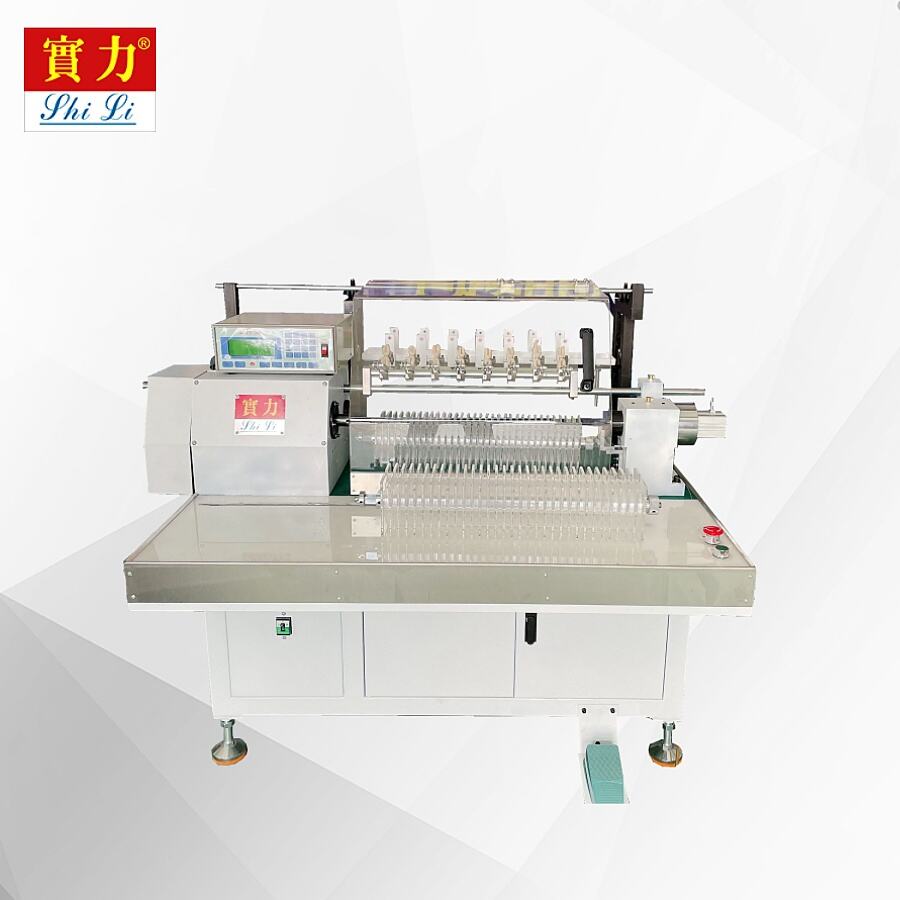
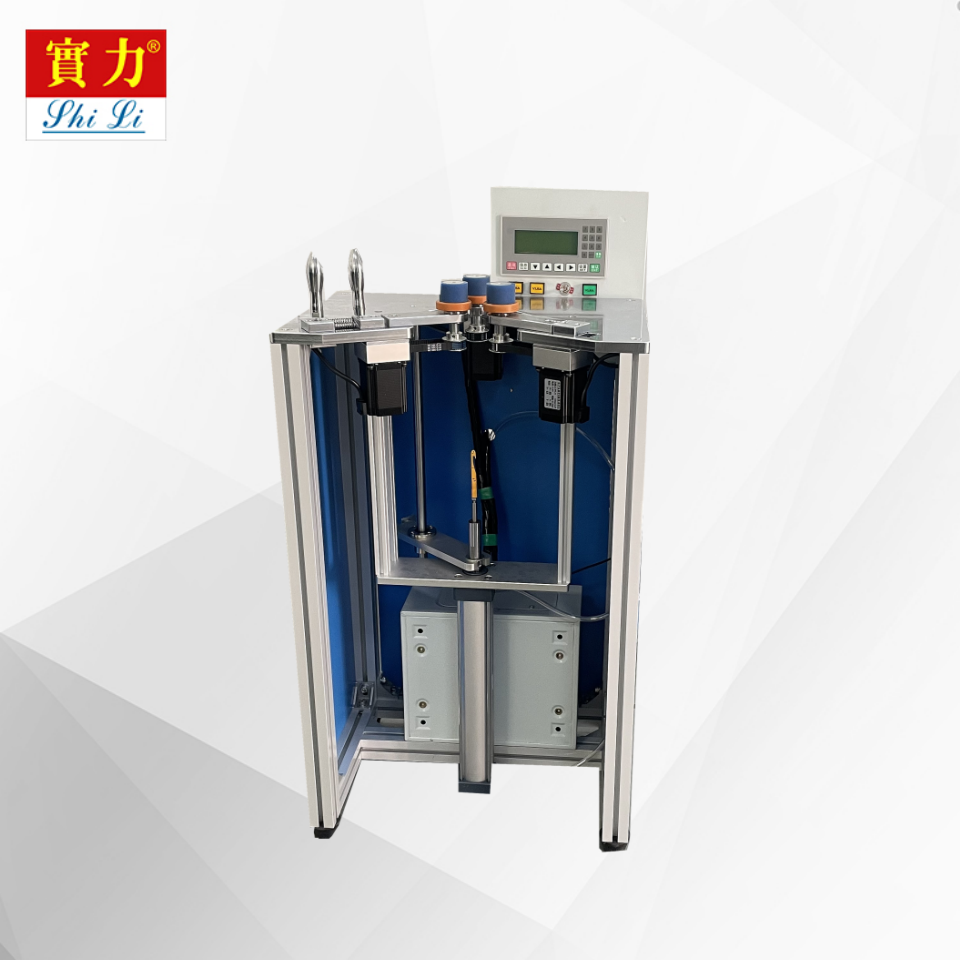
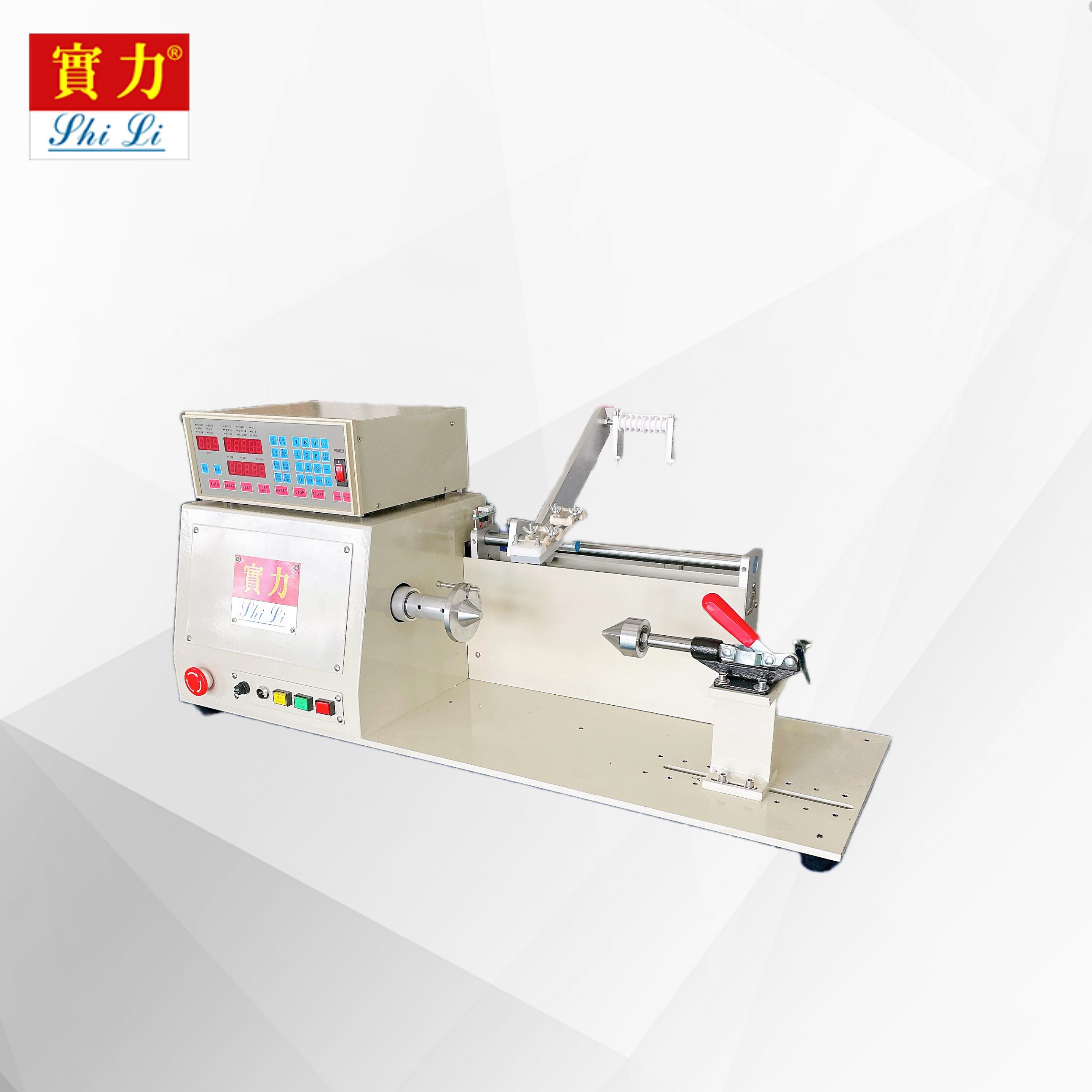
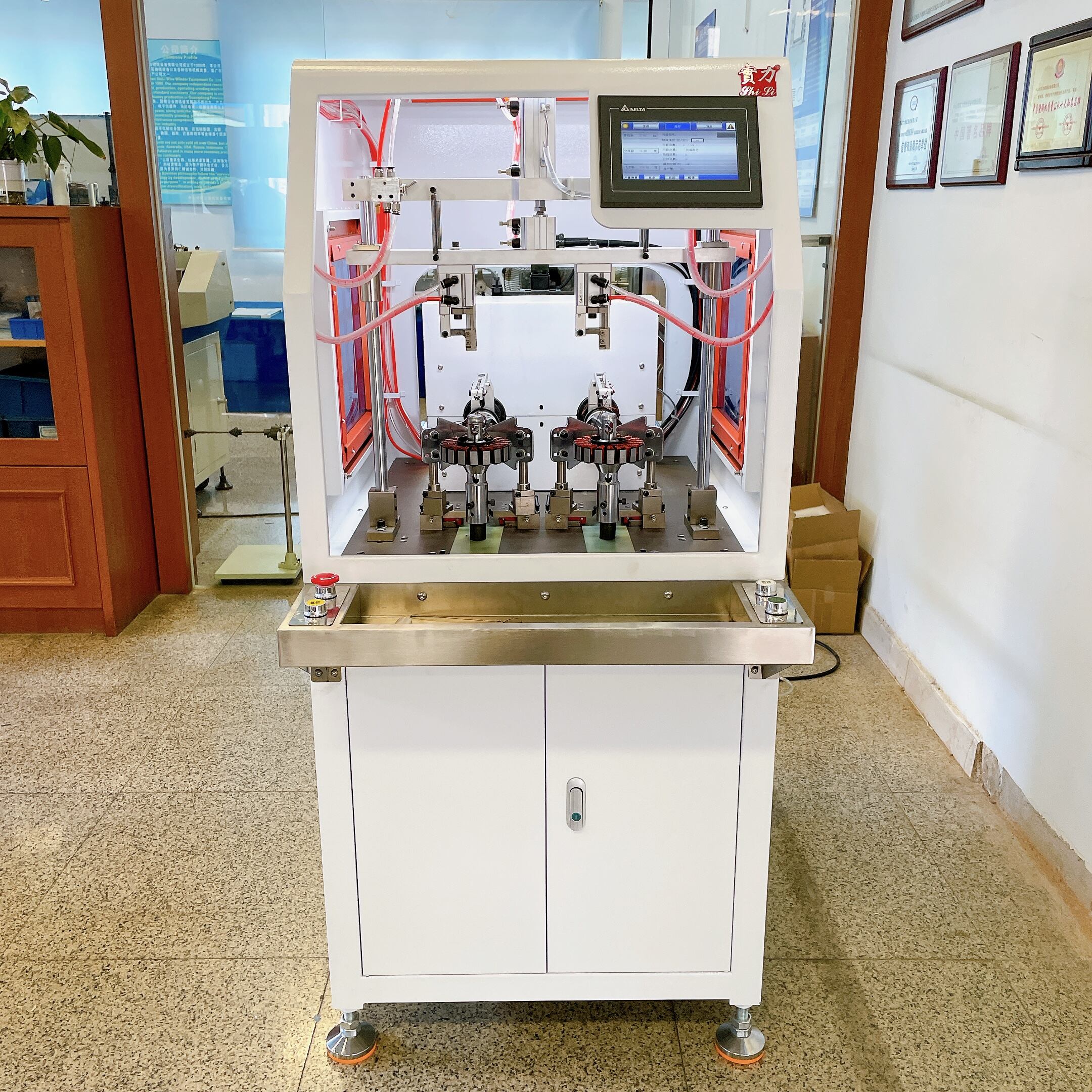
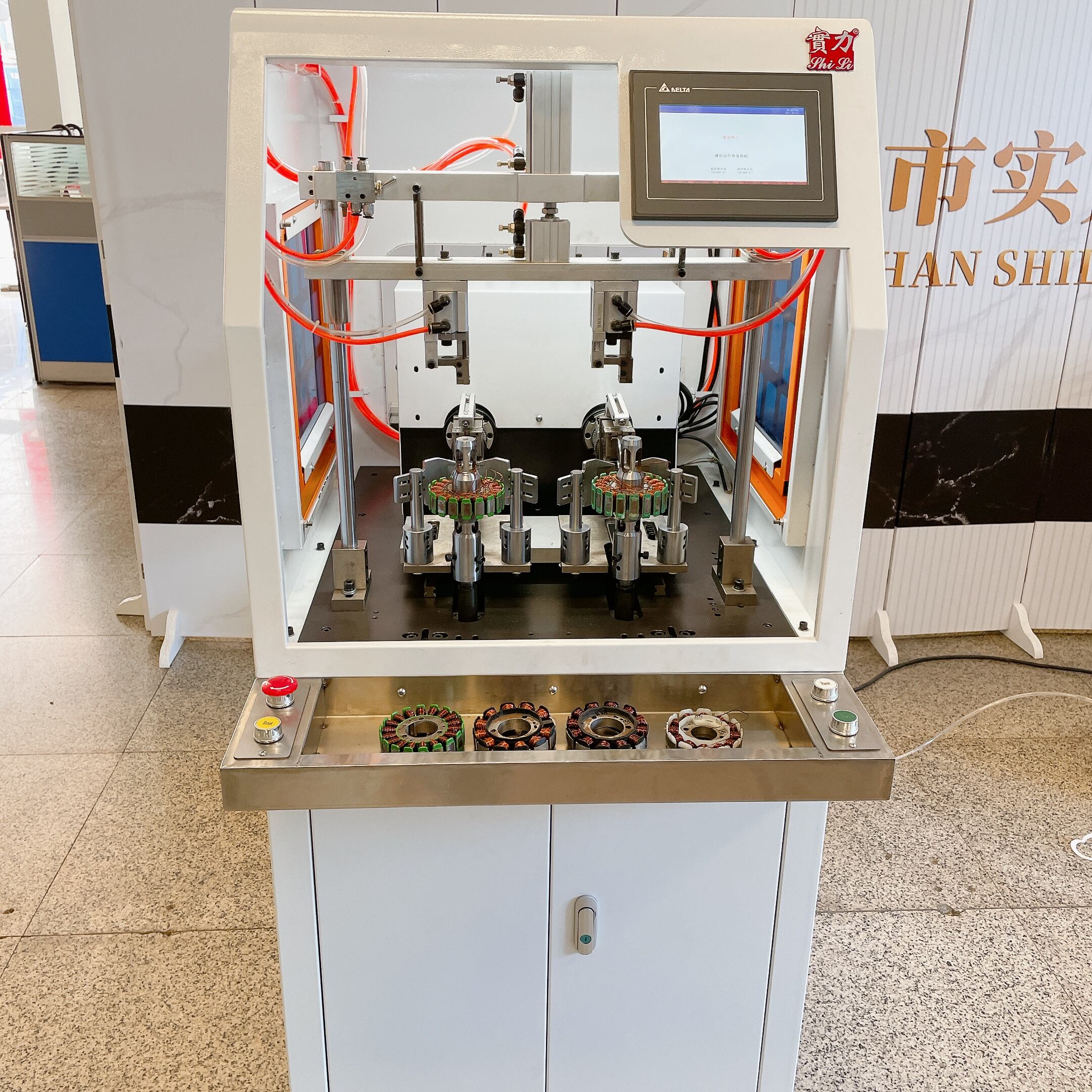
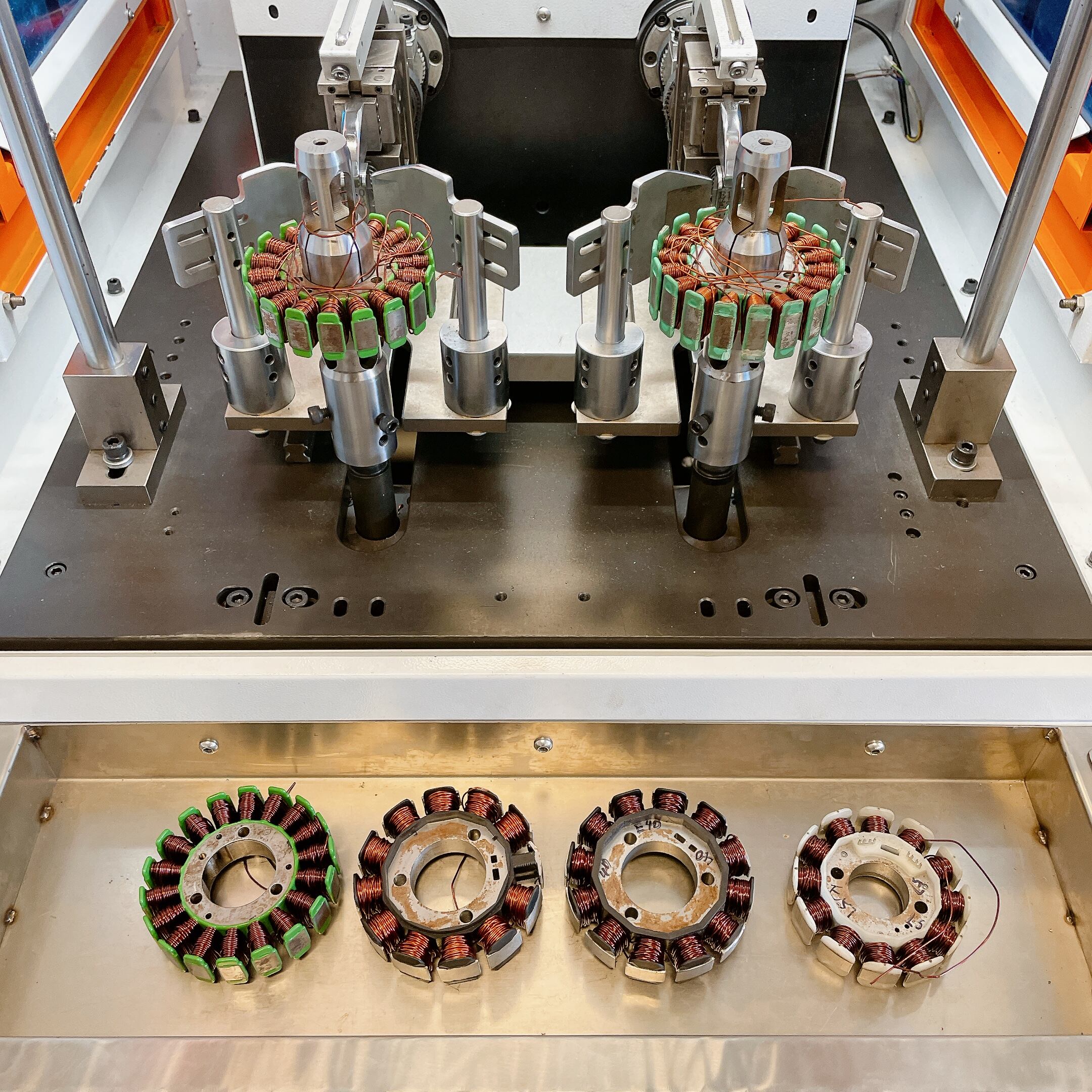
The versatile multi-pattern winding capabilities of the alternator stator winding machine provide manufacturers with unprecedented flexibility to produce diverse stator configurations using a single piece of equipment. This remarkable feature eliminates the need for multiple specialized machines, significantly reducing capital investment requirements while maximizing production versatility. The alternator stator winding machine stores unlimited winding patterns in its memory system, allowing operators to quickly switch between different stator designs without mechanical modifications or extensive setup procedures. Each stored pattern includes specific parameters such as wire routing paths, tension settings, speed profiles, and termination requirements, ensuring consistent reproduction of complex winding configurations. The system accommodates various stator geometries, from small automotive alternators to large industrial generators, adapting automatically to different slot configurations and pole arrangements. Advanced pattern recognition capabilities enable the alternator stator winding machine to identify stator types through dimensional scanning, automatically selecting appropriate winding parameters and reducing operator setup time. The multi-pattern system supports both concentrated and distributed winding techniques, providing manufacturers with options to optimize electrical performance based on specific application requirements. Pattern editing functions allow engineers to modify existing winding configurations or create entirely new patterns directly through the machine interface, facilitating rapid prototyping and design optimization. The alternator stator winding machine includes simulation capabilities that preview winding patterns before actual production begins, helping operators identify potential issues and optimize parameters without wasting materials. Cross-referencing functions compare current production parameters with historical data, ensuring consistency across different production runs and helping maintain quality standards. The versatile system handles various wire configurations, including single-strand, multi-strand, and formed coil installations, adapting mechanical handling systems to accommodate different wire types and sizes. Custom winding algorithms optimize wire placement for specific electrical characteristics such as inductance, resistance, or magnetic field distribution, enabling manufacturers to fine-tune alternator performance. The alternator stator winding machine maintains pattern libraries that can be shared between multiple machines, ensuring standardization across manufacturing facilities and enabling efficient production planning. Quality verification functions compare completed windings against stored patterns, identifying deviations that might affect electrical performance and enabling immediate corrective actions. The multi-pattern capabilities extend to termination options, supporting various connection methods and lead wire arrangements to meet diverse customer specifications and installation requirements.
 ×
×
 EN
EN