Professional Stator Winding Equipment: Advanced Motor Manufacturing Solutions

Get a Free Quote

Our representative will contact you soon.
Email
Name
Company Name
Message
0/1000

stator winding equipment

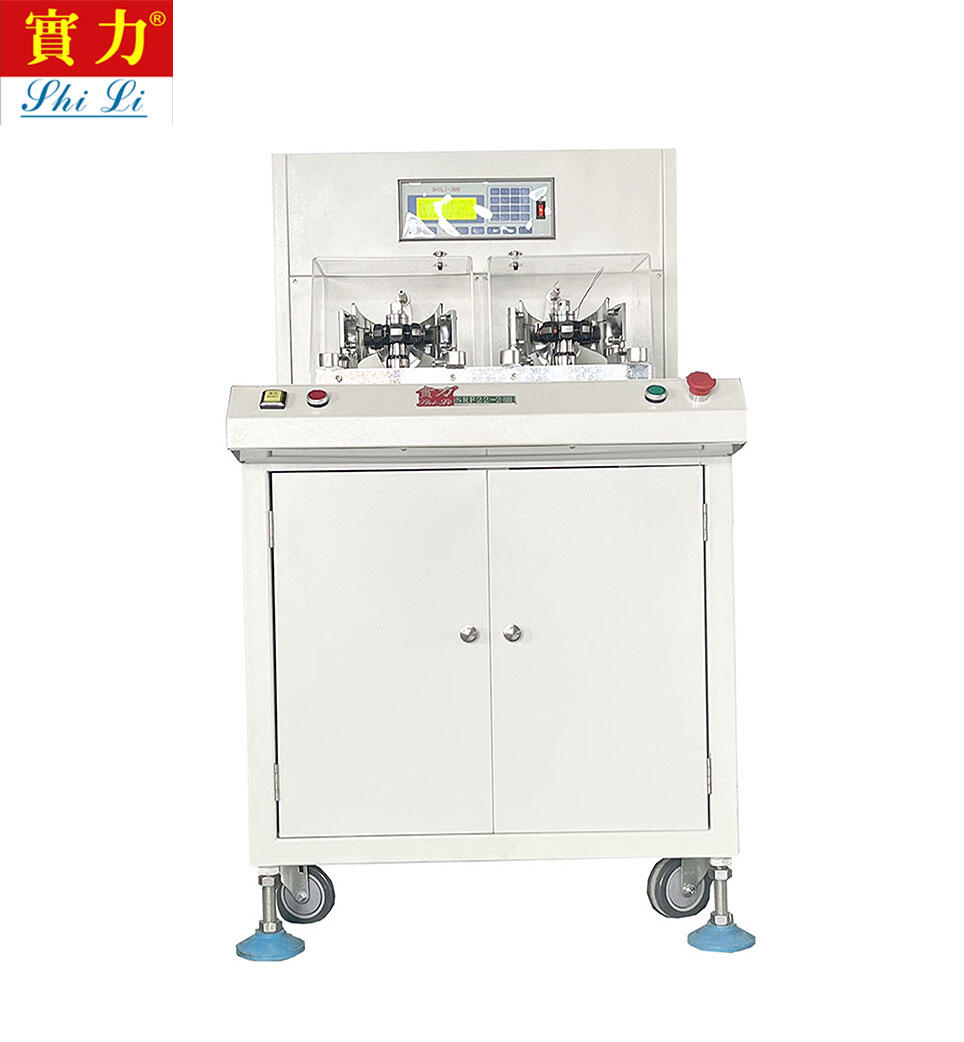
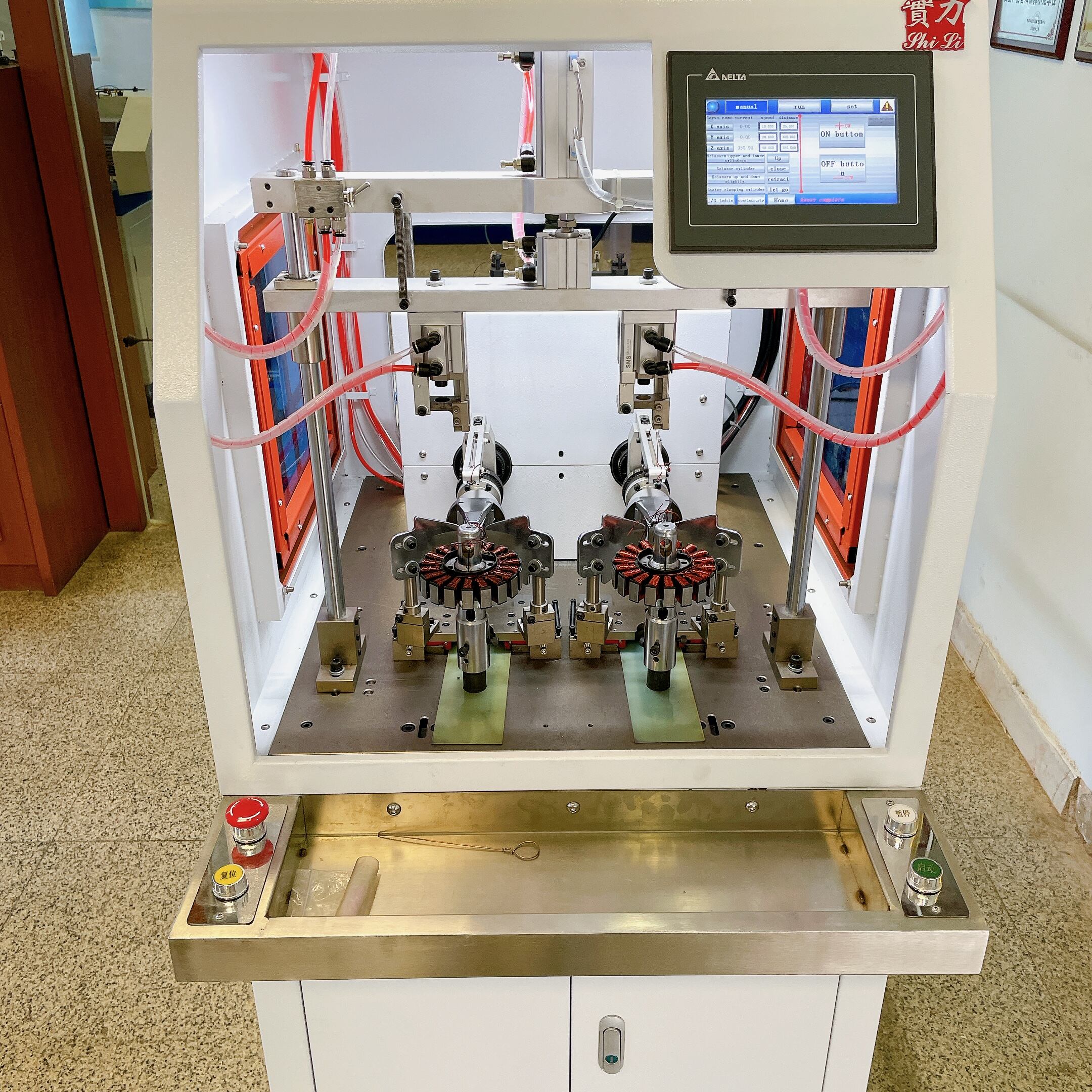
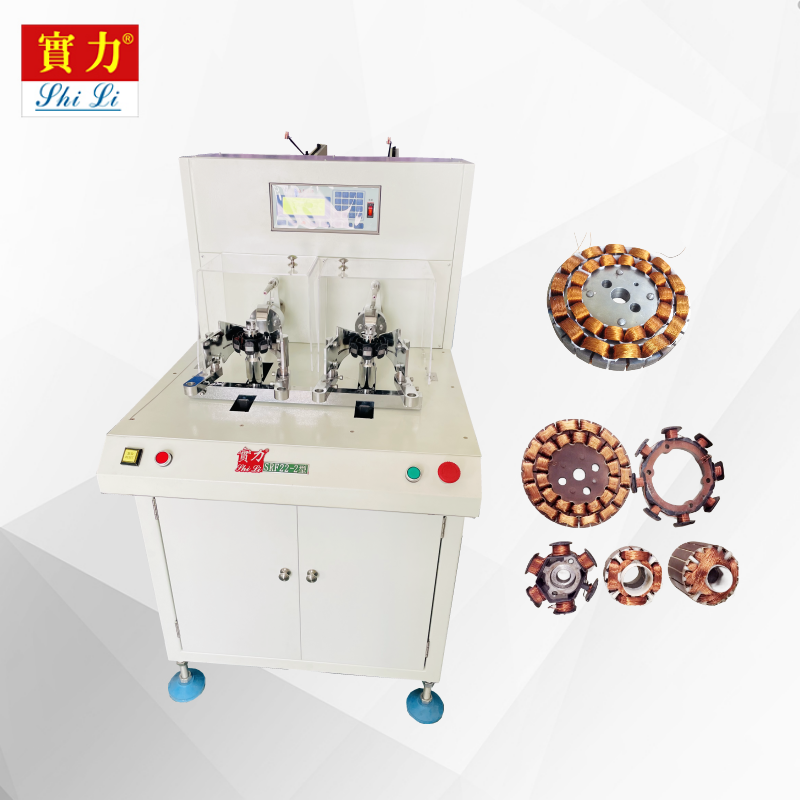
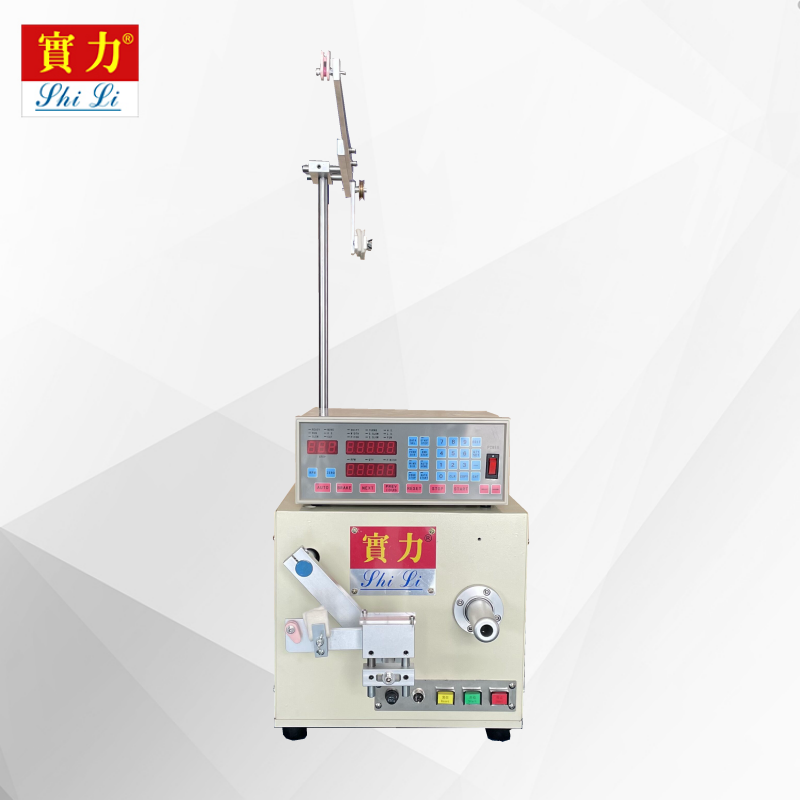
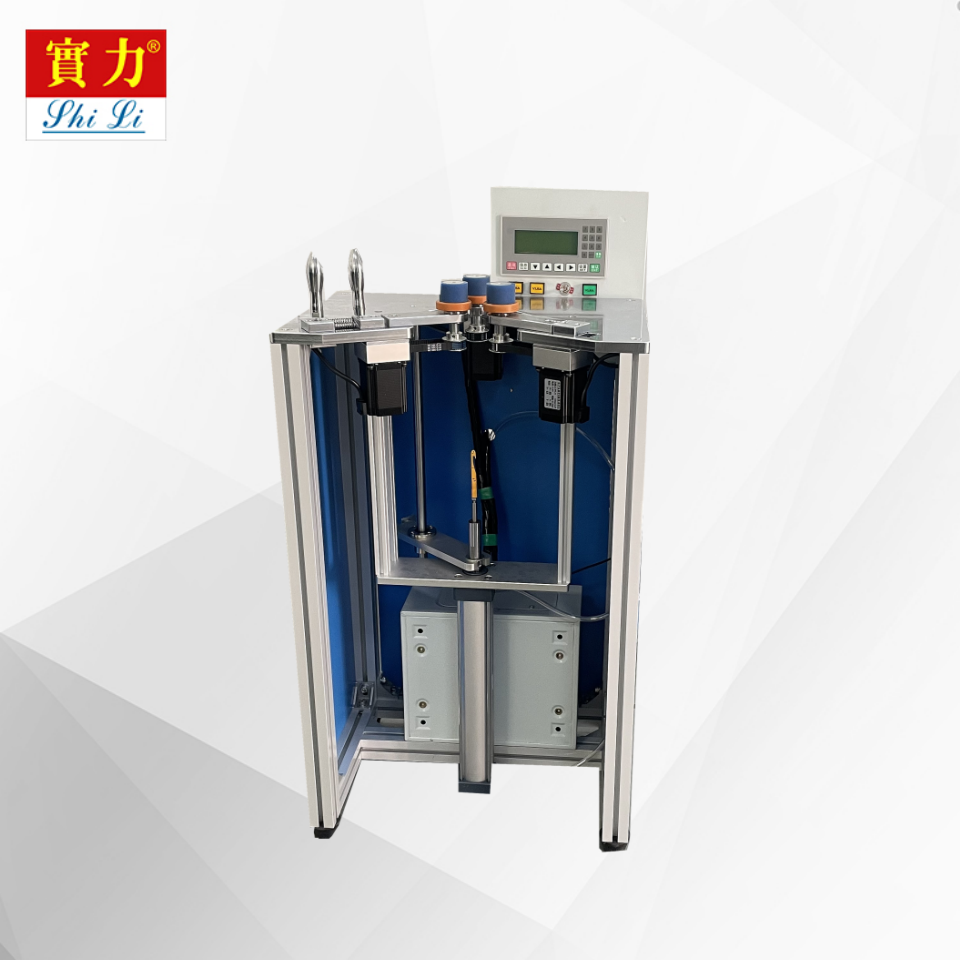
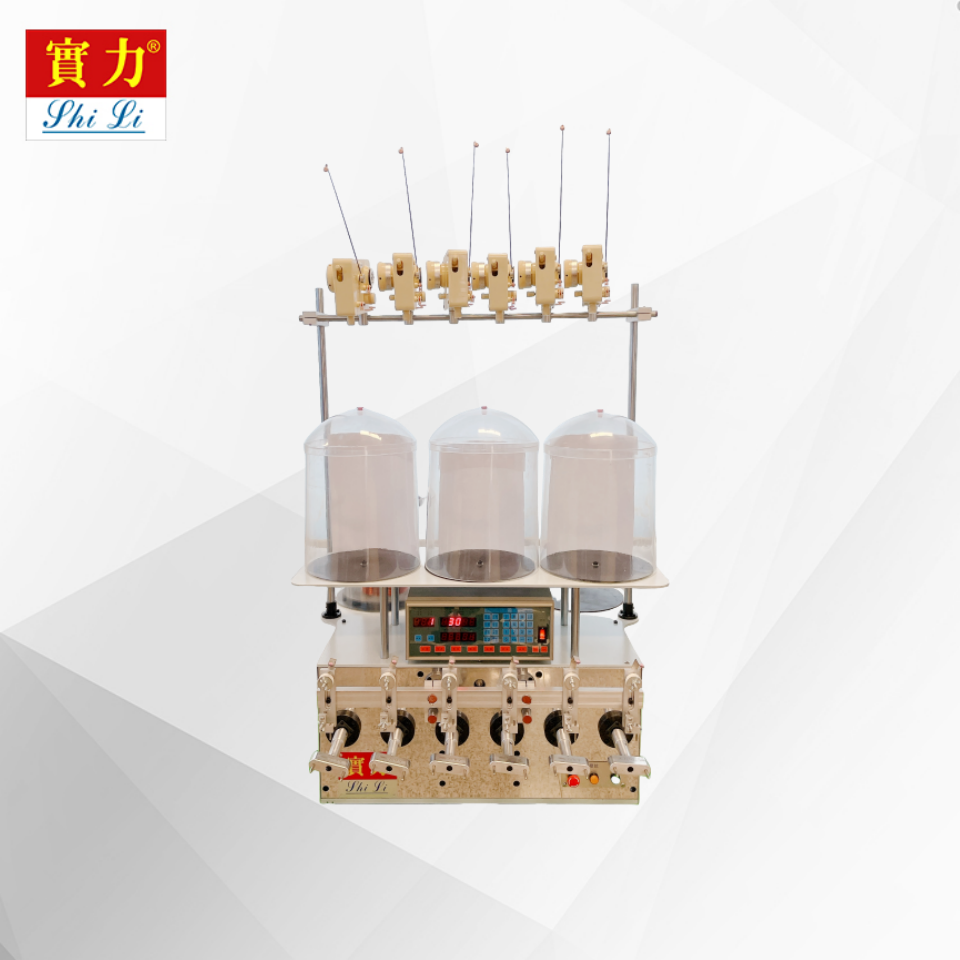
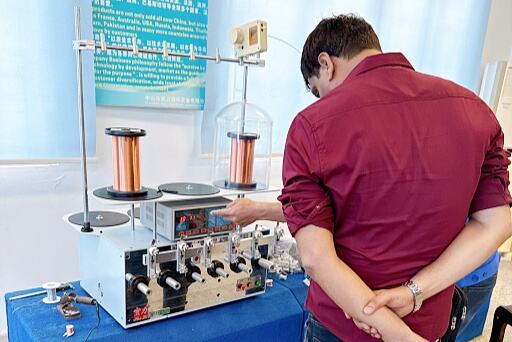
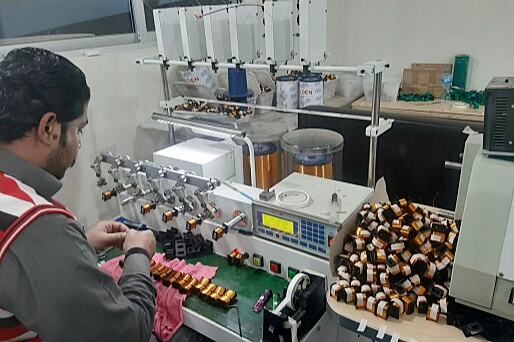
Stator winding equipment represents a cornerstone technology in electric motor manufacturing, designed to facilitate the precise installation and configuration of copper wire coils within stator cores. This sophisticated machinery performs the critical task of wrapping copper conductors around stator teeth with exceptional accuracy and consistency, ensuring optimal electromagnetic performance in electric motors, generators, and transformers. The primary function of stator winding equipment involves automating the complex process of inserting and positioning wire coils into predetermined slots within the stator core, eliminating manual errors and significantly improving production efficiency. Modern stator winding equipment incorporates advanced servo motor systems, programmable logic controllers, and precision positioning mechanisms that enable operators to achieve consistent winding patterns across diverse motor specifications. The technological features of contemporary stator winding equipment include multi-axis control systems that provide precise wire tension management, automated wire cutting and stripping capabilities, and integrated quality control sensors that monitor winding parameters in real-time. These machines typically feature modular designs that accommodate various stator sizes and configurations, from small appliance motors to large industrial applications. The equipment utilizes sophisticated software interfaces that allow operators to program complex winding patterns, adjust tension settings, and monitor production metrics through intuitive touchscreen displays. Applications for stator winding equipment span numerous industries, including automotive manufacturing for electric vehicle motors, home appliance production, industrial machinery, renewable energy systems, and aerospace applications. The versatility of modern stator winding equipment enables manufacturers to produce high-quality windings for single-phase and three-phase motors, synchronous and asynchronous machines, and specialized applications requiring precise electromagnetic characteristics. This equipment plays a vital role in meeting the growing demand for efficient electric motors in an increasingly electrified world.

New Products

Stator winding equipment delivers substantial productivity improvements that directly impact manufacturing operations and bottom-line performance. These machines eliminate the time-consuming manual processes traditionally associated with motor assembly, reducing production cycles by up to 70 percent while maintaining superior quality standards. The automated nature of stator winding equipment ensures consistent wire placement and tension control, resulting in motors with improved electromagnetic efficiency and reduced energy losses. Manufacturers benefit from significantly reduced labor costs as a single operator can manage multiple machines simultaneously, maximizing workforce utilization and minimizing skill-dependent variations in product quality. The precision capabilities of modern stator winding equipment enable manufacturers to achieve tighter tolerances and more uniform winding distributions, leading to motors with enhanced performance characteristics and extended operational lifespans. Quality control becomes more manageable with integrated monitoring systems that detect irregularities during the winding process, preventing defective products from advancing through the production line and reducing waste materials. The flexibility offered by programmable stator winding equipment allows manufacturers to quickly adapt to different motor specifications without extensive retooling, supporting diverse product portfolios and rapid response to market demands. Energy efficiency improvements in finished motors translate to competitive advantages in increasingly environmentally conscious markets, as customers seek products that reduce operational costs and carbon footprints. The data collection capabilities of advanced stator winding equipment provide valuable insights into production trends, enabling continuous process optimization and predictive maintenance strategies. Manufacturers experience reduced material waste through precise wire cutting and placement algorithms that minimize excess copper usage while maintaining optimal winding integrity. The consistent quality output from automated stator winding equipment strengthens supplier relationships and enhances brand reputation through reliable product performance. Training requirements decrease significantly as intuitive interfaces and automated functions reduce the complexity of operation, enabling faster workforce development and reduced dependency on specialized technicians. Return on investment typically occurs within 18 to 24 months through combined labor savings, quality improvements, and increased production capacity.

Latest News

Solve Solenoid Valve Coil Production Pain Points for India | Easy Operation Guide

05

Feb

Solve Solenoid Valve Coil Production Pain Points for India | Easy Operation Guide

View More
Bangladesh Client Raves: Efficiency + Stable Quality

05

Feb

Bangladesh Client Raves: Efficiency + Stable Quality

View More
Turkey Full Container Shipment: Rave Reviews & Repeat Orders

05

Feb

Turkey Full Container Shipment: Rave Reviews & Repeat Orders

View More

Get a Free Quote

Our representative will contact you soon.
Email
Name
Company Name
Message
0/1000

stator winding equipment

Advanced Servo Control Technology

Advanced Servo Control Technology

The sophisticated servo control technology integrated into modern stator winding equipment represents a quantum leap in manufacturing precision and operational reliability. This advanced control system utilizes high-resolution encoders and feedback mechanisms that monitor wire position, tension, and speed with microscopic accuracy, ensuring every winding turn meets exact specifications. The servo motors provide exceptional torque control and positioning repeatability, enabling the equipment to handle delicate copper wires without stretching or breaking while maintaining consistent tension throughout the entire winding process. This technology adapts automatically to different wire gauges and stator configurations, adjusting parameters in real-time to compensate for material variations and environmental factors that could affect winding quality. The multi-axis servo control system coordinates simultaneous movements of wire guides, tensioning devices, and positioning mechanisms with precise timing, creating complex winding patterns that would be impossible to achieve manually. Manufacturers benefit from reduced setup times as the servo control technology stores multiple winding programs and can switch between different motor specifications within minutes rather than hours required for manual reconfiguration. The precision offered by servo control technology directly translates to improved motor performance, as consistent winding geometry ensures optimal magnetic field distribution and reduces harmonic distortions that can cause vibration and noise in finished products. Advanced algorithms within the servo control system continuously monitor and adjust parameters to maintain optimal performance, learning from previous operations to improve future winding cycles. This technology enables manufacturers to achieve statistical process control levels that meet the most stringent quality standards required in automotive, aerospace, and medical device applications. The reliability of servo control technology minimizes production interruptions and maintenance requirements, as precise control reduces mechanical stress on equipment components and extends operational lifespans. Quality assurance becomes more predictable with servo control technology, as the system maintains detailed logs of all winding parameters that can be analyzed for continuous improvement initiatives and traceability requirements in regulated industries.
Intelligent Wire Management System

Intelligent Wire Management System

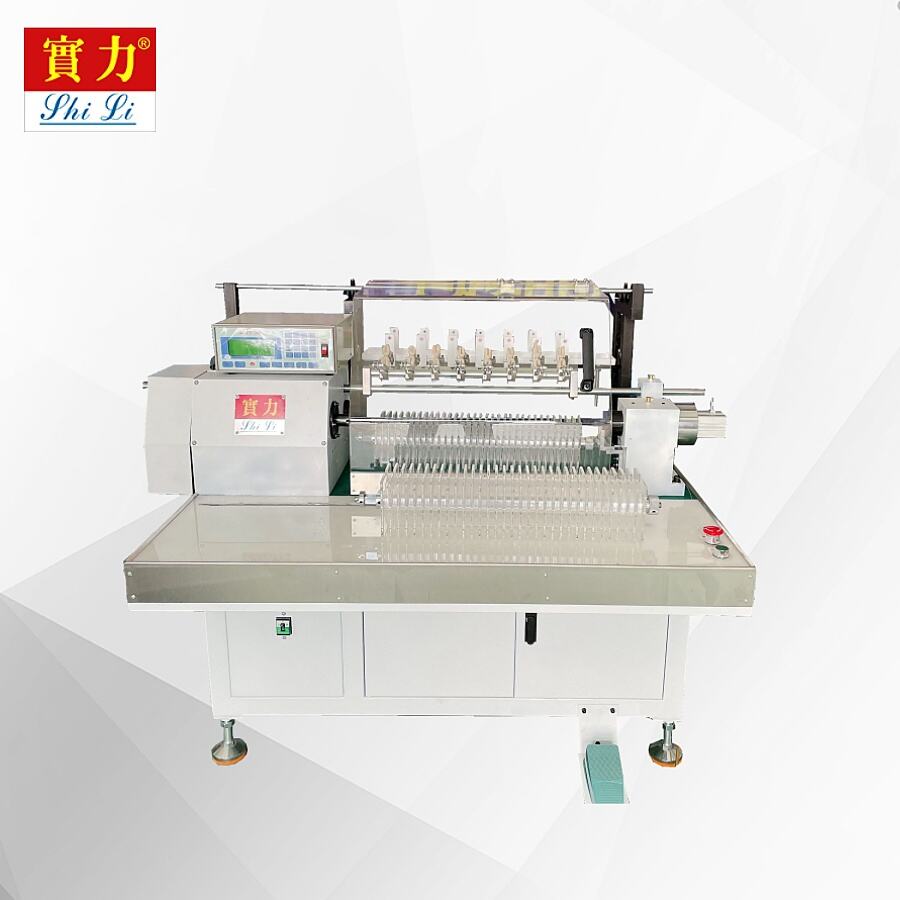
The intelligent wire management system incorporated in advanced stator winding equipment revolutionizes how manufacturers handle copper conductors throughout the production process, delivering unprecedented efficiency and quality control. This sophisticated system automatically feeds, guides, and positions wire from supply spools to final placement within stator slots, eliminating manual handling that can introduce contamination, kinks, or tension variations. The wire management system features precision tensioning mechanisms that continuously monitor and adjust wire tension based on real-time feedback, preventing over-tensioning that could damage delicate conductors or under-tensioning that might result in loose windings. Automated wire cutting and stripping functions ensure consistent preparation of conductor ends, removing insulation to exact specifications and creating clean terminations that facilitate reliable electrical connections. The system incorporates advanced path optimization algorithms that calculate the most efficient wire routing for complex winding patterns, minimizing material waste while ensuring optimal electromagnetic performance in finished motors. Multiple wire handling capabilities allow the system to manage several conductors simultaneously, enabling parallel winding operations that significantly reduce production time for multi-phase motors and complex configurations. The intelligent wire management system includes contamination prevention features such as enclosed wire paths and filtered air systems that maintain clean environments essential for high-reliability applications in medical devices and aerospace equipment. Real-time monitoring sensors throughout the wire management system detect potential issues such as wire breaks, tangles, or feed irregularities, automatically stopping the process to prevent defective products and minimize material waste. The system's flexibility accommodates various wire types, including standard copper, aluminum conductors, and specialized materials used in high-temperature or corrosion-resistant applications. Predictive maintenance capabilities analyze wire consumption patterns and system performance data to schedule optimal maintenance intervals, preventing unexpected downtime and ensuring consistent production output. The intelligent wire management system integrates seamlessly with manufacturing execution systems, providing detailed tracking of material usage, production metrics, and quality parameters that support lean manufacturing initiatives and regulatory compliance requirements.
Modular Design Architecture

Modular Design Architecture

The modular design architecture of contemporary stator winding equipment provides manufacturers with unparalleled flexibility and scalability to adapt to evolving production requirements and diverse motor specifications. This innovative approach allows companies to configure equipment with specific modules tailored to their exact needs, avoiding the expense of features they do not require while ensuring capability for future expansion. The modular architecture enables rapid reconfiguration between different stator sizes and winding patterns, supporting manufacturers who produce multiple motor types or frequently change production requirements based on market demands. Individual modules can be upgraded independently, allowing manufacturers to incorporate new technologies and capabilities without replacing entire systems, protecting capital investments and reducing total cost of ownership. The standardized interfaces between modules ensure compatibility across different equipment generations, enabling manufacturers to mix and match components from various vintages while maintaining operational integrity. This design philosophy facilitates easier maintenance and troubleshooting, as technicians can isolate issues to specific modules and replace components quickly without affecting other system functions, minimizing production downtime. The modular approach supports distributed manufacturing strategies where different modules can be deployed across multiple production lines or facilities, providing consistency in quality and capabilities while optimizing capital utilization. Scalability becomes more manageable with modular design architecture, as manufacturers can start with basic configurations and add advanced modules as production volumes increase or quality requirements become more stringent. The flexibility inherent in modular design enables manufacturers to respond quickly to customer requirements for specialized motor configurations, supporting custom applications and niche markets that demand unique winding patterns or materials. Training and workforce development benefit from modular architecture, as operators can master individual modules before progressing to complex multi-module operations, reducing learning curves and improving operational safety. The standardized nature of modular components creates opportunities for shared spare parts inventory across multiple machines, reducing storage requirements and ensuring rapid availability of replacement components when needed. Quality control becomes more precise with modular design, as each module can incorporate specific monitoring and control systems optimized for its particular function, creating comprehensive quality assurance throughout the entire winding process.

Get a Free Quote

Our representative will contact you soon.
Email
Name
Company Name
Message
0/1000
Newsletter
Please Leave A Message With Us