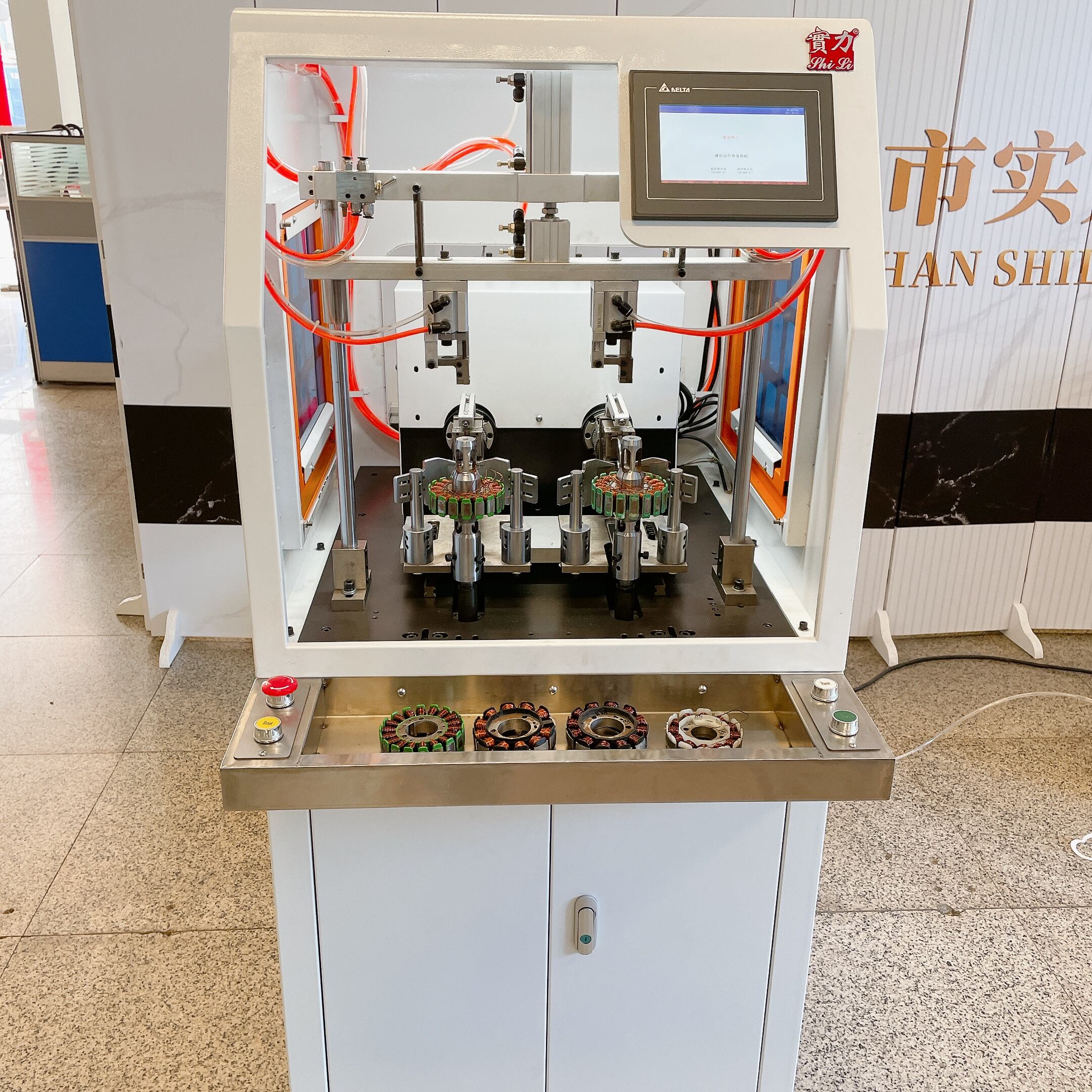
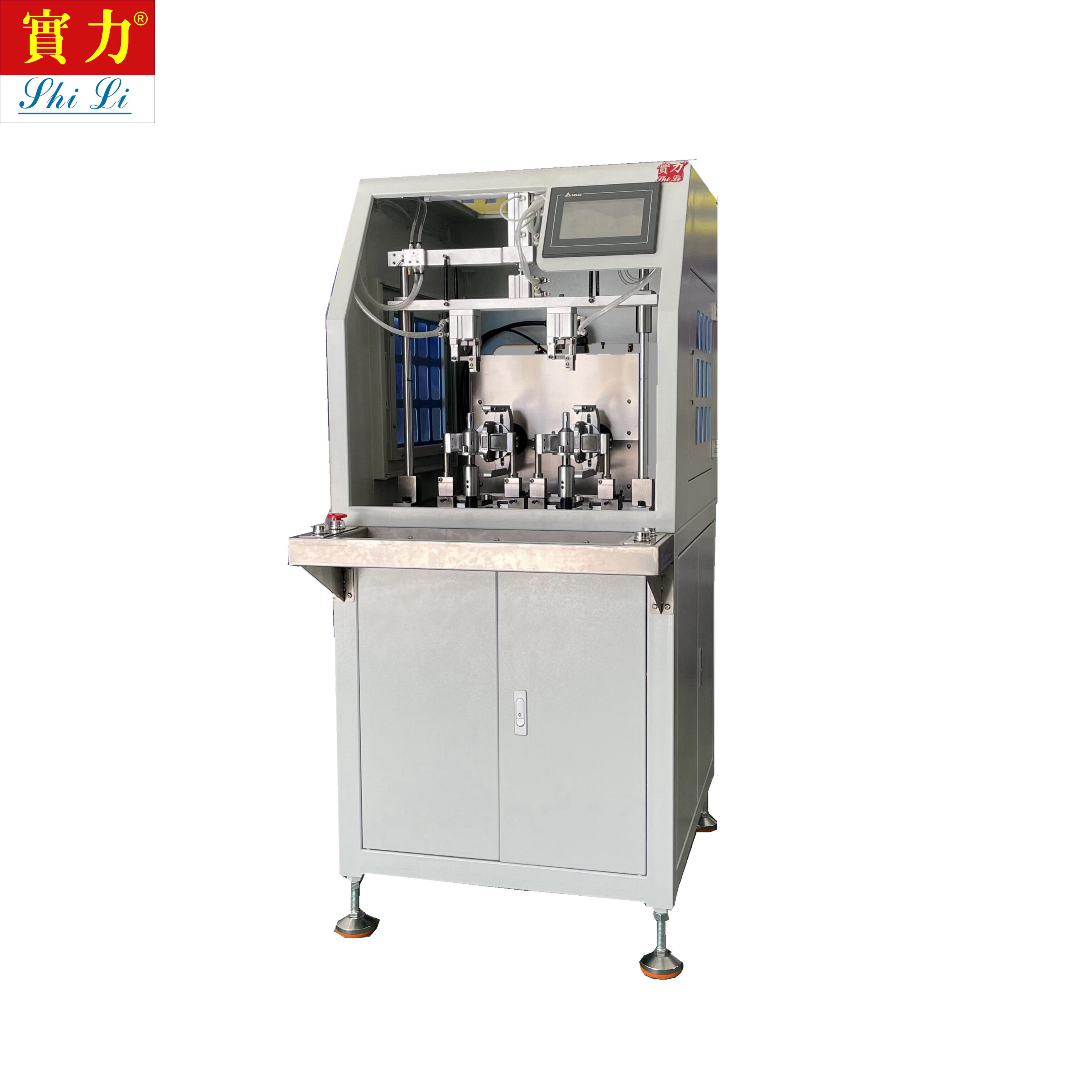
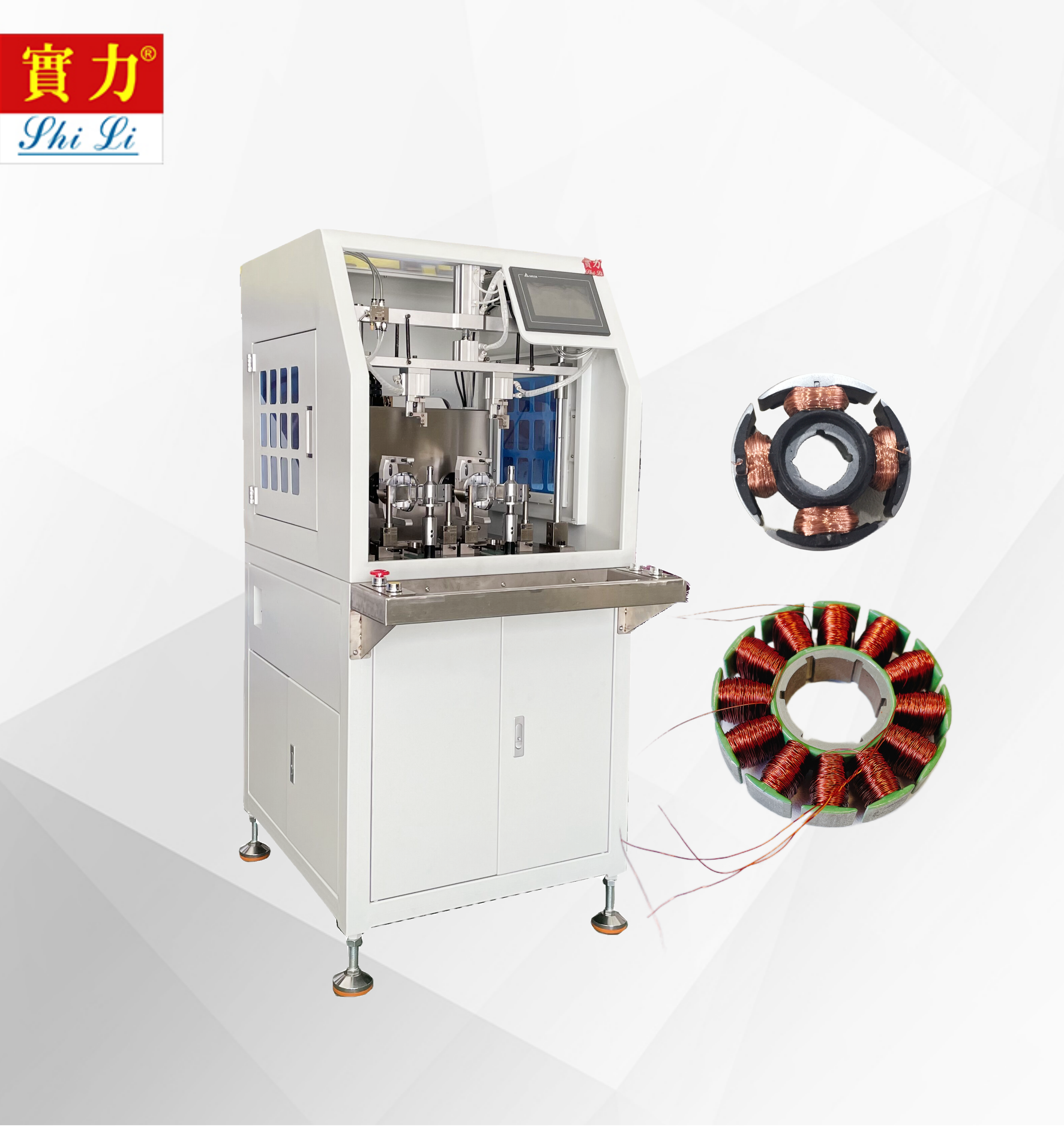
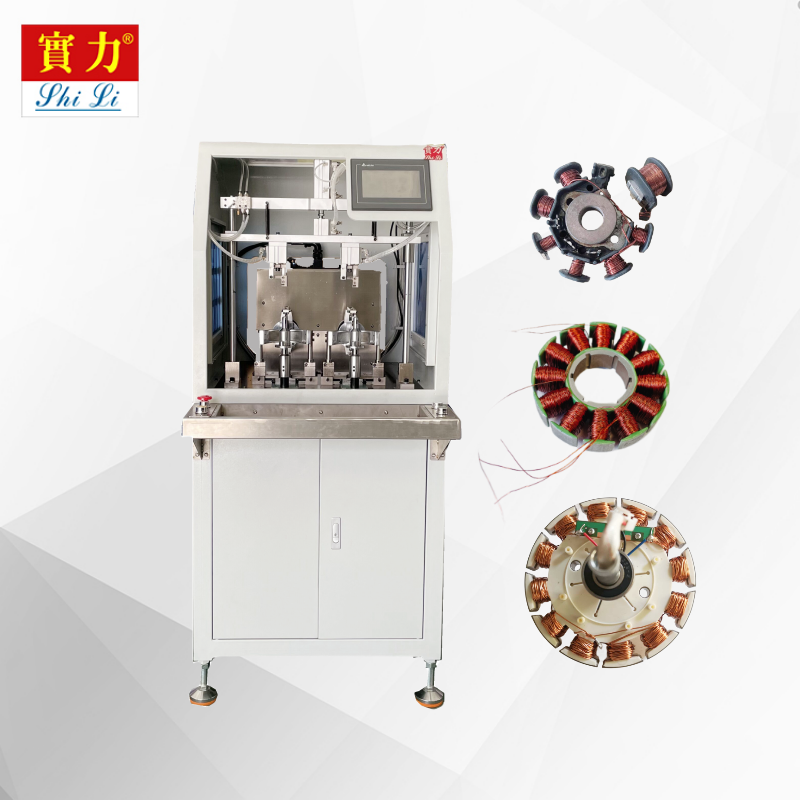
Advanced Stator Winding Machine Technology: Precision Motor Manufacturing Solutions

Get a Free Quote

Our representative will contact you soon.
Email
Name
Company Name
Message
0/1000

stator winding machine

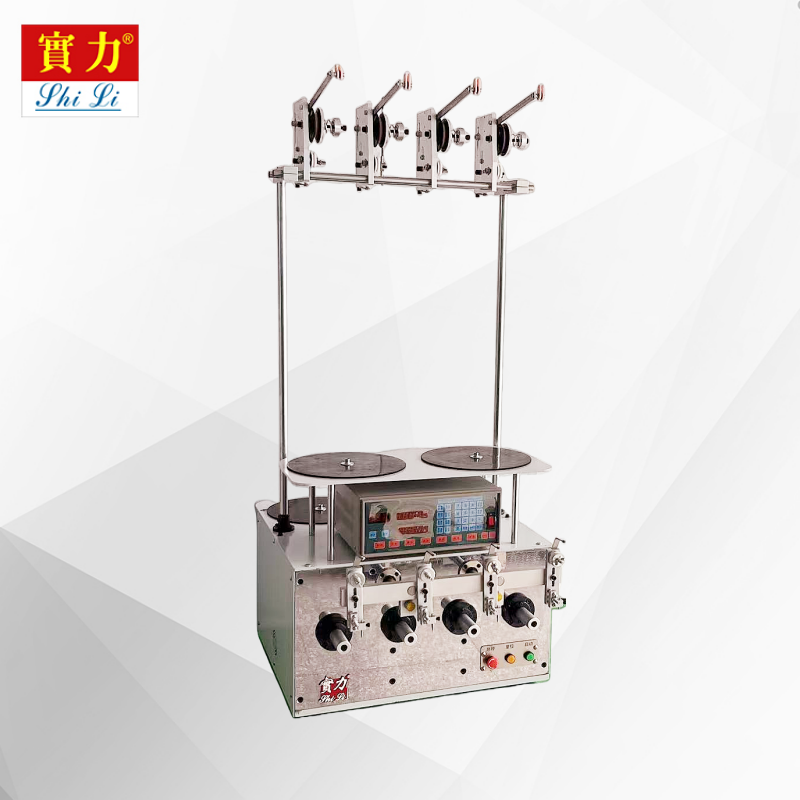
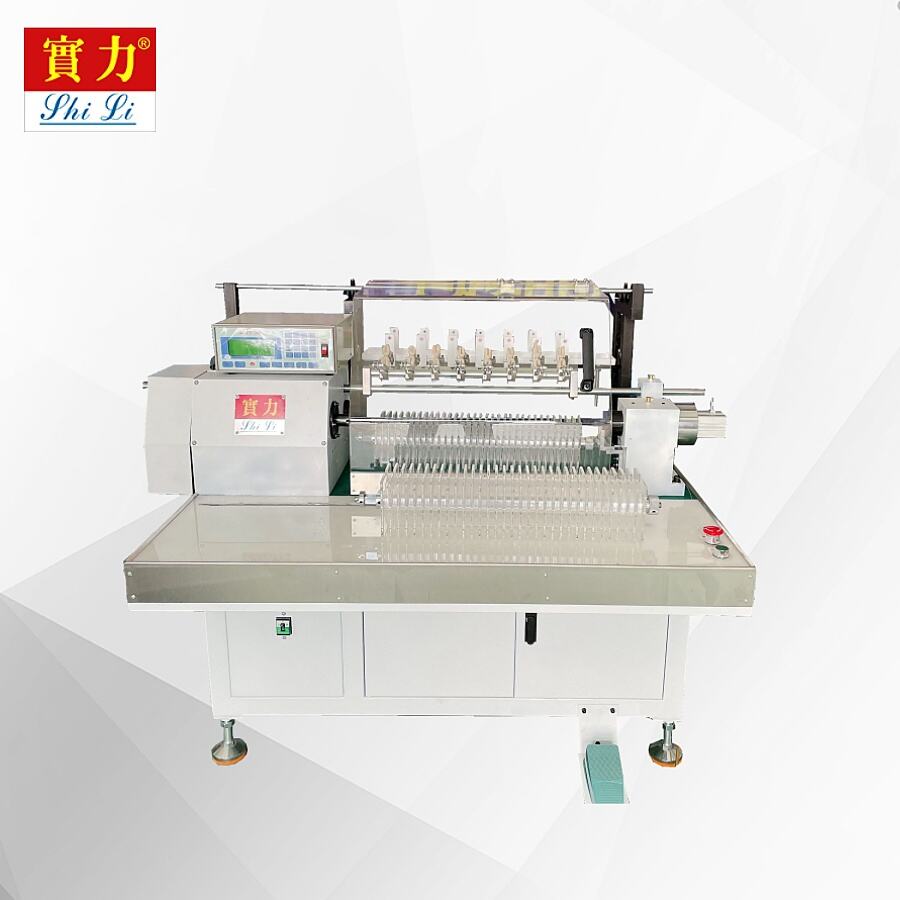
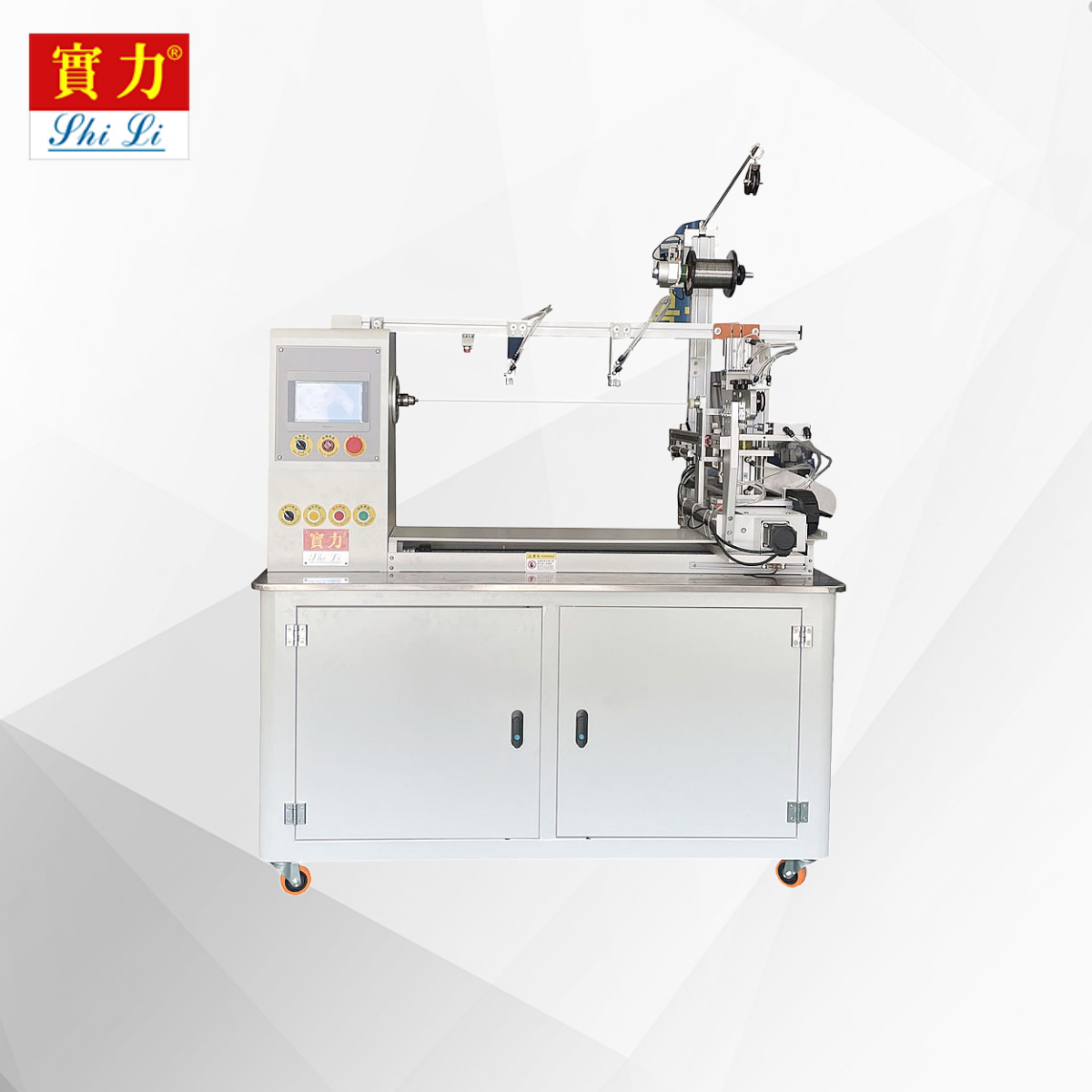
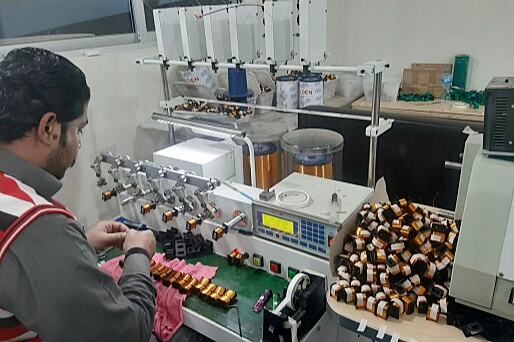
The stator winding machine represents a cornerstone technology in electric motor manufacturing, specifically designed to automate the precise winding of copper wire coils within stator cores. This sophisticated equipment serves as the foundation for producing high-quality electric motors used across various industries, from automotive applications to industrial machinery. The primary function of a stator winding machine centers on creating uniform, tightly wound coils that ensure optimal electromagnetic performance and energy efficiency in the finished motor. Modern stator winding machines incorporate advanced servo motor systems that control wire tension, winding speed, and positioning accuracy with exceptional precision. These machines feature programmable logic controllers that allow operators to customize winding patterns, layer configurations, and wire specifications according to specific motor requirements. The technological framework includes automatic wire feeding systems that maintain consistent tension throughout the winding process, eliminating variations that could compromise motor performance. Slot indexing mechanisms ensure precise positioning of the stator core during winding operations, while integrated cutting and crimping systems complete the coil formation process. Contemporary stator winding machines support multiple winding techniques, including lap winding, wave winding, and concentrated winding methods, adapting to diverse motor designs and specifications. The equipment typically handles various wire gauges and stator sizes, making it versatile for different production requirements. Quality control features include real-time monitoring of winding parameters, automatic detection of wire breaks, and verification systems that ensure each coil meets predetermined specifications. These machines find extensive applications in manufacturing facilities producing electric vehicle motors, industrial pump motors, HVAC system components, and household appliance motors. The integration of digital interfaces enables seamless connectivity with manufacturing execution systems, facilitating data collection and production tracking capabilities essential for modern manufacturing environments.
New Product Releases

Stator winding machines deliver substantial productivity improvements that transform manufacturing operations across the board. These automated systems can complete winding tasks up to ten times faster than manual methods, dramatically reducing production cycle times and increasing overall throughput. The consistency achieved through automated winding processes eliminates human error variables that often lead to quality variations and costly rework scenarios. Manufacturers benefit from significantly reduced labor costs as a single operator can manage multiple machines simultaneously, optimizing workforce allocation and reducing dependency on specialized skilled labor. The precision control systems within stator winding machines ensure uniform wire tension and consistent coil geometry, resulting in motors with superior electromagnetic characteristics and extended operational lifespans. Quality improvements manifest through reduced copper waste, as automated systems calculate optimal wire lengths and minimize material consumption during the winding process. The repeatability of automated winding translates into predictable motor performance characteristics, enabling manufacturers to maintain strict quality standards and meet demanding customer specifications consistently. Cost savings extend beyond direct labor reductions, encompassing decreased material waste, reduced quality inspection requirements, and minimized warranty claims due to improved product reliability. Energy efficiency gains become apparent through optimized coil configurations that enhance motor performance while reducing power consumption in end-user applications. The flexibility of programmable winding patterns allows manufacturers to adapt quickly to new motor designs without significant retooling investments, supporting rapid product development cycles and market responsiveness. Maintenance requirements remain minimal due to robust construction and self-diagnostic capabilities that identify potential issues before they impact production schedules. The data collection capabilities of modern stator winding machines provide valuable insights into production trends, enabling continuous improvement initiatives and predictive maintenance strategies. Worker safety improvements result from eliminating repetitive manual winding tasks that can cause strain injuries and reducing exposure to sharp wire edges and electrical components. Return on investment typically occurs within eighteen to twenty-four months through combined savings in labor costs, material waste reduction, and improved product quality that commands premium pricing in competitive markets.

Practical Tips

Solve Solenoid Valve Coil Production Pain Points for India | Easy Operation Guide

05

Feb

Solve Solenoid Valve Coil Production Pain Points for India | Easy Operation Guide

View More
Bangladesh Client Raves: Efficiency + Stable Quality

05

Feb

Bangladesh Client Raves: Efficiency + Stable Quality

View More
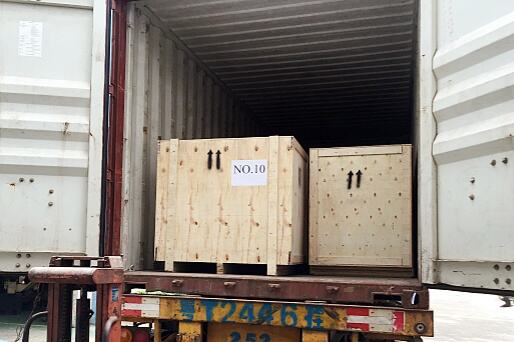
Turkey Full Container Shipment: Rave Reviews & Repeat Orders

05

Feb

Turkey Full Container Shipment: Rave Reviews & Repeat Orders

View More

Get a Free Quote

Our representative will contact you soon.
Email
Name
Company Name
Message
0/1000

stator winding machine

Advanced Precision Control Technology

Advanced Precision Control Technology

The precision control technology integrated into modern stator winding machines represents a quantum leap in manufacturing accuracy that directly impacts motor performance and reliability. This sophisticated system employs high-resolution servo motors coupled with precision encoders that monitor and adjust wire positioning to within micron-level tolerances throughout the entire winding process. The control architecture utilizes advanced algorithms that calculate optimal wire paths, tension parameters, and layer transitions in real-time, ensuring each coil achieves the exact specifications required for peak electromagnetic efficiency. Temperature compensation features automatically adjust winding parameters based on ambient conditions and wire characteristics, maintaining consistent results regardless of environmental variables that traditionally affected manual winding operations. The integrated feedback systems continuously monitor wire tension using load cells and strain gauges, making instantaneous adjustments to prevent wire breakage while maintaining optimal coil density and uniformity. Programmable winding patterns accommodate complex geometries and specialized motor designs, allowing manufacturers to produce custom solutions without compromising production efficiency or quality standards. The precision control extends to slot indexing mechanisms that position stator cores with absolute accuracy, ensuring proper phase relationships and electromagnetic balance in multi-phase motor configurations. Automatic wire guidance systems eliminate human positioning errors while maintaining consistent wire placement angles that optimize magnetic field distribution within the finished motor. The technology includes adaptive learning capabilities that analyze historical winding data to optimize parameters for specific wire types and stator configurations, continuously improving performance through accumulated operational experience. Quality verification sensors integrated throughout the winding process provide real-time feedback on coil formation, detecting irregularities immediately and enabling corrective actions before completing defective units. This precision control technology ultimately delivers motors with superior performance characteristics, including reduced vibration, improved efficiency ratings, and extended operational lifespans that provide significant value to end users across various applications.
Versatile Multi-Configuration Capability

Versatile Multi-Configuration Capability

The versatile multi-configuration capability of contemporary stator winding machines enables manufacturers to address diverse production requirements with a single equipment investment, maximizing operational flexibility and return on investment. This adaptability encompasses support for various stator sizes ranging from small fractional horsepower motors to large industrial applications, with quick-change tooling systems that facilitate rapid transitions between different motor specifications. The modular design philosophy allows manufacturers to configure machines according to specific production needs, selecting from options including multiple spindle configurations, variable wire feeding systems, and specialized winding heads designed for particular motor types. Programmable winding patterns support virtually any coil configuration, from simple single-layer windings to complex multi-layer arrangements with precise crossover patterns required for high-performance motor applications. The equipment accommodates different wire types and gauges simultaneously, enabling production of motors with mixed winding specifications without requiring separate dedicated machines for each variant. Automatic tooling changeover systems reduce setup times between different motor configurations, maintaining production efficiency even when manufacturing diverse product lines with frequent changeovers. The flexibility extends to winding techniques, supporting lap winding for concentrated flux applications, wave winding for distributed magnetic fields, and hybrid approaches that optimize specific performance characteristics. Customizable wire routing options enable manufacturers to achieve optimal slot fill factors while maintaining proper insulation clearances and thermal management considerations. The multi-configuration capability includes support for different connection methods, from traditional lead wire terminations to modern terminal block systems and direct PCB connections used in compact motor designs. Advanced software interfaces allow operators to store unlimited winding programs, facilitating quick recall of proven configurations and enabling rapid response to customer requirements or design modifications. This versatility proves particularly valuable for manufacturers serving multiple market segments, from automotive applications requiring high-volume standardized production to industrial customers demanding specialized custom motor solutions with unique performance characteristics.
Integrated Quality Assurance Systems

Integrated Quality Assurance Systems

The integrated quality assurance systems within modern stator winding machines establish comprehensive monitoring and verification protocols that ensure consistent product excellence while minimizing defective output and associated costs. These sophisticated systems employ multiple sensor technologies including vision systems, tension monitors, and continuity testers that evaluate every aspect of the winding process in real-time, providing immediate feedback and corrective actions when deviations from established parameters occur. Advanced machine learning algorithms analyze historical quality data to identify patterns and predict potential quality issues before they manifest in finished products, enabling proactive adjustments that maintain optimal production conditions. The quality assurance framework includes automatic wire break detection systems that immediately halt operations when continuity interruptions occur, preventing the completion of defective coils and eliminating waste associated with discovering faults during subsequent testing phases. Integrated measurement systems verify coil resistance, inductance, and insulation properties immediately upon completion of each winding cycle, ensuring electrical characteristics meet specifications before advancing to the next production stage. Statistical process control capabilities track quality metrics over time, generating reports and alerts that enable continuous improvement initiatives and early identification of equipment maintenance requirements. The systems include automated documentation features that record all quality parameters for each produced unit, creating comprehensive traceability records that support quality audits and customer requirements for certified manufacturing processes. Vision inspection systems examine wire placement, crossover patterns, and termination quality, detecting visual defects that could impact motor performance or reliability in field applications. Temperature monitoring throughout the winding process ensures optimal conditions for wire handling and insulation integrity, preventing thermal damage that could compromise long-term motor reliability. The quality assurance integration extends to automatic rejection systems that remove defective units from the production line, preventing contamination of good products and enabling immediate analysis of failure modes for continuous improvement purposes. These comprehensive quality systems ultimately deliver motors with consistent performance characteristics, reduced warranty claims, and enhanced customer satisfaction that translates into improved market reputation and increased sales opportunities for manufacturers investing in advanced stator winding machine technology.

Get a Free Quote

Our representative will contact you soon.
Email
Name
Company Name
Message
0/1000
Newsletter
Please Leave A Message With Us