coil winding machine for transformer
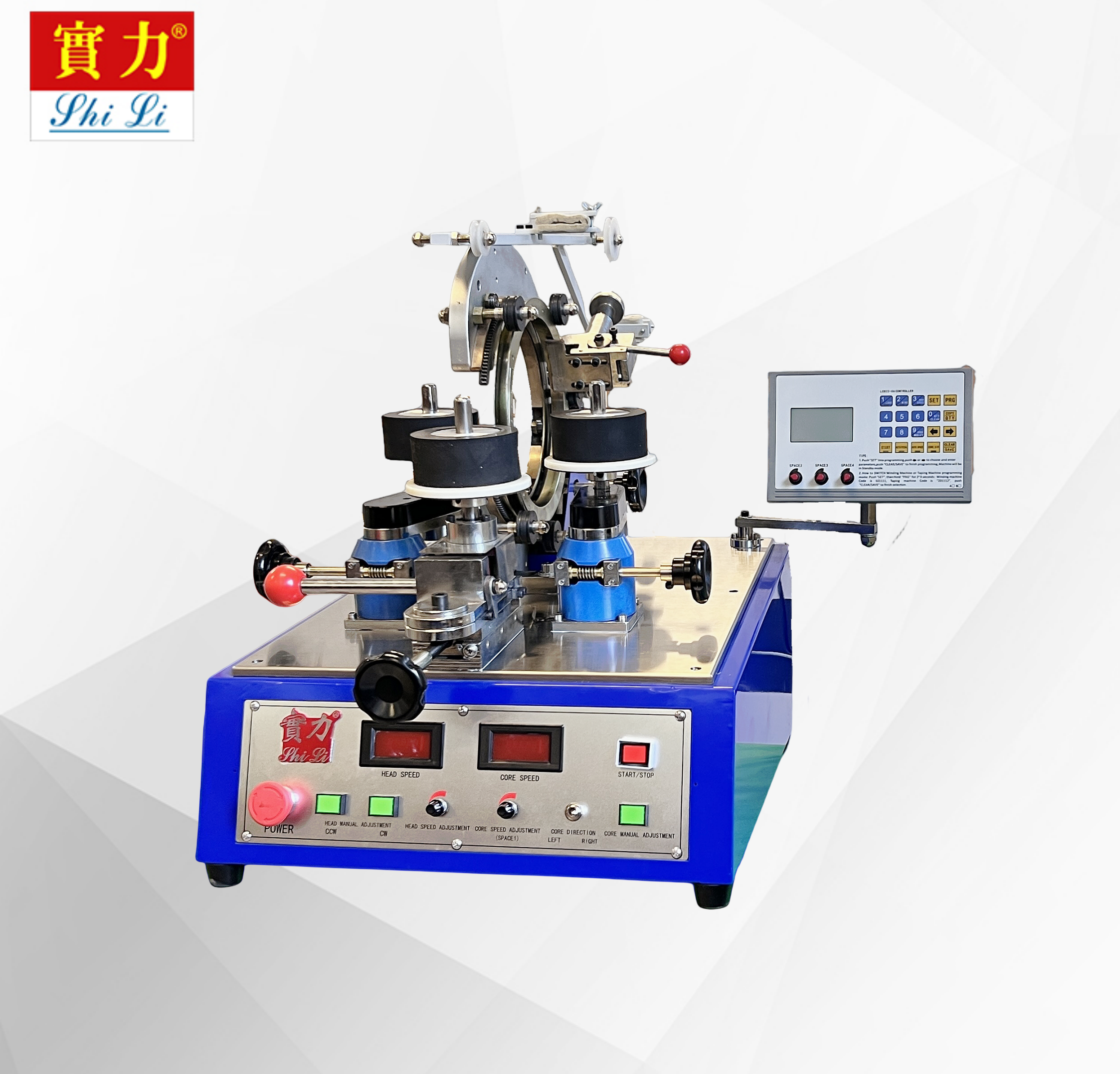
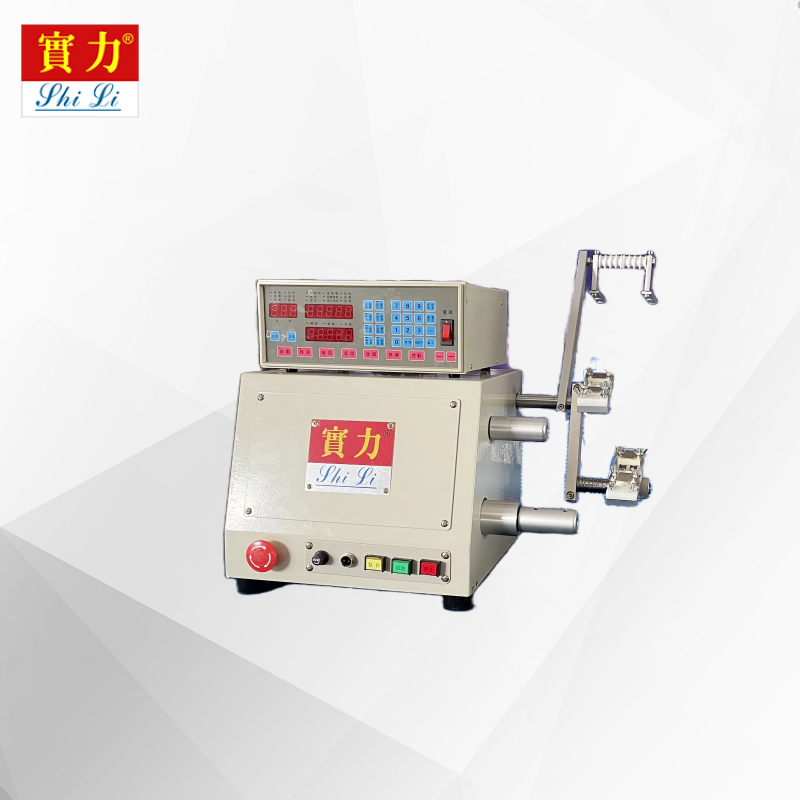
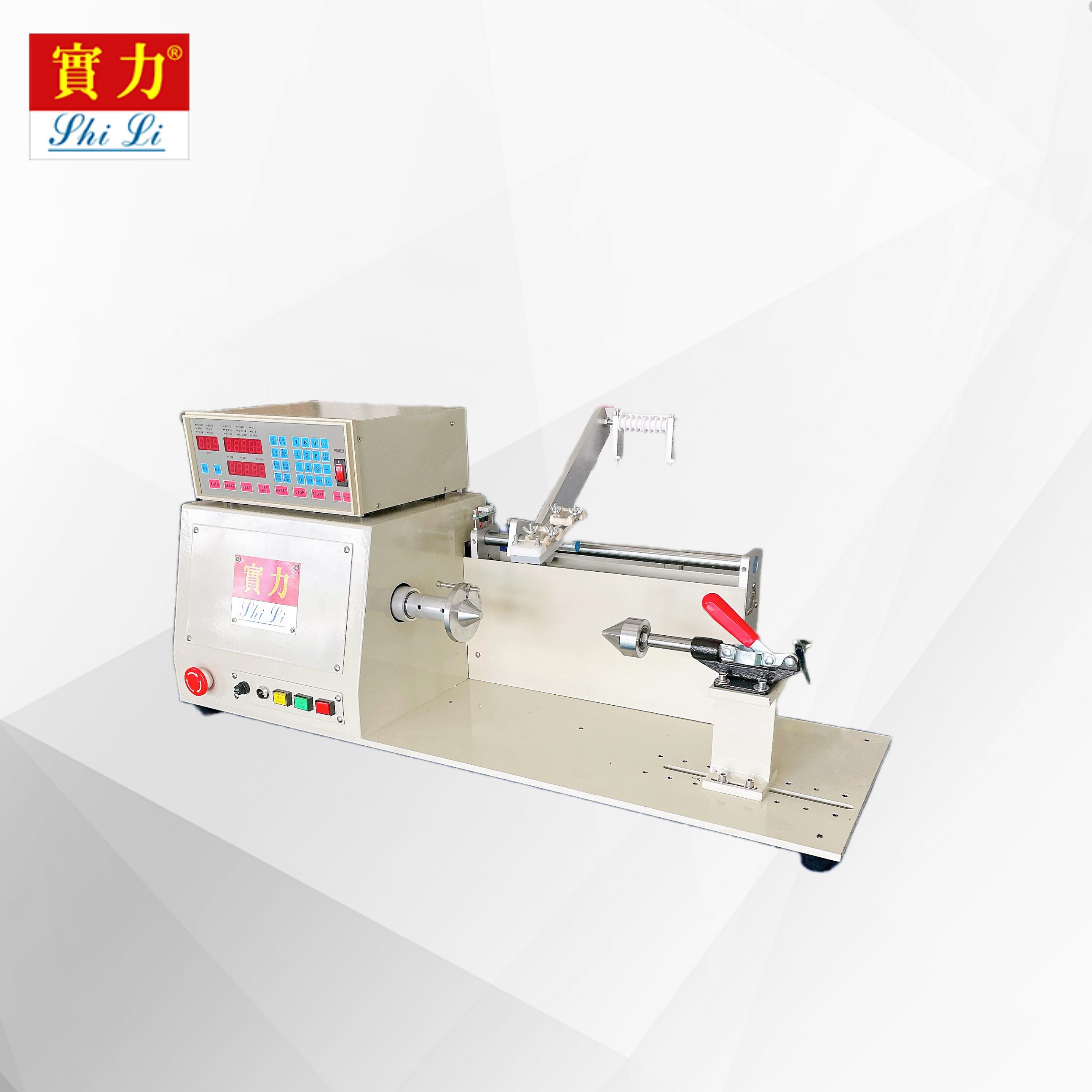
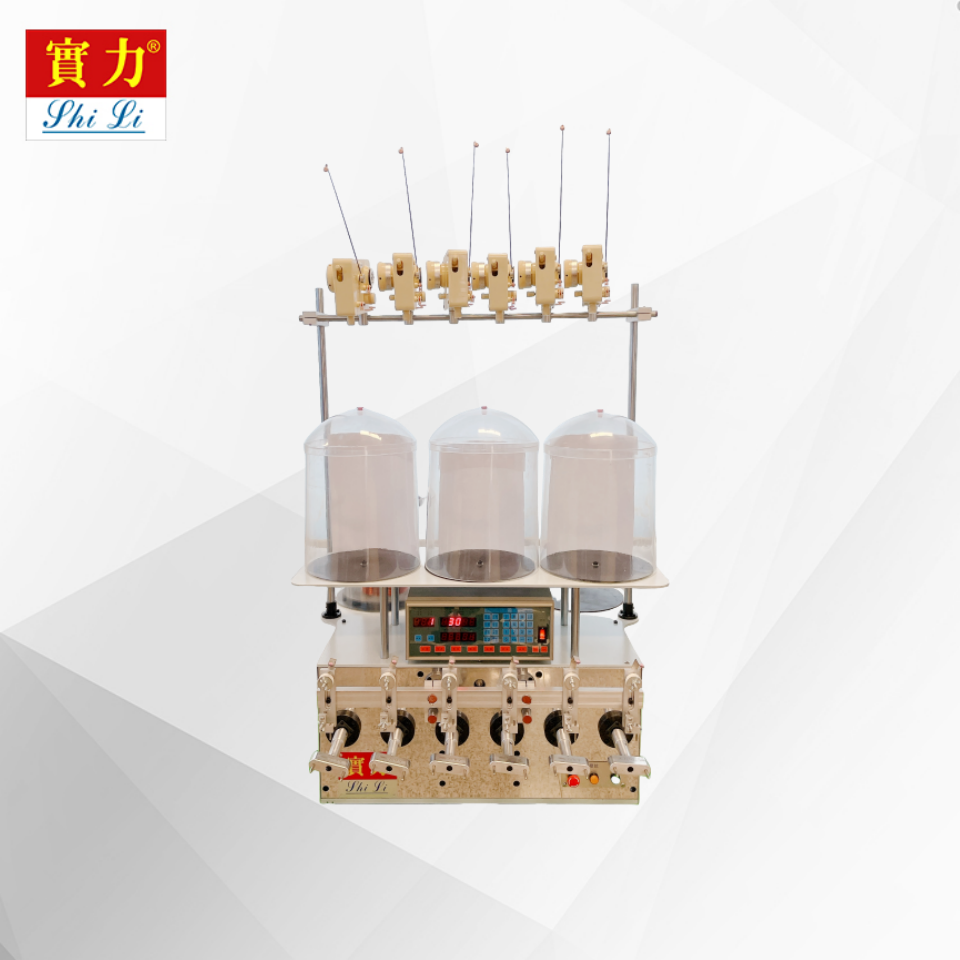
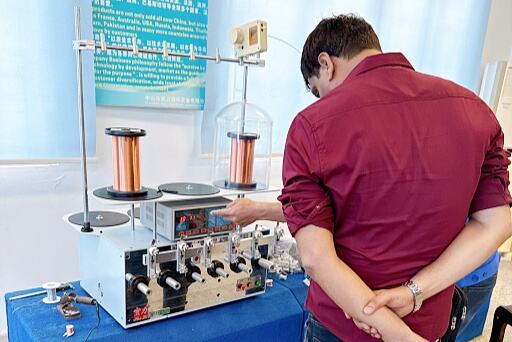
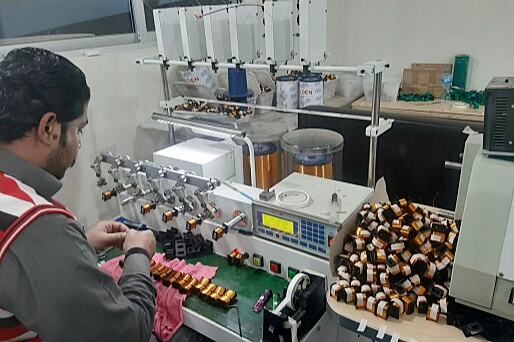
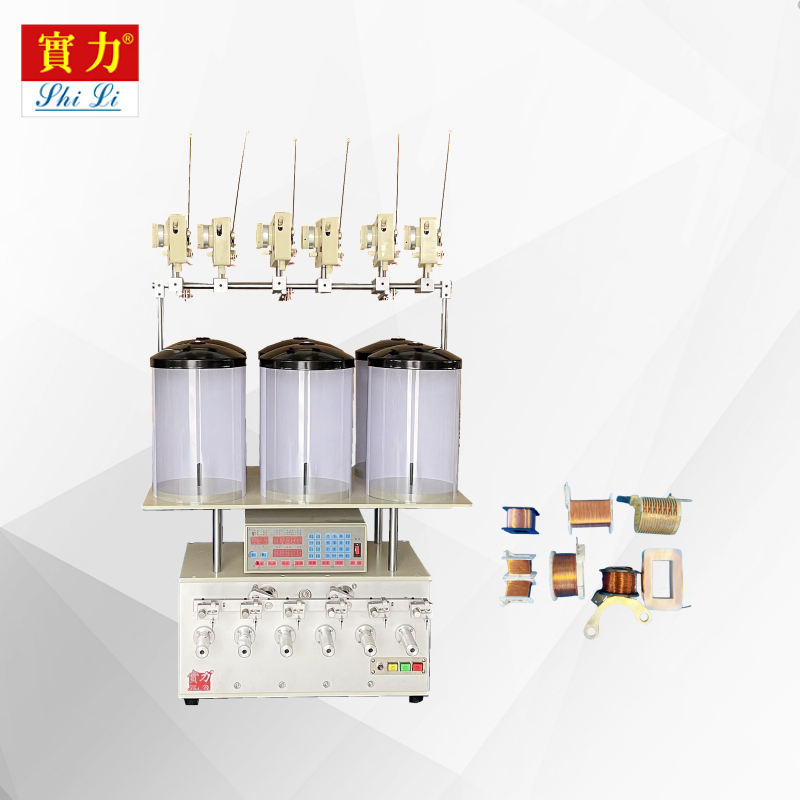
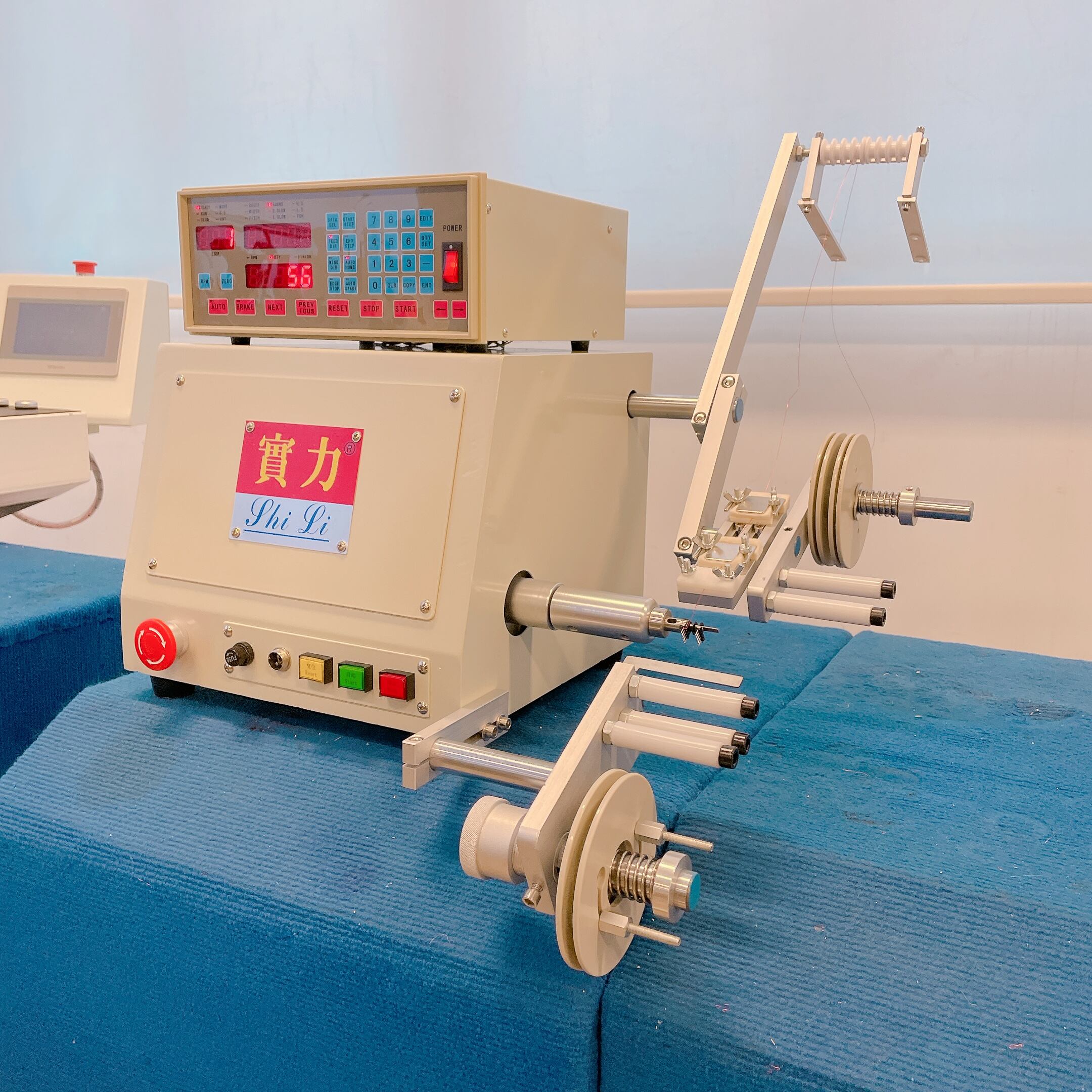
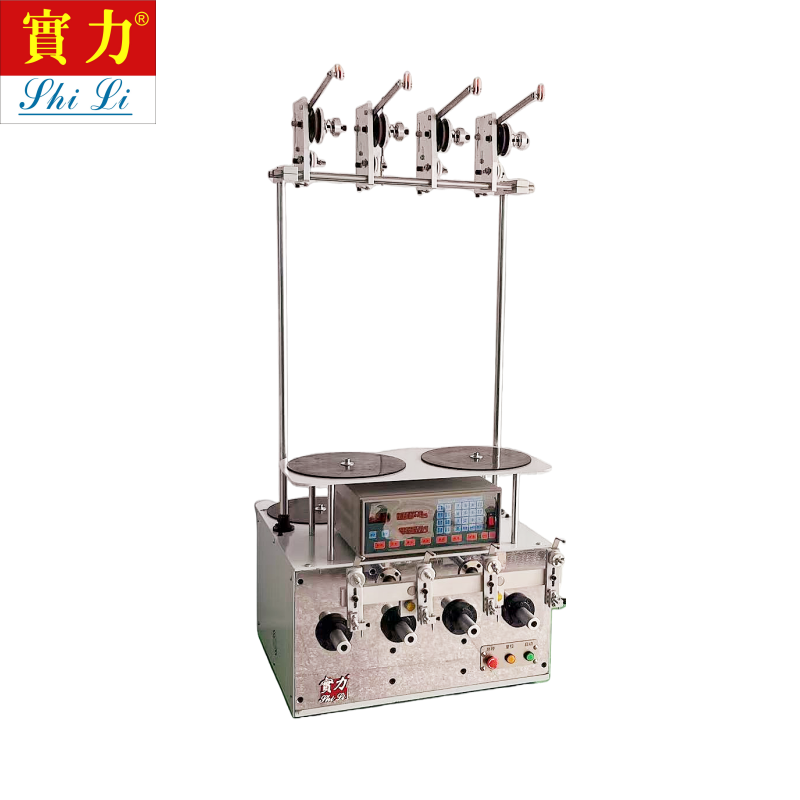
A coil winding machine for transformer represents a sophisticated piece of industrial equipment designed to automate the precise winding of copper or aluminum wire onto transformer cores. This specialized machinery plays a crucial role in transformer manufacturing by ensuring consistent coil production with superior electrical and mechanical properties. The primary function of a coil winding machine for transformer involves creating uniform windings that meet exact specifications for voltage ratings, current capacity, and impedance characteristics. Modern coil winding machines incorporate advanced control systems that regulate wire tension, winding speed, and layer distribution to achieve optimal performance parameters. These machines feature programmable logic controllers that store winding patterns for different transformer types, enabling quick changeover between production runs. The technological architecture includes servo-driven motors for precise wire positioning, tension control mechanisms to prevent wire breakage, and automated wire feeding systems that maintain consistent supply during operation. Many contemporary coil winding machines for transformer applications integrate digital monitoring systems that track winding progress, detect anomalies, and provide real-time quality assurance feedback. The equipment typically accommodates various core sizes and configurations, from small distribution transformers to large power transmission units. Wire handling capabilities range from fine gauge conductors for low-voltage applications to heavy-duty cables for high-power transformers. Safety features include emergency stop functions, protective barriers, and automated shutdown protocols to prevent accidents during operation. The machines often incorporate wire cutting and termination systems that complete the winding process without manual intervention. Advanced models feature multi-head configurations that simultaneously wind multiple coils, significantly increasing production throughput. Environmental considerations include noise reduction technologies and energy-efficient drive systems that minimize operational costs while maintaining high productivity levels in transformer manufacturing facilities.
 ×
×
 EN
EN