Electric Motor Coil Winding Machine - Advanced Automation for Precision Coil Manufacturing

Get a Free Quote

Our representative will contact you soon.
Email
Name
Company Name
Message
0/1000

electric motor coil winding machine

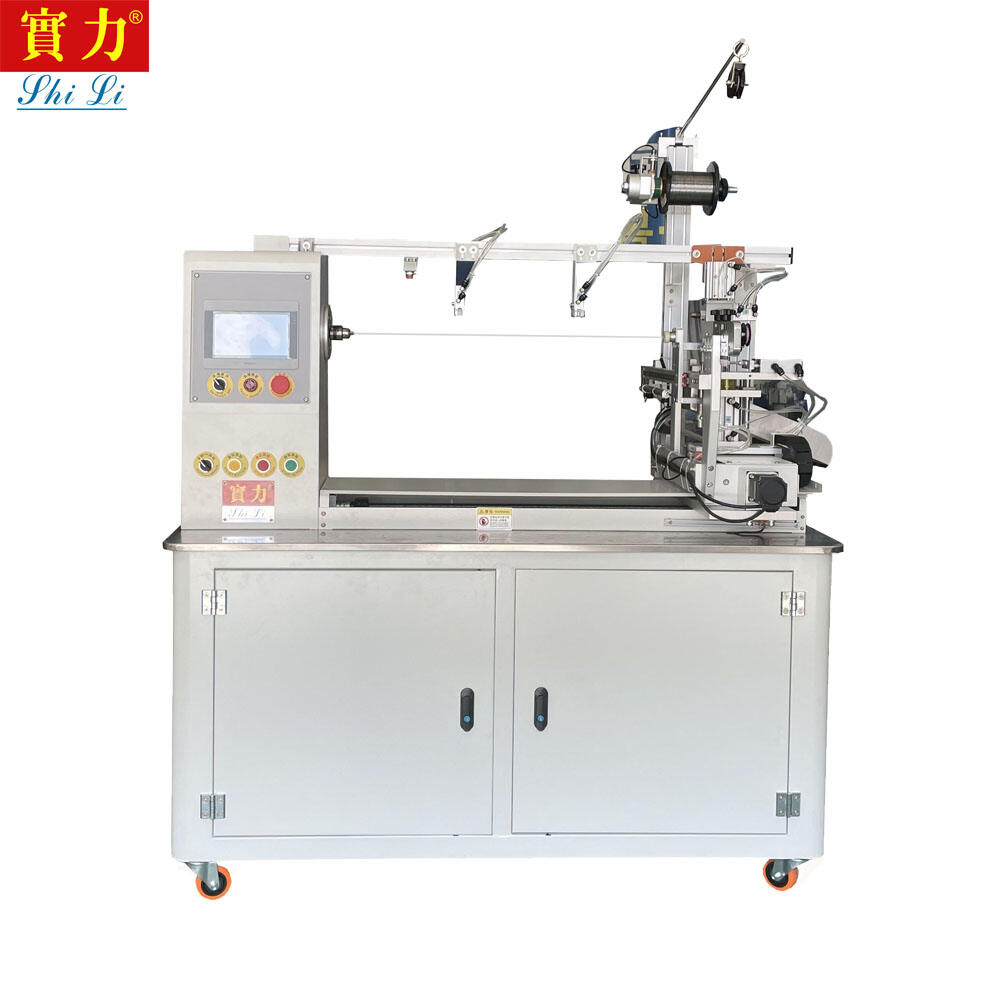
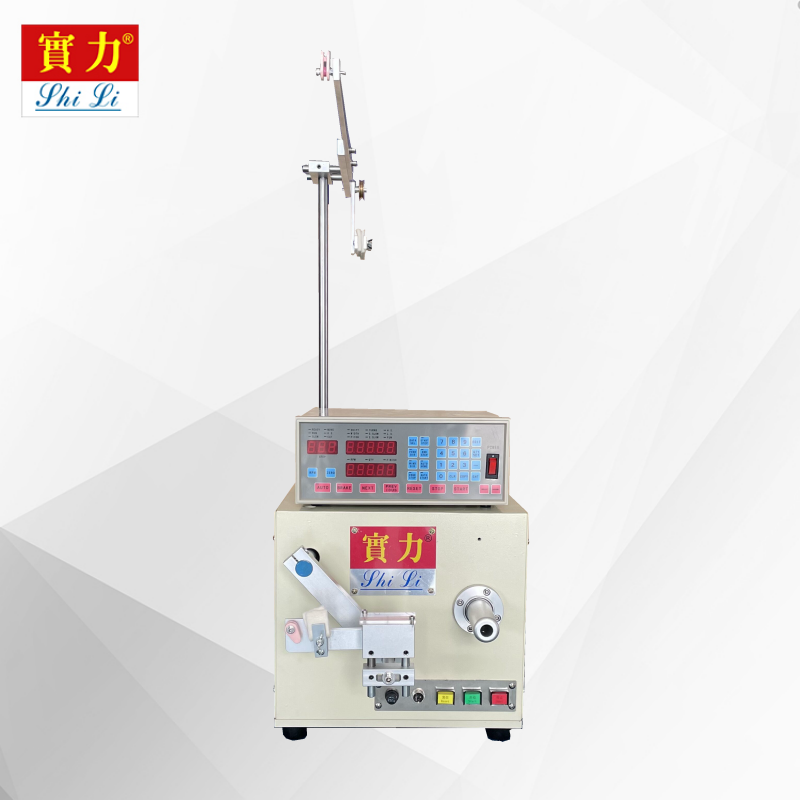
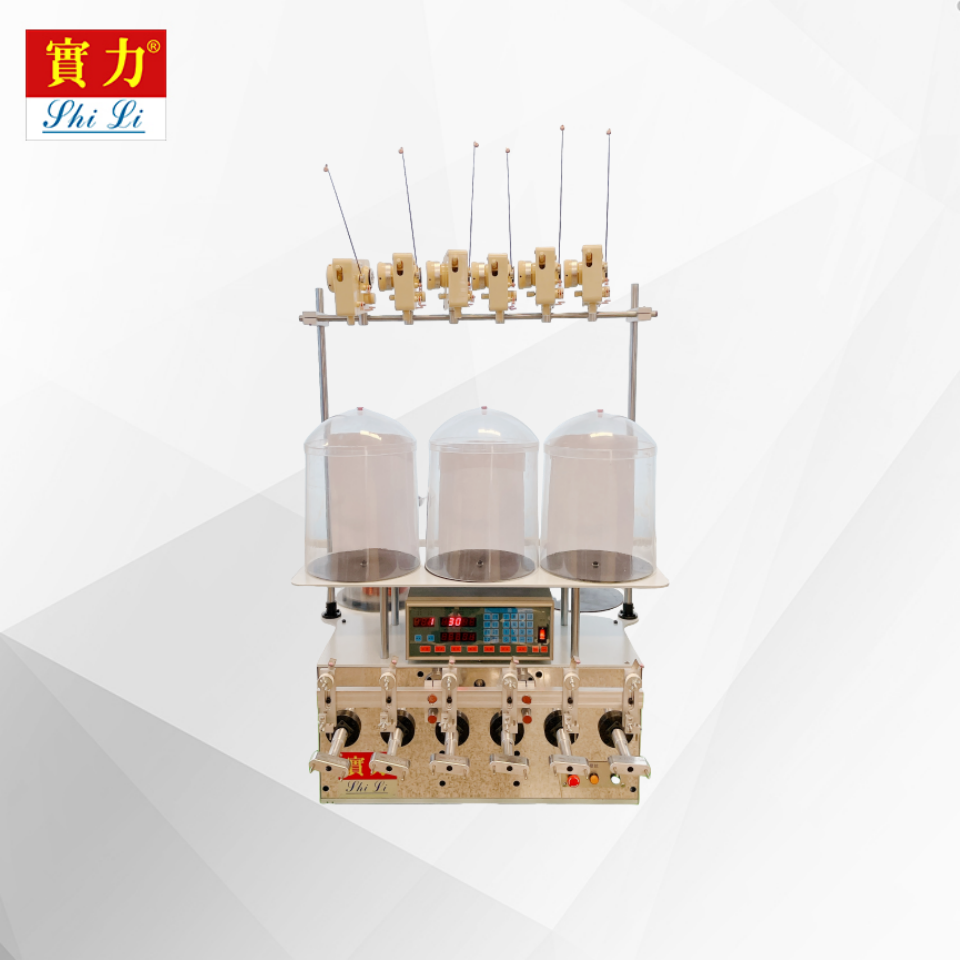
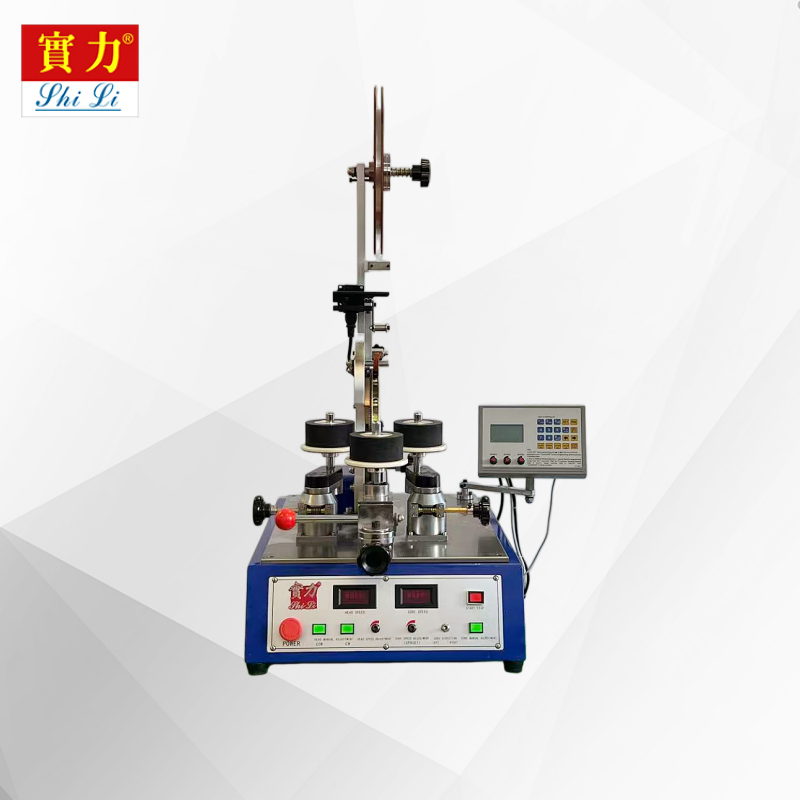
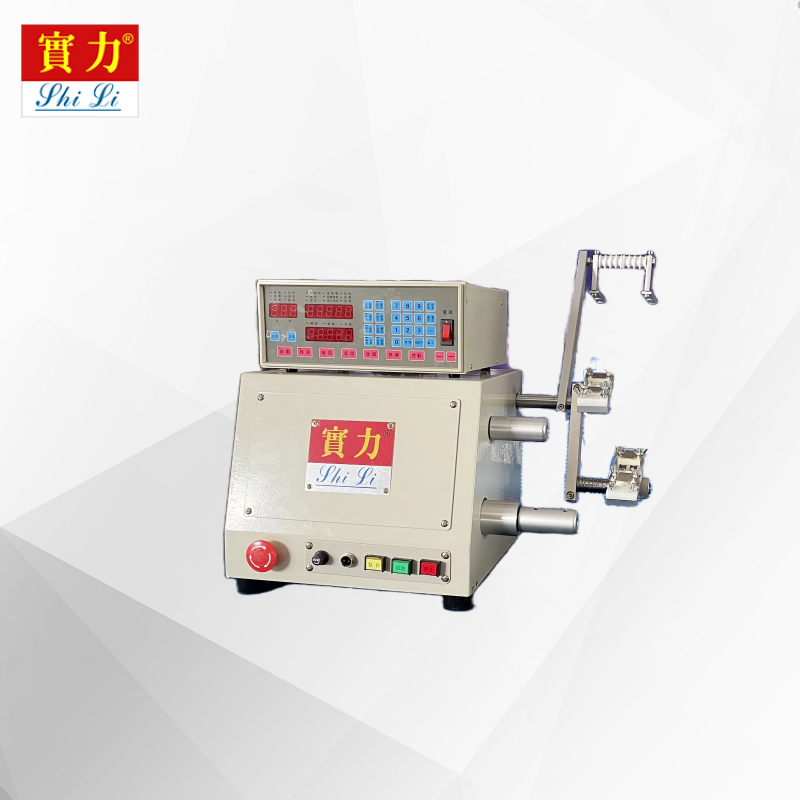
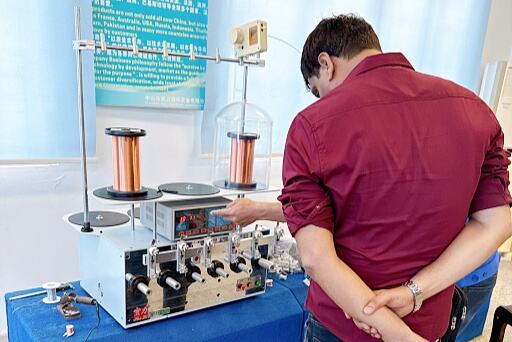
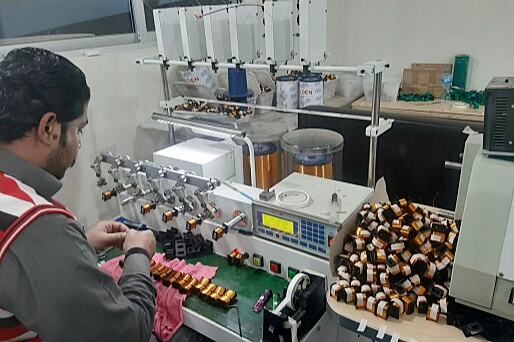
Electric motor coil winding machines represent essential manufacturing equipment that automates the precise winding of copper or aluminum wire coils for electric motors, transformers, and various electromagnetic devices. These sophisticated machines eliminate manual winding processes, ensuring consistent quality and dramatically increasing production efficiency across industrial applications. The electric motor coil winding machine operates through computer-controlled systems that manage wire tension, speed, and positioning with remarkable accuracy. Modern units feature programmable logic controllers that store multiple winding patterns, enabling manufacturers to switch between different coil specifications seamlessly. The primary functions include wire feeding, tension control, layer counting, and automatic cutting upon completion. Advanced models incorporate servo motors for precise positioning and variable speed drives for optimal winding conditions. Technological features encompass digital displays showing real-time parameters, automatic wire break detection, and integrated quality control systems. Many electric motor coil winding machines support both random and precision winding techniques, accommodating diverse manufacturing requirements. The equipment handles various wire gauges from fine electronics applications to heavy-duty industrial motor coils. Temperature monitoring prevents overheating during extended operations, while safety interlocks protect operators and maintain product integrity. Applications span automotive manufacturing, where these machines produce starter motor coils, alternator windings, and electric vehicle components. Industrial motor production relies heavily on electric motor coil winding machines for creating stator and rotor assemblies. The aerospace industry utilizes specialized versions for aircraft electrical systems and satellite components. Renewable energy sectors employ these machines for wind turbine generator coils and solar panel inverter transformers. Consumer electronics manufacturing depends on compact electric motor coil winding machines for producing small motor coils in appliances, power tools, and computer cooling fans. Medical device production requires ultra-precise winding for MRI machines, surgical equipment motors, and diagnostic instrument components.

New Product Releases

Electric motor coil winding machines deliver substantial productivity improvements that directly impact manufacturing profitability and operational efficiency. These automated systems complete winding operations significantly faster than manual processes, often achieving production rates three to five times higher than traditional hand-winding methods. The consistent speed and precision eliminate human fatigue factors, maintaining steady output throughout extended production runs. Quality enhancement represents another major advantage, as electric motor coil winding machines maintain uniform wire spacing, optimal tension levels, and consistent layer distribution across every coil produced. This standardization reduces rejection rates and minimizes costly rework, directly improving bottom-line results for manufacturers. The machines eliminate variations caused by operator skill differences, ensuring every coil meets exact specifications regardless of shift changes or personnel rotation. Cost reduction occurs through multiple channels when implementing electric motor coil winding machines in production facilities. Labor costs decrease substantially as one operator can manage multiple machines simultaneously, reducing per-unit labor expenses significantly. Material waste drops dramatically due to precise wire measurement and cutting systems that eliminate excess wire consumption common in manual processes. Energy efficiency improves through optimized motor controls and reduced production cycle times. Flexibility advantages enable manufacturers to adapt quickly to changing market demands and customer specifications. Modern electric motor coil winding machines store hundreds of winding programs, allowing rapid changeovers between different coil types without extensive setup procedures. This capability proves invaluable for companies serving diverse markets or producing customized solutions. The programmable nature means manufacturers can accommodate special orders, prototype development, and small batch production without significant setup costs. Accuracy benefits extend beyond basic dimensional control to include electrical characteristics that directly affect motor performance. Precise wire placement ensures optimal magnetic field distribution, improving motor efficiency and reducing electrical losses. Consistent interwinding spacing prevents insulation breakdown and extends motor lifespan. Temperature rise characteristics improve due to uniform heat dissipation paths created by precise winding patterns. Safety improvements protect workers from repetitive strain injuries common in manual winding operations while reducing exposure to sharp wire edges and electrical hazards.

Tips And Tricks

Solve Solenoid Valve Coil Production Pain Points for India | Easy Operation Guide

05

Feb

Solve Solenoid Valve Coil Production Pain Points for India | Easy Operation Guide

View More
Bangladesh Client Raves: Efficiency + Stable Quality

05

Feb

Bangladesh Client Raves: Efficiency + Stable Quality

View More
Turkey Full Container Shipment: Rave Reviews & Repeat Orders

05

Feb

Turkey Full Container Shipment: Rave Reviews & Repeat Orders

View More

Get a Free Quote

Our representative will contact you soon.
Email
Name
Company Name
Message
0/1000

electric motor coil winding machine

Advanced Precision Control Technology

Advanced Precision Control Technology

Electric motor coil winding machines incorporate state-of-the-art precision control technology that revolutionizes coil manufacturing accuracy and consistency. The sophisticated servo-driven positioning systems deliver micro-level precision, controlling wire placement within tolerances of plus or minus 0.1 millimeters across the entire coil structure. This exceptional accuracy stems from advanced feedback control systems that continuously monitor and adjust wire position, tension, and speed throughout the winding process. The precision control technology integrates multiple sensors that detect wire position, coil diameter, and layer height in real-time, automatically compensating for any deviations from programmed parameters. High-resolution encoders track rotational position with incredible accuracy, ensuring each wire turn lands precisely where intended according to the programmed winding pattern. The electric motor coil winding machine utilizes closed-loop control systems that constantly compare actual performance against programmed specifications, making instantaneous adjustments to maintain optimal winding conditions. Tension control systems represent a critical component of precision technology, maintaining consistent wire stress throughout the entire winding process regardless of spool size, wire gauge, or environmental conditions. Dynamic tension adjustment responds to changing conditions within milliseconds, preventing wire breaks while ensuring proper coil compaction. The precision technology enables manufacturers to achieve winding tolerances previously impossible with manual methods, resulting in superior electrical characteristics and improved motor performance. Layer counting accuracy eliminates turn count errors that can cause significant performance variations in finished motors. The advanced control systems prevent overlapping issues, ensure proper insulation spacing, and maintain consistent coil geometry across production runs. This precision technology particularly benefits high-performance applications where electrical characteristics must meet strict specifications, such as aerospace motors, medical devices, and precision instrumentation. The investment in precision control technology pays dividends through reduced scrap rates, improved product reliability, and the ability to meet increasingly demanding quality standards in competitive markets.
Programmable Versatility and Quick Changeover

Programmable Versatility and Quick Changeover

The programmable versatility of electric motor coil winding machines provides manufacturers with unprecedented flexibility to handle diverse production requirements while minimizing setup time and maximizing equipment utilization. Modern machines store extensive libraries of winding programs, often accommodating hundreds of different coil specifications within their memory systems. This capability allows manufacturers to switch between completely different coil types, wire gauges, and winding patterns within minutes rather than hours required for mechanical changeovers. The programming interface utilizes intuitive touchscreen controls that enable operators to select, modify, or create new winding programs without extensive technical training. Parameter adjustment capabilities include wire speed, tension levels, layer patterns, turn counts, and traverse rates, all adjustable through simple menu selections. The electric motor coil winding machine programming system accommodates both standard and custom winding patterns, including random wound coils, precision layered coils, and complex multi-segment configurations. Quick changeover functionality becomes particularly valuable for manufacturers serving multiple markets or producing customized solutions for specific applications. The ability to rapidly switch between automotive starter coils, industrial motor windings, and specialty transformer coils maximizes production scheduling flexibility and reduces inventory carrying costs. Program storage and retrieval systems maintain complete winding specifications for future production runs, ensuring consistent quality when repeat orders arrive months or years later. The versatility extends to accommodation of various wire types, including copper, aluminum, and specialty alloy conductors with different insulation systems and mechanical properties. Automatic parameter adjustment compensates for different wire characteristics, maintaining optimal winding quality regardless of material variations. Recipe management systems organize winding programs by customer, part number, or application type, simplifying program selection and reducing operator errors. The programmable nature eliminates the need for multiple dedicated machines, allowing single units to handle diverse production requirements efficiently. This versatility particularly benefits smaller manufacturers who cannot justify specialized equipment for each coil type, providing enterprise-level capabilities at accessible price points.

Enhanced Safety and Ergonomic Design

Enhanced Safety and Ergonomic Design

Electric motor coil winding machines prioritize operator safety and ergonomic considerations through comprehensive design features that protect workers while improving productivity and job satisfaction. The automated nature of these machines eliminates many physical stresses associated with manual coil winding, including repetitive hand motions, awkward positioning, and prolonged static postures that contribute to workplace injuries. Ergonomic workstation design positions controls, displays, and loading areas at optimal heights and angles, reducing operator fatigue during extended production shifts. Safety interlocks represent a fundamental aspect of electric motor coil winding machine design, automatically shutting down operations when safety barriers are opened or emergency conditions detected. Wire break sensors immediately halt machine operation when wire breakage occurs, preventing damaged coils and potential safety hazards from loose wire ends. Electrical safety systems isolate high-voltage components during maintenance procedures, protecting technicians from shock hazards while ensuring compliance with industrial safety standards. Mechanical safety features include enclosed moving parts, emergency stop buttons positioned at multiple locations, and light curtains that detect operator presence in dangerous areas. The automated wire handling systems eliminate operator exposure to sharp wire edges and reduce the risk of cuts and puncture wounds common in manual winding operations. Noise reduction measures incorporate sound dampening materials and precision-balanced rotating components that minimize operational noise levels, creating more comfortable working environments and reducing hearing protection requirements. The electric motor coil winding machine design includes proper ventilation systems that manage dust and fumes generated during winding operations, particularly important when processing insulated wires or applying bonding agents. User-friendly control interfaces reduce operator stress and error rates through clear displays, logical control layouts, and comprehensive status indicators that provide immediate feedback on machine conditions. Training requirements decrease significantly compared to manual winding skills, allowing operators to become proficient more quickly while reducing the physical demands of coil production work. Maintenance safety features include accessible service points, clear lockout procedures, and diagnostic systems that identify potential problems before they create hazardous conditions. The overall safety enhancement creates more attractive working conditions, reduces workers compensation costs, and demonstrates corporate commitment to employee welfare while maintaining high production standards.

Get a Free Quote

Our representative will contact you soon.
Email
Name
Company Name
Message
0/1000
Newsletter
Please Leave A Message With Us