Advanced Winding Machine Solutions - Precision Automation for Industrial Manufacturing

Get a Free Quote

Our representative will contact you soon.
Email
Name
Company Name
Message
0/1000

winding machine

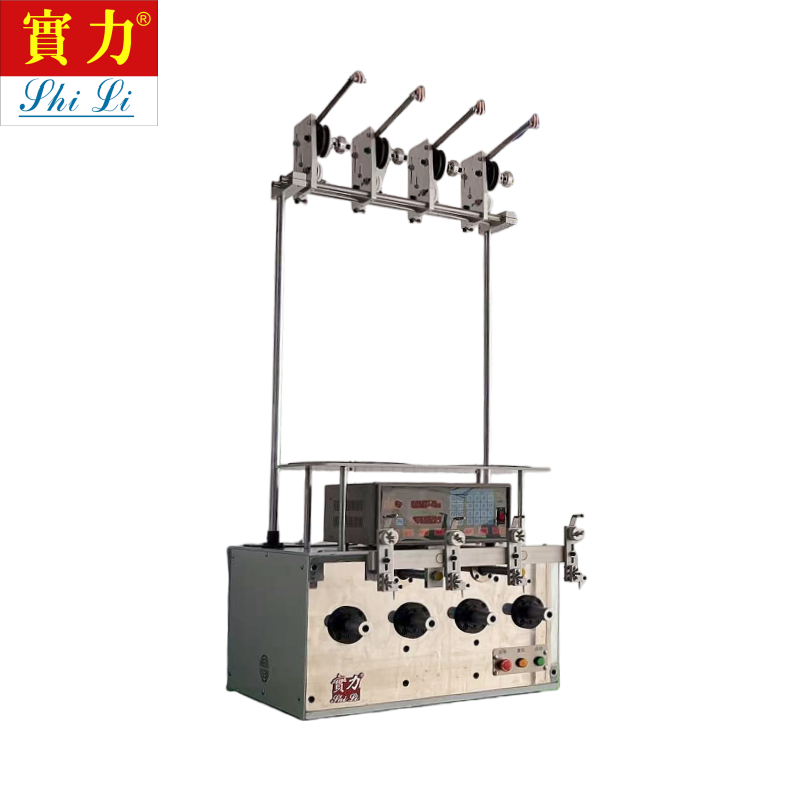
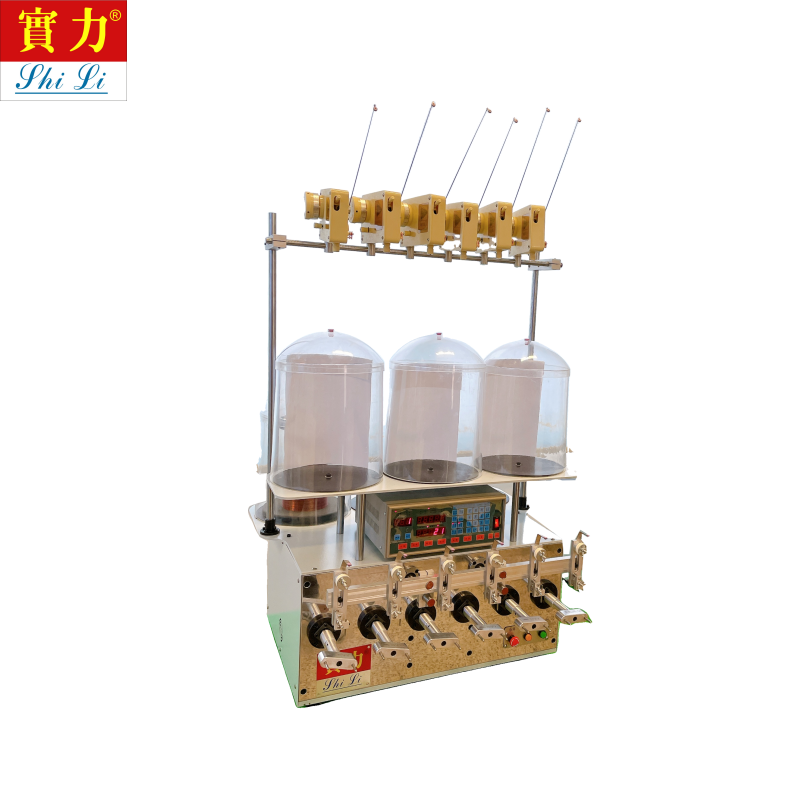
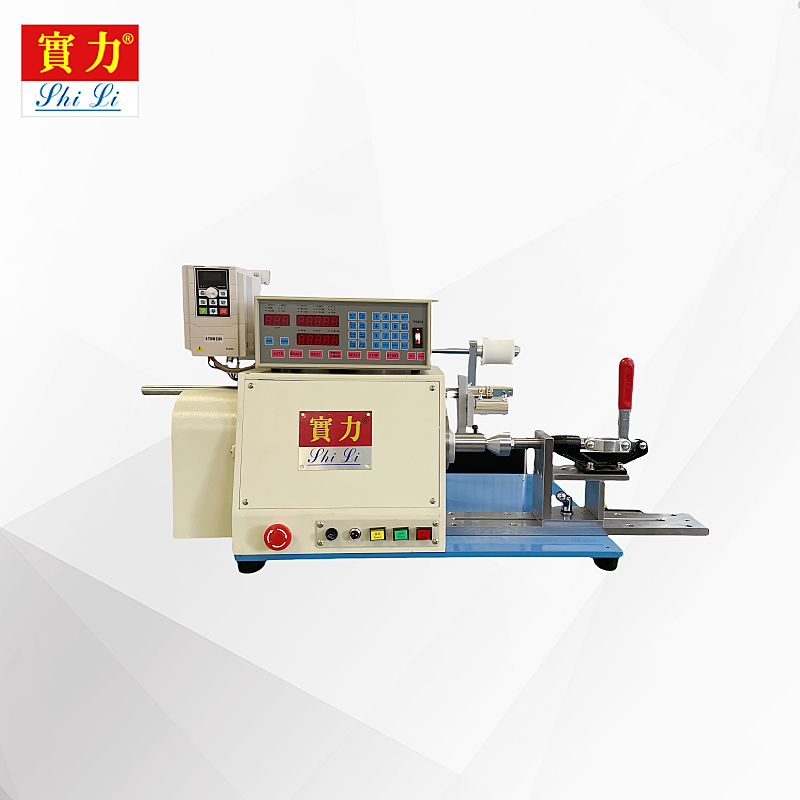
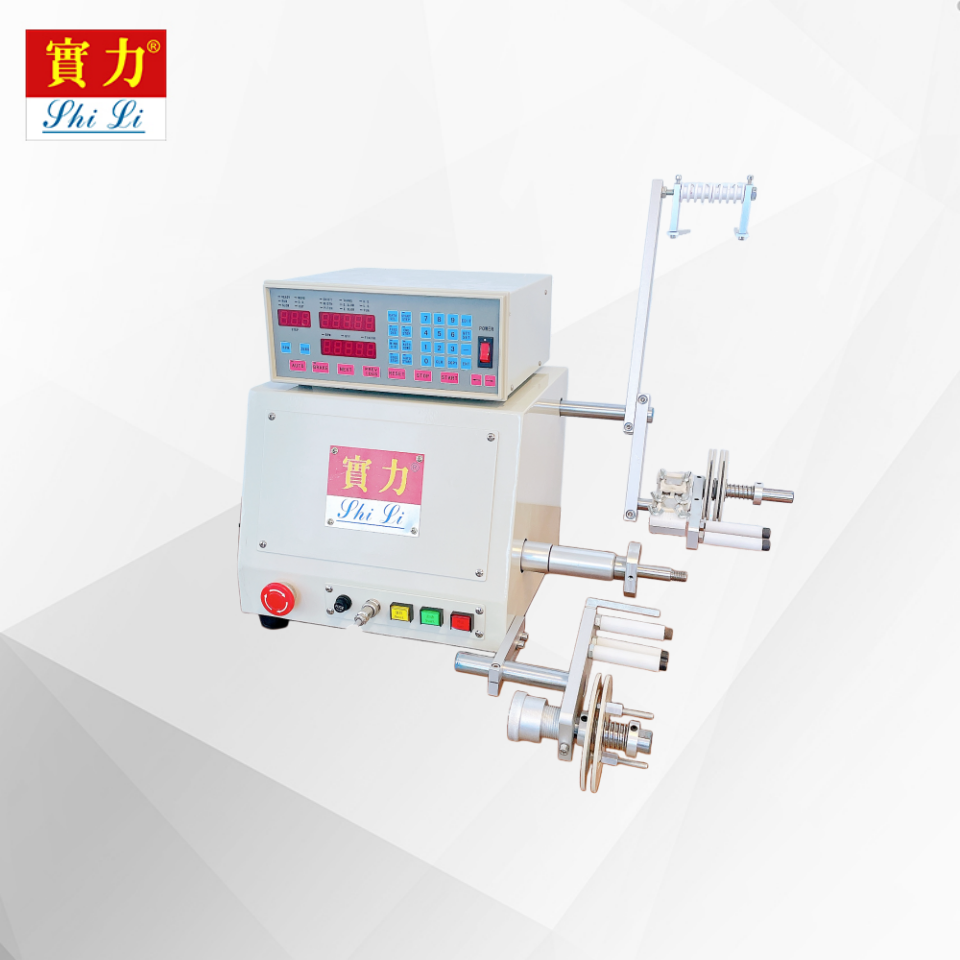
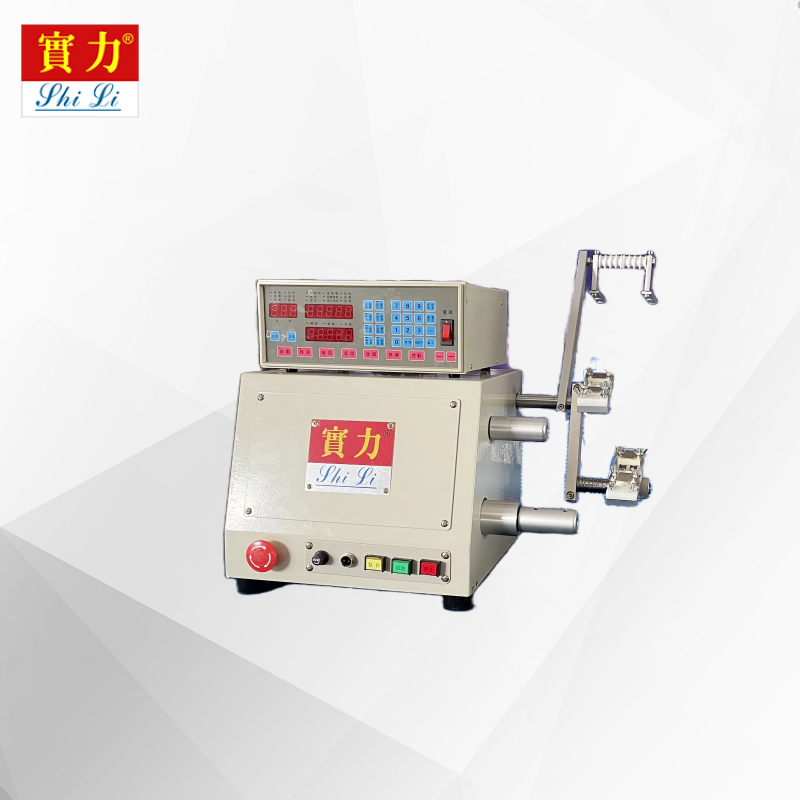
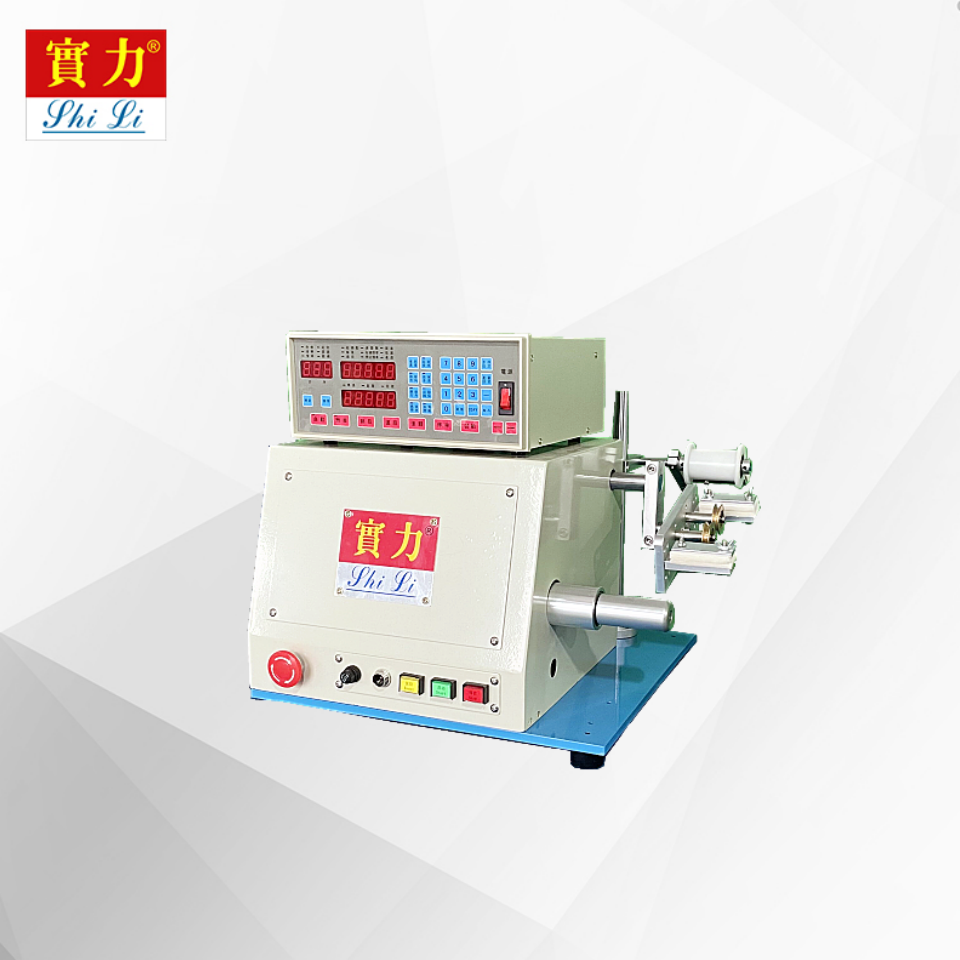
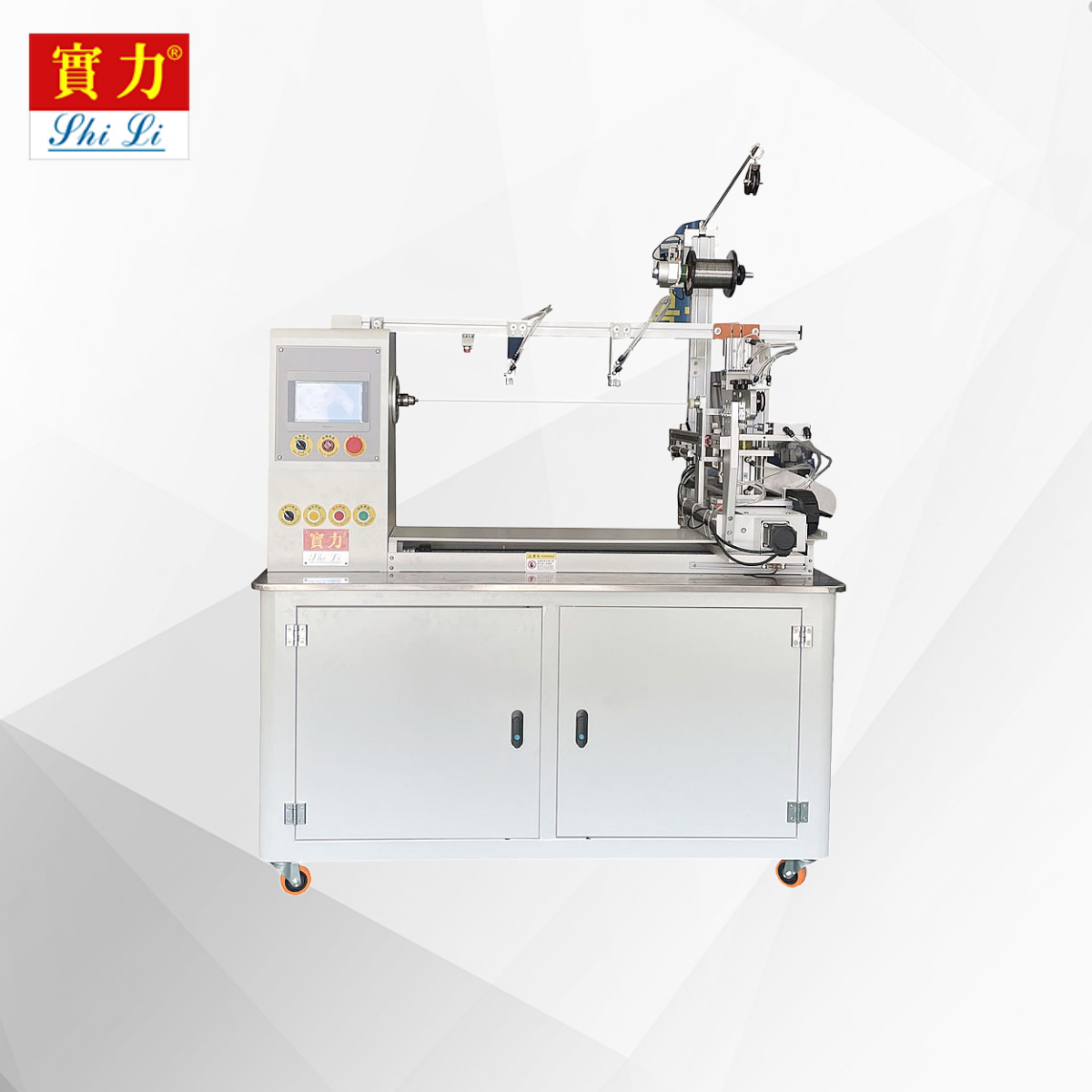
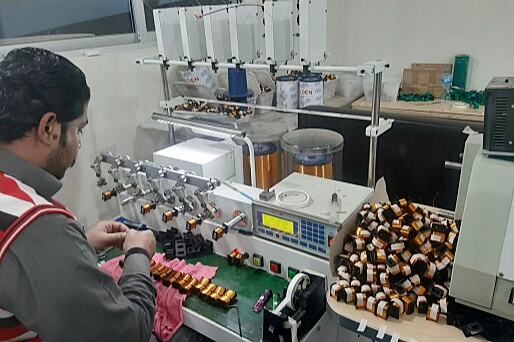
A winding machine represents a sophisticated piece of industrial equipment designed to wrap, coil, or wind various materials onto spools, bobbins, cores, or reels with exceptional precision and consistency. These versatile machines serve as the backbone of numerous manufacturing processes across multiple industries, transforming raw materials into organized, usable forms through automated winding operations. The fundamental purpose of a winding machine centers on creating uniform tension distribution while maintaining optimal speed control throughout the winding process. Modern winding machines incorporate advanced servo motor technology, programmable logic controllers, and intuitive human-machine interfaces that enable operators to achieve superior results with minimal manual intervention. The core functionality revolves around precise material handling, where the machine carefully guides threads, wires, cables, tapes, or films onto designated cores while monitoring tension levels continuously. These systems feature adjustable winding parameters including speed variation, traverse mechanisms, and laydown patterns that accommodate diverse material specifications and end-product requirements. Contemporary winding machines integrate sophisticated sensor systems that detect material breaks, monitor tension fluctuations, and automatically adjust operational parameters to maintain consistent quality standards. The technological architecture typically includes variable frequency drives, digital tension control systems, and automated splice detection capabilities that enhance operational efficiency. Industries such as textiles, electronics, automotive, aerospace, and telecommunications rely heavily on winding machine technology to produce components ranging from electrical coils and transformers to fiber optic cables and composite materials. The precision engineering behind these machines ensures repeatable results, reduced material waste, and improved production throughput while meeting stringent quality requirements demanded by modern manufacturing standards.
New Product Recommendations

Winding machines deliver substantial operational benefits that directly impact manufacturing efficiency and product quality across diverse industrial applications. These automated systems significantly reduce manual labor requirements while simultaneously improving production consistency and output reliability. The precision control mechanisms built into modern winding machines ensure uniform tension distribution throughout the winding process, which eliminates common defects such as loose windings, material stretching, or uneven layer formation that often plague manual winding operations. Manufacturers experience dramatic improvements in production speed, with many winding machines capable of operating at speeds exceeding manual capabilities by several hundred percent while maintaining superior quality standards. The automated nature of these machines reduces human error, minimizes material waste, and creates more predictable production schedules that enhance overall manufacturing planning and resource allocation. Advanced winding machines incorporate real-time monitoring systems that provide immediate feedback on operational parameters, enabling operators to make quick adjustments and prevent costly production delays or material losses. The versatility of modern winding machines allows manufacturers to handle multiple material types and specifications without requiring extensive equipment changes, thereby maximizing capital investment returns and operational flexibility. Energy efficiency represents another significant advantage, as contemporary winding machines utilize optimized motor control systems and intelligent power management features that reduce electricity consumption compared to older mechanical alternatives. Quality assurance benefits include consistent tension control, precise laydown patterns, and automated defect detection capabilities that ensure end products meet exact specifications every time. Cost reduction advantages encompass decreased labor expenses, reduced material waste, lower maintenance requirements, and improved equipment longevity through advanced control systems that prevent operational stress and component wear. The scalability of winding machine operations allows manufacturers to adjust production volumes efficiently without proportional increases in labor costs or quality risks, making these systems ideal for both high-volume production runs and specialized custom applications that require precise material handling and consistent results.

Latest News

Solve Solenoid Valve Coil Production Pain Points for India | Easy Operation Guide

05

Feb

Solve Solenoid Valve Coil Production Pain Points for India | Easy Operation Guide

View More
Bangladesh Client Raves: Efficiency + Stable Quality

05

Feb

Bangladesh Client Raves: Efficiency + Stable Quality

View More
Turkey Full Container Shipment: Rave Reviews & Repeat Orders

05

Feb

Turkey Full Container Shipment: Rave Reviews & Repeat Orders

View More

Get a Free Quote

Our representative will contact you soon.
Email
Name
Company Name
Message
0/1000

winding machine

Advanced Tension Control Technology

Advanced Tension Control Technology

The sophisticated tension control system represents the most critical technological advancement in modern winding machine design, fundamentally transforming how manufacturers approach precision winding applications. This innovative feature utilizes multiple sensor arrays, servo-controlled actuators, and real-time feedback loops to maintain optimal material tension throughout the entire winding process, regardless of speed variations or material characteristics. The tension control mechanism continuously monitors material stress levels using high-precision load cells and strain gauges that detect even microscopic tension fluctuations, automatically adjusting dancer arm positions, brake systems, and drive speeds to compensate for any deviations from predetermined parameters. This level of control prevents material damage, ensures uniform winding density, and eliminates common issues such as telescoping, ribbon winding, or core crushing that can compromise product quality and manufacturing efficiency. The system accommodates a wide range of materials from delicate fibers and thin films to heavy-duty cables and composite strands, automatically adapting tension parameters based on material properties stored in the machine's memory database. Manufacturers benefit from reduced material waste, improved product consistency, and the ability to process challenging materials that were previously difficult or impossible to wind using conventional equipment. The tension control technology also enables higher winding speeds without sacrificing quality, as the system maintains precise material handling even during rapid acceleration and deceleration phases. Additionally, the automated tension management reduces operator skill requirements while providing detailed logging capabilities that support quality assurance protocols and process optimization initiatives. This advanced control system ultimately delivers superior product quality, reduced production costs, and enhanced manufacturing flexibility that enables companies to meet diverse customer requirements while maintaining competitive production schedules and profitability margins.
Intelligent Programming and Automation Features

Intelligent Programming and Automation Features

Modern winding machines incorporate cutting-edge programming capabilities and automation features that revolutionize traditional manufacturing processes through intelligent operation control and adaptive learning systems. The sophisticated software platform enables operators to create complex winding patterns, store multiple product recipes, and execute automated production sequences with minimal human intervention while maintaining exceptional accuracy and repeatability. The user-friendly interface allows quick parameter adjustments for different materials, core sizes, and winding specifications through intuitive touchscreen controls that eliminate the need for extensive technical training or programming expertise. Advanced recipe management systems store hundreds of product configurations, enabling rapid changeovers between different production runs without time-consuming manual setup procedures that traditionally slow manufacturing operations. The intelligent automation features include automatic core loading and unloading systems, integrated quality inspection capabilities, and predictive maintenance algorithms that monitor equipment performance and alert operators to potential issues before they impact production schedules. Machine learning algorithms continuously analyze operational data to optimize winding parameters, improve efficiency, and reduce material consumption while maintaining or enhancing product quality standards. The automation package includes sophisticated safety systems with emergency stop functions, protective barriers, and fail-safe mechanisms that ensure operator protection while maintaining production continuity during normal operations. Remote monitoring capabilities enable supervisors to track machine performance, production statistics, and quality metrics from central control stations or mobile devices, providing real-time visibility into manufacturing operations across multiple production lines. The programmable logic controller integrates seamlessly with existing factory automation systems, enabling coordinated operation with upstream and downstream equipment for optimized workflow management. These intelligent features reduce operator workload, minimize human error, improve production consistency, and enable manufacturers to achieve higher output levels with fewer personnel while maintaining strict quality control standards that meet or exceed customer specifications and industry regulations.
Versatile Multi-Material Processing Capability

Versatile Multi-Material Processing Capability

The exceptional versatility of contemporary winding machines enables manufacturers to process an extensive range of materials and applications using a single equipment platform, delivering outstanding return on investment through operational flexibility and production efficiency. This multi-material capability stems from sophisticated mechanical design features, adjustable processing parameters, and modular component systems that accommodate diverse material characteristics including diameter variations, tensile strength differences, surface properties, and handling requirements. The machine's adaptive processing system automatically adjusts traverse speeds, winding tensions, laydown patterns, and core engagement mechanisms based on material specifications entered through the control interface, ensuring optimal results regardless of whether processing fine electrical wires, heavy industrial cables, delicate optical fibers, or composite reinforcement materials. Interchangeable tooling systems enable rapid configuration changes for different core sizes, winding geometries, and material types without requiring extensive mechanical modifications or extended downtime periods that impact production schedules. The versatile design accommodates materials ranging from 0.05mm diameter micro-wires to large cables exceeding 25mm diameter, with tension control systems that provide appropriate handling for materials with tensile strengths varying from extremely delicate to high-strength industrial applications. Temperature-sensitive materials receive special consideration through climate-controlled processing environments and gentle handling mechanisms that prevent material degradation during the winding process. The multi-material processing capability extends to various core types including plastic bobbins, metal spools, cardboard tubes, and specialized mandrels used in composite manufacturing applications. This versatility eliminates the need for multiple specialized winding machines, reducing capital equipment costs, facility space requirements, and maintenance complexity while providing manufacturers with the flexibility to respond quickly to changing market demands and customer requirements. The ability to process multiple material types also enables manufacturers to diversify their product offerings, enter new markets, and optimize production scheduling by efficiently utilizing available equipment capacity across different applications and customer orders without compromising quality standards or delivery commitments.

Get a Free Quote

Our representative will contact you soon.
Email
Name
Company Name
Message
0/1000
Newsletter
Please Leave A Message With Us