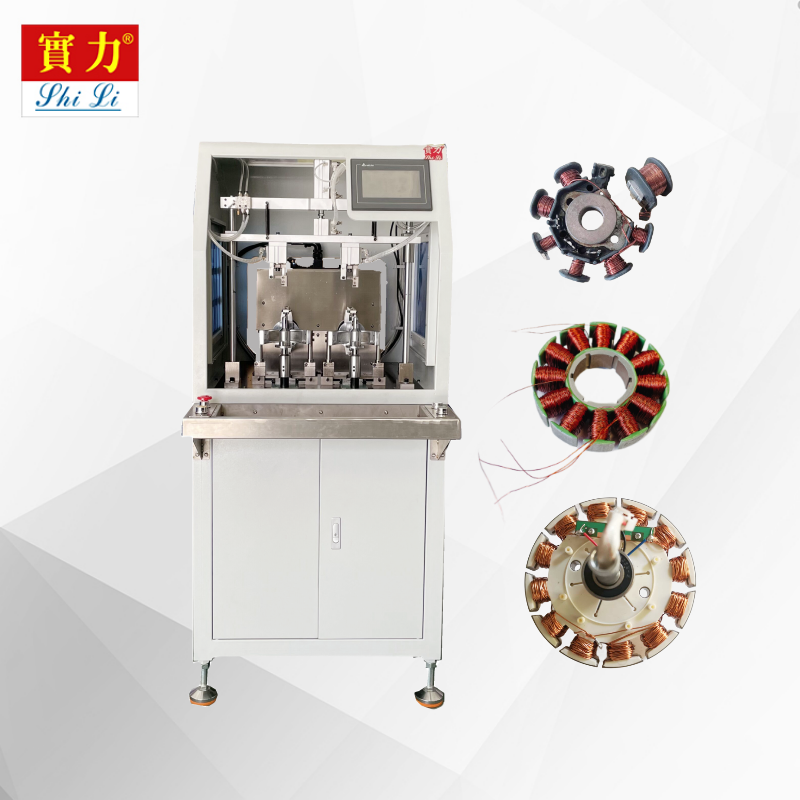
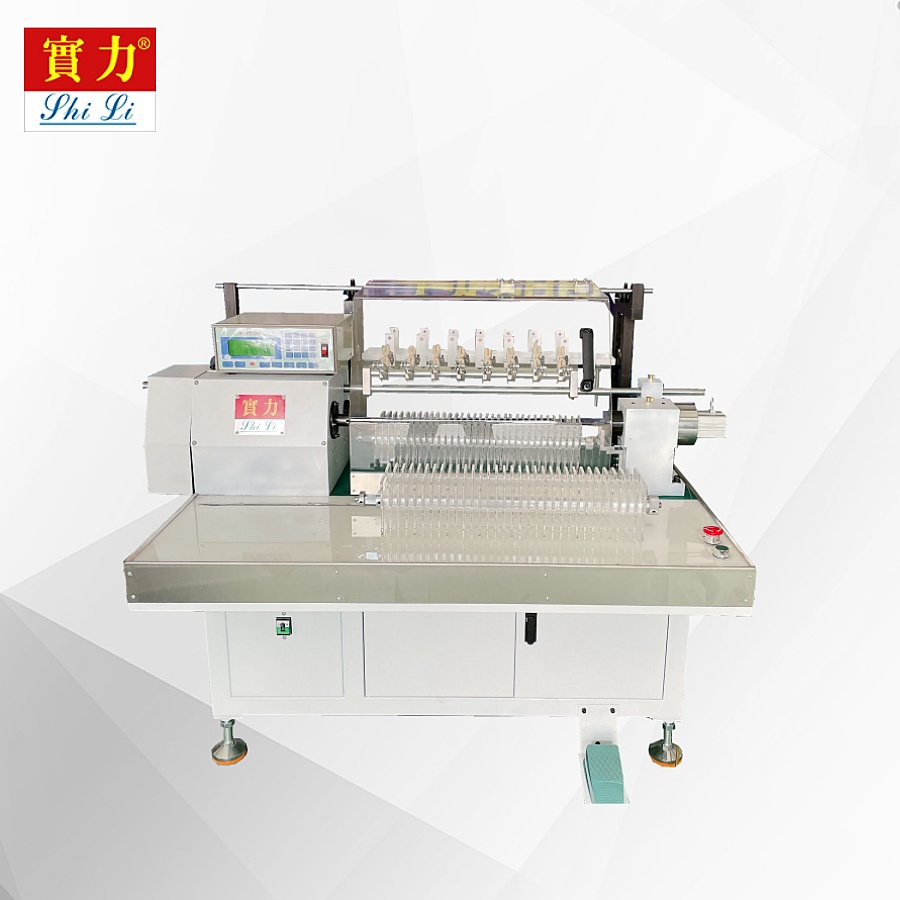
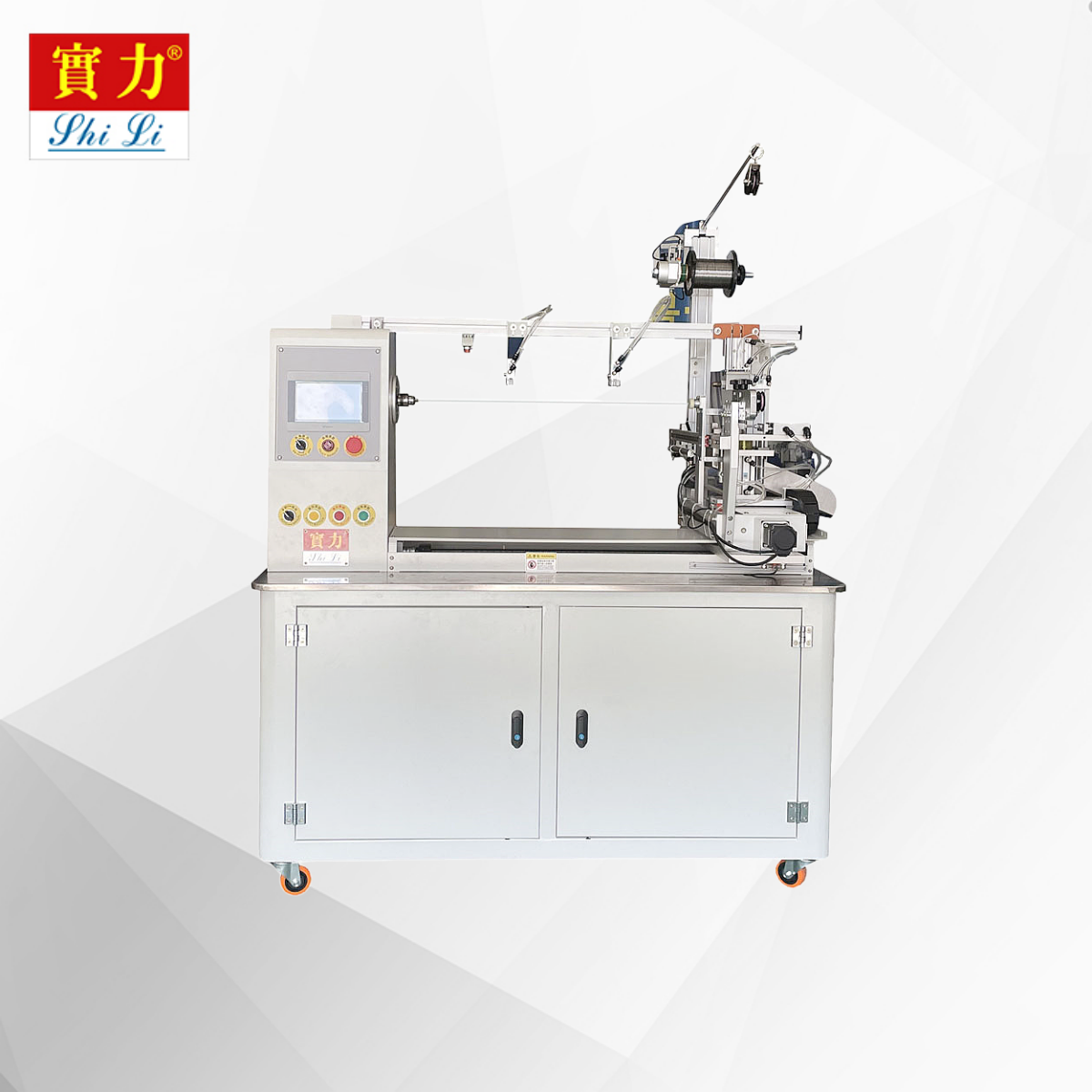
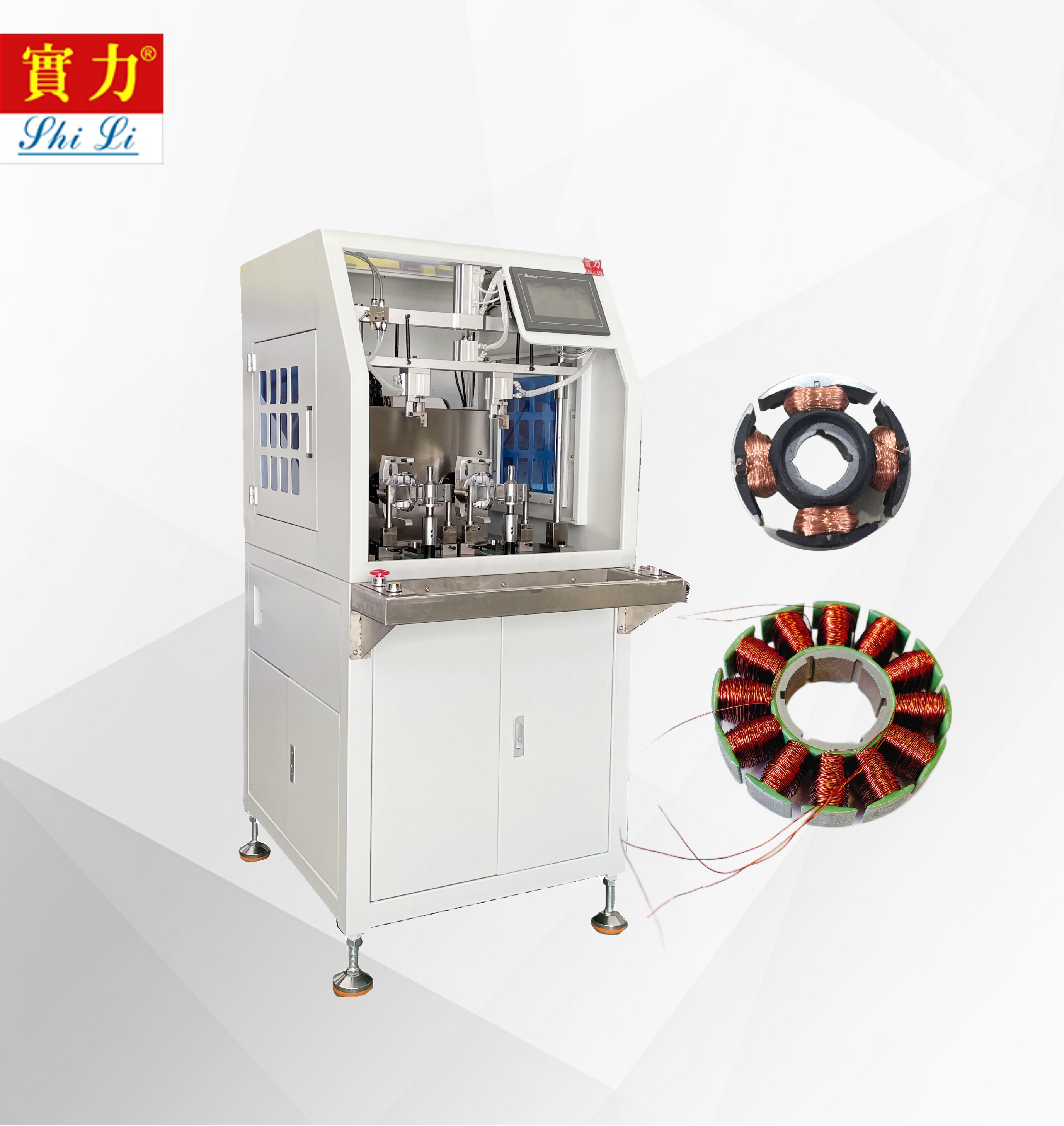
statör sargı makinesi
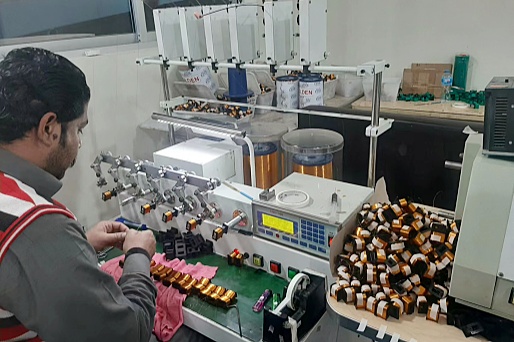
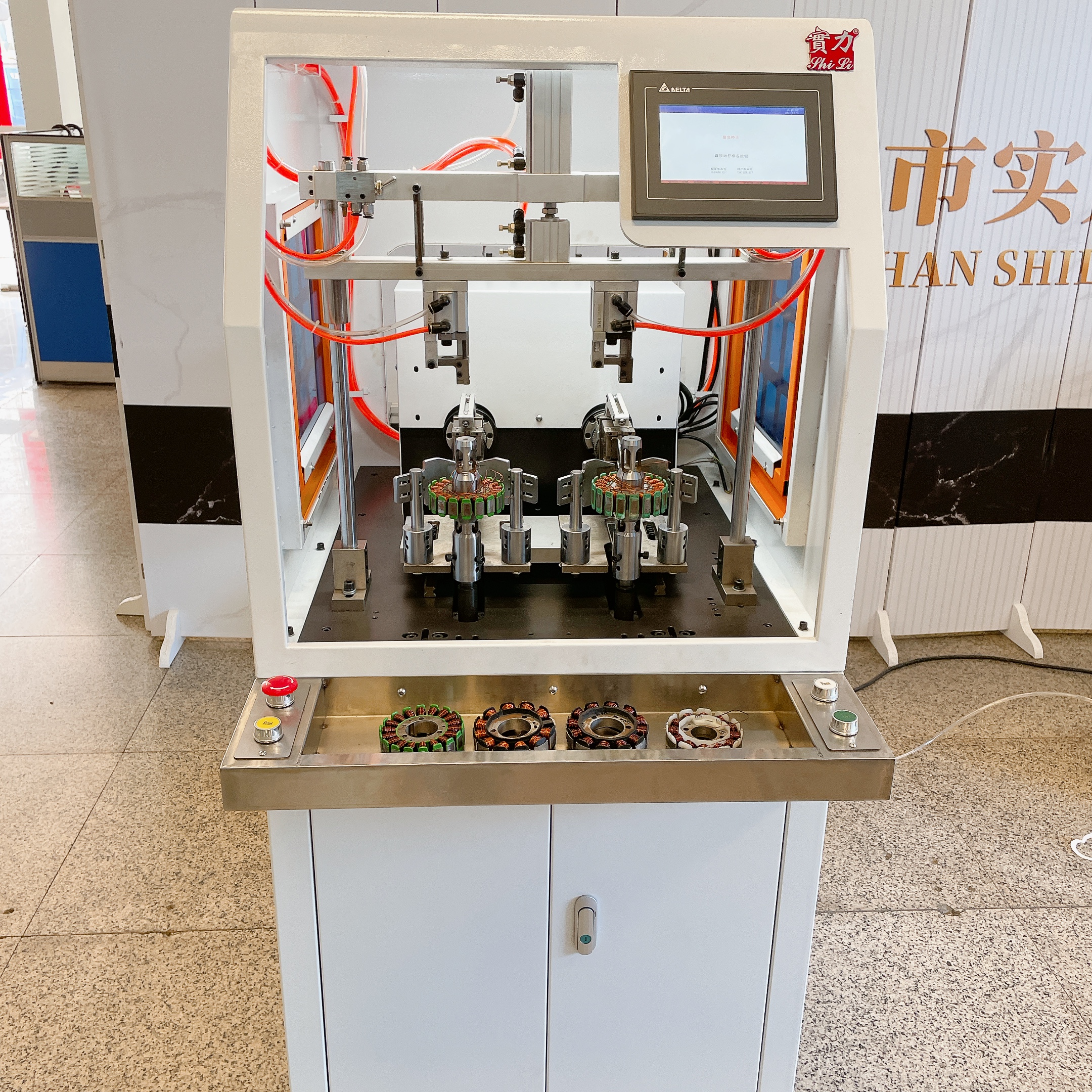
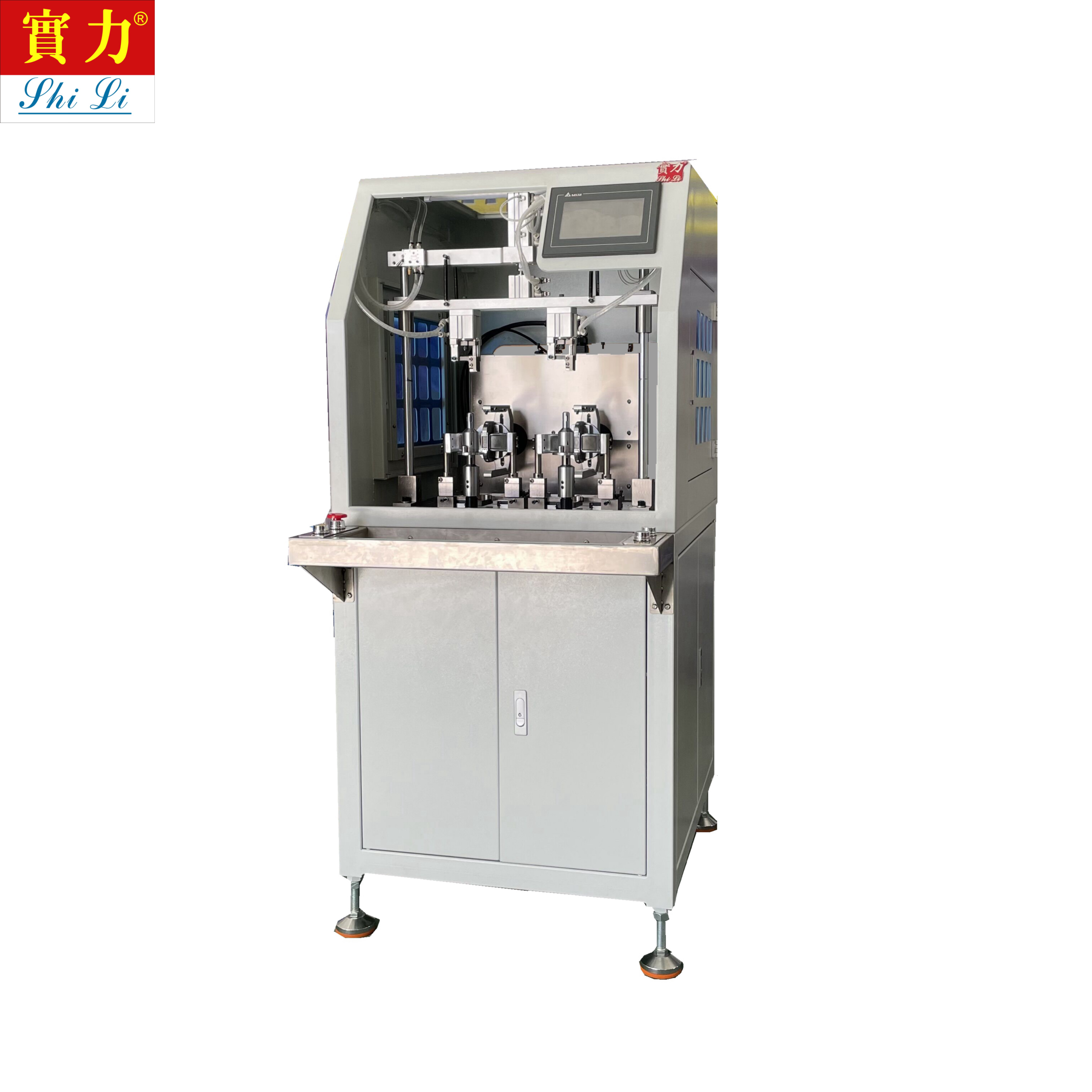
Stator sarım makinesi, stator çekirdekleri içinde bakır tel bobinlerinin hassas sarımını otomatikleştirmek üzere özel olarak tasarlanmış, elektrikli motor üretiminin temel teknolojilerinden biridir. Bu gelişmiş ekipman, otomotiv uygulamalarından endüstriyel makineler kadar çeşitli sektörlerde kullanılan yüksek kaliteli elektrikli motorların üretimine temel oluşturur. Stator sarım makinesinin temel işlevi, tamamlanmış motorda optimal elektromanyetik performans ve enerji verimliliğini sağlamak amacıyla düzgün ve sıkı şekilde sarılmış bobinler oluşturmaktır. Modern stator sarım makineleri, tel gerilimini, sarım hızını ve konumlandırma doğruluğunu olağanüstü hassasiyetle kontrol eden gelişmiş servo motor sistemleri içerir. Bu makineler, operatörlerin belirli motor gereksinimlerine göre sarım desenlerini, katman yapılarını ve tel özelliklerini özelleştirmesine olanak tanıyan programlanabilir lojik denetleyicilere (PLC) sahiptir. Teknolojik altyapı, sarım süreci boyunca tutarlı gerilimi koruyan otomatik tel besleme sistemlerini içerir; bu da motor performansını tehlikeye atabilecek varyasyonları ortadan kaldırır. Yuva indeksleme mekanizmaları, sarım işlemlerinde stator çekirdeğinin kesin konumlandırılmasını sağlarken, entegre kesme ve burma sistemleri bobin oluşum sürecini tamamlar. Güncel stator sarım makineleri, örtüşen sarım, dalga sarımı ve yoğunlaştırılmış sarım yöntemleri de dahil olmak üzere çoklu sarım tekniklerini destekler ve çeşitli motor tasarımlarına ve spesifikasyonlarına uyum sağlar. Ekipman genellikle farklı tel kalınlıkları ve stator boyutlarıyla çalışabildiği için farklı üretim gereksinimleri için çok yönlüdür. Kalite kontrol özellikleri arasında sarım parametrelerinin gerçek zamanlı izlenmesi, tel kopmalarının otomatik tespiti ve her bobinin önceden belirlenmiş spesifikasyonlara uygunluğunu doğrulayan sistemler yer alır. Bu makineler, elektrikli araç motorları, endüstriyel pompa motorları, HVAC sistem bileşenleri ve ev aletleri motorları üreten imalat tesislerinde yaygın olarak kullanılır. Dijital arayüzlerin entegrasyonu, üretim yürütme sistemleriyle (MES) sorunsuz bağlantıya olanak tanır ve modern imalat ortamları için gerekli olan veri toplama ve üretim takibi yeteneklerini kolaylaştırır.
 ×
×
 EN
EN