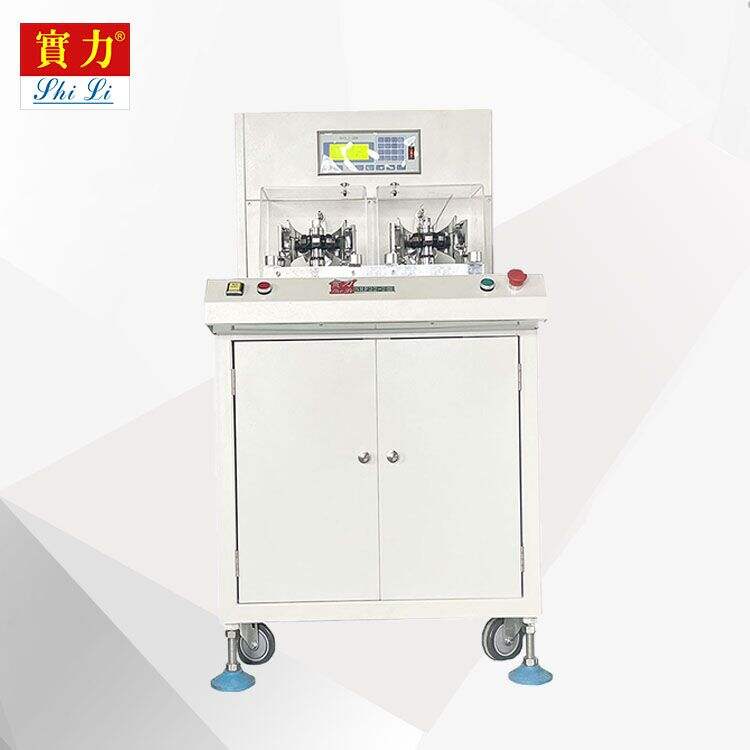
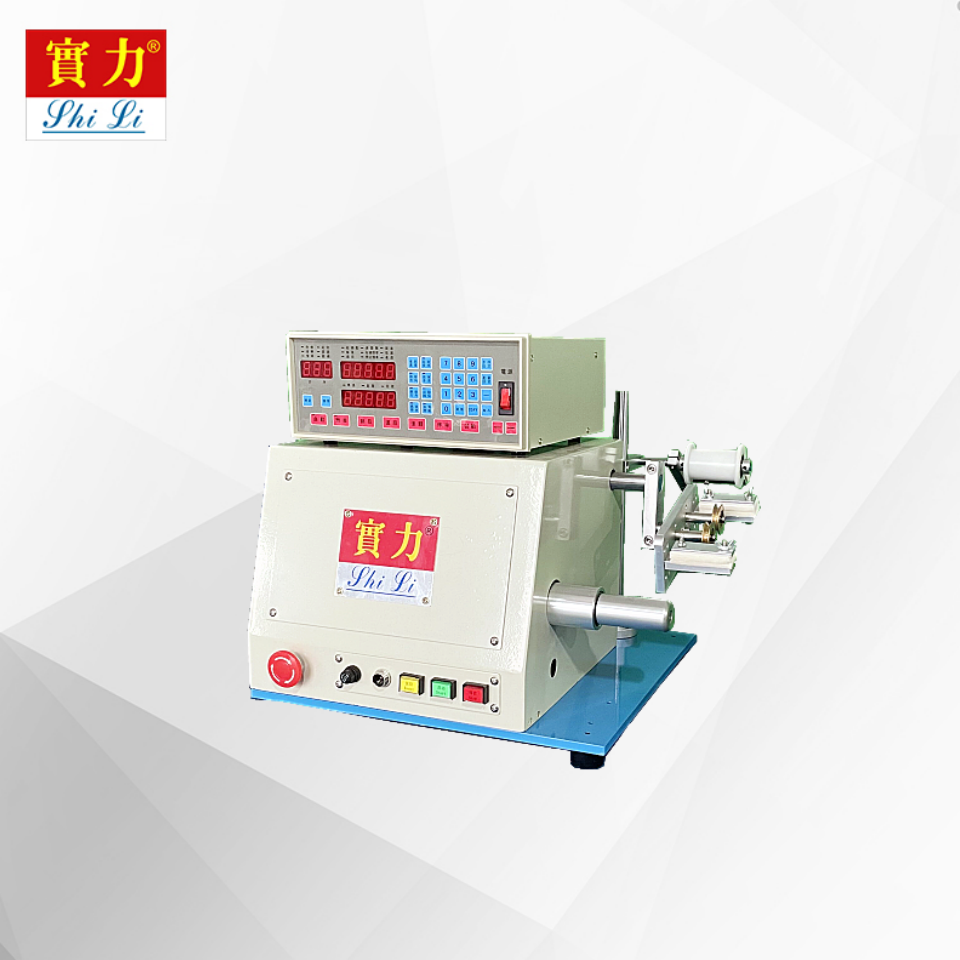
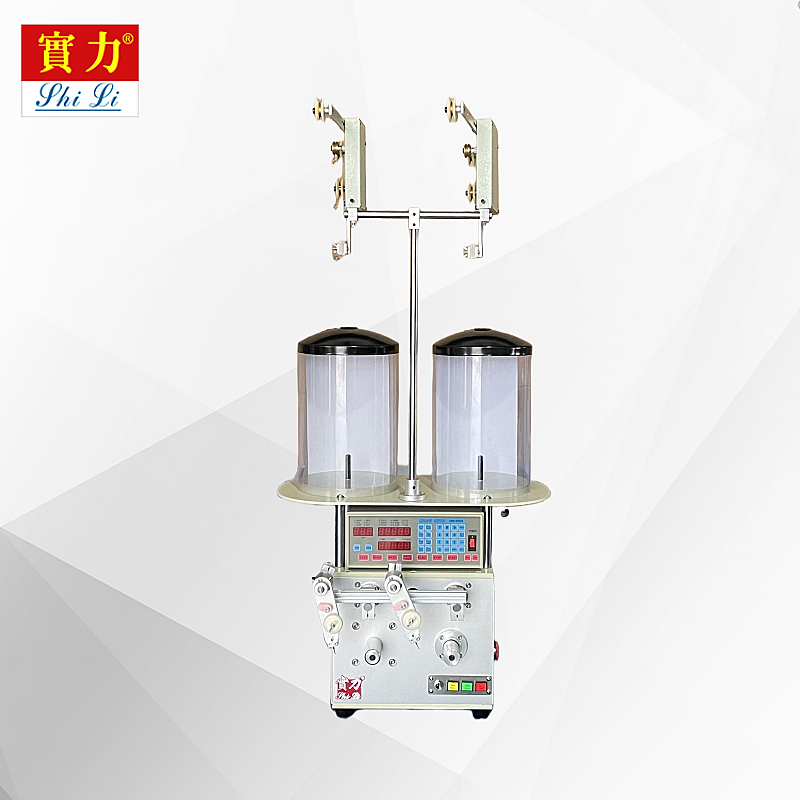
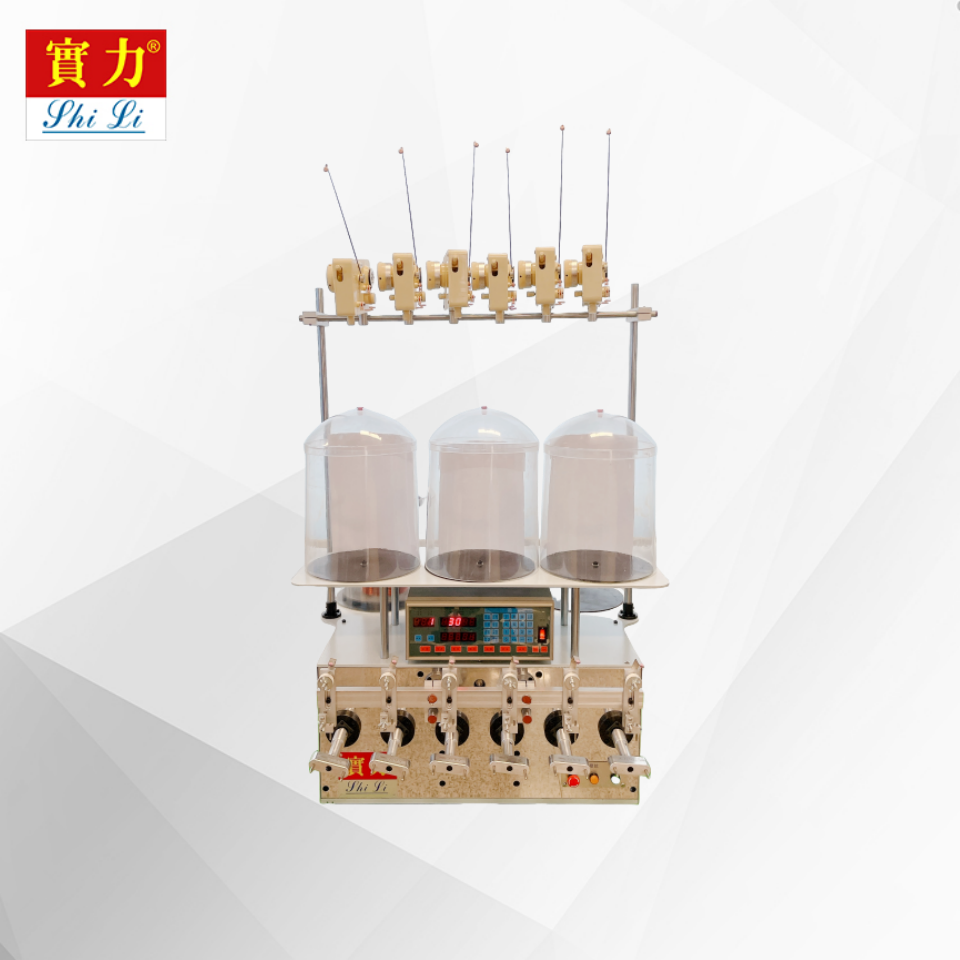
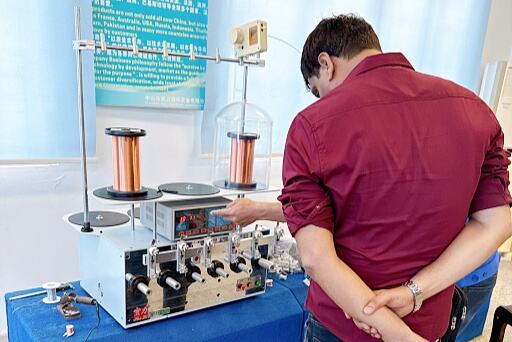
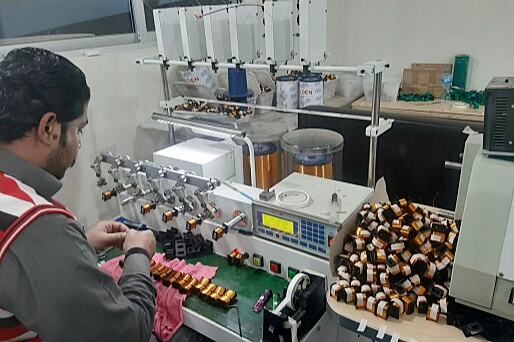
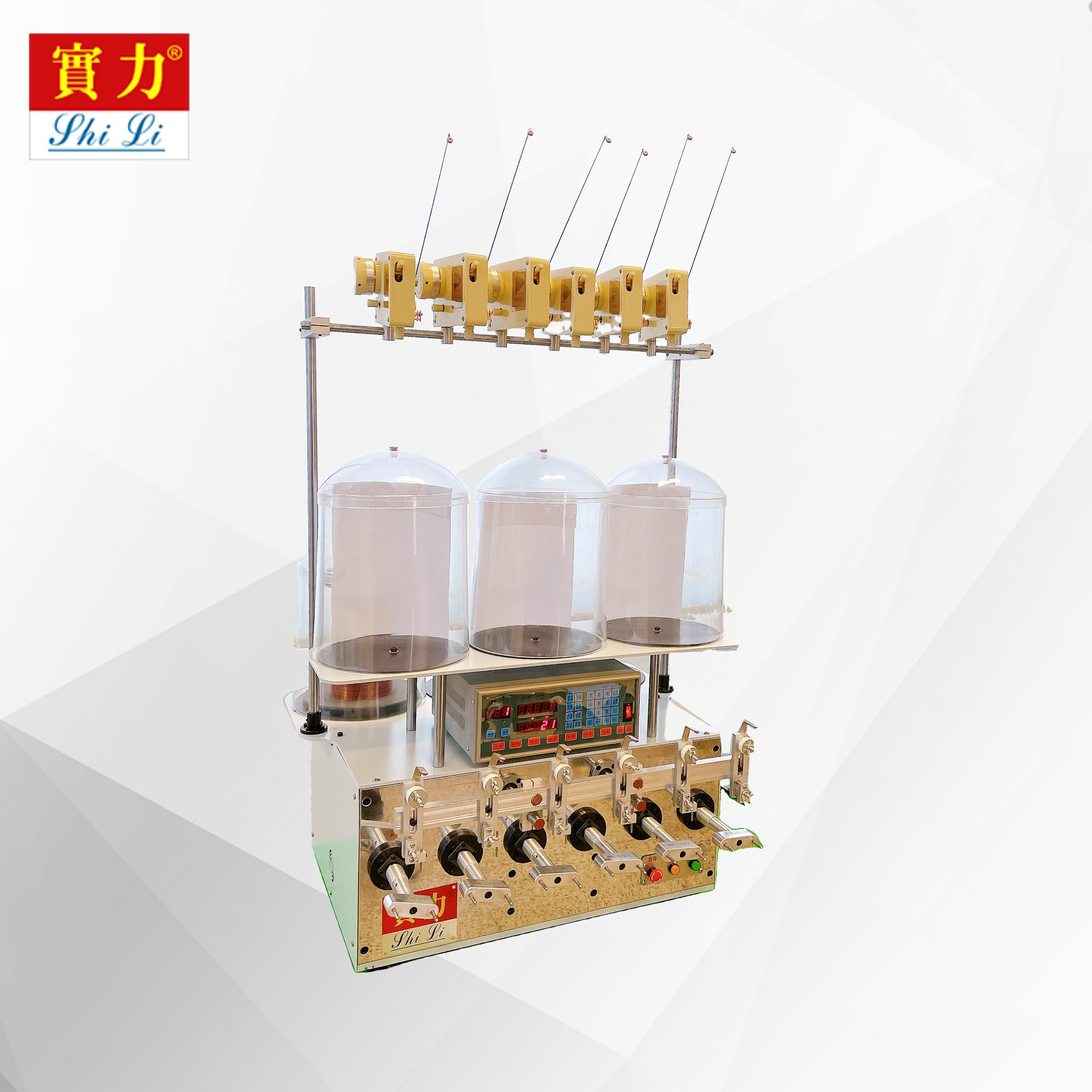
spool winder machine
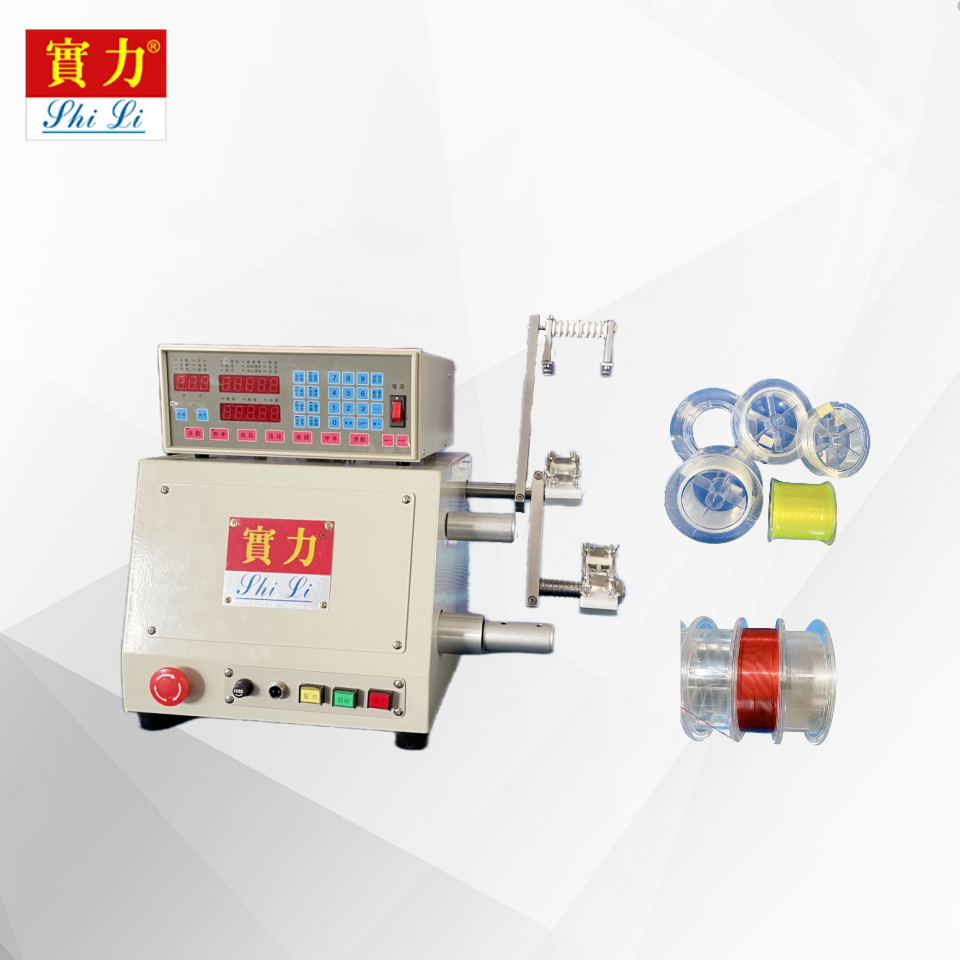
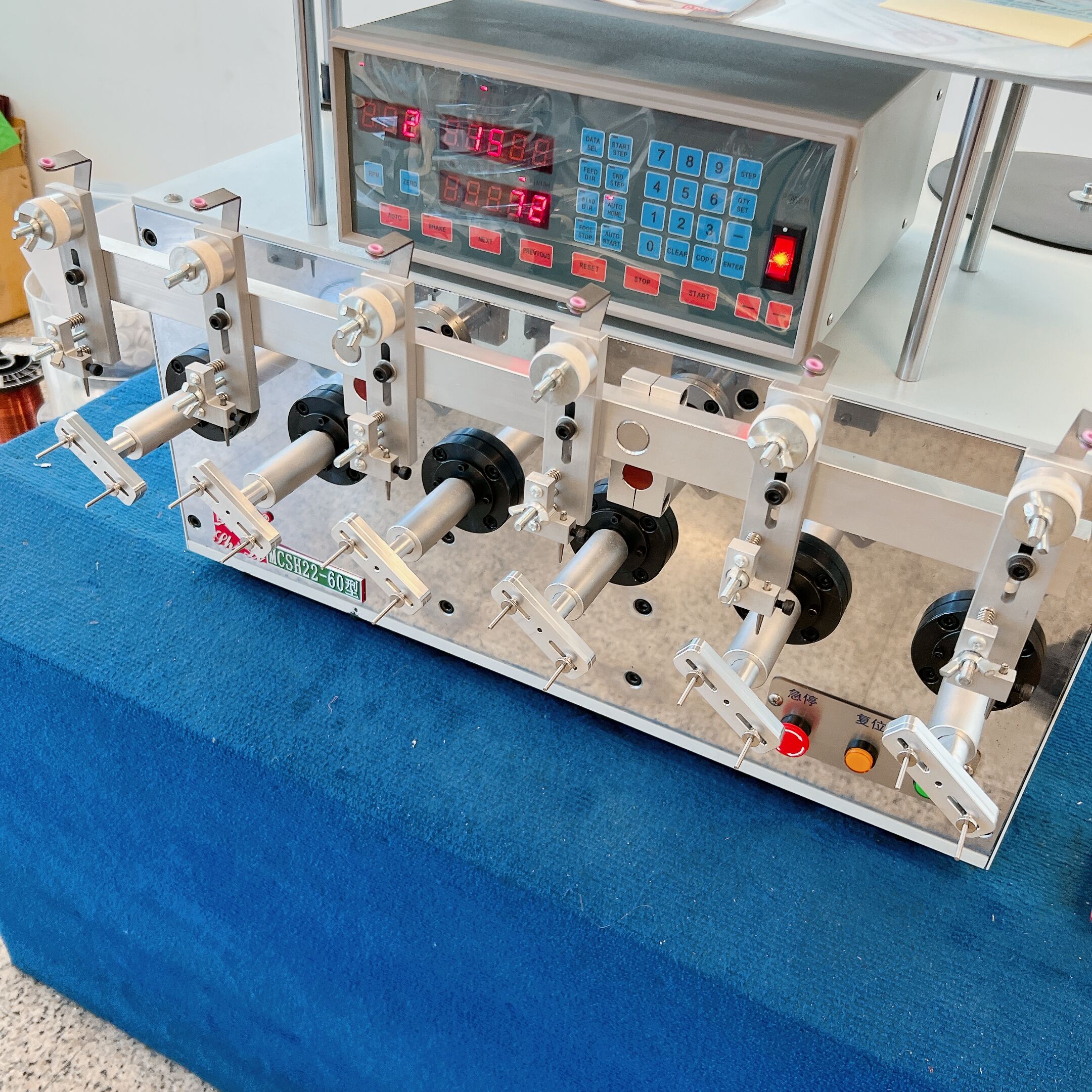
A spool winder machine represents an essential piece of equipment in the textile and manufacturing industry, designed to efficiently wind various materials onto spools, bobbins, or reels with precision and consistency. This sophisticated machinery automates the previously labor-intensive process of thread, yarn, wire, or cable winding, delivering superior results while significantly reducing manual effort and operational costs. Modern spool winder machines incorporate advanced control systems that ensure uniform tension distribution, preventing material breakage and maintaining consistent winding density throughout the entire process. The core functionality revolves around motorized rotation mechanisms that guide materials through carefully calibrated pathways, allowing for precise placement and optimal material utilization. These machines feature adjustable speed controls, enabling operators to customize winding parameters based on specific material properties and production requirements. Contemporary spool winder machine models integrate digital display panels that provide real-time monitoring of winding progress, tension levels, and operational status, ensuring optimal performance and early detection of potential issues. The technological architecture includes programmable logic controllers that can store multiple winding patterns and configurations, facilitating quick changeovers between different production runs. Safety features such as emergency stop mechanisms, protective guards, and automatic shutdown systems ensure operator protection while maintaining production continuity. The versatility of spool winder machines extends across numerous industries, including textile manufacturing, electronics, telecommunications, automotive, and aerospace sectors. In textile applications, these machines excel at winding natural and synthetic fibers, creating uniform packages suitable for subsequent weaving or knitting processes. Electronics manufacturers utilize spool winder machines for precise coil winding in transformers, motors, and various electronic components. The telecommunications industry relies on these machines for cable preparation and fiber optic applications, while automotive manufacturers employ them for wire harness production and electrical component manufacturing.
 ×
×
 EN
EN