Advanced Bobbin Winding Machine Solutions - Precision Yarn Processing Equipment

Get a Free Quote

Our representative will contact you soon.
Email
Name
Company Name
Message
0/1000

bobbin winding machine

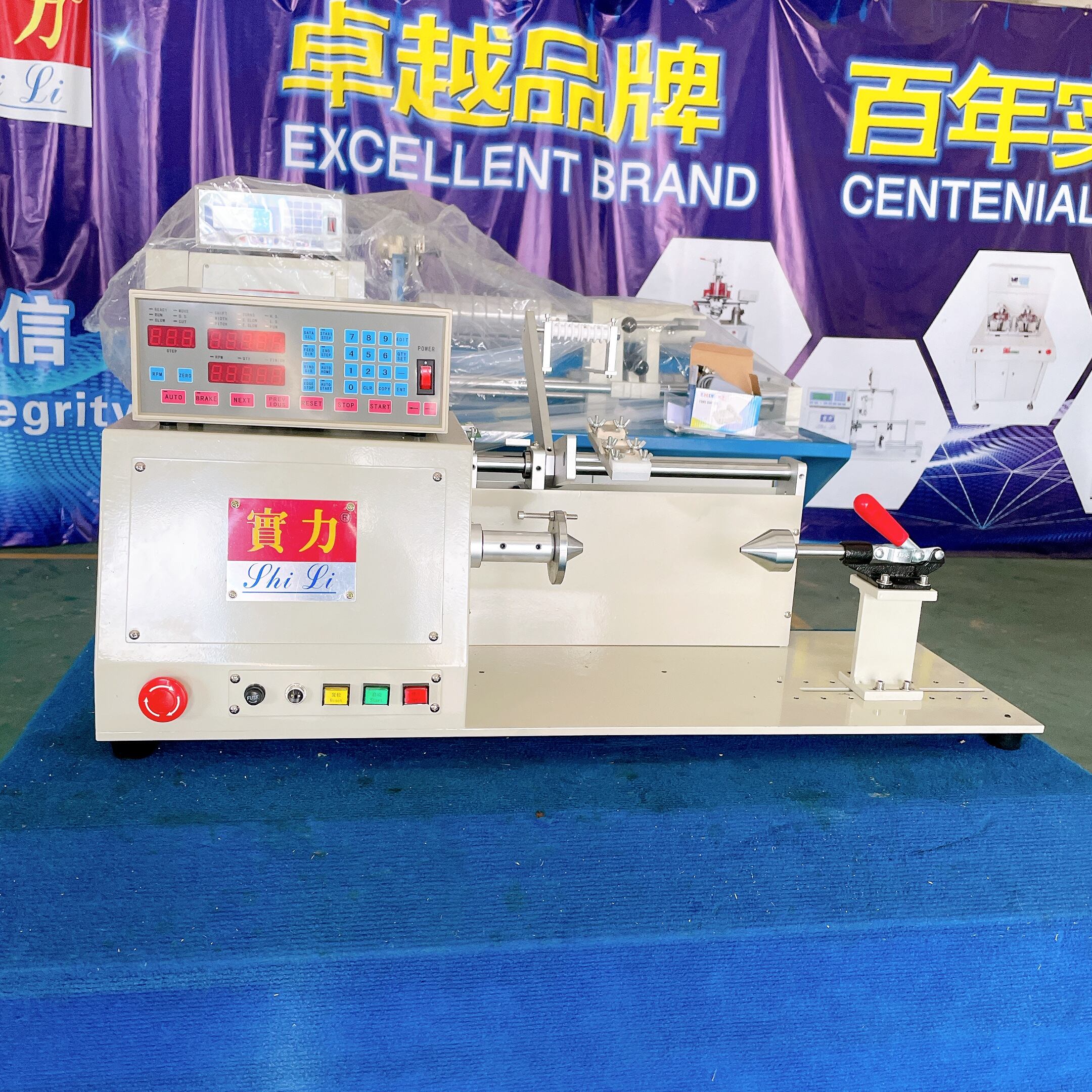
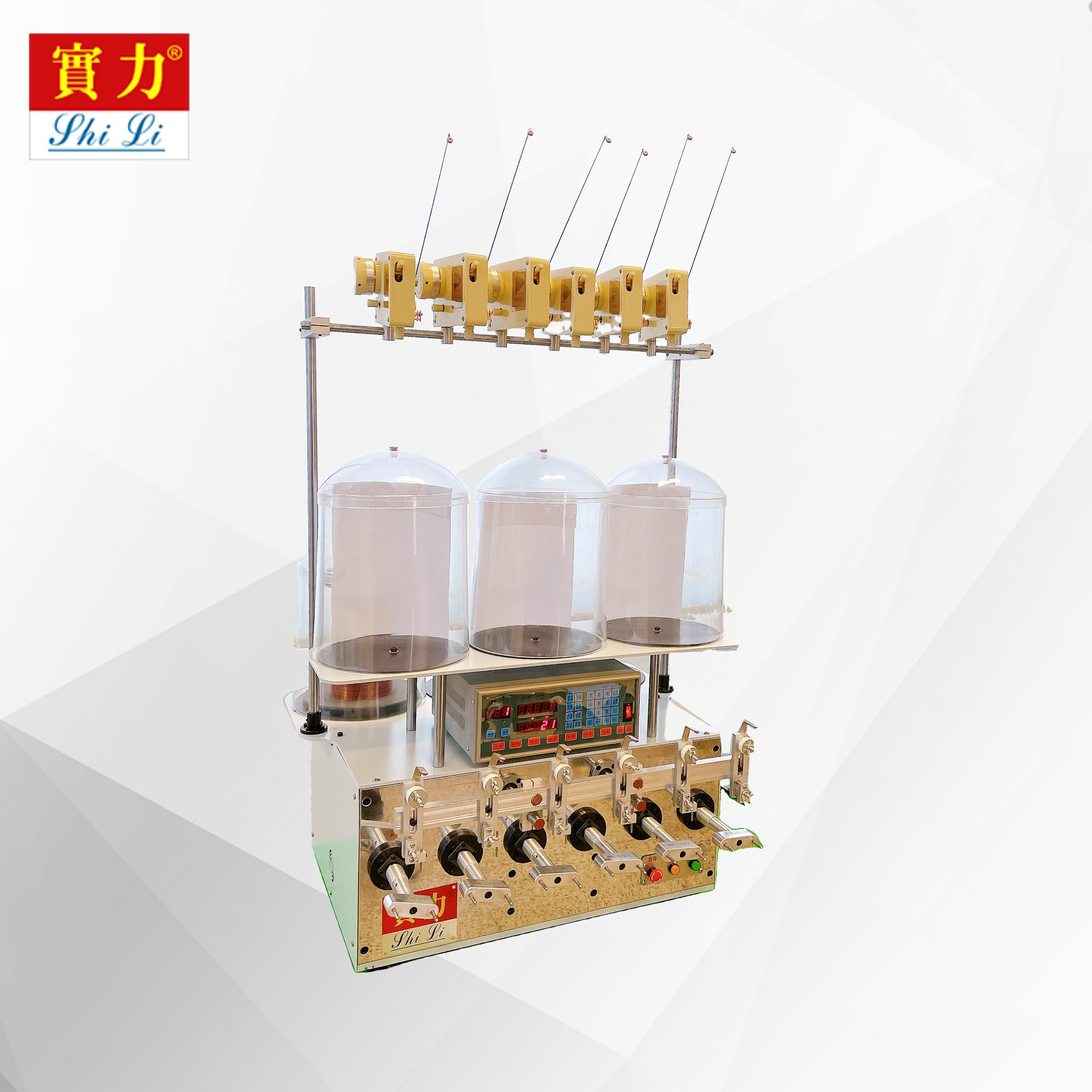
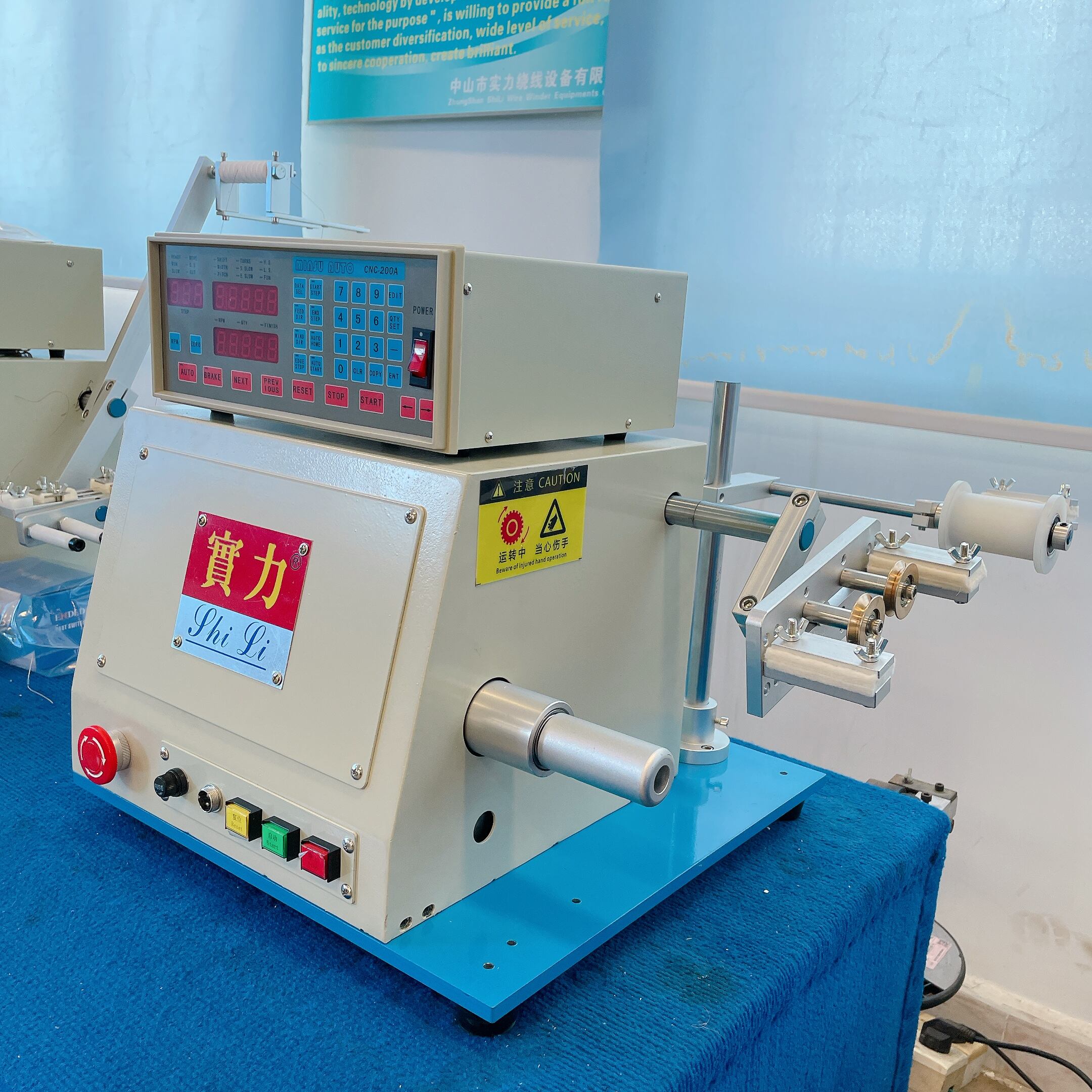
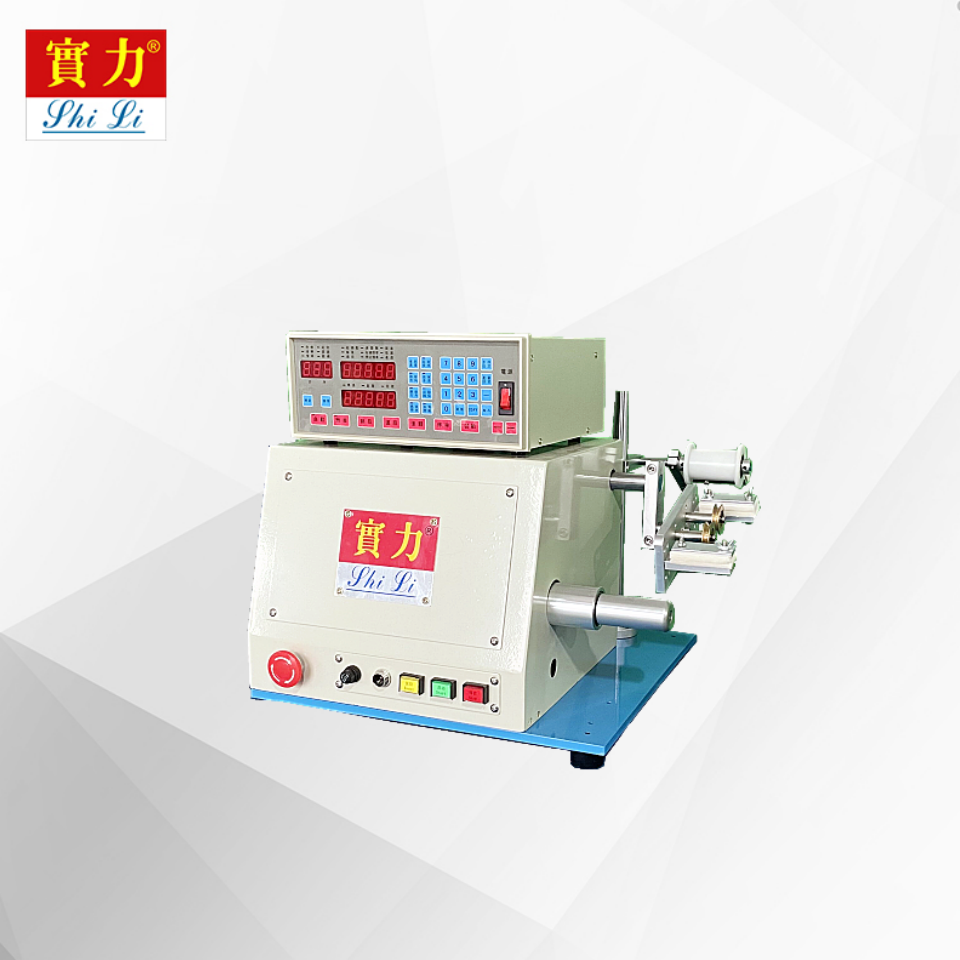
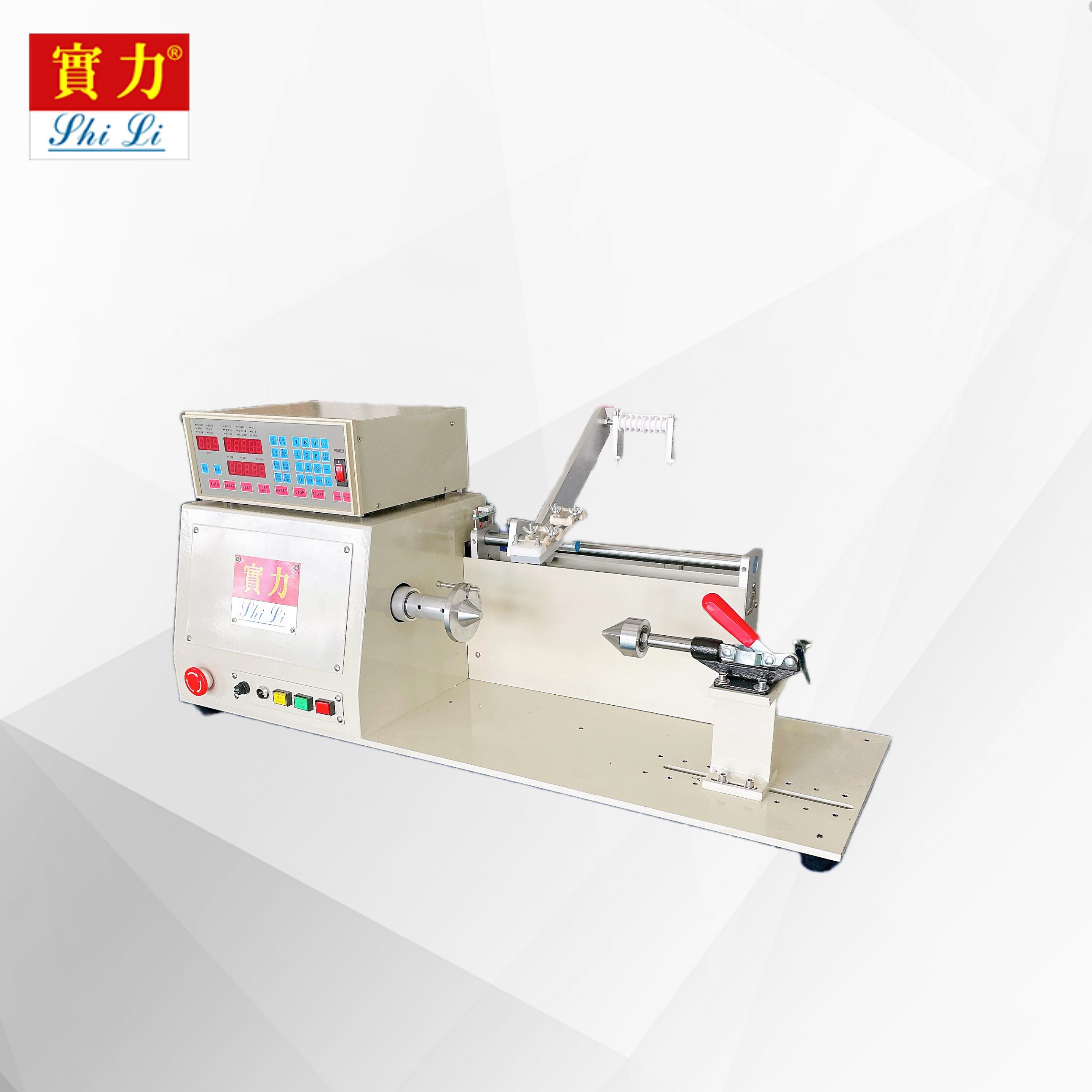
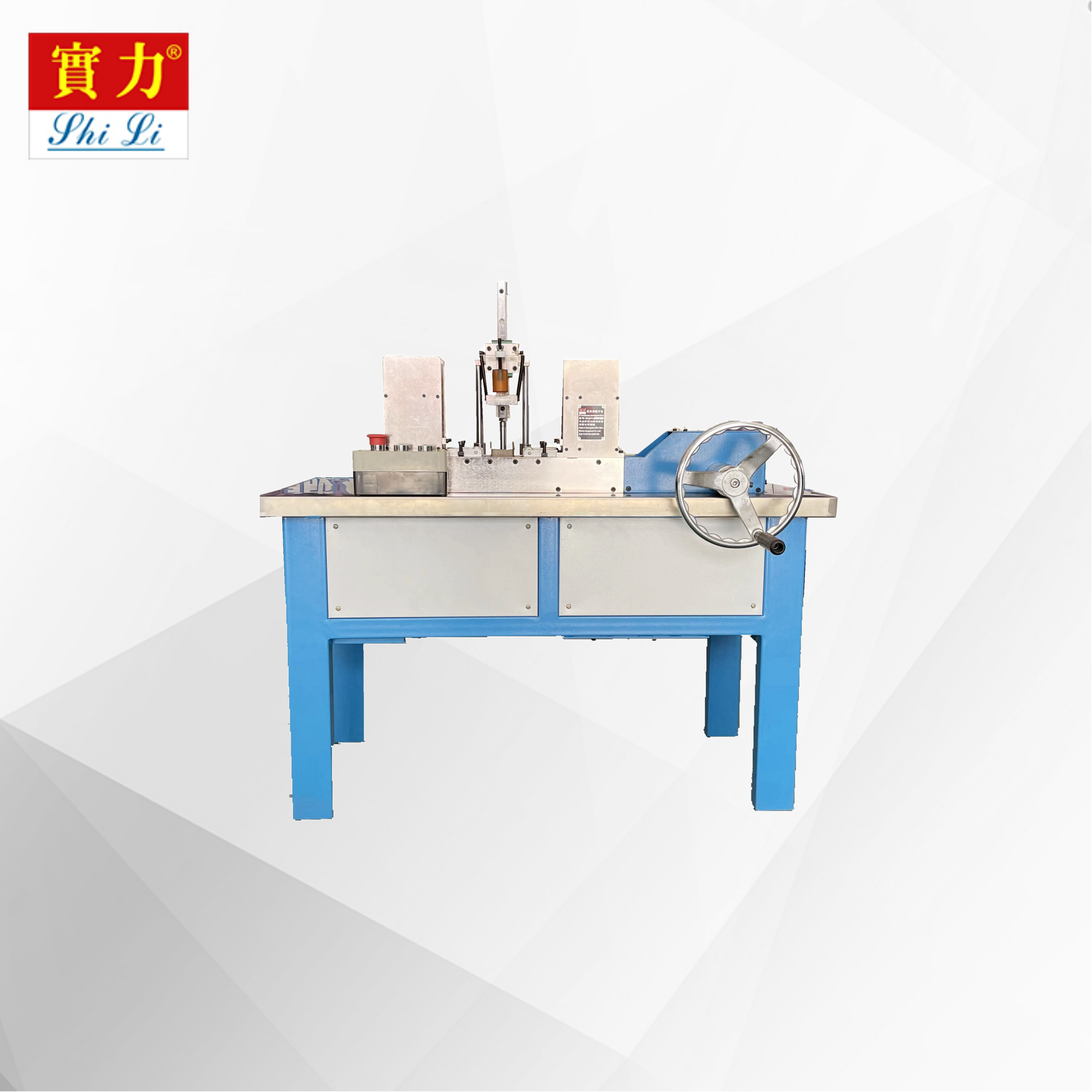
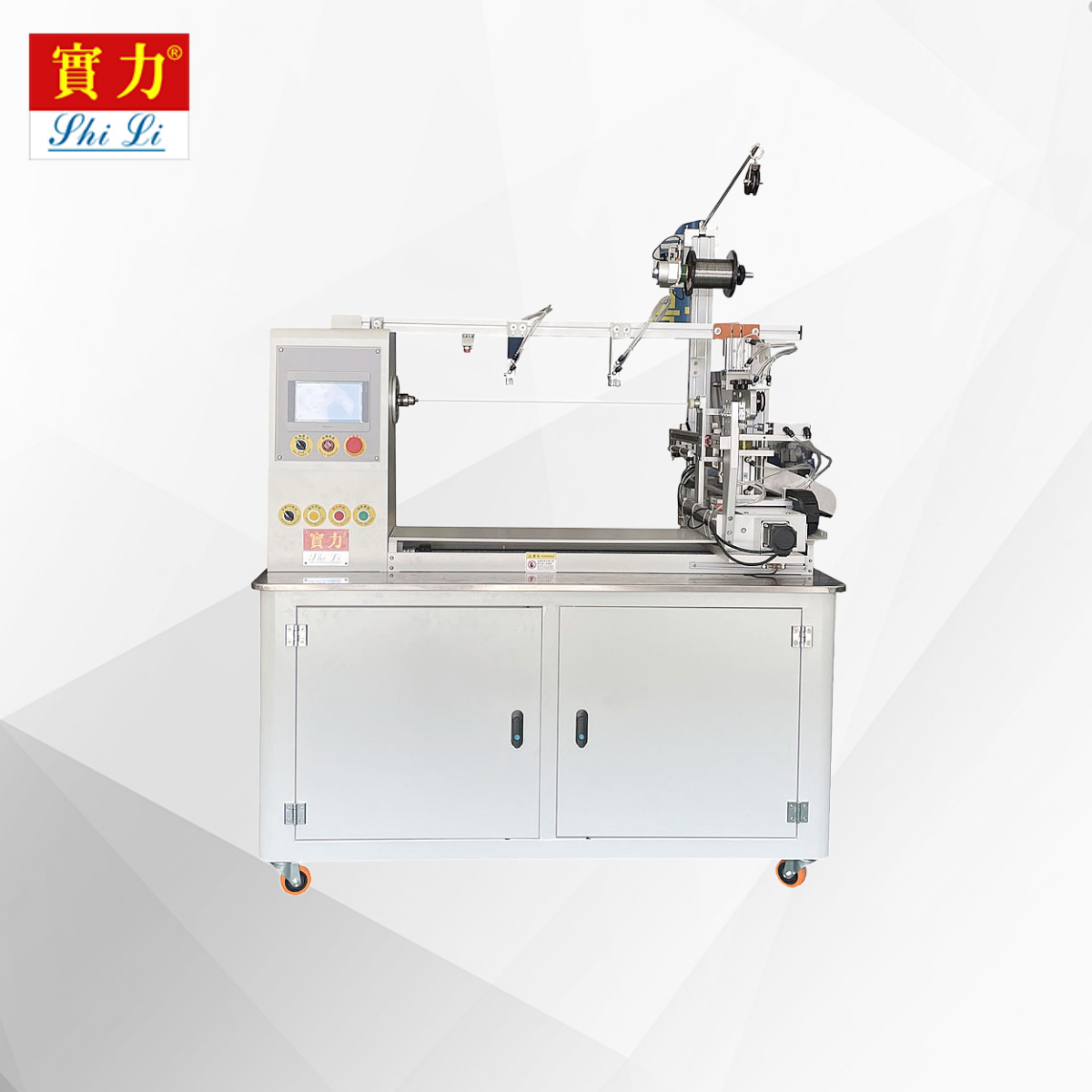
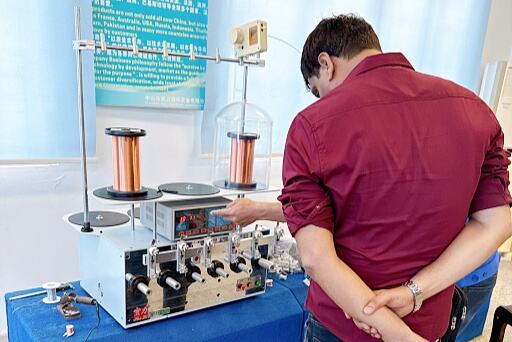
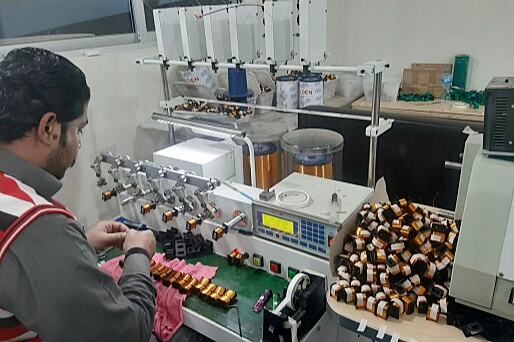
A bobbin winding machine represents essential equipment in textile manufacturing, designed to efficiently transfer yarn or thread from larger packages onto smaller bobbins for subsequent processing stages. These sophisticated devices serve as critical components in spinning mills, weaving facilities, and thread production operations worldwide. The primary function of a bobbin winding machine centers on creating uniform, precisely wound bobbins that meet stringent quality standards required for downstream applications. Modern bobbin winding machines incorporate advanced tension control systems that maintain consistent yarn tension throughout the winding process, preventing irregularities that could compromise final product quality. The technological architecture includes servo-driven motors that provide precise speed control, enabling operators to adjust winding parameters according to different yarn types and specifications. Digital monitoring systems continuously track winding speed, tension levels, and package density, providing real-time feedback to operators and automatic adjustments when necessary. Contemporary models feature programmable logic controllers that store multiple winding recipes, allowing quick changeovers between different yarn types without manual recalibration. The machines typically include yarn breakage detection systems that immediately halt operation when breaks occur, minimizing waste and preventing package defects. Applications span across cotton spinning mills where ring-spun yarns require rewinding onto suitable packages for warping or knitting operations. Synthetic fiber producers utilize these machines to create uniform packages from continuous filament yarns, ensuring consistent delivery during high-speed textile processes. Embroidery thread manufacturers rely on bobbin winding machines to produce small, precisely wound packages that fit embroidery equipment specifications. Quality control features include electronic yarn clearers that detect and remove thick places, thin spots, and foreign matter during winding, significantly improving final product consistency and reducing downstream processing problems.
New Product Recommendations

Bobbin winding machines deliver substantial productivity improvements that directly impact manufacturing efficiency and operational costs. These machines operate at significantly higher speeds compared to manual winding methods, typically achieving winding velocities exceeding 1500 meters per minute while maintaining superior package quality. This enhanced speed translates into increased throughput, allowing textile manufacturers to meet growing production demands without proportional increases in labor costs or floor space requirements. The automated nature of bobbin winding machines reduces dependency on skilled operators, as modern systems require minimal manual intervention once properly configured and initiated. Labor cost savings become particularly significant in high-volume operations where multiple machines can be supervised by a single operator, optimizing workforce allocation and reducing per-unit production expenses. Quality consistency represents another major advantage, as bobbin winding machines eliminate human variables that often contribute to package irregularities in manual processes. Automated tension control ensures uniform yarn distribution across the entire package, preventing loose or tight spots that could cause problems during subsequent processing stages. This consistency reduces waste rates and minimizes quality-related production disruptions that can be costly in time-sensitive manufacturing environments. Energy efficiency features in modern bobbin winding machines contribute to lower operational costs through optimized motor control and reduced power consumption during idle periods. Preventive maintenance capabilities built into contemporary systems provide early warning indicators for potential mechanical issues, enabling proactive maintenance scheduling that prevents unexpected downtime and extends equipment lifespan. The versatility of these machines allows processing of diverse yarn types and counts within a single installation, eliminating the need for multiple specialized winding systems. Digital integration capabilities enable seamless connection with manufacturing execution systems, providing valuable production data for process optimization and quality tracking. Space utilization benefits emerge from compact machine designs that maximize winding capacity within limited factory floor areas, particularly important in urban manufacturing facilities where real estate costs are high.

Latest News

Solve Solenoid Valve Coil Production Pain Points for India | Easy Operation Guide

05

Feb

Solve Solenoid Valve Coil Production Pain Points for India | Easy Operation Guide

View More
Bangladesh Client Raves: Efficiency + Stable Quality

05

Feb

Bangladesh Client Raves: Efficiency + Stable Quality

View More
Turkey Full Container Shipment: Rave Reviews & Repeat Orders

05

Feb

Turkey Full Container Shipment: Rave Reviews & Repeat Orders

View More

Get a Free Quote

Our representative will contact you soon.
Email
Name
Company Name
Message
0/1000

bobbin winding machine

Advanced Tension Control Technology

Advanced Tension Control Technology

The sophisticated tension control system integrated into modern bobbin winding machines represents a breakthrough in yarn handling technology that ensures consistent package quality across all operating conditions. This advanced system employs multiple tension zones throughout the yarn path, each equipped with precision sensors that continuously monitor yarn tension and make real-time adjustments to maintain optimal levels. The primary tension control mechanism utilizes servo-controlled tensioning devices that respond instantly to variations in yarn characteristics, winding speed, or environmental conditions. These systems can detect tension fluctuations as small as 0.1 grams and adjust accordingly within milliseconds, preventing the formation of loose or overly tight packages that could compromise downstream processing efficiency. The multi-zone approach allows independent tension management at different points along the yarn path, accommodating varying yarn properties and ensuring smooth transition from supply package to wound bobbin. Programmable tension profiles enable operators to establish specific tension curves optimized for different yarn types, counts, and winding applications, with settings stored digitally for instant recall during product changeovers. The system includes feedback loops that monitor actual tension against target values, automatically compensating for variables such as yarn elasticity, ambient humidity, and package build-up characteristics. Advanced algorithms predict tension requirements based on package diameter growth and adjust pre-tensioning accordingly, maintaining consistent yarn lay and package density throughout the winding cycle. This technology significantly reduces yarn breakage rates, particularly important when processing delicate fibers or high-value specialty yarns where material waste directly impacts profitability. The precision tension control also extends yarn life by minimizing stress-related damage during winding, preserving fiber integrity for subsequent processing stages. Integration with quality monitoring systems provides comprehensive data logging of tension parameters, enabling process optimization and troubleshooting capabilities that support continuous improvement initiatives in manufacturing operations.
Intelligent Quality Monitoring Systems

Intelligent Quality Monitoring Systems

Contemporary bobbin winding machines incorporate sophisticated quality monitoring systems that revolutionize defect detection and package quality assurance in textile manufacturing operations. These intelligent systems combine multiple sensing technologies including optical scanners, capacitive sensors, and advanced image processing algorithms to identify and eliminate quality defects in real-time during the winding process. The optical scanning components utilize high-resolution cameras and specialized lighting systems to detect variations in yarn diameter, surface irregularities, color deviations, and foreign matter contamination at processing speeds exceeding 1500 meters per minute. Capacitive sensing technology provides complementary detection capabilities for mass variations and density fluctuations that might not be visible through optical methods alone. The integrated quality monitoring system processes sensor data through sophisticated algorithms that can distinguish between acceptable yarn characteristics and genuine defects, minimizing false alarms while ensuring comprehensive quality control. Programmable defect classification parameters allow operators to establish specific quality standards for different yarn types and end-use applications, with systems capable of storing multiple quality recipes for quick changeover between production runs. When defects are detected, the system automatically marks the defect location, removes the affected yarn section, and performs an automatic splice to maintain continuous winding operation. This automated defect handling capability significantly reduces waste compared to traditional detection methods that often require removal of larger yarn sections surrounding detected problems. Real-time quality reporting provides operators and production managers with immediate feedback on defect rates, trending analysis, and process performance metrics that support data-driven decision making. The system maintains comprehensive quality databases that track defect patterns over time, enabling identification of systematic quality issues and supporting preventive maintenance scheduling for upstream processing equipment. Integration with enterprise resource planning systems allows quality data to be incorporated into lot tracking and customer quality documentation, supporting traceability requirements in demanding applications such as automotive textiles and medical materials.
Energy-Efficient Operation and Sustainability

Energy-Efficient Operation and Sustainability

Modern bobbin winding machines incorporate advanced energy management technologies that deliver substantial reductions in power consumption while maintaining superior performance characteristics compared to conventional winding systems. The energy-efficient design philosophy extends throughout all machine subsystems, from high-efficiency servo motors with optimized power-to-torque ratios to intelligent control algorithms that minimize energy waste during both active winding and standby operations. Variable frequency drives automatically adjust motor speed and power consumption based on actual winding requirements, eliminating the constant high-energy operation typical of older fixed-speed systems. Regenerative braking systems capture and reuse energy generated during deceleration phases, particularly beneficial in applications requiring frequent speed changes or emergency stops. Smart power management features include automatic standby modes that reduce power consumption during idle periods without compromising system readiness for immediate production restart. LED lighting systems throughout the machine provide superior illumination while consuming significantly less energy than traditional lighting solutions, contributing to overall efficiency improvements. The sustainable design approach encompasses material selection favoring recyclable components and environmentally responsible manufacturing processes that minimize the machine's carbon footprint throughout its operational lifecycle. Energy monitoring capabilities built into the control system provide detailed consumption data that enables operators to identify optimization opportunities and track efficiency improvements over time. Compressed air consumption optimization through intelligent pneumatic control reduces facility utility costs while maintaining reliable operation of all pneumatically actuated components. Heat recovery systems capture waste heat generated by motors and electronic components, utilizing this energy for facility heating or other productive applications where feasible. The combination of energy-efficient operation and extended equipment lifespan through superior engineering reduces the total environmental impact per unit of production output. Compliance with international energy efficiency standards and environmental regulations ensures that installations meet sustainability requirements in markets with stringent environmental policies. These energy management features typically result in 25-40% reduction in power consumption compared to conventional bobbin winding machines, delivering significant cost savings over the equipment's operational lifespan while supporting corporate sustainability objectives.

Get a Free Quote

Our representative will contact you soon.
Email
Name
Company Name
Message
0/1000
Newsletter
Please Leave A Message With Us