Electric Fan Winding Machine - Advanced Automated Motor Winding Solutions for Precision Manufacturing

Get a Free Quote

Our representative will contact you soon.
Email
Name
Company Name
Message
0/1000

electric fan winding machine

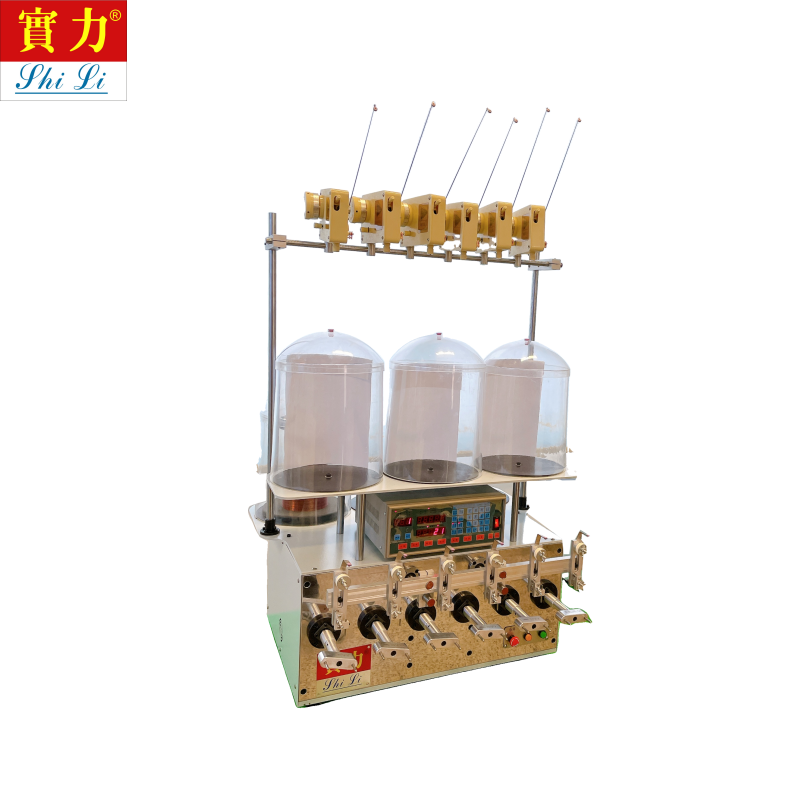
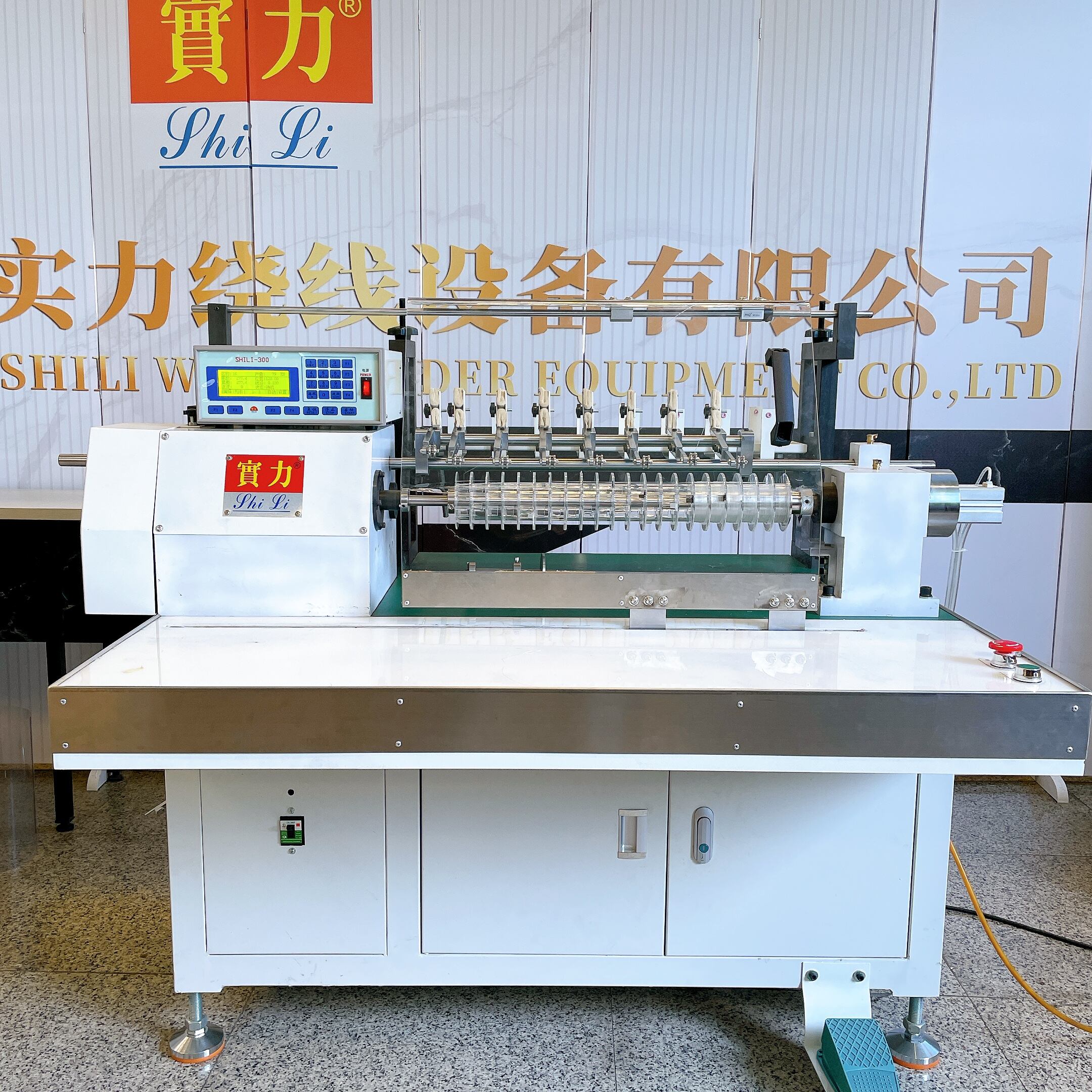
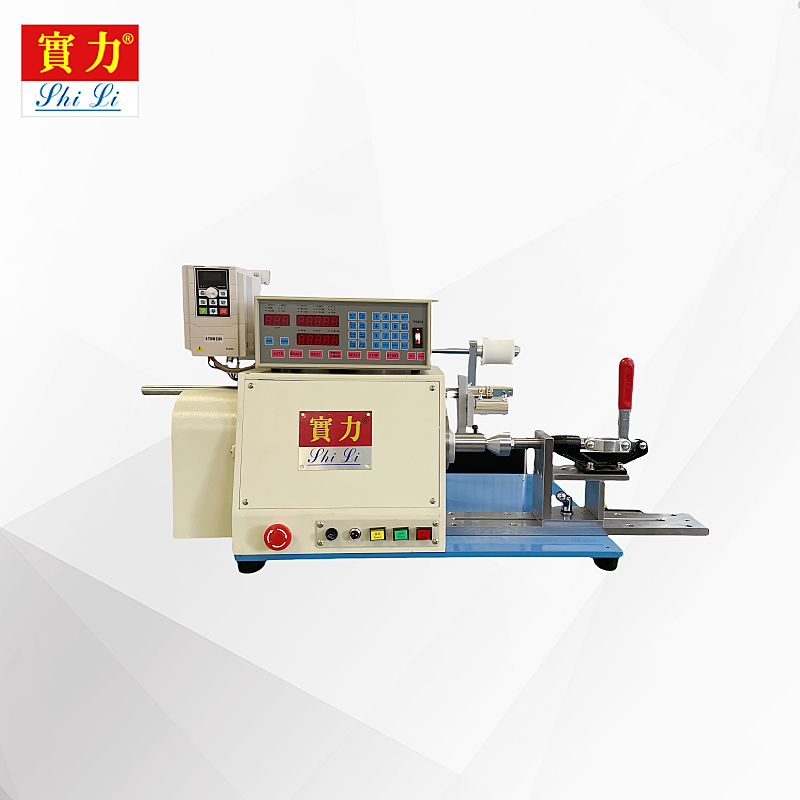
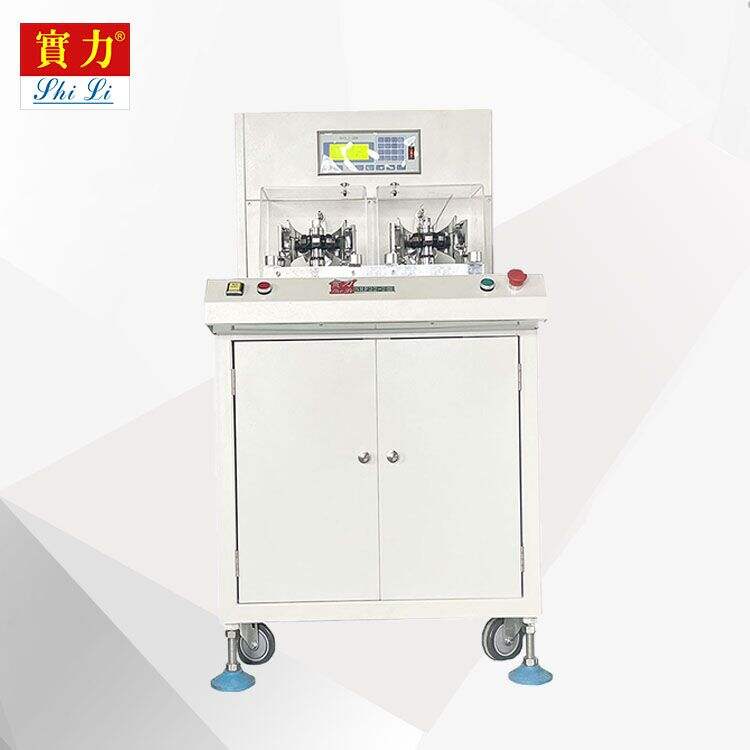
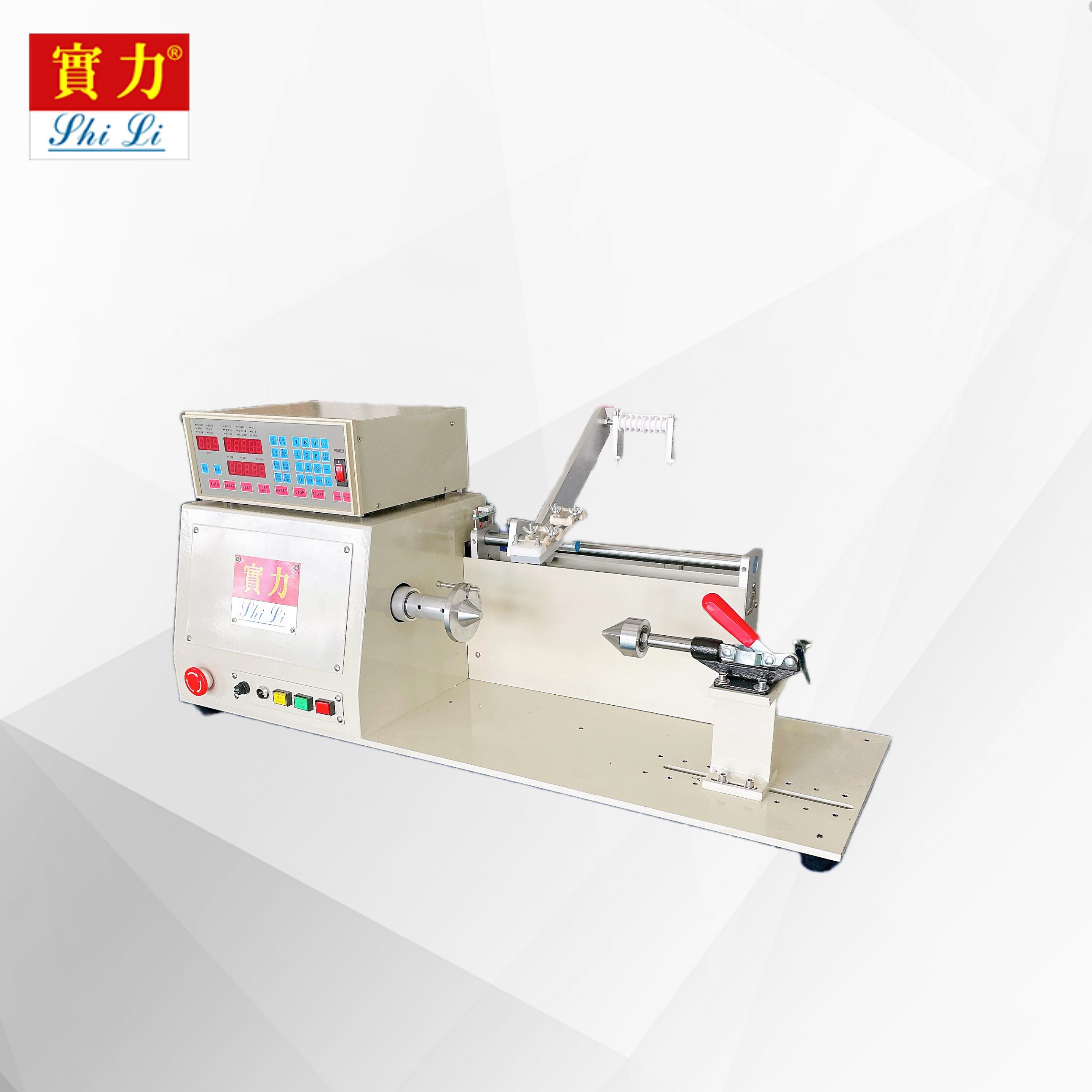
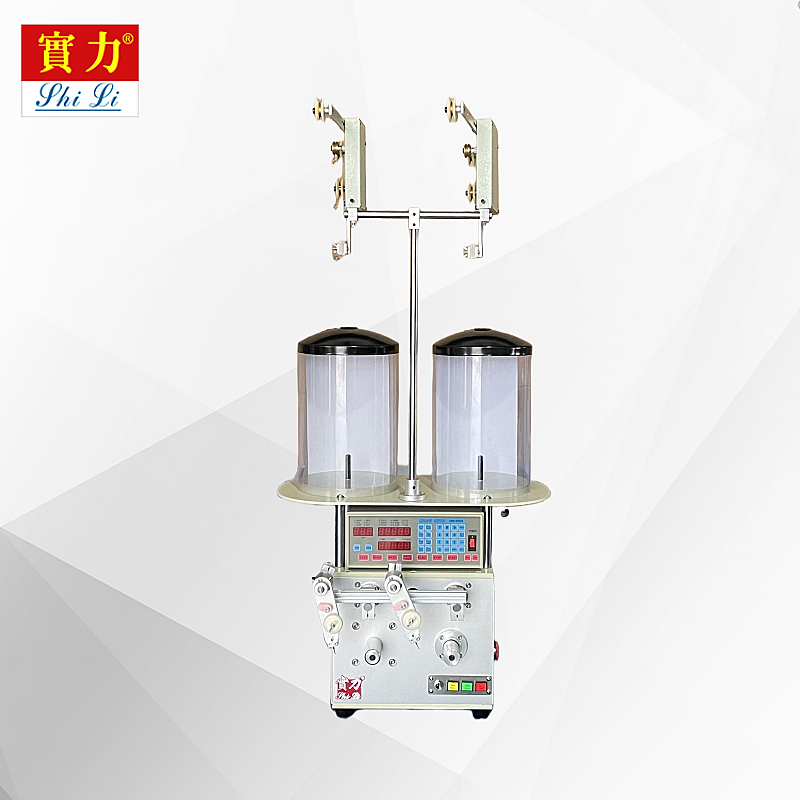
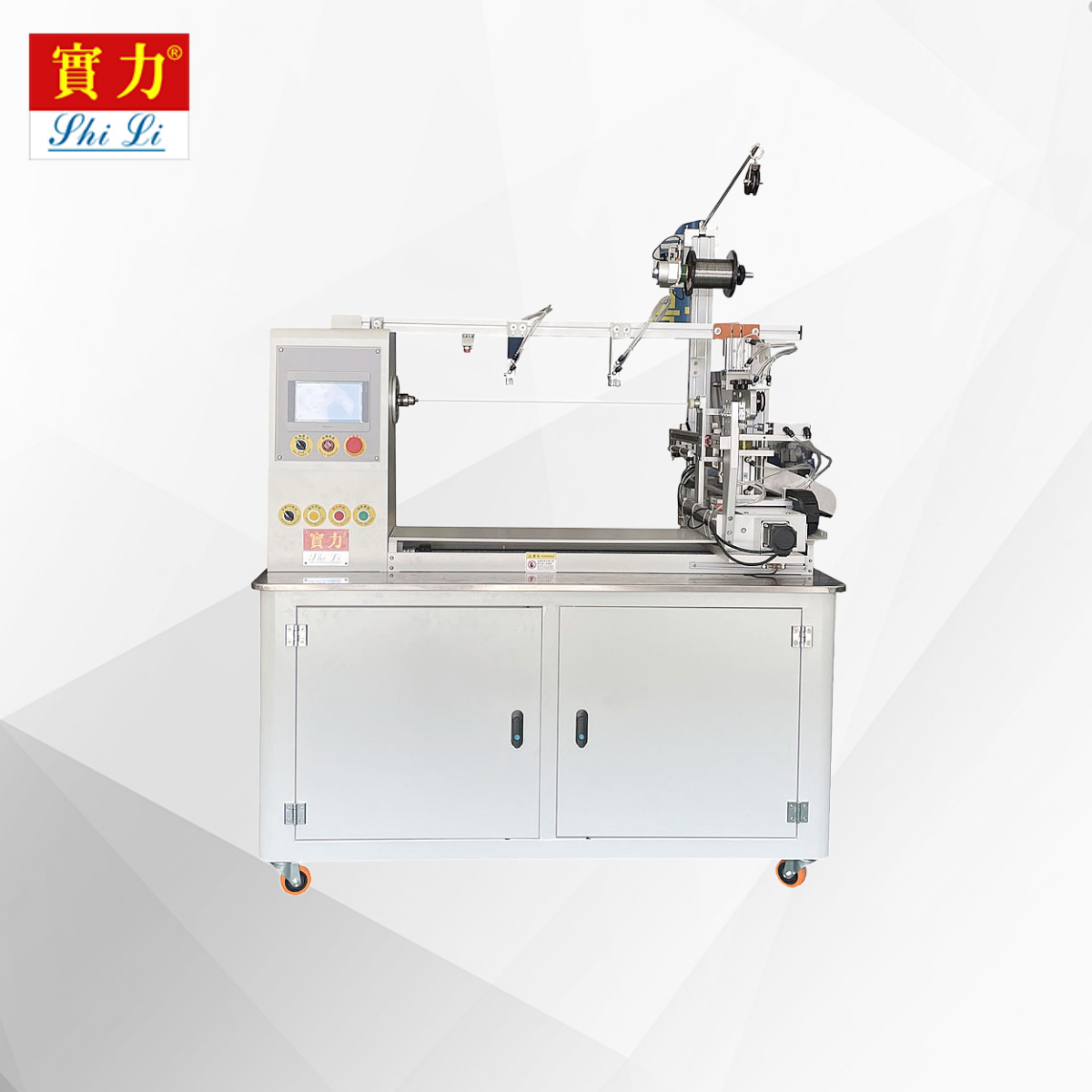
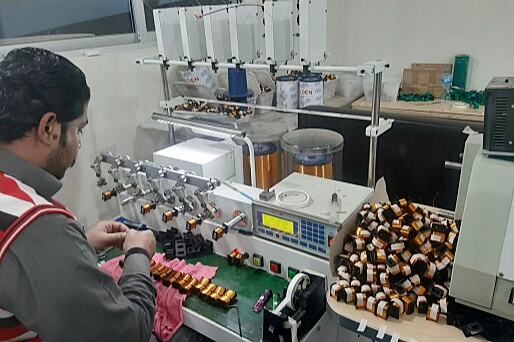
An electric fan winding machine represents a specialized manufacturing device designed to automate the process of winding copper wire coils for electric fan motors. This sophisticated equipment streamlines the production of stator windings, rotor coils, and other electromagnetic components essential for fan motor operation. The electric fan winding machine incorporates precise tension control systems, programmable speed settings, and automated wire feeding mechanisms to ensure consistent winding quality and optimal performance. Modern electric fan winding machines feature digital control panels that allow operators to input specific winding parameters including wire gauge, number of turns, winding patterns, and tension requirements. The machine's primary function involves wrapping copper or aluminum wire around designated slots in motor stators or armatures with mathematical precision. Advanced models incorporate servo motor technology for enhanced accuracy and repeatability in winding operations. The electric fan winding machine typically includes multiple spindles for simultaneous winding operations, significantly increasing production efficiency. Key technological features include automatic wire cutting and stripping capabilities, programmable layering sequences, and integrated quality control sensors that monitor wire tension and positioning throughout the winding process. The machine's robust construction ensures durability under continuous industrial operation while maintaining consistent winding specifications. Temperature monitoring systems prevent overheating during extended production runs, while safety interlocks protect operators from moving components. Many electric fan winding machines offer modular designs allowing customization for different fan motor sizes and specifications. The equipment supports various winding configurations including distributed windings, concentrated windings, and custom patterns specific to different fan motor designs. Integration capabilities enable seamless connection with existing production lines and manufacturing execution systems for comprehensive process control and data collection.

New Products

The electric fan winding machine delivers substantial operational benefits that transform manufacturing efficiency and product quality for businesses in the fan motor industry. Primary advantages include dramatically reduced labor costs through automated winding processes that eliminate manual wire placement and reduce dependency on skilled operators. Production speed increases significantly with electric fan winding machines capable of completing complex winding tasks in minutes rather than hours required for manual operations. Consistency becomes a major strength as the machine eliminates human error variables, producing identical windings with precise wire placement and tension control every time. Quality improvements are immediately apparent through reduced defect rates and enhanced motor performance characteristics resulting from optimal winding geometry and wire distribution. The electric fan winding machine enables manufacturers to maintain consistent production schedules regardless of labor availability or skill level variations. Material waste reduction occurs through precise wire usage calculations and automated cutting systems that minimize excess wire consumption. Energy efficiency gains result from optimized winding patterns that improve motor magnetic characteristics and reduce energy losses during fan operation. Flexibility represents another significant advantage as modern electric fan winding machines accommodate multiple motor sizes and configurations through programmable settings and interchangeable tooling systems. Scalability benefits allow manufacturers to increase production capacity without proportional increases in labor costs or floor space requirements. Documentation capabilities provide detailed production records and quality tracking data essential for compliance and continuous improvement initiatives. The machine's ability to handle various wire types and gauges expands manufacturing capabilities while maintaining consistent quality standards. Reduced training requirements lower operational costs as operators need minimal specialized skills to operate computerized winding systems effectively. Maintenance advantages include predictable service schedules and component replacement cycles that minimize unexpected downtime. Investment returns typically materialize quickly through labor savings, quality improvements, and increased production throughput. The electric fan winding machine also enables manufacturers to accept larger orders and meet tight delivery schedules that would be impossible with manual winding methods.

Tips And Tricks

Solve Solenoid Valve Coil Production Pain Points for India | Easy Operation Guide

05

Feb

Solve Solenoid Valve Coil Production Pain Points for India | Easy Operation Guide

View More
Bangladesh Client Raves: Efficiency + Stable Quality

05

Feb

Bangladesh Client Raves: Efficiency + Stable Quality

View More
Turkey Full Container Shipment: Rave Reviews & Repeat Orders

05

Feb

Turkey Full Container Shipment: Rave Reviews & Repeat Orders

View More

Get a Free Quote

Our representative will contact you soon.
Email
Name
Company Name
Message
0/1000

electric fan winding machine

Precision Control Technology for Superior Winding Quality

Precision Control Technology for Superior Winding Quality

The electric fan winding machine incorporates advanced precision control technology that revolutionizes the accuracy and consistency of motor winding operations. This sophisticated system utilizes high-resolution encoders and servo motor drives to achieve positioning accuracy within micrometers, ensuring perfect wire placement in every slot and layer. The precision control technology monitors wire tension continuously throughout the winding process, automatically adjusting tension parameters to prevent wire stretching or breaking while maintaining optimal winding density. Digital feedback systems provide real-time monitoring of winding progress, allowing immediate corrections if deviations occur from programmed specifications. The technology includes advanced algorithms that calculate optimal winding patterns based on motor design requirements, automatically determining the most efficient wire routing to minimize electromagnetic losses and maximize motor performance. Temperature compensation features adjust winding parameters based on ambient conditions and wire temperature, ensuring consistent results regardless of environmental variables. The precision control system stores multiple winding programs in its memory, enabling quick changeovers between different fan motor models without manual reconfiguration. Integrated quality control sensors verify wire position and tension at critical points during the winding process, generating alerts if parameters fall outside acceptable tolerances. The technology supports complex winding patterns including wave windings, lap windings, and custom configurations specific to high-efficiency motor designs. Advanced interpolation algorithms ensure smooth wire transitions between layers and coils, eliminating sharp bends that could cause premature wire failure. The precision control technology also includes automatic wire counting functions that verify the correct number of turns in each coil, preventing costly production errors. This level of precision control translates directly into improved motor performance, reduced vibration, and extended operational life for electric fans, making it an invaluable investment for manufacturers seeking to deliver superior products in competitive markets.
Automated Production Efficiency and Cost Reduction

Automated Production Efficiency and Cost Reduction

The electric fan winding machine delivers exceptional automated production efficiency that fundamentally transforms manufacturing economics and operational capabilities. This automation eliminates the need for skilled manual winding technicians while simultaneously increasing production speeds by up to 300 percent compared to traditional hand-winding methods. The automated system operates continuously with minimal supervision, enabling manufacturers to run production shifts around the clock without compromising quality or consistency. Integrated material handling systems automatically feed wire from supply reels, position motor cores, and transfer completed assemblies to the next production stage, creating a seamless workflow that minimizes manual intervention. The machine's automation includes automatic wire cutting and termination functions that ensure consistent connection quality while reducing material waste through precise length calculations. Smart scheduling algorithms optimize production sequences to minimize changeover times between different motor models, maximizing overall equipment effectiveness. The automated system generates comprehensive production reports that track efficiency metrics, material consumption, and quality indicators, providing valuable data for continuous improvement initiatives. Labor cost reductions become substantial as a single operator can monitor multiple electric fan winding machines simultaneously, dramatically improving productivity per employee. Predictive maintenance features monitor machine performance and component wear patterns, scheduling maintenance activities during planned downtime to prevent unexpected production interruptions. The automation system includes error detection and recovery capabilities that identify potential issues before they impact production quality, automatically adjusting parameters or alerting operators when intervention is required. Integration with enterprise resource planning systems enables automatic inventory tracking and raw material ordering based on production schedules and consumption patterns. The automated production efficiency extends beyond speed improvements to include enhanced workplace safety through elimination of repetitive manual tasks and exposure to moving machinery components. Return on investment calculations typically show payback periods of 12-18 months through combined labor savings, increased throughput, and reduced quality-related costs, making the electric fan winding machine an economically compelling choice for manufacturers seeking competitive advantages.
Versatile Multi-Motor Compatibility and Customization Options

Versatile Multi-Motor Compatibility and Customization Options

The electric fan winding machine provides remarkable versatility through its multi-motor compatibility and extensive customization options that accommodate diverse manufacturing requirements and market demands. This flexibility enables manufacturers to produce windings for various fan motor types including single-phase induction motors, permanent magnet motors, brushless DC motors, and specialty high-efficiency designs using a single machine platform. Modular tooling systems allow rapid reconfiguration for different stator sizes, slot configurations, and pole counts without requiring significant setup time or specialized technical expertise. The machine supports wire gauges ranging from fine magnet wire to heavy-duty conductors, automatically adjusting tension and handling parameters based on material specifications. Programmable winding patterns accommodate standard industry configurations as well as proprietary designs developed for specific performance requirements or cost optimization goals. The versatility extends to handling different core materials including laminated steel, powdered iron, and ferrite cores with appropriate handling fixtures and positioning systems. Advanced software interfaces enable engineers to create custom winding programs using graphical programming tools or import specifications directly from motor design software packages. Multi-spindle configurations allow simultaneous winding of multiple coils or different motor components, significantly improving production efficiency for high-volume applications. The customization options include adjustable wire guides, variable tension systems, and interchangeable spindle assemblies that optimize performance for specific motor designs. Integration capabilities support various production line configurations including standalone operation, inline integration, or robotic material handling systems. The machine accommodates special requirements such as vacuum impregnation preparation, lead wire attachment, and quality testing integration within the winding process. Flexibility in control systems allows integration with existing factory automation networks and quality management systems for comprehensive production monitoring and traceability. The versatile design future-proofs manufacturing investments by enabling adaptation to new motor technologies and market requirements without major equipment replacement. Documentation systems capture all customization parameters and winding specifications, ensuring consistent reproduction of successful configurations and facilitating knowledge transfer between production shifts and facilities.

Get a Free Quote

Our representative will contact you soon.
Email
Name
Company Name
Message
0/1000
Newsletter
Please Leave A Message With Us