Advanced Automatic Spooling Machine Solutions: Precision Winding Technology for Industrial Applications

Get a Free Quote

Our representative will contact you soon.
Email
Name
Company Name
Message
0/1000

automatic spooling machine

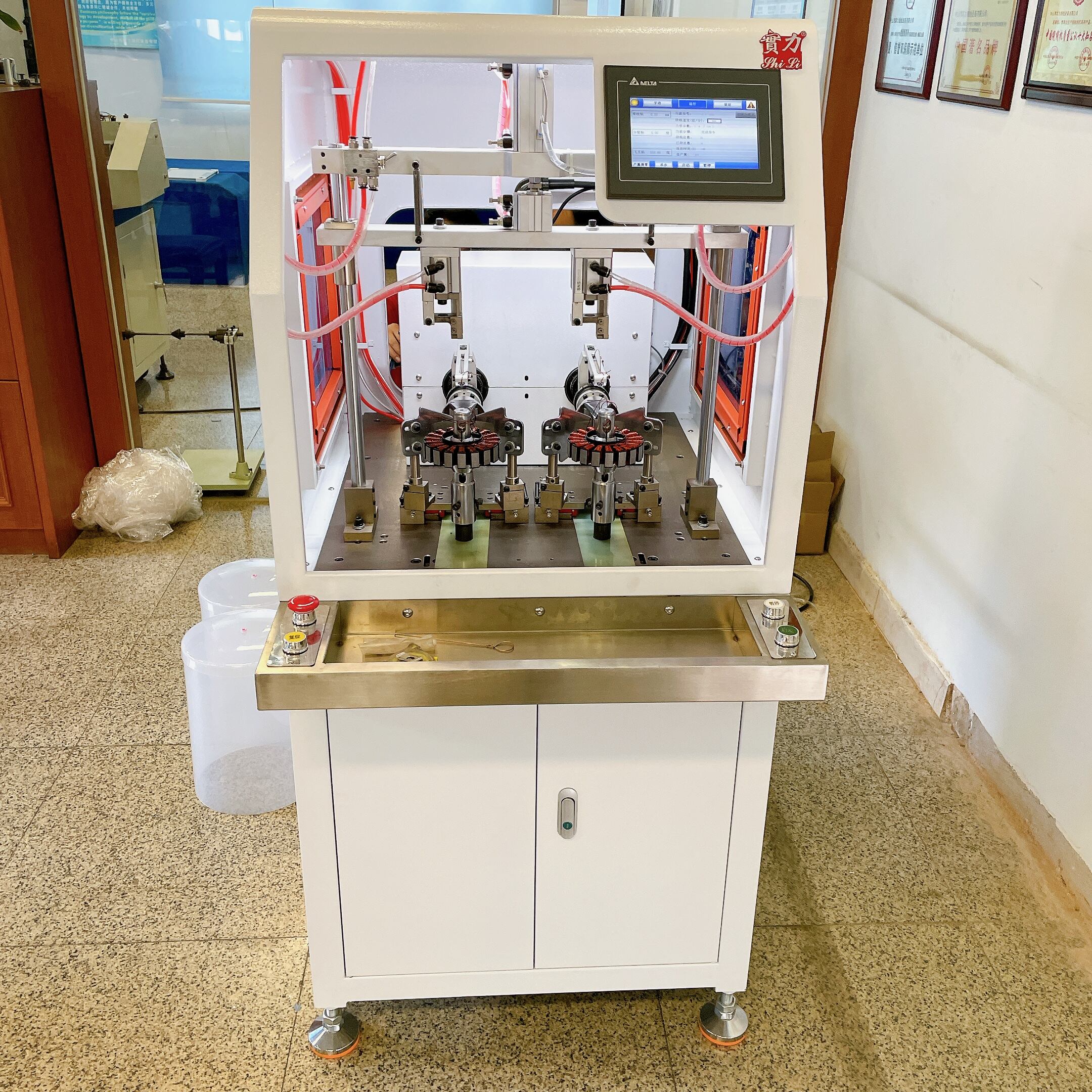
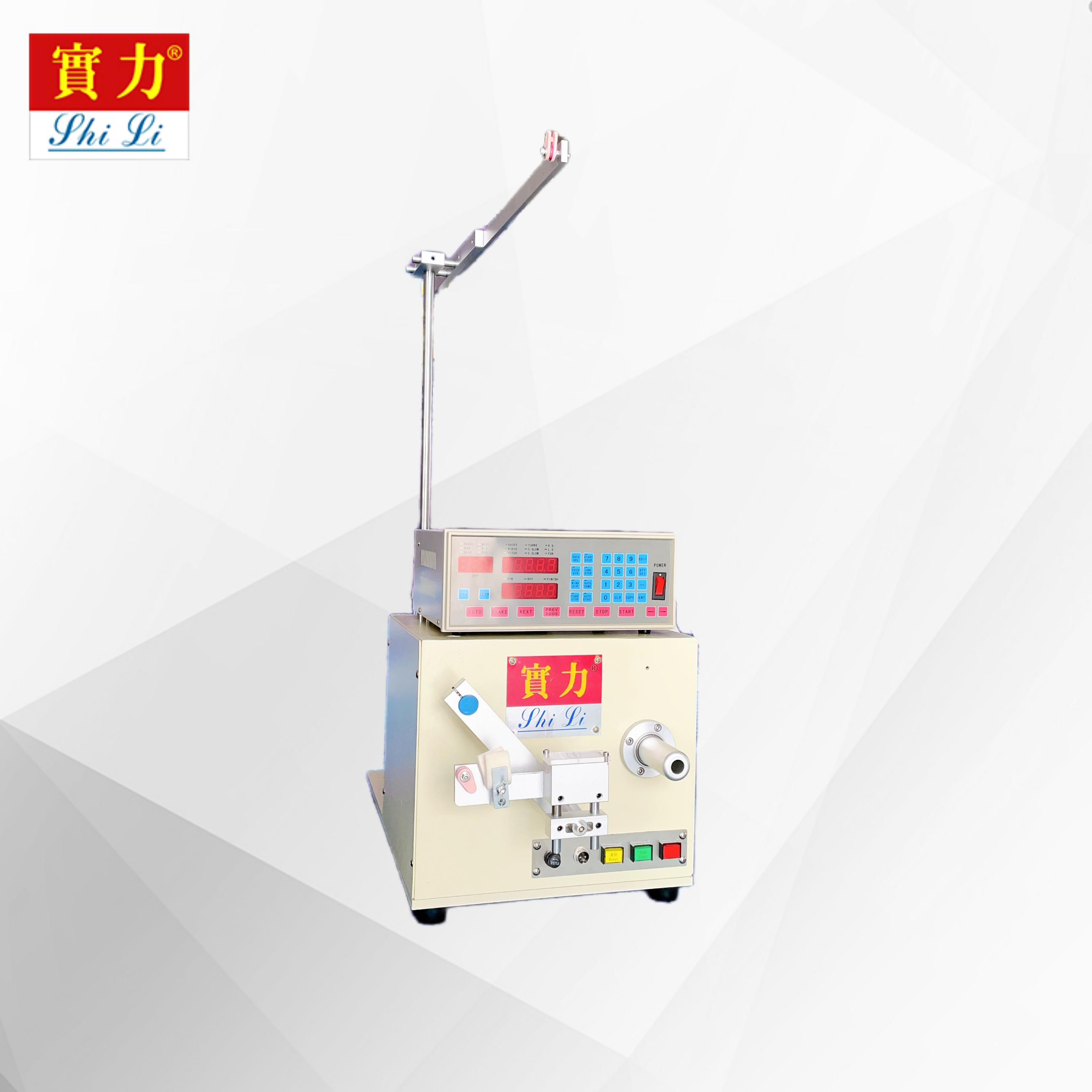
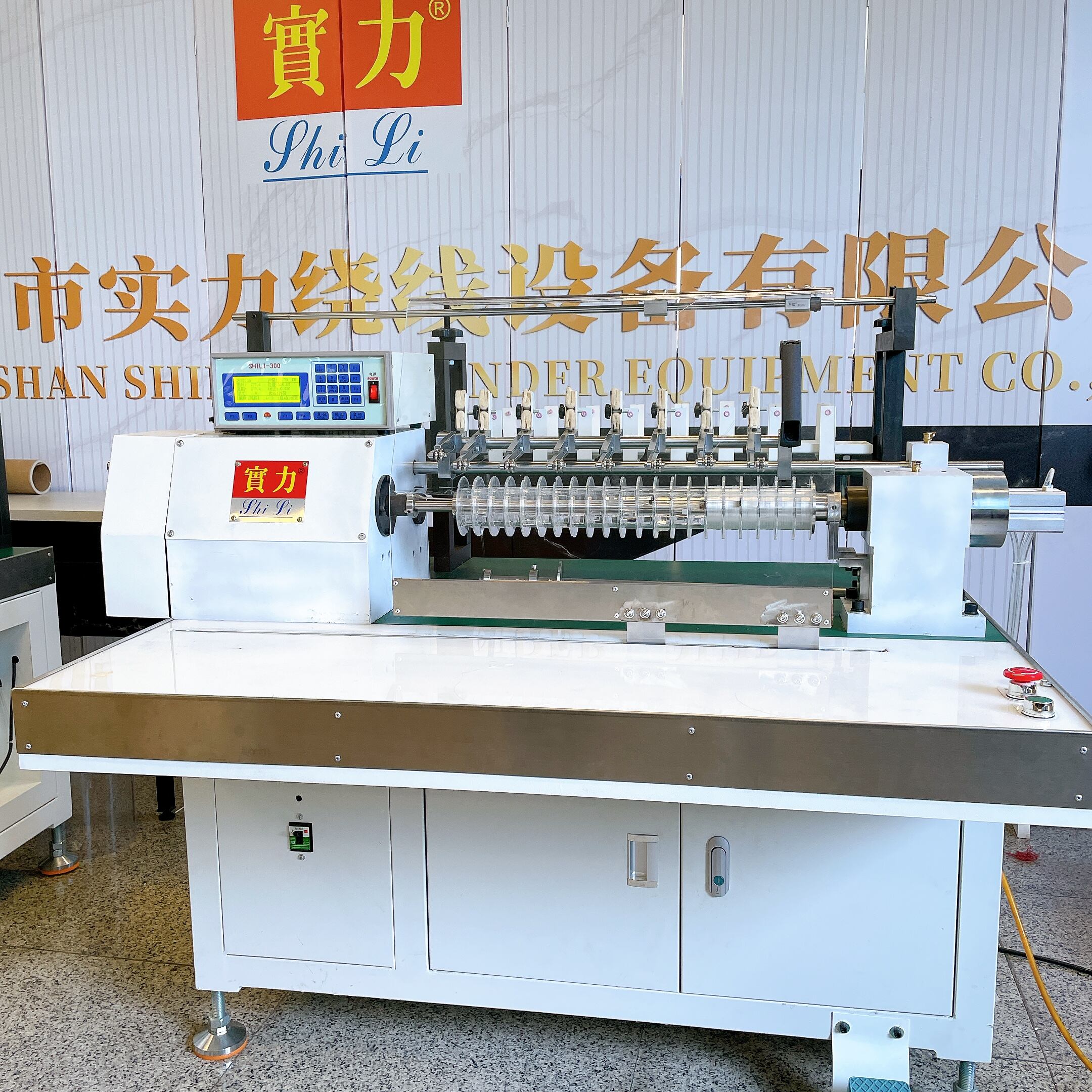
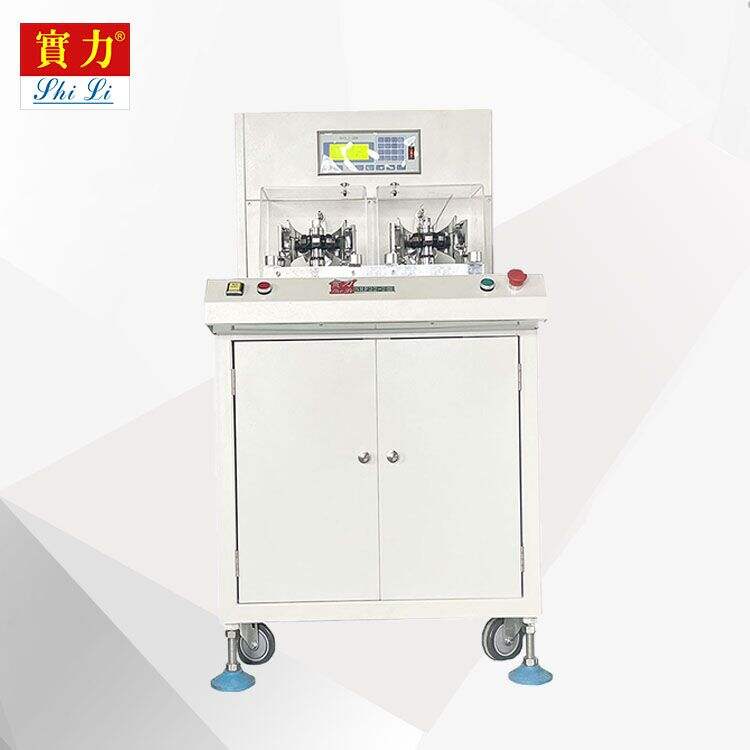
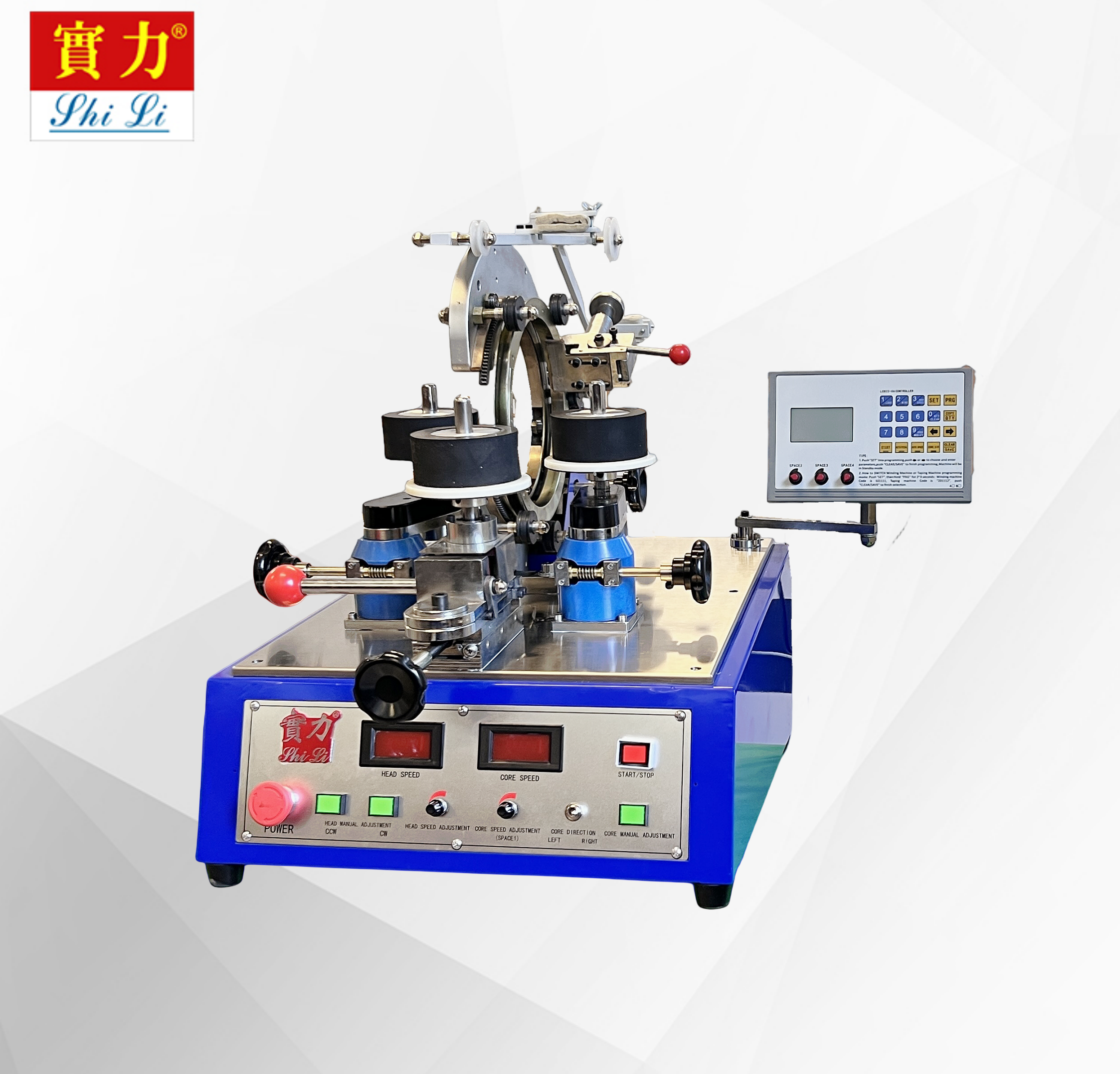
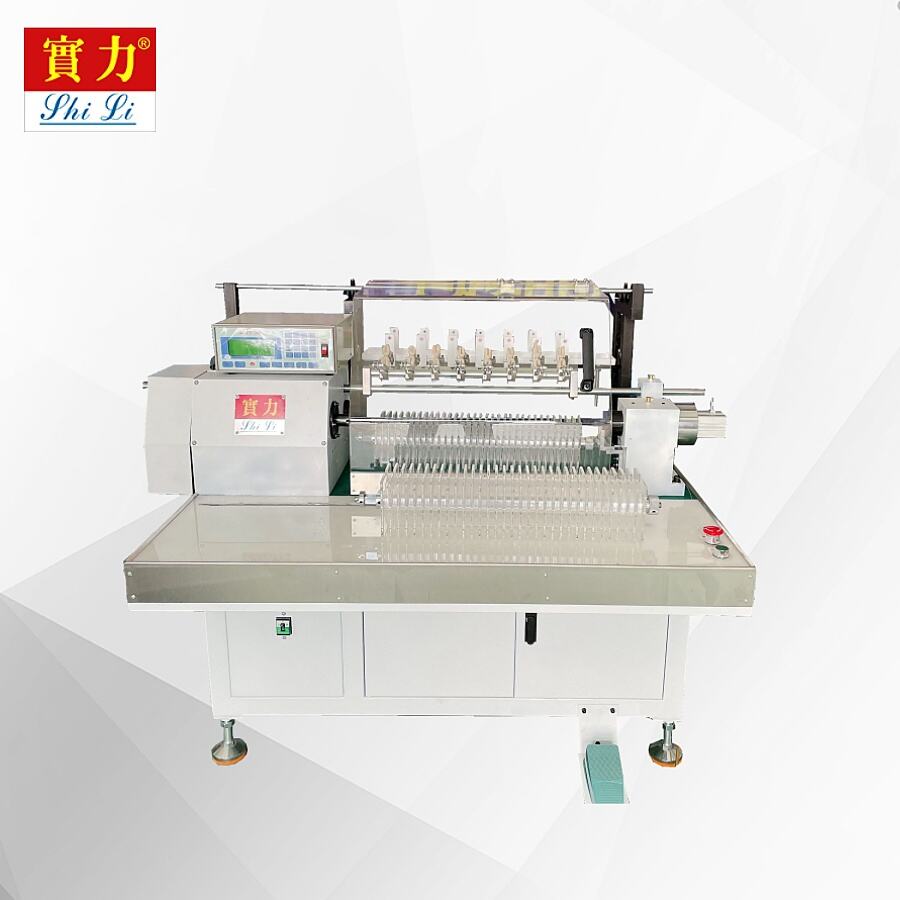
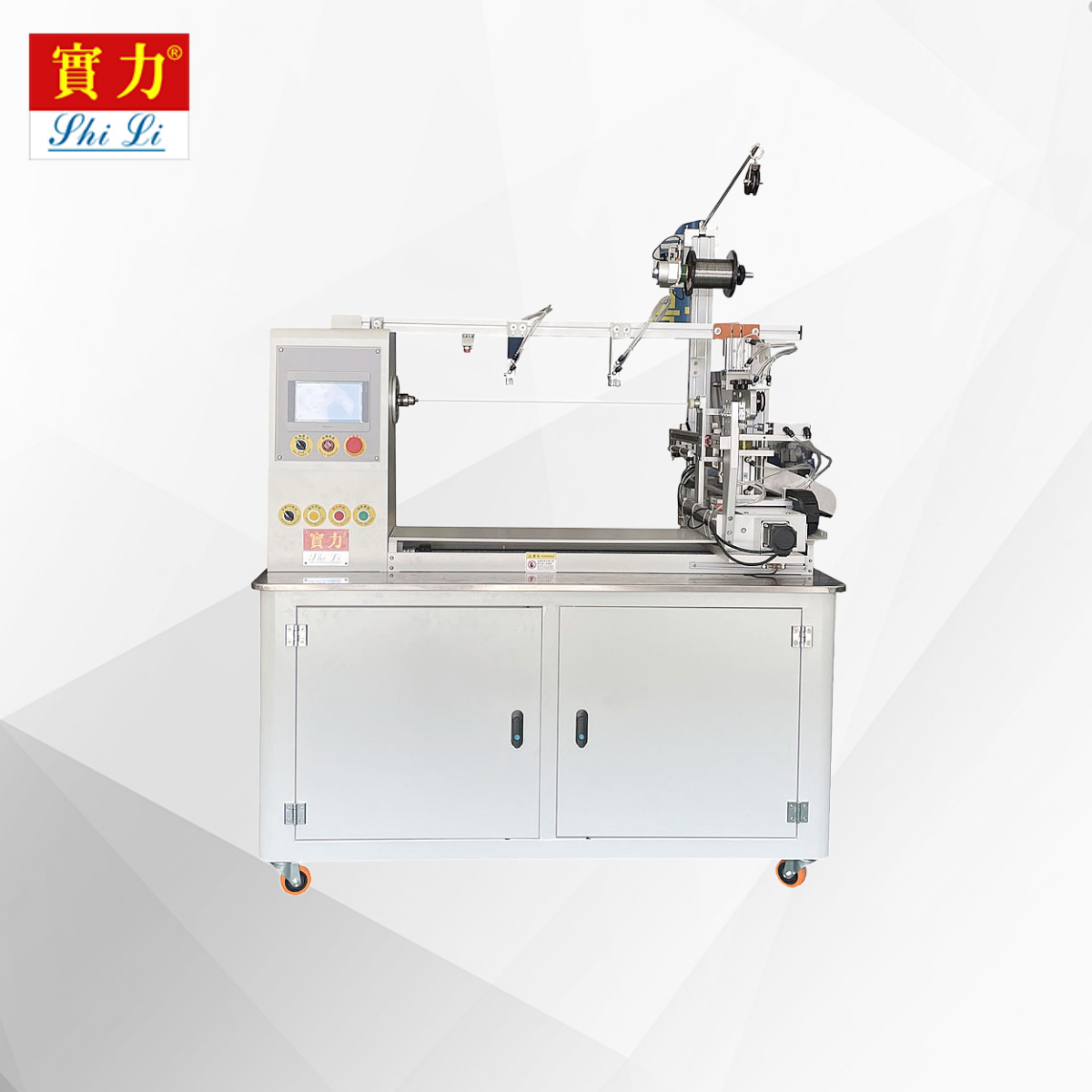
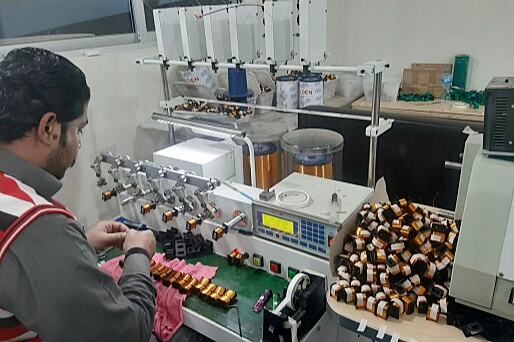
An automatic spooling machine represents a sophisticated piece of industrial equipment designed to efficiently wind various materials onto spools, bobbins, or reels without requiring constant human intervention. This advanced machinery operates through a combination of precision motors, electronic control systems, and mechanical components that work together to achieve consistent, high-quality winding results. The primary function of an automatic spooling machine involves taking raw materials such as wire, cable, thread, yarn, rope, or other continuous products and systematically winding them onto designated storage devices in predetermined patterns and tensions. The technological foundation of these machines relies on programmable logic controllers (PLCs) that manage speed regulation, tension control, and positioning accuracy. Modern automatic spooling machines incorporate servo motors for precise movement control, load cells for tension monitoring, and advanced sensors that detect material breaks or irregularities during operation. The control interface typically features user-friendly touchscreen displays that allow operators to configure winding parameters, monitor production progress, and adjust settings as needed. These machines can accommodate various spool sizes and material types through adjustable mounting systems and interchangeable components. Applications for automatic spooling machines span numerous industries including telecommunications for fiber optic cable production, electrical manufacturing for wire processing, textile production for yarn handling, and automotive sectors for specialized cable assembly. The versatility of these machines makes them essential equipment in manufacturing facilities that require consistent, reliable material handling and storage solutions. Quality control features built into automatic spooling machines include automatic counting systems, defect detection capabilities, and programmable stopping mechanisms that ensure optimal product quality throughout the winding process.

New Product Releases

Automatic spooling machines deliver significant operational improvements that directly impact manufacturing efficiency and product quality. These machines eliminate the need for continuous manual supervision, allowing operators to focus on other critical tasks while the equipment runs independently for extended periods. This reduction in labor requirements translates to substantial cost savings over time, especially in high-volume production environments where manual winding would be impractical and expensive. The precision control systems built into automatic spooling machines ensure consistent tension throughout the winding process, preventing material damage that commonly occurs with manual methods. This consistent tension control results in uniform spool density and proper material lay, which improves storage efficiency and reduces the risk of tangling or kinking during unwinding operations. Speed capabilities of automatic spooling machines far exceed manual winding rates, enabling manufacturers to meet demanding production schedules and increase overall throughput. The programmable nature of these machines allows for quick changeovers between different materials or spool configurations, minimizing downtime and maximizing production flexibility. Quality assurance features integrated into automatic spooling machines provide real-time monitoring and automatic adjustments that maintain optimal winding parameters throughout production runs. This continuous quality control reduces waste by catching defects early and prevents the production of substandard spools that would require reworking. Safety improvements represent another crucial advantage, as automatic spooling machines reduce worker exposure to repetitive motion injuries and eliminate the risks associated with manual handling of heavy spools or hazardous materials. The data collection capabilities of modern automatic spooling machines provide valuable production insights, enabling manufacturers to optimize processes, track efficiency metrics, and implement predictive maintenance schedules. Energy efficiency features in contemporary designs reduce operational costs while supporting sustainability initiatives. The reliability and durability of well-maintained automatic spooling machines ensure consistent performance over many years, providing excellent return on investment for manufacturing operations of all sizes.

Latest News

Solve Solenoid Valve Coil Production Pain Points for India | Easy Operation Guide

05

Feb

Solve Solenoid Valve Coil Production Pain Points for India | Easy Operation Guide

View More
Bangladesh Client Raves: Efficiency + Stable Quality

05

Feb

Bangladesh Client Raves: Efficiency + Stable Quality

View More
Turkey Full Container Shipment: Rave Reviews & Repeat Orders

05

Feb

Turkey Full Container Shipment: Rave Reviews & Repeat Orders

View More

Get a Free Quote

Our representative will contact you soon.
Email
Name
Company Name
Message
0/1000

automatic spooling machine

Advanced Tension Control Technology

Advanced Tension Control Technology

The sophisticated tension control system stands as the cornerstone feature of modern automatic spooling machines, representing a critical advancement that ensures optimal material handling throughout the winding process. This technology employs a combination of precision load cells, servo-controlled mechanisms, and real-time feedback systems that continuously monitor and adjust material tension to maintain consistent parameters regardless of external variables. The importance of proper tension control cannot be overstated, as it directly affects product quality, material integrity, and overall production efficiency. When tension levels fluctuate during winding operations, materials can suffer from stretching, breaking, or uneven distribution on the spool, leading to costly waste and production delays. The advanced tension control technology in automatic spooling machines addresses these challenges through intelligent algorithms that automatically compensate for variables such as material diameter changes, spool buildup, and environmental conditions. This system provides manufacturers with unprecedented control over their winding processes, enabling them to achieve consistent results across different material types and production runs. The real-time adjustment capabilities mean that operators no longer need to constantly monitor and manually adjust tension settings, significantly reducing the skill level required for operation while improving overall consistency. Additionally, this technology supports the handling of delicate materials that would be impossible to process effectively with manual methods or less sophisticated equipment. The data logging capabilities of advanced tension control systems provide valuable insights into production trends and material characteristics, enabling continuous process improvement and quality optimization. For manufacturers dealing with high-value materials or critical applications where consistency is paramount, this technology delivers measurable value through reduced waste, improved product quality, and enhanced production reliability.
Intelligent Automation and Programming Capabilities

Intelligent Automation and Programming Capabilities

The intelligent automation and programming capabilities of automatic spooling machines represent a transformative feature that elevates these devices from simple winding equipment to sophisticated production systems capable of adapting to diverse manufacturing requirements. This comprehensive automation framework incorporates advanced programmable logic controllers, intuitive user interfaces, and flexible software platforms that enable operators to create, store, and execute complex winding programs tailored to specific materials and production goals. The significance of these capabilities extends far beyond basic automation, as they provide manufacturers with the tools needed to optimize production processes, ensure consistent quality, and respond quickly to changing market demands. Through the intelligent programming interface, operators can define precise winding patterns, set material-specific parameters, establish quality checkpoints, and create custom sequences that accommodate unique production requirements. This level of programmability eliminates the guesswork traditionally associated with material handling and ensures that every spool meets exact specifications regardless of operator experience or external conditions. The automation system continuously learns from production data, identifying patterns and optimizing performance parameters to improve efficiency over time. Memory storage capabilities allow facilities to maintain libraries of proven programs for different materials and applications, enabling rapid setup changes and consistent reproduction of successful winding configurations. The integration of predictive analytics helps anticipate potential issues before they impact production, while automated reporting functions provide detailed insights into productivity metrics, quality trends, and equipment performance. For manufacturers operating in competitive markets where speed, consistency, and flexibility are essential for success, these intelligent automation capabilities provide a significant competitive advantage by reducing setup times, minimizing human error, and ensuring optimal resource utilization across all production activities.
Versatile Multi-Material Processing Capacity

Versatile Multi-Material Processing Capacity

The versatile multi-material processing capacity of automatic spooling machines represents a crucial competitive advantage that enables manufacturers to maximize equipment utilization while accommodating diverse production requirements within a single platform. This comprehensive capability stems from sophisticated mechanical designs, adjustable components, and intelligent control systems that automatically adapt to different material characteristics, dimensions, and handling requirements. The importance of this versatility becomes apparent when considering the diverse range of materials that modern manufacturing facilities must process, from delicate fiber optic cables requiring gentle handling to robust industrial wires demanding higher tension levels. Traditional single-purpose winding equipment often requires significant modifications or complete replacement when production requirements change, resulting in substantial capital expenditures and operational disruptions. In contrast, automatic spooling machines with multi-material processing capabilities seamlessly transition between different products through programmable settings and interchangeable components, providing manufacturers with unprecedented operational flexibility. This adaptability extends to various material properties including diameter variations, flexibility characteristics, surface treatments, and thermal sensitivity, ensuring optimal handling regardless of specific material requirements. The system intelligently adjusts parameters such as winding speed, tension levels, traverse patterns, and spool configurations based on material specifications stored in the programming interface. This automatic adaptation eliminates the need for extensive operator training on multiple machines while ensuring consistent quality across different material types. The economic benefits of this versatility include reduced equipment investments, lower facility space requirements, simplified maintenance protocols, and enhanced production scheduling flexibility. For manufacturers serving multiple markets or producing seasonal products, this multi-material capacity enables rapid response to market demands without the delays associated with equipment changeovers or capital acquisitions. Additionally, the ability to process various materials on a single platform supports lean manufacturing principles by reducing inventory requirements and optimizing workflow efficiency throughout the production facility.

Get a Free Quote

Our representative will contact you soon.
Email
Name
Company Name
Message
0/1000
Newsletter
Please Leave A Message With Us