Professional Spool Winding Machine Solutions - Advanced Industrial Winding Equipment

Get a Free Quote

Our representative will contact you soon.
Email
Name
Company Name
Message
0/1000

spool winding machine

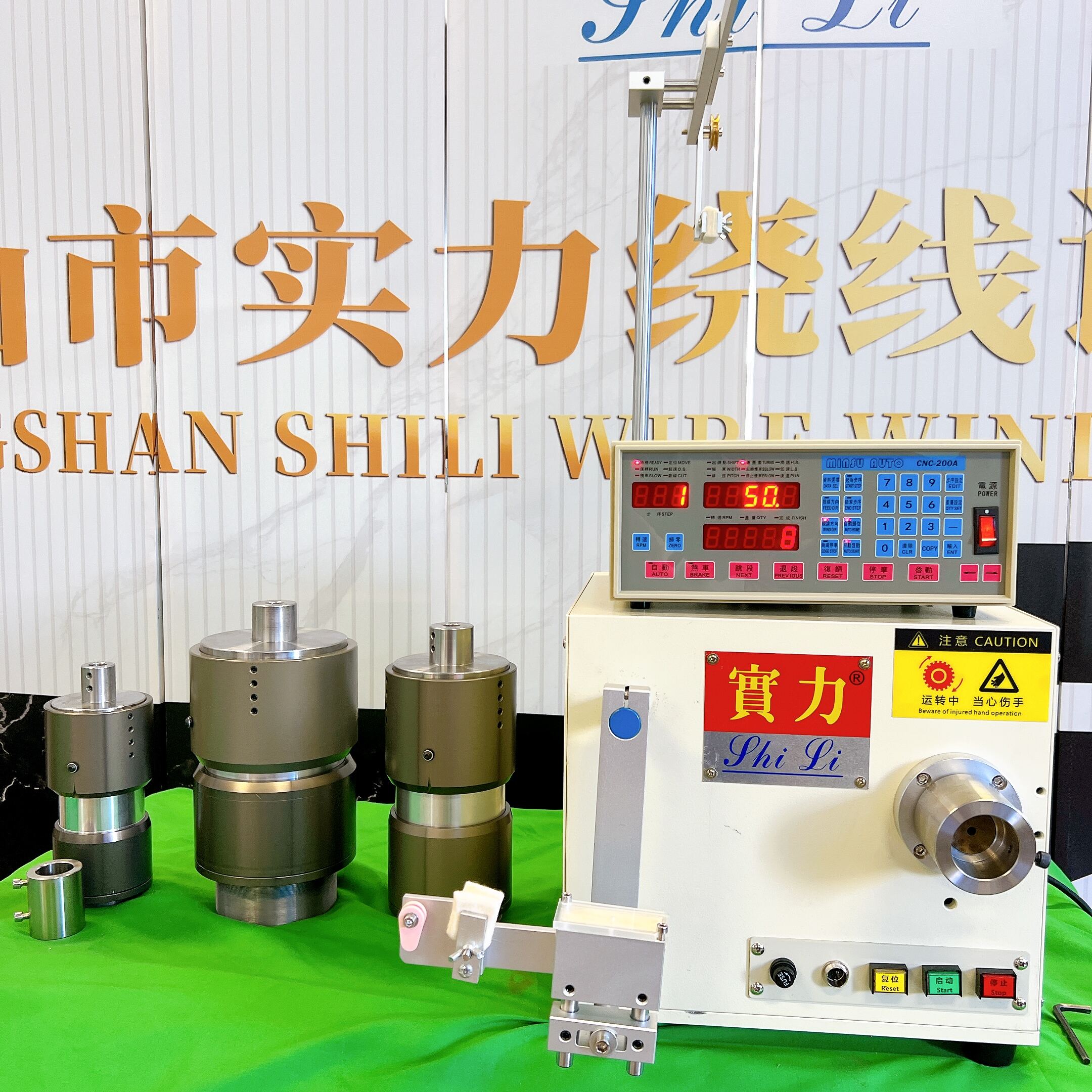
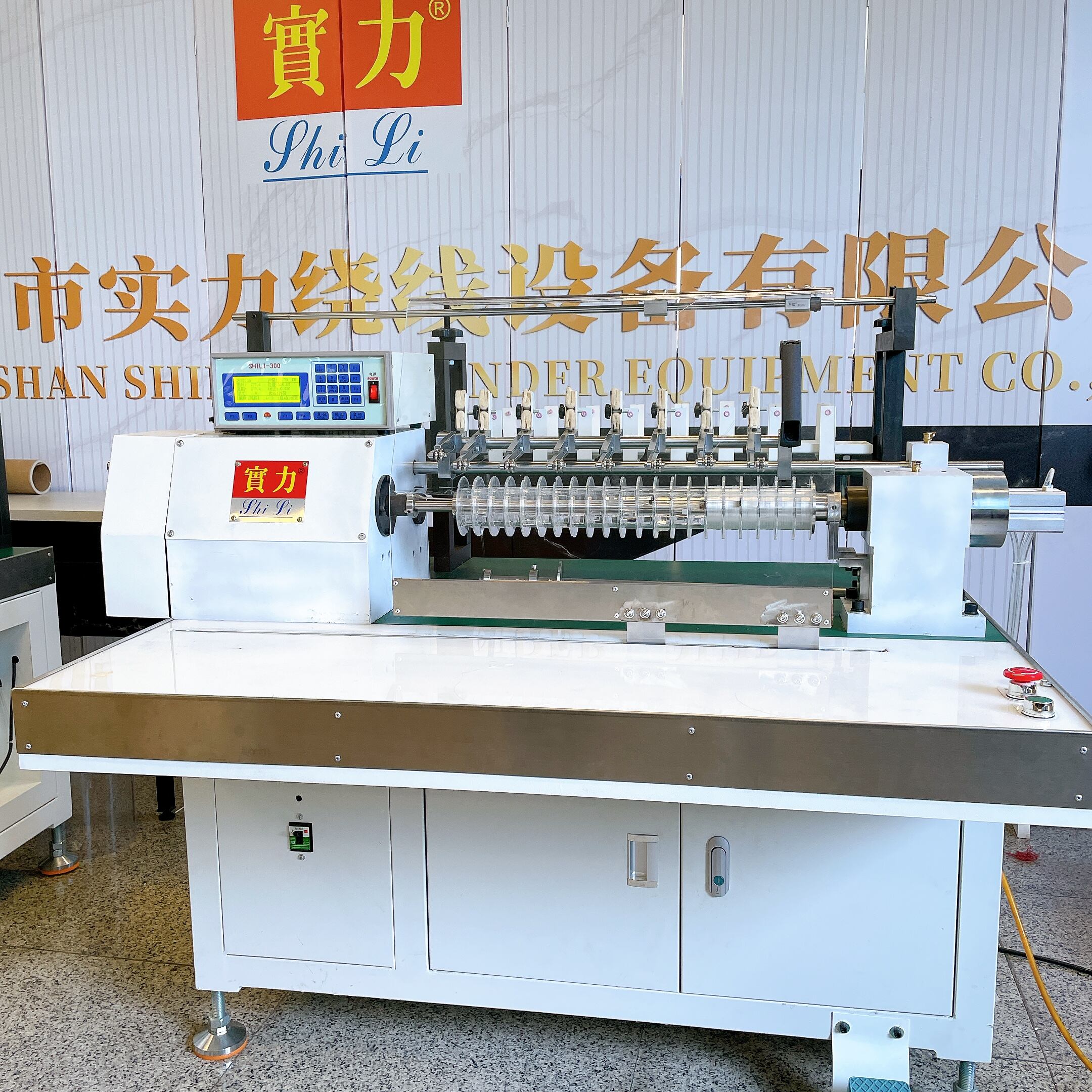
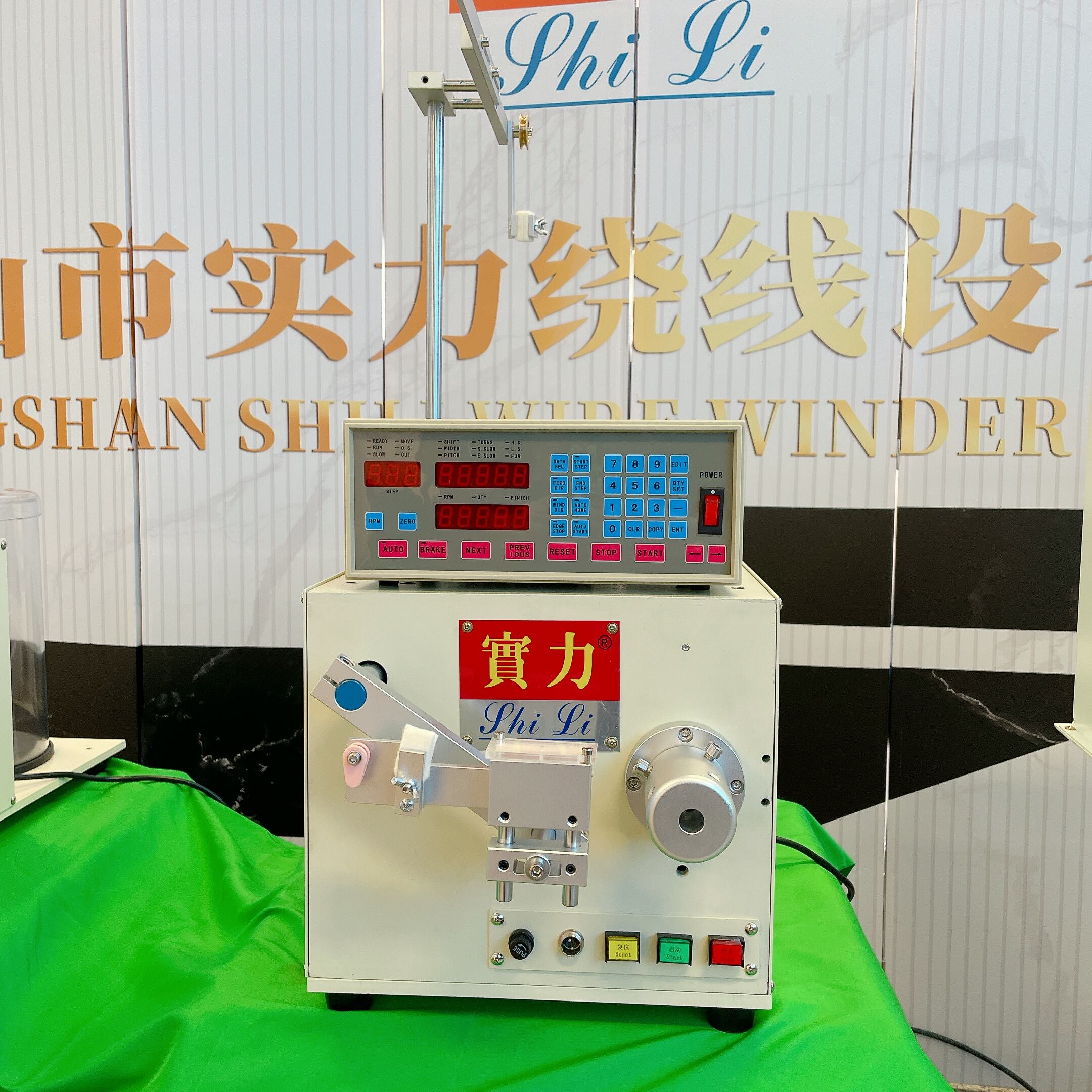
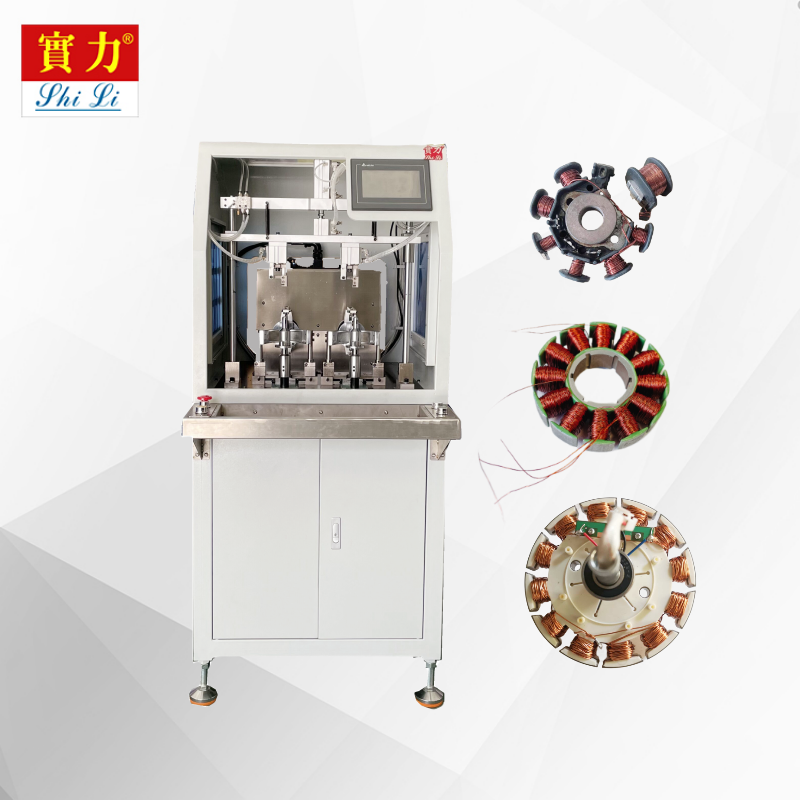
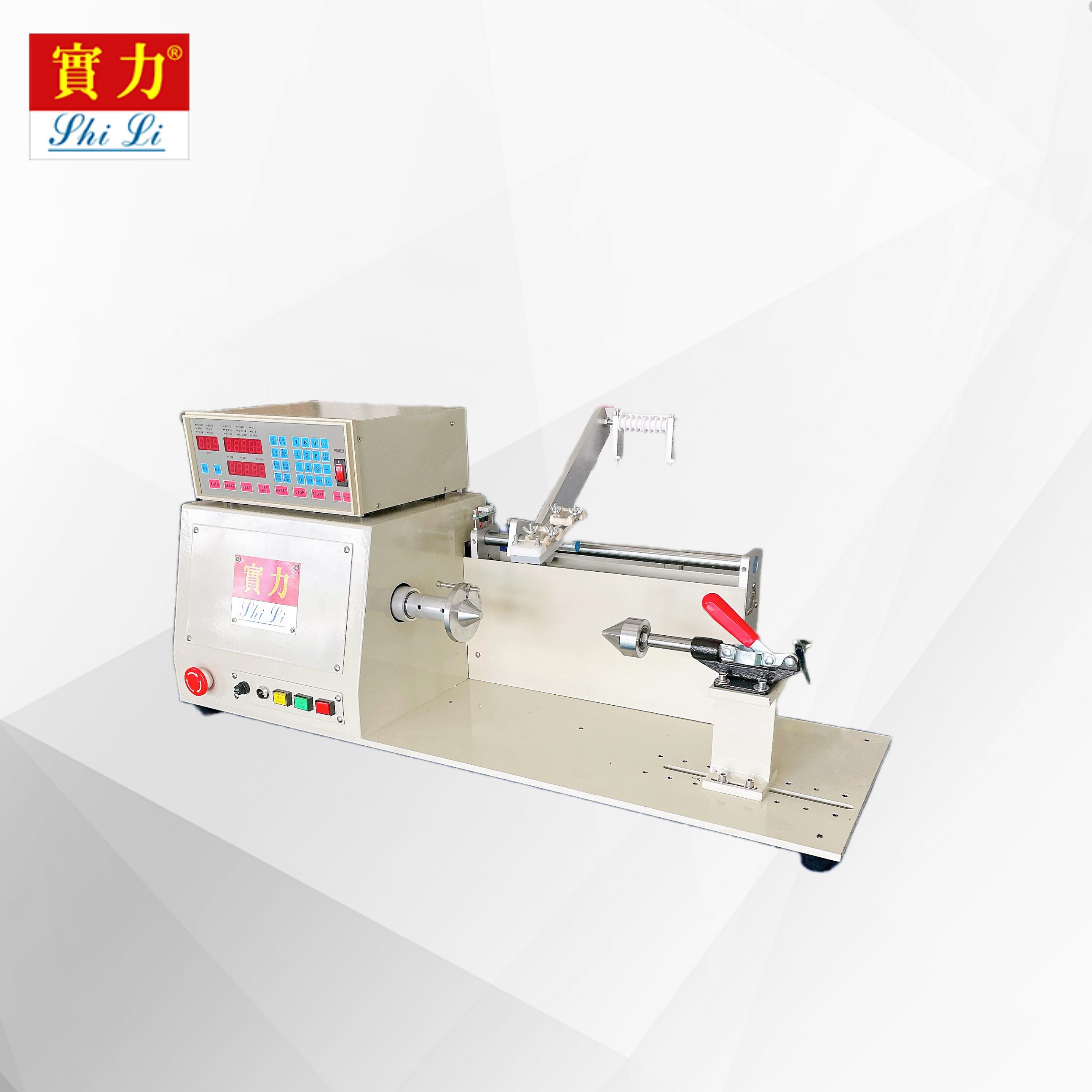
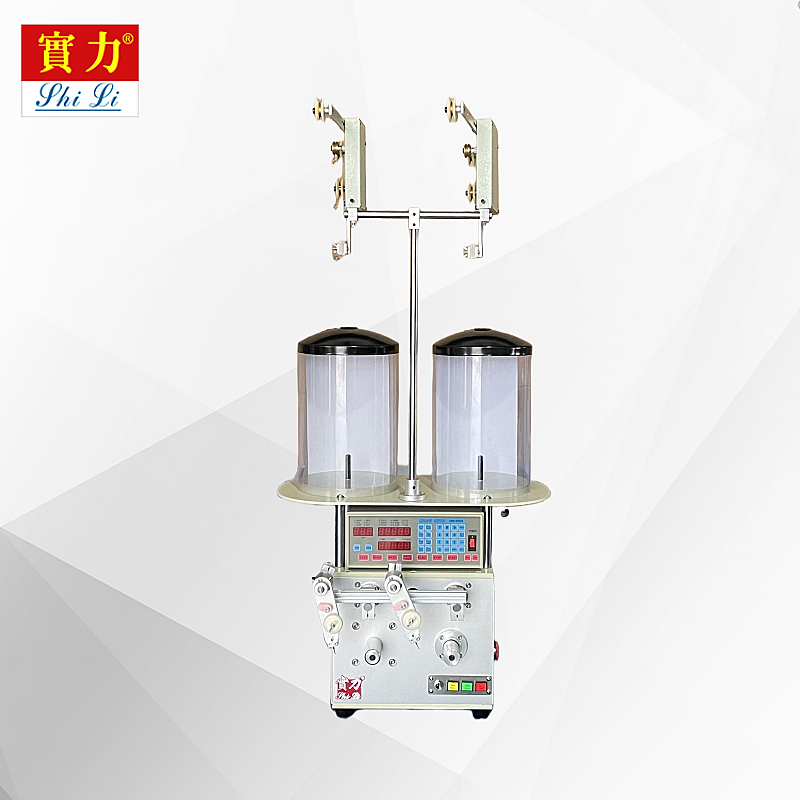
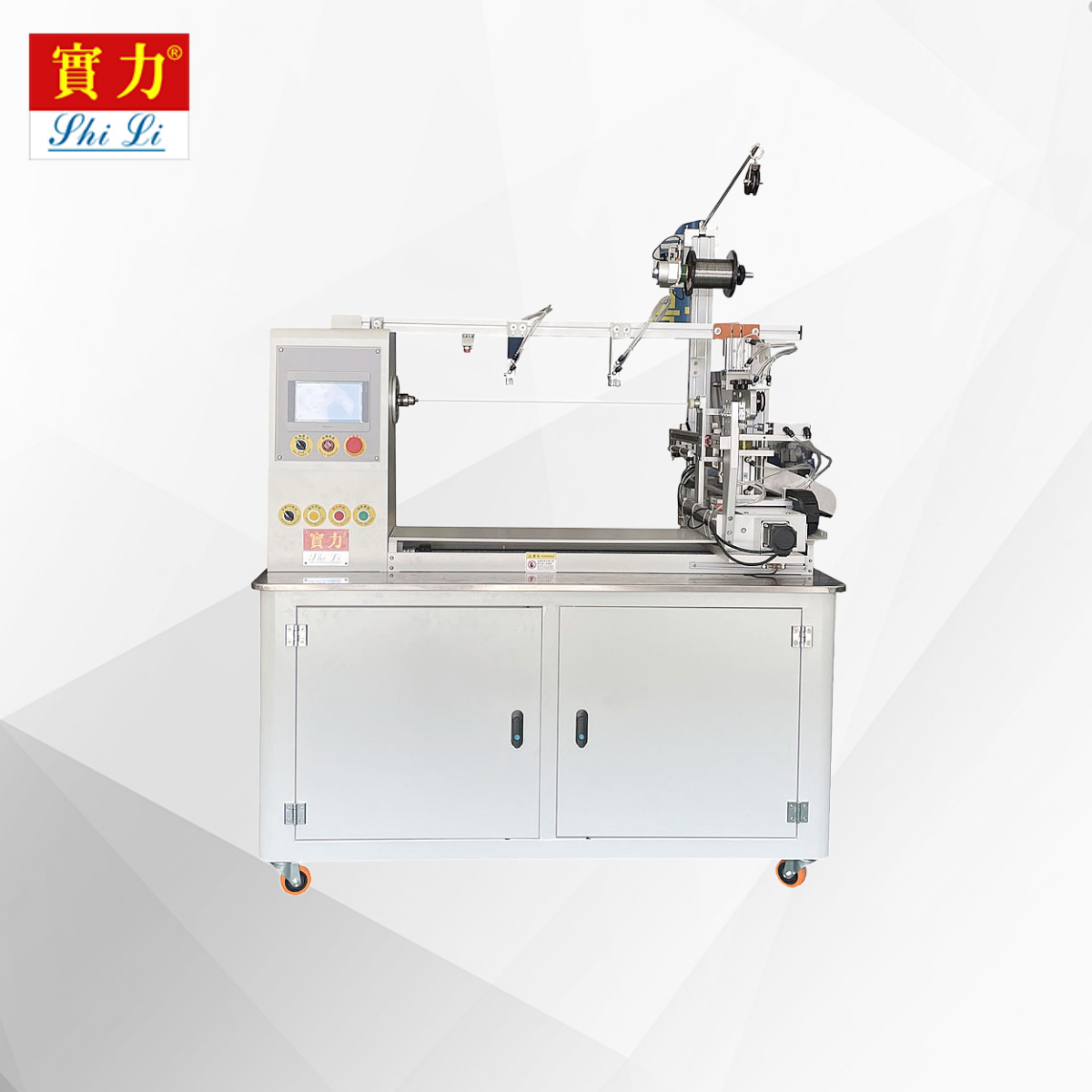
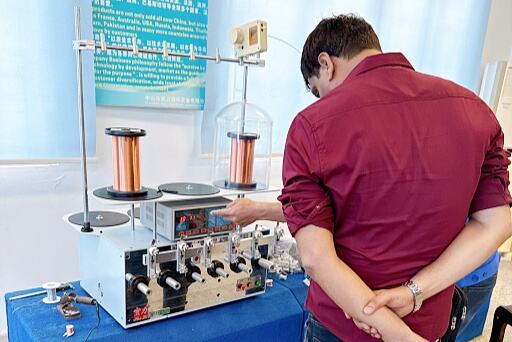
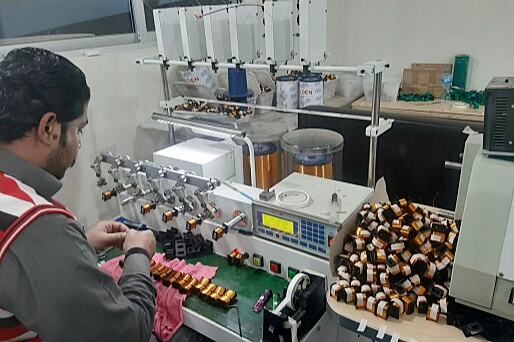
A spool winding machine represents a sophisticated piece of industrial equipment designed to wind various materials onto spools, bobbins, or reels with exceptional precision and consistency. This automated system serves as the backbone of numerous manufacturing processes across textile, wire, cable, and fiber optic industries. The primary function of a spool winding machine centers on transforming raw materials into organized, systematically wound products that facilitate easier handling, storage, and subsequent processing stages. Modern spool winding machines incorporate advanced technological features that ensure optimal tension control throughout the winding process, preventing material damage and maintaining consistent quality standards. The equipment typically features programmable logic controllers that allow operators to customize winding parameters based on specific material requirements and production goals. These machines demonstrate remarkable versatility in handling diverse materials including cotton threads, synthetic fibers, electrical wires, optical fibers, and various specialty cables. The technological architecture includes servo motor systems that provide precise speed control and positioning accuracy, ensuring uniform winding patterns and optimal spool utilization. Advanced models feature automatic spool changing mechanisms that minimize downtime and maximize productivity during continuous production runs. The application spectrum extends from small-scale textile operations to large industrial manufacturing facilities where high-volume production demands reliable, efficient winding solutions. Quality control sensors integrated within the system continuously monitor material integrity, tension levels, and winding uniformity, automatically adjusting parameters to maintain consistent output quality. The machine's robust construction ensures long-term reliability while sophisticated software interfaces provide intuitive operation and comprehensive production monitoring capabilities, making the spool winding machine an indispensable asset for modern manufacturing operations seeking enhanced efficiency and quality assurance.

New Products

The spool winding machine delivers substantial operational benefits that directly impact manufacturing efficiency and product quality. First and foremost, these machines dramatically increase production speed compared to manual winding processes, enabling manufacturers to meet demanding production schedules while maintaining consistent quality standards. The automated nature of spool winding machines eliminates human error factors that commonly occur during manual operations, resulting in uniform winding tension and pattern consistency across all produced spools. This consistency translates into reduced material waste, as properly wound spools minimize the risk of tangling, breaking, or uneven unwinding during subsequent processing stages. Labor cost reduction represents another significant advantage, as a single operator can manage multiple spool winding machines simultaneously, optimizing workforce allocation and reducing overall production costs. The precision control systems embedded in modern spool winding machines ensure optimal material utilization by calculating exact winding parameters based on spool dimensions and material characteristics, maximizing the amount of material that can be accommodated on each spool. Energy efficiency features built into contemporary models help manufacturers reduce operational costs while supporting sustainability initiatives through reduced power consumption. The machines offer exceptional flexibility in handling various material types and dimensions, allowing manufacturers to adapt quickly to changing production requirements without significant equipment modifications. Quality tracking capabilities provide real-time monitoring of production metrics, enabling immediate identification and correction of any deviations from established standards. Maintenance requirements remain minimal due to robust engineering and high-quality components, ensuring consistent uptime and reducing unexpected production interruptions. The user-friendly interface design simplifies operator training while comprehensive safety features protect both personnel and equipment during operation. Integration capabilities allow seamless connection with existing production line equipment, creating efficient workflow continuity that enhances overall manufacturing productivity and profitability for businesses across multiple industries.

Practical Tips

Solve Solenoid Valve Coil Production Pain Points for India | Easy Operation Guide

05

Feb

Solve Solenoid Valve Coil Production Pain Points for India | Easy Operation Guide

View More
Bangladesh Client Raves: Efficiency + Stable Quality

05

Feb

Bangladesh Client Raves: Efficiency + Stable Quality

View More
Turkey Full Container Shipment: Rave Reviews & Repeat Orders

05

Feb

Turkey Full Container Shipment: Rave Reviews & Repeat Orders

View More

Get a Free Quote

Our representative will contact you soon.
Email
Name
Company Name
Message
0/1000

spool winding machine

Advanced Tension Control Technology

Advanced Tension Control Technology

The revolutionary tension control technology integrated into modern spool winding machines represents a breakthrough in material handling precision that sets these systems apart from conventional winding solutions. This sophisticated technology employs multiple sensors and feedback mechanisms to continuously monitor and adjust material tension throughout the entire winding process, ensuring optimal results regardless of material type or environmental conditions. The system utilizes advanced algorithms that calculate the ideal tension parameters based on material properties, spool dimensions, and winding speed, automatically making micro-adjustments in real-time to maintain perfect consistency. This precision control prevents common issues such as material stretching, breaking, or loose winding that can compromise product quality and increase waste rates. The tension control system features multiple zones that can be independently adjusted, allowing for complex winding patterns and accommodating materials with varying characteristics within a single production run. Servo-driven tensioning mechanisms provide instantaneous response to system commands, ensuring smooth transitions between different winding phases and maintaining uniform material distribution across the entire spool surface. The technology includes memory functions that store optimal settings for different materials and products, enabling quick changeovers between production runs without time-consuming manual adjustments. Safety interlocks prevent tension levels from exceeding material limits, protecting valuable materials from damage while maintaining operator safety standards. The system generates comprehensive tension data logs that support quality control initiatives and provide valuable insights for process optimization. Remote monitoring capabilities allow supervisors to track tension performance across multiple machines simultaneously, enabling proactive maintenance scheduling and immediate response to any deviations from established parameters. This advanced tension control technology ultimately delivers superior product consistency, reduced material waste, extended equipment lifespan, and enhanced overall production efficiency that justifies the investment in modern spool winding machine technology for manufacturers seeking competitive advantages in their respective markets.
Intelligent Automation and Programming Features

Intelligent Automation and Programming Features

The intelligent automation capabilities integrated into contemporary spool winding machines revolutionize production efficiency through sophisticated programming features that eliminate manual intervention while ensuring consistent, high-quality results. These advanced systems incorporate artificial intelligence algorithms that learn from production patterns and automatically optimize winding parameters for maximum efficiency and quality outcomes. The programmable logic controller serves as the central intelligence hub, coordinating all machine functions while providing operators with intuitive touchscreen interfaces that simplify complex programming tasks. Recipe management systems allow operators to store unlimited winding programs for different materials and products, enabling instant changeovers between production runs without time-consuming setup procedures. The automation features include automatic spool loading and unloading mechanisms that maintain continuous production flow, significantly reducing labor requirements while eliminating potential handling errors. Smart sensors throughout the system continuously monitor material flow, spool positioning, and winding quality, automatically making adjustments to maintain optimal performance standards. The programming capabilities extend to complex winding patterns including cross-winding, parallel winding, and custom configurations that meet specific application requirements. Predictive maintenance algorithms analyze machine performance data to identify potential issues before they impact production, scheduling maintenance activities during planned downtime to minimize disruption. Real-time production monitoring displays provide operators with instant feedback on key performance indicators including winding speed, material consumption, and quality metrics. Integration protocols enable seamless communication with enterprise resource planning systems, providing management with comprehensive production data for informed decision-making. The automation features include fault detection and recovery systems that identify problems immediately and implement corrective actions to minimize material waste and production delays. Remote access capabilities allow technical support teams to diagnose issues and make programming adjustments without requiring on-site visits, reducing downtime and maintenance costs. These intelligent automation and programming features transform the spool winding machine into a sophisticated production asset that delivers consistent results while reducing operational complexity and enhancing overall manufacturing competitiveness.
Versatile Material Handling Capabilities

Versatile Material Handling Capabilities

The exceptional versatility of modern spool winding machines in handling diverse materials represents a critical competitive advantage that enables manufacturers to adapt quickly to changing market demands while maximizing equipment utilization across multiple product lines. These sophisticated systems accommodate an extensive range of materials including delicate optical fibers, robust industrial cables, fine textile threads, and specialized technical fibers, each requiring unique handling characteristics and winding parameters. The machine's material handling system features adjustable guides, tensioning devices, and feed mechanisms that can be configured to optimize performance for specific material properties such as diameter, flexibility, surface texture, and tensile strength. Quick-change tooling systems enable rapid transitions between different material types, minimizing setup time and maximizing productive capacity during multi-product production runs. The versatility extends to spool compatibility, with machines capable of handling various spool sizes, materials, and configurations including plastic bobbins, metal reels, and specialty carriers used in specific industries. Advanced material detection sensors automatically identify incoming material characteristics and adjust machine parameters accordingly, ensuring optimal winding results without manual intervention. The system accommodates materials with varying supply configurations including single-end feeding, multiple strand handling, and continuous length processing, providing flexibility for diverse production requirements. Temperature compensation features account for material expansion and contraction during winding, maintaining consistent tension and spacing regardless of environmental conditions. The versatile design includes modular components that can be easily reconfigured or upgraded to accommodate new materials or changing production requirements, protecting the initial equipment investment while ensuring long-term adaptability. Quality control systems integrated into the material handling path continuously monitor material integrity, automatically detecting and responding to defects, contamination, or dimensional variations that could compromise final product quality. Waste reduction features include automatic trimming systems that minimize material loss during startup and changeover procedures. The comprehensive material handling capabilities enable manufacturers to consolidate multiple winding operations onto a single platform, reducing equipment costs, floor space requirements, and maintenance complexity while improving overall operational efficiency and product quality consistency across diverse material applications.
Get a Free Quote

Our representative will contact you soon.
Email
Name
Company Name
Message
0/1000
Newsletter
Please Leave A Message With Us