 EN
EN


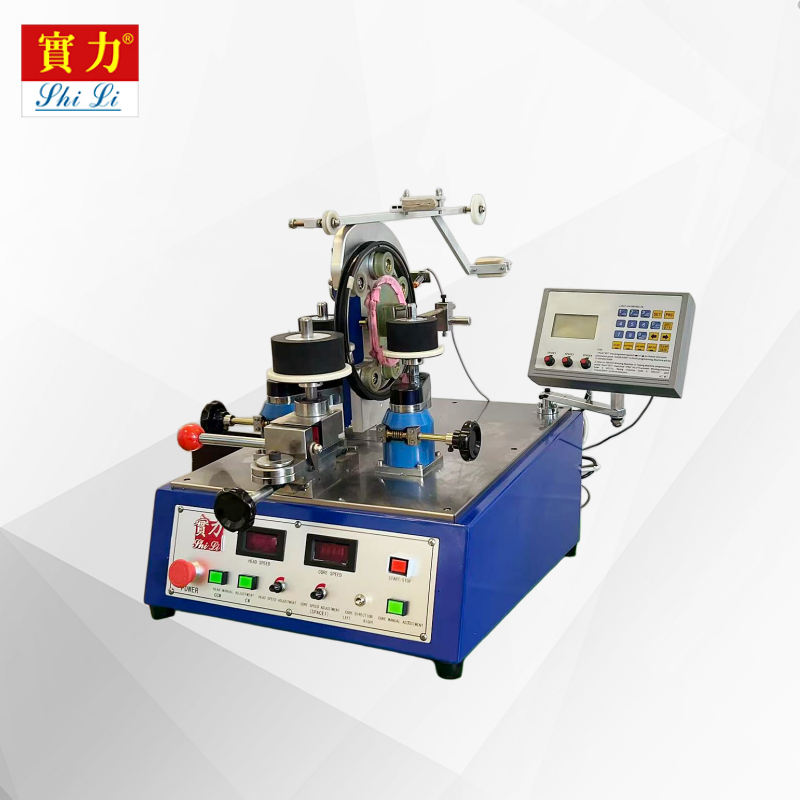
Selecting the right manufacturing equipment requires understanding how production volume directly impacts operational efficiency and cost-effectiveness. A semi automatic winding machine represents a critical bridge between fully manual operations and completely automated production lines, making it essential to understand which production volumes suit this technology best. The choice between manual winding, a semi automatic winding machine, and fully automated equipment depends heavily on your facility's output requirements, available capital, and operational goals.
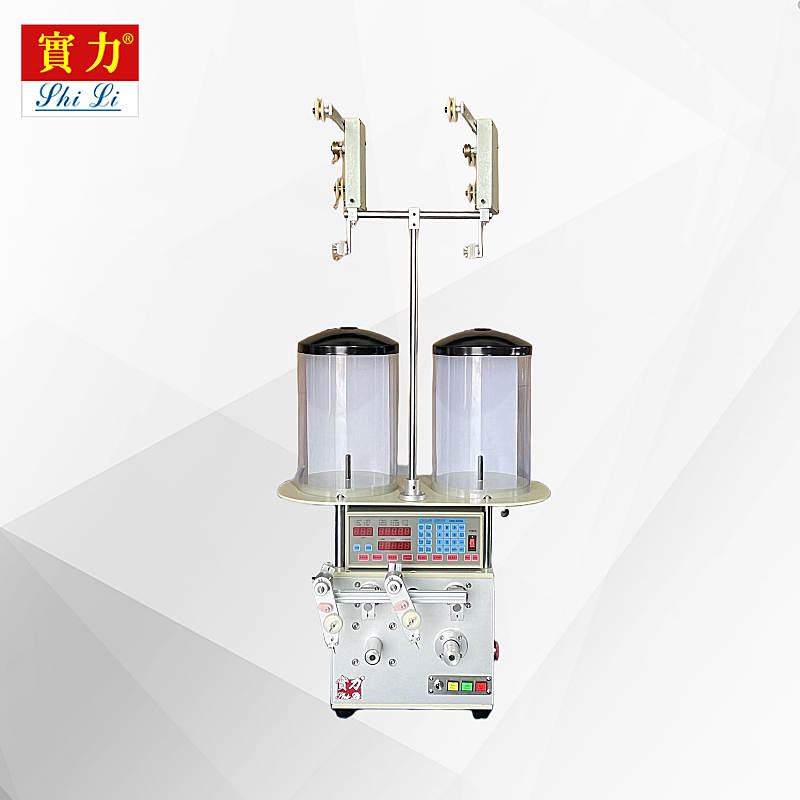
A semi automatic winding machine addresses a specific production zone where manual labor becomes inefficient but full automation remains economically impractical. Understanding this sweet spot helps manufacturers optimize capital investment while maintaining flexibility and profitability. This article explores the production volume ranges where a semi automatic winding machine delivers maximum value and how to assess whether this technology aligns with your operational requirements.
Understanding Production Volume Sweet Spots
The Low-Volume Challenge with Automation
Fully automated production lines typically require significant upfront capital investment, with equipment costs often reaching hundreds of thousands of dollars. When production volumes remain below certain thresholds, this investment cannot justify itself through per-unit cost savings. A semi automatic winding machine bridges this gap by offering substantial productivity improvements without excessive overhead, making it ideal when your facility produces between 1,000 and 50,000 wound components annually. This production band represents the zone where a semi automatic winding machine delivers superior returns compared to purely manual operations while avoiding over-capitalization through full automation.
Mid-Volume Production Optimization
Mid-volume manufacturing typically ranges from 50,000 to 250,000 units annually, and this zone remains the sweet spot for a semi automatic winding machine deployment. At this production scale, manual winding becomes increasingly time-consuming and error-prone, while full automation often introduces inflexibility that harms competitiveness. A semi automatic winding machine provides consistent output quality, predictable cycle times, and operator control over variations, allowing your team to maintain efficiency while adapting quickly to design changes or customer requirements. The flexibility of a semi automatic winding machine becomes particularly valuable when customer orders require frequent specification adjustments or when product mix changes seasonally.
Capital Investment and Operational Economics
Cost Structure Analysis for Semi Automatic Equipment
The capital cost of a semi automatic winding machine typically ranges from $20,000 to $100,000 depending on specifications, spindle count, and automation level, representing a substantial but manageable investment for most manufacturing facilities. Beyond initial purchase price, a semi automatic winding machine requires operator training, maintenance procedures, and occasional spare parts, but these recurring costs remain significantly lower than fully automated line management. When you calculate total cost of ownership across a five-year period, a semi automatic winding machine frequently delivers per-unit costs 30 to 60 percent lower than manual winding while maintaining much lower complexity than full automation systems. This economic advantage holds strongest when your facility maintains consistent production volumes between 50,000 and 200,000 units annually, where the equipment utilization remains high enough to justify the investment while avoiding the excess capacity that wastes resources.
Throughput and ROI Timeline
A typical semi automatic winding machine can produce between 100 and 500 wound components per hour depending on wire gauge, coil specifications, and product complexity. At this production rate, a semi automatic winding machine can process 800,000 to 4,000,000 components annually with standard operating hours, providing substantial capacity headroom for typical mid-volume manufacturers. The return on investment timeline for a semi automatic winding machine typically ranges from 18 to 48 months depending on current labor costs, product specifications, and production volume, making it an accessible upgrade path for established manufacturers. Organizations currently experiencing manual winding bottlenecks and labor availability challenges often see payback acceleration because a semi automatic winding machine reduces dependency on specialized skilled labor that becomes increasingly difficult to source.
Operational Flexibility and Scalability Considerations
Adaptability Across Product Specifications
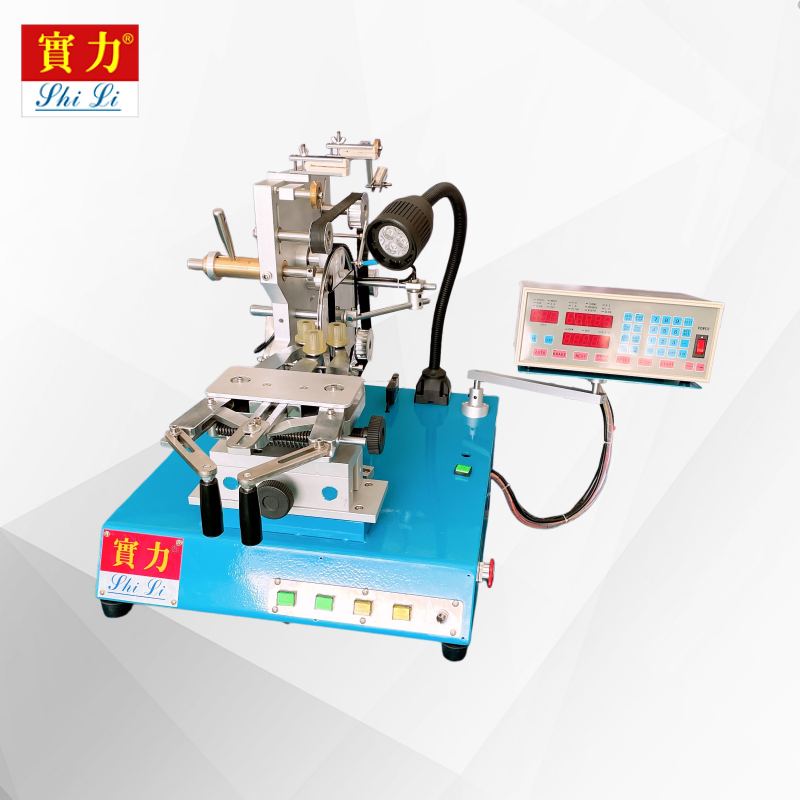
One critical advantage of a semi automatic winding machine is its ability to handle significant variation in coil specifications without major reconfiguration or expensive tooling changes. Unlike fully automated systems optimized for single products, a semi automatic winding machine allows operators to adjust wire tension, winding speed, layer count, and spacing parameters through interface controls rather than mechanical replacement. This flexibility makes a semi automatic winding machine particularly valuable for contract manufacturers, custom component suppliers, and facilities producing multiple product variants from shared equipment. When your production mix requires frequent product changes or when customer orders arrive with modified specifications, a semi automatic winding machine enables rapid changeover without production delays or quality compromises that would occur with purely manual or oversized automated alternatives.
Growth and Future Capacity Planning
A semi automatic winding machine also offers attractive scalability characteristics for growing manufacturers who anticipate volume increases over the coming years. Rather than choosing between manual operations that will soon become bottlenecked and full automation that requires enormous capital commitment, a semi automatic winding machine provides an intermediate step that grows with your business. Many facilities deploy two or three semi automatic winding machines operating in parallel, providing redundancy, allowing product specialization across machines, and enabling staged growth without sudden massive capital expenditure. This modular approach to capacity expansion means a semi automatic winding machine becomes particularly attractive for manufacturers whose demand forecasts show 15 to 30 percent annual growth, as you can add parallel equipment gradually while maintaining financial flexibility and managing risk effectively.
Quality and Consistency Factors
Output Standardization and Defect Reduction
Manual winding introduces significant variability in tension consistency, layer uniformity, and dimensional accuracy based on operator fatigue, skill variation, and day-to-day attention level. A semi automatic winding machine eliminates this source of variation by enforcing consistent tension through mechanical regulators, maintaining perfect layer counts through electronic monitoring, and producing identical spacing between wind patterns across every component. For applications where coil consistency directly impacts customer performance, reliability, or electrical characteristics, a semi automatic winding machine justifies investment through defect reduction alone by lowering scrap rates from typical manual levels of 5 to 15 percent down to 1 to 3 percent. This quality improvement becomes critical in industries like aerospace, medical devices, and automotive where inconsistent coil specifications can trigger field failures or create compliance documentation challenges.
Documentation and Traceability
Modern semi automatic winding machine systems include data logging capabilities that record production parameters, run times, and operator assignments for every component produced. This documentation creates traceability records that support quality management systems, customer audits, and root cause analysis when occasional issues do occur. A semi automatic winding machine therefore becomes particularly valuable for manufacturers serving regulated industries or customers requiring documented evidence of manufacturing process control. The data generated by a semi automatic winding machine also enables continuous improvement initiatives where production engineers analyze trends, identify parameter optimization opportunities, and maintain technical records that build organizational knowledge over time.
FAQ
What production volume represents the minimum threshold where a semi automatic winding machine makes financial sense?
Most manufacturers find that a semi automatic winding machine becomes financially justified at approximately 20,000 to 30,000 wound components annually when accounting for equipment cost, installation, training, and typical labor rates in developed economies. Below this volume, the fixed cost burden per unit remains too high, while above this threshold the efficiency advantages and labor cost reductions create clear positive returns. The exact breakeven point varies based on current manual labor costs, product complexity, and available capital, but facilities producing fewer than 15,000 units per year typically remain better served by manual operations or outsourcing arrangements.
Can a semi automatic winding machine handle very complex or specialized coil designs?
A semi automatic winding machine handles most complex coil specifications including multi-layer designs, variable pitch winding, mixed wire gauges, and intricate geometries, but some extremely specialized requirements like three-dimensional forms or unusual material combinations may exceed typical semi automatic winding machine capabilities. For approximately 90 percent of industrial coil applications, a semi automatic winding machine provides sufficient flexibility through operator controls and programmable parameters. When your facility produces occasional extremely specialized designs, a semi automatic winding machine can often be paused and used for those components while accepting slightly reduced throughput, maintaining the equipment investment across diverse product requirements.
How does maintenance scheduling work for a semi automatic winding machine in a busy production environment?
A semi automatic winding machine typically requires routine preventive maintenance including tension mechanism inspection, wire guide cleaning, bearing lubrication, and electronic system checks on intervals ranging from monthly to quarterly depending on usage intensity and manufacturer specifications. Most maintenance tasks can be scheduled during shift breaks, overnight periods, or weekend hours without disrupting weekday production, and a semi automatic winding machine remains available for troubleshooting by operators between formal maintenance cycles. Building a preventive maintenance schedule for a semi automatic winding machine into your production planning ensures consistent uptime while avoiding unexpected breakdowns during critical production periods.
Table of Contents
- Understanding Production Volume Sweet Spots
- Capital Investment and Operational Economics
- Operational Flexibility and Scalability Considerations
- Quality and Consistency Factors
-
FAQ
- What production volume represents the minimum threshold where a semi automatic winding machine makes financial sense?
- Can a semi automatic winding machine handle very complex or specialized coil designs?
- How does maintenance scheduling work for a semi automatic winding machine in a busy production environment?