 EN
EN


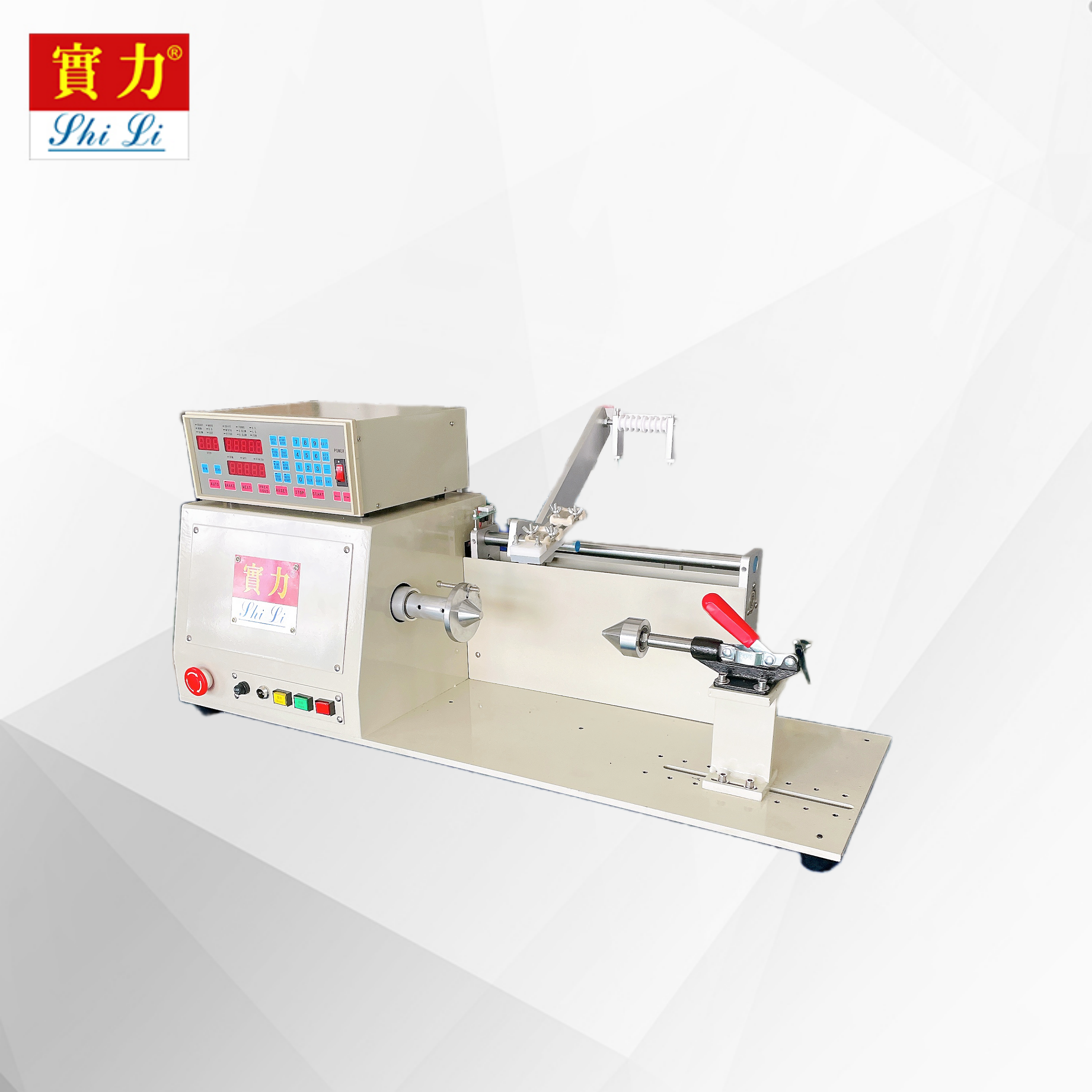
Core collapse during bobbin winding machine operation represents one of the most costly and preventable failures in industrial coil production. When a bobbin winding machine experiences core collapse, the entire winding process becomes compromised, resulting in defective spools, production delays, and significant material waste. Understanding the root causes and implementing preventive measures is essential for maintaining consistent output quality and protecting your manufacturing investment. This guide provides practical strategies to prevent core collapse and optimize your bobbin winding machine performance.
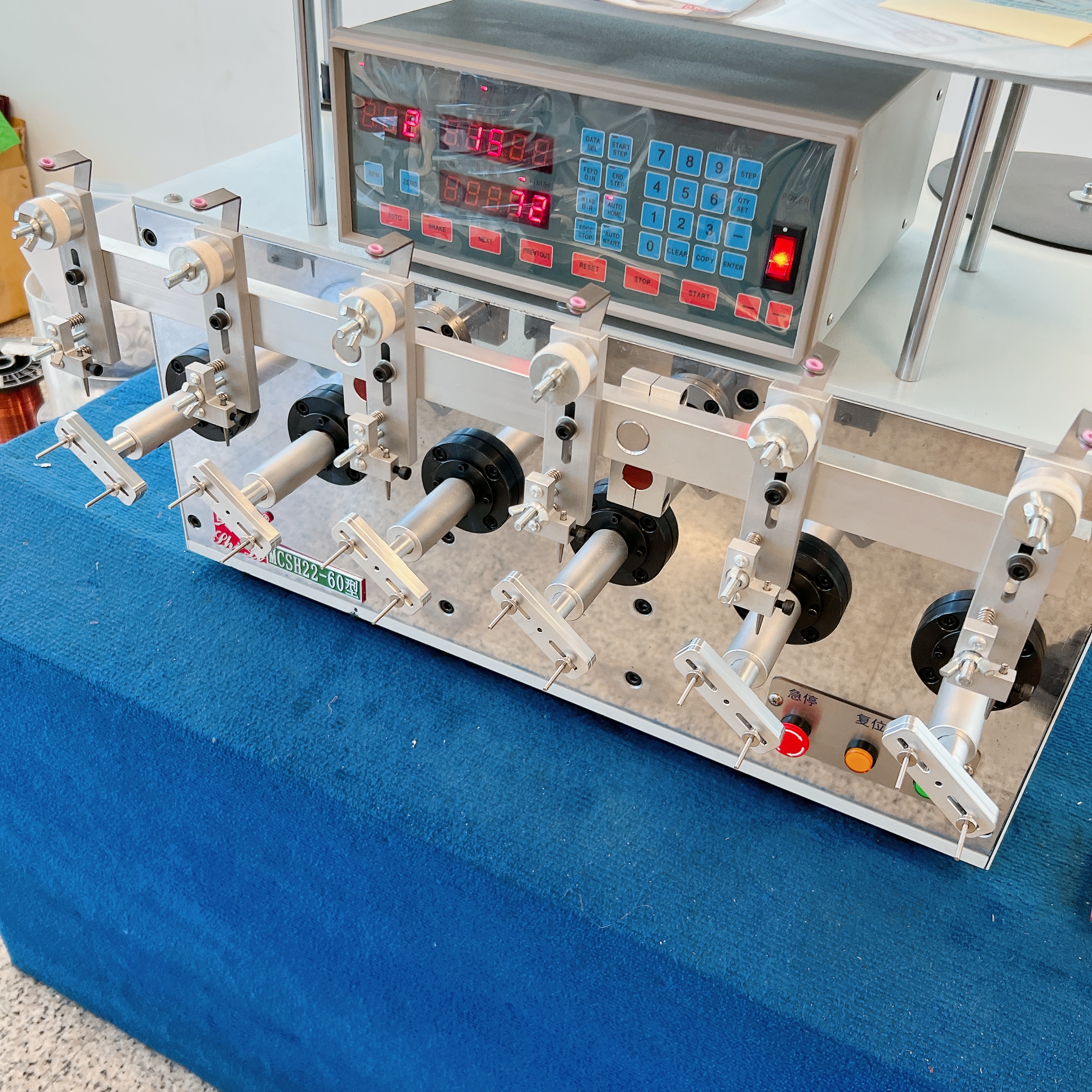
The stability of your bobbin winding machine depends on multiple interconnected factors working together seamlessly. Core collapse occurs when the winding core cannot withstand the radial and axial forces applied during the winding process, leading to deformation, cracking, or complete structural failure. Proper prevention requires a systematic approach combining equipment maintenance, operator training, material quality control, and process parameter optimization. By addressing each of these areas, manufacturers can dramatically reduce core collapse incidents and maintain reliable production.
Understanding Core Collapse Mechanisms in Bobbin Winding Machine Systems
How Core Failure Develops During Winding
Core collapse in a bobbin winding machine typically begins with excessive tension applied to the winding wire or material. As tension increases, radial pressure compresses the core material, and if this pressure exceeds the core's structural capacity, internal cracking begins. The bobbin winding machine operator may not immediately notice these microfractures, but they propagate rapidly under repeated stress cycles. Temperature fluctuations, moisture absorption, and material degradation further weaken the core structure. Eventually, the bobbin winding machine's spindle speed and winding tension combination overwhelms the compromised core, resulting in catastrophic failure during operation.
Material Properties and Core Vulnerability
The core material itself significantly influences collapse susceptibility in your bobbin winding machine. Paper-based cores, while economical, absorb moisture and lose structural integrity over time. Plastic cores offer better moisture resistance but may become brittle if stored improperly or exposed to temperature extremes. Composite cores provide superior strength but require careful handling to avoid manufacturing defects. When selecting cores for your bobbin winding machine, verify material certifications, check for visible damage, and ensure proper storage conditions. The bobbin winding machine performs optimally only when core materials meet original equipment specifications and quality standards.
Tension Control and Winding Parameter Management
Optimizing Tension Settings for Core Protection
Tension control is the single most important factor in preventing core collapse during bobbin winding machine operation. Excessive tension concentrates force on the core material, while insufficient tension results in loose, uneven windings that may shift and damage the core structure laterally. Your bobbin winding machine should maintain tension within a narrow range specified by the equipment manufacturer and wire or material supplier. Start winding sessions with conservative tension settings, gradually increasing only as needed to achieve proper layer compaction. Modern bobbin winding machine models include tension feedback systems that automatically adjust settings based on real-time load monitoring. Regular calibration of these tension sensors ensures your bobbin winding machine maintains consistent, safe winding pressure throughout production runs.
Spindle Speed and Acceleration Management
Spindle speed directly correlates with centrifugal and inertial forces acting on the winding core. A bobbin winding machine operating at excessive speeds creates dynamic forces that compress the core radially while simultaneously inducing torsional stress. Many core collapse incidents occur during acceleration phases when the bobbin winding machine rapidly increases rotational speed. Implement gradual acceleration profiles, allowing the core to experience force changes incrementally rather than abruptly. Your bobbin winding machine should never exceed speed recommendations for the specific core material and wire gauge being wound. Temperature monitoring during high-speed operation helps detect friction and core stress indicators before collapse occurs. Always verify that your bobbin winding machine's speed control system functions accurately by cross-checking displayed and actual rotational rates.
Preventive Maintenance and Equipment Inspection Protocols
Regular Core Inspection and Qualification Procedures
Implementing a rigorous inspection protocol before loading cores into your bobbin winding machine eliminates a significant portion of collapse incidents. Visual inspection should identify visible cracks, compression marks, color inconsistencies, or warping in the core. Weight verification confirms core material consistency—cores that deviate significantly from nominal weight may contain structural defects invisible to sight inspection. Moisture content testing is essential for paper-based cores; bobbin winding machine operators should use calibrated moisture meters to verify cores remain within acceptable limits. Implement a quarantine procedure for suspect cores rather than attempting to salvage them on your bobbin winding machine. Documentation of core inspection results provides valuable data for identifying supplier issues and preventing recurrence patterns.
Spindle and Mandrel Maintenance Requirements
Your bobbin winding machine's spindle and mandrel components directly contact the core throughout operation. Worn mandrels create uneven pressure distribution, concentrating forces on small core areas and triggering collapse. Regular measurement of mandrel diameter ensures it remains within tolerance; oversized mandrels apply excessive radial force while undersized mandrels fail to support the core adequately. Clean the bobbin winding machine's spindle mechanism frequently to remove wire debris, dust, and dried adhesive that accumulate during operation. Bearing inspection should occur on a scheduled basis; worn bearings allow spindle runout that causes imbalanced core loading. Proper lubrication of spindle bearings reduces friction and extends component life, but excess lubricant can migrate to core contact points and compromise grip. Your bobbin winding machine performs reliably when all mechanical components maintain original tolerance specifications.
Material Selection and Environmental Control Strategies
Core Material Selection for Application Requirements
Matching core material properties to your specific application prevents many collapse incidents before they occur on your bobbin winding machine. High-temperature applications require cores rated for the specific temperature environment where wound coils will operate. Moisture-sensitive applications benefit from sealed plastic cores that resist humidity absorption. A bobbin winding machine winding heavy copper wire needs stronger cores than one winding fine copper windings. Consult material datasheets to verify core strength ratings against maximum tension your bobbin winding machine will apply. Consider core material cost against failure consequences; purchasing premium cores often costs far less than managing production disruptions and scrap material. Your bobbin winding machine supplier can recommend core materials optimized for your wire gauge, winding speed, and production volume requirements.
Environmental Conditions and Core Stability
Storage and operational environments dramatically affect core structural integrity in your bobbin winding machine facility. Temperature fluctuations cause core material expansion and contraction, creating internal stress that weakens structural properties. Humidity control prevents moisture absorption that softens paper cores and increases their collapse susceptibility. Store cores in sealed containers or bags with desiccant packets before they reach your bobbin winding machine production area. Allow cores to acclimate to operating environment temperature and humidity for several hours before unwrapping to prevent condensation. Document environmental conditions in your bobbin winding machine production area and maintain them within recommended ranges. Uncontrolled environmental conditions are frequently overlooked factors that contribute to core collapse problems your bobbin winding machine may experience.
FAQ
What causes core collapse in a bobbin winding machine?
Core collapse occurs when winding tension, spindle speed, or radial forces exceed the structural capacity of the core material. Weak or defective cores, improper spindle alignment, worn mandrels, and inadequate tension control all contribute to collapse incidents. Environmental factors like excessive moisture absorption and temperature extremes weaken core materials. Your bobbin winding machine requires proper maintenance, quality cores, and optimized winding parameters to prevent collapse.
How can I detect core collapse risk in my bobbin winding machine?
Warning signs include audible grinding or cracking sounds during winding, visible deformation of the core, sudden increases in winding tension readings, or uneven winding patterns on your bobbin winding machine. Moisture-laden cores may feel soft or appear discolored. Implement pre-production core inspection procedures and monitor tension trends continuously. Your bobbin winding machine's control system should log alarm events for analysis and trend tracking.
What bobbin winding machine maintenance prevents core collapse?
Regular inspection of spindle components, mandrel diameter verification, bearing maintenance, and cleaning of all contact surfaces are essential. Calibrate tension sensors and speed controls on your bobbin winding machine periodically to ensure accuracy. Store replacement parts and cores in controlled environments. Train operators on proper loading procedures and tension adjustment techniques. Preventive maintenance performed consistently extends equipment life and prevents collapse-related downtime for your bobbin winding machine.