 EN
EN


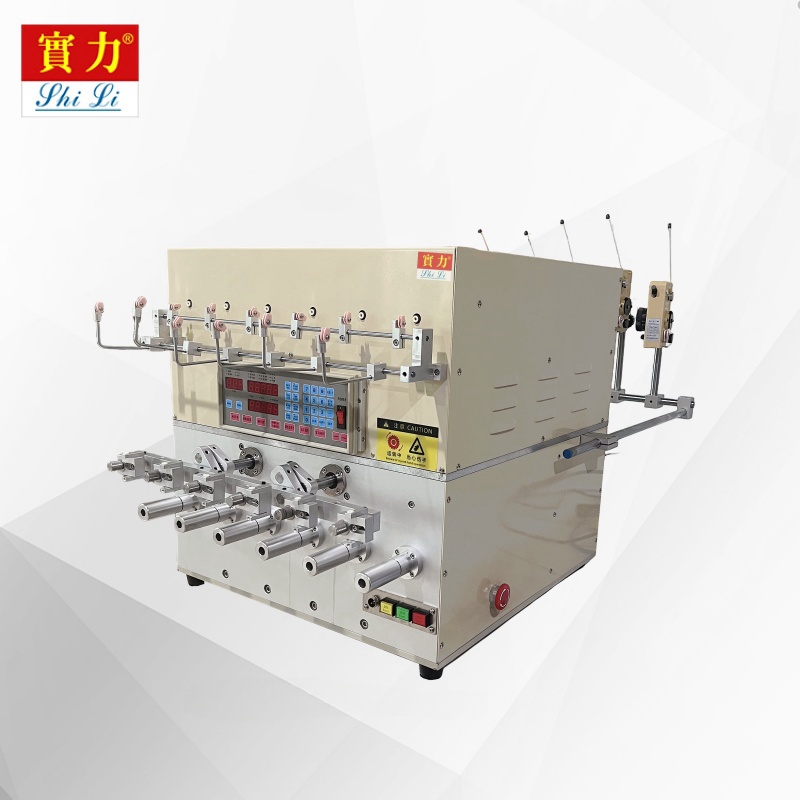
Upgrading a manual production line with a semi automatic winding machine represents a strategic investment that bridges traditional manufacturing workflows with modern automation capabilities. Many industrial facilities operate with legacy manual winding processes that limit throughput, compromise consistency, and tie up valuable labor resources. A semi automatic winding machine addresses these challenges by introducing controlled automation while preserving operator oversight, making it an ideal transition solution for manufacturers seeking efficiency gains without complete system replacement.
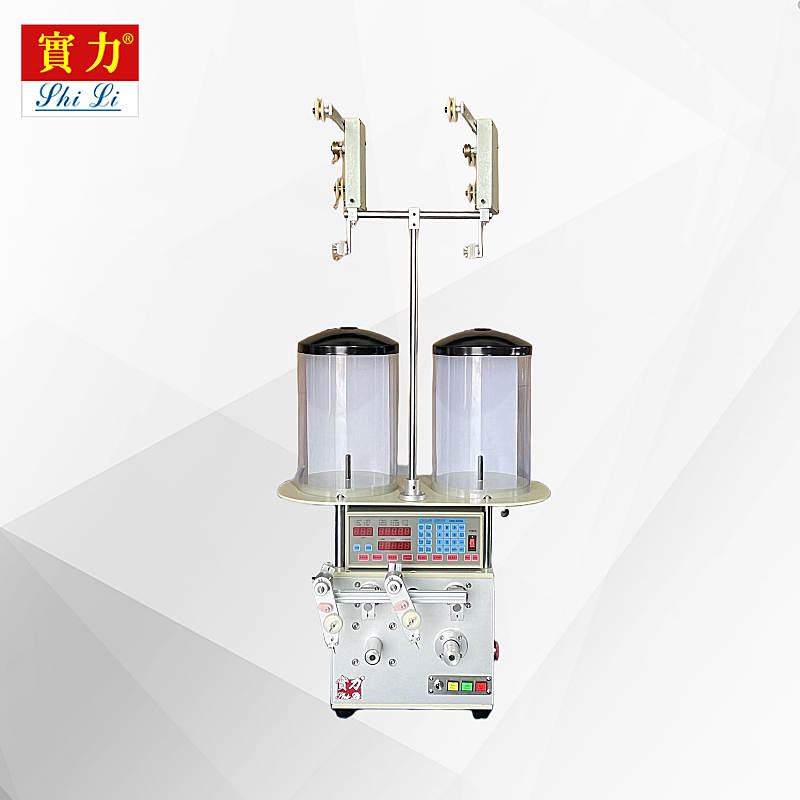
The decision to implement a semi automatic winding machine requires understanding the technical specifications, operational requirements, and integration logistics specific to your manufacturing environment. This guide explores the essential steps, benefits, and practical considerations for successfully upgrading from manual winding to a semi automatic winding machine system.
Understanding the Semi Automatic Winding Machine Advantage
Core Performance Improvements
A semi automatic winding machine delivers measurable improvements over purely manual winding operations through controlled spindle rotation, precision tension management, and repeatable positioning. The semi automatic winding machine maintains consistent wire tension throughout the winding cycle, eliminating the variable human factor that creates quality inconsistencies in manual processes. Production rates typically increase by forty to sixty percent when transitioning to a semi automatic winding machine, as the equipment eliminates dead time between wind cycles and reduces operator fatigue-related errors.
Cost Structure and ROI Timeline
Implementing a semi automatic winding machine requires capital investment but generates rapid payback through labor cost reduction, material waste elimination, and increased production velocity. The typical semi automatic winding machine investment ranges from fifteen thousand to forty thousand dollars depending on spindle configuration and feature complexity. Most facilities recoup this investment within twelve to twenty-four months through reduced per-unit labor costs and higher output volume, with ongoing savings continuing indefinitely as the semi automatic winding machine operates at consistent speeds throughout its operational life.
Technical Integration and Implementation Strategy
Assessing Current Production Workflow
Before selecting a semi automatic winding machine, conduct a detailed audit of your existing manual winding operation to identify bottlenecks, coil specifications, and dimensional tolerances. Document the wire gauges currently wound, typical coil quantities per production run, and the physical constraints of your existing workbench layout. A semi automatic winding machine must accommodate your specific coil specifications, spindle speed requirements, and integration points within the broader production line. Verify that incoming wire supply, tension control systems, and coil discharge mechanisms align with the capabilities of your chosen semi automatic winding machine model.
Installation and Operator Training
Installing a semi automatic winding machine involves mounting the equipment securely, connecting electrical and pneumatic systems, and establishing integration protocols with existing quality control stations. The semi automatic winding machine typically connects to three-phase industrial power, compressed air for brake systems, and potentially digital feedback networks for production monitoring. Operator training on the semi automatic winding machine should emphasize spindle speed adjustment, tension calibration, emergency stop procedures, and basic maintenance routines. Most operators gain proficiency with a semi automatic winding machine within two to three weeks of guided practice, with expert-level operation developing over several months of regular use.
Optimizing Production Quality and Consistency
Tension Control and Coil Uniformity
A sophisticated semi automatic winding machine incorporates digital or mechanical tension governors that maintain precise wire pressure throughout the winding cycle, ensuring uniform coil density and appearance. Manual winding often produces inconsistent tension as operators fatigue or adjust pressure intuitively, whereas a semi automatic winding machine repeats the exact tension profile for every coil produced. This consistency reduces customer rejections, minimizes rework, and enhances your competitive reputation for reliability. The semi automatic winding machine tension system should be validated during setup to match your wire type, gauge, and material specifications.
Speed and Throughput Optimization
Once installed, a semi automatic winding machine enables fine-tuning of spindle speed to balance output velocity with coil quality requirements. Higher speeds on a semi automatic winding machine increase production volume but may introduce tension irregularities or wire slippage, while conservative speeds sacrifice throughput efficiency. Establish baseline performance metrics for your semi automatic winding machine with test runs across representative coil specifications, then gradually optimize parameters based on quality inspection feedback. Many facilities discover that a semi automatic winding machine operating at eighty-five percent of maximum spindle speed delivers optimal cost-per-unit economics while maintaining quality standards.
Addressing Common Upgrade Challenges
Downtime Management During Transition
The integration phase for a semi automatic winding machine typically requires temporary production halts for installation, testing, and staff training. Plan the semi automatic winding machine deployment during a low-demand production cycle or schedule the transition over a weekend to minimize business disruption. Some facilities run parallel manual and semi automatic winding machine operations during the transition period, gradually shifting volume to the semi automatic winding machine as confidence builds. This phased approach allows troubleshooting without jeopardizing customer commitments.
Troubleshooting and Maintenance Protocols
A semi automatic winding machine requires routine maintenance including spindle bearing lubrication, tension component inspection, and electrical connector verification every two hundred to four hundred operating hours. Develop a preventive maintenance schedule for your semi automatic winding machine that tracks service intervals, documents performance trends, and maintains spare parts inventory for common wear items. Most equipment manufacturers provide detailed diagnostic guides for a semi automatic winding machine, enabling operators to identify issues independently before requesting professional service support.
FAQ
What production volume increase should I expect from a semi automatic winding machine?
Most manufacturers observe production volume increases of forty to sixty percent when transitioning to a semi automatic winding machine from manual operations, depending on baseline efficiency, coil complexity, and operator experience. The semi automatic winding machine eliminates human fatigue factors and dead cycle time, enabling consistent high-speed operation throughout the production shift. Actual gains vary based on your specific wire specifications and coil geometry requirements.
How long does operator training take for a semi automatic winding machine?
Operators typically achieve basic proficiency with a semi automatic winding machine within two to three weeks of hands-on training, with competency in advanced functions like tension adjustment and speed optimization developing over several months. Initial training should cover safety procedures, spindle speed control, tension calibration, and routine maintenance tasks. Providing access to the equipment manual and scheduling periodic refresher training ensures sustained safe and effective operation.
What is the typical payback period for a semi automatic winding machine investment?
Most facilities recover their semi automatic winding machine investment within twelve to twenty-four months through reduced labor costs, increased output, and lower material waste. The exact payback timeline depends on your production volume, labor rates, and the specific semi automatic winding machine configuration selected. Higher-volume facilities often achieve payback within the first twelve months, while lower-volume operations may require eighteen to twenty-four months.