 EN


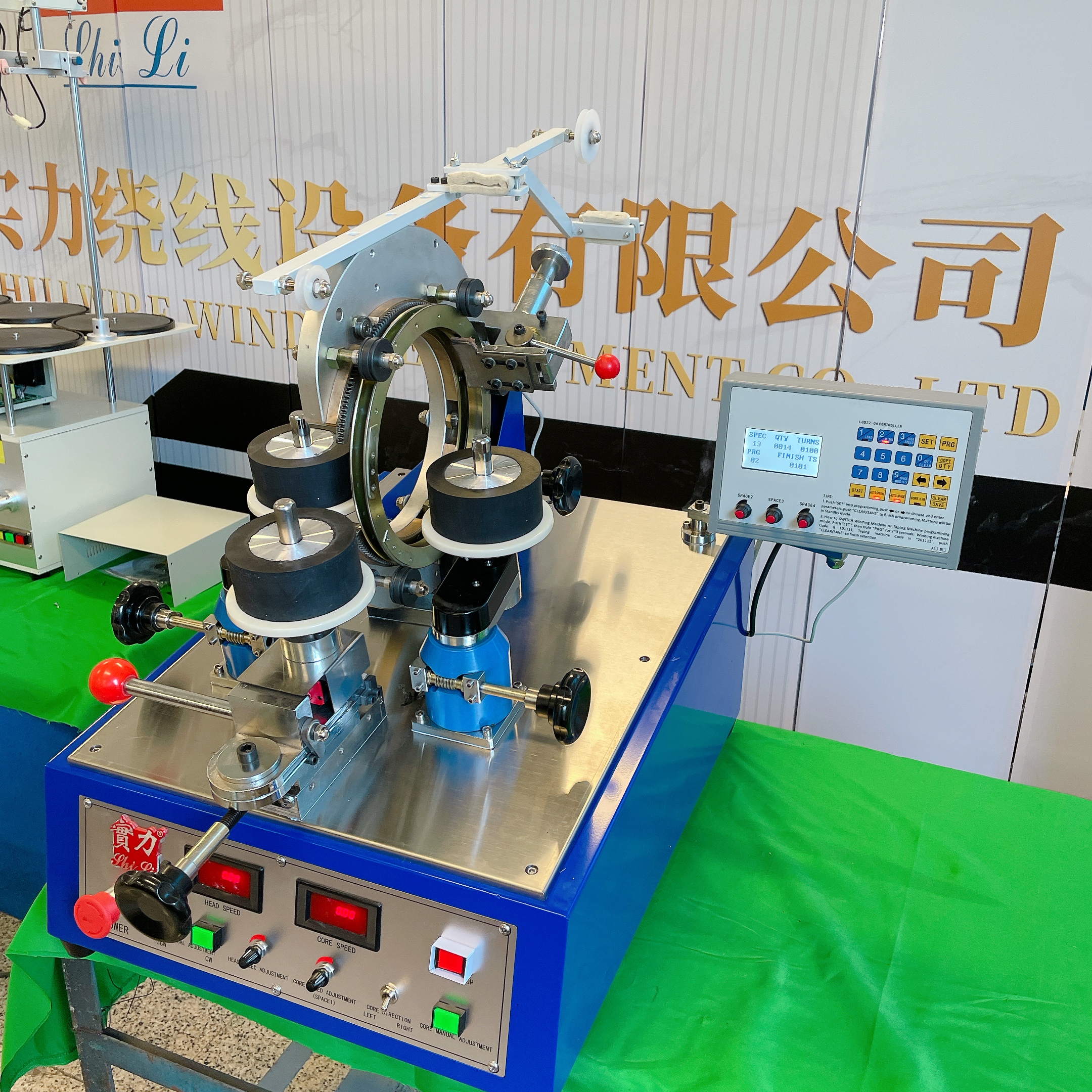
An automatic winding machine is a critical piece of equipment in manufacturing environments that produce coils, transformers, and electronic components. When an automatic winding machine encounters errors or malfunction, production stops and costs mount quickly. Understanding how to troubleshoot common errors on an automatic winding machine can save your operation significant downtime and expense. This guide walks you through the most frequently encountered problems with an automatic winding machine and provides practical diagnostic steps to resolve them.
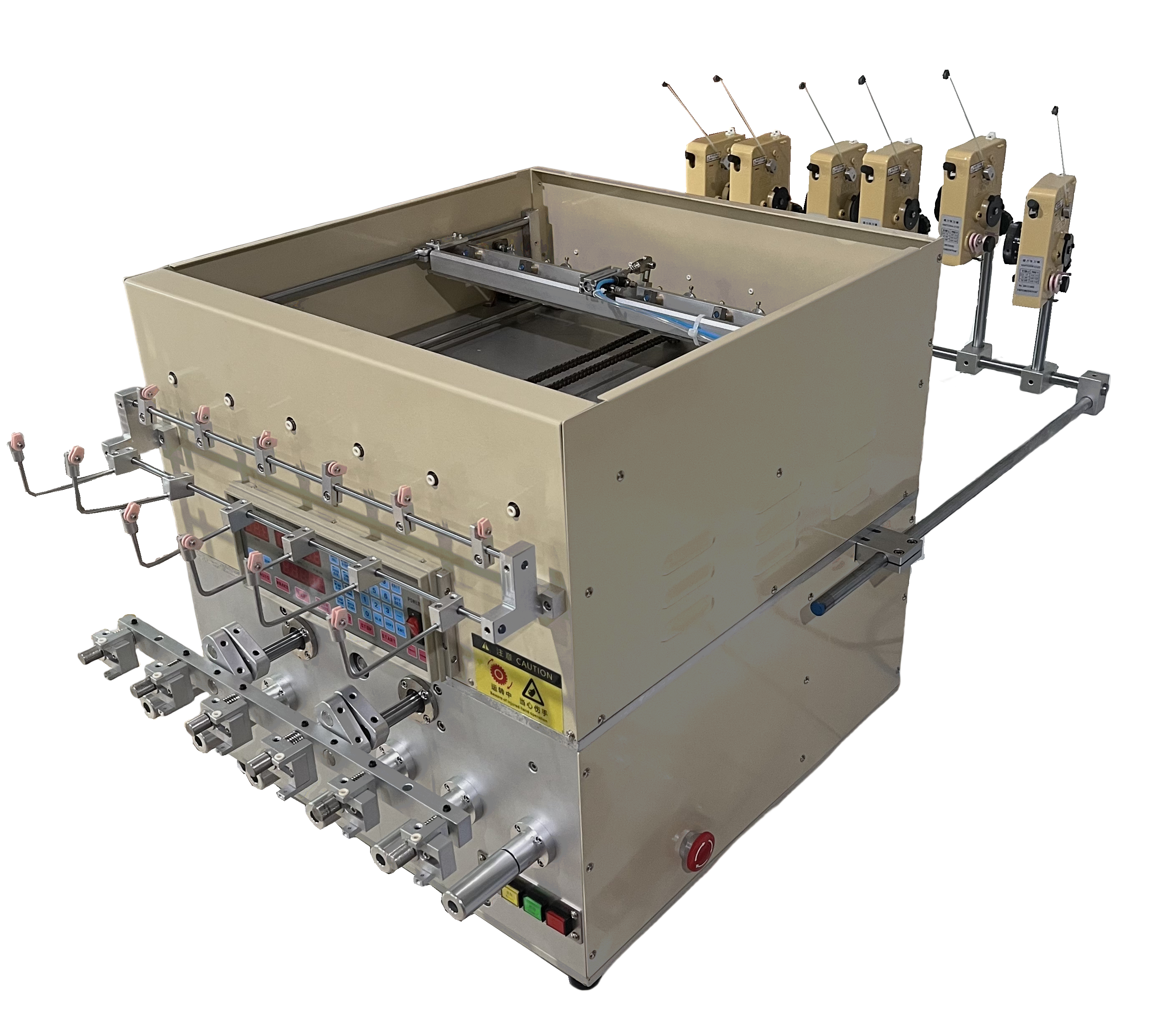
Troubleshooting an automatic winding machine requires a systematic approach that combines electrical diagnostics, mechanical inspection, and operational adjustment. Most errors fall into predictable categories related to tension control, wire feed mechanisms, spindle rotation, or sensor malfunction. By learning to identify and isolate the root cause of each error, you can restore your automatic winding machine to full productivity without waiting for external technicians.
Understanding Wire Tension Issues in Your Automatic Winding Machine
Identifying Tension-Related Problems
Wire tension is one of the most common sources of error on an automatic winding machine. When tension becomes inconsistent, the wound coils will exhibit loose wraps, uneven spacing, or incomplete contact between wire layers. Signs that your automatic winding machine has tension issues include visible gaps in the winding pattern, wire slippage on the bobbin, or sudden tension alarms on the control panel. The automatic winding machine's tension system relies on dancer rollers, brake mechanisms, and feedback sensors working in perfect coordination. If any component degrades, tension faults follow immediately.
Diagnosing and Correcting Tension Faults
To troubleshoot tension problems on your automatic winding machine, first verify that the wire spool feeding the automatic winding machine rotates freely without obstruction. Check the dancer roller arm for smooth movement and proper calibration. If the automatic winding machine's tension sensor reads erratically, clean the sensor lens and verify the arm position within the acceptable range. Adjust the brake spring tension gradually while the automatic winding machine operates at low speed, monitoring the tension gauge on the control panel. Most tension errors on an automatic winding machine resolve once the mechanical path is cleared and sensor feedback is restored. If issues persist after mechanical inspection, the brake solenoid or tension amplifier board may require replacement.
Resolving Wire Feed and Spindle Rotation Failures
Wire Feed Blockages and Speed Fluctuations
The automatic winding machine depends on consistent wire feed speed to produce uniform coils. When the automatic winding machine experiences feed errors, wire may bunch at the guide, snap unexpectedly, or fail to advance at all. Common causes include guide tube blockage, damaged ceramic inserts, or contamination inside the feed mechanism. Inspect the wire path on your automatic winding machine by removing the bobbin and manually guiding wire through each guide section. Watch for catches, rough spots, or wire debris inside the tube. The automatic winding machine's wire guide must be absolutely clear and smooth; even microscopic burrs cause feed interruptions. If wire passes freely but the automatic winding machine still hesitates, the wire brake or feed motor encoder may be faulty.
Spindle Rotation and Positioning Errors
Spindle errors on an automatic winding machine manifest as incomplete revolutions, erratic speed, or failure to stop at the correct position. These problems often indicate encoder drift, loose coupling, or worn spindle bearings on your automatic winding machine. Start by manually rotating the spindle by hand to detect binding or unusual noise. Check the encoder connector on the automatic winding machine for loose pins or corrosion. Verify that the spindle coupling is secure and that no debris restricts spindle movement. If the automatic winding machine's spindle turns freely but the control panel shows position errors, reboot the control system and recalibrate the encoder zero position. Most modern automatic winding machine models allow encoder calibration through the control interface without service calls.
Addressing Sensor and Electrical Faults in Your Automatic Winding Machine
Sensor Malfunction and False Alarms
Your automatic winding machine relies on multiple sensors to monitor coil dimensions, wire tension, spindle position, and wire presence. When sensors fail, the automatic winding machine generates error codes and halts production as a safety measure. Common sensor issues on an automatic winding machine include proximity switch failures, damaged photoelectric eyes, or misaligned position sensors. To troubleshoot sensor errors, first verify physical alignment and clearance. Measure the sensor output voltage using a multimeter while operating the automatic winding machine at low speed. Most sensors on an automatic winding machine produce a clear on-off signal; if readings are erratic or stuck in one state, the sensor requires replacement. Some automatic winding machine installations experience false sensor triggers due to electrical noise on nearby equipment; installing ferrite clamps on signal cables often resolves these intermittent errors.
Control System and Communication Breakdowns
The automatic winding machine's controller coordinates all mechanical and electrical components through firmware logic and sensor feedback loops. Control errors on an automatic winding machine may appear as communication timeouts, parameter lockups, or repeated restart cycles. Begin by checking all connectors leading to and from the automatic winding machine's control cabinet for corrosion or looseness. Verify that the backup battery on the automatic winding machine's memory card has sufficient charge; low battery voltage causes parameter loss and initialization failures. If the automatic winding machine displays version mismatches between main controller and sub-modules, reload the official firmware image. Many automatic winding machine operators overlook simple fixes like clearing error logs or resetting watchdog timers, both of which resolve persistent error states without component replacement.
FAQ
What should I do if my automatic winding machine shows an error code but resumes operation after restart?
An automatic winding machine that recovers after restart typically has a transient fault rather than a permanent component failure. These intermittent errors often indicate loose connectors, momentary sensor misalignment, or firmware glitches. Document the error code and the conditions present when the automatic winding machine fails. Check all connectors around that system component, verify sensor mounting bolts are tight, and review the automatic winding machine's event log to identify patterns. If the error recurs at a specific production stage or wire diameter, suspect the related sensor or calibration parameter rather than a hard failure.
How often should I perform preventive maintenance on my automatic winding machine?
Most manufacturers recommend monthly inspection and cleaning for an automatic winding machine running daily shifts. Your automatic winding machine should have the wire guides cleaned, tension mechanism lubricated, and encoder connectors checked at minimum. Annually, conduct a full teardown of the automatic winding machine's spindle assembly, replace worn dancer arm rollers, and recalibrate all sensors. The automatic winding machine manual specifies the lubrication schedule for spindle bearings and brake mechanisms; following this schedule prevents the majority of mechanical errors. Environmental factors matter significantly; dirty workshop air, moisture, or temperature swings accelerate wear on an automatic winding machine.
Can I repair sensor or encoder modules on my automatic winding machine myself?
Sensor and encoder replacement is typically within reach for operators trained on your automatic winding machine model. Most plug-and-play sensors on an automatic winding machine disconnect easily and install without special tools. However, sensor calibration and signal tuning on your automatic winding machine usually require service documentation and may demand professional calibration equipment. Some automatic winding machine sensors integrate protective circuitry that fails if polarity is reversed during installation; carefully verify connector orientation before connecting. If your automatic winding machine has warranty coverage, manufacturer service may be preferable to preserve coverage terms.