 EN


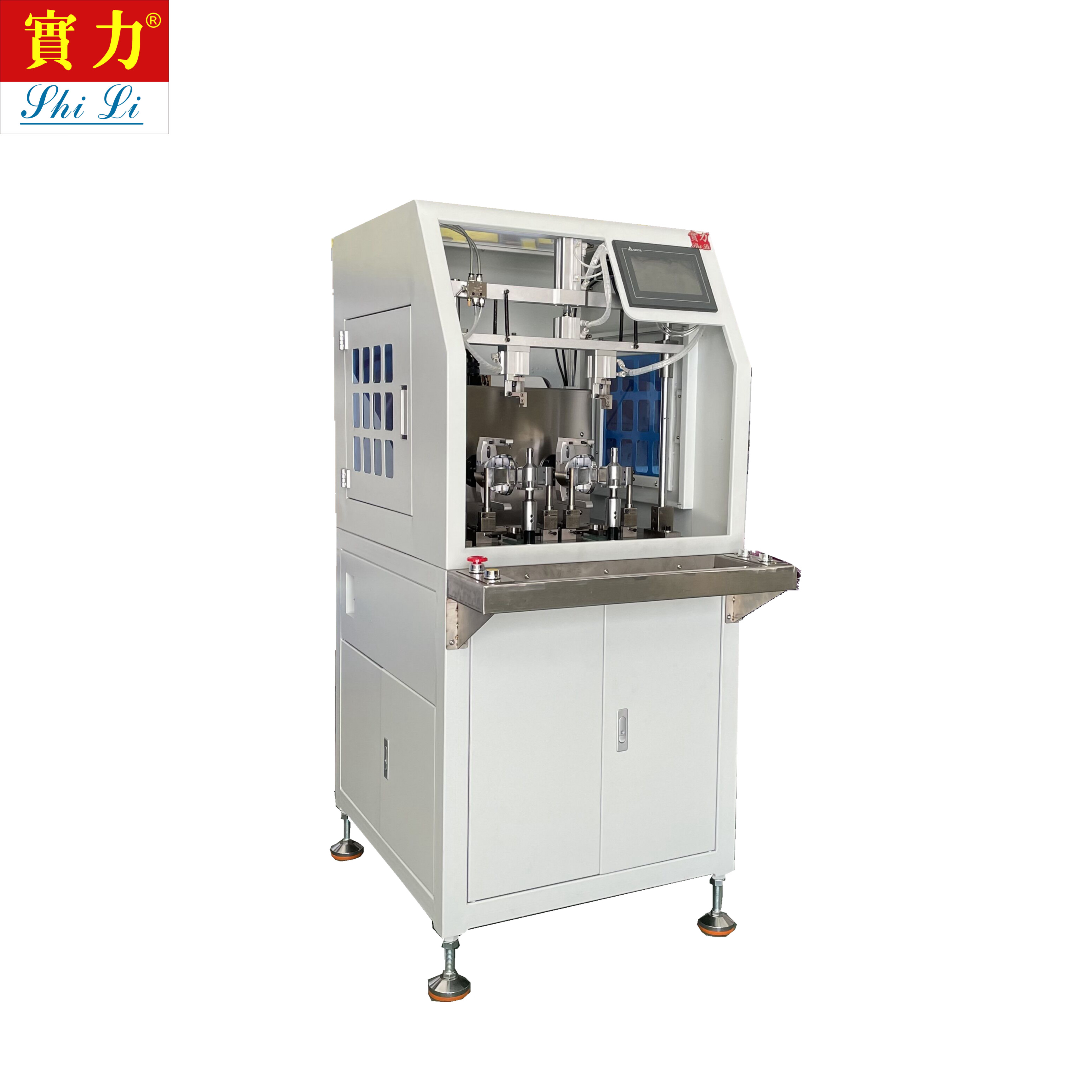
Manufacturers seeking to optimize production efficiency and quality consistency in motor assembly increasingly turn to advanced automation solutions. The ceiling fan winding machine powered by servo-drive technology represents a significant leap forward from conventional winding equipment. Understanding why this technology matters requires examining how servo-driven systems address the core challenges of modern motor manufacturing, from precision requirements to throughput demands and labor cost management.
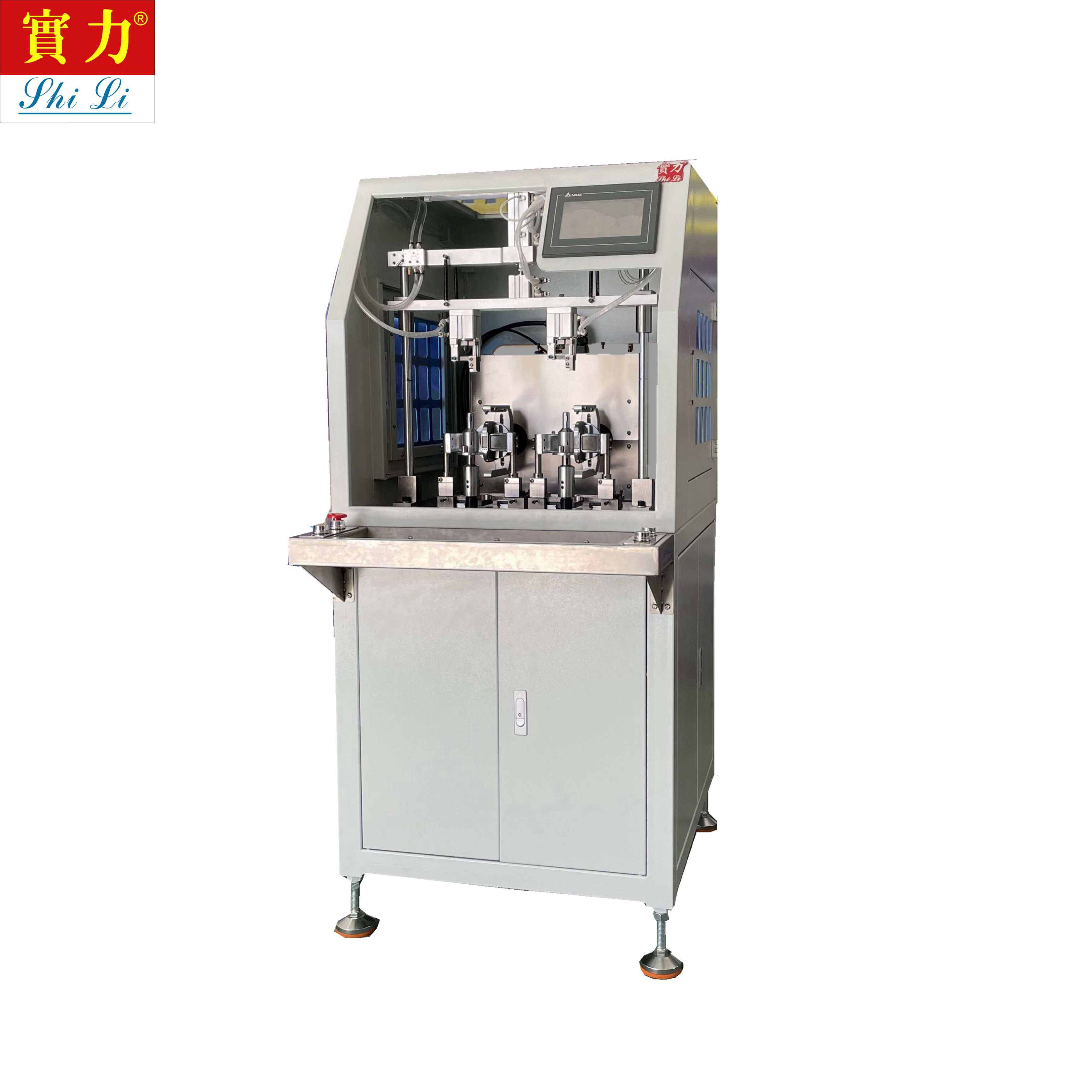
A servo-driven ceiling fan winding machine combines precise electronic control with mechanical reliability to deliver consistent winding patterns, reduce material waste, and accelerate production cycles. Organizations that invest in this technology experience measurable improvements in coil quality, reduced scrap rates, and faster time-to-market for new motor designs. This article explores the operational, financial, and technical advantages that make servo-driven systems the preferred choice for forward-thinking manufacturers.
Precision and Quality Consistency in Motor Winding
Eliminating Tolerance Drift in Coil Production
Manual or older electromagnetic winding systems inherently struggle to maintain exact coil dimensions across extended production runs. A ceiling fan winding machine equipped with servo motors achieves winding tension consistency, uniform wire spacing, and repeatable coil geometry that manual operators cannot match. Servo feedback systems continuously monitor spindle position, wire tension, and winding angle, making real-time adjustments to correct any deviation before it compounds into defective units.
The precision achieved by a servo-driven ceiling fan winding machine directly reduces electromagnetic performance variability between motors. Coils wound with consistent tension and geometry deliver more uniform magnetic field distribution, improving torque output stability and reducing noise and vibration complaints from end users. This consistency builds brand reputation and minimizes warranty claims, creating both customer satisfaction and cost savings.
Adapting Quickly to Design Specifications
When motor designs change—whether adjusting wire gauge, layer count, or coil pitch—a servo-driven ceiling fan winding machine requires only software reconfiguration rather than mechanical retooling. The servo control architecture allows operators to upload new winding parameters and begin production within minutes. Traditional fixed-speed machines demand physical component changes, timing belt adjustments, or mechanical cam replacement, consuming hours of downtime and skilled technician labor.
This flexibility transforms the ceiling fan winding machine into a platform technology that supports product portfolio expansion. Manufacturers can introduce new motor specifications, prototype designs, and custom configurations without capital investment in dedicated machinery, dramatically improving operational agility and competitive responsiveness.
Production Efficiency and Throughput Gains
Speed Control and Cycle Time Optimization
Servo motors deliver variable speed capability that fixed-speed machines cannot achieve. A ceiling fan winding machine operator can program acceleration profiles, optimal winding speeds for different wire types, and deceleration sequences that minimize mechanical shock and wire breakage. For fine-gauge copper wire applications, reducing peak acceleration prevents snapping; for heavier conductors, higher speeds increase throughput without sacrificing quality.
The intelligent speed management integrated into a servo-driven ceiling fan winding machine enables 15 to 30 percent cycle time reduction compared to conventional equipment. This gain compounds across thousands of daily production cycles, translating directly to increased output per shift without adding labor or facility footprint. For manufacturers operating with limited production space or facing seasonal demand peaks, this efficiency advantage delivers critical capacity relief.
Reducing Material Waste and Setup Time
Servo-driven systems minimize the trial-and-error process that plagues traditional winding equipment. When a new job begins on a conventional ceiling fan winding machine, operators manually adjust tension, speed, and feed rates through repeated test runs, consuming wire and time until parameters stabilize. Servo-controlled systems reference stored profiles, achieving production-ready winding within one or two setup cycles rather than five to ten.
This setup efficiency directly reduces copper wire scrap and machine idle time. For a high-volume ceiling fan winding machine operation processing dozens of job changeovers monthly, reduced setup waste compounds into significant material cost savings. Additionally, faster setup availability maximizes the percentage of time the equipment spends generating revenue rather than undergoing maintenance or configuration.
Cost Justification and Return on Investment
Labor Productivity and Operator Skill Requirements
Servo-driven automation reduces the manual intervention and operator expertise traditionally demanded by ceiling fan winding machine systems. While conventional equipment requires experienced technicians to fine-tune mechanical parameters through tactile judgment and accumulated intuition, servo-controlled systems execute programmed instructions with consistent repeatability. This allows facilities to deploy less specialized labor for routine production, reserving expert technicians for programming, maintenance, and troubleshooting roles with higher value.
The shift in labor requirements for a ceiling fan winding machine operation reduces training burden and recruitment difficulty, particularly in regions facing skilled technician shortages. Operators transition from manual parameter adjustment to production oversight and quality monitoring, reflecting broader manufacturing trends toward operator-managed automated systems rather than machine-operator partnerships.
Energy Efficiency and Operational Cost Reduction
Servo motors operate only when delivering productive work, unlike traditional motors that run continuously whether producing output or idling during setup transitions. A modern ceiling fan winding machine equipped with servo drive technology consumes 20 to 40 percent less electrical energy than equivalent fixed-speed or mechanical clutch-based systems over a full production day. This efficiency translates to measurable utility cost reduction and aligns with corporate sustainability initiatives increasingly important to customers and regulatory agencies.
Beyond direct energy savings, a servo-driven ceiling fan winding machine reduces heat generation in the production environment, decreasing facility cooling demand during warm months. Cumulative energy savings over equipment lifetime often justify servo-system investment within 18 to 36 months of operation, creating positive cash flow and payback certainty that supports capital expenditure approval in manufacturing organizations.
Integration and Future-Readiness
Digital Connectivity and Data Collection
Modern servo-driven ceiling fan winding machine systems integrate with industrial IoT platforms and manufacturing execution systems, enabling real-time production data collection. Equipment monitoring tracks cycle counts, alert frequencies, wire tension statistics, and quality metrics automatically, feeding into analytical systems that identify optimization opportunities and predict maintenance needs before failures occur.
This data transparency empowers managers to make evidence-based decisions about production capacity allocation, quality process refinement, and preventive maintenance scheduling. A ceiling fan winding machine operator panel displaying performance dashboards provides immediate visibility into equipment health, reducing unplanned downtime and supporting continuous improvement initiatives aligned with lean manufacturing principles.
Scalability and Multi-Unit Operations
Manufacturing organizations operating multiple ceiling fan winding machine units benefit from standardized servo control architecture across their production fleet. Recipe files and parameter sets become portable assets shareable across locations, enabling consistent quality wherever production occurs. Centralized monitoring systems track all ceiling fan winding machine equipment simultaneously, optimizing utilization rates and identifying bottlenecks across the facility network.
For organizations planning facility expansion or geographic production redistribution, servo-driven ceiling fan winding machine technology provides a platform foundation supporting future growth without fundamental architectural limitations. This future-readiness protects capital investments and positions manufacturing operations as scalable, adaptable assets rather than single-purpose equipment tied to specific product configurations.
FAQ
What makes servo-driven technology superior to mechanical clutch systems in a ceiling fan winding machine?
Servo systems deliver variable speed control, precise torque management, and electronic feedback that mechanical clutches cannot provide. A servo-driven ceiling fan winding machine adjusts performance in real-time based on wire type, tension requirements, and coil geometry, while mechanical systems operate within fixed speed ranges determined by physical design. Servo control also enables remote programming, condition monitoring, and predictive maintenance capabilities that extend equipment life and reduce unexpected breakdowns.
How quickly can a ceiling fan winding machine switch between different motor specifications?
A servo-controlled ceiling fan winding machine transitions between specifications in minutes through software parameter changes, versus hours required for mechanical adjustment or component replacement. Operators load stored winding profiles, verify setup through brief test cycles, and begin full production with minimal material waste. This rapid changeover capability makes servo-driven systems ideal for manufacturers supporting diverse product portfolios or custom motor orders requiring frequent production schedule adjustments.
What financial benefits justify investing in a servo-driven ceiling fan winding machine?
A ceiling fan winding machine with servo drive technology typically delivers return on investment through combined benefits: reduced scrap wire costs, faster setup cycles increasing productive output, lower energy consumption, decreased warranty claims from improved quality consistency, and reduced labor requirements for routine production operation. Depending on production volume, product mix, and current equipment depreciation status, servo-driven systems achieve payback within 18 to 36 months while providing lasting competitive advantages in quality and flexibility.