 EN


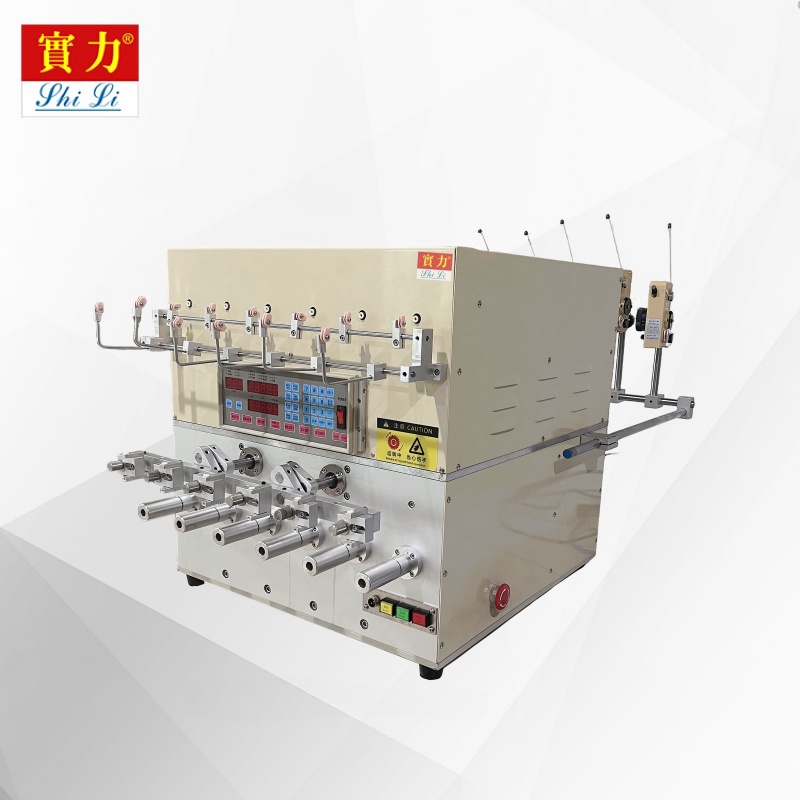
Wire tension issues represent one of the most persistent challenges in coil manufacturing, affecting product quality, production speed, and operational costs. When tension is inconsistent, coils develop defects like loose windings, broken wires, or uneven spacing that compromise electrical performance and mechanical integrity. An automatic coil winding machine addresses these challenges systematically by maintaining precise tension throughout the entire winding cycle, eliminating the variability that manual or older semi-automated systems struggle to control.
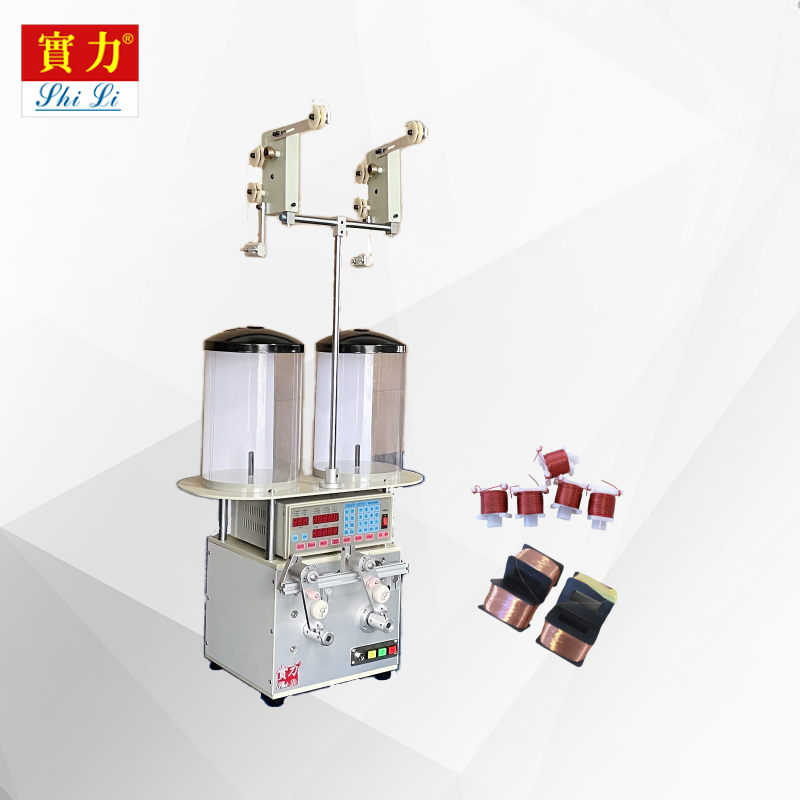
The automatic coil winding machine represents a fundamental shift in how manufacturers approach wire tension management. By integrating advanced feedback systems, motor control algorithms, and real-time monitoring, the automatic coil winding machine delivers consistent performance across high-volume production runs. This technology directly addresses the root causes of tension-related defects, transforming quality outcomes and enabling manufacturers to meet strict tolerance requirements without constant operator intervention or material waste.
Precise Tension Control and Consistency
How Automatic Coil Winding Machine Systems Maintain Uniform Tension
The core strength of an automatic coil winding machine lies in its ability to apply constant, measurable tension to wire as it winds onto the bobbin or core. Traditional manual tension methods rely on operator feel and visual judgment, which naturally varies from person to person and even within a single operator's shift. An automatic coil winding machine eliminates this human factor by using calibrated tension plates, dancer rollers, or electronic tension controllers that dynamically adjust tension based on real-time feedback. This means every coil produced carries identical tension characteristics, regardless of wire diameter, material composition, or ambient conditions.
Reducing Wire Breakage and Waste
Wire breakage stands as one of the costliest consequences of poor tension control. When tension fluctuates unpredictably, fragile wires snap mid-cycle, halting production and requiring manual restart or material rework. An automatic coil winding machine minimizes breakage by preventing tension spikes and sudden changes that stress the wire. The machine's sensors detect tension anomalies instantly and adjust feed rates or bobbin speed to keep tension within the safe operating window. Over weeks and months of continuous production, this precision translates into dramatically lower scrap rates, reduced downtime, and substantial material savings.
Quality Improvements and Consistency Standards
Meeting Tight Electrical and Mechanical Specifications
Coils used in motors, transformers, inductors, and other electromagnetic devices must meet exacting electrical specifications. Loose or inconsistent winding tension directly degrades inductance, increases resistance losses, and reduces device efficiency. An automatic coil winding machine ensures that every coil meets specification by maintaining tension within narrow bands, typically within plus or minus 5 percent of the target value. This consistency becomes especially critical in sectors like automotive, renewable energy, and industrial automation, where performance failure can compromise system safety or reliability. By standardizing tension, the automatic coil winding machine eliminates the guesswork and delivers coils that pass first-time quality checks.
Eliminating Uneven Layer Distribution and Spacing
Proper wire spacing between layers depends heavily on consistent tension. If tension varies, wires migrate sideways, creating bunched sections and gaps. These spacing irregularities cause cooling problems in high-power applications, weaken mechanical support, and sometimes trigger electrical faults. An automatic coil winding machine maintains lateral guide alignment and applies even tension across the full wire width, ensuring uniform layer-to-layer spacing. This controlled geometry extends coil lifespan, improves thermal performance, and reduces the likelihood of failure-mode events that could damage downstream equipment or jeopardize field installations.
Operational Efficiency and Cost Impact
Reducing Operator Skill Requirements and Training Time
Traditional coil winding relies heavily on skilled technicians who understand wire behavior, material properties, and tension dynamics. Training such operators takes weeks or months, and maintaining consistent quality across a team remains difficult. An automatic coil winding machine shifts the skill requirement from the operator to the machine setup phase. Once configured, the automatic coil winding machine executes the same tension protocol repeatedly without fatigue or distraction. This democratizes quality, allowing less-experienced staff to produce high-grade coils safely. Manufacturers can scale production more flexibly and reduce labor costs without sacrificing output quality.
Increasing Production Speed While Maintaining Quality
Operators working with semi-manual systems must slow down to manage tension carefully, balancing speed against breakage risk. An automatic coil winding machine operates at optimized speeds set during initial calibration, eliminating the productivity penalty of manual caution. Because the machine prevents tension spikes and breakage, it can wind faster without risk. Many manufacturers report 30 to 50 percent production rate increases after switching to an automatic coil winding machine, while simultaneously improving quality metrics. This dual gain—more output, better quality—directly improves unit economics and margin.
Solving Tension Issues Across Wire Types and Applications
Handling Fragile, Fine, and High-Strength Wires
Different wire types demand different tension profiles. Fine magnet wire used in microelectronics requires delicate, low tension to prevent breakage and insulation damage. Conversely, heavy copper conductors for power applications need higher tension to ensure tight, compact winding. An automatic coil winding machine accommodates this range through programmable tension curves that adjust throughout the winding sequence. As the coil builds and bobbin diameter increases, tension can be automatically reduced to maintain constant contact force. This adaptive approach means a single automatic coil winding machine can handle multiple wire types without mechanical retooling, simplifying changeovers and expanding process flexibility.
Improving Consistency in Temperature-Sensitive Applications
Environmental conditions like temperature and humidity affect wire properties and tension behavior. Manual systems lack response mechanisms to compensate for these shifts, leading to mid-run quality degradation. An automatic coil winding machine equipped with environmental sensors can detect temperature changes and automatically adjust tension to maintain constant mechanical loading on the wire. This compensation ensures that coils wound in morning cold maintain identical characteristics to those wound in afternoon heat, eliminating batch-to-batch variation tied to environmental drift.
FAQ
What specific wire tension problems does an automatic coil winding machine solve?
An automatic coil winding machine solves inconsistent tension delivery, unpredictable wire breakage, uneven layer spacing, and quality variation caused by operator fatigue or skill differences. It maintains tension within tight tolerances throughout production, preventing defects and ensuring coils meet electrical and mechanical specifications consistently. This is particularly valuable for fragile wires, high-volume runs, and applications demanding strict performance standards.
How does an automatic coil winding machine improve production efficiency?
An automatic coil winding machine increases throughput by operating at optimized, risk-safe speeds without the slowdown penalties of manual tension management. It reduces material waste from wire breakage and scrap, minimizes downtime from production interruptions, and lowers operator skill requirements. These gains combine to improve unit economics, reduce per-coil production cost, and enable faster scaling to meet demand.
Can an automatic coil winding machine handle different wire types and gauges?
Yes, modern automatic coil winding machine systems are programmable and can accommodate a wide range of wire types, gauges, and materials through adjustable tension curves and feed parameters. This flexibility means manufacturers can use a single automatic coil winding machine for multiple product lines, reducing capital investment and simplifying production logistics.