 EN
EN



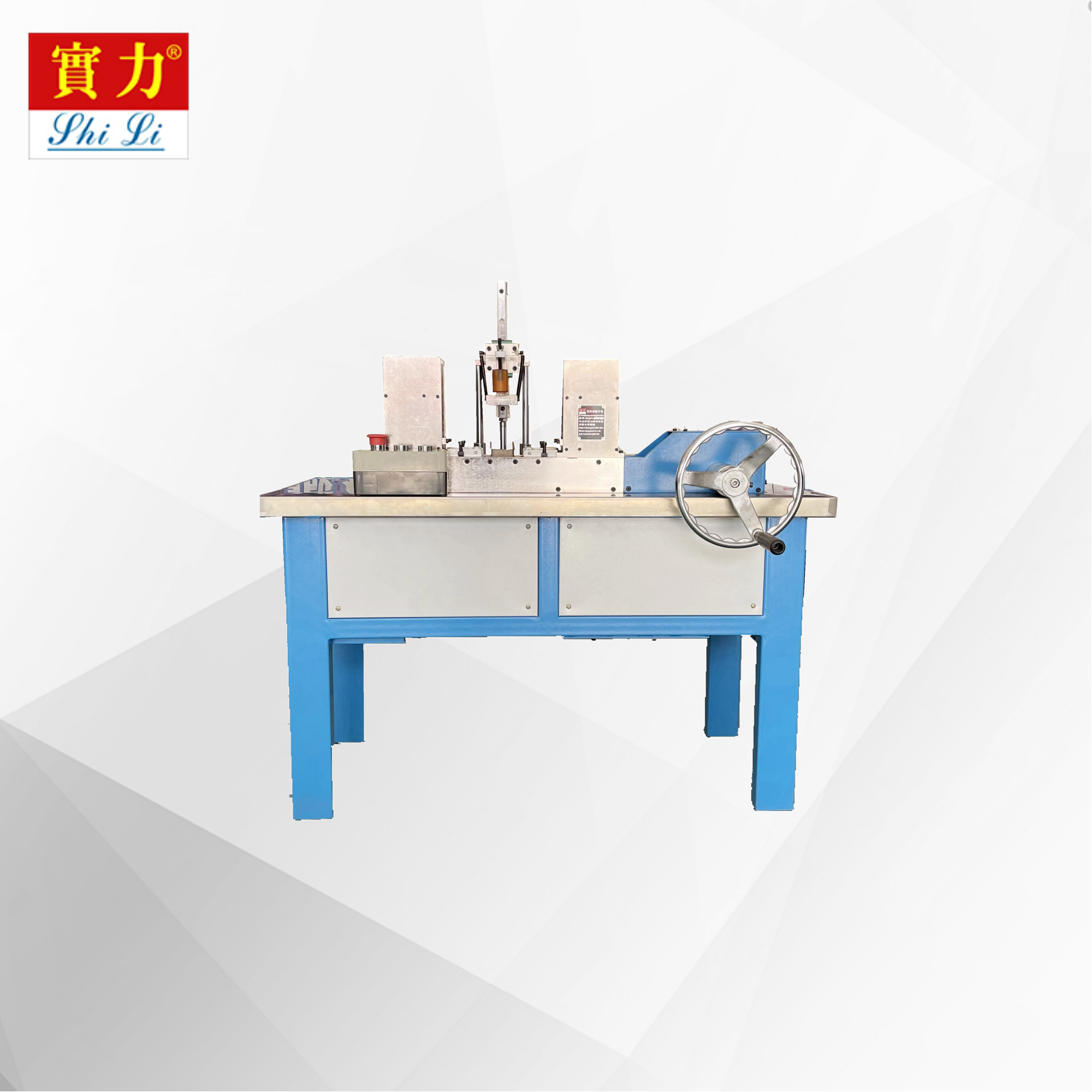
Proper maintenance of your coil winder equipment is critical for ensuring consistent production quality, minimizing downtime, and extending machine life in industrial manufacturing environments. Operators who understand what to inspect and when can prevent costly breakdowns while maintaining the precision required for high-quality coil production. Regular inspection routines form the backbone of effective preventive maintenance programs that keep coil winder systems operating at peak performance.
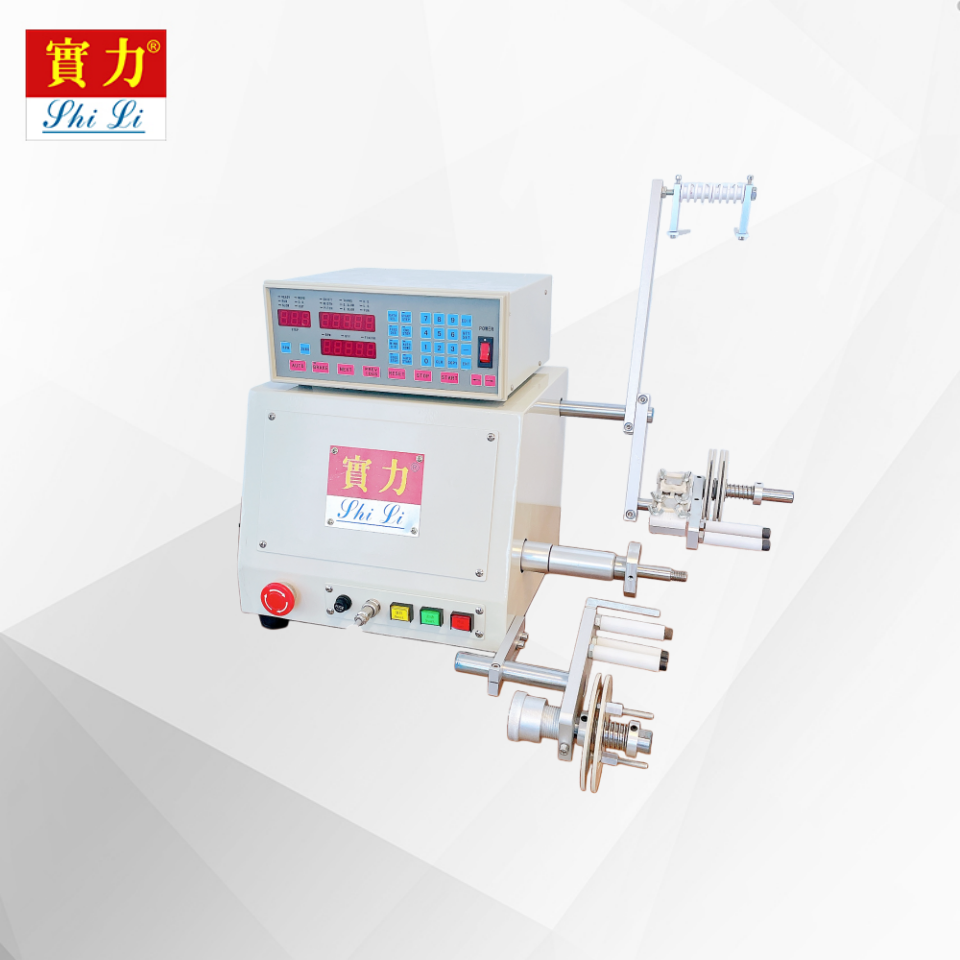
Systematic inspection protocols help operators identify potential issues before they escalate into major problems that could halt production lines. Understanding the specific components that require regular monitoring allows maintenance teams to develop comprehensive checklists tailored to their particular coil winder configurations. This proactive approach significantly reduces unexpected failures and ensures optimal winding quality throughout extended production runs.
Mechanical Component Inspection Requirements
Spindle and Chuck Assembly Evaluation
The spindle assembly represents the heart of any coil winder system, requiring meticulous inspection to maintain winding accuracy and prevent catastrophic failures. Operators should examine spindle runout using dial indicators to ensure concentricity remains within manufacturer specifications, typically less than 0.001 inches for precision applications. Visual inspection of the spindle surface should reveal no scoring, wear marks, or contamination that could affect chuck mounting or wire positioning during the winding process.
Chuck mechanisms demand particular attention as they directly influence coil quality and production consistency. Inspect chuck jaws for proper alignment, smooth operation, and adequate gripping force that secures workpieces without causing deformation. Pneumatic chuck systems require pressure testing to verify consistent clamping force across all jaw positions, while manual chucks need lubrication point inspection and torque verification to prevent slippage during high-speed winding operations.
Drive System and Transmission Components
Motor coupling assemblies in coil winder systems require regular inspection for alignment, wear, and proper torque transmission capabilities. Flexible couplings should be examined for cracking, deterioration, or separation that could introduce vibration or backlash into the winding process. Rigid couplings demand precise alignment verification using laser alignment tools to prevent premature bearing failure and ensure smooth power transmission throughout the operating speed range.
Belt-driven coil winder configurations necessitate tension measurement and visual inspection of belt condition to maintain consistent speed ratios and prevent slippage. Check belt tracking to ensure proper pulley alignment and inspect for fraying, cracking, or glazing that indicates replacement timing. Gear reduction systems require oil level verification, contamination assessment, and backlash measurement to prevent unexpected failures that could damage both the transmission and connected winding components.
Electrical System Safety and Performance Checks
Control Circuit Verification Procedures
Electrical safety inspections begin with power isolation verification and proper lockout/tagout procedures before accessing any coil winder control components. Test emergency stop circuits to ensure immediate machine shutdown capability and verify that all safety interlocks function correctly under various operating scenarios. Control voltage measurements should confirm stable power supply levels within acceptable ranges, typically ±10% of nominal values for most industrial coil winder systems.
Programmable logic controller (PLC) diagnostics provide valuable insights into system health and potential issues requiring attention. Monitor input/output module status indicators, communication network integrity, and program execution times to identify developing problems before they affect production. Review error logs and alarm histories to identify recurring issues that may indicate underlying component degradation or environmental factors affecting reliable coil winder operation.
Motor and Drive System Electrical Inspection
Servo motor inspection protocols include thermal imaging to identify hot spots indicating bearing wear, winding deterioration, or inadequate ventilation affecting performance. Measure insulation resistance using megohm meters to detect moisture intrusion or insulation breakdown that could lead to motor failure. Encoder feedback system testing verifies position accuracy and signal integrity essential for maintaining precise winding patterns and layer distributions in complex coil configurations.
Variable frequency drives (VFDs) controlling coil winder motors require parameter verification, cooling system inspection, and input power quality assessment. Monitor drive operating temperatures, check cooling fan operation, and verify that input voltage balance remains within acceptable limits to prevent drive damage. Review drive fault histories and parameter drift patterns to identify potential issues requiring corrective action before they impact production schedules.
Wire Handling and Tensioning System Maintenance
Wire Guide and Tensioner Inspection Points
Wire guide systems in coil winder applications require careful inspection to prevent wire damage and maintain consistent winding quality. Examine guide surfaces for wear grooves, scratches, or contamination that could cause wire insulation damage or introduce variations in wire positioning during the winding process. Ceramic and hardened steel guides should be checked for chips, cracks, or embedded debris that might cause wire breaks or quality defects in finished coils.
Tensioning mechanisms demand precise calibration and regular inspection to ensure consistent wire tension throughout the winding cycle. Mechanical tensioners require spring force verification, pivot point lubrication, and wear pad replacement when friction surfaces show excessive wear. Pneumatic tensioning systems need pressure regulator calibration, cylinder seal integrity testing, and response time verification to maintain stable tension control during varying winding speeds and direction changes.
Wire Feed and Payoff System Evaluation
Payoff reel systems supporting coil winder operations require brake adjustment verification and bearing condition assessment to prevent wire breaks and tension variations. Inspect reel mounting hardware for proper torque specifications and examine brake shoe materials for excessive wear that could cause grabbing or inconsistent braking force. Monitor payoff bearing temperature and lubrication levels to prevent seizure conditions that would halt production and potentially damage expensive wire inventory.
Active payoff systems with motorized control require encoder calibration verification and feedback loop tuning to maintain optimal wire tension throughout the winding process. Test acceleration and deceleration profiles to ensure smooth transitions that prevent wire breaks while maintaining consistent coil quality. Inspect slip ring assemblies in rotating payoff systems for proper contact pressure, contamination removal, and electrical continuity verification essential for reliable operation.
Precision Measurement and Quality Control Systems
Dimensional Accuracy Verification Methods
Coil winder dimensional accuracy depends on proper calibration and maintenance of measurement systems used for position feedback and quality verification. Linear encoders require cleaning, alignment verification, and scale condition inspection to maintain micrometer-level positioning accuracy essential for tight tolerance coil production. Inspect encoder mounting hardware for stability and verify that environmental sealing remains intact to prevent contamination affecting measurement reliability.
Turn counting systems integral to coil winder operation need periodic calibration verification against known standards to ensure accurate layer counts and proper coil termination. Optical sensors used for turn detection require lens cleaning, light source intensity verification, and signal threshold adjustment to maintain reliable counting accuracy throughout production runs. Test sensor response under various lighting conditions and wire types to ensure consistent performance across different production scenarios.
Environmental Control and Contamination Prevention
Environmental monitoring systems protecting sensitive coil winder components require regular calibration and alarm threshold verification to prevent contamination-related failures. Temperature and humidity sensors need accuracy testing against certified references and response time verification to ensure rapid detection of conditions that could affect coil quality or equipment reliability. Inspect environmental enclosure sealing and filtration systems to maintain clean operating conditions essential for precision winding operations.
Contamination prevention protocols include regular cleaning schedule verification and inspection of protective covers, shields, and barriers designed to keep debris away from critical coil winder components. Monitor air filtration system performance through pressure differential measurement and filter condition assessment to maintain clean air supply for pneumatic systems and sensitive electronic components. Document cleaning procedures and material compatibility to prevent chemical damage to equipment surfaces and sealing materials.
Lubrication System Management and Fluid Analysis
Lubrication Schedule Compliance and Quality Assessment
Systematic lubrication management ensures optimal coil winder performance through proper lubricant selection, application timing, and contamination prevention measures. Develop lubrication schedules based on manufacturer recommendations, operating conditions, and historical performance data to optimize maintenance intervals while preventing over-lubrication that can attract contamination. Document lubricant types, quantities, and application methods to maintain consistency across different operators and maintenance shifts.
Oil analysis programs provide valuable insights into coil winder component condition and remaining lubricant service life through contamination monitoring and additive depletion assessment. Sample hydraulic oils, gear oils, and bearing greases according to established protocols to identify wear metals, contamination sources, and chemical degradation patterns indicating maintenance requirements. Trending analysis helps predict component replacement timing and optimize lubricant change intervals based on actual operating conditions rather than arbitrary time schedules.
Hydraulic and Pneumatic Fluid System Inspection
Hydraulic systems supporting coil winder clamping, positioning, and tensioning functions require pressure testing, fluid cleanliness verification, and seal integrity assessment to prevent unexpected failures. Monitor system pressure stability under load conditions and verify that relief valve settings provide adequate protection against overpressure conditions. Inspect hydraulic lines for proper routing, support, and protection against mechanical damage or excessive heat exposure that could cause premature failure.
Pneumatic system maintenance includes moisture removal system inspection, pressure regulator calibration, and air quality verification to ensure clean, dry compressed air reaches sensitive coil winder components. Test automatic drain operation in air preparation equipment and verify that filtration systems remove particulates and oil contamination effectively. Monitor compressed air consumption patterns to identify leaks or component inefficiencies that increase operating costs and reduce system reliability.
FAQ
How often should I inspect my coil winder for preventive maintenance?
Daily visual inspections should cover basic safety systems, lubrication levels, and obvious wear indicators, while weekly inspections include dimensional verification and electrical system checks. Monthly comprehensive inspections cover mechanical alignments, calibration verification, and detailed component condition assessment. Annual inspections typically involve complete disassembly of critical components, precision measurement verification, and replacement of wear items according to manufacturer specifications.
What tools do I need to perform proper coil winder inspections?
Essential inspection tools include dial indicators for runout measurement, laser alignment equipment for drive coupling verification, digital multimeters for electrical testing, and torque wrenches for proper fastener tightening. Specialized tools may include vibration analyzers for bearing condition assessment, thermal imaging cameras for electrical hot spot detection, and oil analysis kits for lubricant condition monitoring. Calibrated measurement standards ensure inspection accuracy and traceability to national standards.
Which components are most likely to fail in coil winder systems?
Bearing assemblies in spindles and drive systems typically show the highest failure rates due to continuous operation under varying loads and speeds. Wire handling components including guides, tensioners, and payoff systems experience wear from constant wire contact and require regular replacement. Electrical components such as encoders, sensors, and control modules may fail due to environmental exposure, vibration, or electrical interference common in industrial environments.
How can I tell if my coil winder needs immediate attention versus routine maintenance?
Immediate attention indicators include unusual noises, excessive vibration, erratic operation patterns, or safety system malfunctions that could pose operator hazards or cause equipment damage. Routine maintenance signals include gradual performance degradation, increased power consumption, minor dimensional drift, or approaching recommended service intervals for consumable components. Emergency shutdown scenarios require immediate investigation regardless of scheduled maintenance timing to prevent catastrophic failures.