 EN
EN


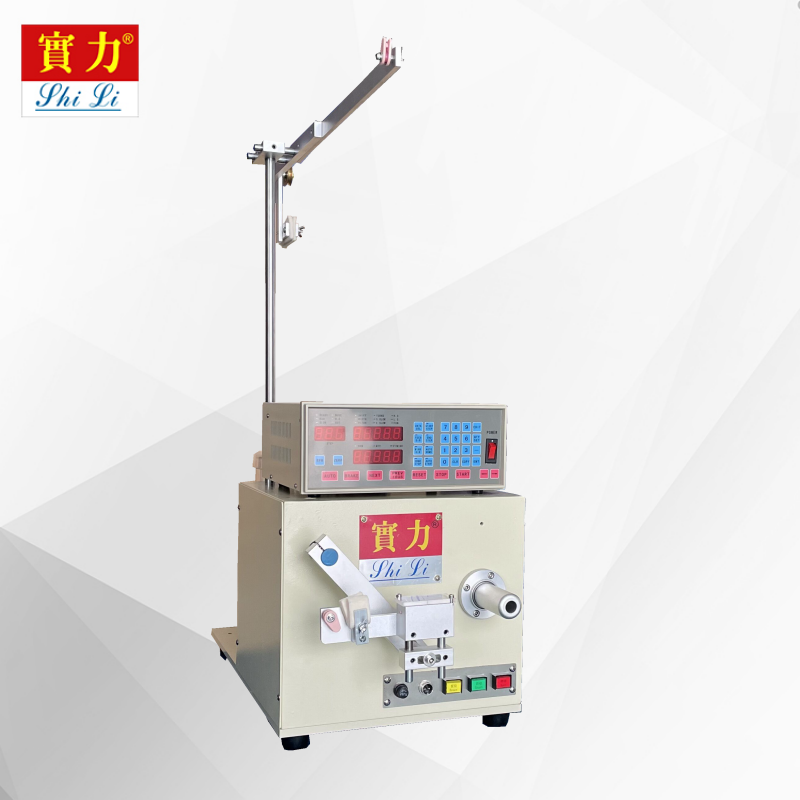
Selecting the right voice coil winding machine for precision applications requires careful consideration of multiple technical and operational factors. The voice coil winding process demands exceptional accuracy, consistency, and reliability to meet the stringent requirements of modern audio equipment, automotive speakers, and high-performance electroacoustic devices. Understanding the specific capabilities and limitations of different voice coil winding machine configurations becomes essential for manufacturers seeking to optimize their production efficiency while maintaining superior quality standards.
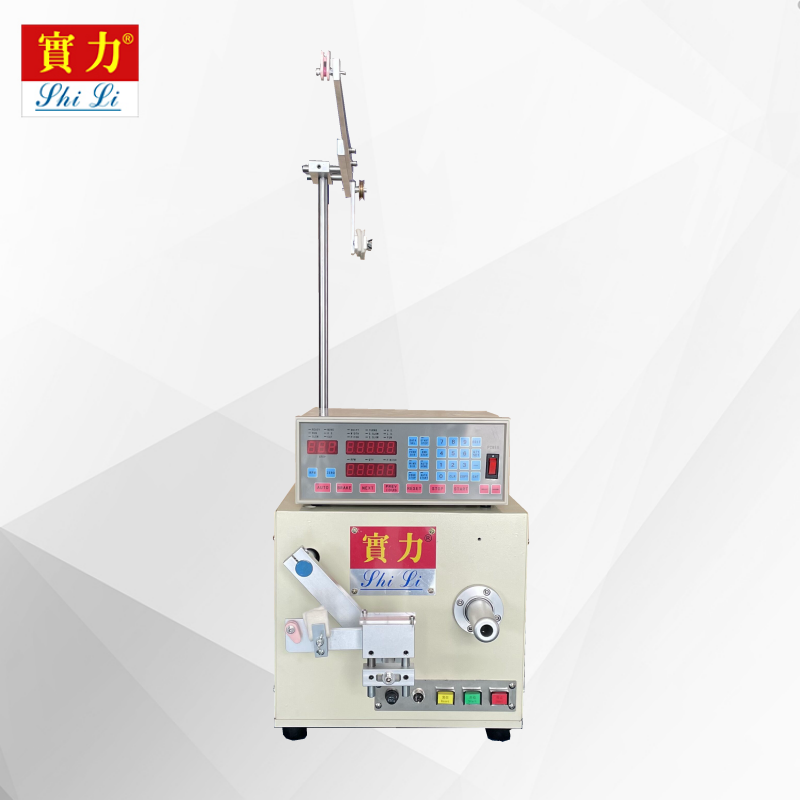
The choice between different voice coil winding machine models significantly impacts production outcomes, operational costs, and long-term manufacturing success. Precision voice coil applications often involve complex geometries, varying wire gauges, and tight dimensional tolerances that challenge conventional winding equipment. Modern voice coil winding machine technology addresses these challenges through advanced control systems, programmable tension management, and sophisticated positioning mechanisms that ensure consistent results across diverse production scenarios.
Critical Performance Specifications for Precision Voice Coil Winding
Winding Precision and Dimensional Control
The fundamental requirement for any precision voice coil winding machine centers on its ability to maintain consistent dimensional accuracy throughout the winding process. Wire placement precision directly affects the electrical and mechanical properties of the finished voice coil, making positional accuracy a primary selection criterion. High-quality voice coil winding machines typically achieve positioning tolerances within ±0.01mm, ensuring that each turn maintains proper spacing and alignment relative to the coil former geometry.
Tension control represents another critical performance parameter that distinguishes precision voice coil winding machines from standard equipment. Variable tension systems allow operators to adjust wire tension dynamically based on wire gauge, winding speed, and coil geometry requirements. Advanced voice coil winding machine designs incorporate servo-controlled tension mechanisms that respond instantly to changes in winding conditions, preventing wire stretching, breakage, or irregular coil formation that could compromise acoustic performance.
Speed and Throughput Capabilities
Production efficiency considerations must balance winding speed against precision requirements when evaluating voice coil winding machine options. Modern equipment typically operates at speeds ranging from 500 to 3000 RPM, with the optimal speed depending on wire gauge, coil diameter, and required precision levels. Higher-end voice coil winding machines feature programmable speed profiles that automatically adjust rotation rates during different phases of the winding cycle to optimize both quality and throughput.
The ability to handle multiple wire configurations simultaneously can significantly impact overall production capacity. Some voice coil winding machine models support parallel winding operations, allowing manufacturers to produce multiple coils concurrently while maintaining individual quality control for each unit. This capability becomes particularly valuable in high-volume production environments where consistent output rates are essential for meeting delivery commitments.
Technical Features and Control Systems
Programmable Control Architecture
Contemporary voice coil winding machine systems rely on sophisticated programmable logic controllers (PLCs) or computer numerical control (CNC) systems to manage complex winding patterns and process parameters. These control systems enable operators to store multiple winding programs, automatically adjust machine settings for different coil specifications, and maintain detailed production records for quality assurance purposes. The programming interface should provide intuitive access to key parameters while offering sufficient flexibility to accommodate custom winding requirements.
Advanced voice coil winding machine models incorporate real-time monitoring capabilities that track critical process variables throughout the winding cycle. These systems continuously monitor wire tension, spindle position, winding speed, and other parameters to detect potential quality issues before they affect the finished product. Automatic alarm systems alert operators to deviations from preset parameters, enabling immediate corrective action to minimize waste and maintain production quality standards.
Wire Handling and Feeding Mechanisms
The wire feeding system represents a crucial component that directly impacts winding quality and operational efficiency in any voice coil winding machine configuration. Precision applications require consistent wire delivery without tangles, kinks, or tension variations that could affect coil uniformity. High-quality feeding mechanisms incorporate multiple guide points, tension sensors, and automatic wire break detection to ensure smooth operation throughout extended production runs.
Some voice coil winding machine designs feature automatic wire splicing capabilities that minimize production interruptions when changing wire spools or correcting wire breaks. These systems can detect wire breaks instantly and either alert operators for manual intervention or automatically initiate splicing procedures to restore continuous operation. The choice between manual and automatic wire handling depends on production volume requirements and available operator skill levels.
Machine Configuration and Setup Considerations
Fixturing and Tooling Requirements
The fixturing system used to hold coil formers during the winding process significantly affects both quality outcomes and operational efficiency in voice coil winding machine applications. Precision fixturing ensures consistent coil positioning and prevents former movement during winding operations that could result in dimensional variations or wire placement errors. Adjustable fixturing systems accommodate different former sizes and geometries while maintaining the rigid support necessary for precision winding operations.
Quick-change tooling capabilities become essential in production environments that require frequent changeovers between different voice coil specifications. Modern voice coil winding machine designs incorporate standardized tooling interfaces and pneumatic or hydraulic clamping systems that enable rapid fixture changes without compromising positioning accuracy. The time required for tooling changes directly impacts overall equipment effectiveness and should be carefully evaluated when comparing different machine options.
Workspace Layout and Ergonomic Factors
Operator accessibility and ergonomic considerations play important roles in determining the long-term success of voice coil winding machine installations. Equipment layout should provide clear access to all critical adjustment points, loading positions, and quality inspection areas while minimizing operator fatigue during extended production shifts. Proper workspace design also facilitates efficient material flow and reduces the time required for routine maintenance activities.
Safety features integrated into the voice coil winding machine design protect operators while ensuring compliance with industrial safety standards. Emergency stop systems, guard interlocks, and automatic shutdown mechanisms prevent accidents during normal operation and maintenance procedures. The machine control interface should clearly indicate operational status and provide appropriate warnings when intervention is required.
Quality Control and Testing Integration
In-Process Quality Monitoring
Effective quality control systems integrated with voice coil winding machine operations enable real-time detection of dimensional variations, wire placement errors, and other defects that could compromise finished product performance. Vision systems, laser measurement devices, and electronic sensors can monitor critical parameters throughout the winding process and automatically reject non-conforming products before they advance to subsequent manufacturing steps.
Statistical process control capabilities built into modern voice coil winding machine control systems track key quality metrics and identify trending issues before they result in significant quality problems. These systems maintain detailed records of process parameters and quality measurements that support continuous improvement efforts and provide traceability for customer quality requirements. Data collection and analysis features should integrate seamlessly with existing quality management systems.
Testing and Validation Procedures
Comprehensive testing protocols ensure that voice coil winding machine output consistently meets specified electrical and mechanical performance requirements. Resistance measurements, inductance testing, and mechanical inspection procedures verify that finished coils conform to design specifications before shipment to customers. voice coil winding machine installations should accommodate integrated testing equipment that enables rapid quality verification without disrupting production flow.
Documentation and traceability systems maintain detailed records of machine settings, process parameters, and quality test results for each production batch. These records support customer quality requirements, regulatory compliance, and internal quality improvement initiatives. The voice coil winding machine control system should automatically generate production reports and quality certificates that meet industry standard formats and customer specifications.
Maintenance and Support Requirements
Preventive Maintenance Programs
Regular maintenance schedules ensure optimal performance and extended service life for voice coil winding machine equipment. Preventive maintenance programs should address lubrication requirements, wear part replacement, calibration verification, and cleaning procedures that maintain precision and reliability over extended operating periods. Clear maintenance documentation and readily available replacement parts minimize downtime and support consistent production schedules.
Training requirements for maintenance personnel vary significantly between different voice coil winding machine designs, with some systems requiring specialized knowledge of servo systems, programmable controllers, or precision mechanical components. The availability of comprehensive training programs and ongoing technical support from equipment suppliers becomes an important consideration when evaluating different machine options for long-term installation success.
Technical Support and Service Availability
Access to qualified technical support and service resources significantly impacts the operational effectiveness of voice coil winding machine installations. Equipment suppliers should provide responsive technical assistance, readily available replacement parts, and comprehensive documentation that enables effective troubleshooting and repair procedures. Remote diagnostic capabilities allow service technicians to identify and resolve many issues without on-site visits, reducing downtime and service costs.
Service contract options and warranty coverage terms vary between different voice coil winding machine suppliers and should be carefully evaluated as part of the equipment selection process. Comprehensive service agreements that include preventive maintenance, emergency repair services, and software updates help ensure optimal machine performance while providing predictable operating costs for budgeting purposes.
FAQ
What wire gauges can precision voice coil winding machines typically handle?
Most precision voice coil winding machines accommodate wire gauges ranging from 0.05mm to 2.0mm diameter, with some specialized models handling even finer or heavier wires. The specific range depends on the machine design, tension control system capabilities, and fixturing arrangements. Wire gauge compatibility should be verified against specific application requirements during equipment evaluation.
How do I determine the appropriate winding speed for different voice coil applications?
Optimal winding speeds depend on wire gauge, coil diameter, required precision levels, and material properties. Thinner wires typically require lower speeds to prevent stretching or breakage, while larger coils may accommodate higher speeds without compromising quality. Modern voice coil winding machines provide programmable speed control that allows optimization for specific applications through systematic testing and adjustment.
What factors affect the dimensional accuracy of wound voice coils?
Dimensional accuracy depends on machine positioning precision, wire tension control, fixturing stability, and environmental conditions such as temperature and humidity. Proper machine calibration, consistent material properties, and stable operating conditions are essential for maintaining tight dimensional tolerances. Regular verification and adjustment of critical machine parameters help ensure continued precision throughout production runs.
How important is operator training for voice coil winding machine operation?
Comprehensive operator training significantly impacts both quality outcomes and operational efficiency with voice coil winding machines. Proper training covers machine setup procedures, quality control protocols, troubleshooting techniques, and safety requirements. Well-trained operators can identify and correct minor issues before they affect product quality, maximize machine utilization, and maintain safe working conditions throughout production operations.
Table of Contents
- Critical Performance Specifications for Precision Voice Coil Winding
- Technical Features and Control Systems
- Machine Configuration and Setup Considerations
- Quality Control and Testing Integration
- Maintenance and Support Requirements
-
FAQ
- What wire gauges can precision voice coil winding machines typically handle?
- How do I determine the appropriate winding speed for different voice coil applications?
- What factors affect the dimensional accuracy of wound voice coils?
- How important is operator training for voice coil winding machine operation?