 EN
EN



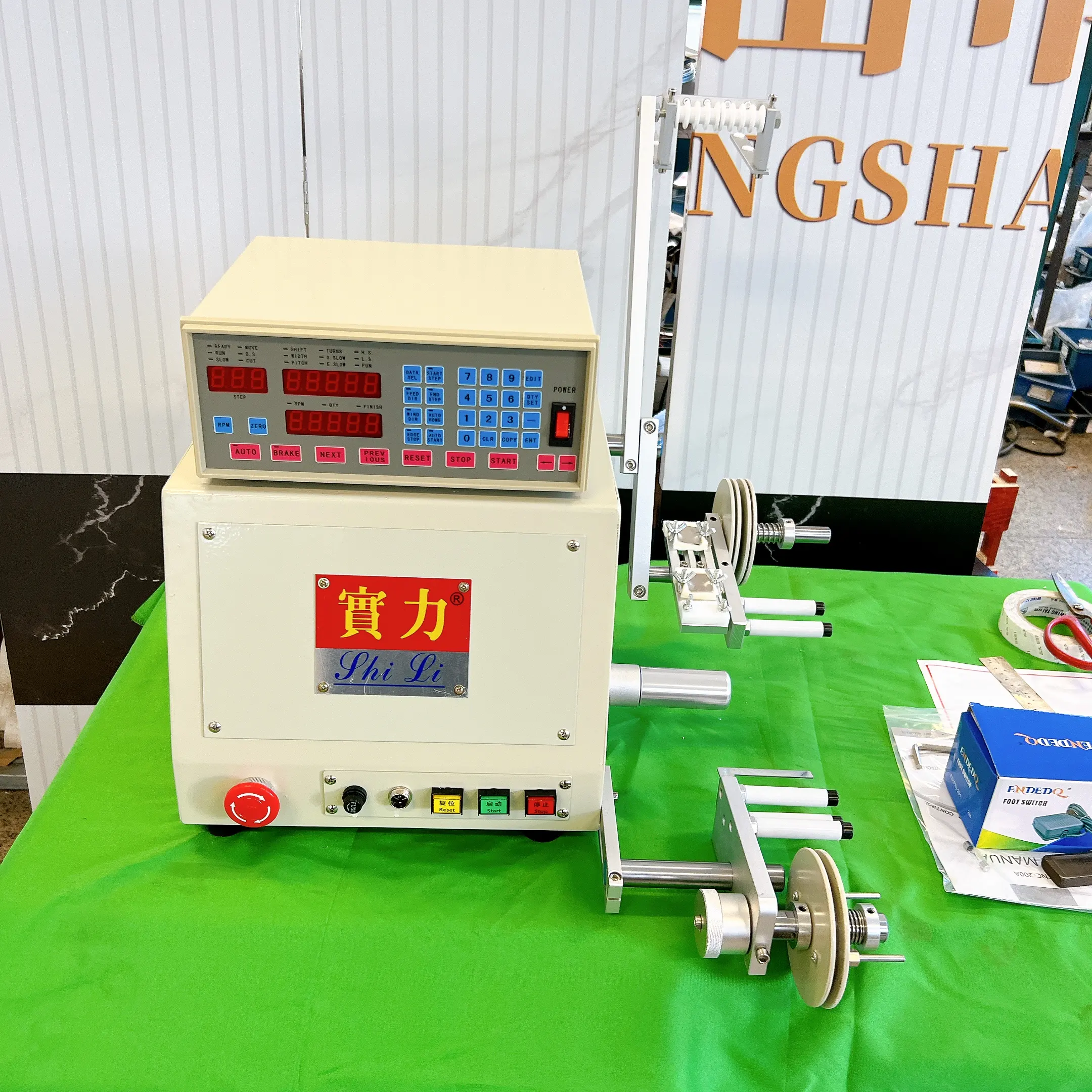
Sourcing the right coil winder requires careful evaluation of multiple technical and commercial factors that directly impact production efficiency, quality outcomes, and long-term operational costs. Industrial buyers must navigate complex specifications, performance parameters, and supplier capabilities to ensure their chosen coil winder meets both current production requirements and future scalability needs. The decision involves balancing precision requirements with throughput demands while considering factors such as wire gauge compatibility, winding speed capabilities, and integration potential with existing manufacturing systems.
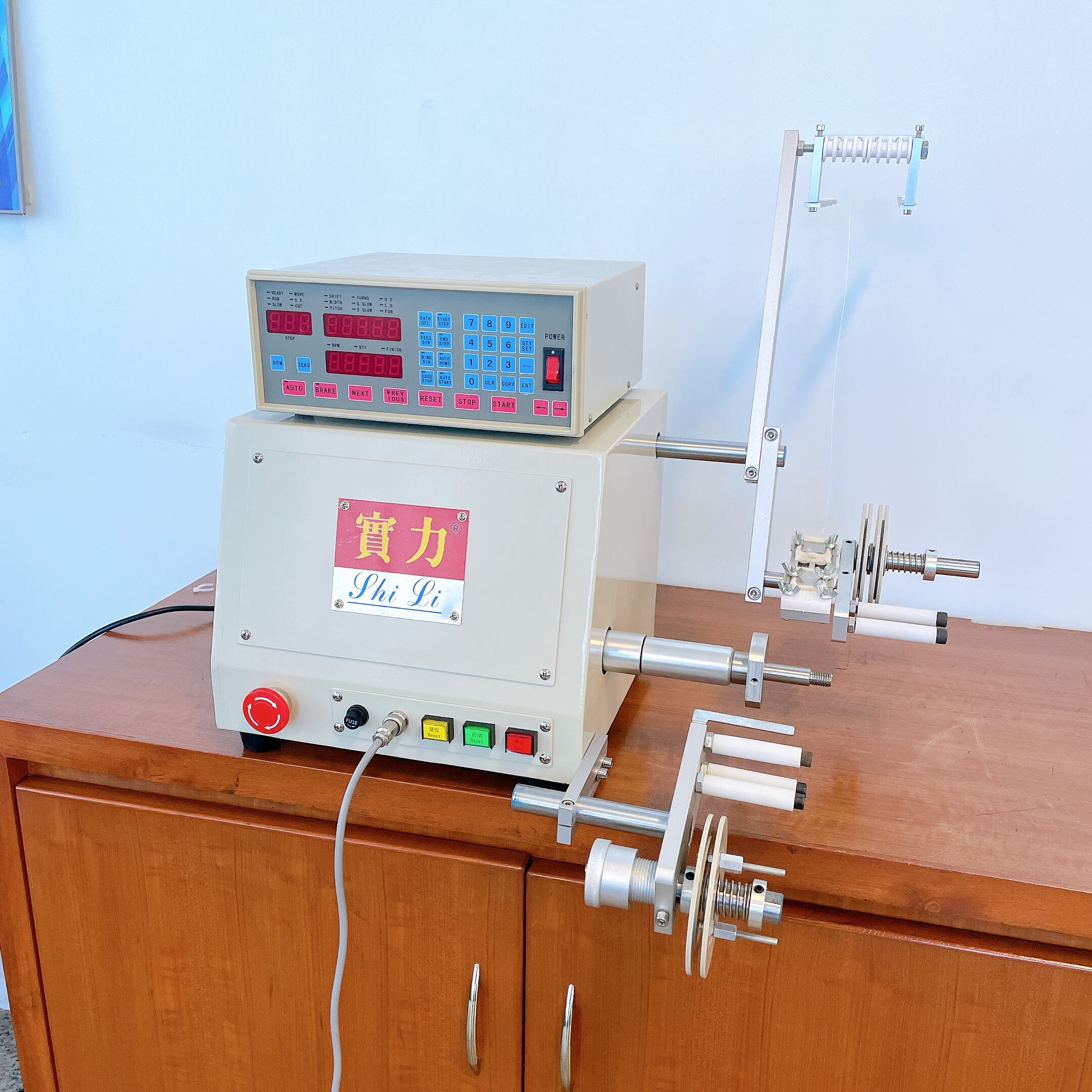
Successful coil winder procurement demands thorough understanding of machine specifications, supplier credentials, and total cost of ownership implications. Buyers who overlook critical evaluation criteria often face production delays, quality issues, or unexpected maintenance costs that significantly impact their return on investment. This comprehensive assessment framework helps procurement teams make informed decisions that align with their operational objectives and budget constraints.
Technical Specifications and Performance Parameters
Winding Speed and Precision Capabilities
The winding speed capability of a coil winder directly influences production throughput and overall manufacturing efficiency. High-performance units typically offer variable speed control ranging from 100 to 6000 RPM, allowing operators to optimize winding parameters for different wire gauges and coil geometries. Buyers should verify that the coil winder can maintain consistent tension control across the entire speed range, as variations in wire tension can result in uneven winding density and compromised coil performance.
Precision requirements vary significantly based on application demands, with some industries requiring positional accuracy within ±0.01mm for critical electromagnetic components. Advanced coil winder systems incorporate servo-controlled positioning mechanisms and real-time feedback systems to maintain tight tolerances throughout the winding process. Buyers should evaluate whether the machine's precision capabilities align with their quality standards and consider how tolerance stack-up might affect downstream assembly operations.
Temperature stability during high-speed operations represents another crucial performance parameter that affects both precision and production consistency. Quality coil winder systems incorporate thermal management features such as cooling systems for spindle motors and temperature monitoring for critical components. Buyers should assess the machine's thermal performance specifications and consider how ambient temperature variations might impact winding quality in their specific production environment.
Wire Gauge Compatibility and Handling Systems
Wire gauge compatibility determines the range of applications a coil winder can accommodate, making it essential for buyers to evaluate both current and anticipated future requirements. Most industrial coil winder units handle wire gauges from AWG 10 to AWG 44, though specialized applications may require extended ranges for heavy-duty or micro-winding operations. The wire feeding mechanism must provide consistent tension control across the entire gauge range while preventing wire breakage or stretching that could compromise coil electrical properties.
Wire handling systems encompass multiple components including payoff mechanisms, tension control devices, and wire guides that collectively ensure smooth material flow during winding operations. Advanced coil winder systems feature programmable tension control that automatically adjusts based on wire gauge and winding speed, reducing operator intervention and improving process consistency. Buyers should evaluate the wire path design to ensure minimal friction points and adequate support for delicate conductors such as Litz wire or ribbon conductors.
Multi-wire capability represents an important consideration for buyers producing complex coils with multiple conductors or those seeking to improve production efficiency through parallel winding operations. Some coil winder models accommodate up to eight simultaneous wire feeds with independent tension control for each conductor. This capability requires sophisticated control systems and precise mechanical coordination, making it essential for buyers to verify the supplier's experience with multi-wire applications and available technical support resources.
Machine Construction and Build Quality Assessment
Structural Integrity and Material Selection
The mechanical construction of a coil winder fundamentally determines its long-term reliability, precision retention, and maintenance requirements. High-quality machines typically feature heavy-duty cast iron or welded steel frames designed to minimize vibration and maintain dimensional stability under varying load conditions. Buyers should examine the base construction, looking for adequate ribbing, proper mounting provisions, and evidence of stress-relief procedures that indicate attention to structural engineering principles.
Critical rotating components such as spindles and guide mechanisms require precision bearings and proper lubrication systems to ensure extended service life and consistent performance. Premium coil winder systems utilize sealed ball bearings or air bearings for spindle assemblies, providing smooth rotation with minimal maintenance requirements. Buyers should inquire about bearing specifications, expected service intervals, and replacement procedures, as these components significantly influence both operational costs and machine downtime.
Surface treatments and protective coatings indicate the manufacturer's commitment to long-term durability and corrosion resistance. Quality coil winder systems feature properly prepared and finished surfaces with appropriate coatings for the intended operating environment. Industrial environments often expose machinery to coolants, cleaning solvents, and temperature variations that can accelerate corrosion if adequate protection is not provided. Buyers should evaluate the finish quality and inquire about recommended maintenance procedures for preserving the protective coatings.
Control System Architecture and User Interface
Modern coil winder control systems integrate multiple functions including motion control, process monitoring, and data logging within sophisticated software platforms. The control architecture should provide intuitive programming interfaces that allow operators to quickly set up new winding programs without extensive technical training. Advanced systems offer graphical programming environments with simulation capabilities that enable program verification before actual production runs, reducing setup time and material waste.
Connectivity options and data integration capabilities become increasingly important as manufacturers implement Industry 4.0 initiatives and digital manufacturing strategies. A capable coil winder should offer standard communication protocols such as Ethernet/IP, Modbus, or OPC-UA for integration with manufacturing execution systems and quality management databases. Buyers should evaluate the machine's ability to export production data, alarm histories, and performance metrics in formats compatible with their existing information systems.
Safety systems and compliance features represent critical evaluation criteria that affect both operator protection and regulatory compliance. Modern coil winder systems incorporate multiple safety interlocks, emergency stop circuits, and guarding systems that meet international safety standards. Buyers should verify that the proposed equipment complies with applicable safety regulations for their region and industry, including requirements for electrical safety, mechanical guarding, and operator training documentation.
Supplier Evaluation and Support Infrastructure
Manufacturing Experience and Technical Expertise
The supplier's manufacturing experience and technical expertise directly influence both equipment quality and ongoing support effectiveness. Established coil winder manufacturers typically possess decades of experience across multiple industries and applications, providing valuable insights into design optimization and reliability improvement. Buyers should evaluate the supplier's track record through customer references, case studies, and facility visits that demonstrate their manufacturing capabilities and quality control processes.
Technical expertise encompasses both mechanical engineering knowledge and understanding of electromagnetic principles that govern coil performance. Qualified suppliers maintain engineering teams with relevant educational backgrounds and practical experience in coil winding applications. This expertise becomes particularly important when buyers require custom modifications or specialized features that deviate from standard product offerings. Buyers should assess the supplier's ability to provide technical consultation during the specification development process and ongoing application support.
Quality management systems and manufacturing certifications provide objective evidence of the supplier's commitment to consistent quality and continuous improvement. ISO 9001 certification represents a minimum requirement for serious industrial suppliers, while additional certifications such as ISO 14001 or industry-specific standards may be relevant for certain applications. Buyers should request documentation of the supplier's quality management system and inquire about specific quality control procedures applied to coil winder manufacturing.
Service Network and Technical Support Capabilities
Comprehensive service support becomes critical for maintaining production continuity and maximizing equipment return on investment throughout the coil winder's operational life. Buyers should evaluate the supplier's service network coverage, including local service technician availability, spare parts inventory, and emergency support procedures. Geographic proximity of service resources can significantly impact response times and service costs, particularly for complex troubleshooting or major repairs.
Training programs and technical documentation quality directly influence operator proficiency and maintenance effectiveness. Professional suppliers provide comprehensive training programs covering machine operation, routine maintenance, and basic troubleshooting procedures. The training should include both theoretical background and hands-on practice with actual equipment, ensuring operators understand both proper operating procedures and the underlying principles that govern coil winder performance.
Spare parts availability and pricing transparency help buyers plan maintenance budgets and minimize unplanned downtime risks. Reputable coil winder suppliers maintain comprehensive spare parts inventories and provide detailed parts catalogs with transparent pricing information. Long-term parts availability guarantees protect buyers' investments by ensuring continued supportability throughout the equipment's expected service life, typically 15-20 years for industrial coil winding equipment.
Total Cost of Ownership Analysis
Initial Investment and Financing Considerations
The initial purchase price of a coil winder represents only one component of the total cost equation, though it often receives disproportionate attention during the procurement process. Comprehensive cost analysis must consider factors such as installation requirements, operator training, tooling needs, and integration costs that can add 20-30% to the base equipment price. Buyers should request detailed quotations that clearly separate equipment costs from auxiliary expenses to facilitate accurate budget planning and cost comparisons.
Financing options and payment terms can significantly impact cash flow and project economics, particularly for capital-intensive coil winder installations. Many suppliers offer lease programs, extended payment terms, or equipment financing partnerships that help buyers manage capital requirements while maintaining operational flexibility. These arrangements often include maintenance contracts or upgrade provisions that can enhance the overall value proposition while reducing financial risk.
Installation and commissioning costs vary widely based on facility requirements, utility connections, and integration complexity. Simple coil winder installations may require only basic electrical connections and operator training, while complex automated systems might involve extensive facility modifications, custom software development, and extended commissioning periods. Buyers should obtain detailed installation estimates and establish clear responsibility boundaries between their organization and the equipment supplier.
Operating Costs and Maintenance Requirements
Energy consumption represents a significant ongoing cost factor that varies considerably among different coil winder designs and operating patterns. High-efficiency servo motors, optimized control algorithms, and intelligent power management features can reduce energy consumption by 20-40% compared to conventional systems. Buyers should evaluate energy specifications under realistic operating conditions and consider local utility rates when calculating long-term operating costs.
Routine maintenance requirements directly impact both direct maintenance costs and production availability. Well-designed coil winder systems incorporate accessible maintenance points, automatic lubrication systems, and predictive maintenance features that minimize service requirements and extend component life. Buyers should review recommended maintenance schedules and estimate the internal labor requirements for routine service tasks, as this can represent a significant cost factor over the equipment's operational life.
Consumable materials and replacement parts represent ongoing cost factors that accumulate significantly over the coil winder's service life. These costs include items such as wire guides, tension devices, cutting tools, and electronic components that require periodic replacement. Suppliers should provide transparent pricing for consumable items and realistic service life estimates based on typical operating conditions. Volume purchasing agreements or maintenance contracts may offer cost advantages for high-utilization installations.
FAQ
What wire gauge range should I expect from a quality coil winder?
Most industrial coil winder systems accommodate wire gauges from AWG 10 (2.6mm diameter) to AWG 44 (0.05mm diameter), though this range varies based on machine design and intended applications. Heavy-duty units may handle larger conductors up to AWG 4, while precision micro-winding machines might extend the fine wire capability to AWG 50 or smaller. The key consideration is ensuring consistent tension control and handling across your required gauge range, as some machines optimize for specific wire size ranges rather than providing uniform performance across the entire spectrum.
How important is the control system when selecting a coil winder?
The control system represents the intelligence of your coil winder and directly impacts productivity, quality consistency, and operator efficiency. Modern systems should offer intuitive programming interfaces, real-time process monitoring, and data logging capabilities that support quality control and process optimization efforts. Advanced features such as automatic wire break detection, adaptive tension control, and integration with manufacturing execution systems can significantly reduce setup time and improve overall equipment effectiveness, making the control system investment worthwhile for most industrial applications.
What supplier qualifications should I prioritize during coil winder procurement?
Focus on suppliers with demonstrated experience in your specific industry or application area, as coil winding requirements vary significantly across automotive, aerospace, medical, and electronics markets. Essential qualifications include ISO 9001 certification, comprehensive service network coverage in your region, and technical support capabilities that match your internal expertise level. Request customer references from similar applications and evaluate the supplier's financial stability to ensure long-term parts availability and service support throughout your equipment's operational life.
How do I determine the appropriate winding speed capability for my application?
Optimal winding speed depends on multiple factors including wire gauge, coil geometry, precision requirements, and production volume targets. Fine wires typically require slower speeds to maintain tension control and prevent breakage, while larger conductors can accommodate higher speeds for improved throughput. Most applications benefit from variable speed capability ranging from 200-4000 RPM, allowing optimization for different products and quality requirements. Consider your most demanding applications when specifying speed requirements, and ensure the coil winder maintains precision and tension control throughout the entire speed range.