Power Transformer Coil Winding Machine - Advanced Manufacturing Solutions for Electrical Industry

Get a Free Quote

Our representative will contact you soon.
Email
Name
Company Name
Message
0/1000

power transformer coil winding machine

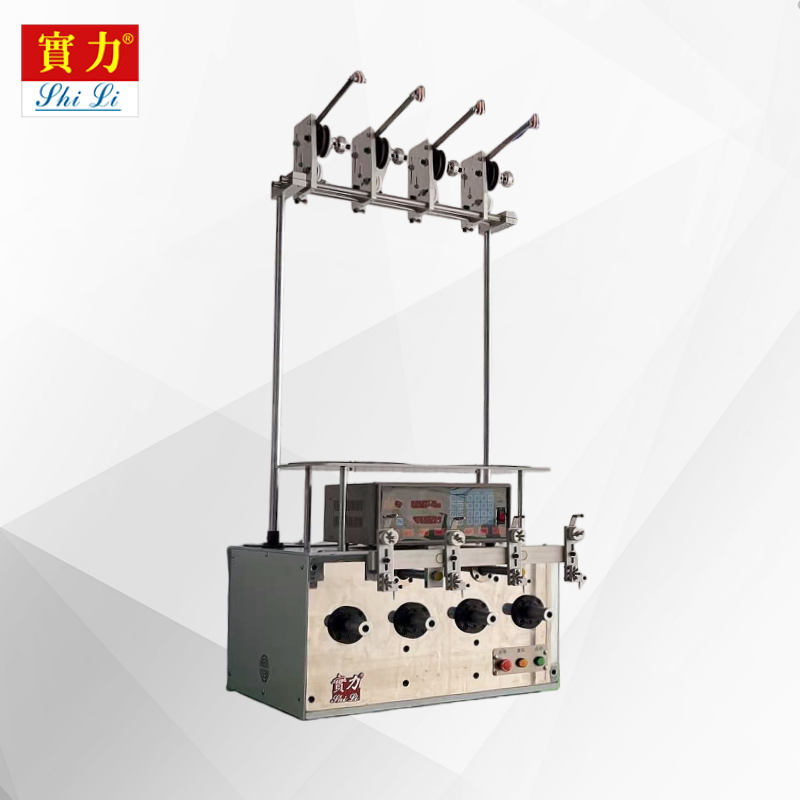
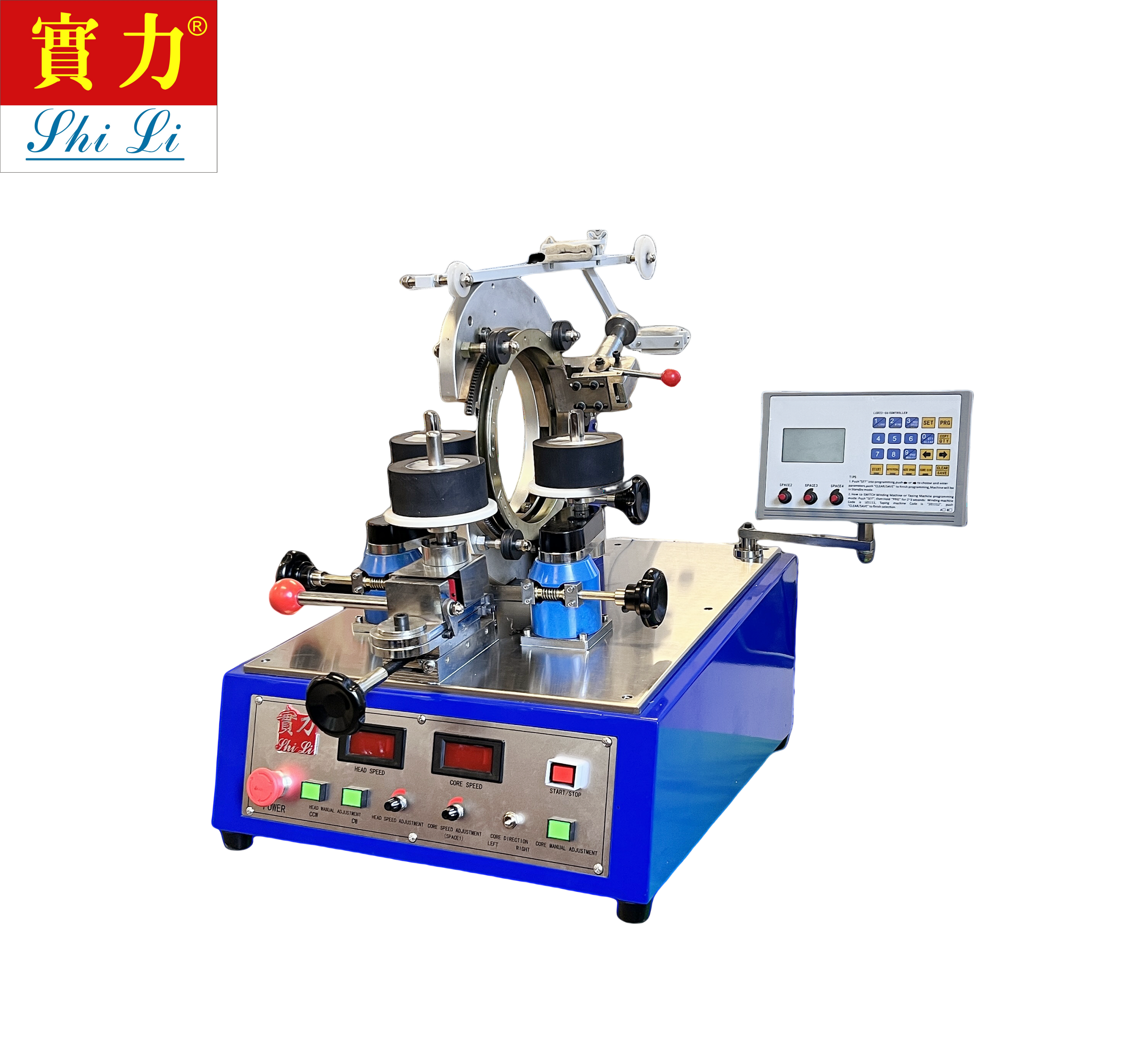
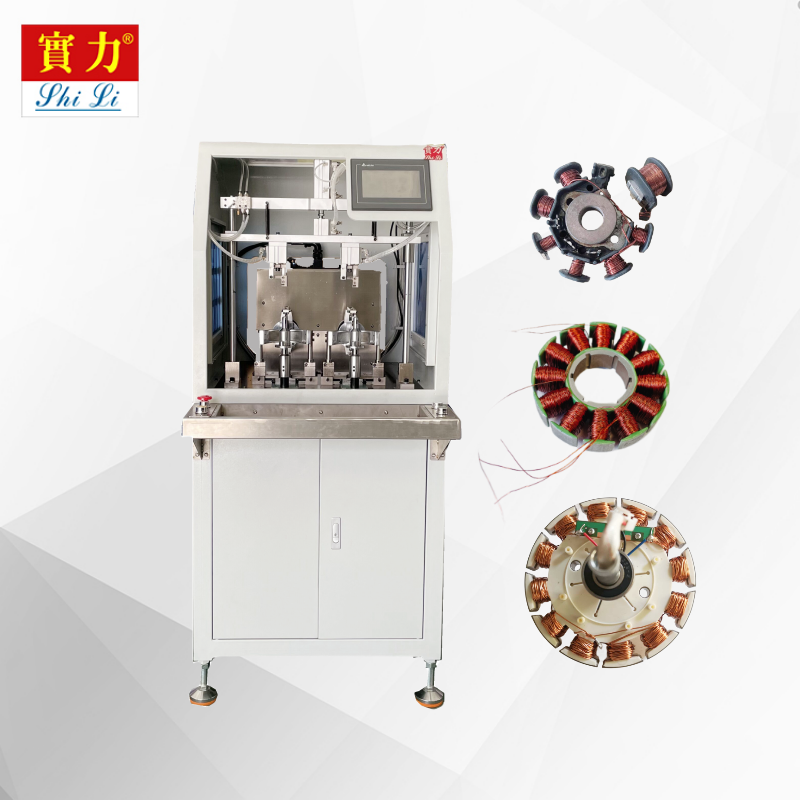
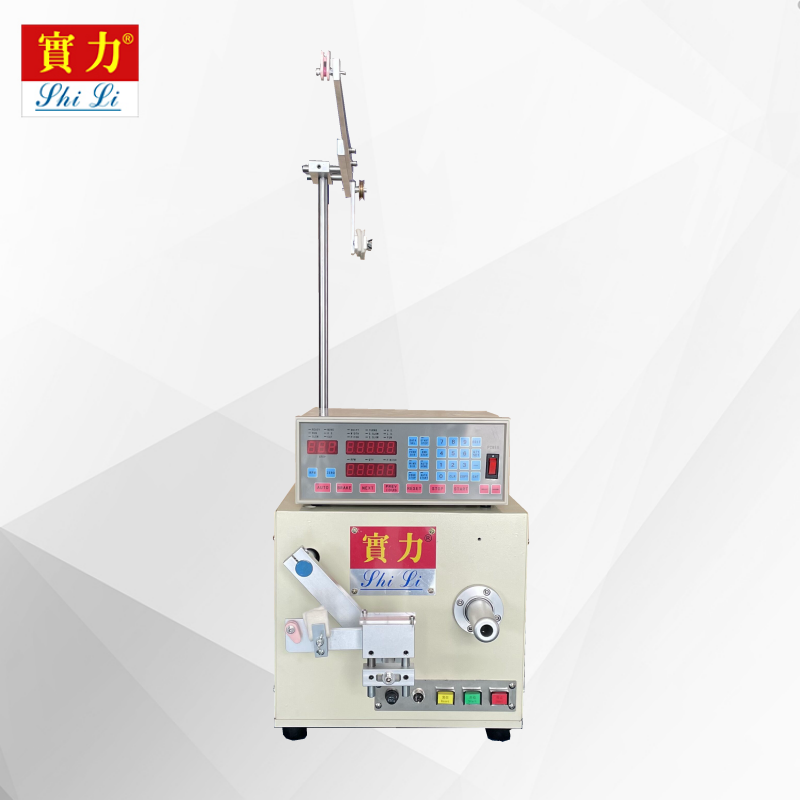
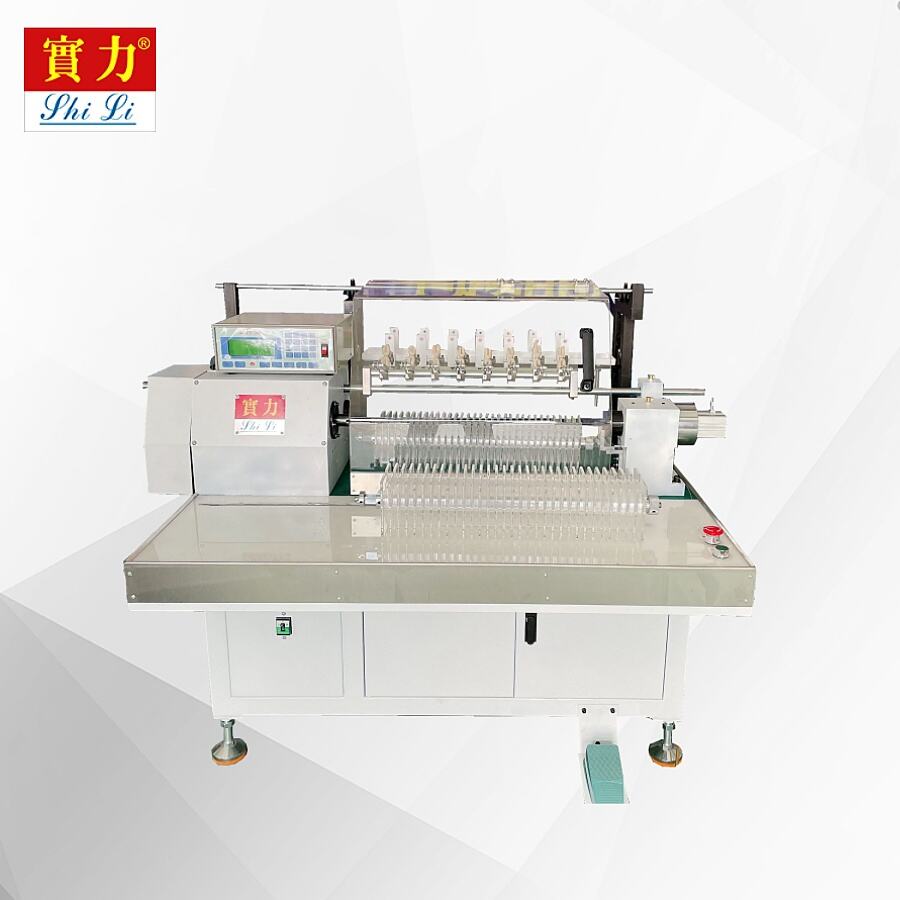
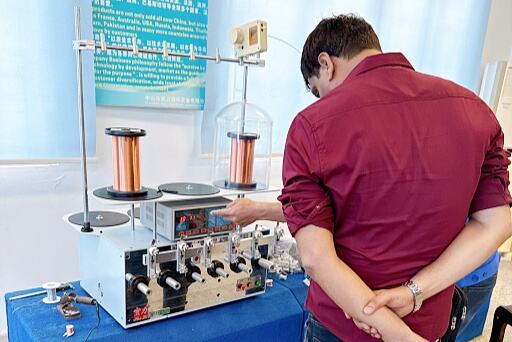
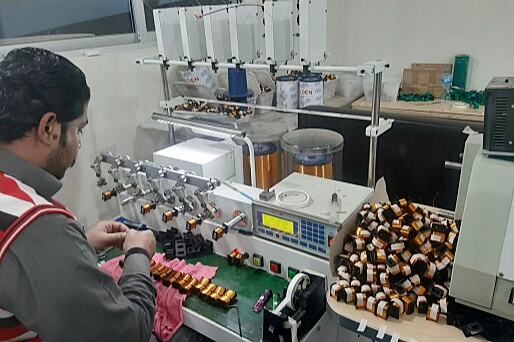
The power transformer coil winding machine represents a cornerstone technology in electrical equipment manufacturing, specifically designed to automate the complex process of winding copper or aluminum conductors around transformer cores. This sophisticated machinery plays a crucial role in producing high-quality power transformers that distribute electricity across electrical grids worldwide. The primary function of a power transformer coil winding machine involves precisely winding conductive materials in predetermined patterns to create primary and secondary coils with exact specifications. Modern power transformer coil winding machines incorporate advanced control systems that ensure consistent tension, accurate layer placement, and optimal insulation positioning throughout the winding process. These machines feature programmable logic controllers that allow operators to input specific winding parameters, including wire gauge, turn count, layer configuration, and tension settings. The technological features of contemporary power transformer coil winding machines include servo-driven motors for precise positioning, automatic wire feeding systems, tension control mechanisms, and integrated safety protocols. Many models incorporate real-time monitoring capabilities that track winding progress, detect irregularities, and maintain quality standards throughout production cycles. The applications of power transformer coil winding machines extend across various sectors of the electrical industry, from utility-scale power distribution transformers to specialized industrial transformers. Manufacturing facilities utilize these machines to produce transformers ranging from small distribution units to massive power station transformers. The versatility of modern power transformer coil winding machines enables production of different transformer types, including step-up transformers, step-down transformers, and isolation transformers. Quality assurance features built into these machines help manufacturers meet stringent electrical standards and regulatory requirements, ensuring that finished transformers perform reliably in critical infrastructure applications.
Popular Products

Power transformer coil winding machines deliver substantial operational benefits that directly impact manufacturing efficiency and product quality. These machines eliminate manual winding processes, reducing labor costs while increasing production speed and consistency. Automated winding ensures uniform tension distribution across all conductor layers, resulting in transformers with superior electrical performance and extended service life. The precision control systems in power transformer coil winding machines minimize material waste by accurately calculating wire requirements and preventing over-winding or under-winding scenarios. This optimization reduces raw material costs and improves profit margins for transformer manufacturers. Quality consistency represents another significant advantage, as power transformer coil winding machines produce identical coils batch after batch, eliminating variations that occur with manual winding methods. This consistency translates to predictable transformer performance and reduced warranty claims. The programmable nature of these machines allows manufacturers to quickly switch between different transformer specifications without extensive setup time or specialized training. This flexibility enables efficient production of custom transformers and small batch orders while maintaining cost-effectiveness. Safety improvements constitute a major benefit, as power transformer coil winding machines reduce worker exposure to repetitive motion injuries and hazardous materials handling. Automated systems incorporate safety interlocks and emergency stops that protect operators from machinery-related accidents. The data collection capabilities of modern power transformer coil winding machines provide valuable production insights, enabling manufacturers to optimize processes, track quality metrics, and implement predictive maintenance schedules. These machines often feature remote monitoring capabilities, allowing supervisors to oversee multiple production lines simultaneously and respond quickly to any issues. Energy efficiency represents another advantage, as automated systems optimize motor operation and reduce overall power consumption compared to manual alternatives. The integration capabilities of power transformer coil winding machines with existing manufacturing execution systems streamline production workflows and improve inventory management. Long-term reliability of these machines ensures consistent operation over many years, providing excellent return on investment for transformer manufacturers.

Practical Tips

Solve Solenoid Valve Coil Production Pain Points for India | Easy Operation Guide

05

Feb

Solve Solenoid Valve Coil Production Pain Points for India | Easy Operation Guide

View More
Bangladesh Client Raves: Efficiency + Stable Quality

05

Feb

Bangladesh Client Raves: Efficiency + Stable Quality

View More
Turkey Full Container Shipment: Rave Reviews & Repeat Orders

05

Feb

Turkey Full Container Shipment: Rave Reviews & Repeat Orders

View More

Get a Free Quote

Our representative will contact you soon.
Email
Name
Company Name
Message
0/1000

power transformer coil winding machine

Advanced Precision Control Technology

Advanced Precision Control Technology

The precision control technology integrated into modern power transformer coil winding machines represents a revolutionary advancement in transformer manufacturing. This sophisticated system combines servo-driven motors, high-resolution encoders, and real-time feedback mechanisms to achieve unprecedented accuracy in coil winding operations. The control system monitors wire tension continuously throughout the winding process, automatically adjusting to maintain optimal levels that prevent conductor damage while ensuring proper coil formation. This precision extends to layer positioning, where the machine calculates exact wire placement to maximize space utilization and minimize electrical losses. The programmable logic controller allows operators to input complex winding patterns with mathematical precision, accommodating various transformer designs from simple single-layer coils to intricate multi-layer configurations with precise tap positions. Temperature monitoring systems track conductor and core temperatures during winding, preventing overheating that could damage insulation materials or affect wire properties. The precision control technology also manages wire feeding rates, ensuring consistent material flow without stretching or kinking that could compromise electrical performance. Advanced algorithms calculate optimal winding speeds based on wire gauge, core geometry, and insulation requirements, maximizing productivity while maintaining quality standards. Error detection capabilities identify deviations from programmed parameters immediately, allowing for real-time corrections that prevent defective coils from completion. This technology significantly reduces scrap rates and rework requirements, directly improving manufacturing efficiency and cost-effectiveness. The user-friendly interface simplifies operation while providing comprehensive monitoring data, enabling operators to track production metrics and identify optimization opportunities. Integration with quality management systems ensures complete traceability of winding parameters, supporting regulatory compliance and quality certification requirements essential in the power transmission industry.
Versatile Multi-Configuration Capability

Versatile Multi-Configuration Capability

The versatile multi-configuration capability of power transformer coil winding machines enables manufacturers to produce diverse transformer types using a single piece of equipment, maximizing capital investment efficiency. This adaptability stems from modular design principles that allow rapid reconfiguration for different coil geometries, wire gauges, and winding patterns without extensive downtime or specialized tooling. The machine accommodates various core shapes including rectangular, circular, and custom geometries through adjustable mandrels and support systems. Quick-change mechanisms enable operators to switch between different wire sizes ranging from fine magnet wire to heavy-duty conductors used in high-power applications. The programming interface supports storage of multiple winding recipes, allowing instant recall of parameters for frequently produced transformer models. This capability proves particularly valuable for manufacturers serving diverse markets requiring different transformer specifications, from residential distribution transformers to industrial power units. The machine handles both copper and aluminum conductors with appropriate tension adjustments and feeding mechanisms tailored to each material's characteristics. Variable speed control accommodates different winding requirements, from high-speed production of standard coils to careful slow-speed winding of delicate high-voltage insulation systems. Automatic tool changing systems further enhance versatility by selecting appropriate wire guides, tensioning devices, and forming tools based on programmed specifications. The multi-configuration capability extends to insulation handling, with systems designed to manage various insulation materials including paper, polymer films, and composite materials. This flexibility enables production of transformers meeting different environmental and performance standards without equipment limitations. The ability to produce prototype transformers and small production runs using the same equipment used for high-volume manufacturing provides exceptional value for research and development activities. This versatility reduces the need for multiple specialized machines, lowering capital costs while increasing production floor efficiency and simplifying maintenance requirements.
Intelligent Quality Monitoring System

Intelligent Quality Monitoring System

The intelligent quality monitoring system integrated into advanced power transformer coil winding machines provides real-time assessment and control of critical quality parameters throughout the manufacturing process. This comprehensive monitoring capability utilizes multiple sensors and analytical algorithms to evaluate coil quality continuously, identifying potential issues before they result in defective products. The system monitors wire tension across all winding layers, detecting variations that could indicate wire defects, improper feeding, or mechanical problems that affect coil integrity. Dimensional measurement systems track coil build-up and verify conformance to specified tolerances, ensuring proper fit within transformer assemblies and optimal electrical performance. Insulation monitoring capabilities detect gaps, overlaps, or damage in insulation materials that could compromise transformer reliability or safety. The intelligent system maintains detailed records of all quality metrics, creating a comprehensive quality history for each coil that supports traceability requirements and facilitates continuous improvement initiatives. Statistical process control algorithms analyze quality trends over time, identifying drift patterns that indicate the need for preventive maintenance or process adjustments. The monitoring system interfaces with upstream and downstream manufacturing processes, sharing quality data that enables holistic production optimization. Automated reject systems immediately segregate coils that fail to meet quality criteria, preventing defective components from advancing through subsequent manufacturing stages. The quality monitoring system generates detailed reports that support quality certification processes and customer audits, demonstrating compliance with industry standards and specifications. Machine learning capabilities enable the system to recognize quality patterns and optimize monitoring parameters based on historical data and production experience. Real-time alerts notify operators of quality deviations immediately, enabling rapid corrective action that minimizes scrap generation and maintains production schedules. The integration of quality monitoring with process control systems creates a closed-loop system that automatically adjusts winding parameters to maintain optimal quality levels. This intelligent approach to quality management significantly reduces inspection requirements while improving overall product reliability and customer satisfaction.

Get a Free Quote

Our representative will contact you soon.
Email
Name
Company Name
Message
0/1000
Newsletter
Please Leave A Message With Us