Professional Motor Winding Machines - Advanced Automated Winding Solutions for Electric Motor Manufacturing

Get a Free Quote

Our representative will contact you soon.
Email
Name
Company Name
Message
0/1000

motor winding machine

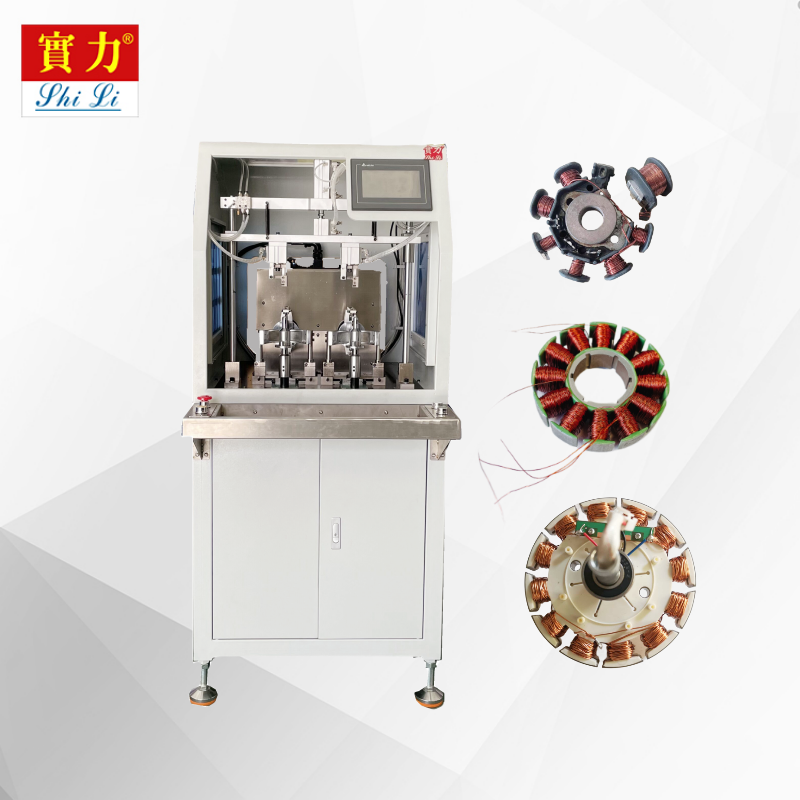
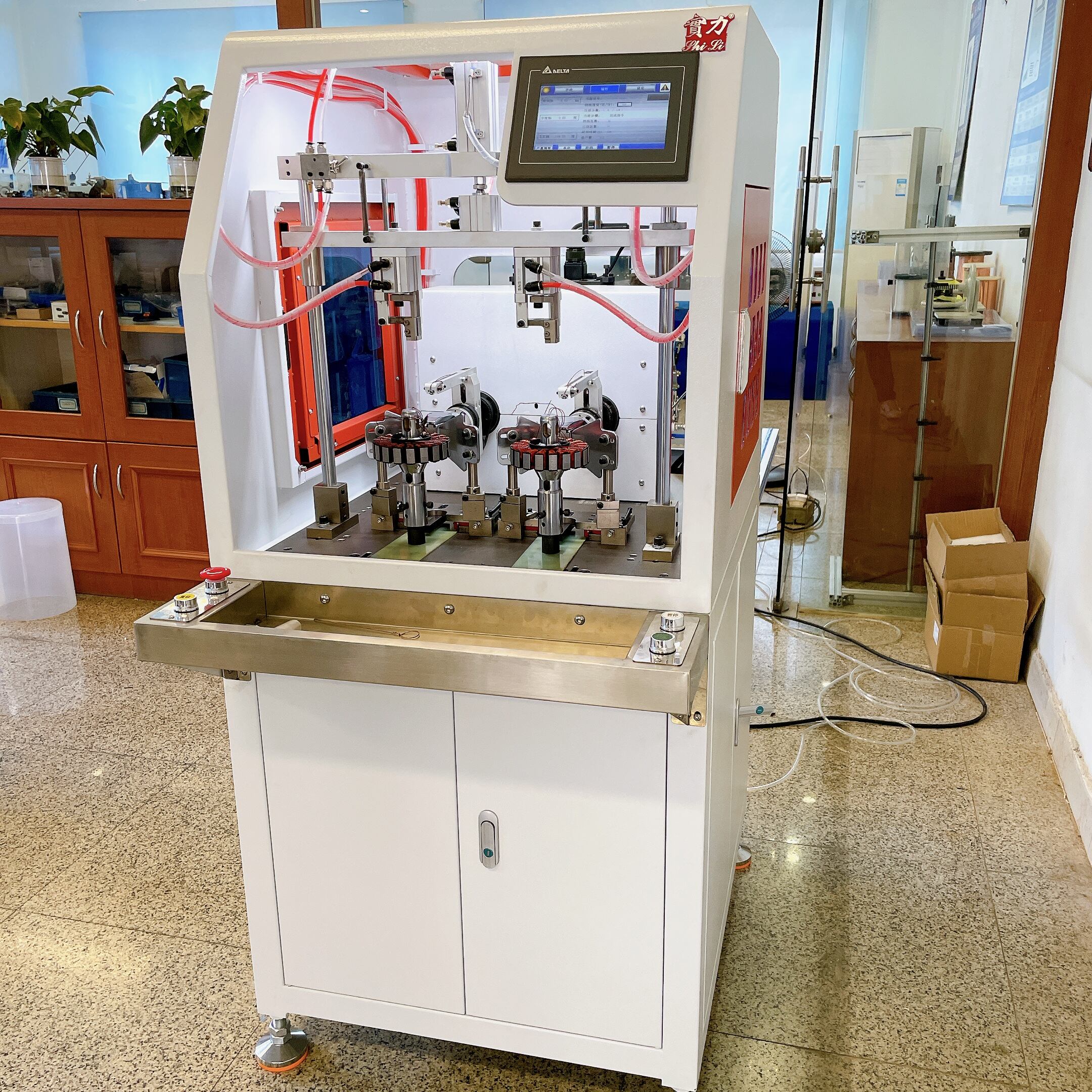
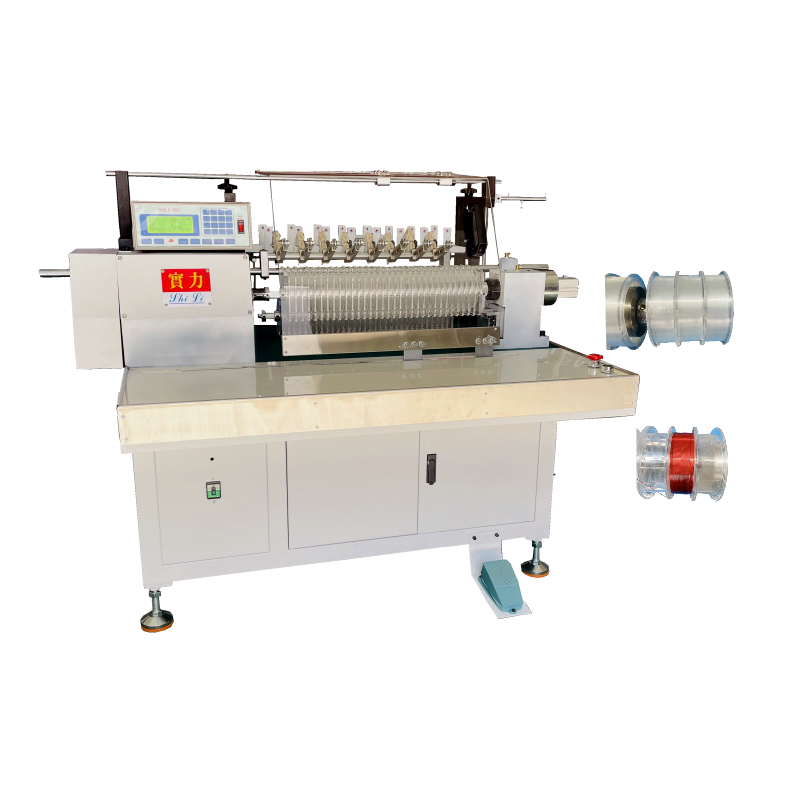
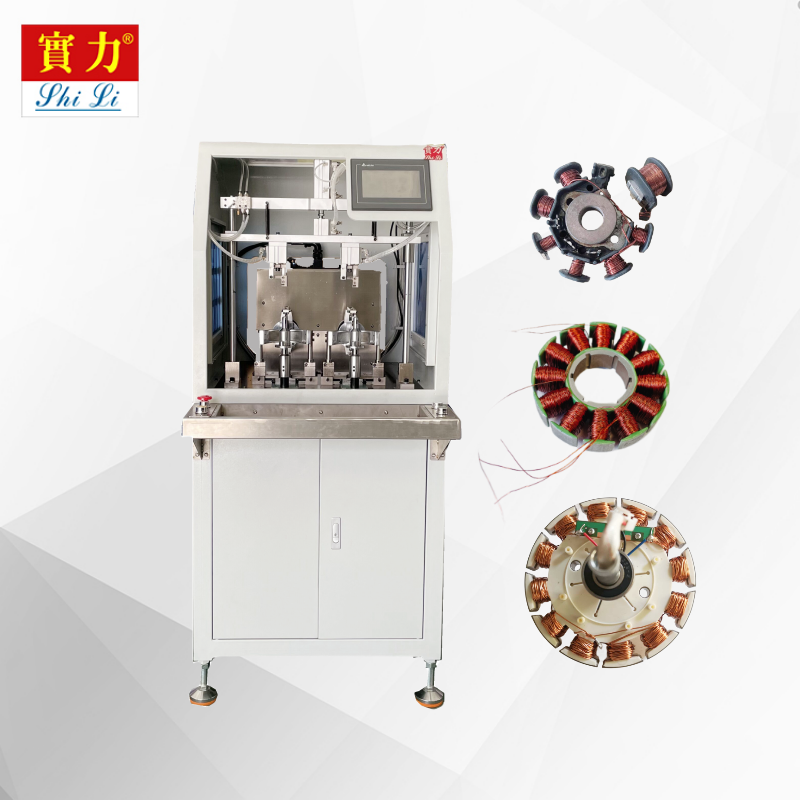
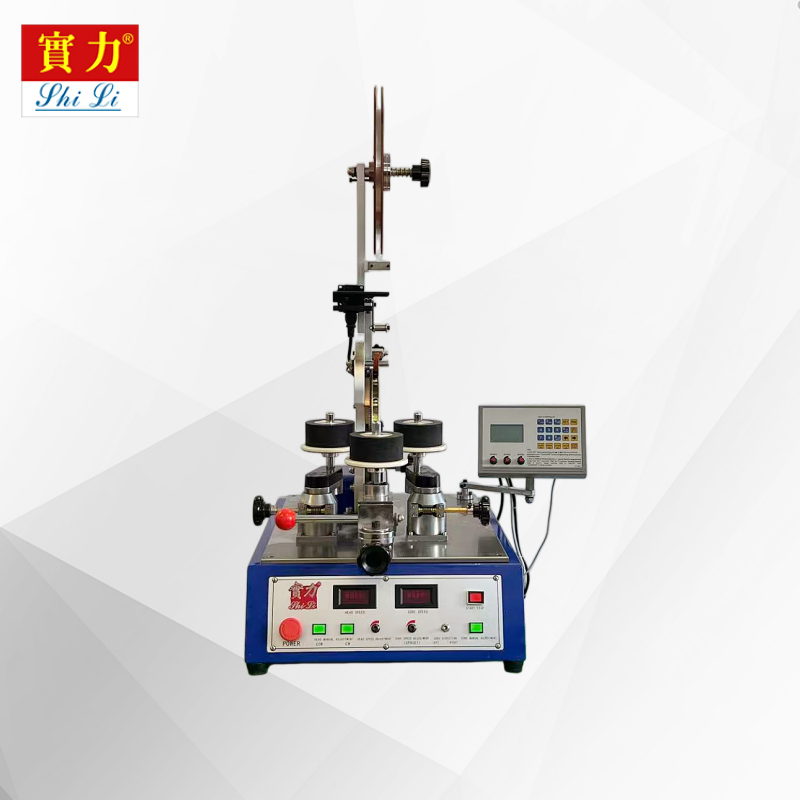
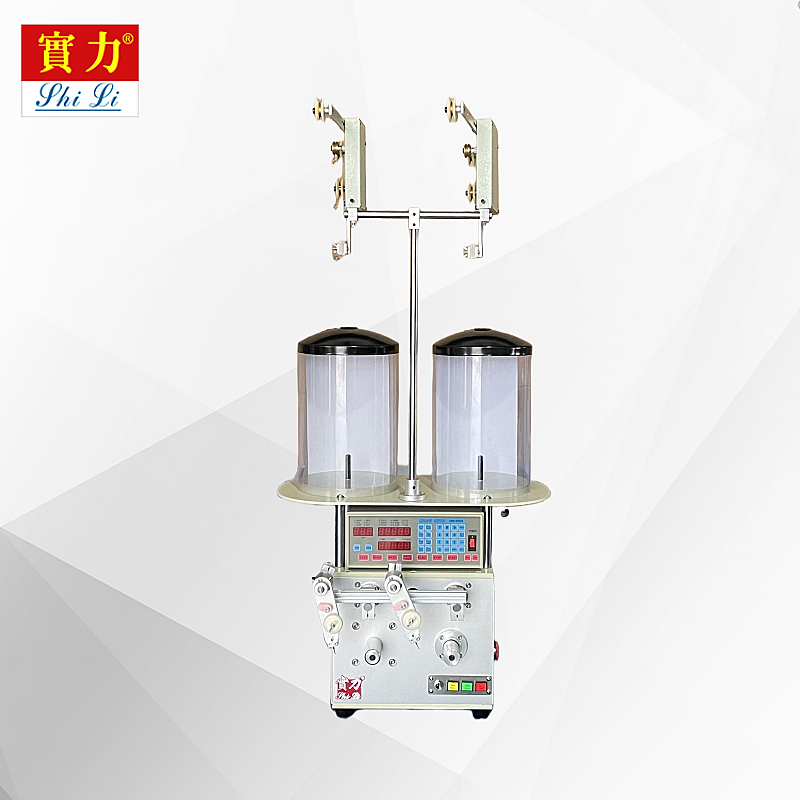
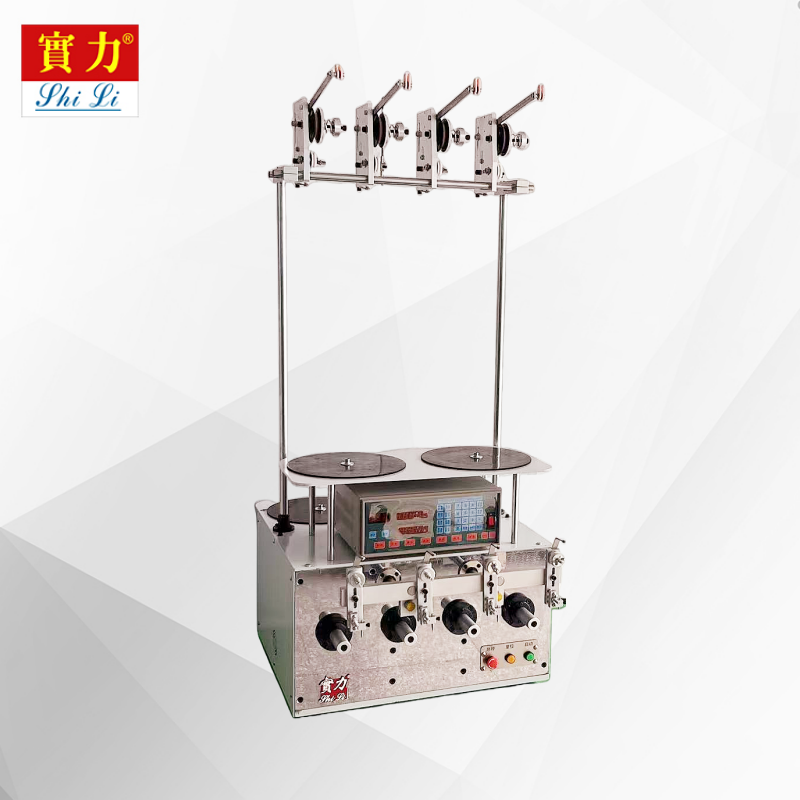
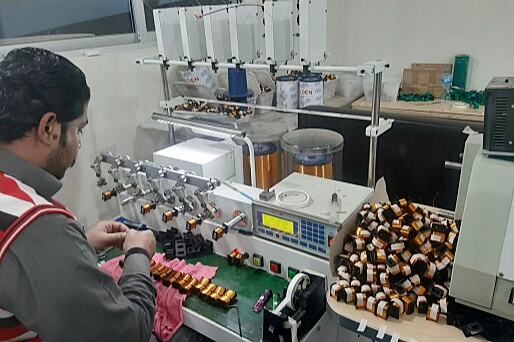
A motor winding machine represents a specialized piece of industrial equipment designed to automate the complex process of wrapping copper wire around motor stators and rotors with remarkable precision. This sophisticated machinery revolutionizes electric motor manufacturing by eliminating manual winding processes that were traditionally time-consuming and prone to human error. The motor winding machine operates through advanced servo-controlled systems that ensure consistent wire tension, accurate layer placement, and optimal coil formation across various motor types and specifications. These machines accommodate diverse motor configurations, from single-phase household appliances to three-phase industrial motors, adapting their winding patterns according to programmed specifications. The technological backbone of modern motor winding machines incorporates computer numerical control systems that store multiple winding recipes, enabling seamless transitions between different motor models without extensive reconfiguration. Advanced sensors monitor wire tension, detect breaks, and verify proper insulation placement throughout the winding process. The machines feature precision-engineered components including high-resolution encoders, servo motors, and programmable logic controllers that work in harmony to achieve winding accuracies within thousandths of an inch. Temperature monitoring systems prevent wire overheating during high-speed operations, while integrated safety mechanisms protect operators and maintain consistent product quality. Motor winding machines find extensive applications across automotive manufacturing for electric vehicle motors, appliance production for household items like washing machines and refrigerators, and industrial equipment manufacturing where reliable motor performance is critical. The versatility of these machines extends to repair facilities where damaged motor windings require replacement, making them invaluable assets for both original equipment manufacturers and service centers. Modern motor winding machines can handle wire gauges ranging from fine magnet wire to heavy-duty conductors, accommodating slot configurations from simple two-pole arrangements to complex multi-pole designs used in specialized applications.

New Product Recommendations

Motor winding machines deliver substantial productivity improvements by automating labor-intensive processes that previously required skilled technicians working for hours on single units. These machines complete complex winding operations in minutes rather than hours, dramatically reducing production time while maintaining superior consistency across all manufactured units. The precision achieved through automated systems eliminates common manual errors such as uneven wire distribution, incorrect turn counts, and improper insulation placement that could lead to motor failures. Quality control becomes inherently built into the manufacturing process as motor winding machines execute identical operations repeatedly, ensuring every motor meets exact specifications without variation. Cost savings accumulate through reduced labor requirements, as one operator can manage multiple machines simultaneously, significantly lowering per-unit production costs while increasing overall facility output. The machines minimize material waste by calculating exact wire lengths needed for each application, preventing the overuse of expensive copper conductors that often occurs with manual winding methods. Consistency in wire tension prevents loose windings that could cause vibration and premature failure while avoiding excessive tension that might damage delicate insulation materials. Motor winding machines accommodate rapid product changeovers through programmable settings that store winding parameters for different motor types, eliminating lengthy setup procedures and reducing downtime between production runs. The integrated monitoring systems provide real-time feedback on winding quality, immediately alerting operators to potential issues before they result in defective products. Workplace safety improves significantly as motor winding machines reduce operator exposure to repetitive strain injuries common in manual winding operations while incorporating safety guards and emergency stops to prevent accidents. The machines operate reliably in demanding industrial environments, featuring robust construction that withstands continuous operation while requiring minimal maintenance interventions. Return on investment typically occurs within the first year of operation through combined savings in labor costs, reduced scrap rates, and increased production capacity that enables manufacturers to meet growing demand without proportional increases in workforce requirements.

Latest News

Solve Solenoid Valve Coil Production Pain Points for India | Easy Operation Guide

05

Feb

Solve Solenoid Valve Coil Production Pain Points for India | Easy Operation Guide

View More
Bangladesh Client Raves: Efficiency + Stable Quality

05

Feb

Bangladesh Client Raves: Efficiency + Stable Quality

View More
Turkey Full Container Shipment: Rave Reviews & Repeat Orders

05

Feb

Turkey Full Container Shipment: Rave Reviews & Repeat Orders

View More

Get a Free Quote

Our representative will contact you soon.
Email
Name
Company Name
Message
0/1000

motor winding machine

Advanced Programmable Control System

Advanced Programmable Control System

The sophisticated programmable control system represents the technological heart of modern motor winding machines, incorporating state-of-the-art software that transforms complex winding operations into precise, repeatable processes. This intelligent control system utilizes advanced algorithms to calculate optimal winding patterns based on motor specifications, wire gauge, and performance requirements, ensuring consistent results across thousands of production cycles. The user-friendly interface allows operators to input motor parameters through intuitive touchscreen displays, with the system automatically generating winding sequences that maximize motor efficiency while minimizing production time. Multiple recipe storage capabilities enable manufacturers to maintain libraries of winding programs for different motor types, facilitating rapid changeovers between product lines without manual recalculation of winding parameters. The control system continuously monitors critical variables including wire tension, winding speed, and layer progression, making real-time adjustments to maintain optimal conditions throughout the entire winding process. Advanced diagnostic capabilities provide detailed feedback on machine performance, identifying potential issues before they impact production quality or cause equipment damage. The system incorporates sophisticated safety protocols that automatically halt operations when irregularities are detected, preventing defective products from advancing through the manufacturing process. Integration capabilities allow the motor winding machine to communicate with factory management systems, providing production data and quality metrics that support continuous improvement initiatives. The programmable nature of the control system accommodates custom winding patterns for specialized applications, enabling manufacturers to develop unique motor designs that meet specific performance criteria. Remote monitoring capabilities allow technical support teams to diagnose issues and provide assistance without on-site visits, minimizing downtime and ensuring optimal machine performance. The control system's learning algorithms can optimize winding parameters based on historical performance data, continuously improving efficiency and quality metrics over extended production runs.

Precision Wire Handling and Tension Control

Precision Wire Handling and Tension Control

The precision wire handling and tension control system distinguishes professional motor winding machines from basic equipment, delivering the consistent wire placement essential for high-performance electric motors. This sophisticated system employs multiple tension sensors strategically positioned throughout the wire path to monitor and maintain optimal tension levels that prevent wire stretching while ensuring proper conductor placement within motor slots. Advanced servo-controlled tensioning devices respond instantaneously to variations in wire feed rates, maintaining consistent tension regardless of winding speed changes or directional transitions during complex winding patterns. The wire handling mechanism incorporates precision guides and rollers manufactured to aerospace tolerances, ensuring smooth wire flow while preventing damage to delicate insulation coatings that protect against electrical failures. Multiple wire feeding capabilities enable simultaneous handling of different wire gauges or multiple strands, accommodating complex motor designs that require parallel winding configurations for enhanced performance characteristics. The system's ability to maintain precise wire positioning prevents overlapping issues that could create hot spots or uneven magnetic fields in finished motors, directly contributing to improved motor efficiency and extended operational life. Automatic wire break detection immediately halts operations when continuity is lost, preventing incomplete windings that would require costly rework or result in defective products. The tension control system adapts to different wire materials, accommodating both traditional copper conductors and specialized alloys used in high-temperature or corrosive environment applications. Wire path optimization features minimize unnecessary direction changes and sharp bends that could stress conductors or damage insulation, ensuring wire integrity throughout the winding process. The system maintains detailed logs of tension parameters and wire usage, providing valuable data for quality control analysis and process optimization initiatives. Advanced wire end management capabilities ensure proper wire termination and secure connections, eliminating loose ends that could cause short circuits or reduce motor reliability in demanding applications.
Versatile Motor Compatibility and Customization

Versatile Motor Compatibility and Customization

The exceptional versatility and customization capabilities of modern motor winding machines enable manufacturers to address diverse market demands while maintaining production efficiency across multiple product lines. These machines accommodate an extensive range of motor sizes from miniature precision motors used in medical devices to large industrial motors powering heavy machinery, adapting their winding mechanisms through modular tooling systems that can be quickly reconfigured for different applications. The flexible architecture supports various motor geometries including round stators, segmented cores, and specialized shapes required for specific applications, ensuring manufacturers can pursue diverse market opportunities without investing in multiple specialized machines. Customizable winding patterns enable the production of motors optimized for specific performance characteristics such as high torque, energy efficiency, or compact design, allowing manufacturers to differentiate their products in competitive markets. The motor winding machine's ability to handle different wire types including standard copper, aluminum conductors, and specialized alloys expands manufacturing possibilities for applications requiring specific electrical or thermal properties. Variable speed control systems accommodate delicate winding operations for precision motors while providing high-speed capabilities for volume production environments, optimizing throughput without compromising quality standards. The machines support both conventional wound rotors and modern permanent magnet configurations, ensuring compatibility with evolving motor technologies and market trends toward higher efficiency designs. Modular expansion capabilities allow manufacturers to add specialized features such as automated insulation insertion, integrated testing systems, or robotic handling equipment as production requirements evolve. The comprehensive customization options extend to software programming, enabling manufacturers to develop proprietary winding techniques that enhance motor performance or reduce production costs. Quality assurance integration allows real-time monitoring of critical parameters specific to each motor type, ensuring consistent adherence to design specifications regardless of production volume or complexity variations. The machine's adaptability to emerging motor technologies positions manufacturers to capitalize on new market opportunities such as electric vehicle components or renewable energy applications without substantial equipment investments.

Get a Free Quote

Our representative will contact you soon.
Email
Name
Company Name
Message
0/1000
Newsletter
Please Leave A Message With Us