manual motor coil winding machine price
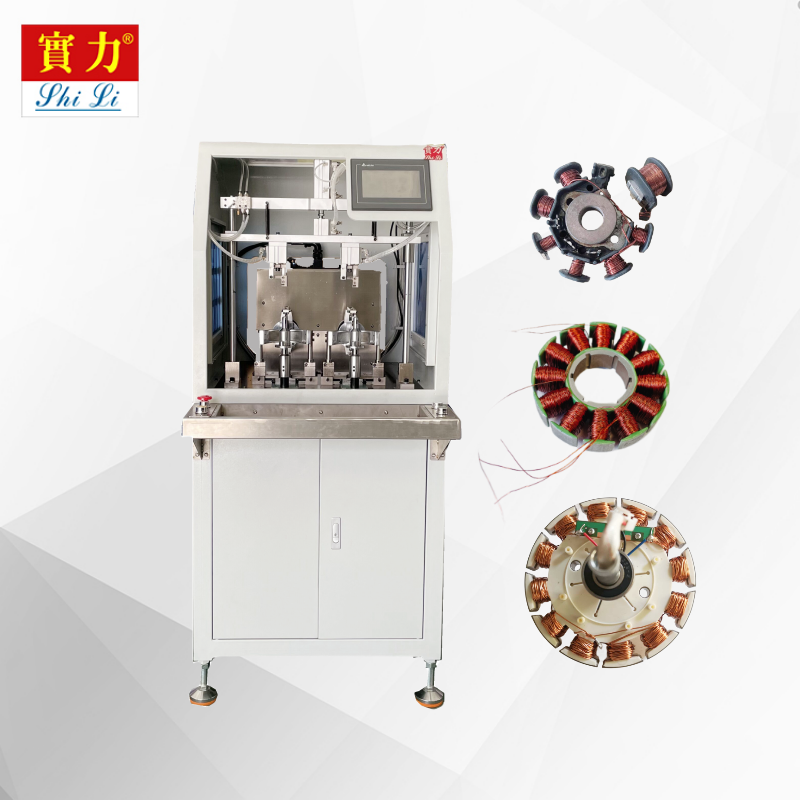
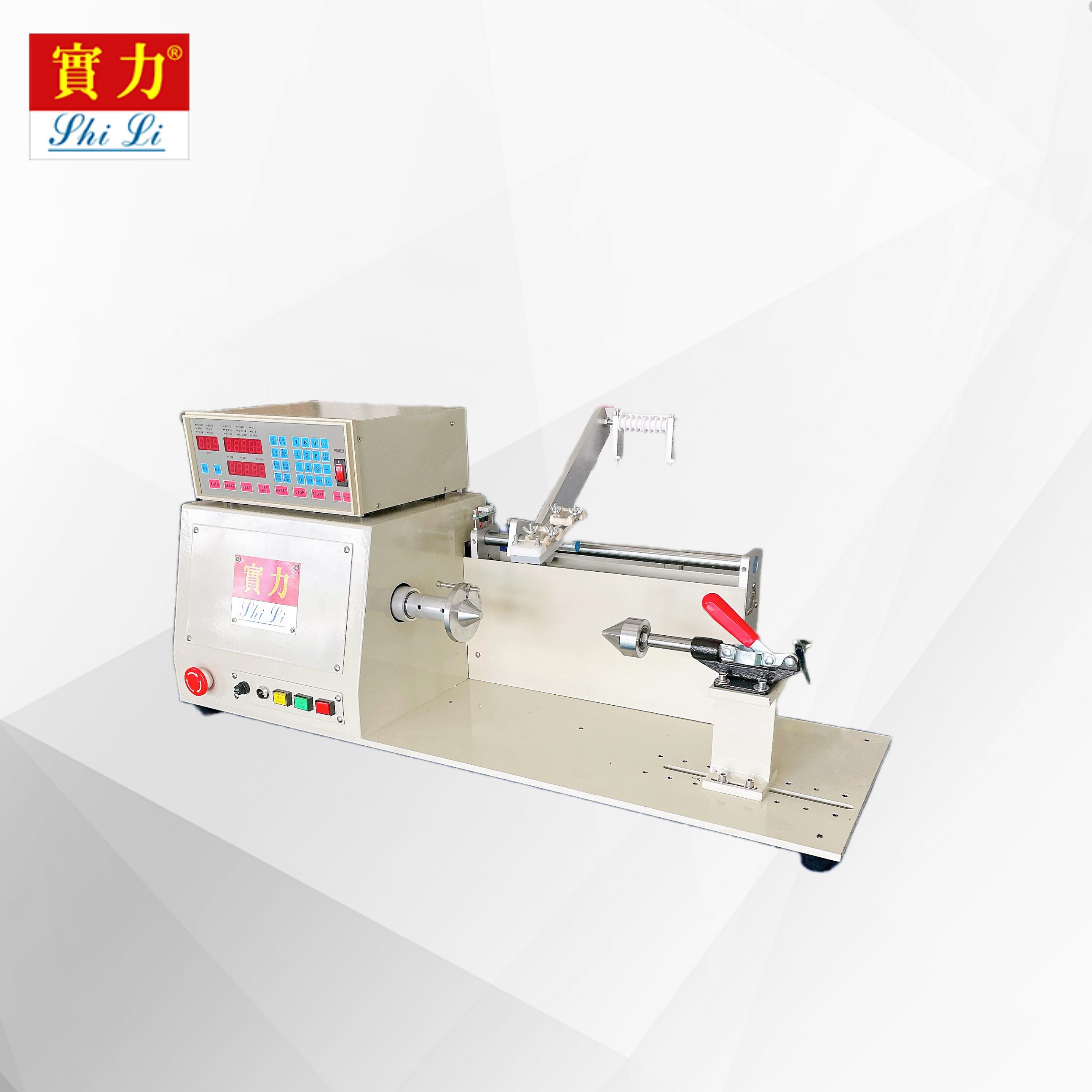
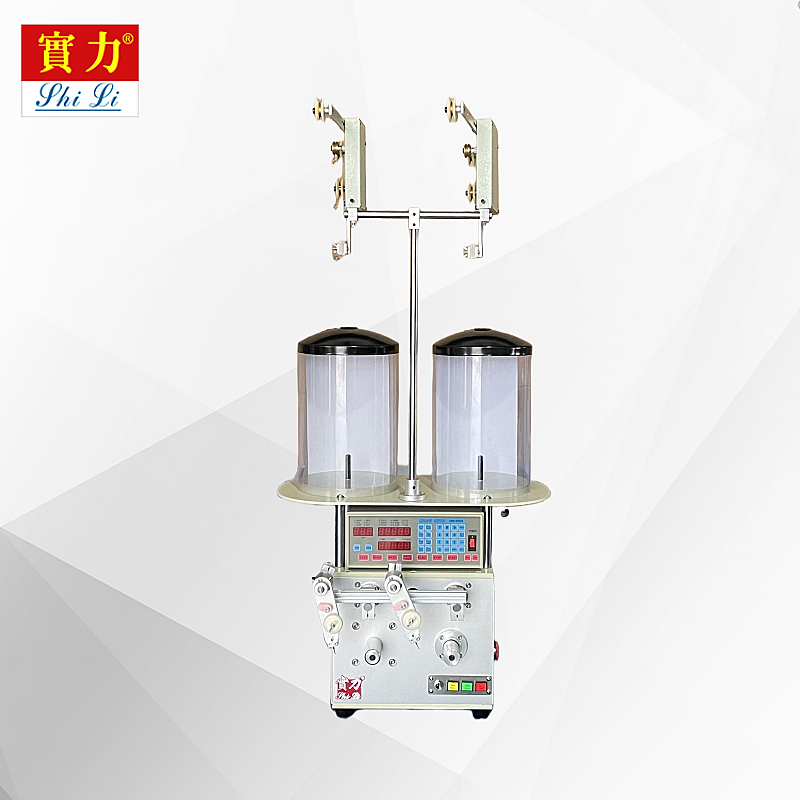
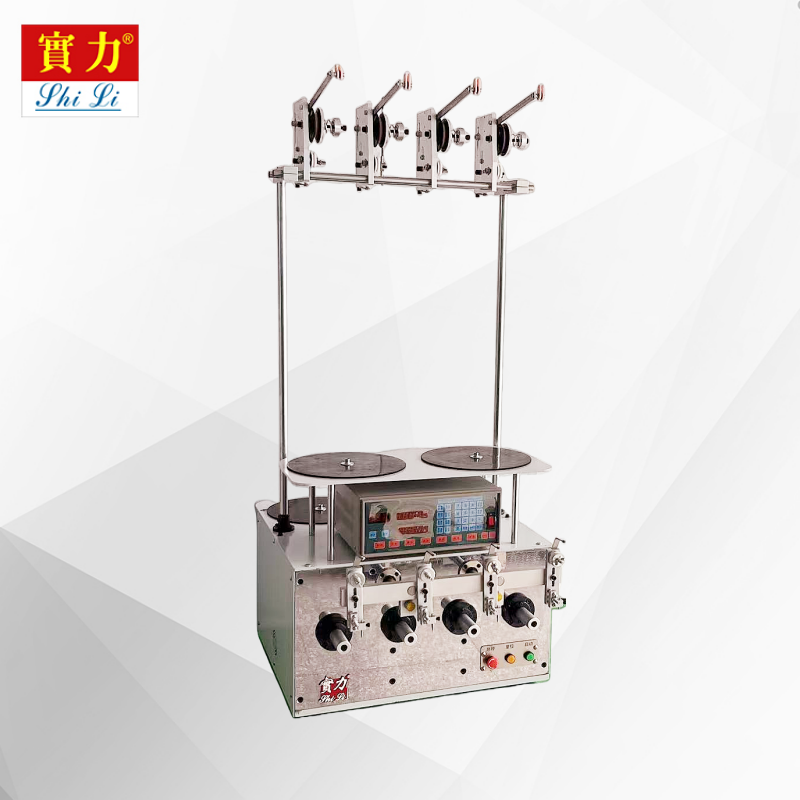
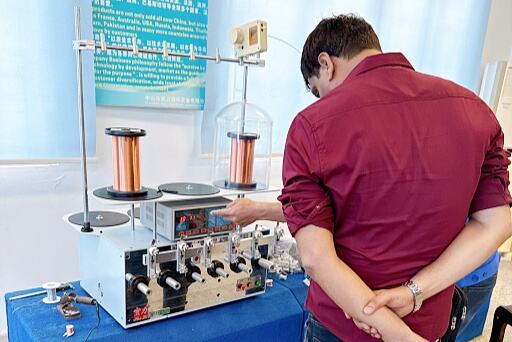
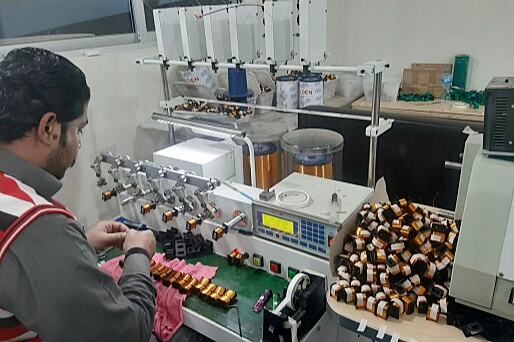
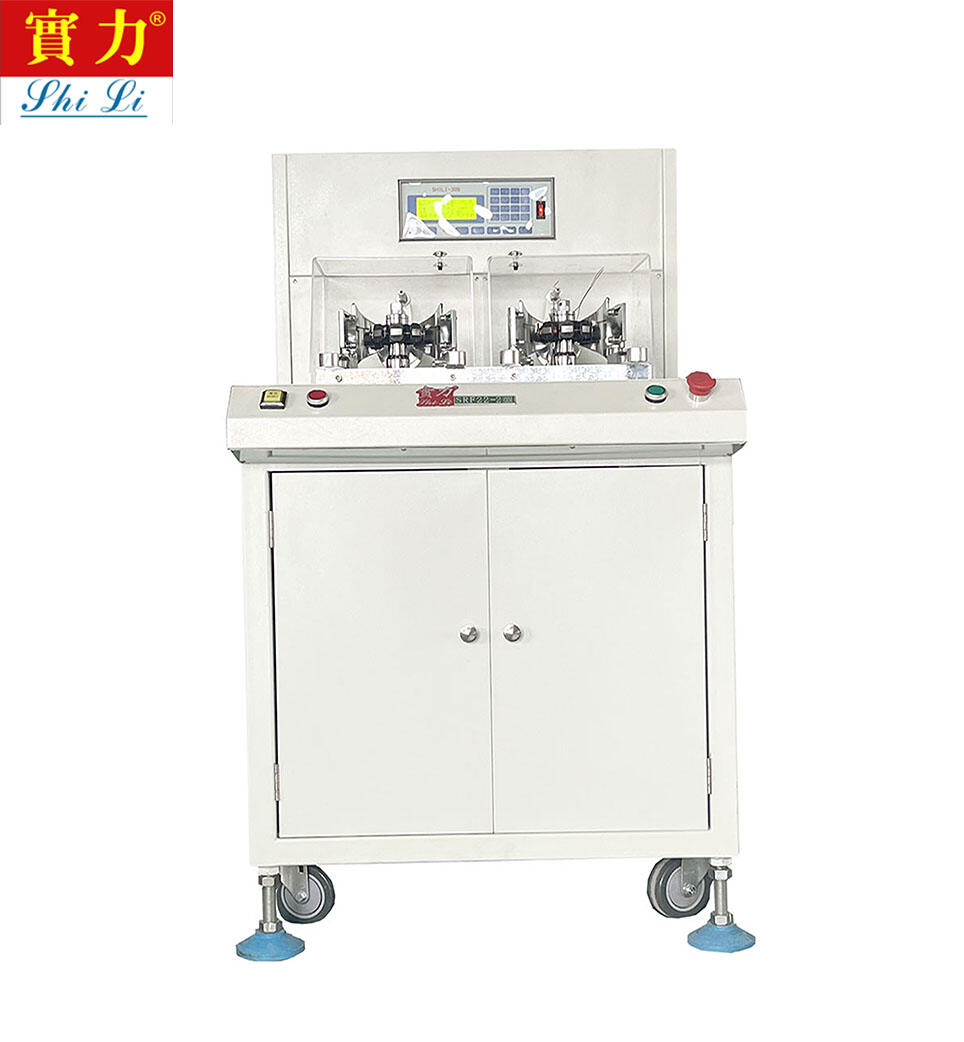
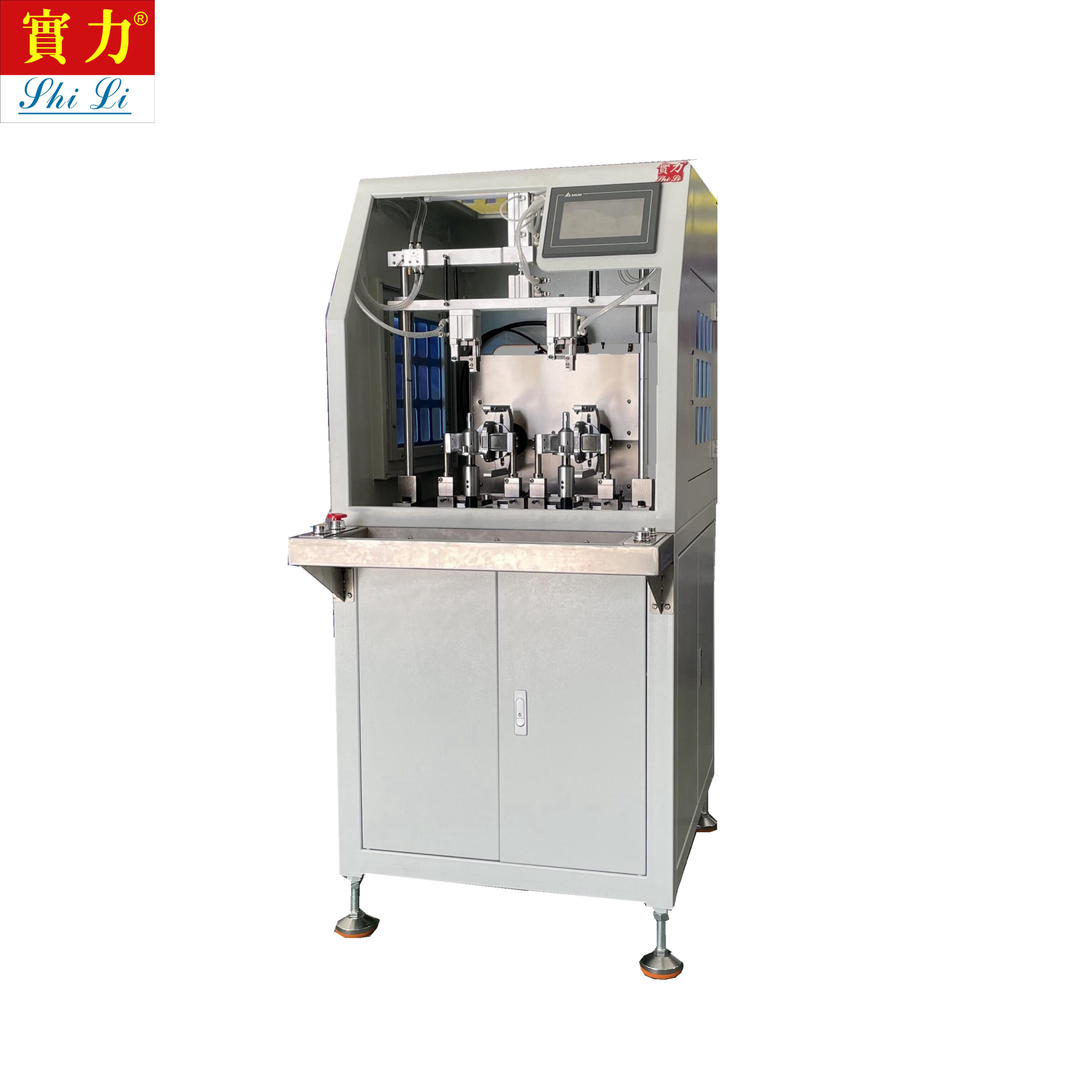
Manual motor coil winding machines represent essential equipment for manufacturing electric motors, transformers, and various electromagnetic devices. The manual motor coil winding machine price varies significantly based on specifications, build quality, and manufacturer reputation. These machines provide precise control over wire placement, tension, and winding patterns while maintaining cost-effectiveness for small to medium production volumes. Understanding the manual motor coil winding machine price structure helps businesses make informed purchasing decisions that align with their operational requirements and budget constraints. The core functionality centers on wrapping copper or aluminum wire around a bobbin or core to create electromagnetic coils. Operators manually control the winding process, ensuring accurate wire placement and consistent tension throughout the operation. Modern manual units incorporate adjustable speed controls, programmable turn counters, and ergonomic designs that reduce operator fatigue during extended use. The manual motor coil winding machine price typically reflects these technological enhancements and build quality factors. Key features include sturdy construction materials that withstand continuous operation, precision bearings for smooth rotation, and adjustable tensioning systems that accommodate various wire gauges. Many models offer interchangeable components that expand versatility across different coil specifications. The applications span automotive ignition coils, household appliance motors, industrial machinery components, and specialty electromagnetic devices. Educational institutions frequently utilize these machines for training programs and research projects due to their hands-on operation and transparent winding processes. The manual motor coil winding machine price consideration becomes crucial when evaluating long-term operational costs versus initial investment. Maintenance requirements remain minimal compared to automated systems, contributing to lower total ownership costs. Wire compatibility ranges from fine magnet wire to heavier gauge conductors, making these machines suitable for diverse manufacturing scenarios where flexibility outweighs high-volume production demands.
 ×
×
 EN
EN