electric motor winding machine price
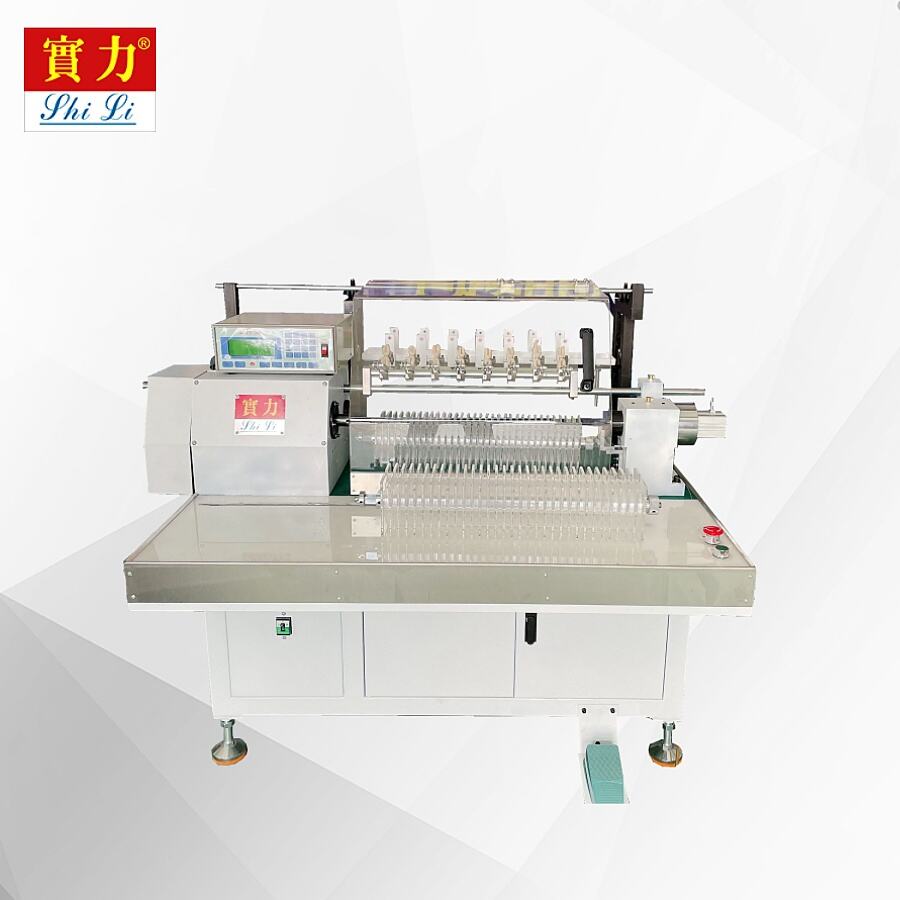
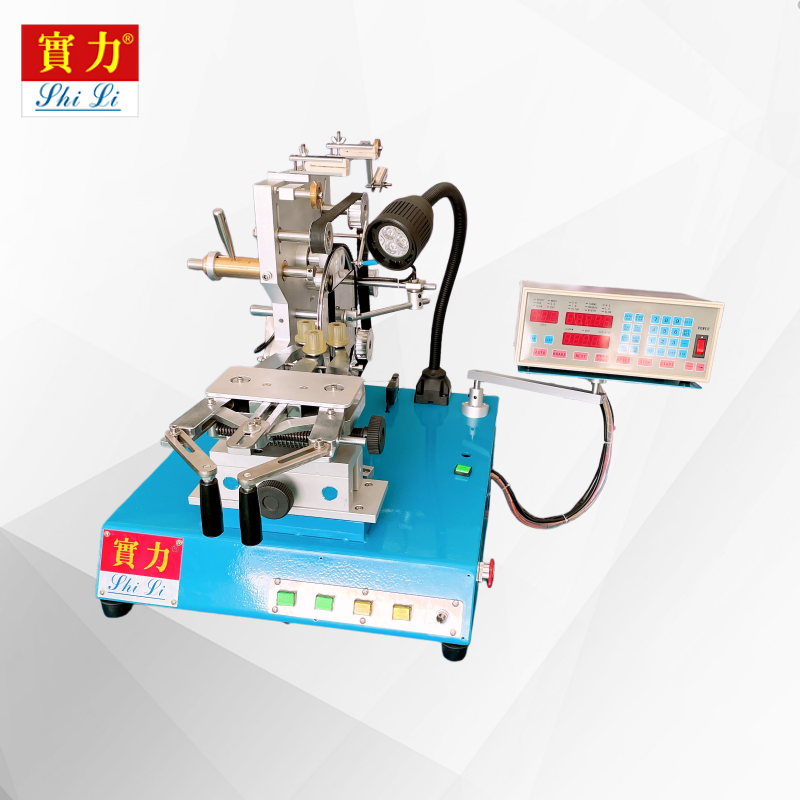
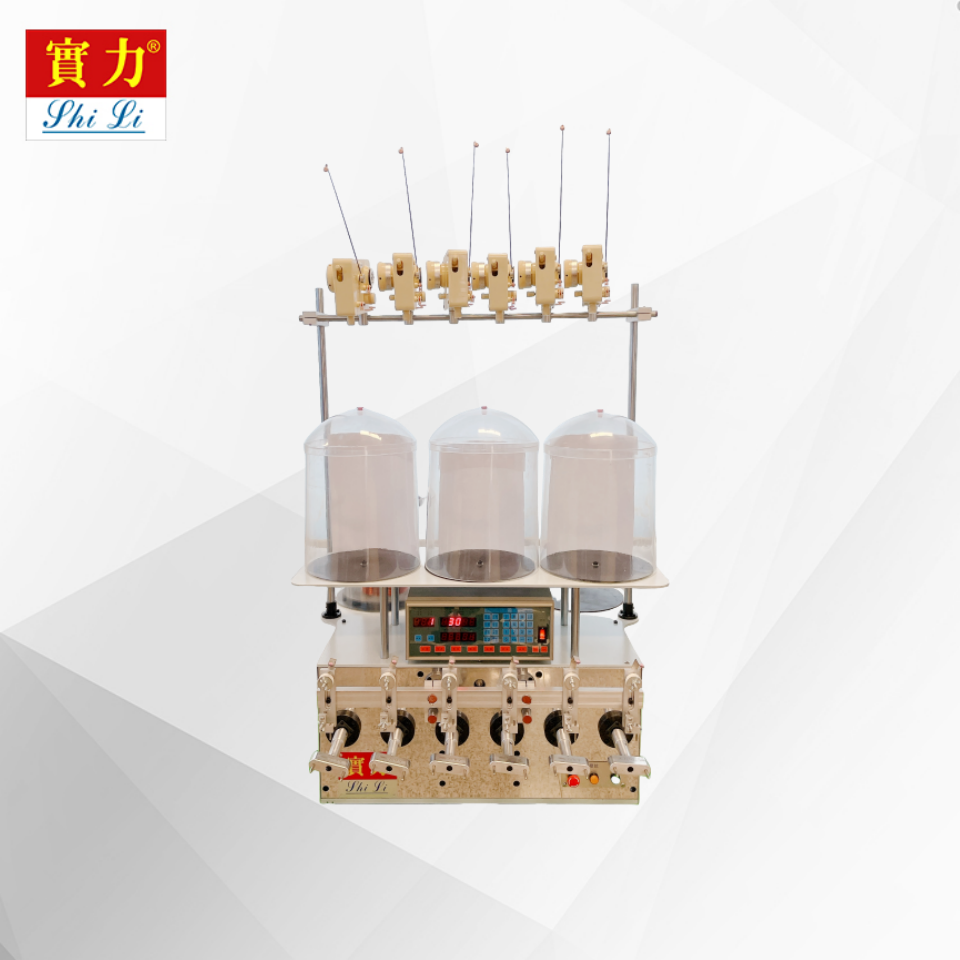
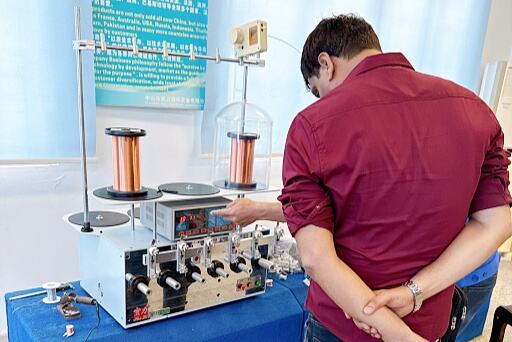
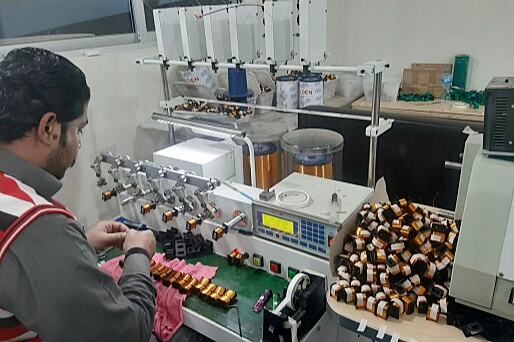
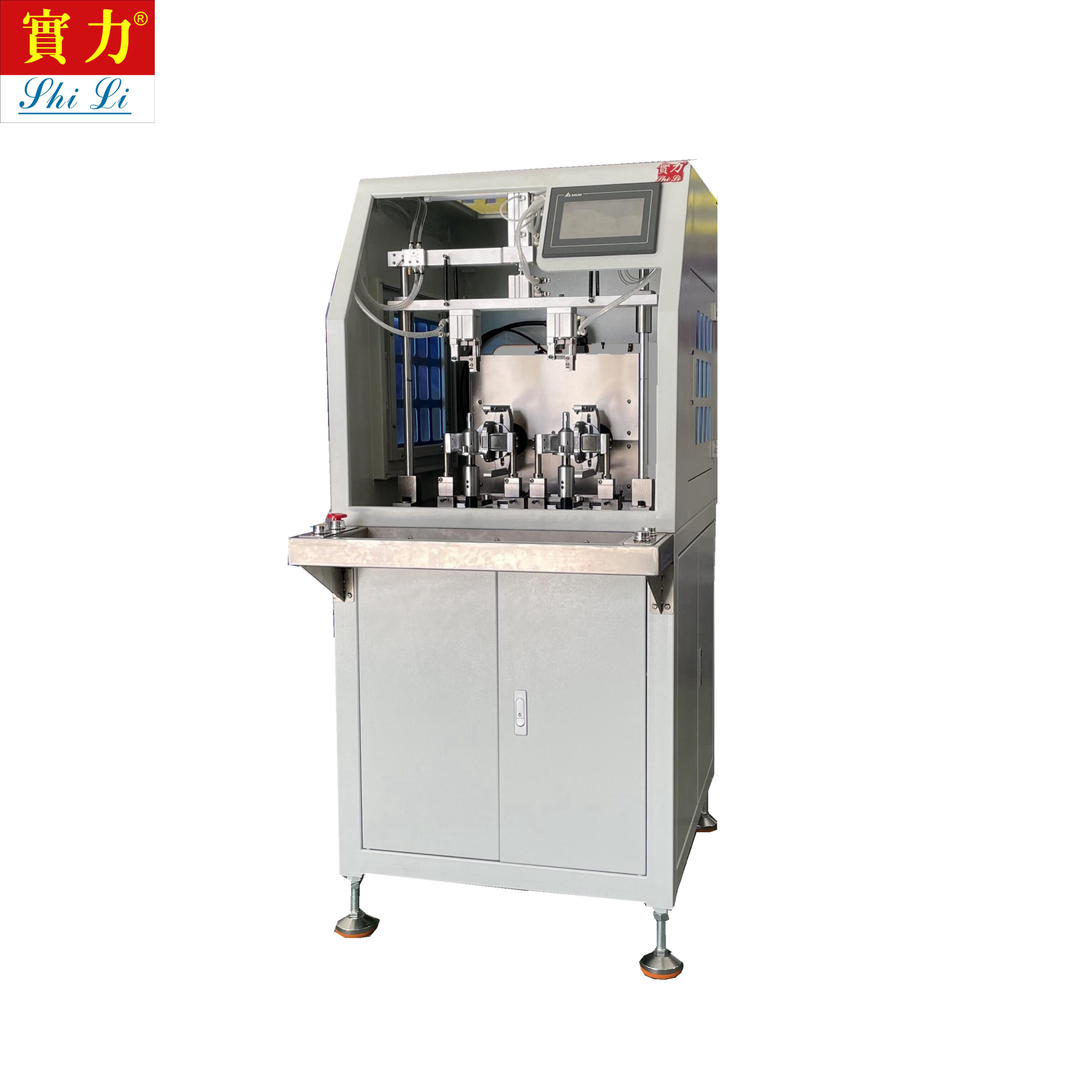
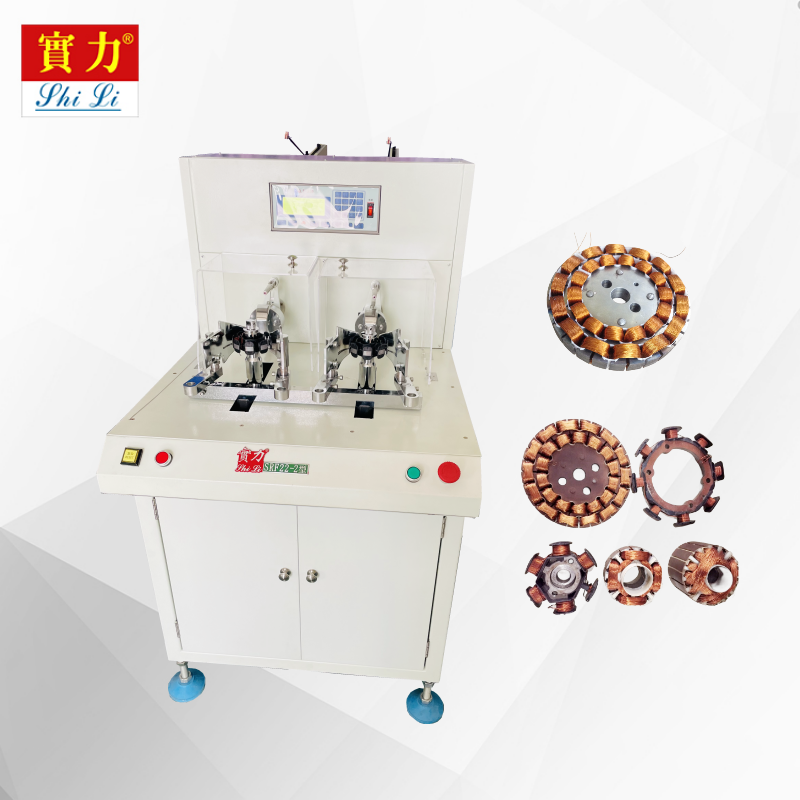
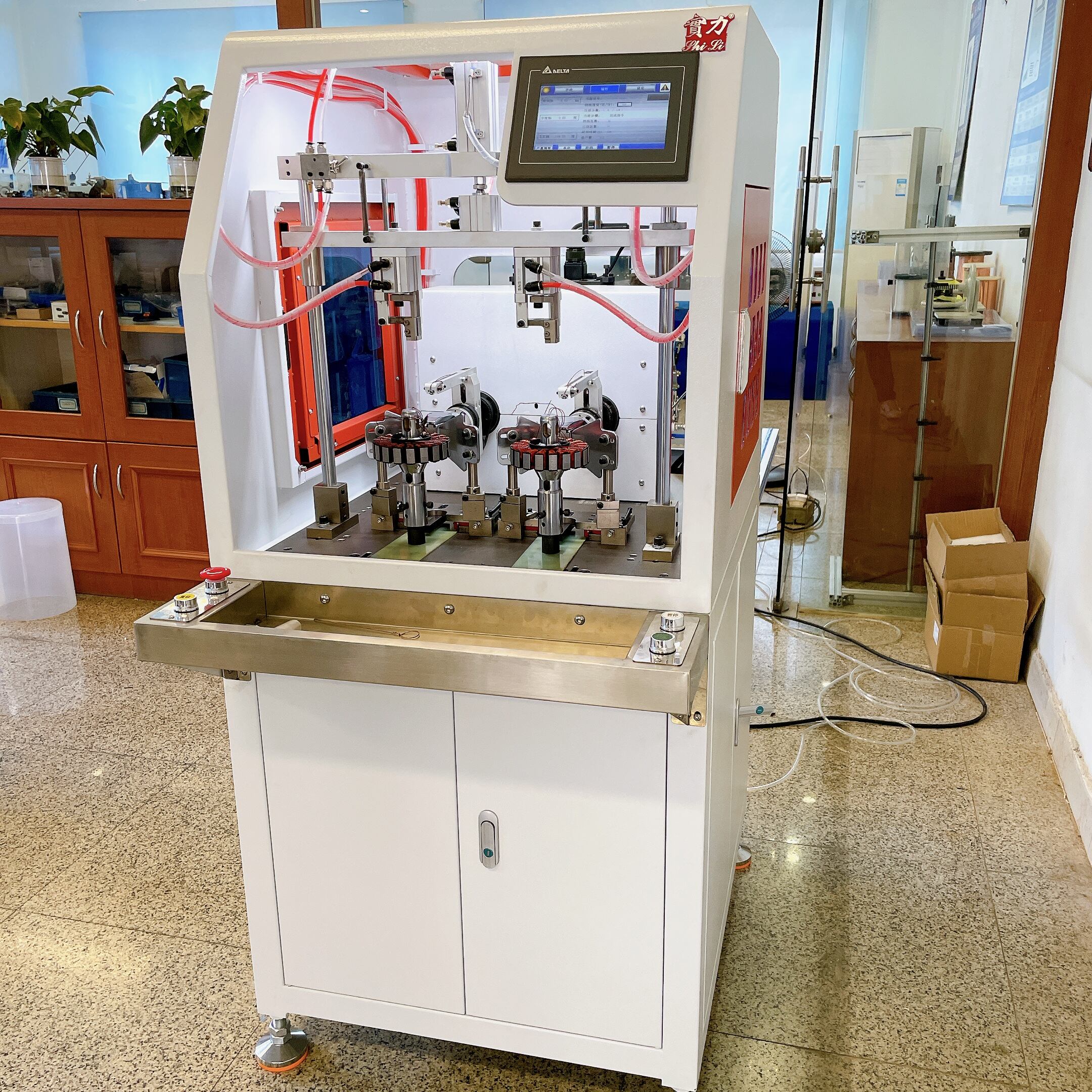
Electric motor winding machine price represents a crucial investment consideration for manufacturers seeking automated coil production solutions. These sophisticated machines revolutionize the traditional manual winding process by delivering precision-engineered motor coils with exceptional consistency and speed. The electric motor winding machine price varies significantly based on technological specifications, automation levels, and production capacity requirements. Modern winding machines incorporate advanced servo motor systems, programmable logic controllers, and touch-screen interfaces that enable operators to configure complex winding patterns effortlessly. The main functions encompass automatic wire feeding, tension control, precise layer winding, and programmable start-stop positioning. These machines excel in producing stator windings, rotor coils, transformer windings, and various electromagnetic components with remarkable accuracy. Technological features include multi-spindle configurations, automatic wire cutting and stripping, integrated quality control systems, and real-time monitoring capabilities. The electric motor winding machine price reflects these advanced features, with entry-level models starting around fifteen thousand dollars and industrial-grade systems reaching hundreds of thousands. Applications span automotive manufacturing, household appliance production, industrial motor fabrication, and renewable energy equipment assembly. The versatility of these machines allows manufacturers to process diverse wire gauges, accommodate different core geometries, and maintain consistent winding density throughout production runs. Investment in electric motor winding machine price delivers long-term value through reduced labor costs, improved product quality, enhanced production efficiency, and minimized material waste. Understanding the relationship between electric motor winding machine price and operational benefits enables informed purchasing decisions that align with specific manufacturing requirements and budget constraints.
 ×
×
 EN
EN