ceiling fan winding machine price
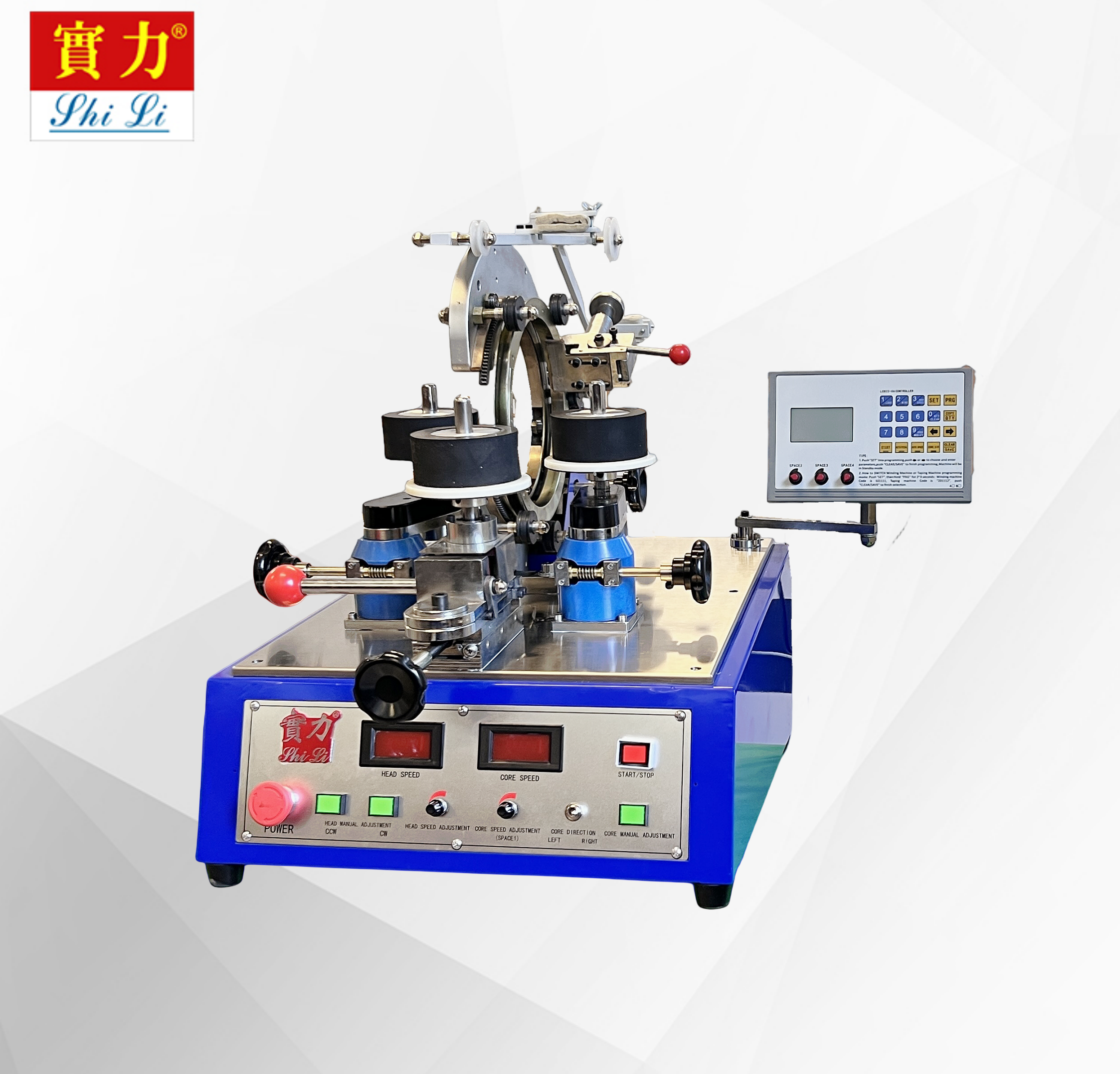
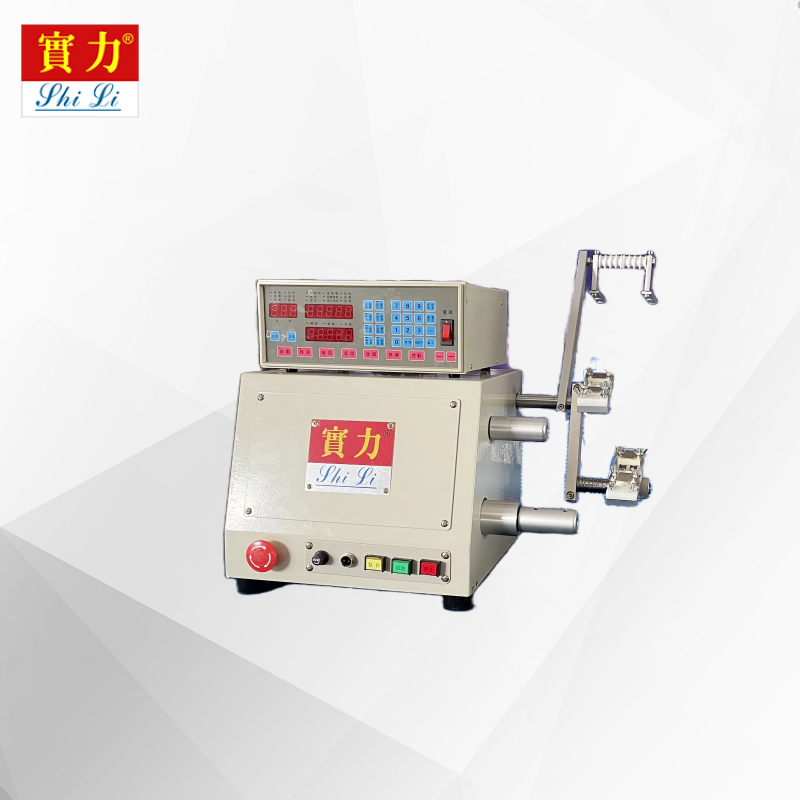
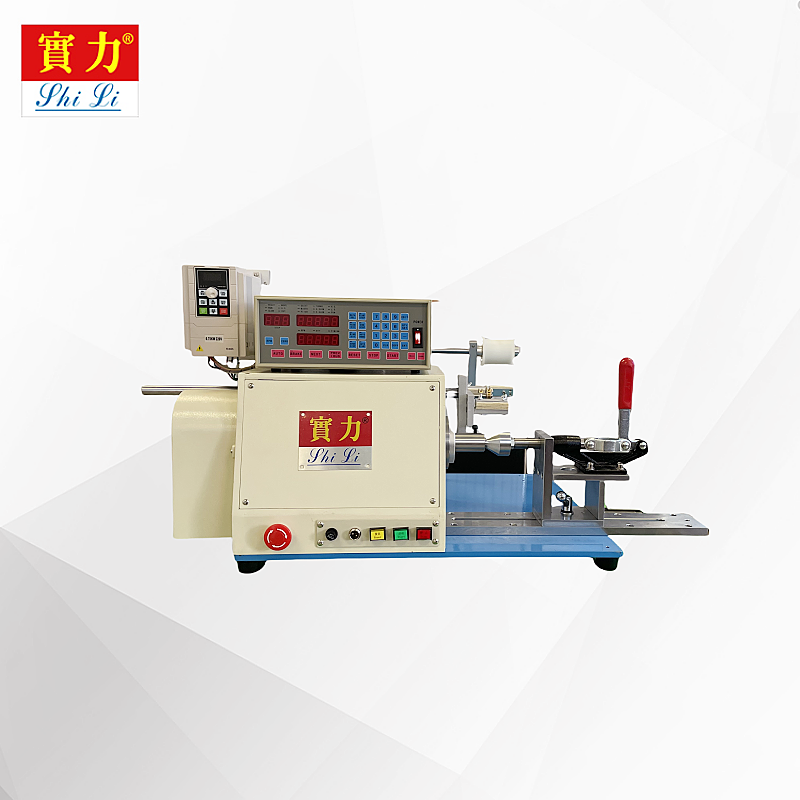
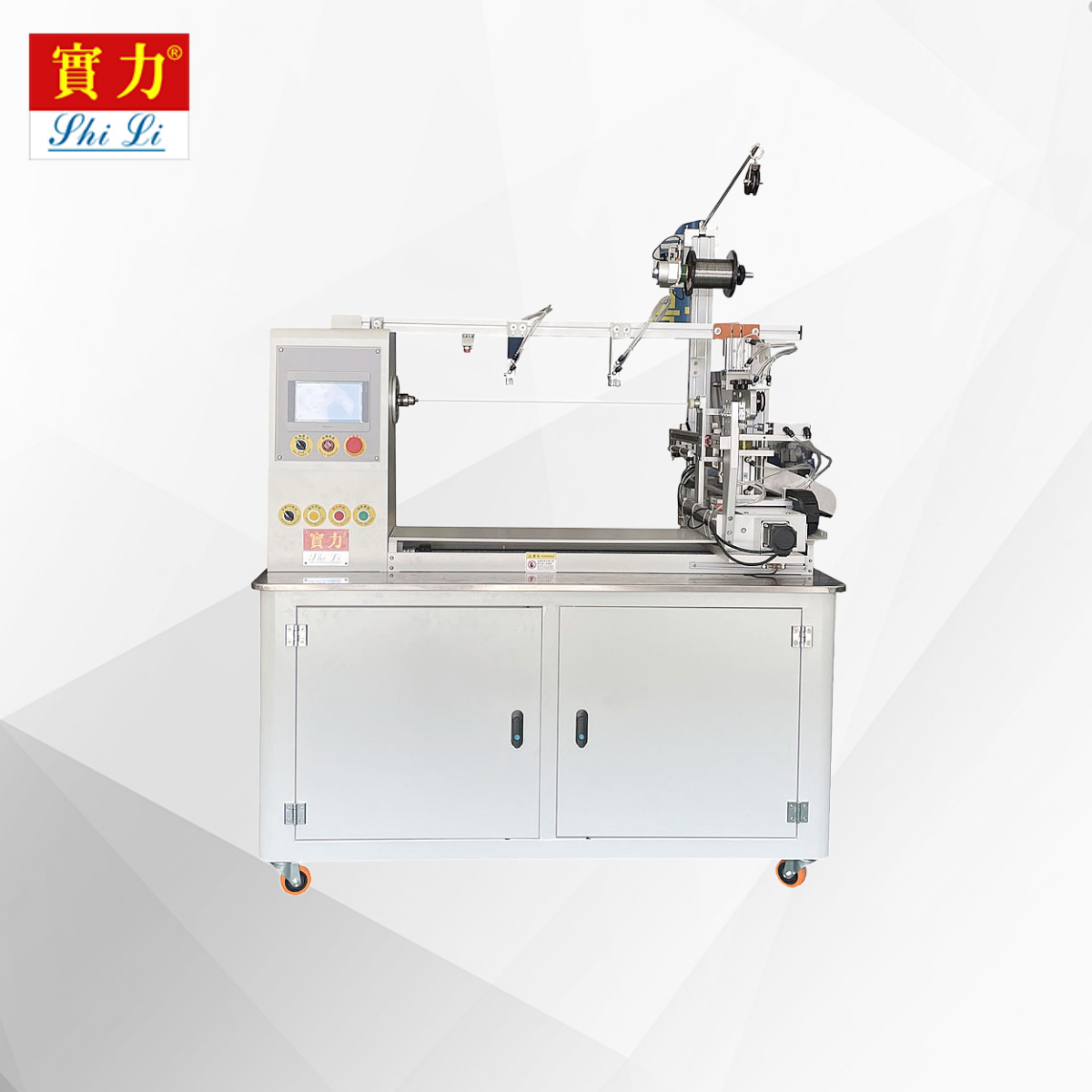
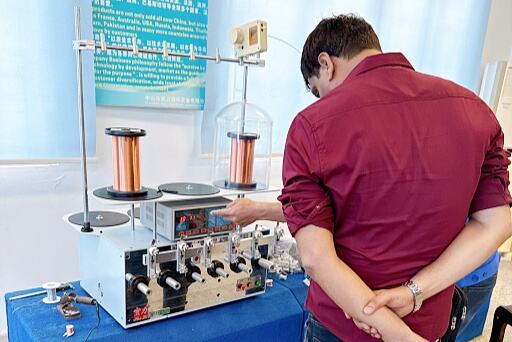
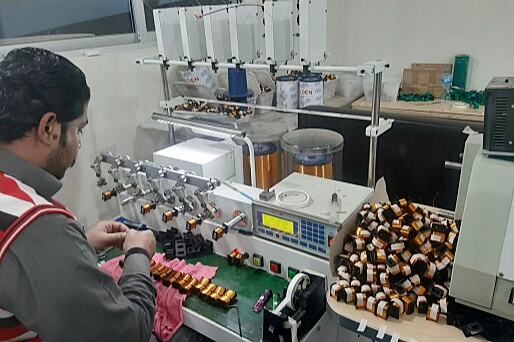
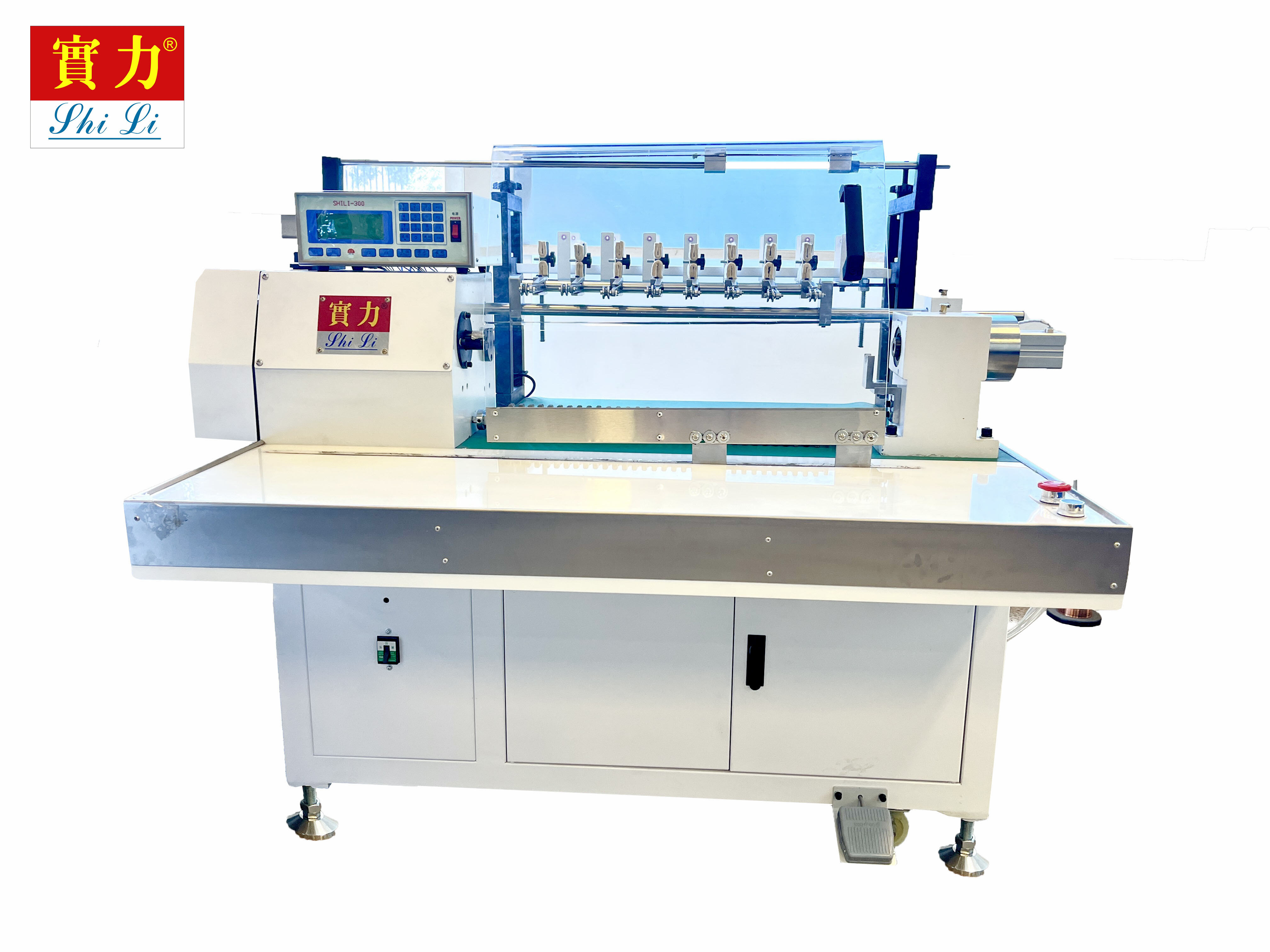
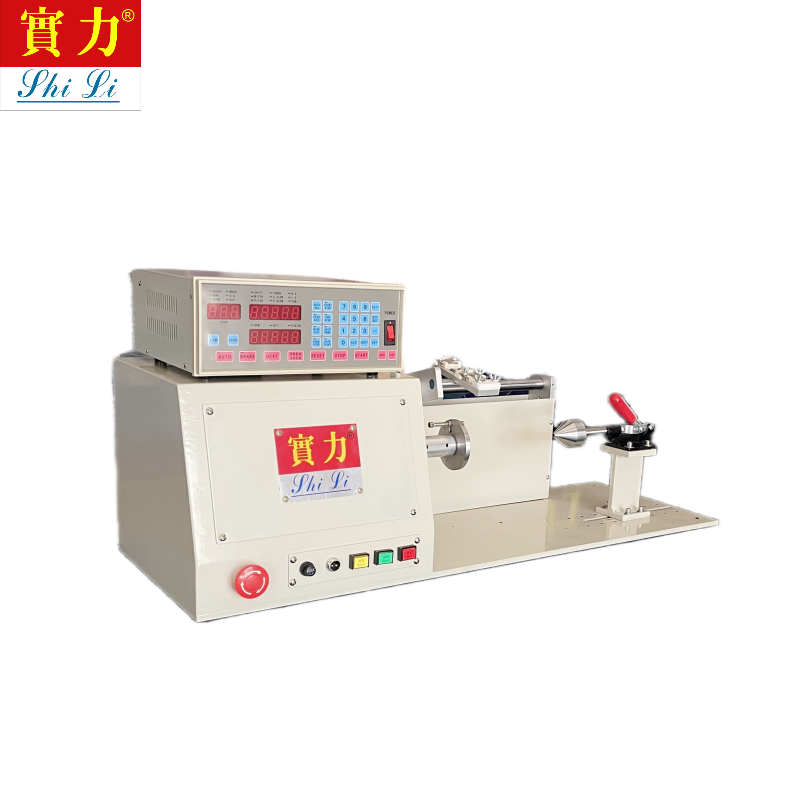
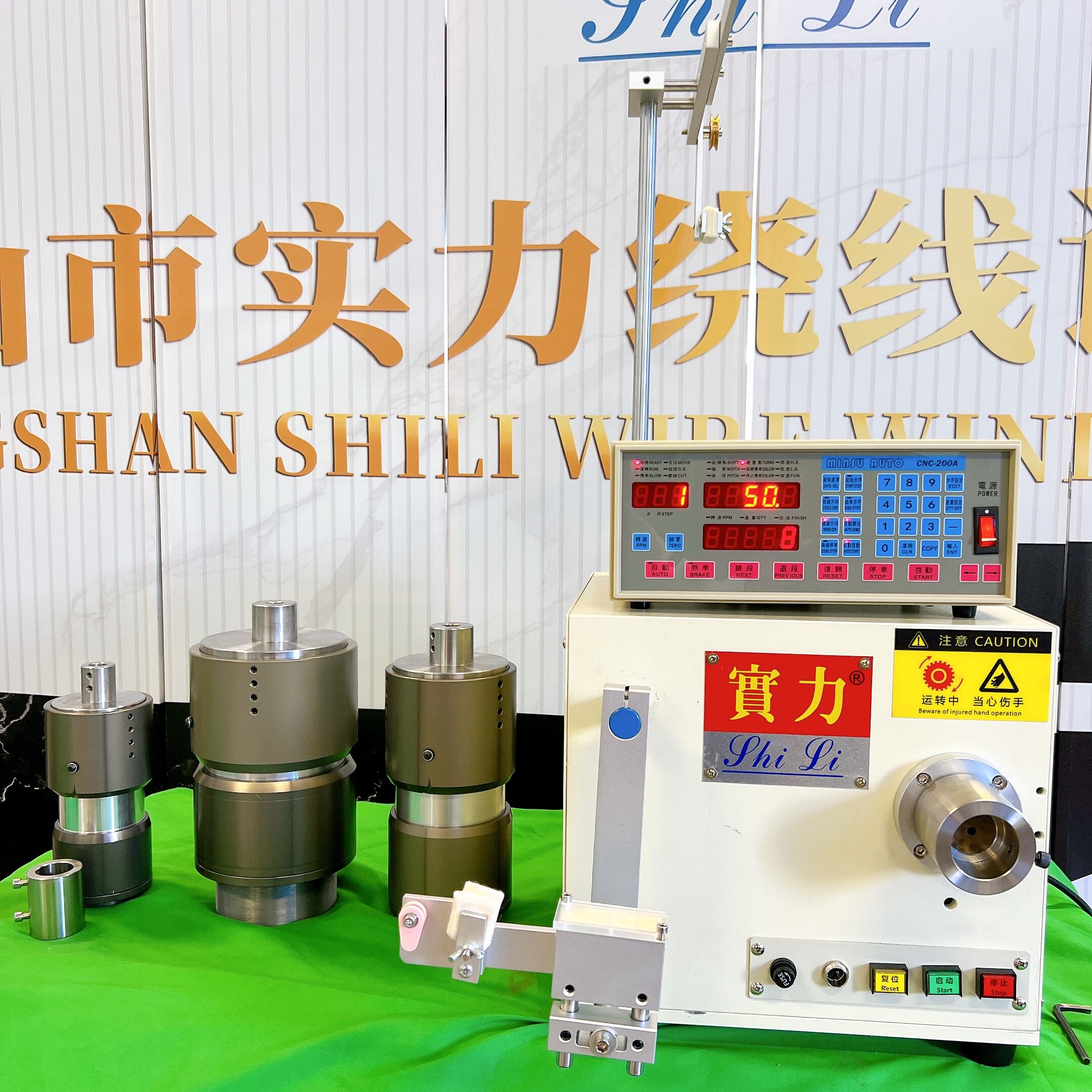
The ceiling fan winding machine price represents a critical investment consideration for manufacturers seeking efficient motor coil production solutions. These specialized machines automate the intricate process of wrapping copper wire around stator cores, forming the electromagnetic components essential for ceiling fan motor operation. Understanding the ceiling fan winding machine price requires examining multiple factors including production capacity, automation level, and technological sophistication. Modern winding machines incorporate programmable logic controllers that precisely manage wire tension, winding patterns, and layer distribution. The ceiling fan winding machine price typically ranges from entry-level semi-automatic units to fully automated systems with advanced quality control mechanisms. These machines feature adjustable spindle speeds, multiple wire feeding systems, and computerized tension monitoring to ensure consistent coil quality. The price structure reflects technological complexity, with basic models offering manual loading and simple winding patterns, while premium systems provide automatic core handling, multi-axis positioning, and integrated testing capabilities. Manufacturing facilities evaluate ceiling fan winding machine price against production volume requirements, labor cost savings, and quality improvement metrics. Advanced machines include servo-driven wire guides, programmable winding algorithms, and real-time monitoring systems that detect irregularities during production. The ceiling fan winding machine price also encompasses maintenance requirements, spare parts availability, and technical support services. Energy-efficient designs reduce operational costs through optimized power consumption and reduced heat generation. Integration capabilities allow seamless connection with existing production lines, inventory management systems, and quality assurance protocols. Buyers must consider the ceiling fan winding machine price alongside productivity gains, defect reduction rates, and long-term operational reliability when making procurement decisions.
 ×
×
 EN
EN